








Flowering Plants - Seeds
Hand harvested seeds from Carly's homestead garden. These beauties will add bursts of colour and pizzazz to your garden.
Sort by:
22 products
22 products
$4 each or 3 for $10 (save $2!)
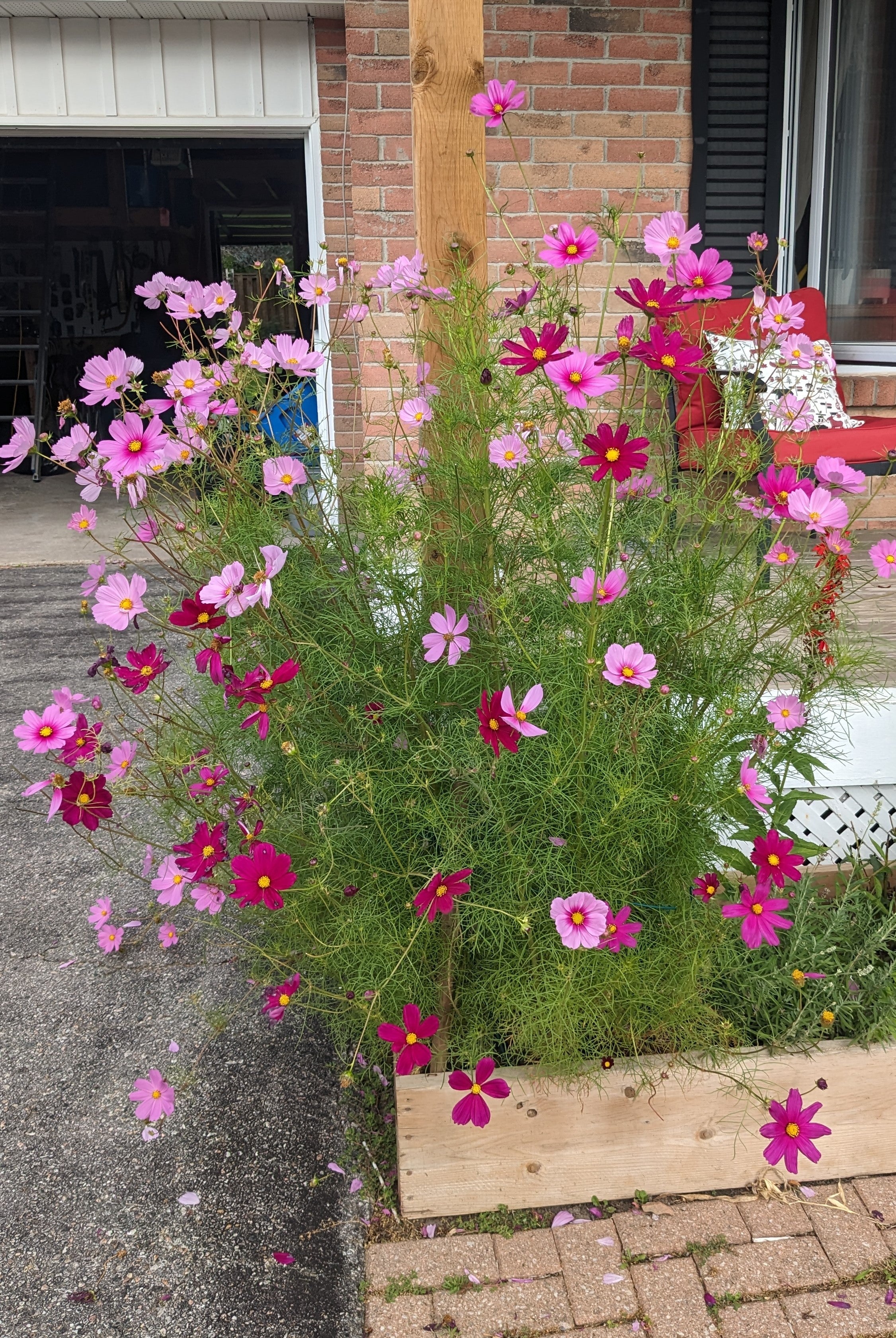
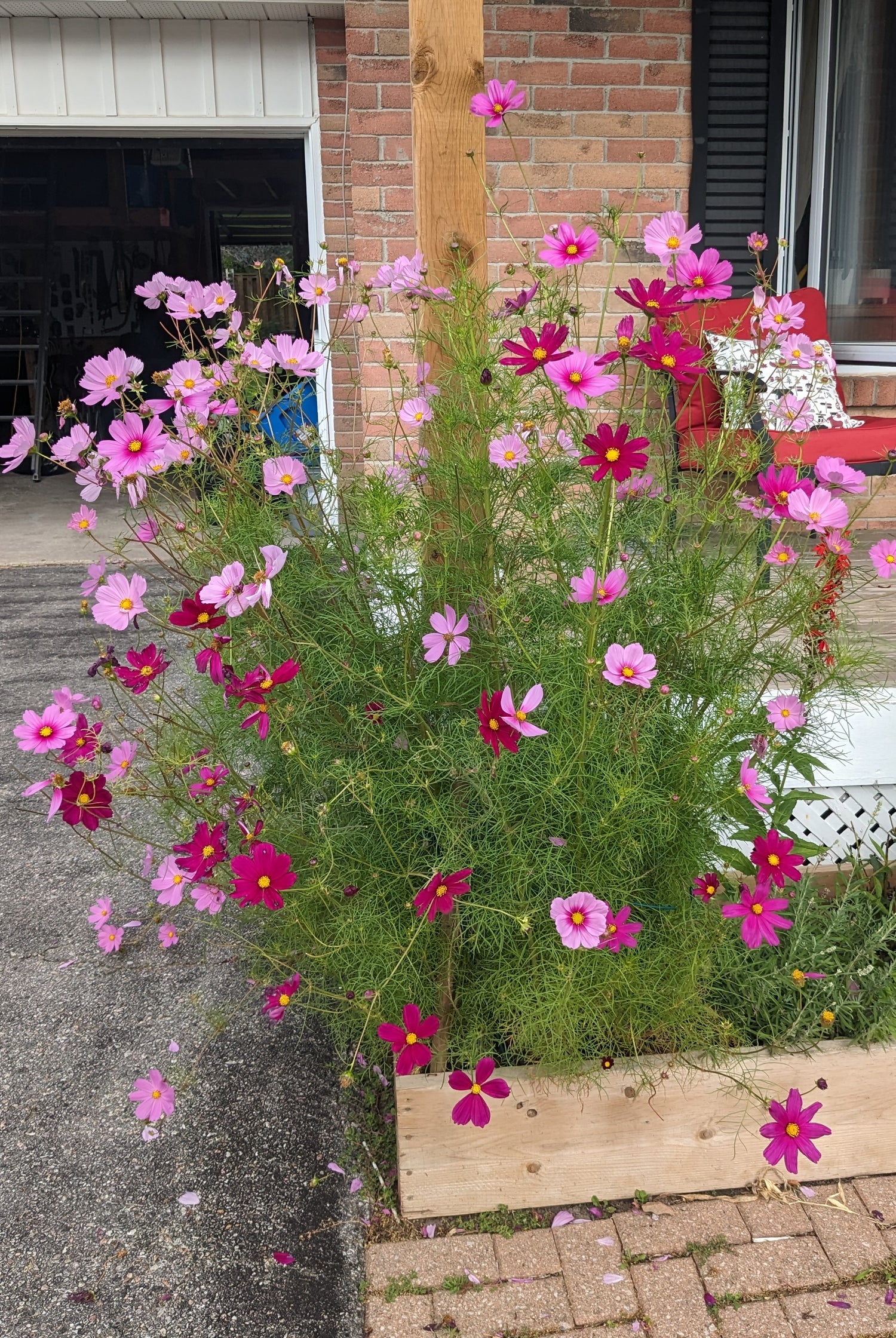
Uxbridge Township’s flower!
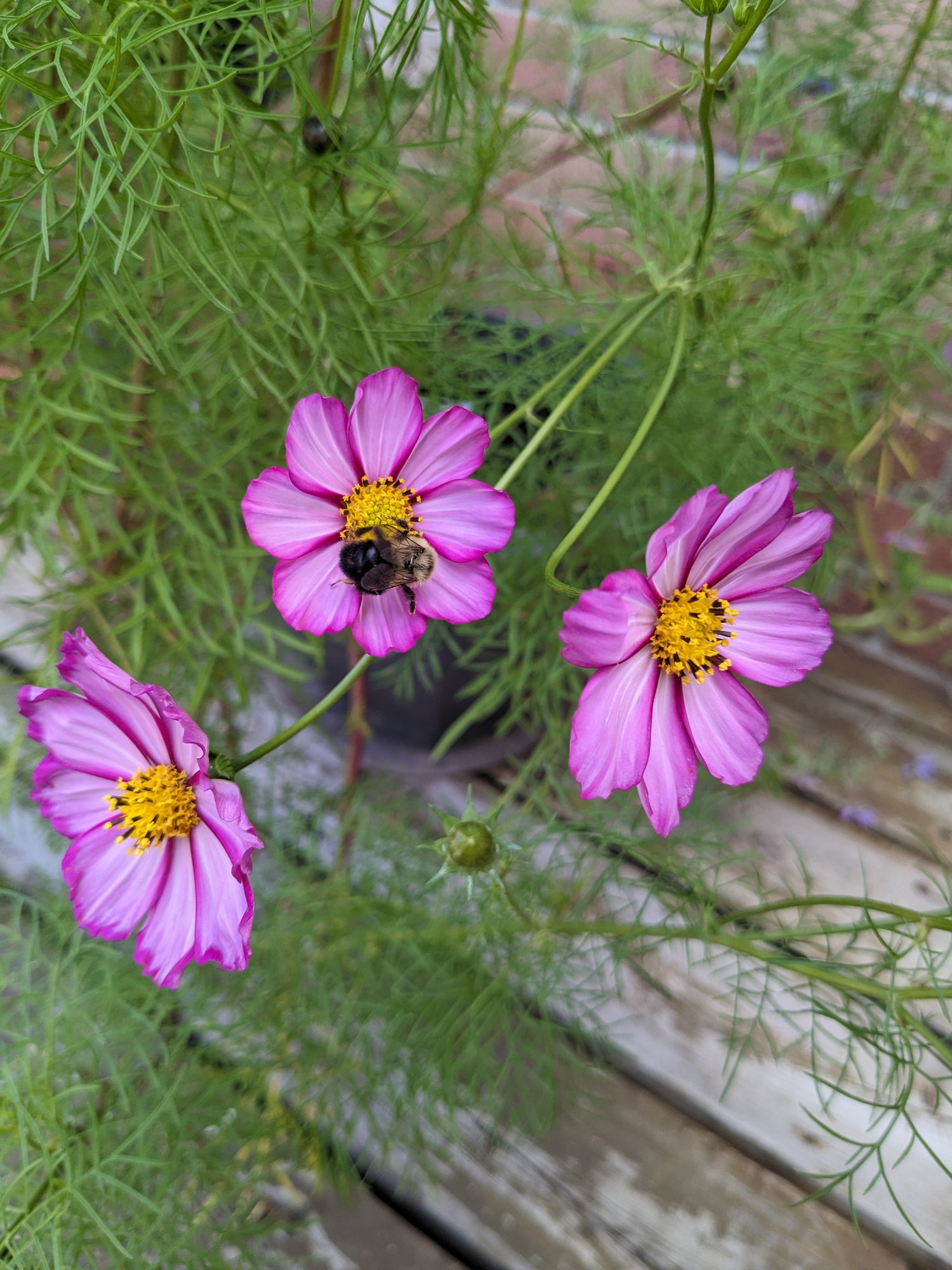
These delightful beauties in cheery pinks (my favourite colour!) are showstoppers in my full sun gardens.
Daisy-like blooms sit atop long, slender stems with feathery leaves, forming a cloud of colour. Once blooming, you’ll have non-stop flowers until a hard frost.
They crawl with bumblebees, hoverflies, sweat bees and ladybugs; I love sitting quiet and close to a patch of Cosmos, listening to soft buzzing and watching the action. Small birds such as goldfinches and chickadees eat seeds from the dried flower heads.
An excellent cut flower, lasting a week or more. East Gwillimbury Garden Club 3rd place winner in 2023, any other annuals category.
Open-pollinated
Heirloom
Type: annual, but reliably self-seeds and returns in my Zone 5b garden
Colour: pink shades, from pale to dark crimson, some variegated, yellow centres
Mix of single, double and fluted blooms
Height: 30-183 cm (1-6 ft)
Soil: well drained, drought tolerant
Light: full to partial (6+ hours/day)
Planting: direct sow lightly, no more than 1/4” deep, in warm soil after last frost. For earlier blooms, start seeds indoors 4 weeks before last frost, then transplant outside after hardening off (LINK: how to harden off seedlings)
Care: low maintenance. Deadhead regularly
Bloom time: early summer - hard frost
Carly’s Tip: Water soil first, let saturate, then plant seeds. This prevent seeds – especially light, delicate ones not deeply sown – from moving/washing away.

$4 each or 3 for $10 (save $2!)
Type: Annual flower
Height: 4-6'
Light: Full sun
Soil: average garden soil
Water: keep well watered
Bloom time: late summer
Planting: Can be started indoors 2-3 weeks before last frost or direct sown into the garden after danger of frost.
Notes: I learned the hard way that sunflowers are allelopathic, meaning they give off toxins that impede the growth of or even kill other plants. They also deplete soil of nutrients. Because I grow so much food in containers, I now grow my sunflowers in separate pots and place them near their fruit, veg and herb companions


$4 each or 3 for $10 (save $2!)
Like all milkweeds, Swamp Milkweed, is a food source for the Monarch butterfly larvae. Unlike Common Milkweed, Swamp Milkweed is well behaved in the garden as it does not sucker. This is an extremely beautiful plant and is a must have in a native plant garden!
Type: Perennial, native to Ontario
Height: 3-4 feet
Light: Full sun
Soil: Rich to medium rich soils, however it may survive a season or two in poorer, dryer soils.
Water: As the name suggests, Swamp Milkweed is happiest where it gets consistent moisture. However, it can be used in rain gardens and dryer areas although it may not be as long lived.
Bloom time: July to August. NOTE: This plant is very late to reappear in the spring! Sometimes it doesn't poke through the soil until the end of May- so be patient!
Planting: Cold, moist stratification required - see options in photos, courtesy of Northern Wildflowers. This website offers an excellent overview of this plant and how to grow it from seeds: Swamp Milkweed – A Beginners Guide – GrowIt BuildIT
Wild life support: Leaves are a food source for Monarch caterpillars, Tussock moth caterpillars, Milkweed beetle. A variety of bees and wasps use the nectar and pollen.
$4 each or 3 for $10 (save $2!)
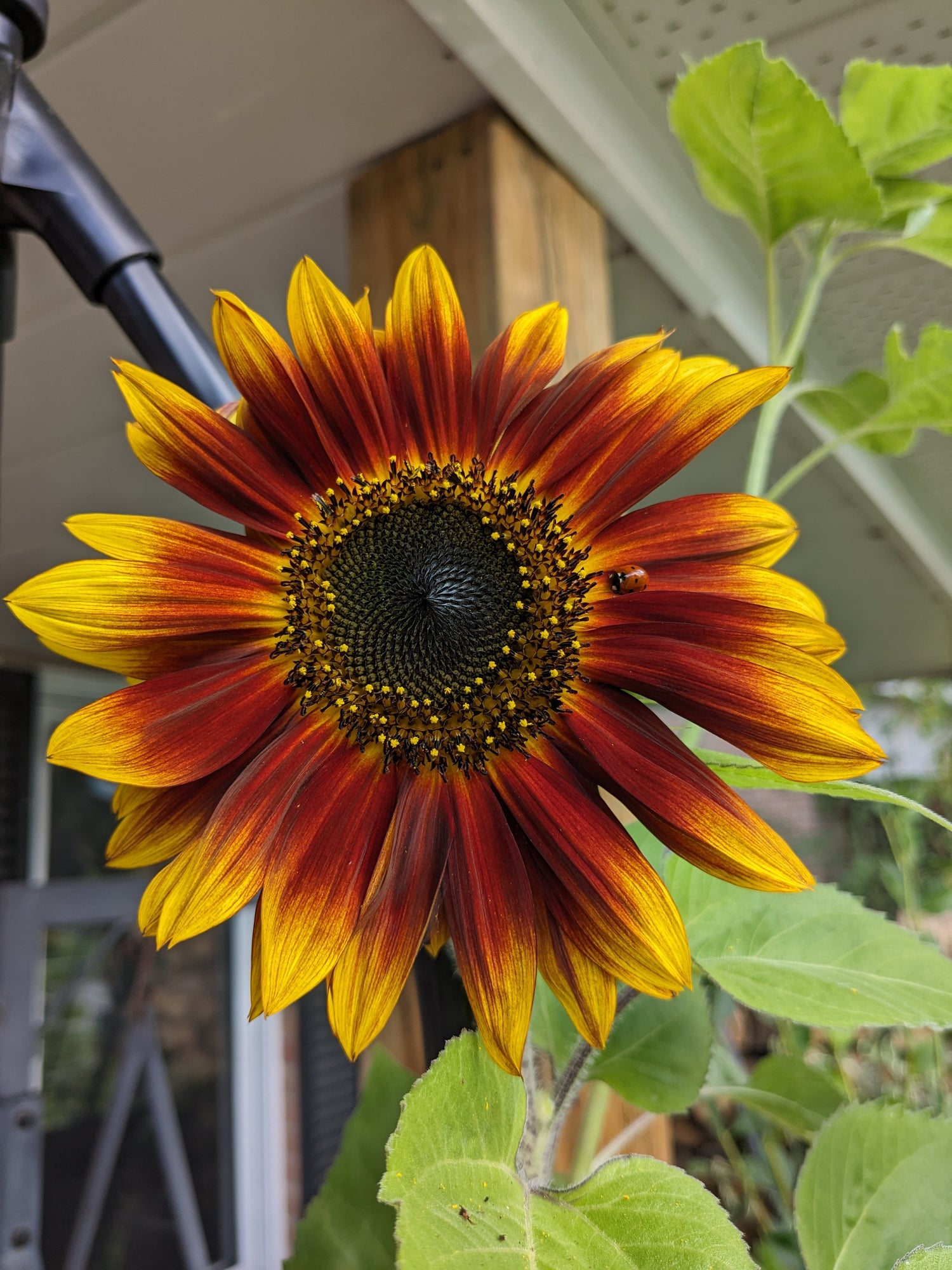
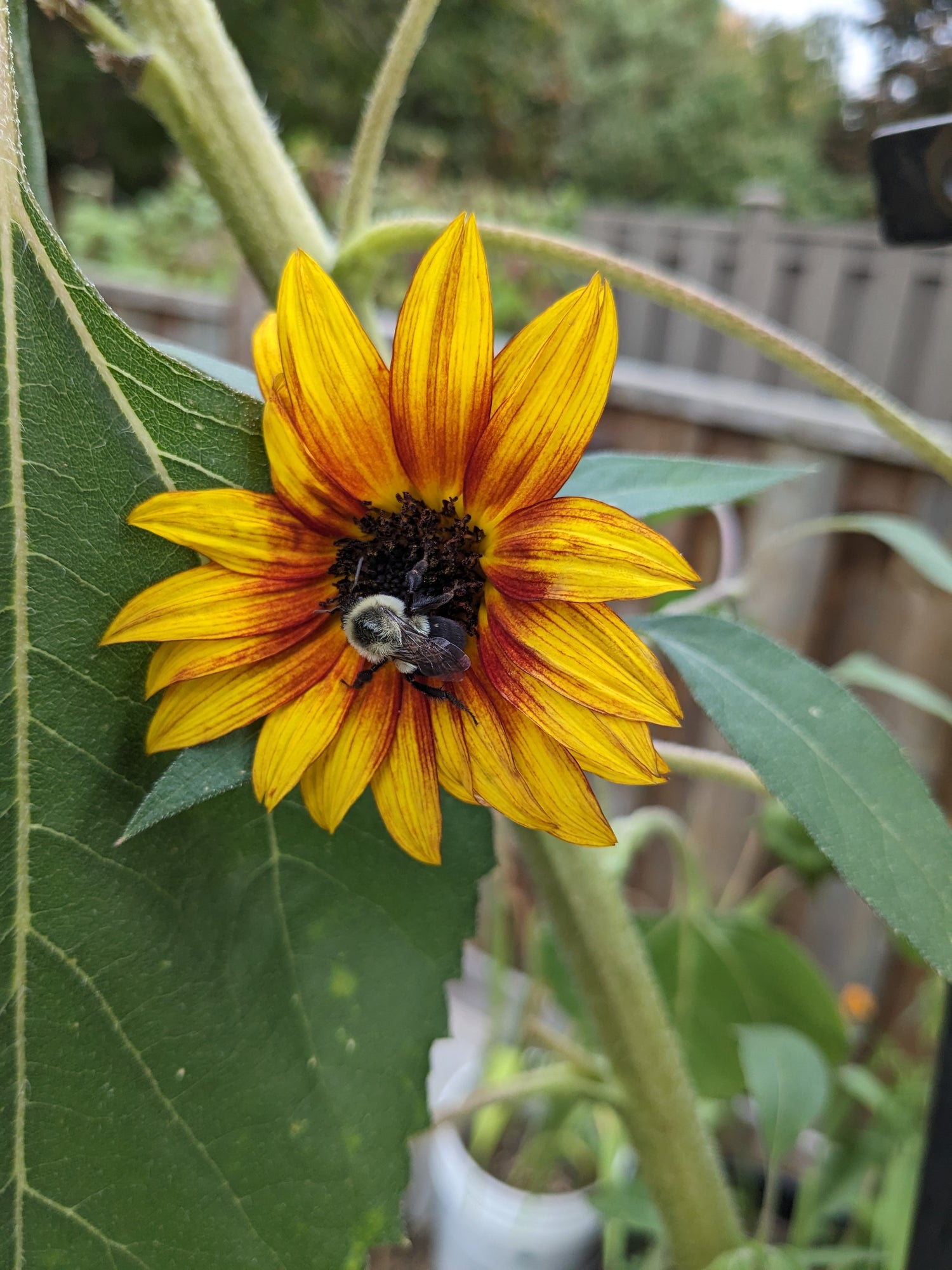
Sunflowers are a must-grow annual each season - their bright, cheery faces make me smile, and I absolutely love them in fall bouquets. They're always covered in bees of all sizes, even ladybugs. Then the birds, squirrels and chipmunks feast on the seeds.
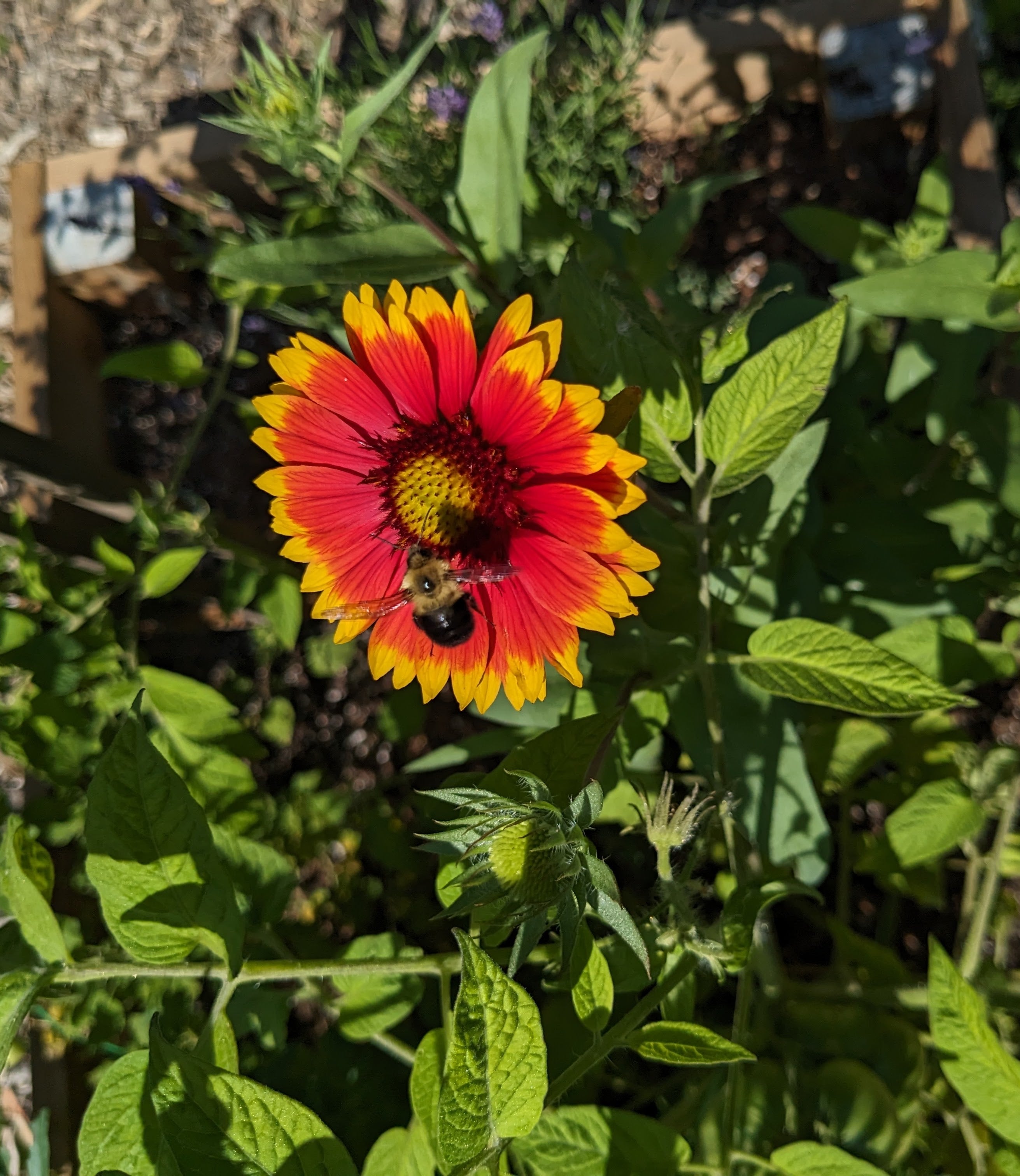
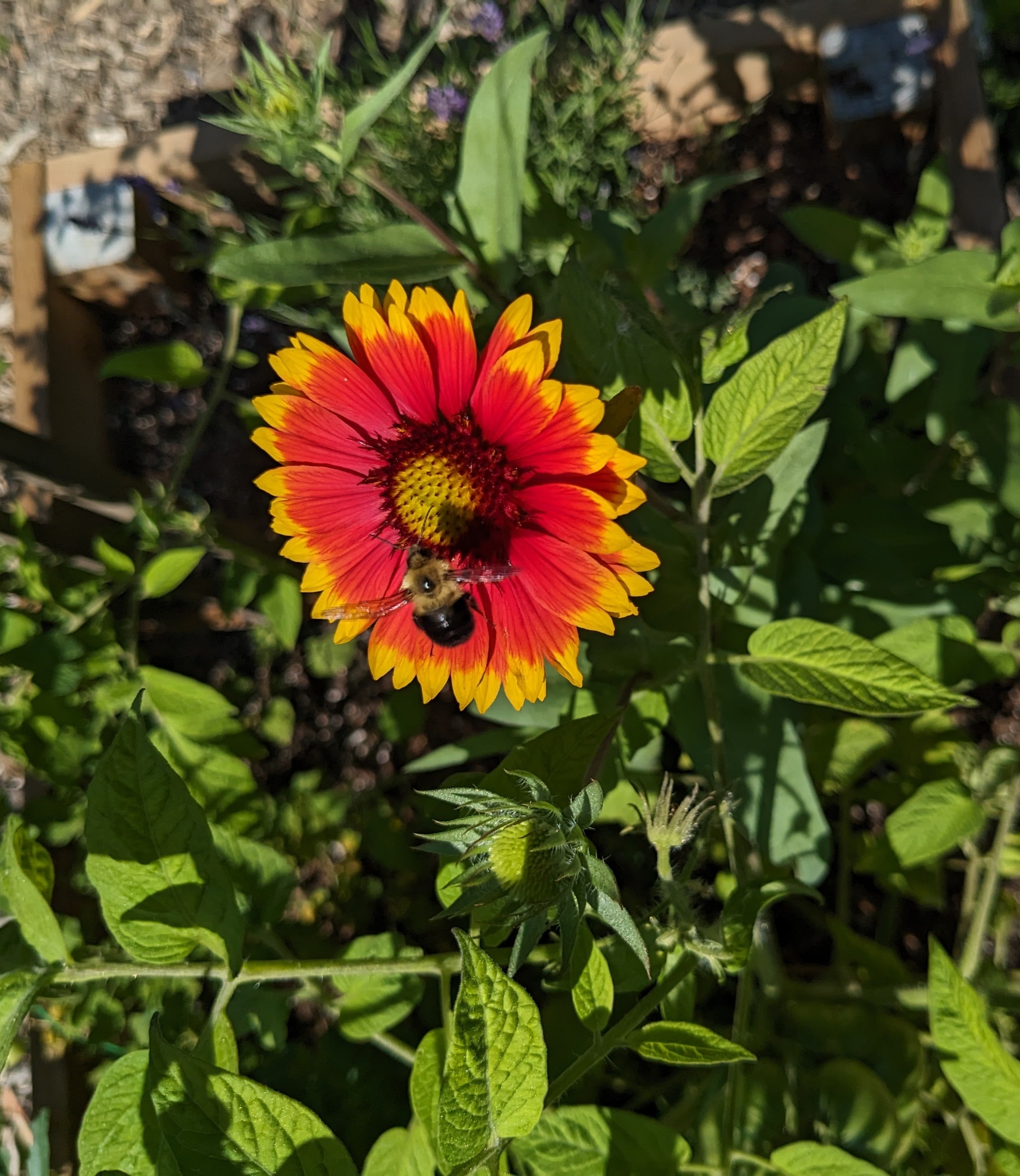
I adore Ring of Fire, with their chocolate brown centres surrounded by golden yellow petals that turn to red. People ask me about them every year. I find the more sun they get, the deeper the red colour.
Ring of Fire is a basal branching variety, so you get multiple blooms off each plant. When you're tight on space, this is a bonus. Succession plant the seeds for continuous blooms.
Chipmunks and squirrels LOVE sunflower seeds and small shoots, and will relentlessly dig up the seeds and/or chop the tender plants off. My neighbours have heard my sobs and swearing in equal measure over the years. Here are my tried and tested ways to fight them:
- Direct sow seeds in containers or pots, then completely cage them with small-holed wire mesh (forget plastic - they will eat right through it) for as long as possible
- Start seeds indoors 4 weeks before last frost, then transplant to the garden with tall, wire mesh collars around the seedlings and DO NOT remove all season
Note: I learned the hard way that sunflowers are allelopathic, meaning they give off toxins that impede the growth of or even kill other plants. They also deplete soil of nutrients. Because I grow so much food in containers, I now grow my sunflowers in separate pots and place them near their fruit, veg and herb companions
Type: Annual
Height: 4-5 ft.
Light: full sun
Soil: heavy feeders, sunflowers need organically-rich soil that's well draining
Planting: Sow in warm soil after the danger of frost, 1/2" deep, 6" apart
Harvest: 8-12 weeks


$4 each or 3 for $10 (save $2!)
A very old variety, this is a great flower for the historical garden. Flowers are such a rich deep purple/ red that they appear black and have lovely yellow centres. May need staking.
Type: Biennial
Height: 6'+
Light: Full sun
Soil: good garden soil
Water: keep evenly watered
Bloom time: mid to late summer
Planting: Start inside 6-8 weeks before planting out. Do not cover seed, needs light to geminate. Transplant after last frost into full sun or light shade.
Growing tip: Pinch out the growing tip after transplanting to make your plants stocky and strong. Cut back after first bloom to encourage reblooming. Do not move established plants. May be short lived, but hollyhocks self-seed dependably.

$4 each or 3 for $10 (save $2!)
These cosmos are a lovely pure white which shines in the garden, especially at night! They would be a perfect choice for a night or moon themed garden.
Type: annual
Height: 30-183 cm (1-6 ft)
Soil: well drained, drought tolerant. Not too rich or you will only get foliage and no flowers.
Light: full to partial (6+ hours/day)
Planting: direct sow lightly, no more than 1/4” deep, in warm soil after last frost. For earlier blooms, start seeds indoors 4 weeks before last frost, then transplant outside after hardening off. *
Care: low maintenance. Deadhead regularly
Bloom time: early summer - hard frost
Carly’s Tip: Water soil first, let saturate, then plant seeds. This prevent seeds – especially light, delicate ones not deeply sown – from moving/washing away.
*Hardening off refers to the process of gently and gradually acclimatizing indoor grown seedlings to the great outdoors! Don't throw your new babies straight into the elements! Over the course of a week, take them outside for a few hours at a time, bringing them back indoors afterwards. First sit them in the shade and then slowly introduce them to the sun. Increase the length of time they are outside and are exposed to the sun, until you feel they are ready to face the big outside world!

$4 each or 3 for $10 (save $2!)
Mountain Mint is a beautiful, shrub like native plant with minty foliage and dainty white flowers that bloom for 3 months of the summer! It is brings in an abundance of pollinators
Type: Perennial, native to Ontario
Height: 2-3'
Light: full sun to light shade
Soil: sand, loam or clay
Water: Medium to wet. Short lived in drier areas
Bloom time: July to September
Planting: Seeds can be planted directly into the soil in the spring. Do not cover as these tiny seeds need light to germinate. You could also start these in trays.
Wild life support: Many native bees and wasps flock to this plant so it is actively buzzing the whole time it is in bloom! Many butterflies love the nectar of this plant as well.


$4 each or 3 for $10 (save $2!)
A gorgeous and unusual Bee Balm, featured on the mural in our store. Grows in tiers with little spotted flowers. Loved by bees and wasps, in particular the Giant Black Backed Wasp. Great in a white themed garden as it almost glows at night.
Type: Perennial, native to Ontario
Height: 1-2 feet
Light: Full sun
Soil: Dry soil, sandy
Water: water well until established, then extremely drought tolerant.
Bloom time: Begins blooming in July and can bloom 2-3 months.
Planting: Cold, moist stratification required - see options in photos, courtesy of Northern Wildflowers.
Wild life support: Excellent for all pollinators


$4 each or 3 for $10 (save $2!)
An outstanding native plant! The yellow colour of the blooms is exquisite and you will enjoy watching native bees literally swimming in the abundant pollen! The dark seed heads are also attractive for the rest of the season, although they should be removed if you want to limit it's spread as it will self seed quite readily.
Type: Perennial, native to Ontario
Height: 3-4'
Light: Full sun to light shade
Soil: loamy to sandy, adaptable
Water: likes it on the moist side but will tolerate drier areas once established. It will grow shorter where it is dryer.
Bloom time: June-July
Planting: Cold, moist stratification required - see options in photos, courtesy of Northern Wildflowers. This website offers an excellent overview of this plant and how to grow it from seeds: Giant St. John’s Wort – Facts, Identification, Grow and Care – GrowIt BuildIT
Wild life support: This plant provides abundant pollen as a reward. It is mostly pollinated by bumblebees but is also loved by sweat bees and other small bees.

$4 each or 3 for $10 (save $2!)
A bright and happy flower, these nasturtiums look like sunshine in the garden! The foliage is spicy and can be used in salads, as can the flowers, for a very pretty presentation!
Type: Annual flower
Height: 12-18"
Light: Full sun to part sun
Soil: not too rich or you will only get leaves
Water: fairly drought tolerant once established
Bloom time: all summer
Planting: you can start the seeds indoors a few weeks before the last frost or direct sow them into the garden after frost danger has passed.

$4 each or 3 for $10 (save $2!)
Calendula are a happy daisy, which once planted in the garden will self sow around in joyful abundance (but not in a weedy way)! The flowers can be dried and placed in oil for a lovely balm to soothe dry or irritated skin.
Oopsy Daisy blooms have an unusual bi-coloured flower.
Type: annual
Height: 12-18"
Soil: average soil, quite drought tolerant.
Light: Full sun
Planting: Can be directly sown outdoors after danger of frost or can be started indoors 4 weeks before the last frost. Transplant outdoors after the last frost. Be sure to harden off*.
Care: low maintenance. Deadhead regularly
Bloom time: early summer - hard frost
*Hardening off refers to the process of gently and gradually acclimatizing indoor grown seedlings to the great outdoors! Don't throw your new babies straight into the elements! Over the course of a week, take them outside for a few hours at a time, bringing them back indoors afterwards. First sit them in the shade and then slowly introduce them to the sun. Increase the length of time they are outside and are exposed to the sun, until you feel they are ready to face the big outside world!

$4 each or 3 for $10 (save $2!)
Beautiful sunflower with 8 inch diameter heads in fall colours of gold and burgundy
Type: Annual flower
Height: 15-44"
Light: Full sun
Soil: average garden soil
Water: keep well watered
Bloom time: late summer
Planting: Can be started indoors 2-3 weeks before last frost or direct sown into the garden after danger of frost.
Notes: I learned the hard way that sunflowers are allelopathic, meaning they give off toxins that impede the growth of or even kill other plants. They also deplete soil of nutrients. Because I grow so much food in containers, I now grow my sunflowers in separate pots and place them near their fruit, veg and herb companions


$4 each or 3 for $10 (save $2!)
A "happy" flower for the garden. It is not a perennial in the common sense of the word as it does not reliably come back every year. To keep it in the garden you must allow it to self seed and plan for it to appear randomly throughout the garden. Some may find this charming, but for those who like a planned garden, it might be annoying. Black Eyed Susan like to grow in disturbed soils, so it is often thought of as a colonizing plant. Once a garden is established, it is less likely to grow in your garden.
Type: Annual to short lived perennial, native to Ontario
Height: 1-2'
Light: full sun to light shade
Soil: sand to richer loams, adaptable
Water: dry to moist
Bloom time: all summer, June to end of August
Planting: Cold moist stratification for 30 days - see options in photos, courtesy of Northern Wildflowers. . This website offers a great guide to "winter sowing". Winter Sowing – Complete Guide To Starting Seeds In Winter – GrowIt BuildIT
Stratification & Scarification: Breaking Seed Dormancy – Halton region Master Gardeners
Wild life support: Larval host plant for several butterflies and enjoyed by small bees and adult butterflies. Gold Finches enjoy the seeds throughout the fall.


$4 each or 3 for $10 (save $2!)
A gorgeous plant for the border! It grows into a shrub full of flowers which are adored by bees and butterflies and the seeds are eaten by birds.
Type: Annual flower
Height: 4-5'
Light: full sun
Soil: average
Water: keep evenly watered
Bloom time: mid to late summer
Planting: start seeds indoors 4-6 weeks before the last frost. Give plants lots of space in the garden to grow!

$4 each or 3 for $10 (save $2!)
These cosmos are a lively orange and yellow mix, bringing sunshine into the flower border!
Type: annual
Height: 2-4 feet
Soil: well drained, drought tolerant. Not too rich or you will only get foliage and no flowers.
Light: Full sun
Planting: direct sow lightly, no more than 1/4” deep, in warm soil after last frost. For earlier blooms, start seeds indoors 4 weeks before last frost, then transplant outside after hardening off. *
Care: low maintenance. Deadhead regularly
Bloom time: early summer - hard frost
Carly’s Tip: Water soil first, let saturate, then plant seeds. This prevent seeds – especially light, delicate ones not deeply sown – from moving/washing away.
*Hardening off refers to the process of gently and gradually acclimatizing indoor grown seedlings to the great outdoors! Don't throw your new babies straight into the elements! Over the course of a week, take them outside for a few hours at a time, bringing them back indoors afterwards. First sit them in the shade and then slowly introduce them to the sun. Increase the length of time they are outside and are exposed to the sun, until you feel they are ready to face the big outside world!


$4 each or 3 for $10 (save $2!)
Cup plant is a very tall plant! But if you have the room, it is worth growing for it's statuesque presence in the garden. It will require staking.
Type: Perennial, native to Ontario
Height: 8 to 12'
Light: full sun to light shade.
Soil: sand to clay
Water: Cup plant likes it moister but if you want to control it's growth, place it in a dryer area. It won't grow quite so big and will self seed less.
Bloom time: Late July to September
Planting: Seeds need a 60 day period of cold, moist stratification - see options in photos, courtesy of Northern Wildflowers. * This website offers an excellent overview of this plant and how to grow it from seeds: Cup Plant – Silphium perfoliatum – Grow and Care Guide – GrowIt BuildIT
Wild life support: The flowers are adored by bees and the seed heads are a favourite of chipmunks and gold finches in the late summer, early fall. Where the leaves meet the stem, a cup like structure is formed, hence the name. This collects water from which insects and birds will drink- how charming!
Warning: The only drawback to Cup Plant is that it self seeds quite aggressively and you should remove seedling quickly in the spring to control the spread.

$4 each or 3 for $10 (save $2!)
Beautiful yellow sunflower we grow every year in our food garden to attract bees and other pollinators
Type: Annual flower
Height: can reach up to six feet tall!
Light: Full sun
Soil: average garden soil
Water: keep well watered
Bloom time: late summer
Planting: Can be started indoors 2-3 weeks before last frost or direct sown into the garden after danger of frost.
Notes: I learned the hard way that sunflowers are allelopathic, meaning they give off toxins that impede the growth of or even kill other plants. They also deplete soil of nutrients. Because I grow so much food in containers, I now grow my sunflowers in separate pots and place them near their fruit, veg and herb companions


$4 each or 3 for $10 (save $2!)
A stunning plant that is visually distinctive in the garden. Later the pea like seed pods are very attractive. It is in the legume family so it will fix nitrogen in the soil.
Type: Perennial, native to Ontario
Height: 4-5'
Light: full sun
Soil: rich loam to sandy loam
Water: likes a moister soil but apparently can withstand drier conditions.
Bloom time: late summer, August
Planting: Cold, moist stratification required - see options in photos, courtesy of Northern Wildflowers. Seeds need to be scarified (rubbed between sandpaper to break the coat a bit_ then they need a period of cold, moist stratification.
Wild life support: Offers pollen later in the season for bees looking to supply their larvae with food. Loved by many different types of bees but mainly visited by bumble bees in my garden.

Strawflowers are so pretty and unusual! They are a must have for the cutting garden and make an excellent dried flower. The flowers in this mix range from yellow, bronze and crimson to pinky rose colour. Petals are papery and dry, like straw.
Type: Annual flower
Height: 2'
Light: full sun
Soil: any good garden soil
Water: keep evenly watered throughout the summer
Bloom time: July onwards. Cutting the blooms will encourage continuous growth.
Planting: Sow seeds indoors 3-4 weeks before the last frost. Press seeds into the soil but do not cover the seeds as light aids germination. Transplant to the garden once the danger of frost has passed and the seedlings are big enough to handle. Alternatively, they can be directly sown into the garden once the soil is warm.


$4 each or 3 for $10 (save $2!)
A cheery hit of yellow early in the summer.
Type: Perennial, near native to Ontario
Height: 2 - 4 feet
Light: Full sun to part shade
Soil: Tolerant of many types of soil from clay to sand.
Water: water well until established, then quite drought tolerant.
Bloom time: Blooms in mid June.
Planting: Cold, moist stratification required - see options in photos, courtesy of Northern Wildflowers.
Wild life support: visited by small bees and host plant for the Black swallowtail butterfly