









Sort by:
746 products
746 products

We're turning 2!
Hard to believe come Nov 2026 we'll have been open for 2 whole years. What a delightful adventure it's been, and we've cherished every magical moment of it. Join us in the celebration—swing by the store for cake, give our prize wheel a whirl, and discover what specials we have in store for you!
When: Sat Nov 21, 2026
Where: Bounty from the Boonies Storefront, 18 Brock St W, Uxbridge ON
Cost: FREE - just stop by anytime from 9:30-5:00

Pansies, 3 colour varieties available.
Pot outside once it is 5-10 degrees.
Diameter: 3.5”
Pet safe: Yes (Considered safe, though eating large quantities of any plant material may cause mild gastrointestinal issues (vomiting/diarrhea).


the cutest spookiest kitty cat in town, complete with two spooky cauldrons
Diameter - 2 1/2”
Height - 2”

A beautiful, delicate annual that looks, and smells beautiful in a bouquet.
Plant outside in the garden once the weather is warm enough!
Diameter: 4”
Growth: Up to 24" tall
Light: Full Sun
Watering: They like to be consistently moist but not wet
Pet Safe: No
Care: Easy


A beautiful, delicate annual that looks beautiful in a bouquet. Plant outside once the weather is warm enough!
Diameter: 4”
Growth: Up to 24" tall
Light: Full Sun
Watering: They like to be consistently moist but not wet
Pet Safe: No
Care: Easy
Corms may be dug up and overwintered indoors


This beautiful plant has cascading vines and heart shaped leaves. This plant stores water in its leaves and roots making it drought tolerant. In the spring and fall the String of Hearts actually produces flowers!
Small, tubular, pinkish-purple flowers and they have tiny hairs that trap insects helping with pollination!
Scientific Name: Ceropegia Woodii
Common Name: String of Hearts/Rosary Vine/Chain of Hearts
Light: Bright indirect light to full sun
Watering: Let dry out between waterings
Pet Safe: Yes
Care: Easy

A gorgeous set of 12 magnets that look like leaves of houseplants!


Native to southern regions of Africa, African Milk Tree looks like a cactus because of its spines, but is actually a succulent. It grows tear drop shaped leaves from it's upright trunk offering a nice spark of bright green to your indoor landscape!
Scientific Name: Euphorbia Trigona
Common Name: African Milk Tree
Growth: Slow growing. In the wild it will reach 9 feet but will only grow to half that height indoors, over a long period of time.
Light: Very bright indirect light. Full sun is okay in the summer but you may need to water more often.
Watering: Only when very dry.
Pet Safe: No. Milky, white sap is toxic and can cause skin irritation in humans.
Care: Easy

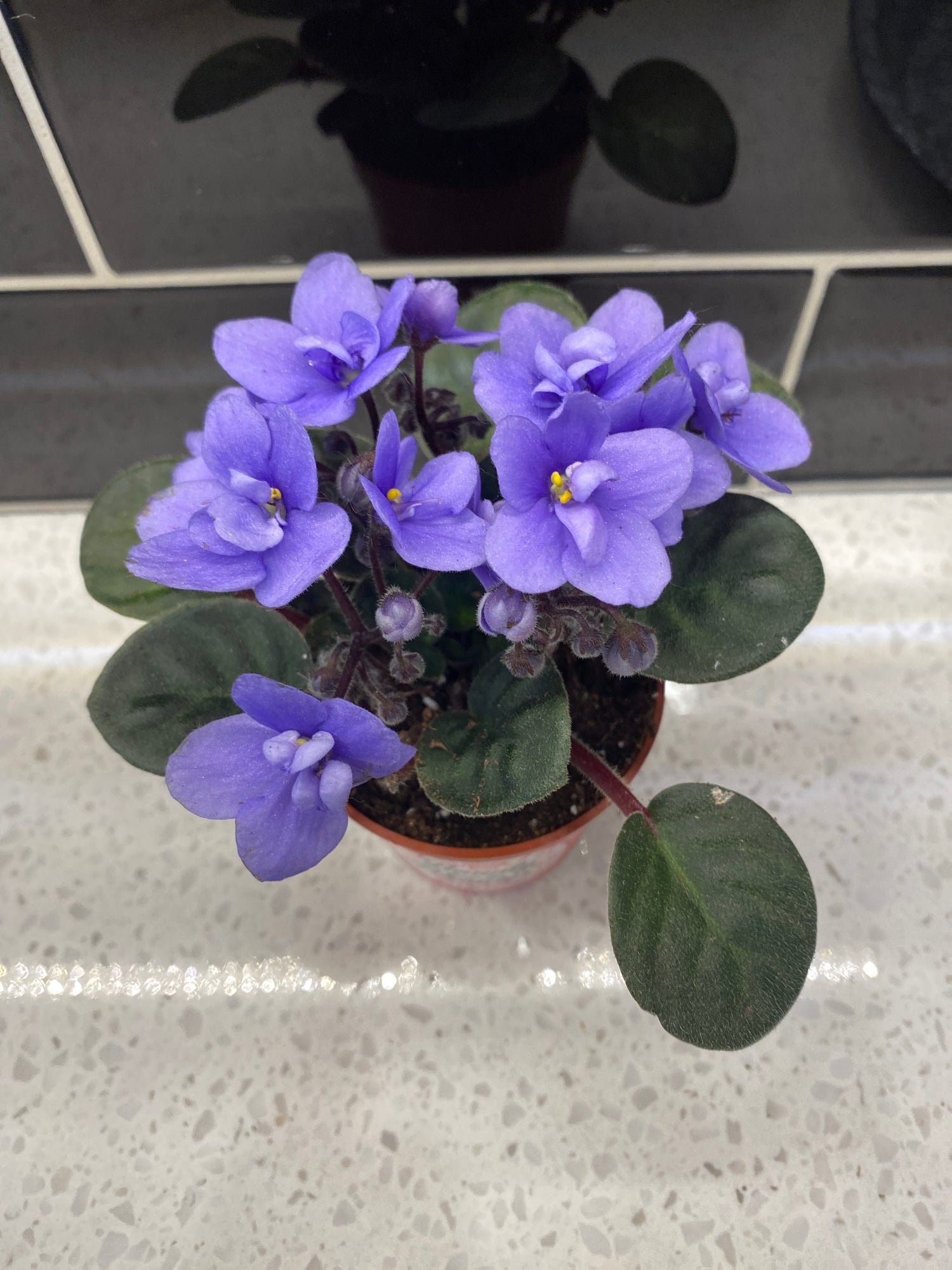
African Violet comes in many different colours. Native to the cloud forests of East Africa. They grow in humid, sheltered, indirect lighting conditions. Often on moss-covered rocks under the shade of tall trees. Keeping the leaves dry while watering is important. If the leaves are wet and the sun shines on the leaves it can cause burn marks on the leaves.
Scientific Name: Saintpaulia Ionantha
Common Name: African Violet
Light: Bright, indirect light
Watering: Water only the soil and not the leaves. Best to bottom water when top inch is dry.
Growth: Up to 8 inches
Pet Safe: Yes
Care: Intermediate


African Violet comes in many different colours. Native to the cloud forests of East Africa. They grow in humid, sheltered, indirect lighting conditions. Often on moss-covered rocks under the shade of tall trees. Keeping the leaves dry while watering is important. If the leaves are wet and the sun shines on the leaves it can cause burn marks on the leaves.
Scientific Name: Saintpaulia Ionantha
Common Name: African Violet
Light: Bright, indirect light
Watering: Water only the soil and not the leaves. Best to bottom water when top inch is dry.
Growth: Up to 8 inches
Pet Safe: Yes
Care: Intermediate


This Chinese Evergreen has gorgeous foliage. As with many varieties, it's always a stunning plant.
Scientific name: Aglaonema commutatum "Romeo"
Growth: 1-3' tall
Light: Bright indirect light.
Watering: Allow the top inch of soil to dry out between waterings. Likes high humidity so it would do well in a bathroom window. They do not like to be soggy, but neither do they like to dry out completely.
Pet Safe: No
Care: Easy


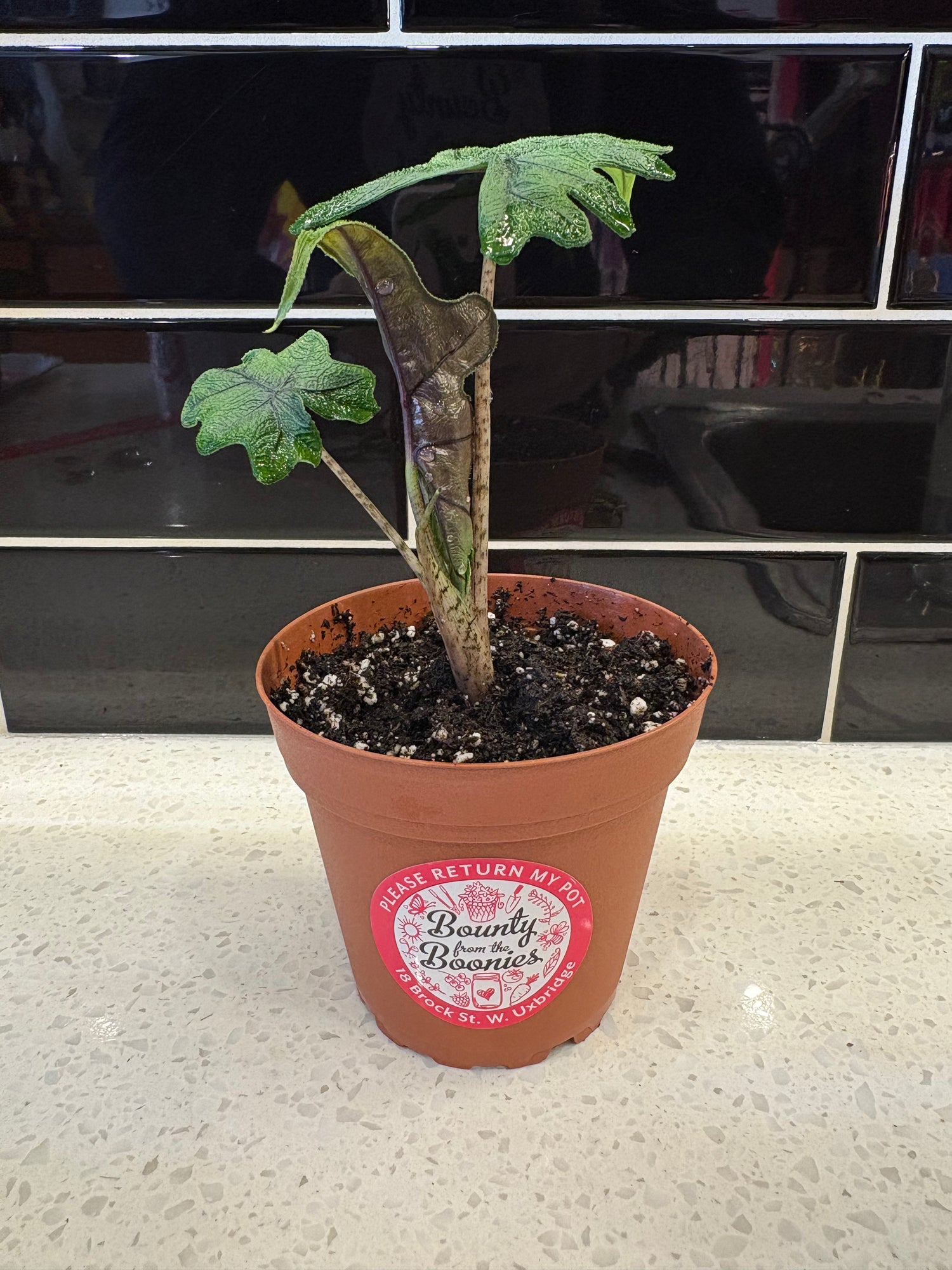
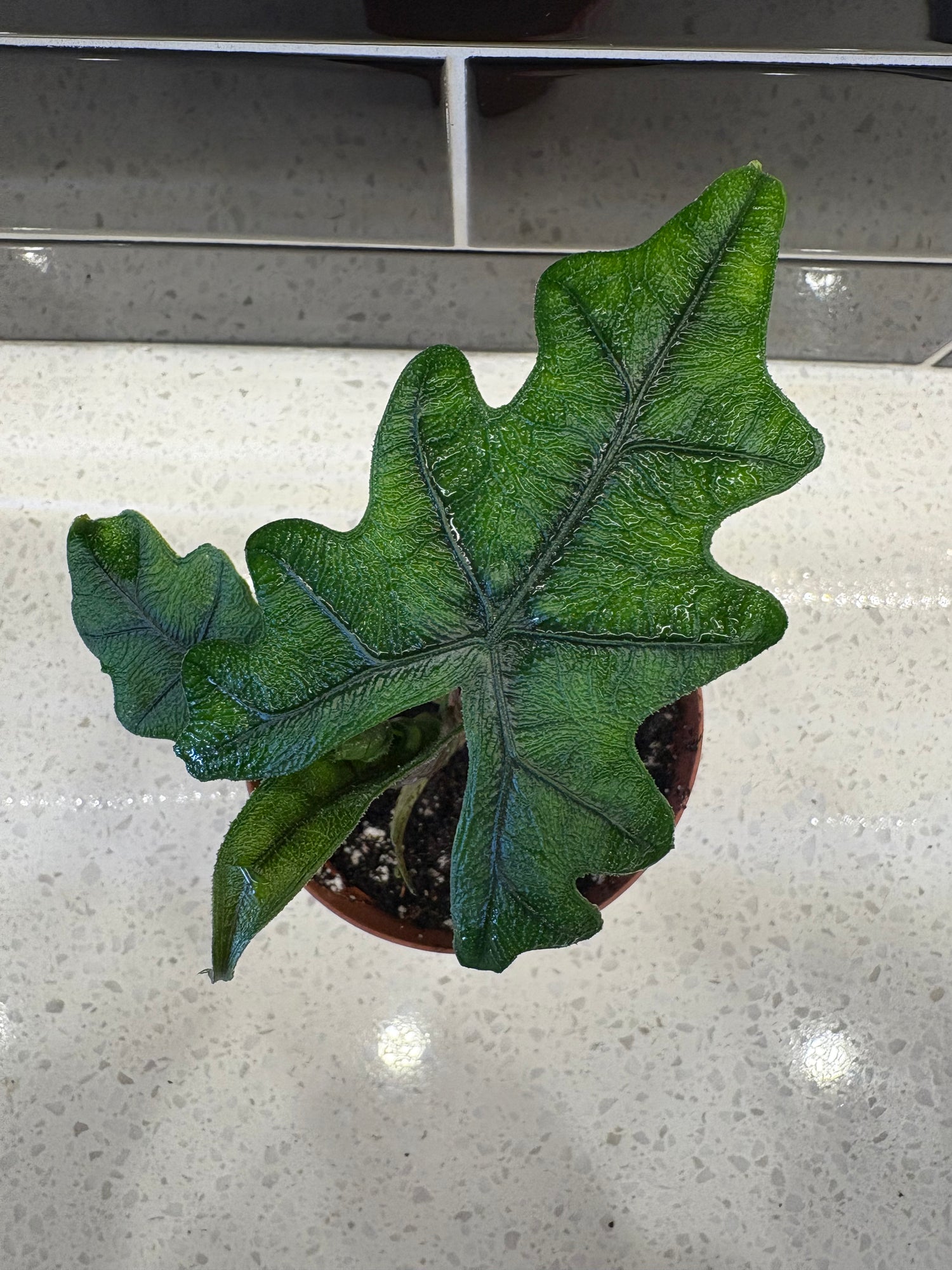
Alocasia Jacklyn originates from the tropical rainforests of Indonesia. It is officially known as Alocasia Tandurusa and its local name, "Tandurusa," translates to "deer antlers" in Indonesian, referring to its unique leaf shape. The name Jacklyn comes from the fact that a woman named Jacklyn shared the plant online giving it a surge in popularity.
Scientific Name: Alocasia Sulawesi and Alocasia Tandurusa
Common Name: Alocasia Jacklyn
Light: Bright, Indirect Light
Watering: Water when the top inch of soil are dry. They thrive in high humidity. Keep evening moist but not waterlogged.
Growth: Moderate to fast depending on if it is in ideal conditions
Pet Safe: No
Care: Moderate to difficult


Let soil dry out before watering again. This plants likes more water in the summer and very little in the winter months.
Scientific Name: Aloe Descoingsii x Haworthioides
Common Name: Aloe Pepe
Growth: Slow growing. Forms rosettes. 3-5 inches tall, 6 inches width. Rarely needs repotting.
Light: Bright, Indirect light
Watering: Let soil dry out before watering again. This plant likes more water in the summer and very little in the winter months.
Pet safe: No
Care: Easy
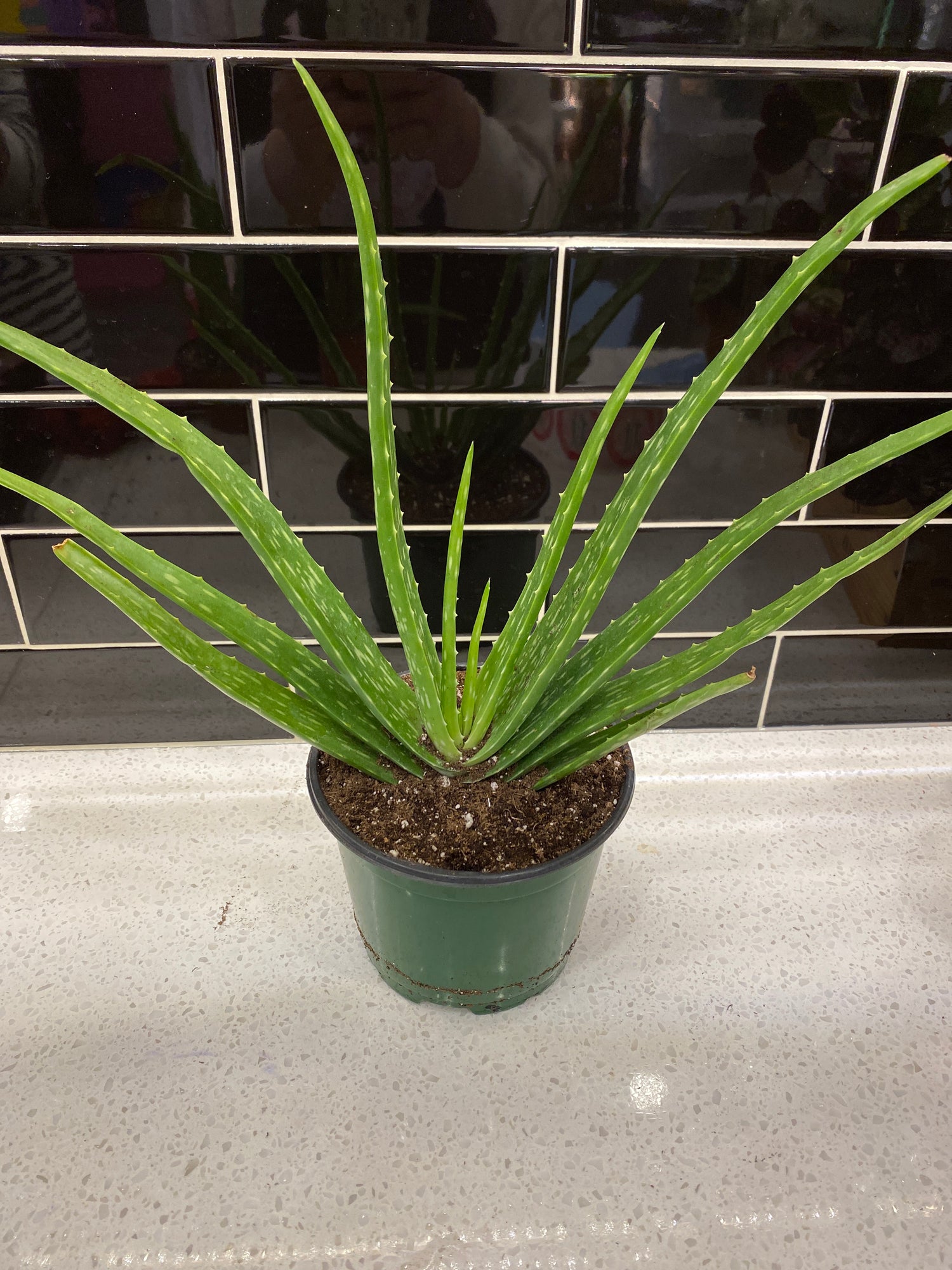
Easy to care for Aloe Vera are great as a window plant. Cut open one of their branches and use it to soothe sunburns and other burns. Originating from the northeastern part of the Arabian Peninsula. When this plant reaches maturity, it can produce pretty little yellow, red, and orange flowers!
Scientific Name: Aloe barbadensis miller
Common Name: Aloe Vera
Growth: Can grow 8-10 inches in four years.
Light: Bright, Indirect light
Watering: Let soil dry out before watering again.
Pet safe: No
Care: Easy


Easy to care for Aloe Vera are great as a window plant. Cut open one of their branches and use it to soothe sunburns and other burns. Originating from the northeastern part of the Arabian Peninsula. When this plant reaches maturity, it can produce pretty little yellow, red, and orange flowers!
Scientific Name: Aloe barbadensis miller
Common Name: Aloe Vera
Growth: Can grow 8-10 inches in four years.
Light: Bright, Indirect light
Watering: Let soil dry out before watering again.
Pet safe: No
Care: Easy


Bright pink and green leaves make this plant the life of the party!
Light: Bright indirect light
Watering: When top soil is dry, ensure good drainage
Pet Safe: Yes
Care: Easy

With piles of upright plumes in warm tones of orange and umber, Amaranth Hot Biscuits is a show-stopping cut flower we grow every season. It's a gorgeous backdrop in the garden that help create stunning late summer and fall bouquets along with sunflowers and asters.
It dries beautifully, too!
Full sun, well draining soil. Can grow up to 4 feet tall! But produce much smaller blooms when planted close together.
$4 each or 3 for $10 (save $2!)
Type: Annual flower
Height: 42-48 inches tall
Light: full sun
Soil: average
Water: keep evenly watered
Bloom time: mid to late summer
Planting: Give plants lots of space in the garden to grow! Will need support.


Dark crimson plumes along with large burgundy leaves make passersby stop in their tracks when they see Amaranth Velvet Curtains growing in our gardens. This Dr. Seuss-like plant is a must-grow for late summer and fall bouquets along with sunflowers and asters.
Easy to grow, full sun, well draining soil, can grow up to 4 ft tall! Dries wonderfully, too.
$4 each or 3 for $10 (save $2!)
Type: Annual flower
Height: 48-60 inches tall
Light: full sun
Soil: average
Water: keep evenly watered
Bloom time: mid to late summer
Planting: Give plants lots of space in the garden to grow! Will need support.