









Native Plants - Seeds
Hand harvested seeds from Carly's homestead garden. Find unique native plants that won't harm the environment but will add beauty and feed our ecosystem.
Sort by:
13 products
13 products


$4 each or 3 for $10 (save $2!)
Like all milkweeds, Swamp Milkweed, is a food source for the Monarch butterfly larvae. Unlike Common Milkweed, Swamp Milkweed is well behaved in the garden as it does not sucker. This is an extremely beautiful plant and is a must have in a native plant garden!
Type: Perennial, native to Ontario
Height: 3-4 feet
Light: Full sun
Soil: Rich to medium rich soils, however it may survive a season or two in poorer, dryer soils.
Water: As the name suggests, Swamp Milkweed is happiest where it gets consistent moisture. However, it can be used in rain gardens and dryer areas although it may not be as long lived.
Bloom time: July to August. NOTE: This plant is very late to reappear in the spring! Sometimes it doesn't poke through the soil until the end of May- so be patient!
Planting: Cold, moist stratification required - see options in photos, courtesy of Northern Wildflowers. This website offers an excellent overview of this plant and how to grow it from seeds: Swamp Milkweed – A Beginners Guide – GrowIt BuildIT
Wild life support: Leaves are a food source for Monarch caterpillars, Tussock moth caterpillars, Milkweed beetle. A variety of bees and wasps use the nectar and pollen.
$4 each or 3 for $10 (save $2!)
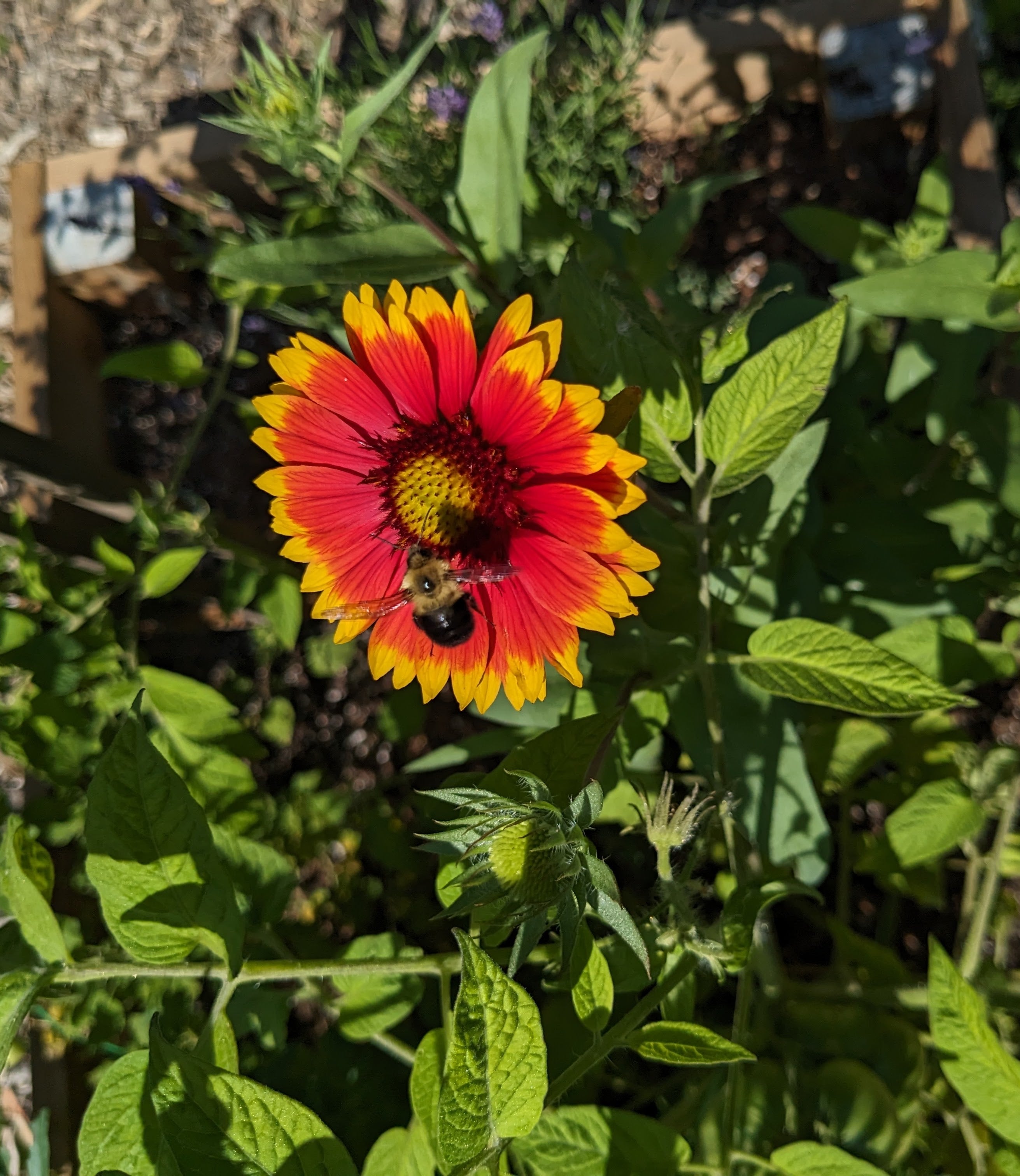
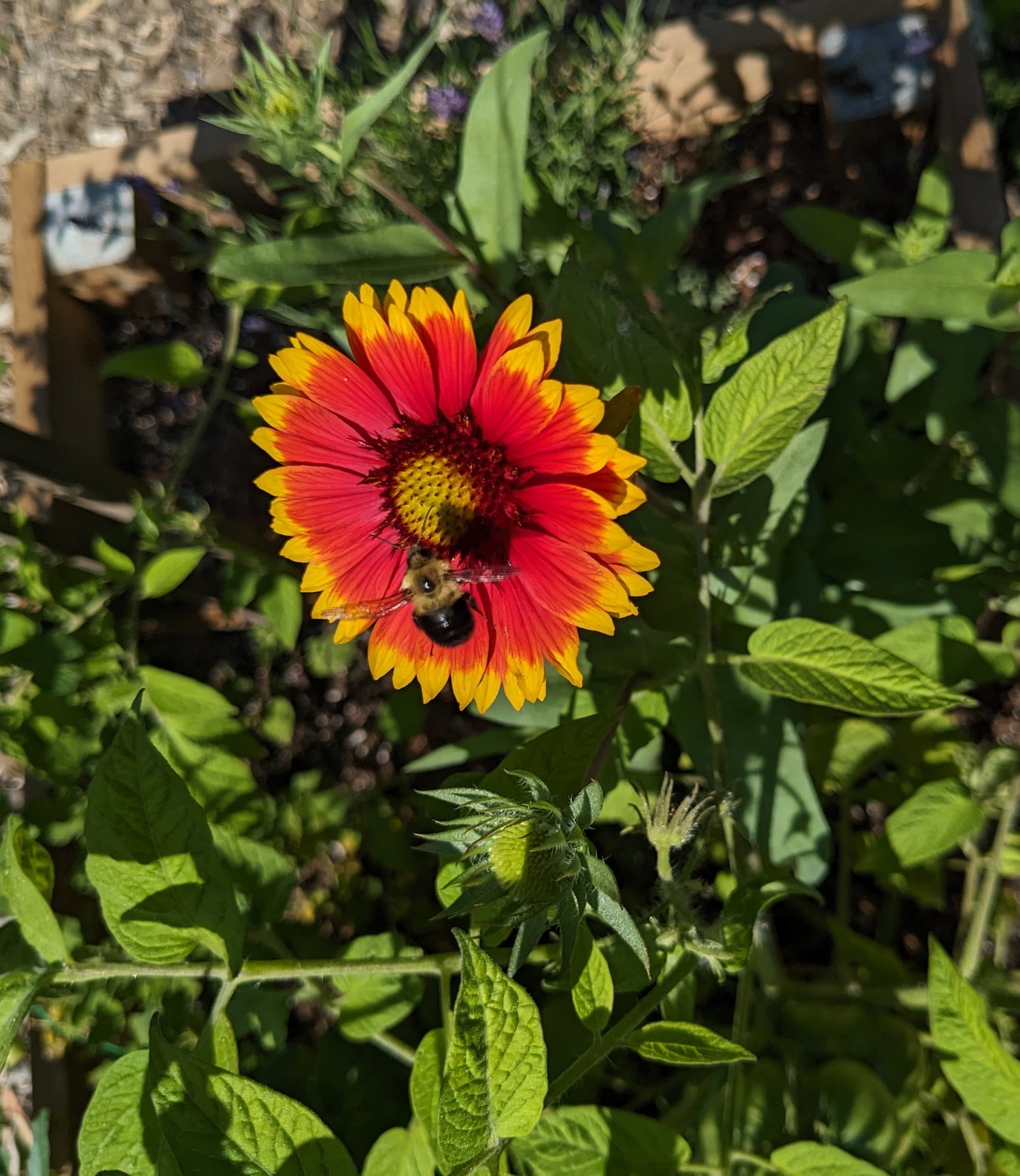
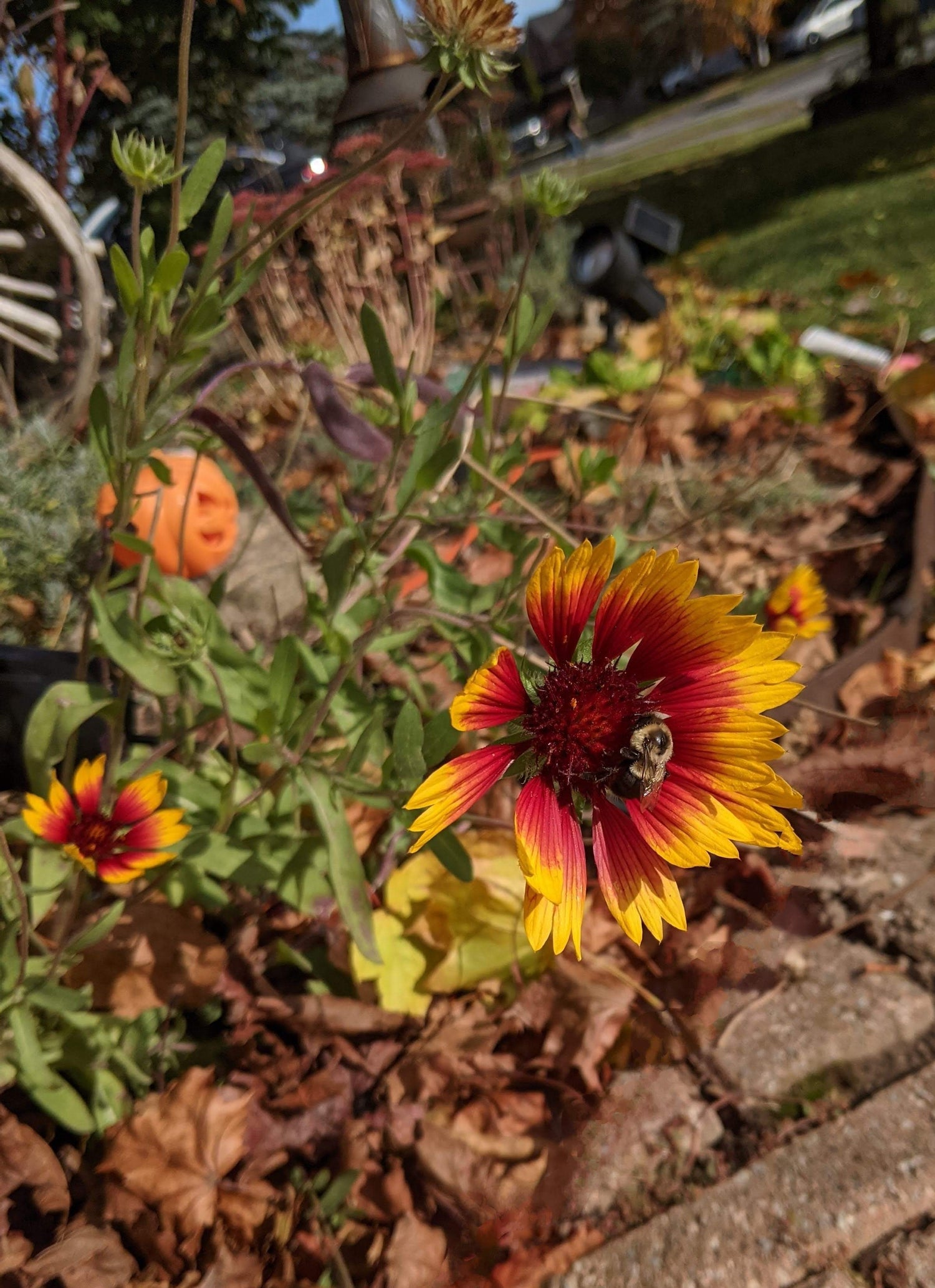
These gorgeous flowers absolutely pop in the garden, producing non-stop blooms from early summer-hard frost. They crawl with bumblebees, especially through the fall - non only for food, but as a soft sleeping bed in the cooling temperatures.
Blanket Flower need full sun and love the heat. I have them all over my property, in every type of soil - once established, they are happy as long as there's sun. Deadheading will keep the flowers prolific. A beautiful cut flower, tucked among amaranth, white phlox and sunflowers in a late summer bouquet.
Type: native perennial flower
Height: 2-3 ft.
Light: full sun
Moisture: drought tolerant
Planting: needs light to germinate. Lightly cover with soil, pressing to make contact. Keep evenly moist until germination. Can be direct sown after last frost.
Care: once established, Blanket Flower is low maintenance. Deadhead for more blooms
Bloom time: early summer-hard frost
$4 each or 3 for $10 (save $2!)
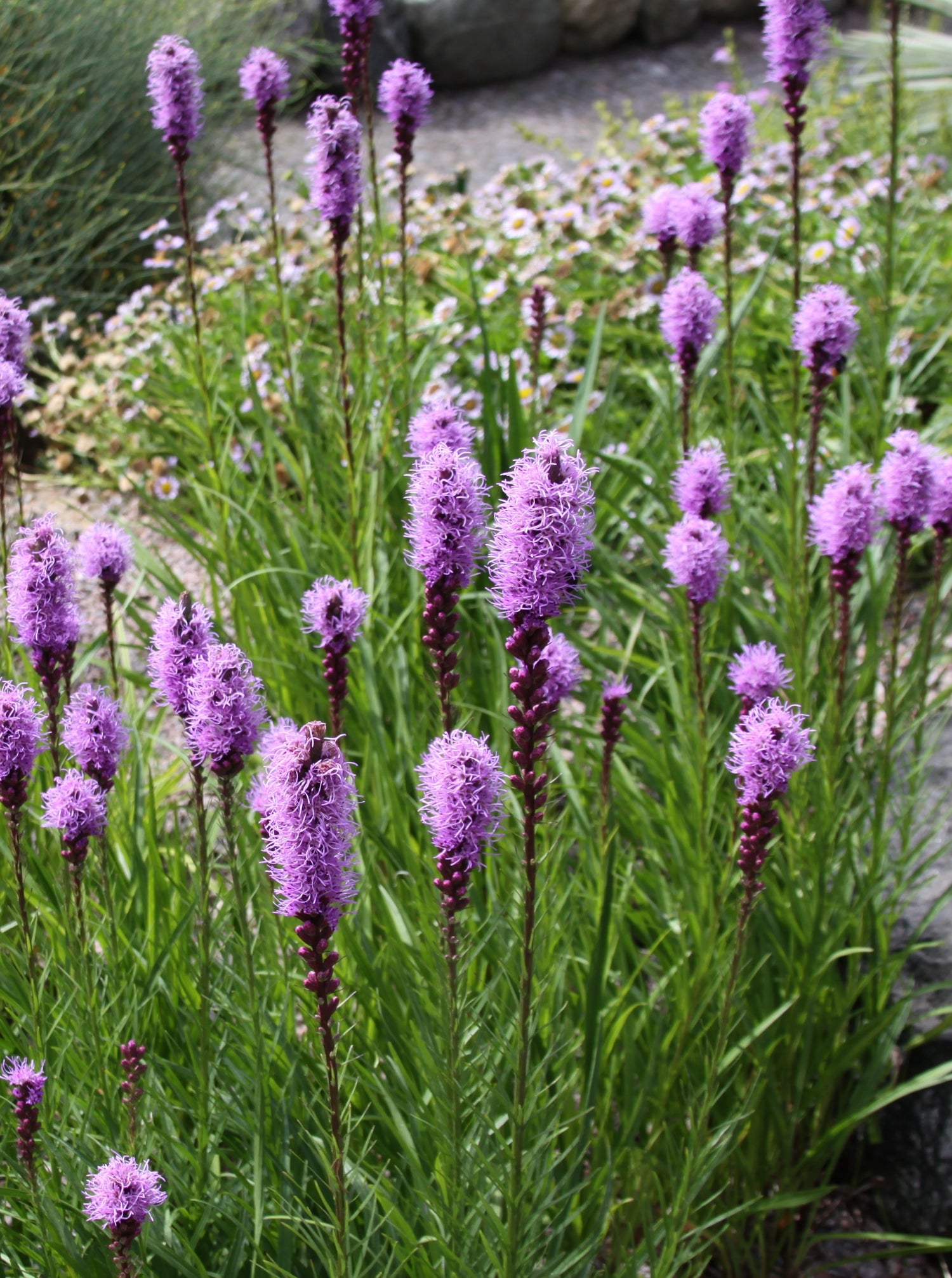
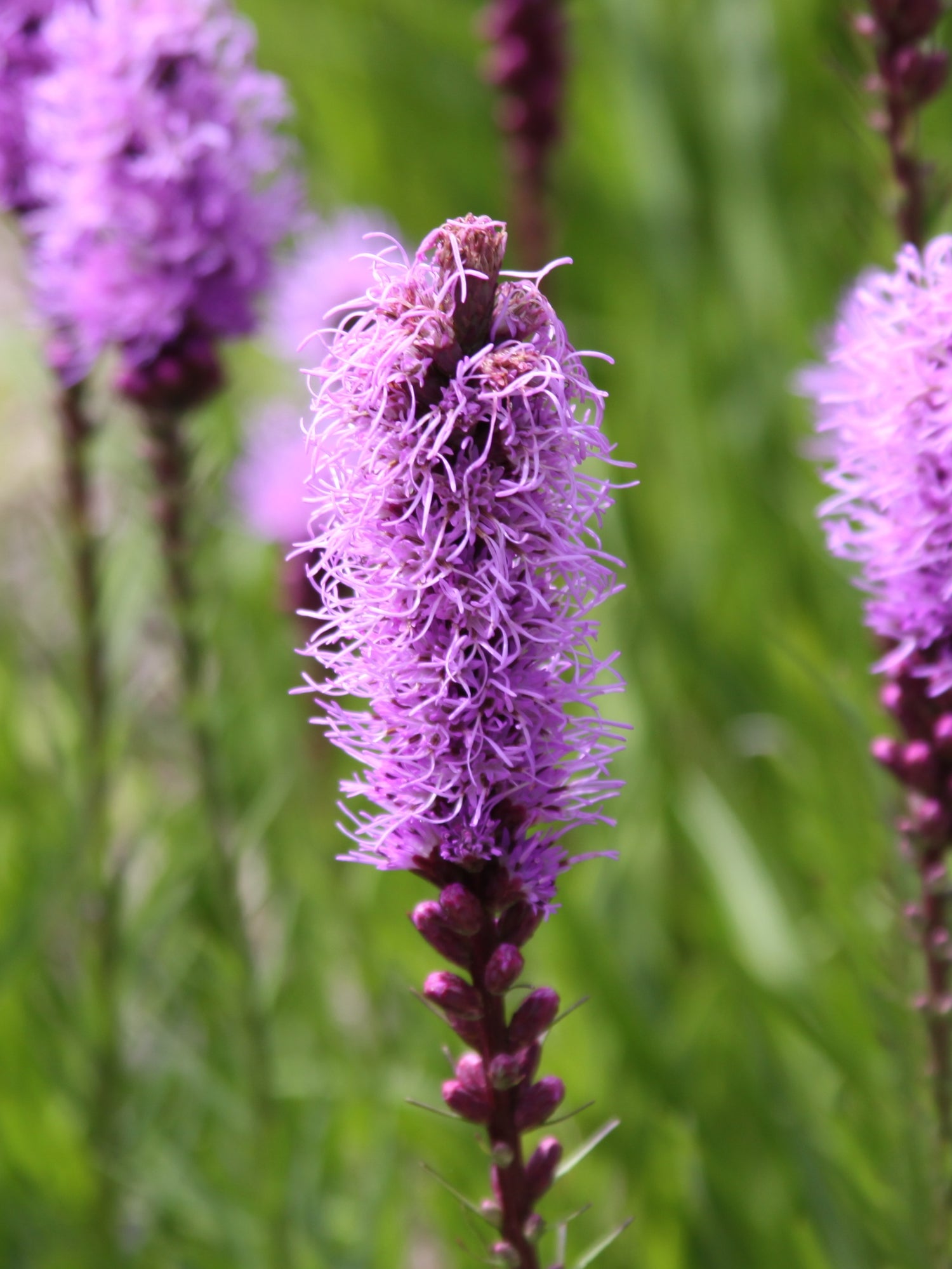
Butterflies, bees and hummingbirds love this plant's nectar, making Dense Blazing Star an excellent addition to pollinator gardens. Birds then eat the seeds through the winter.
I love the whimsical, long-lasting, bright, feathery pop of purples as it grows and flowers from the top down - truly unique. I grow it among White (dwarf) Lavender, Lance-Leaf Coreopsis, Spotted Bee Balm and Blanket Flower.
Type: Native Perennial
Height: 5 ft.
Light: full sun-part shade
Moisture: well draining, drought tolerant
Bloom time: July-late fall
Planting: Cold, moist stratification required - see options in photos, courtesy of Northern Wildflowers. Lightly cover (1/8" depth) with moist soil, and do not let seedlings dry out. OR direct sow in late fall to overwinter in the garden for blooms the following spring

$4 each or 3 for $10 (save $2!)
Mountain Mint is a beautiful, shrub like native plant with minty foliage and dainty white flowers that bloom for 3 months of the summer! It is brings in an abundance of pollinators
Type: Perennial, native to Ontario
Height: 2-3'
Light: full sun to light shade
Soil: sand, loam or clay
Water: Medium to wet. Short lived in drier areas
Bloom time: July to September
Planting: Seeds can be planted directly into the soil in the spring. Do not cover as these tiny seeds need light to germinate. You could also start these in trays.
Wild life support: Many native bees and wasps flock to this plant so it is actively buzzing the whole time it is in bloom! Many butterflies love the nectar of this plant as well.


$4 each or 3 for $10 (save $2!)
A gorgeous and unusual Bee Balm, featured on the mural in our store. Grows in tiers with little spotted flowers. Loved by bees and wasps, in particular the Giant Black Backed Wasp. Great in a white themed garden as it almost glows at night.
Type: Perennial, native to Ontario
Height: 1-2 feet
Light: Full sun
Soil: Dry soil, sandy
Water: water well until established, then extremely drought tolerant.
Bloom time: Begins blooming in July and can bloom 2-3 months.
Planting: Cold, moist stratification required - see options in photos, courtesy of Northern Wildflowers.
Wild life support: Excellent for all pollinators


$4 each or 3 for $10 (save $2!)
An outstanding native plant! The yellow colour of the blooms is exquisite and you will enjoy watching native bees literally swimming in the abundant pollen! The dark seed heads are also attractive for the rest of the season, although they should be removed if you want to limit it's spread as it will self seed quite readily.
Type: Perennial, native to Ontario
Height: 3-4'
Light: Full sun to light shade
Soil: loamy to sandy, adaptable
Water: likes it on the moist side but will tolerate drier areas once established. It will grow shorter where it is dryer.
Bloom time: June-July
Planting: Cold, moist stratification required - see options in photos, courtesy of Northern Wildflowers. This website offers an excellent overview of this plant and how to grow it from seeds: Giant St. John’s Wort – Facts, Identification, Grow and Care – GrowIt BuildIT
Wild life support: This plant provides abundant pollen as a reward. It is mostly pollinated by bumblebees but is also loved by sweat bees and other small bees.


$4 each or 3 for $10 (save $2!)
A "happy" flower for the garden. It is not a perennial in the common sense of the word as it does not reliably come back every year. To keep it in the garden you must allow it to self seed and plan for it to appear randomly throughout the garden. Some may find this charming, but for those who like a planned garden, it might be annoying. Black Eyed Susan like to grow in disturbed soils, so it is often thought of as a colonizing plant. Once a garden is established, it is less likely to grow in your garden.
Type: Annual to short lived perennial, native to Ontario
Height: 1-2'
Light: full sun to light shade
Soil: sand to richer loams, adaptable
Water: dry to moist
Bloom time: all summer, June to end of August
Planting: Cold moist stratification for 30 days - see options in photos, courtesy of Northern Wildflowers. . This website offers a great guide to "winter sowing". Winter Sowing – Complete Guide To Starting Seeds In Winter – GrowIt BuildIT
Stratification & Scarification: Breaking Seed Dormancy – Halton region Master Gardeners
Wild life support: Larval host plant for several butterflies and enjoyed by small bees and adult butterflies. Gold Finches enjoy the seeds throughout the fall.


$4 each or 3 for $10 (save $2!)
Cup plant is a very tall plant! But if you have the room, it is worth growing for it's statuesque presence in the garden. It will require staking.
Type: Perennial, native to Ontario
Height: 8 to 12'
Light: full sun to light shade.
Soil: sand to clay
Water: Cup plant likes it moister but if you want to control it's growth, place it in a dryer area. It won't grow quite so big and will self seed less.
Bloom time: Late July to September
Planting: Seeds need a 60 day period of cold, moist stratification - see options in photos, courtesy of Northern Wildflowers. * This website offers an excellent overview of this plant and how to grow it from seeds: Cup Plant – Silphium perfoliatum – Grow and Care Guide – GrowIt BuildIT
Wild life support: The flowers are adored by bees and the seed heads are a favourite of chipmunks and gold finches in the late summer, early fall. Where the leaves meet the stem, a cup like structure is formed, hence the name. This collects water from which insects and birds will drink- how charming!
Warning: The only drawback to Cup Plant is that it self seeds quite aggressively and you should remove seedling quickly in the spring to control the spread.

$4 each or 3 for $10 (save $2!)
Comes in a variety of colours. Please note that all parts of this plant is poisonous
Type: perennial flower
Height: 2-3 ft.
Light: full sun
Moisture: drought tolerant after established.
Planting: sand and then soak the seeds overnight to break down the seed coat before planting. Plant one seed per pot as roots do not like to be confined. Use a deep pot. Transplant when 8 weeks old. Roots do not like disturbance. Plant where you want it to stay as you will be unable to move it after it is established.
Care: Cut back the whole plant after it has bloomed.
Bloom time: early summer

$4 each or 3 for $10 (save $2!)
A lovely pink to brighten the border
Type: perennial flower
Height: 2-3 ft.
Light: full sun
Moisture: drought tolerant after established.
Planting: Sow seeds into cell packs and press into the soil. They need light to germinate so only lightly dust with soil on top or vermiculite.
Harden off* before planting outdoors.
* Hardening off refers to the process of gently and gradually acclimatizing indoor grown seedlings to the great outdoors! Don't throw your new babies straight into the elements! Over the course of a week, take them outside for a few hours at a time, bringing them back indoors afterwards. First sit them in the shade and then slowly introduce them to the sun. Increase the length of time they are outside and are exposed to the sun, until you feel they are ready to face the big outside world!
Bloom time: Summer to fall


$4 each or 3 for $10 (save $2!)
A cheery hit of yellow early in the summer.
Type: Perennial, near native to Ontario
Height: 2 - 4 feet
Light: Full sun to part shade
Soil: Tolerant of many types of soil from clay to sand.
Water: water well until established, then quite drought tolerant.
Bloom time: Blooms in mid June.
Planting: Cold, moist stratification required - see options in photos, courtesy of Northern Wildflowers.
Wild life support: visited by small bees and host plant for the Black swallowtail butterfly

$4 each or 3 for $10 (save $2!)
A beautifully tall grass native to the original prairies of Southern Ontario. Lovely, bronze colour in the fall, lends graceful movement to the garden as it sways in the wind. Give them a few years to establish as they sink their roots down to incredible depths, making them great carbon sequesters. Big Blue Stem is also known as Turkey's foot due to the shape of it's seed heads. A warm season grass, it will be slow to return in the spring. Be patient!
Type: Perennial, native to Ontario
Height: 6-10'
Light: Full sun
Soil: sandy, loam
Water: moist to dry
Bloom time: fall
Planting: Seeds grow best when planted into containers in the spring. Press into the soil well to make contact with the soil. They will take some time to germinate and will only do so when it gets a bit warmer. Here is a good guide: Big Bluestem – A Big Grass With Big Benefits – GrowIt BuildIT
Wild life support: Seeds feed feed a variety of birds and are great for creating hiding and shelter spots for birds and other wildlife.


$4 each or 3 for $10 (save $2!)
A lovely grass with delicate stems that sway in the breeze and soft white seed heads. Leaves turn bronze colour in the fall. It is clump forming and will not overtake the garden. Little Bluestem is a warm season grass so it will be slower to show in the spring.
Type: Perennial, native to Ontario
Height: 2-3'
Light: full sun to light shade
Soil: sandy to loam
Water: will tolerate very dry soils
Bloom time: fall
Planting: Seeds grow best when planted into containers in the spring. Press into the soil well to make contact with the soil. They will take some time to germinate and will only do so when it gets a bit warmer. Here is a good guide: A Beginner's Guide To Little Bluestem | GrowIt BuildIT
Wild life support: Seeds feed a variety of birds and are great for creating hiding and shelter spots for birds and other wildlife. They can be used in the vegetable garden to create a "beetle bank"- an area to protect ground beetles which are awesome predators of garden pests.