








All Indoor Plants

Sort by:
268 products
268 products


The Sand Rose succulent is native to South Africa where it thrives in arid conditions, found in rocks and stony soils. Like many other succulents, the Sand Rose is extremely drought-tolerant. It can survive long periods without water making it an excellent choice for plant owners who sometimes forget to keep up with watering.
Scientific Name: Anacampseros Rufescens
Common Name: Sand Rose
Light: Bright indirect light
Growth: 3 inches
Watering: Let dry between watering
Pet Safe: Yes
Care: Easy

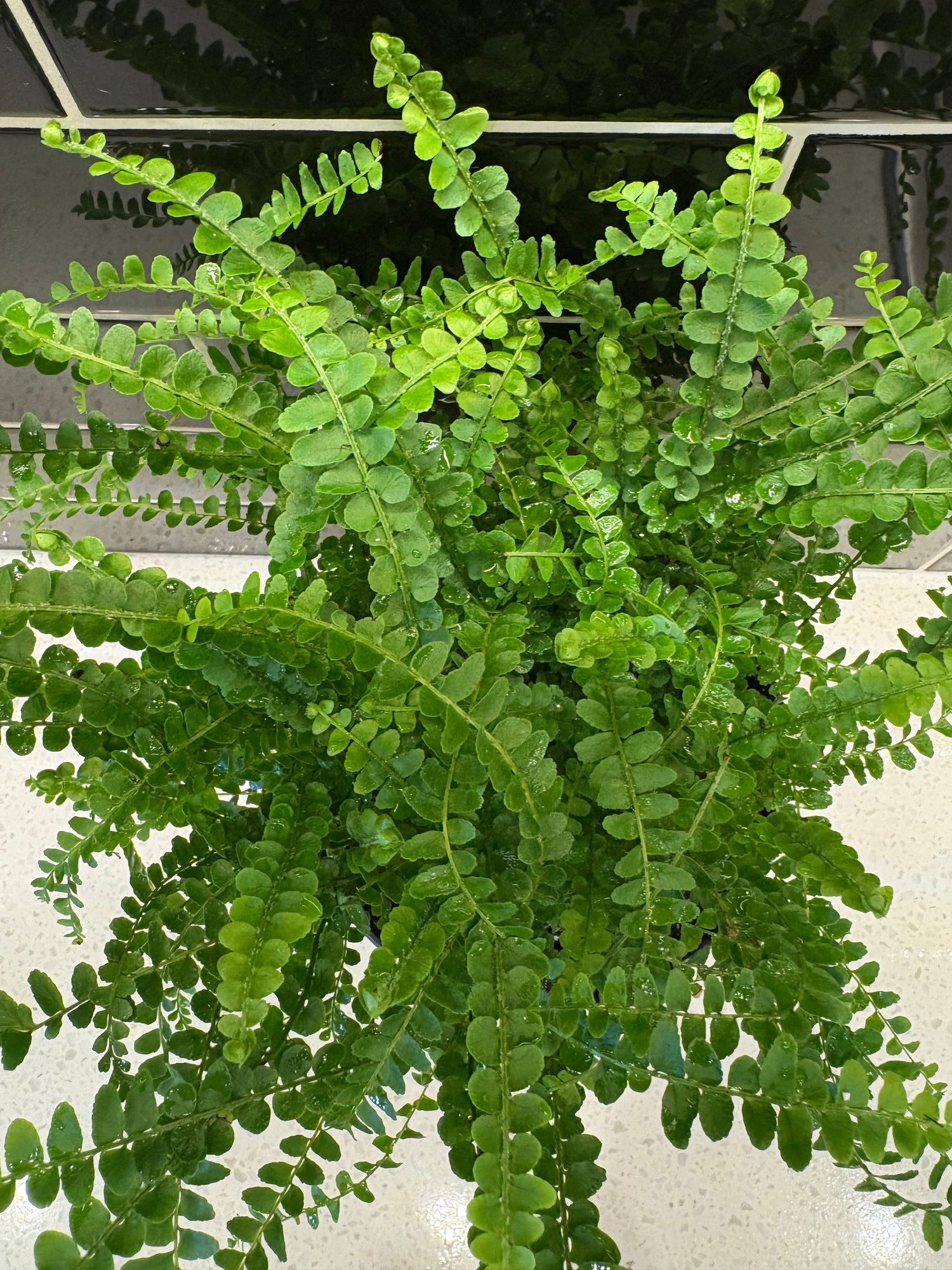
The Lemon Button Fern, originating from the tropical regions of Asia, Australia, and Africa. It thrives in shady, damp, and humid forest floor environments within these tropical habitats.
Scientific Name: Nephrolepis cordifolia 'Duffii'
Common Name: Lemon Button Fern
Light: Medium to bright, indirect light
Watering: When the top inch of soil is dry but do not let the soil stay soggy.
Growth: 12-18 inches spread
Pet Safe: Yes
Care: Easy
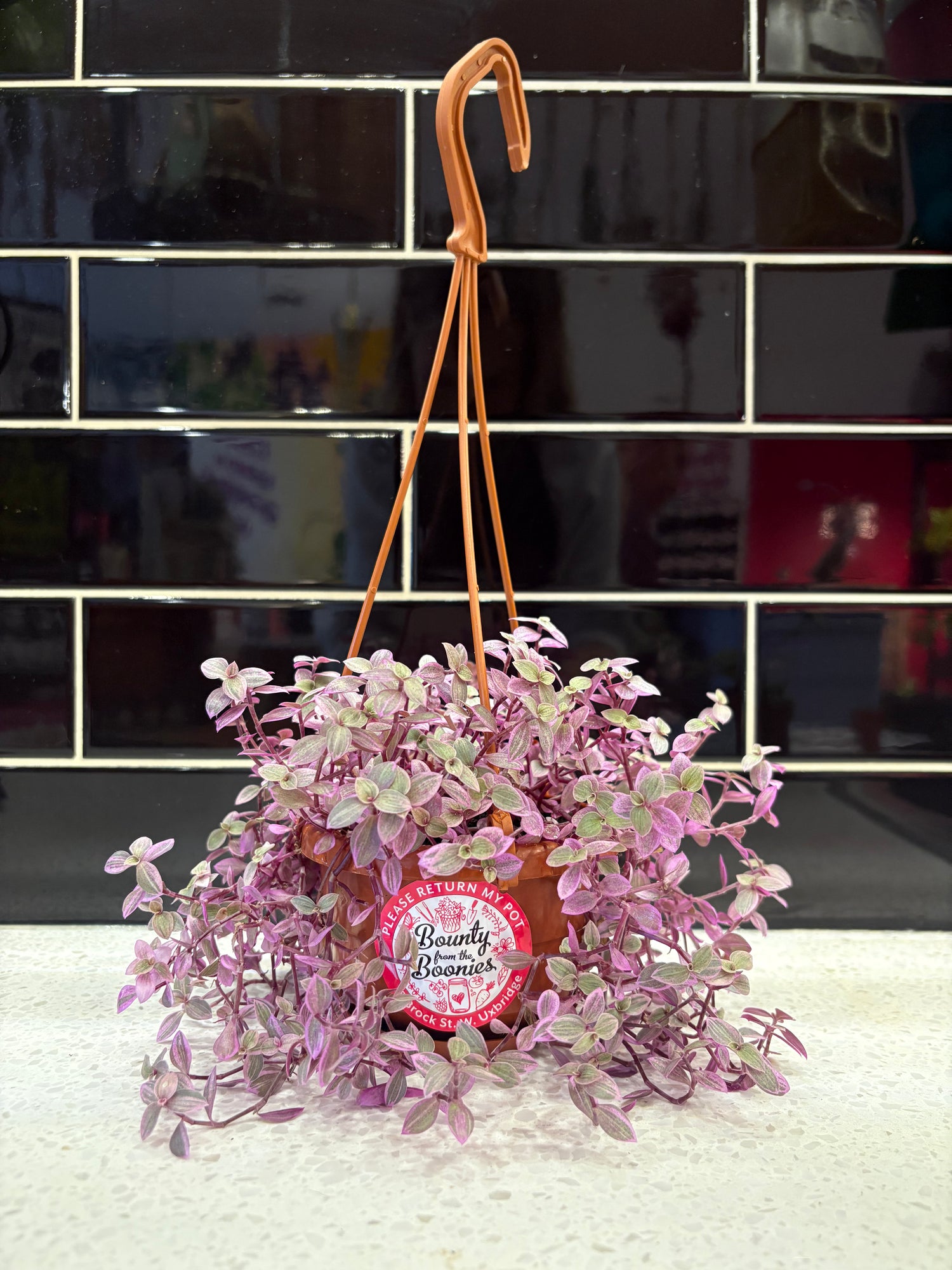
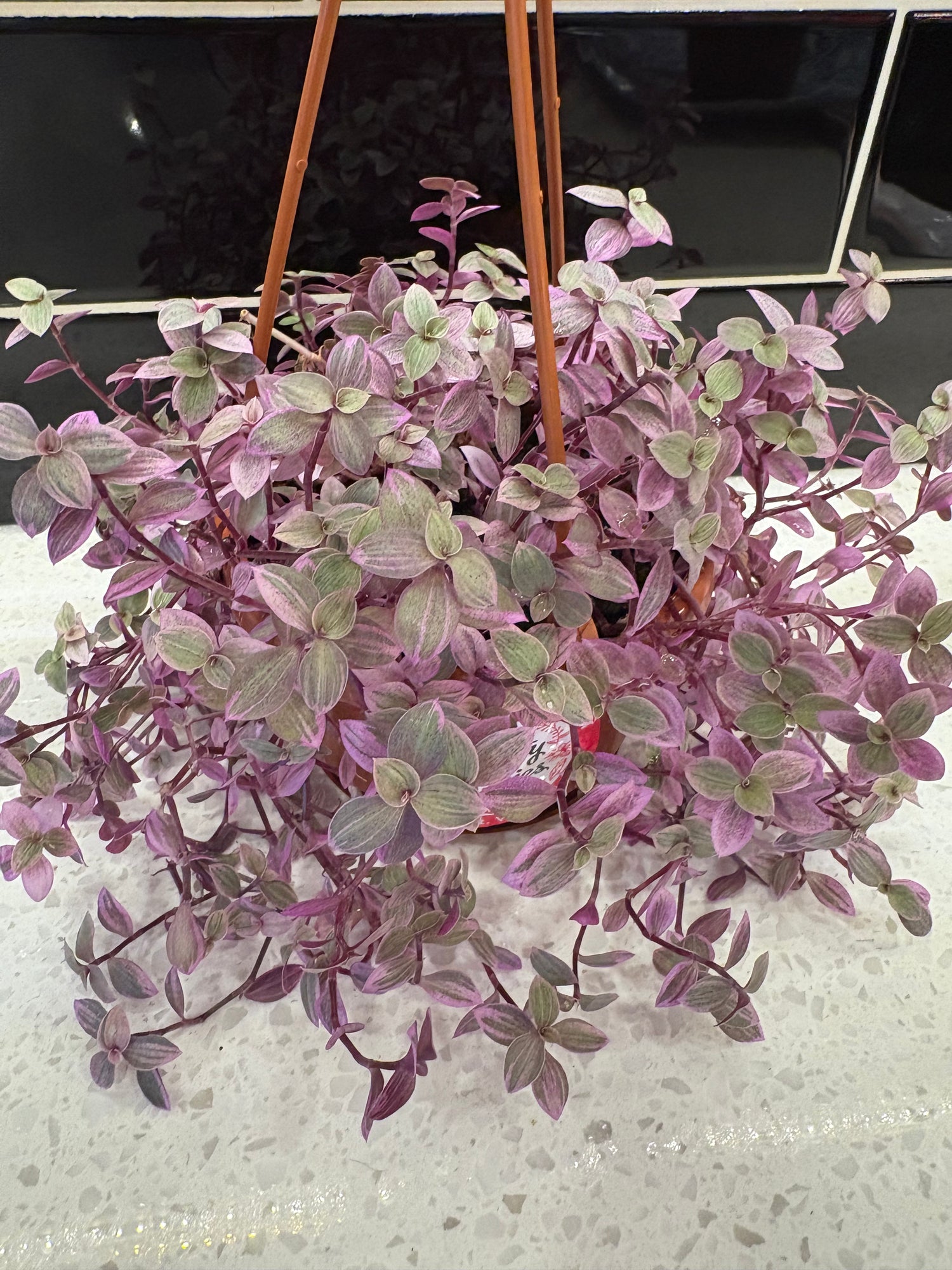
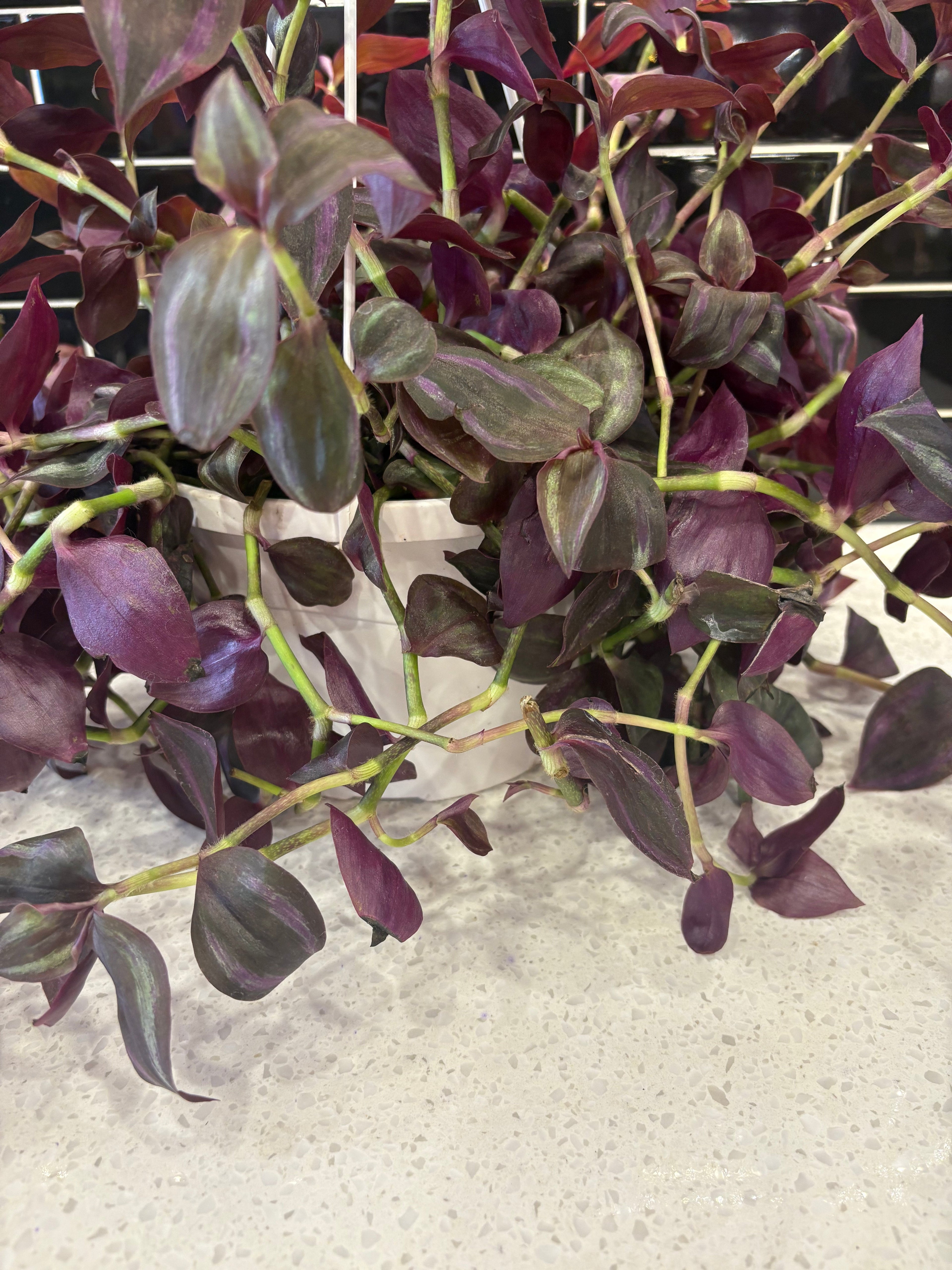
The Pink Lady Turtle Vine is a trailing succulent known for it's beautifully vibrant, pink and cream variegated leaves. It originates from the tropical regions of the Americas. This plant spreads horizontally making it wonderful for hanging baskets or effective ground cover. It can produce little white flowers in the summer months. It has air purifying qualities and is known to reduce stress and promote relaxation!
Scientific Name: Callisia Repens
Common Name: The Pink Lady Turtle Vine/Pink Panther
Light: Bright indirect light
Watering: When top soil is dry, ensure good drainage
Pet Safe: Generally considered non toxic
Care: Easy


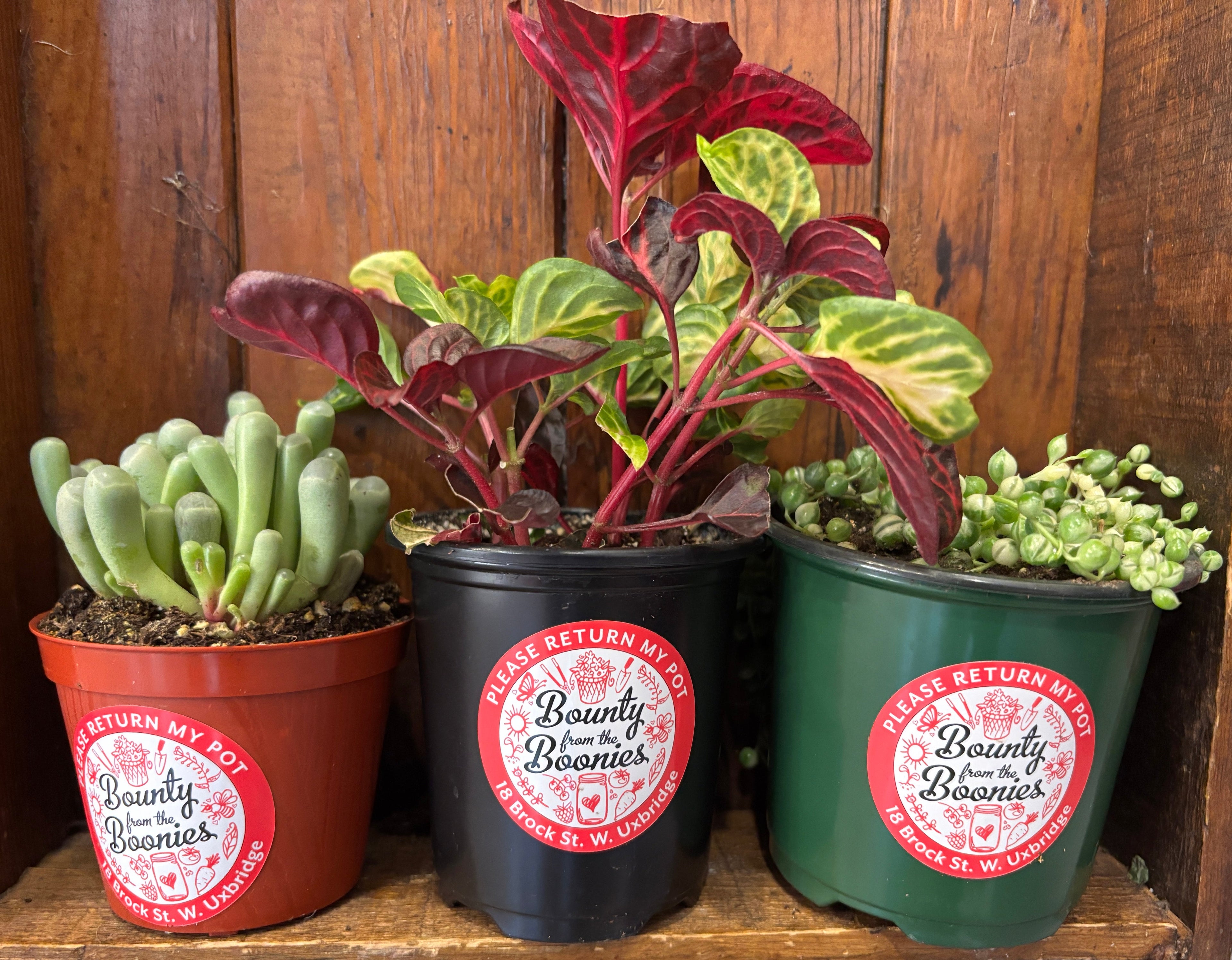
A peperomia variety that has fun textured leaves of red, maroon and deep purple
Growth: 8 inches tall
Light: Bright indirect light to low light
Watering: When top soil is dry, ensure good drainage
Pet Safe: Yes
Care: Intermediate

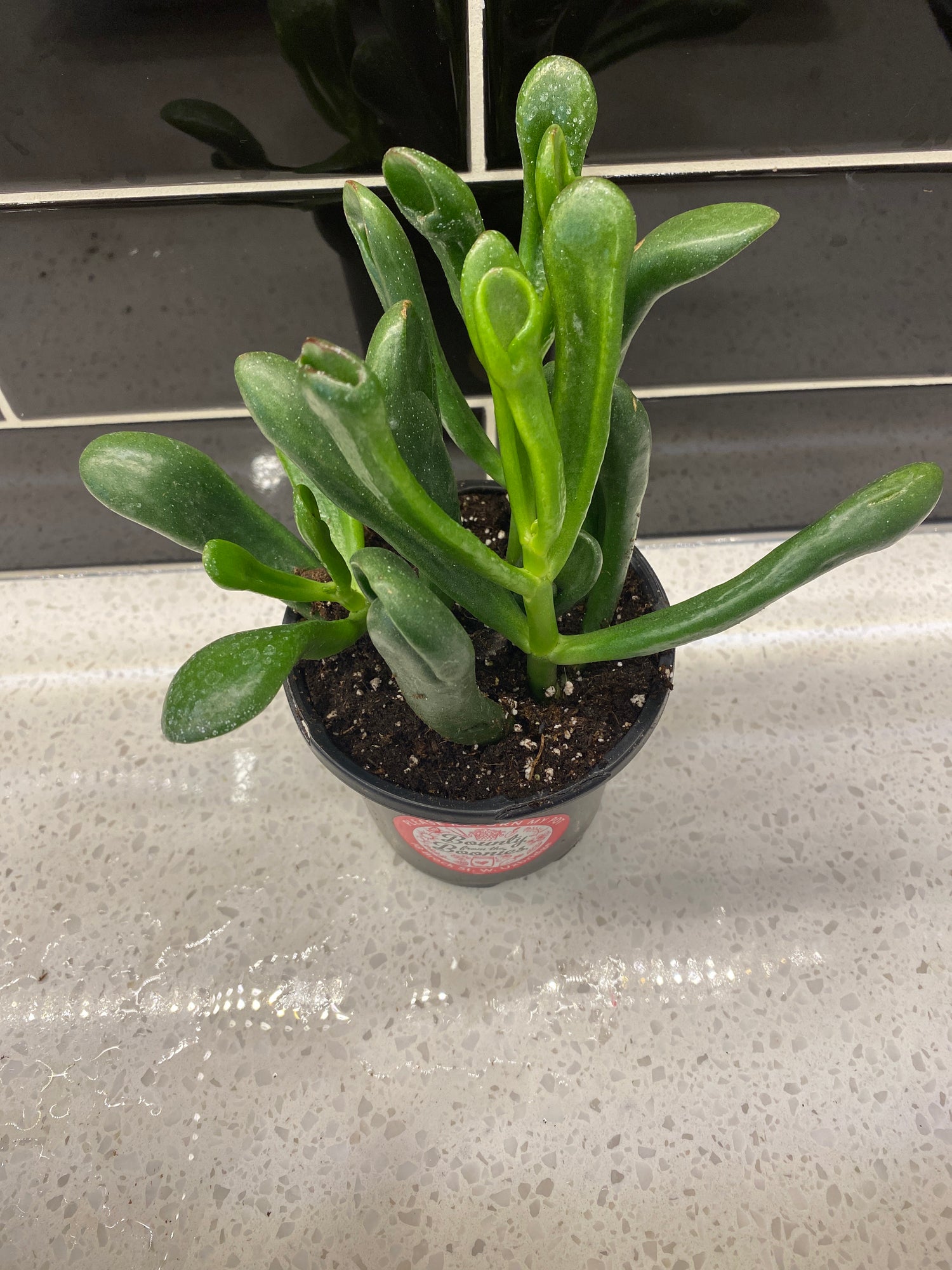
This succulent is very reminiscent of a certain green fellow wouldn’t you say?
It originated in cultivation, not from a specific natural habitat, though its parent plant, Crassula ovata. The most distinguishing feature is the unique, leaves with a slight inward curve, resembling suction cups or fingers!
Scientific Name: Crassula ovata
Common Name: Gollum, Shrek Ears
Growth: Up to 3 ft (30 cm to 91 cm) tall, and up to 2 ft (30 cm to 60 cm) wide
Light: Bright indirect light to full sun
Watering: Let dry out between waterings
Pet Safe: No
Care: Easy
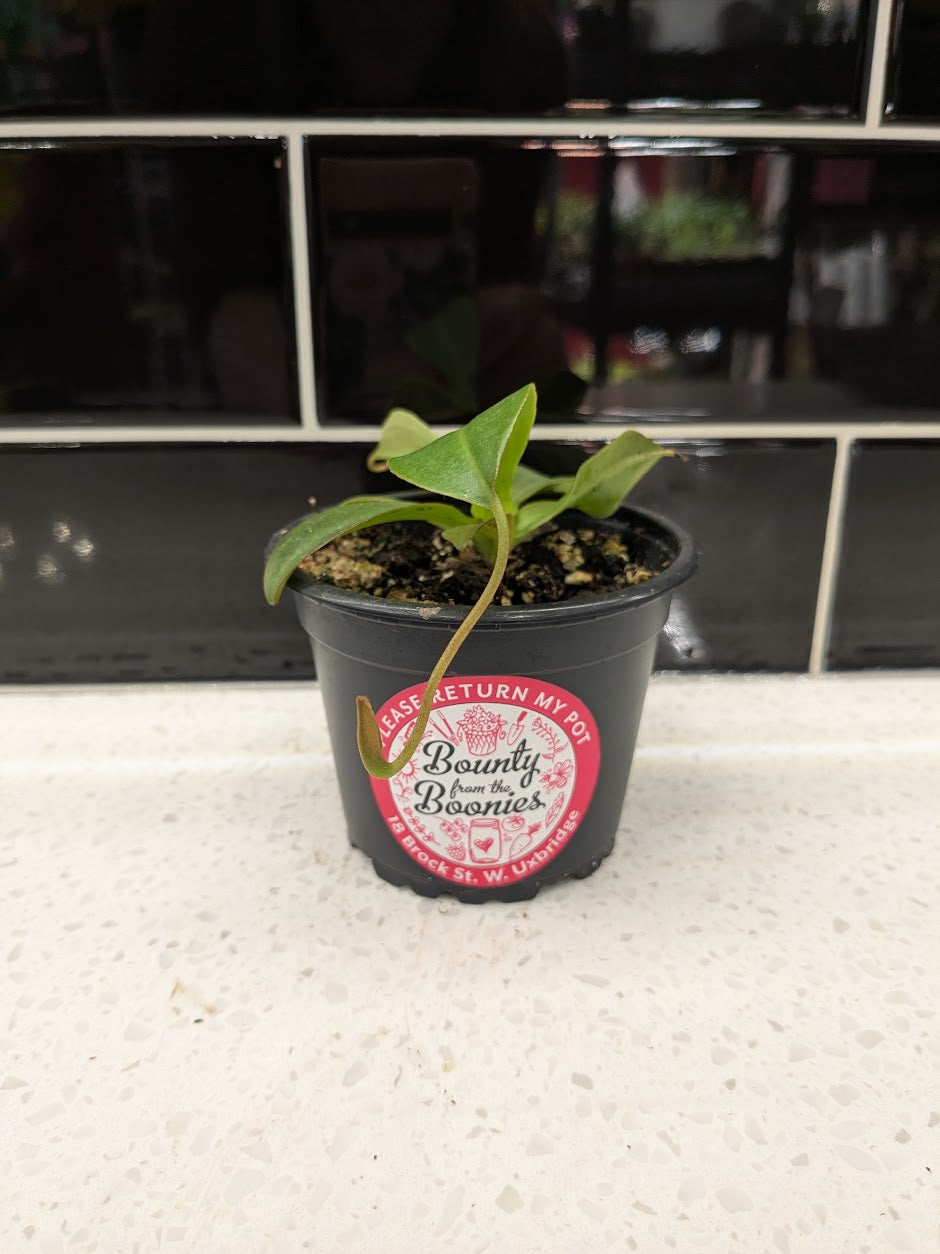
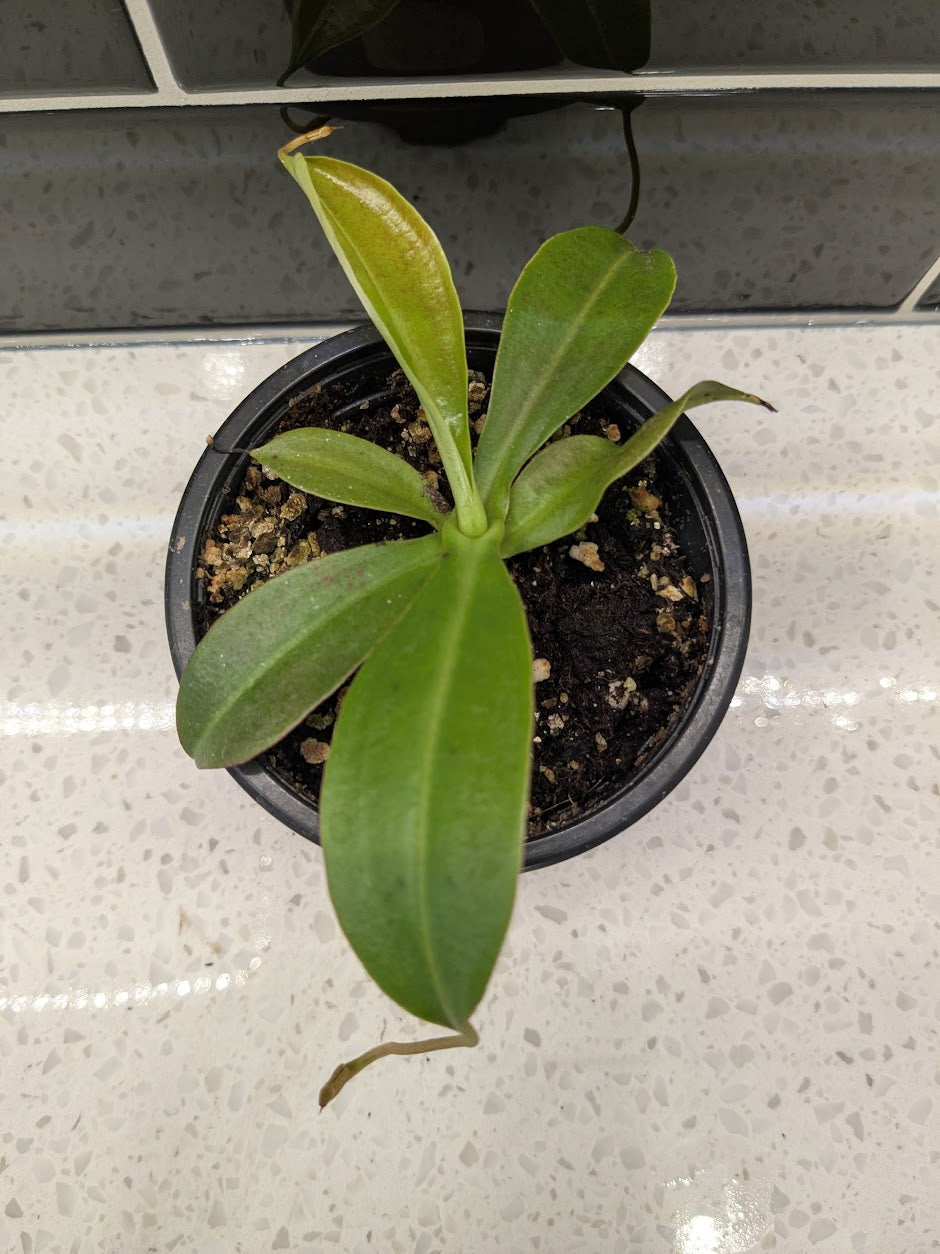
A carnivorous plant with deep maroon pitchers. Native to Southeast Asia, this plant is so unique in the fact that they use they're pitcher leaves to catch their food. These pitchers lure, trap, and digest insects to supplement their nutrient intake in nutrient-poor soil. Since they are from a tropical climate, they do thrive with lots of moisture and humidity.
Scientific Name: Nepenthes
Common Name: Asian Pitcher Plant
Light: Bright indirect light
Watering: Use ONLY distilled, rain or reverse osmosis water. Keep evenly hydrated, likes being misted.
Growth: Slow growing, can take 5-10 years to mature.
Pet Safe: Yes
Care: Intermediate


An elegant variety of ficus, with pink/cream coloured leaves. Originating from Southeast Asia.
Scientific Name: Ficus Shivereana
Common Name: Ficus Moonshine
Light: Bright indirect light
Growth: Can grow quite tall indoors
Watering: When Top of soil is dry, ensure good drainage
Pet Safe: No
Care: Intermediate
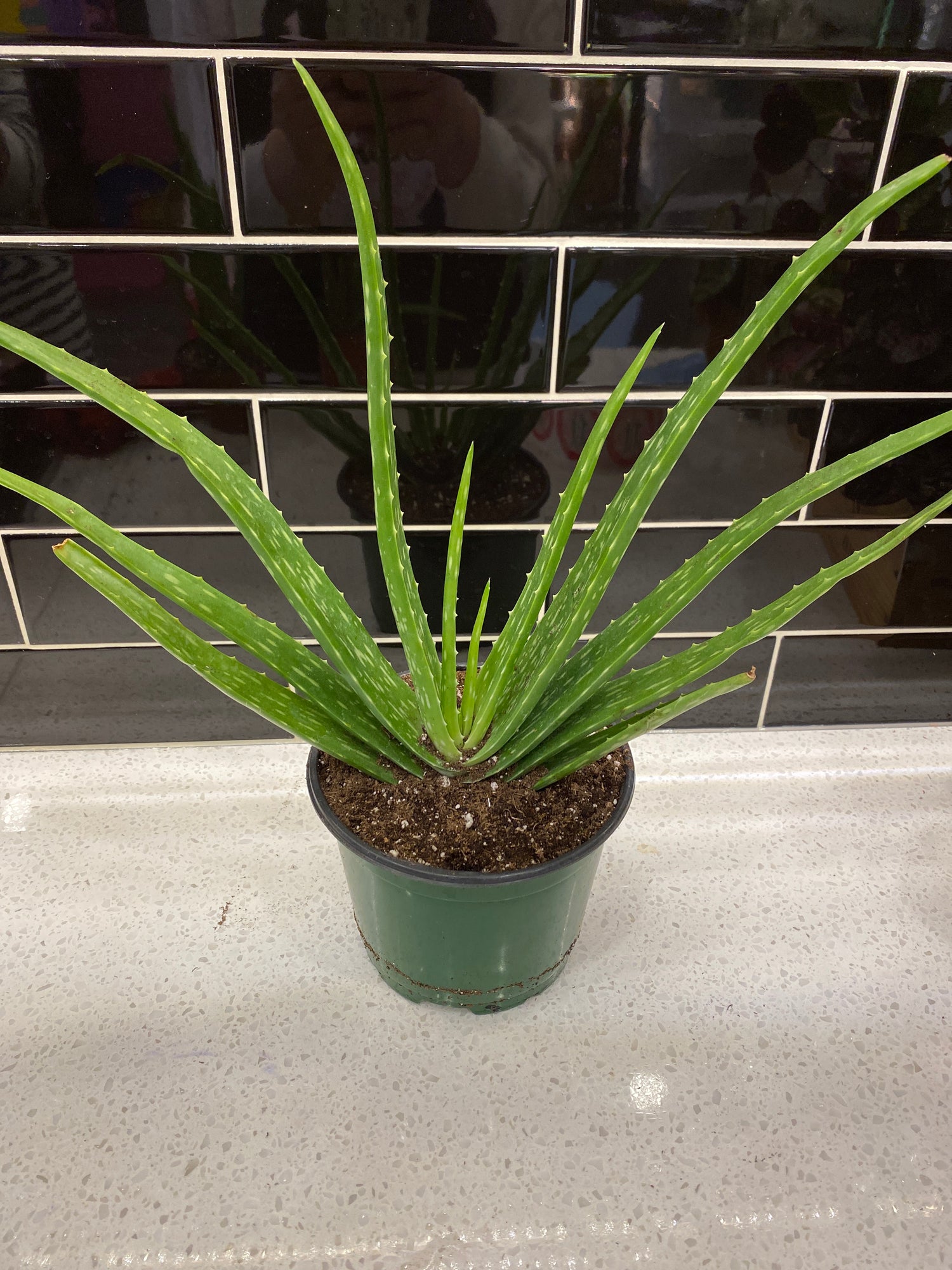
Easy to care for Aloe Vera are great as a window plant. Cut open one of their branches and use it to soothe sunburns and other burns. Originating from the northeastern part of the Arabian Peninsula. When this plant reaches maturity, it can produce pretty little yellow, red, and orange flowers!
Scientific Name: Aloe barbadensis miller
Common Name: Aloe Vera
Growth: Can grow 8-10 inches in four years.
Light: Bright, Indirect light
Watering: Let soil dry out before watering again.
Pet safe: No
Care: Easy


One of the easier Calathea's to grow indoors, making a great entry level "Prayer" plant. Like all Calathea's the leaves are open during the day and then close up at night time. Very cool! "Network" has a fascinating yellow, almost pixilated pattern on the leaves.
Scientific Name: Calathea musaica
Light: Bright, indirect light. This Calathea will tolerate a little bit of morning sun.
Growth: 2-3 feet high
Watering: Water once the top inch feels dry. Soak well and let it drain completely. Using filtered water is best as the chlorine and fluoride in most tap water can cause leaf browning.
Pet Safe: Yes
Care: Moderate


The Jade Pothos is a popular, low-maintenance houseplant known for its pretty long leaves that develop unique shapes as it matures. This plant loves to climb too! So If you allow it to climb, the leaves mature quicker! Originating from the Philippines, this plant can tolerate neglect, but thrives in bright, indirect light and loves regular watering. This plant is great for beginners and works well in hanging baskets and climbing supports.
Scientific Name: Epipremnum pinnatum
Common Name: Jade Pothos
Light: Bright indirect light to low light
Watering: Keep evenly hydrated, ensure good drainage
Growth: In ideal conditions this plant can grow 12-18 inches a year.
Pet Safe: No
Care: Easy


This 6” succulent, delightfully named Calico Kitten, is a lovely trailing succulent with variegated leaves.
Scientific Name: Crassula Pellucida ‘Variegata’
Common Name: Calico Kitten
Light: Bright, indirect light. Too much sun may cause scorching of the leaves.
Watering: Let it dry out between watering. Water more during the spring and summer and very sparingly during the winter.
Growth: Up to 12 inches- can be trimmed back if growing too long
Pet Safe: Yes, although can cause gastro upset if ingested. Best kept away from pets
Care: easy


The Anthurium is known for their glossy, heart-shaped leaves with vibrant coloured waxy flowers. These "flowers" are actually called spathes. These spathes comes in all different colours such as red, pink, white and black. These plants are native to South and Central America.
Scientific Name: Anthurium Andraeanum
Common Name: Anthurium
Light: Medium-bright indirect
Growth: 1-2 feet tall
Watering: Likes a humid environment - keep evenly hydrated + mist regularly
Pet Safe: No
Care: Easy


Michaelmoelleria Vietnamensis is a rare plant from Southern Vietnam. It has silvery patterned foliage and light purple flowers. This plant in the wild has threatened habitat loss due to eucalyptus plantations. It is found in Vietnam's broad leaved forests on granitic mountains where it grows on rocks. This plant propagates well from stem cuttings or leaf cuttings!
Scientific Name: Michaelmoelleria Vietnamensis
Common Name: Michaelmoelleria Vietnamensis
Light: Bright, indirect light
Watering: Water only the soil and not the leaves. Best to bottom water when top inch is dry.
Growth: Fast growing plant
Pet Safe: Yes
Care: Intermediate

Originating from South Africa, this Jade is known for its easy care, low maintenance qualities. One of most popular succulents around!
Scientific Name: Crassula Ovata
Common Name: Jade, Lucky Plant, Money Tree
Growth: about 2 inches of height per year indoors
Light: Bright indirect light to full sun
Watering: Let dry out between waterings
Pet Safe: No
Care: Easy
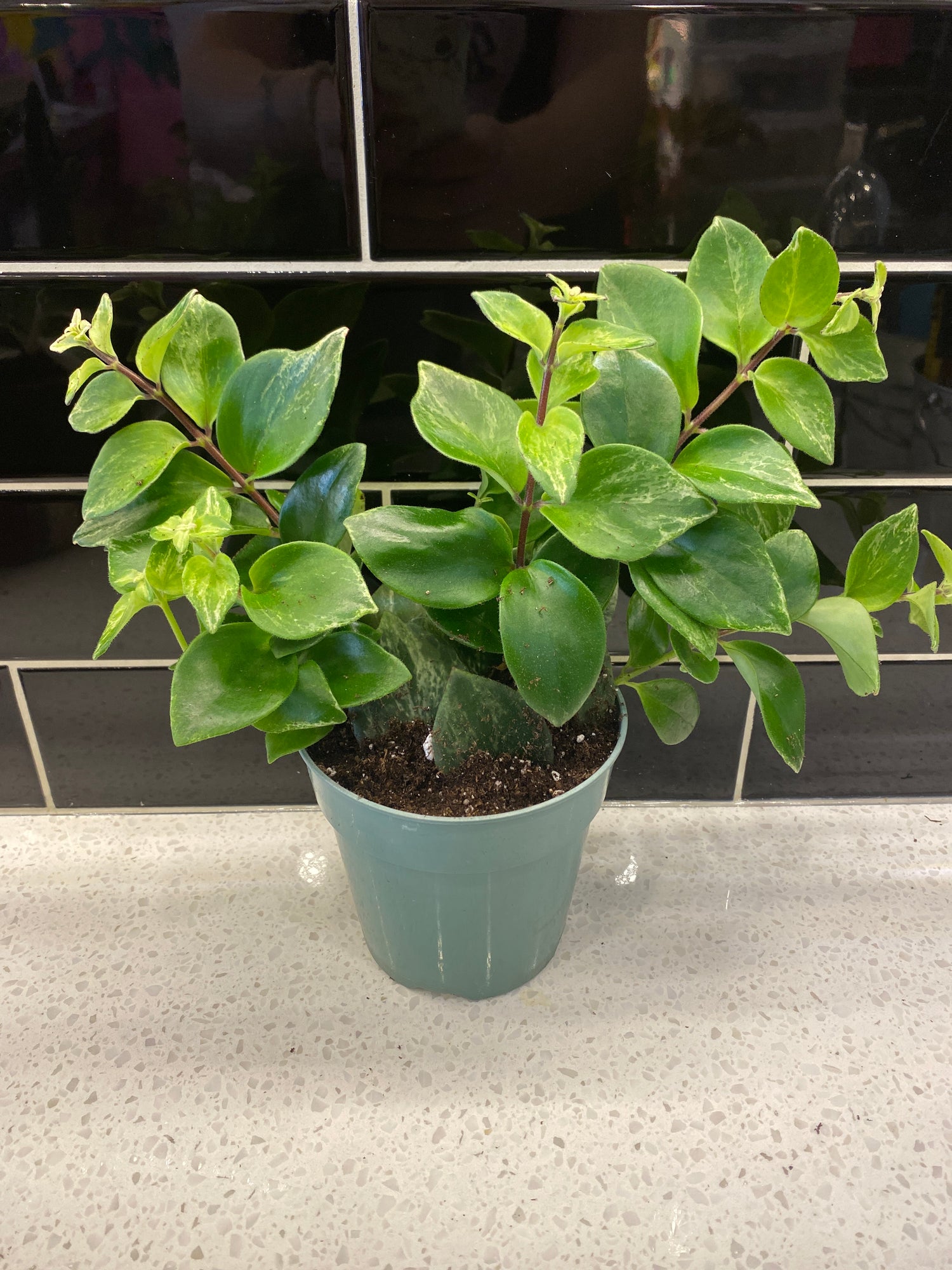
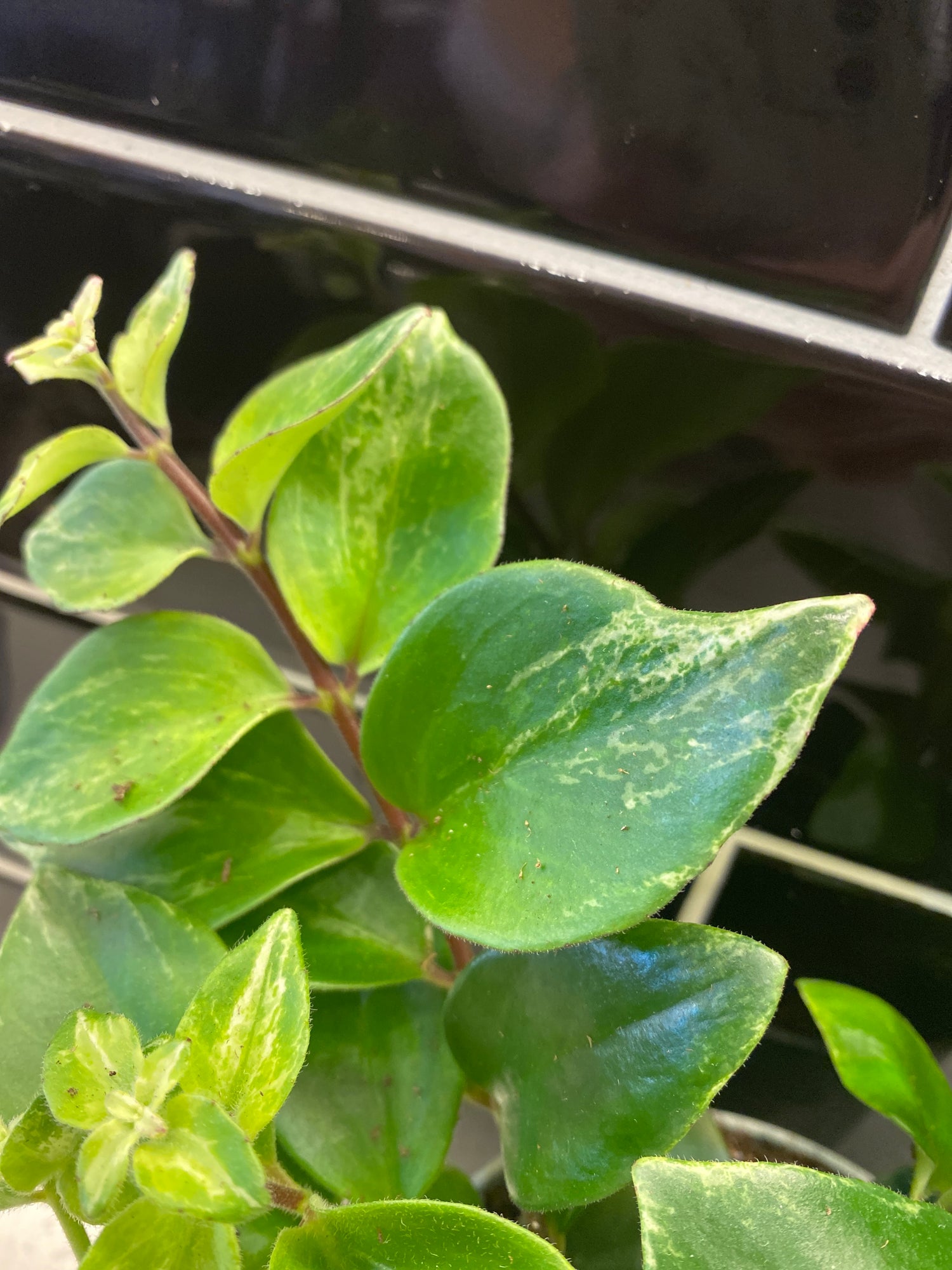
This is a dangling plant that has beautiful bright purple flowers that look like tubes of lipstick! The Mona Lisa is a variety of the Lipstick Plant. Known for its trailing stems, waxy leaves, and striking red, tubular flowers that resemble lipstick emerging from a tube. This plant is native to Southwest Asia, specifically Indonesia and Malaysia.
Scientific Name: Aeschynanthus Radicans
Common Name: Lipstick Plant/Mona Lisa
Light: Bright indirect light
Watering: Keep evenly hydrated, likes to be misted
Growth: 2-3 feet long indoors
Pet Safe: Yes
Care: Intermediate


The Philodendron 'Mars' is an eye catching hybrid Philodendron known for its striking new growth that starts as orange-yellow and matures into shades of lime green.
Scientific Name: Philodendron Mars
Common Name: Philodendron Mars
Light: Medium to bright, indirect light
Growth: Can grow one to two feet per year
Watering: When top 2 inches are dry
Pet Safe: No
Care: Intermediate
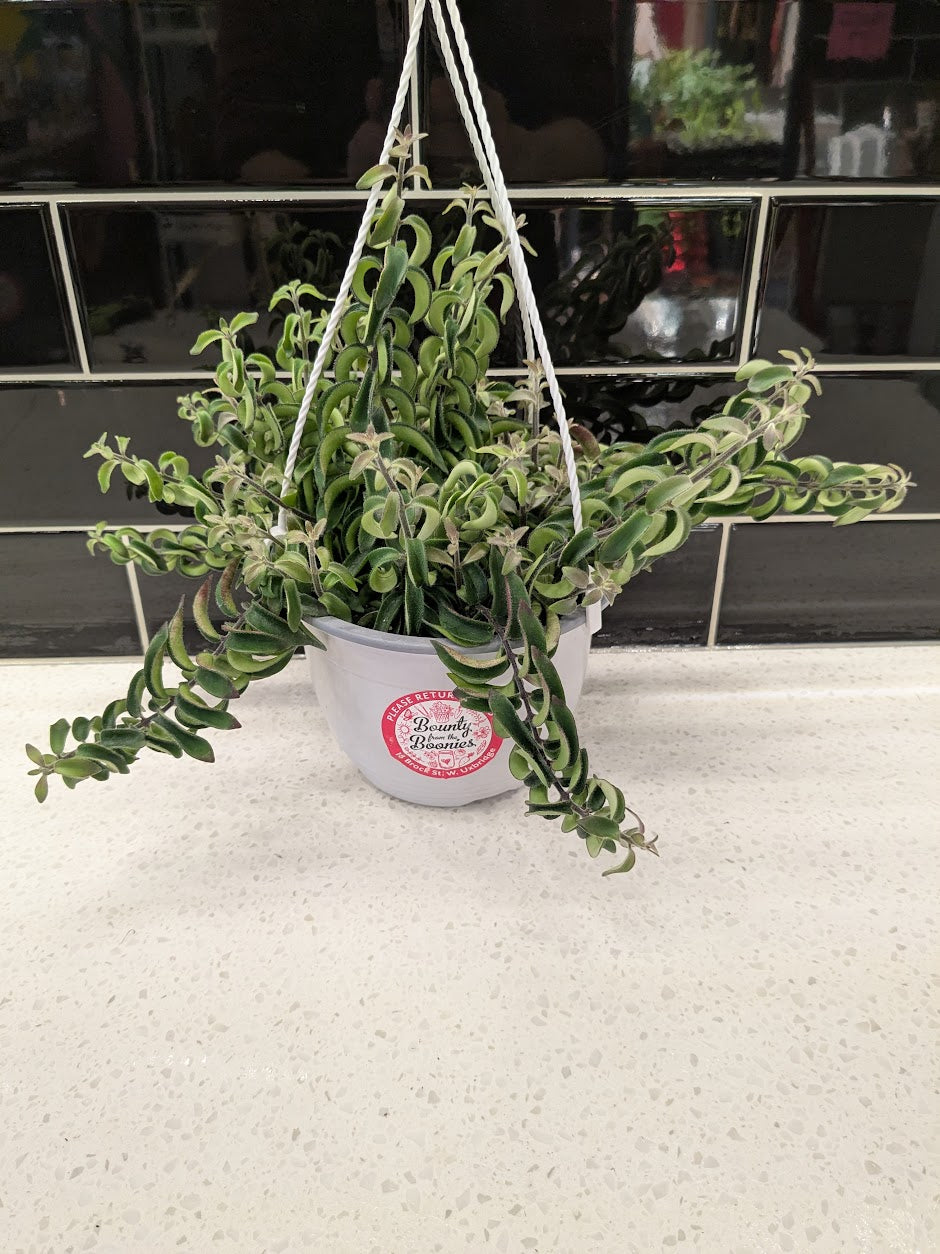
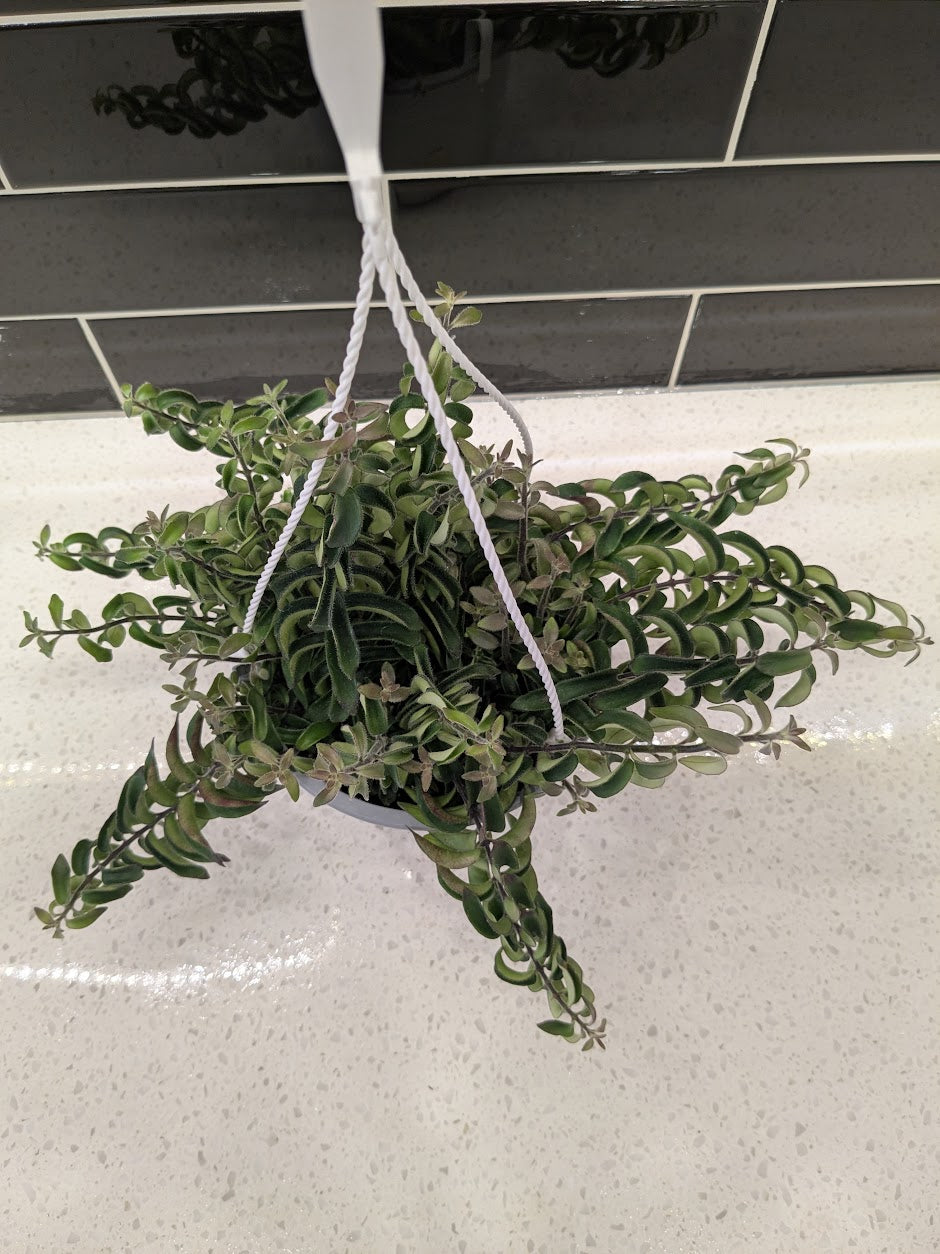
This is a dangling plant that has beautiful bright purple flowers that look like tubes of lipstick! The Curly Q is a variety of the Lipstick Plant. Known for its trailing stems, waxy leaves, and striking red, tubular flowers that resemble lipstick emerging from a tube. This plant is native to Southwest Asia, specifically Indonesia and Malaysia.
Scientific Name: Aeschynanthus Radicans
Common Name: Lipstick Plant/Curly Q
Light: Bright indirect light
Watering: Keep evenly hydrated, likes to be misted
Growth: 2-3 feet long indoors
Pet Safe: Yes
Care: Intermediate


In the Prayer family, its beautifully patterned leaves are sure to impress! Originating in the tropical rainforests of Brazil where it thrives under a canopy of dense forest and moisture. One of the beautiful things about this plant is that it opens up and displays its colours during the day but then closes up at night. This one has dark leaves painted with pink stripes.
Scientific Name: Calathea roseopicta
Light: Bright indirect light
Growth: 12-24 inches tall
Watering: Keep evenly hydrated, likes to be misted
Pet Safe: Yes
Care: Moderate

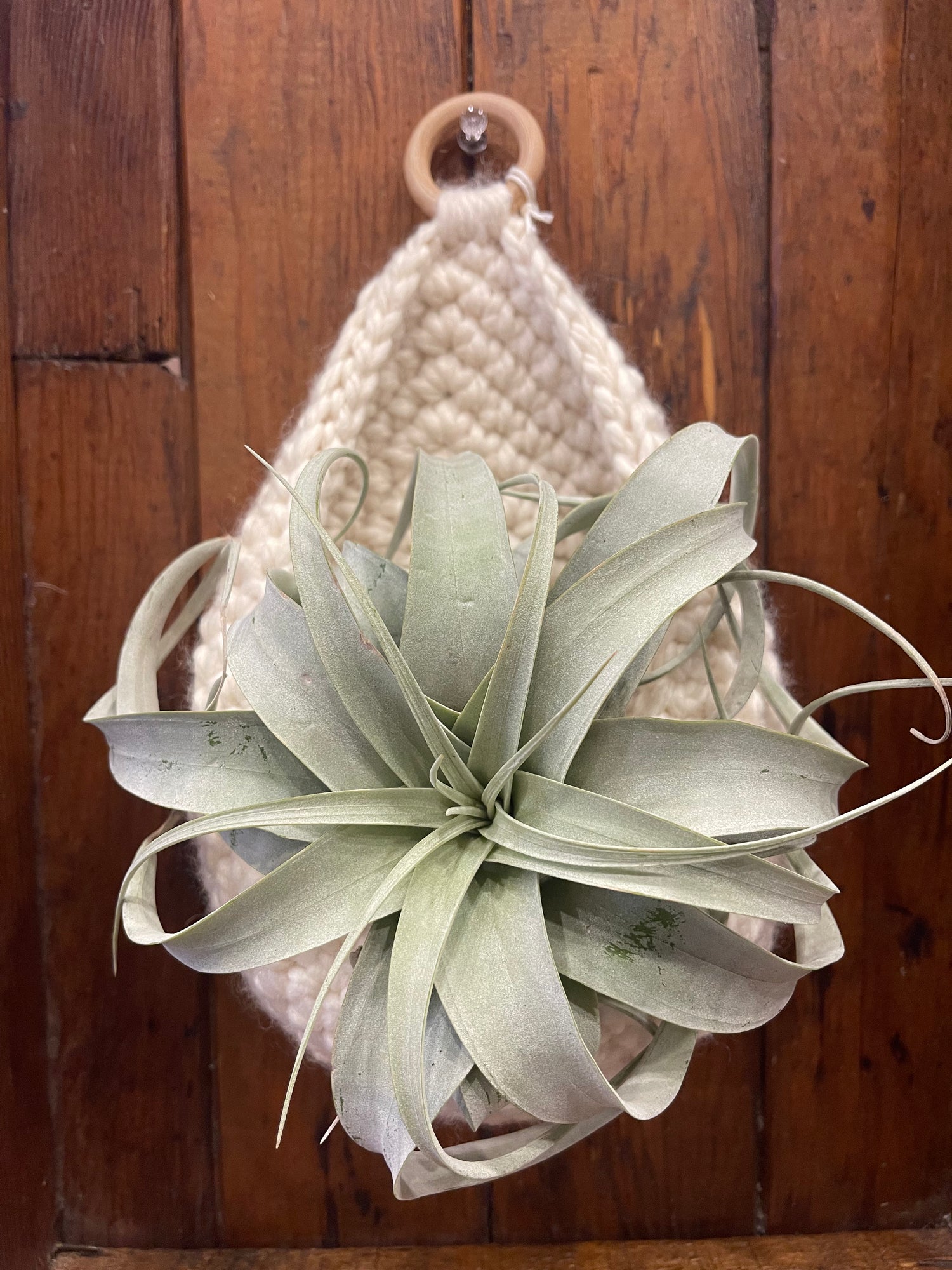
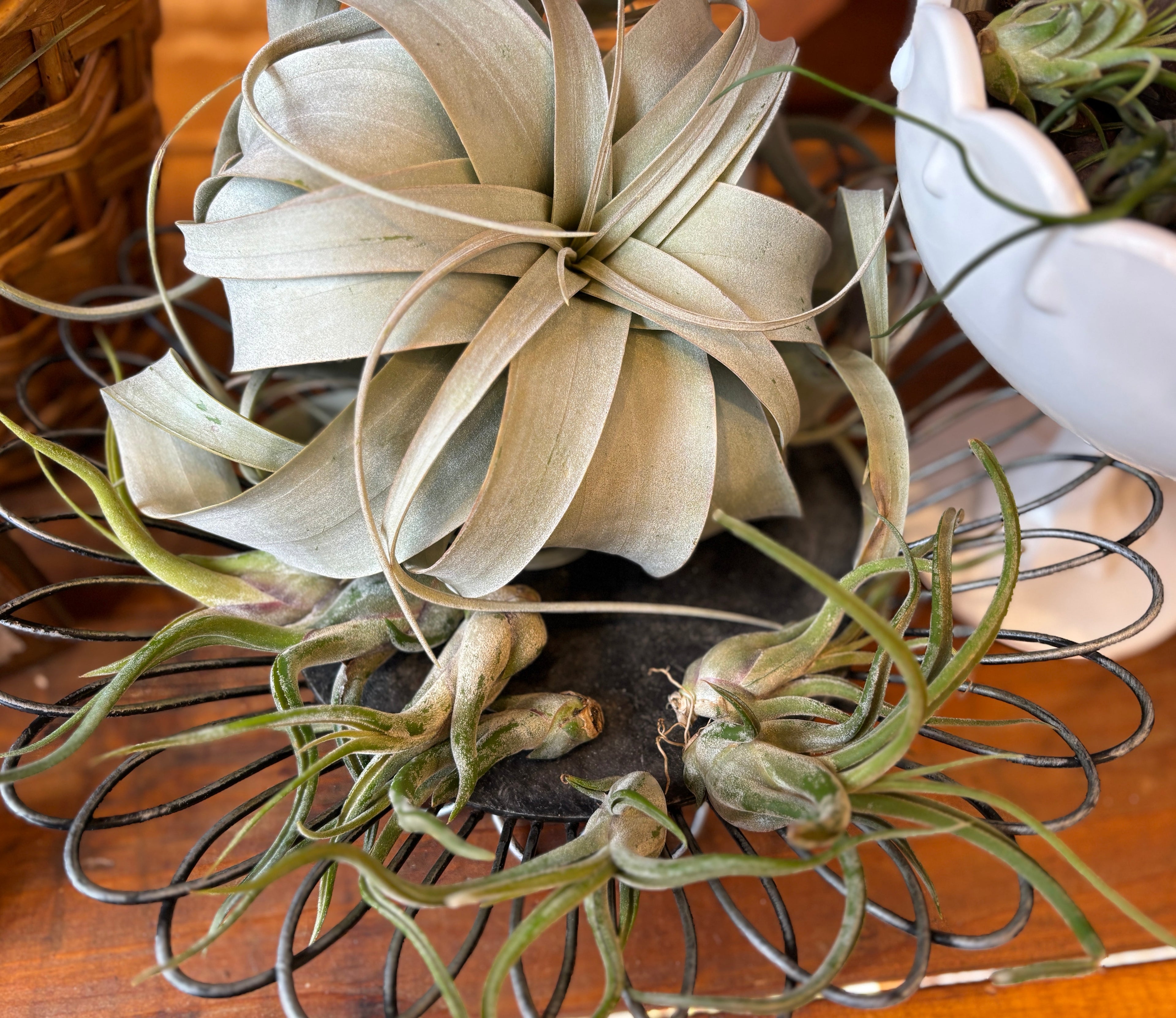
The lowest of care plants! Air plants do not require soil to survive. Just as the name implies, they survive in air! They can be displayed in many decorative formats. With their unique look, they can be quite fun to display. They originate from Central and South America. Air Plants come in all shapes and sizes as well as multiple colours.
Scientific Name: Tillandsia
Common Name: Air Plant
Light Requirements: Bright Indirect Light, direct sun for too many hours can scorch the leaves.
Water: Once a week, submerge in water and then be sure to completely dry out.
Pet Safe: Yes
Care: Easy