









Sort by:
625 products
625 products

Your ticket includes:
- Packet of seeds and seed starting guide
- Private instruction
- Small class size
- Private shopping + 10% off selected items during the workshop
-
A beverage
Note: Ages 8+ accompanied by an adult
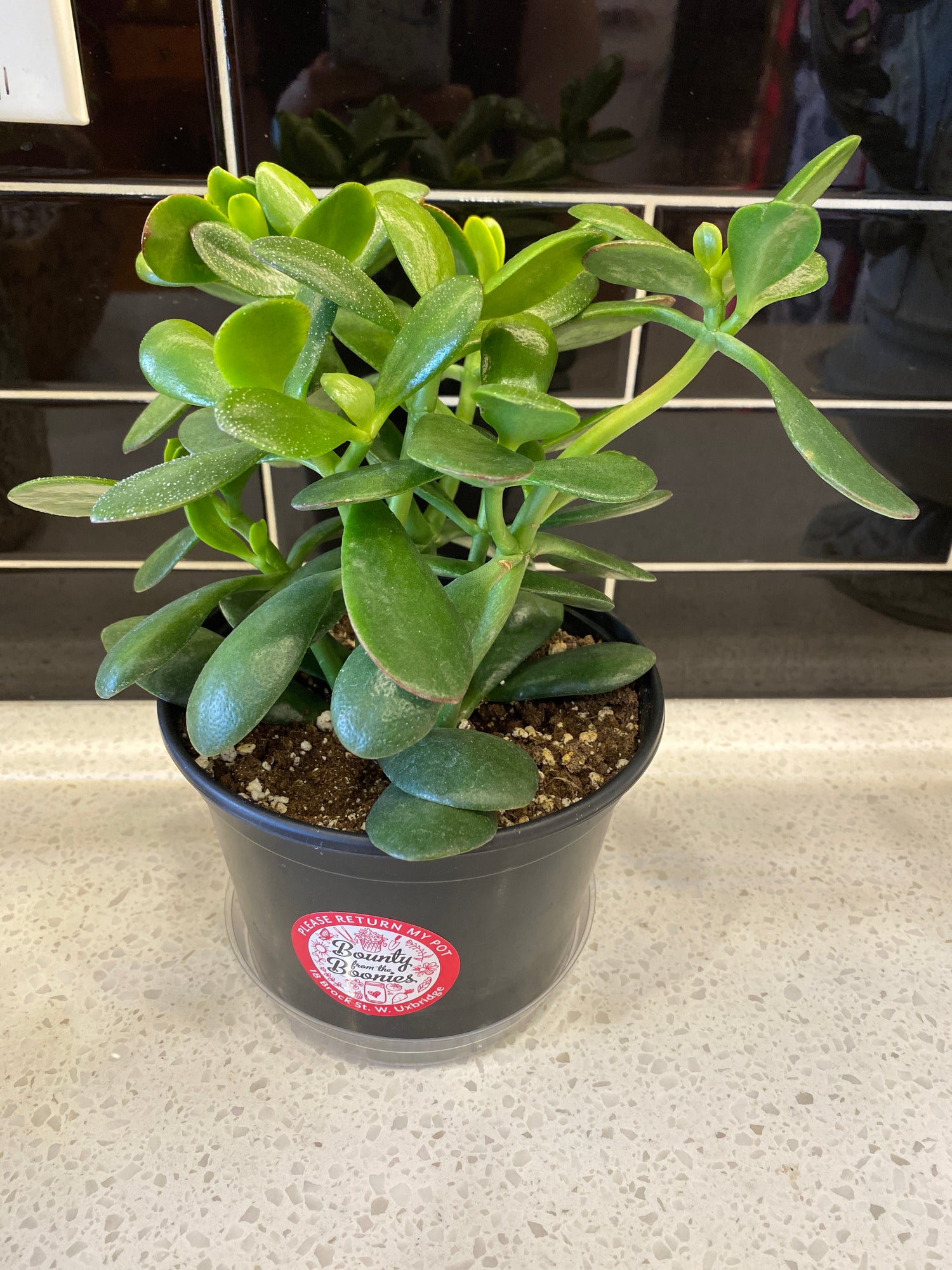
Originating from South Africa, this Jade is known for its easy care, low maintenance qualities. One of most popular succulents around!
Scientific Name: Crassula Ovata
Common Name: Jade, Lucky Plant, Money Tree
Growth: about 2 inches of height per year indoors
Light: Bright indirect light to full sun
Watering: Let dry out between waterings
Pet Safe: No
Care: Easy
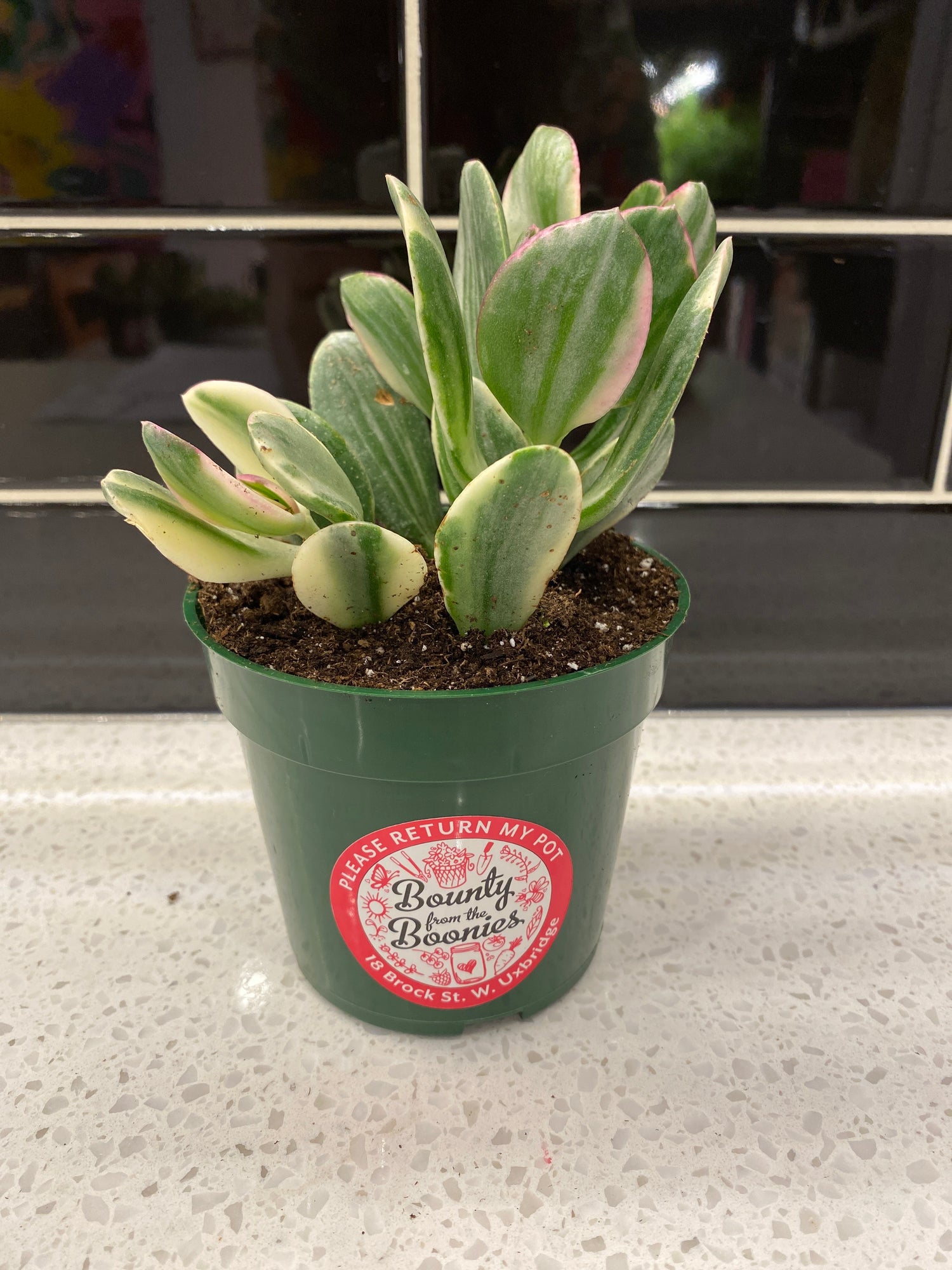
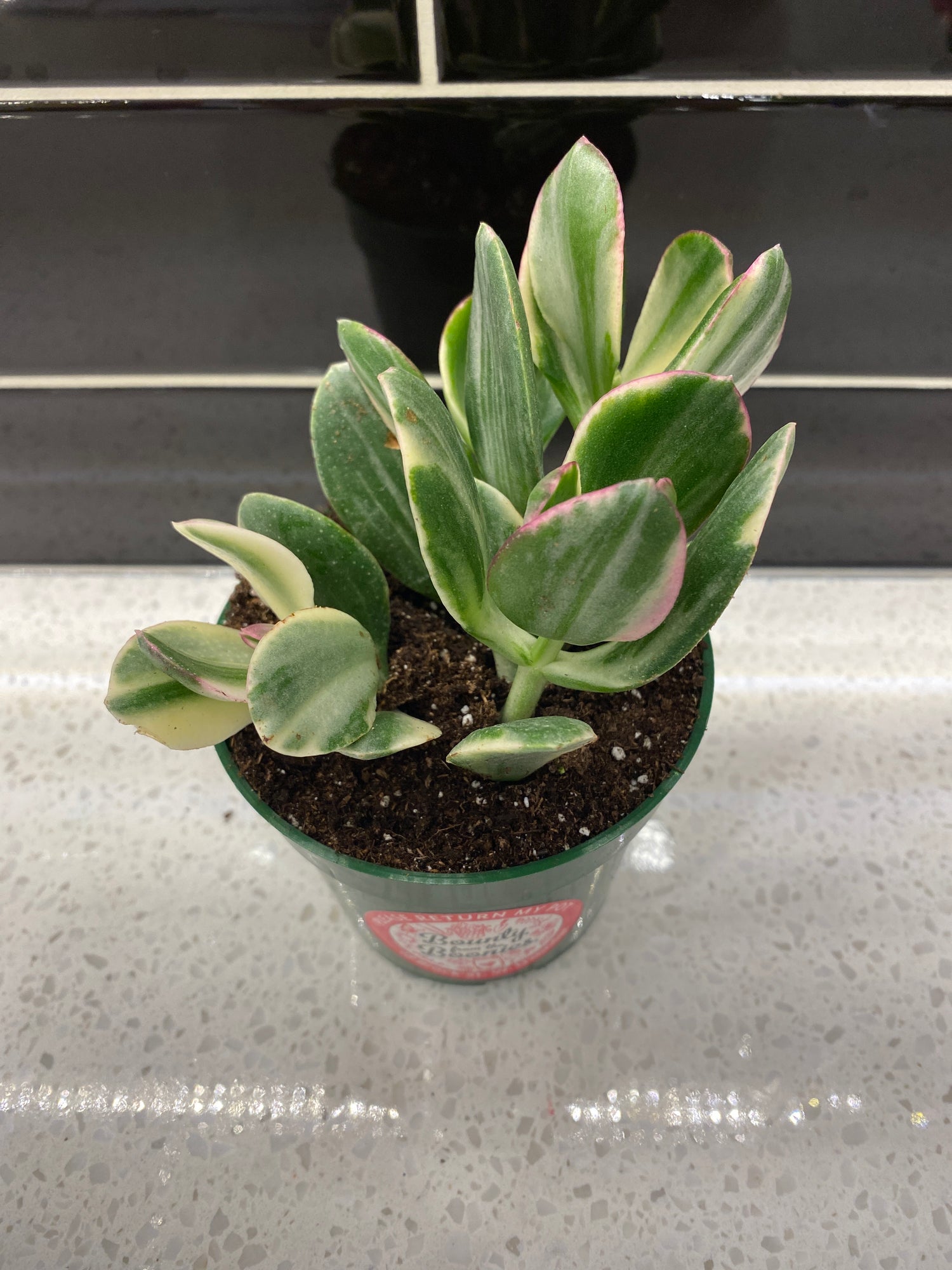
MA jade plant variety with stripes of green, white, and pink!
These star-shaped flowers have pink overtones appear in showy clusters at the ends of the branches. This Jade plant is native to South Africa. Also known as "Cassula Ovata", this Jade plant grows on dry, rocky hillsides.
Scientific Name: Cassula Ovata
Common Name: Jade
Growth: 2-4 Feet indoors
Light: Bright indirect light to full sun
Watering: Let dry out between waterings
Pet Safe: No
Care: Easy


$4 each or 3 for $10 (save $2!)
A very old variety, this is a great flower for the historical garden. Flowers are such a rich deep purple/ red that they appear black and have lovely yellow centres. May need staking.
Type: Biennial
Height: 6'+
Light: Full sun
Soil: good garden soil
Water: keep evenly watered
Bloom time: mid to late summer
Planting: Start inside 6-8 weeks before planting out. Do not cover seed, needs light to geminate. Transplant after last frost into full sun or light shade.
Growing tip: Pinch out the growing tip after transplanting to make your plants stocky and strong. Cut back after first bloom to encourage reblooming. Do not move established plants. May be short lived, but hollyhocks self-seed dependably.


With wonderfully fragrant flowers and vibrant green leaves, plus fruit you can use in drinks and pie, what is not to love about the Key Lime tree?!
Scientific Name: Citrus aurantifolia
Growth: Up to 6' indoors
Light: Full sun
Watering: Keep well watered. Water deeply once the top 1-2 inches of soil is dry to touch. Let is drain well after watering.
Pet Safe: No
Care: Intermediate
- Fertilize in early spring with a citrus specific fertilizer, or any fertilizer that has a Nitrogen, Phosphorus, Potassium (NPK) ratio of 2:1:2. You can also add new compost in the spring. Make sure to only apply it to the dirt around the tree, as key lime trees can burn if the fertilizer touches the trunk or foliage.
- Pruning: Prune to maintain shape and smaller size. Should be done in the spring to encourage new growth and keep the shape compact. Remove any dead branches and keep the centre open so the fruit receives maximum light and can ripen.
Pests: Watch for scale. Citrus is very prone to it. Scale is a small insect that forms a little brown shell on the leaves and stems. You will know you have it if the leaves become glossy and sticky which is the honeydew residue from the insect. Scrap off the scale with your fingernail or for the squeamish, use a scouring pad and a little soap. Hose off in the shower, spray with Carly's FU bug spray and if it comes back change the soil completely. Other pests include white fly and mealy bugs.


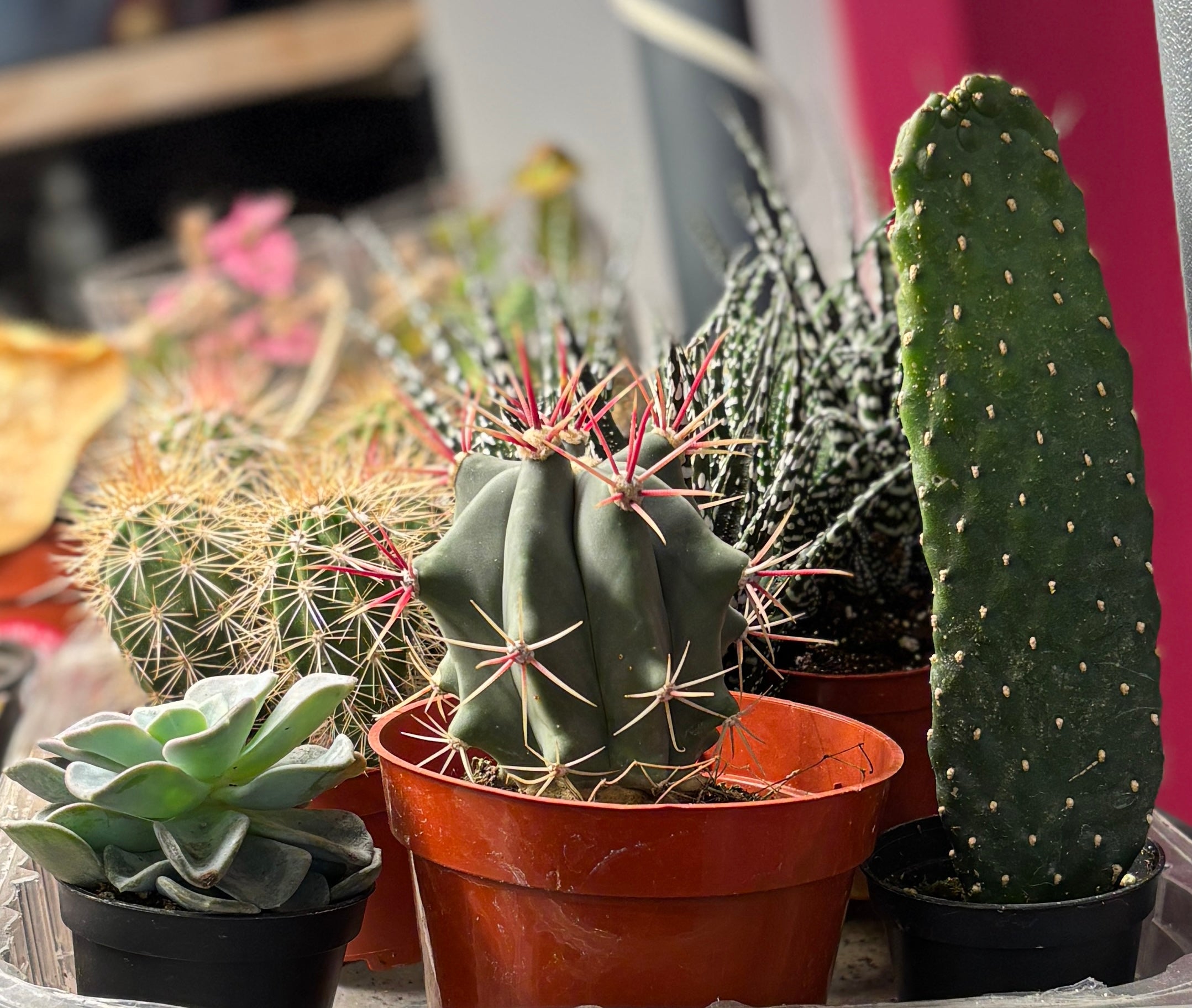
This very attractive Ladyfinger Cactus is native to Mexico and develops dense clusters of cylindrical stems that have brown/yellow spines. Its stems look like fingers and it can bloom in pink and yellow coloured flowers.
Scientific Name: Mammillaria elongata
Common Name: Ladyfinger Cactus, Gold Lace Cactus, Golden Stars
Growth: 6-8 inches
Light: Bright, Indirect sun
Watering: Let the soil dry out completely before watering
Pet Safe: Yes
Care: Easy


Ceramic
Diameter:
small - 7”
Medium - 10.5”
Large - 13.5”
Height:
small - 8”
Medium - 13”
Large - 14”


Stunning large red pot with slight gradient.
For smaller sizes click here.
Diameter - 11”
Height - 10.50”


Plastic
The black and baby blue pots even have a little sparkle!
Diameter - 10”
Height - 10.75”
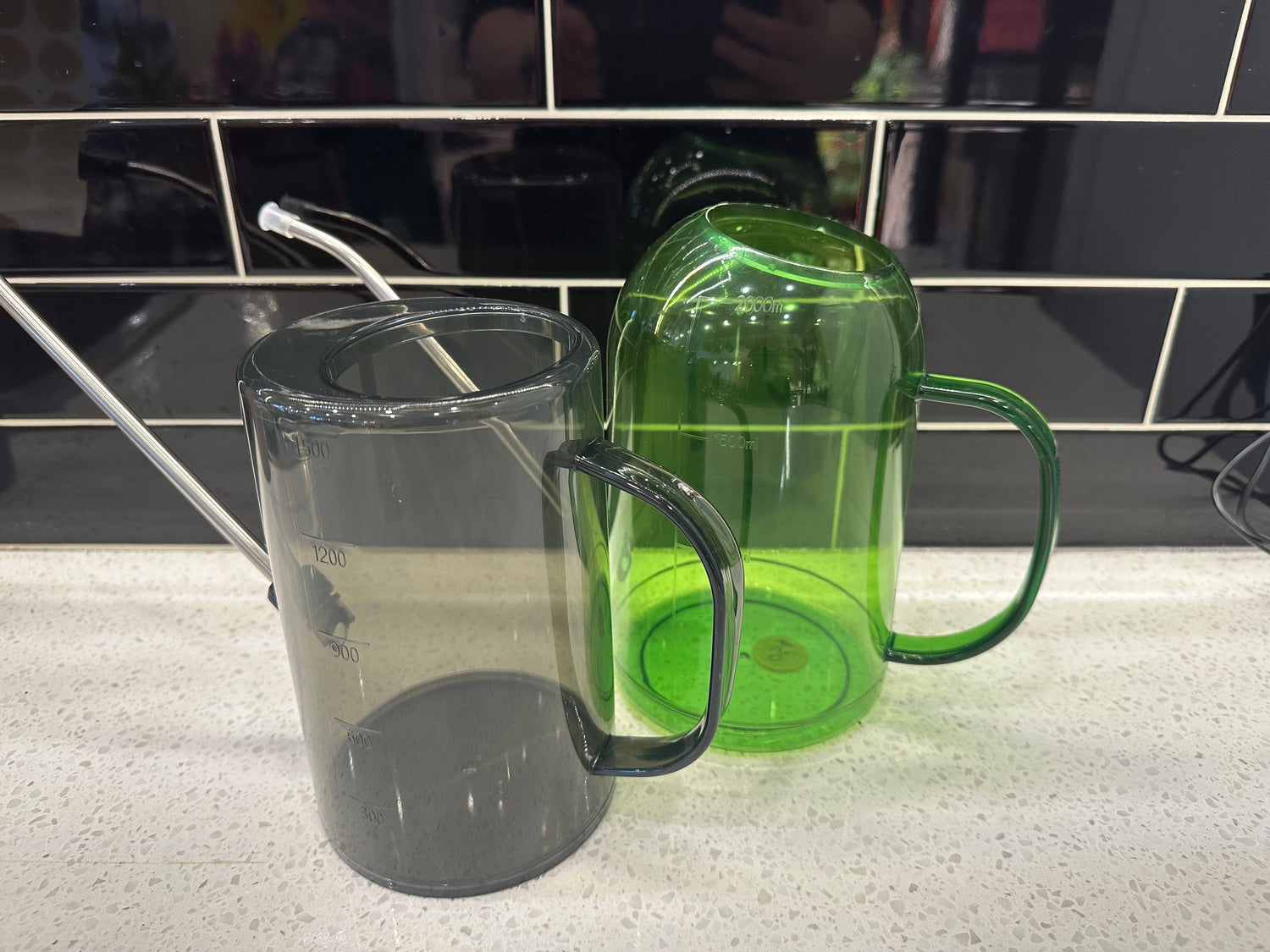
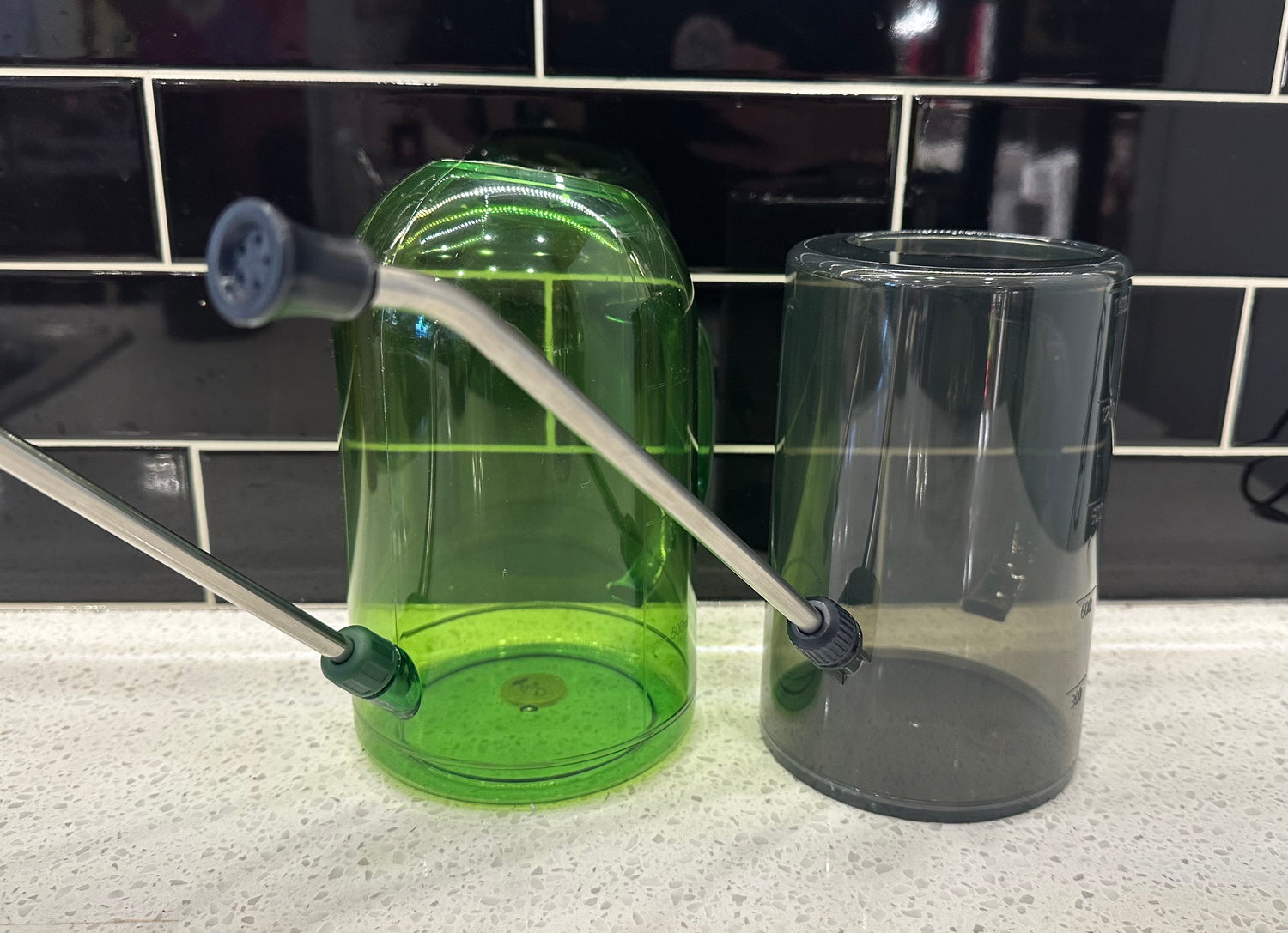
A large indoor plant watering can, with a long thin spout for getting under leaves and better control.