









Sort by:
625 products
625 products

$4 each or 3 for $10 (save $2!)
These cosmos are a lovely pure white which shines in the garden, especially at night! They would be a perfect choice for a night or moon themed garden.
Type: annual
Height: 30-183 cm (1-6 ft)
Soil: well drained, drought tolerant. Not too rich or you will only get foliage and no flowers.
Light: full to partial (6+ hours/day)
Planting: direct sow lightly, no more than 1/4” deep, in warm soil after last frost. For earlier blooms, start seeds indoors 4 weeks before last frost, then transplant outside after hardening off. *
Care: low maintenance. Deadhead regularly
Bloom time: early summer - hard frost
Carly’s Tip: Water soil first, let saturate, then plant seeds. This prevent seeds – especially light, delicate ones not deeply sown – from moving/washing away.
*Hardening off refers to the process of gently and gradually acclimatizing indoor grown seedlings to the great outdoors! Don't throw your new babies straight into the elements! Over the course of a week, take them outside for a few hours at a time, bringing them back indoors afterwards. First sit them in the shade and then slowly introduce them to the sun. Increase the length of time they are outside and are exposed to the sun, until you feel they are ready to face the big outside world!

$4 each or 3 for $10 (save $2!)
These cosmos are a lively orange and yellow mix, bringing sunshine into the flower border!
Type: annual
Height: 2-4 feet
Soil: well drained, drought tolerant. Not too rich or you will only get foliage and no flowers.
Light: Full sun
Planting: direct sow lightly, no more than 1/4” deep, in warm soil after last frost. For earlier blooms, start seeds indoors 4 weeks before last frost, then transplant outside after hardening off. *
Care: low maintenance. Deadhead regularly
Bloom time: early summer - hard frost
Carly’s Tip: Water soil first, let saturate, then plant seeds. This prevent seeds – especially light, delicate ones not deeply sown – from moving/washing away.
*Hardening off refers to the process of gently and gradually acclimatizing indoor grown seedlings to the great outdoors! Don't throw your new babies straight into the elements! Over the course of a week, take them outside for a few hours at a time, bringing them back indoors afterwards. First sit them in the shade and then slowly introduce them to the sun. Increase the length of time they are outside and are exposed to the sun, until you feel they are ready to face the big outside world!
$4 each or 3 for $10 (save $2!)
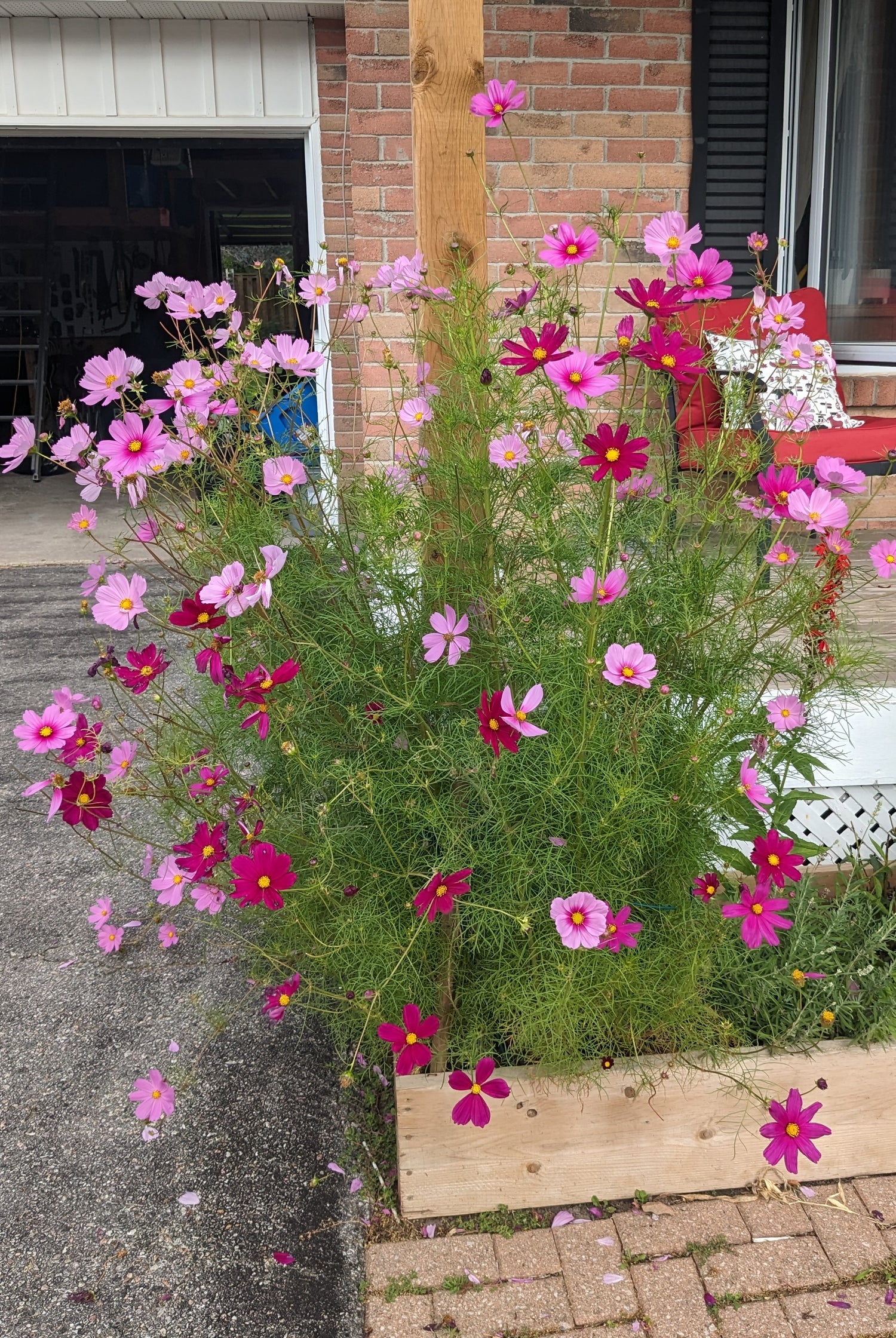
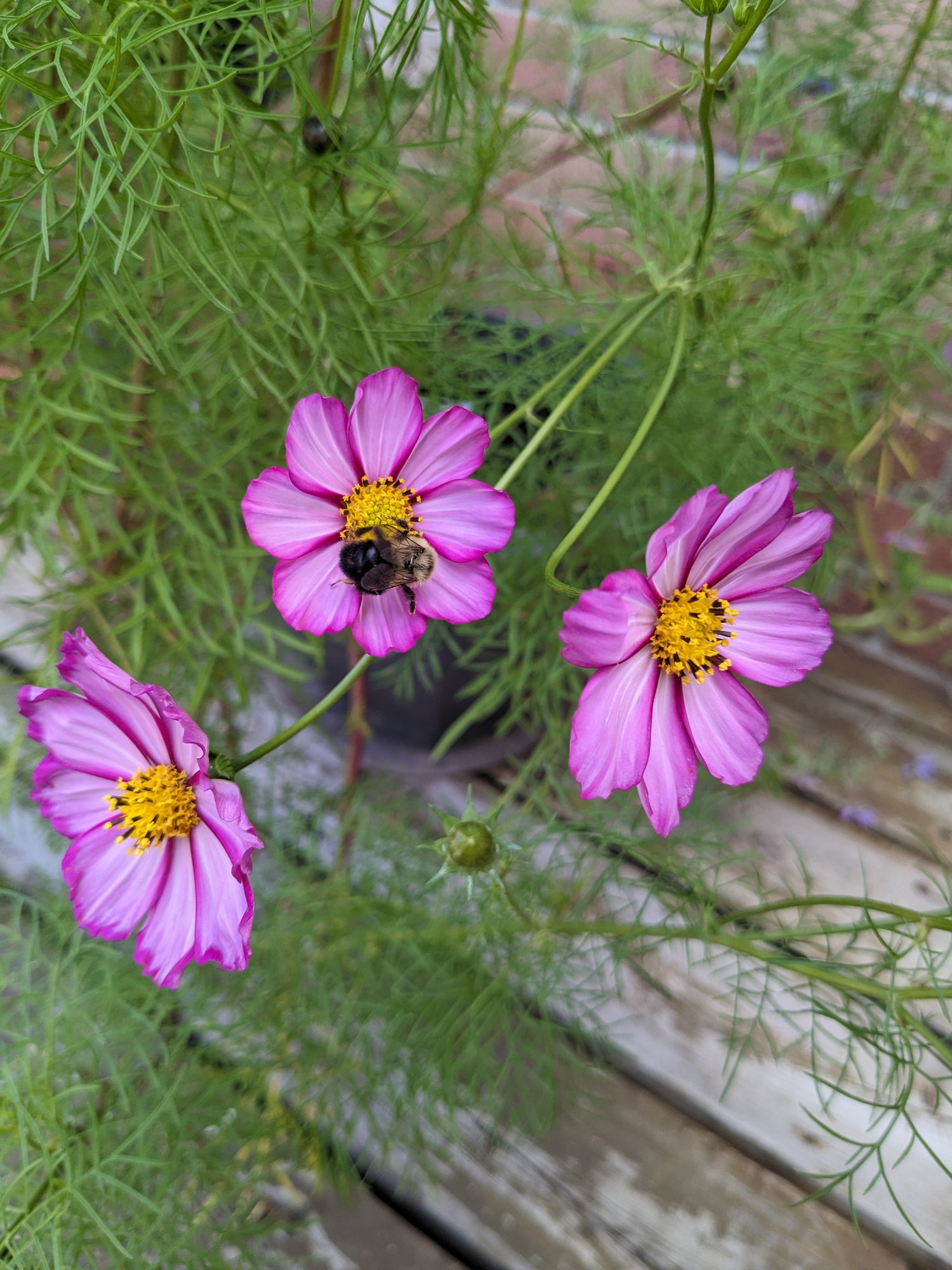
Uxbridge Township’s flower!
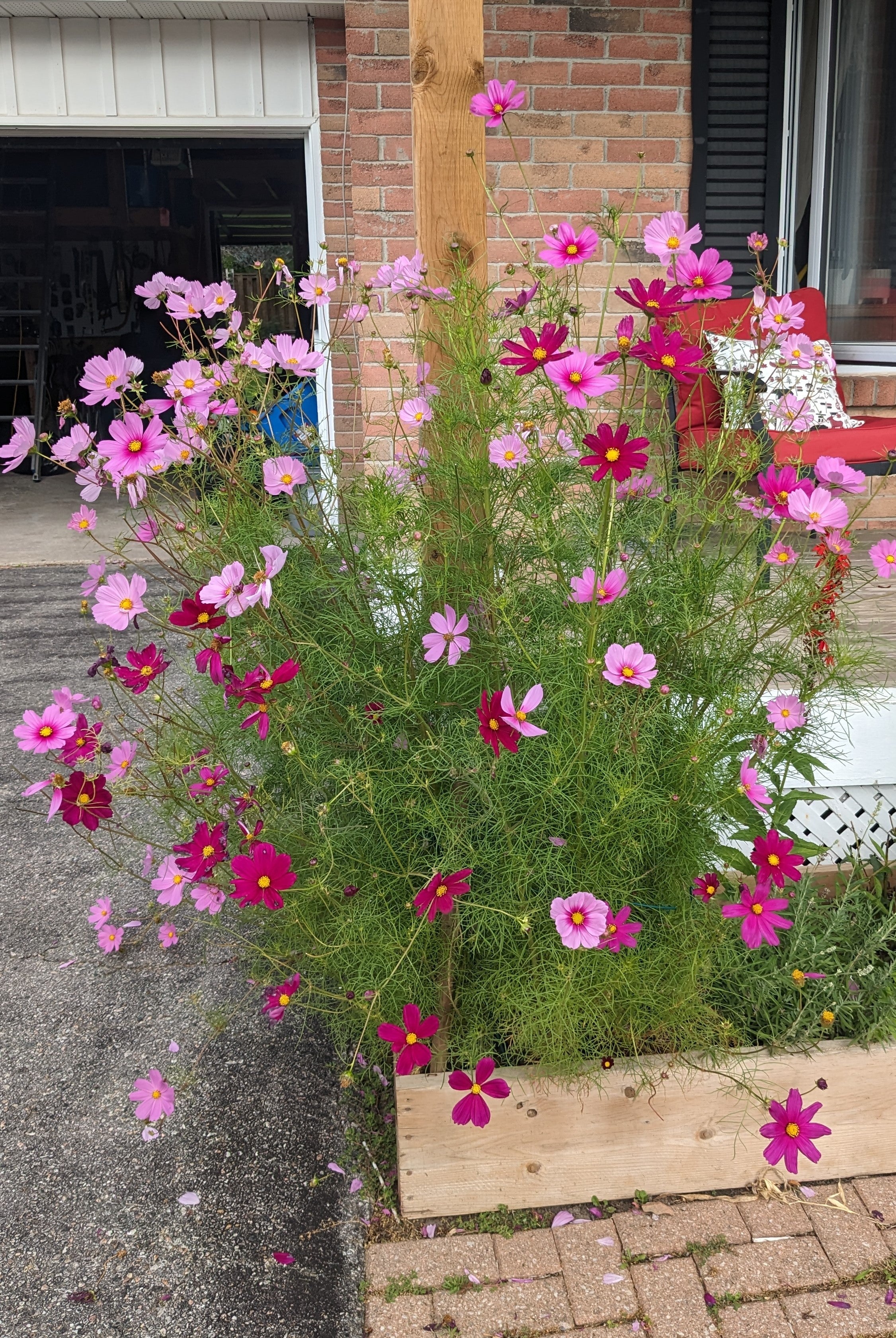
These delightful beauties in cheery pinks (my favourite colour!) are showstoppers in my full sun gardens.
Daisy-like blooms sit atop long, slender stems with feathery leaves, forming a cloud of colour. Once blooming, you’ll have non-stop flowers until a hard frost.
They crawl with bumblebees, hoverflies, sweat bees and ladybugs; I love sitting quiet and close to a patch of Cosmos, listening to soft buzzing and watching the action. Small birds such as goldfinches and chickadees eat seeds from the dried flower heads.
An excellent cut flower, lasting a week or more. East Gwillimbury Garden Club 3rd place winner in 2023, any other annuals category.
Open-pollinated
Heirloom
Type: annual, but reliably self-seeds and returns in my Zone 5b garden
Colour: pink shades, from pale to dark crimson, some variegated, yellow centres
Mix of single, double and fluted blooms
Height: 30-183 cm (1-6 ft)
Soil: well drained, drought tolerant
Light: full to partial (6+ hours/day)
Planting: direct sow lightly, no more than 1/4” deep, in warm soil after last frost. For earlier blooms, start seeds indoors 4 weeks before last frost, then transplant outside after hardening off (LINK: how to harden off seedlings)
Care: low maintenance. Deadhead regularly
Bloom time: early summer - hard frost
Carly’s Tip: Water soil first, let saturate, then plant seeds. This prevent seeds – especially light, delicate ones not deeply sown – from moving/washing away.

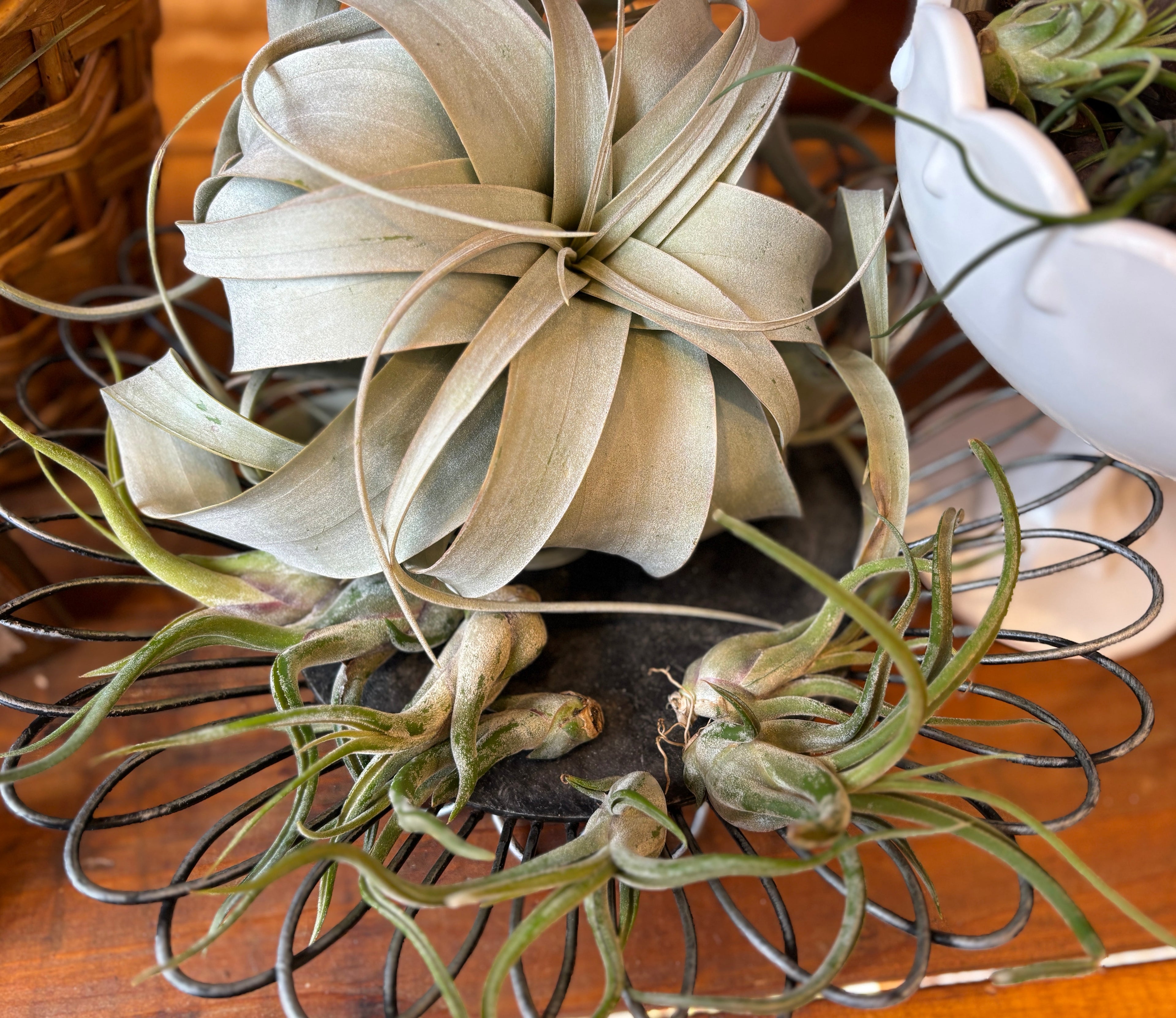
The lowest of care plants! A variety of shapes and sizes add dramatic flair to any living space.
Light: Bright, indirect light.
Watering: Soak in water once a week and let completely dry.
Care: Easy
Pet Safe: Yes
If purchasing online, the air plant may vary. You will receive the size purchased but exact look can vary.

The Crown of Thorns plant is a succulent native to Madagascar known for its spiny stems and colourful, long-lasting bracts that look like flowers. It's often associated with good luck and protection. These flowers will bloom all year round!
Scientific Name: Euphorbia Milii
Common Name: Crown of Thorns
Light: Bright indirect light
Watering: When top soil is dry, ensure good drainage.
Growth: Can grow up to 6 feet tall!
Pet Safe: No
Care: Easy

Known as a "prayer" plant because the leaves fold together in the evening like hands in prayer. In the morning they will open up again. This variety has lovely gold and cream variegation on the leaves.
Scientific Name: Ctenanthe lubbersiana golden mosaic
Common Name: Never never plant, bamburanta
Light: Bright Indirect light with some morning sunlight. East facing window is ideal but a north facing window is okay too.
Growth: 2-4' tall
Watering: Water when the top 1-2" of the soil is dry, then water well and let the water drain away.
Pet Safe: Yes
Care: Intermediate


This unique pickle is must have for salads, charcuterie, cocktails, or garnish! The crunchy skin and soft inside gives you a burst of flavour with every bite! Made with fresh Cucamelons harvested from our Uxbridge Homestead Gardens, this pickle is bound to get people talking!
Preserving the bounty from my Uxbridge suburban Homestead gardens + Ontario growers is among my greatest joys, capturing the incomparable taste of sun-kissed local food. Every product is made by hand, in small batches, in our Celiac-safe gluten-free kitchen.
Ingredients - cucamelons, vinegar, water, sugar, salt

A delightful novelty veggie in my food garden, Cucamelon - aka mouse melon - look like miniature watermelons! Hailing from Mexico and Central America, these distant cucumber cousins have a bright, refreshing taste with a citrus tang. They're totally unique and kids, especially, love them.
Cucamelons rarely make it in the house, as I snack on them while tending my gardens. But when they do, they're sliced in a salad or bring a small to a veggie platter. I preserve them like pickles, too. And just had a customer tell me they put them in cocktails!
Cucamelon vines need a structure to climb as they grow. My favourite way is to guide them along a tomato cage when growing in a container, but any sturdy trellis will work. Once flowers appear, start checking for fruit after a week.
$4 each or 3 for $10 (save $2!)
Type: annual fruit (although eaten as a veggie, like tomato)
Height: plant 1 ft tall, vines up to 10 ft.
Light: full sun
Moisture: well drained, rich warm soil - amend with compost before planting
Watering: Keep well watered. Vines will shrivel if they dry out.
$4 each or 3 for $10 (save $2!)
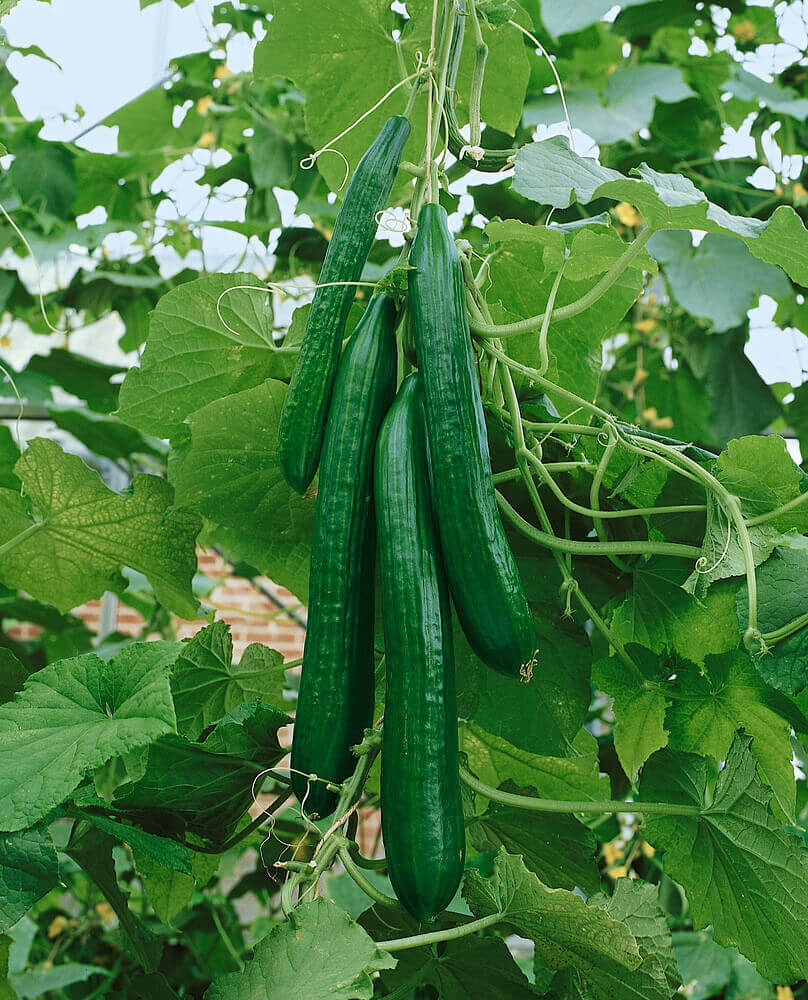
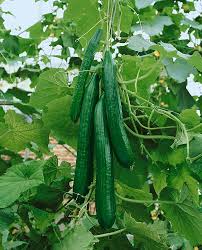
A heirloom variety from the 1800's, fruit is extra long and great for slicing with a nice mild flavour.
Type: Annual vegetable.
Height: Grow as a vine up netting or trellis.
Light: Full sun
Soil: Rich soil. Use good quality compost around plants and mulch well.
Water: Consistently keeping soil moist, but not wet, will results in good growth and happy plants.
Planting: Sow seeds directly outside after the soil is warm and there is no danger of frost. Cooler temperatures will decrease germination. Work in lots of good compost. Create mounds or hills and sow 6 to 8 seeds 2 cm deep in each hill. Thin seedling leaving only 3 or 4 plants per hill. Put trellis in place when planting so vines can grow vertically, ensuring straight fruit. Or can be started indoors 3 weeks before the last frost. Harden off* before planting out.
Harvest: 60 days from planting
* Hardening off refers to the process of gently and gradually acclimatizing indoor grown seedlings to the great outdoors! Don't throw your new babies straight into the elements! Over the course of a week, take them outside for a few hours at a time, bringing them back indoors afterwards. First sit them in the shade and then slowly introduce them to the sun. Increase the length of time they are outside and are exposed to the sun, until you feel they are ready to face the big outside world!
Other tips: Cutting when they are shorter increases yield and offers best flavour.

$4 each or 3 for $10 (save $2!)
Nice firm flesh for crunchy pickles.
Type: Annual vegetable.
Height: Grow as a vine up netting or trellis.
Light: Full sun
Soil: Rich soil. Use good quality compost around plants and mulch well.
Water: Consistently keeping soil moist, but not wet, will results in good growth and happy plants.
Planting: Sow seeds directly outside after the soil is warm and there is no danger of frost. Will not germinate in cooler temperatures. Work in lots of good compost. Create mounds or hills and sow 6 to 8 seeds 2 cm deep in each hill. Thin seedling leaving only 3 or 4 plants per hill. Put trellis in place when planting so vines can grow vertically, ensuring straight fruit. Or can be started indoors 3 weeks before the last frost. Harden off* before planting out.
Harvest: 52 days from planting. Sow seeds every few weeks for a continual harvest.
* Hardening off refers to the process of gently and gradually acclimatizing indoor grown seedlings to the great outdoors! Don't throw your new babies straight into the elements! Over the course of a week, take them outside for a few hours at a time, bringing them back indoors afterwards. First sit them in the shade and then slowly introduce them to the sun. Increase the length of time they are outside and are exposed to the sun, until you feel they are ready to face the big outside world!
Other tips: Cutting when they are shorter increases yield and offers best flavour.


Cuddly Cactus 4”
As the name states, this is a cactus you can hug! No spines equals a friendlier cactus- so great for kids or if you have curious furry friends.
Scientific Name: Cereus jamacaru
Growth: Tall in the wild, will grow slowly and remain shorter indoors
Light: Bright to sunny
Watering: Let the soil dry out completely before watering
Pet Safe: Yes
Care: Easy


$4 each or 3 for $10 (save $2!)
Cup plant is a very tall plant! But if you have the room, it is worth growing for it's statuesque presence in the garden. It will require staking.
Type: Perennial, native to Ontario
Height: 8 to 12'
Light: full sun to light shade.
Soil: sand to clay
Water: Cup plant likes it moister but if you want to control it's growth, place it in a dryer area. It won't grow quite so big and will self seed less.
Bloom time: Late July to September
Planting: Seeds need a 60 day period of cold, moist stratification - see options in photos, courtesy of Northern Wildflowers. * This website offers an excellent overview of this plant and how to grow it from seeds: Cup Plant – Silphium perfoliatum – Grow and Care Guide – GrowIt BuildIT
Wild life support: The flowers are adored by bees and the seed heads are a favourite of chipmunks and gold finches in the late summer, early fall. Where the leaves meet the stem, a cup like structure is formed, hence the name. This collects water from which insects and birds will drink- how charming!
Warning: The only drawback to Cup Plant is that it self seeds quite aggressively and you should remove seedling quickly in the spring to control the spread.


The Curly Locks Orchid Cactus is a slow growing cactus known for its bright green, twisting, ribbon-like stems. In the right conditions, it produces fragrant, white, night-blooming flowers that can be followed by edible, red fruit. This plant is native to Guatemala.
Scientific Name: Epiphyllum Guatemalense f. monstrosa
Common Name: Curly Locks Orchid Cactus
Light: Bright indirect light. Avoid full sun because they will get scorched
Watering: When top 1-2 inches are dry
Growth: 2-3 feet
Pet Safe: Yes, but still recommended to keep out of reach. Ingesting too much can get your pet sick.
Care: Easy


Dancing Bones Cactus is an interesting looking tropical epiphytic- meaning it grows on other plants. In the wild it grows on trees in high elevation forests of Brazil. In the spring it has yellow flowers.
Scientific Name: Hatiora Salicornioides
Common Name: Dancing Bones Cactus, Bottle Cactus
Growth: 6-12 " Slow growing
Light: Low to medium bright light. Try to mimic the understory of trees.
Watering: requires higher humidity and moisture than most cacti since it grows naturally in the jungle. However it is still a succulent so do not leave it sitting in water. Water when the top inch or so feels dry. Water more in the summer than during the winter
Pet Safe: No
Care: Easy to Moderate
$4 each or 3 for $10 (save $2!)
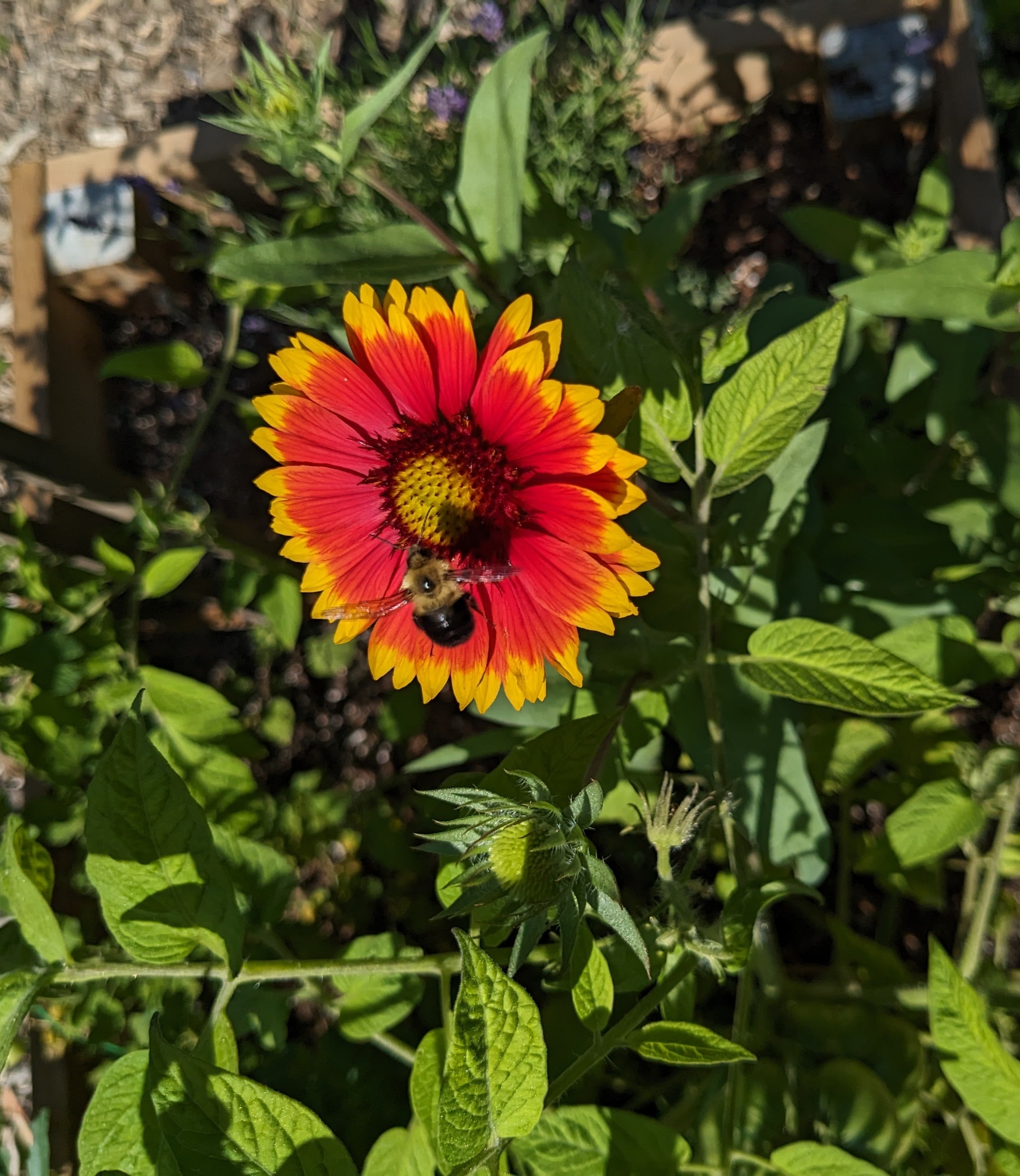
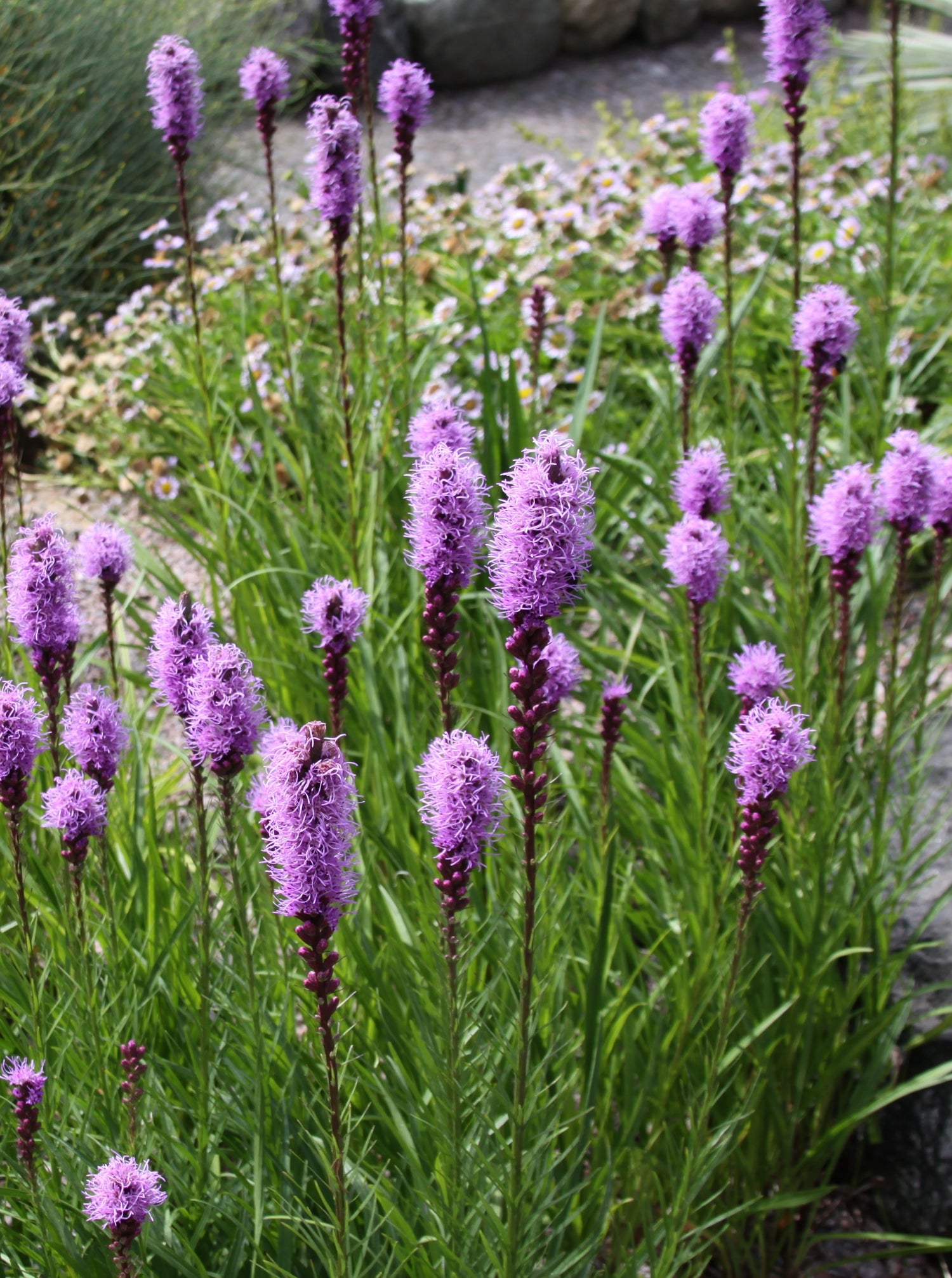
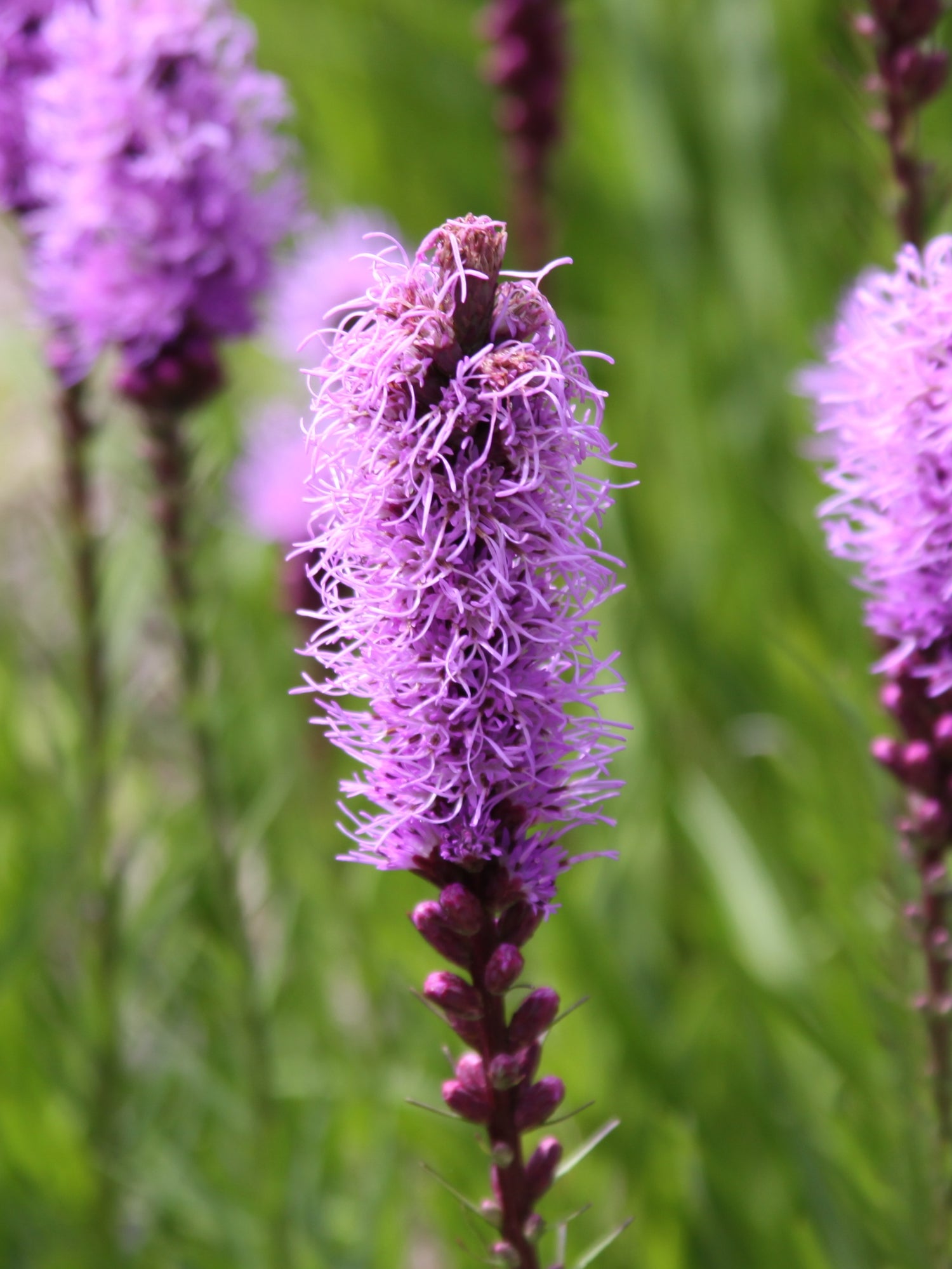
Butterflies, bees and hummingbirds love this plant's nectar, making Dense Blazing Star an excellent addition to pollinator gardens. Birds then eat the seeds through the winter.
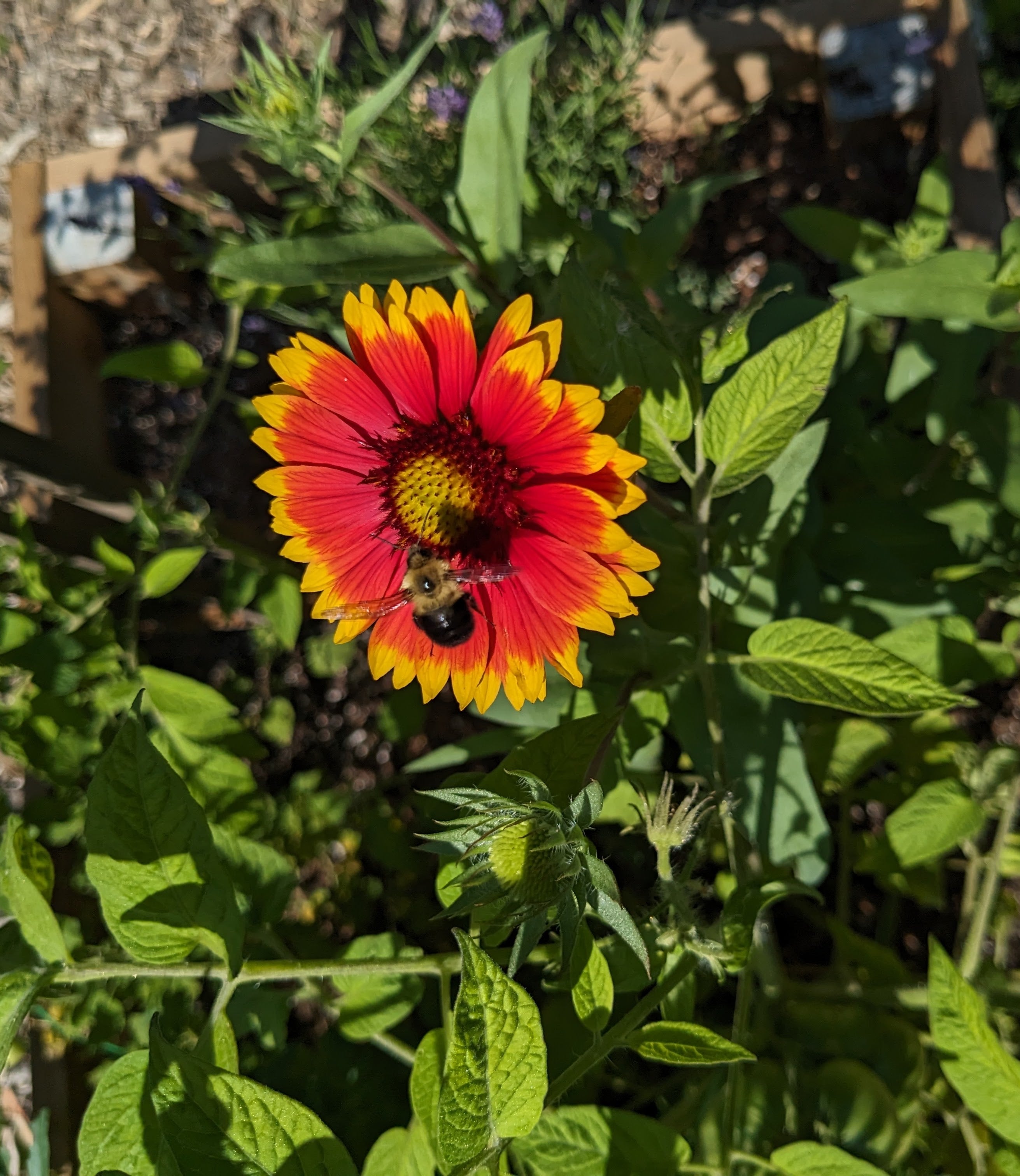
I love the whimsical, long-lasting, bright, feathery pop of purples as it grows and flowers from the top down - truly unique. I grow it among White (dwarf) Lavender, Lance-Leaf Coreopsis, Spotted Bee Balm and Blanket Flower.
Type: Native Perennial
Height: 5 ft.
Light: full sun-part shade
Moisture: well draining, drought tolerant
Bloom time: July-late fall
Planting: Cold, moist stratification required - see options in photos, courtesy of Northern Wildflowers. Lightly cover (1/8" depth) with moist soil, and do not let seedlings dry out. OR direct sow in late fall to overwinter in the garden for blooms the following spring