








Houseplants

We're your home for all things plants. We have a unique, curated collection of all kinds of houseplants to add life to your home.
Sort by:
282 products
282 products


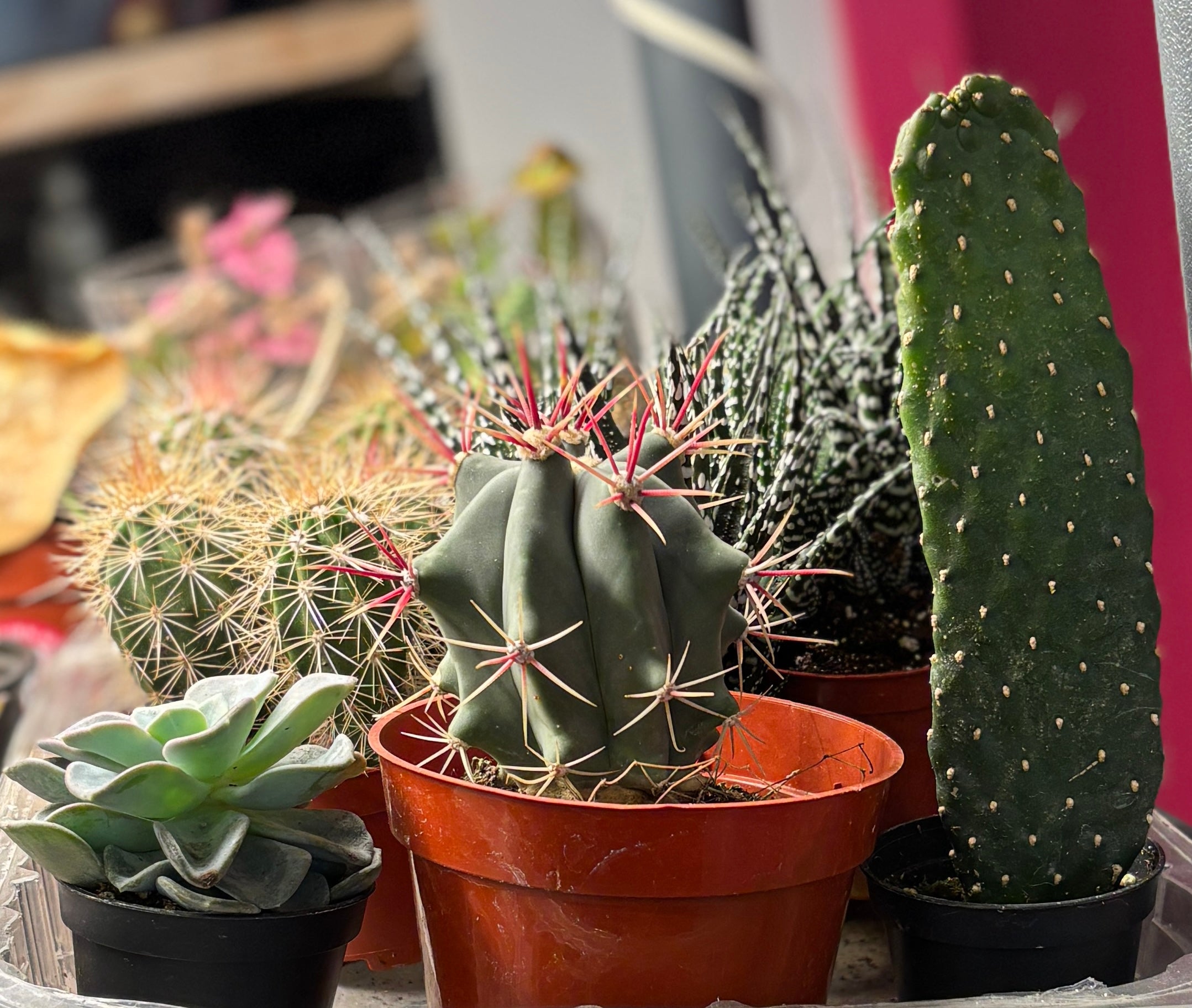
A pretty little succulent that is pet safe too! This plant originates from desert regions of Mexico. The Echeveria is a drought-tolerant succulent that thrives in high-elevation, rocky, and dry environments.
Scientific Name: Echeveria Elegans
Common Name: Echeveria
Light: Bright, indirect light
Growth: 2-3 inches tall
Watering: Let dry between watering
Pet Safe: Yes
Care: Intermediate
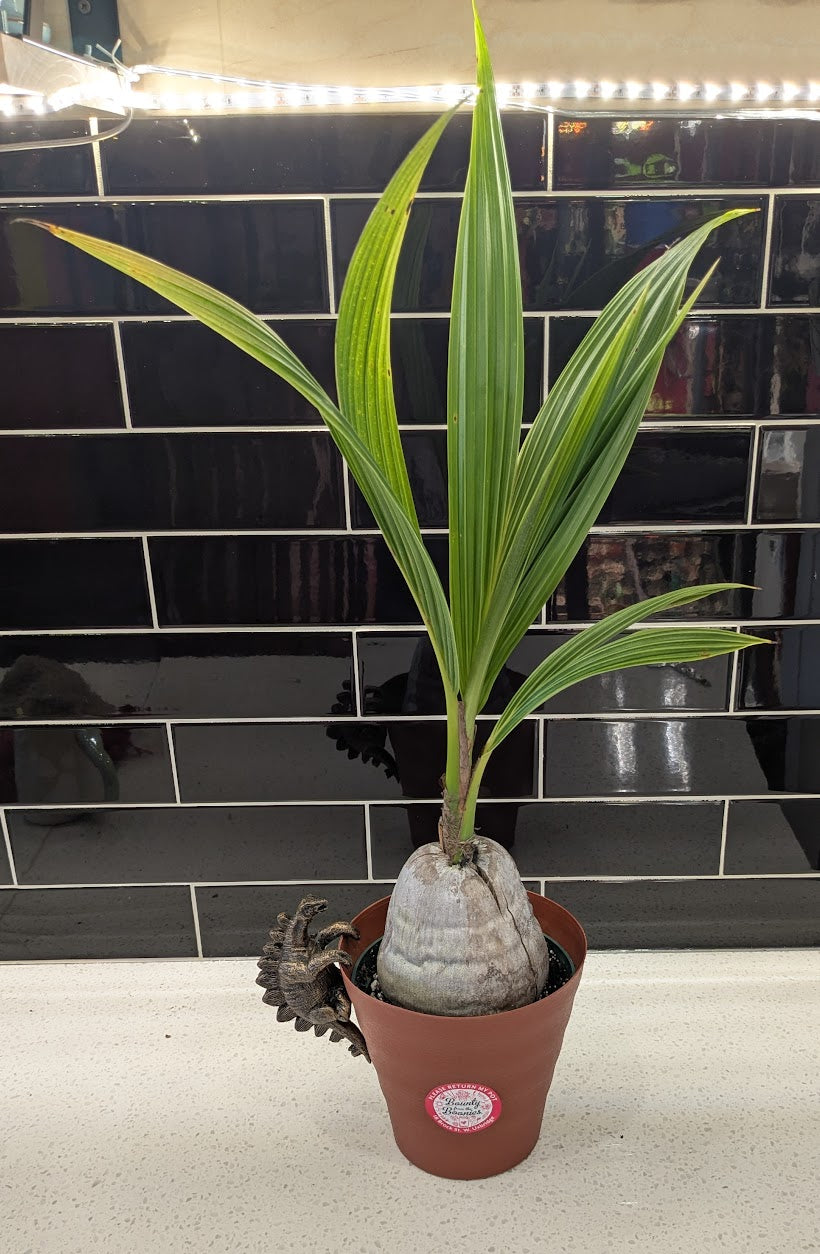
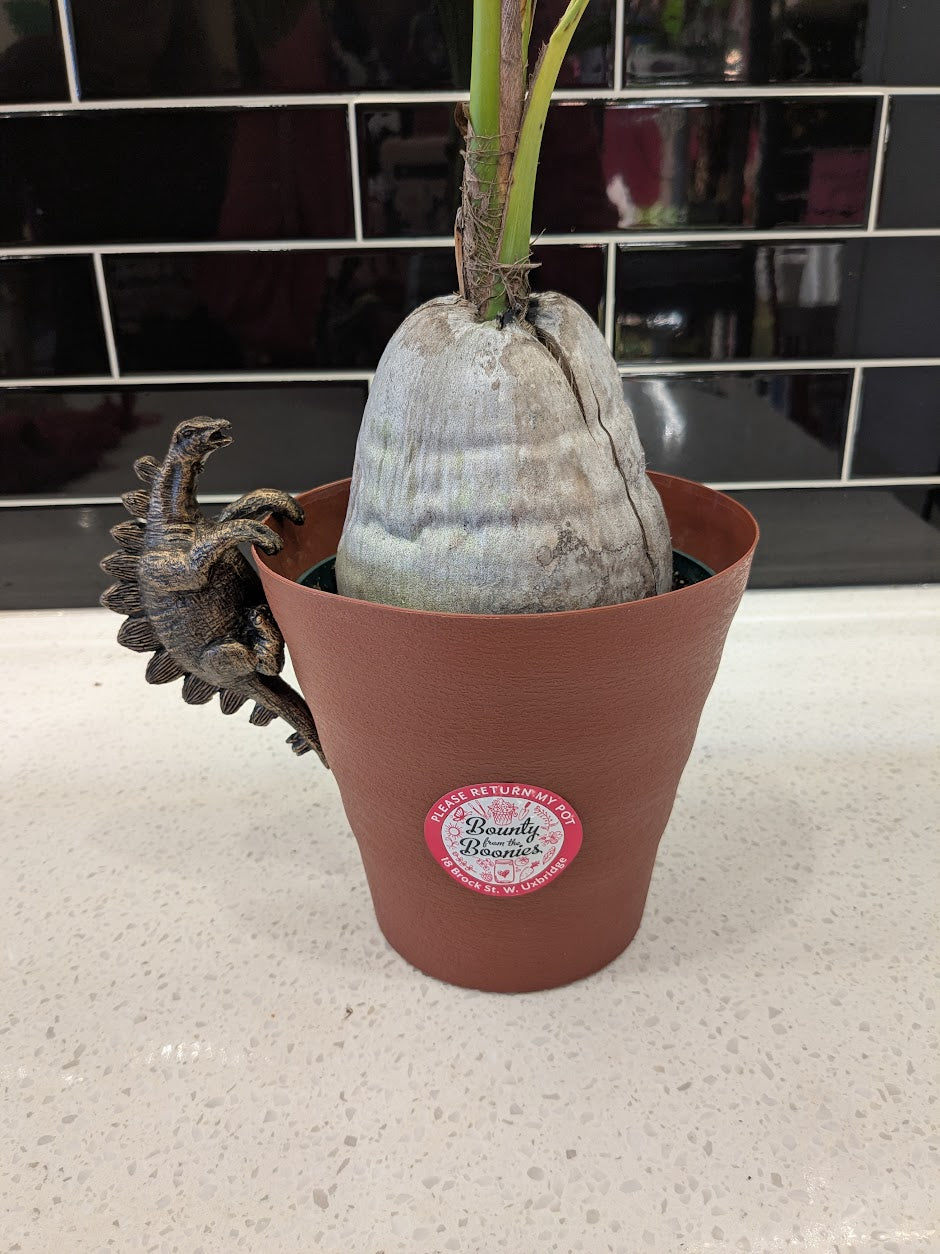
A curious palm sprouting straight from the coconut! This palm, while kept indoors, will not grow into a tall tree. Their growth depends on the size of their pot. Coconut palms that are grown indoors are also not likely not reach a size that allows it to bear fruit. As your palm grows, be sure to up the pot size to give the root system lots of room.
Scientific Name: Cocos Nucifera
Common Name: Coconut Palm
Light: Full sun for as many hours as possible. In the winter months, consider using a grow light to compensate for the shorter days.
Watering: Keep the soil consistently hydrated but not soggy. Fertilize regularly if possible.
Pet safe: Yes
Care: Easy


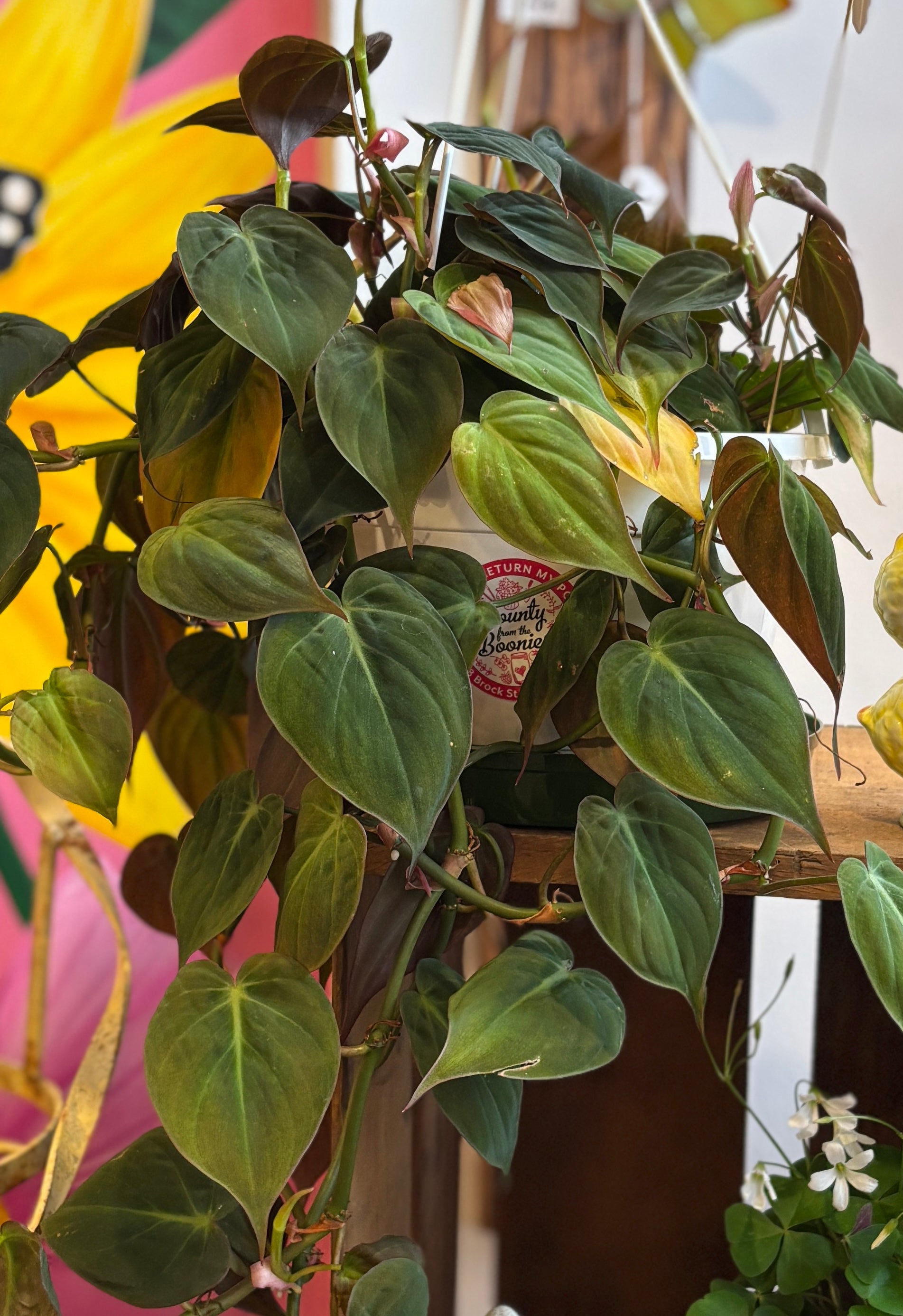
A spunky Philodendron variety, with lightly pink tinted, heart shaped, velvety leaves!
Scientific Name: Philodendron hederaceum
Light: Bright indirect light to medium light
Watering: Keep evenly hydrated, ensure good drainage
Growth: 8" by 24" long
Pet Safe: No
Care: Easy


The lowest of care plants!
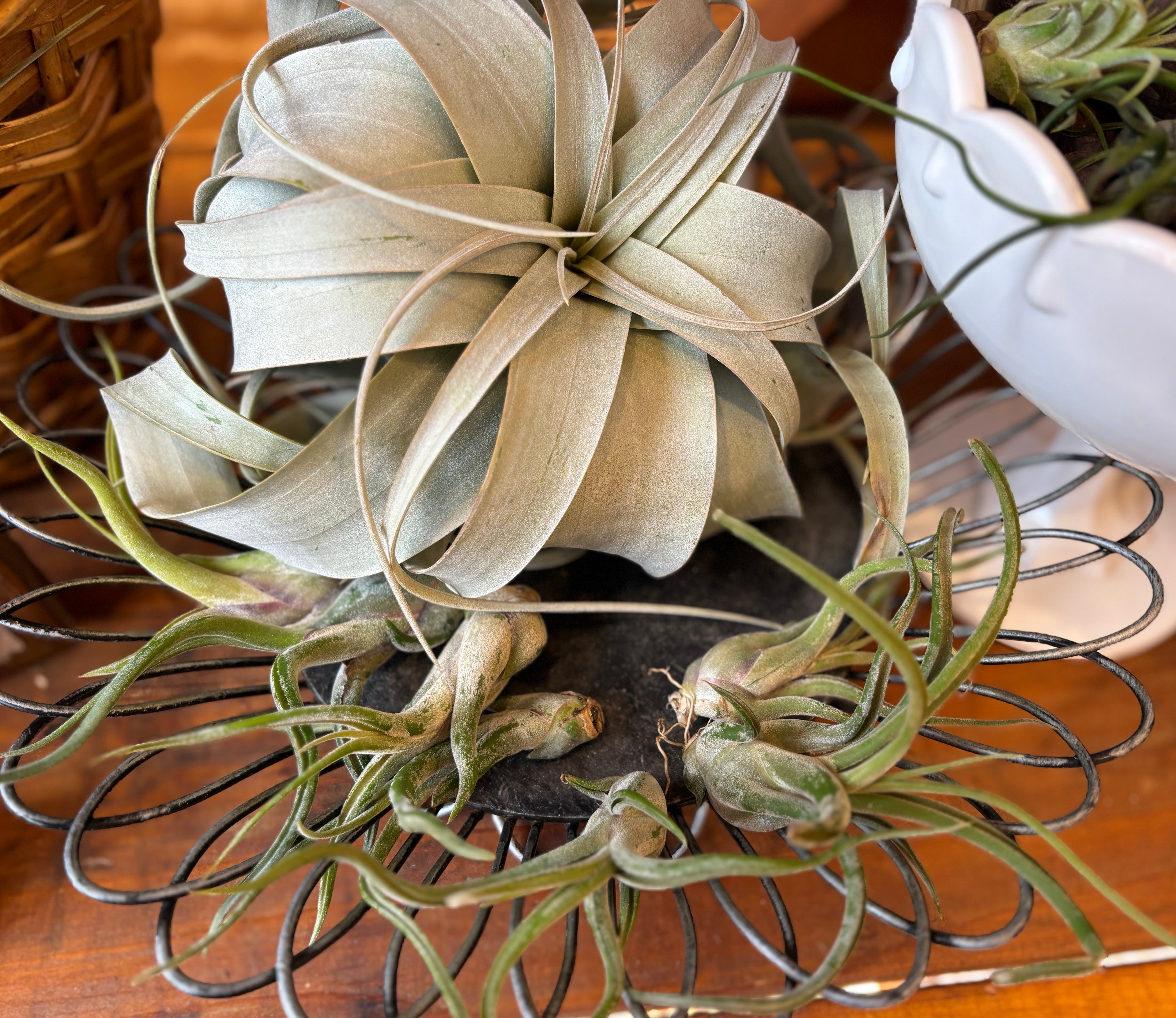
A variety of shapes and sizes add dramatic flair to any living space.
Scientific Name: Tillandsia Ionantha
Common Name: Air Plant
Light Requirements: Bright Indirect Light, direct sun for too many hours can scorch the leaves.
Water: Once a week, submerge in water and then be sure to completely dry out.
Pet Safe: Yes
Care: Easy


The String of Dolphins is a cute little plant that resembles dolphins!
Scientific Name: Senecio peregrinus
Common Name: String of Dolphins
Growth: Could reach 12 inches long
Light: Bright indirect light
Watering: When top soil is dry, ensure good drainage
Pet Safe: No
Care: Intermediate


This houseplant is considered one of the most elegant types of calatheas. It's known for its wide, pointed dark green leaves marked with sets of thin stripes in creamy white or pink. It originates from Central and South America where it's used to the wet conditions of a tropical climate.
Scientific Name: Calathea Ornata
Common Name: Pinstripe Plant/ Calathea Pinstripe
Light: Bright, indirect light
Growth: 2-3 feet high
Watering: Keep soil moist but not soggy
Pet Safe: Yes
Care: Difficult

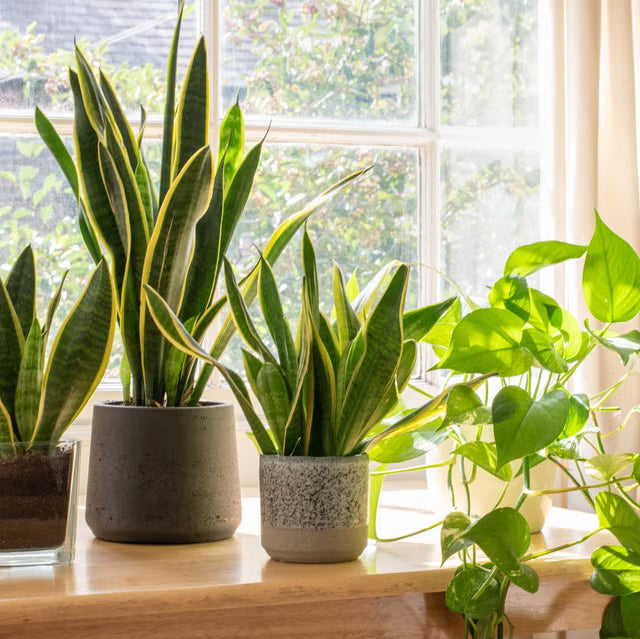
An elegant Snake plant with silvery grey leaves that have yellow to white striping and edging.
Scientific Name: Sansevieria sayuri
Common name: Snake plant, sayuri
Light: tolerant of low light situations but can also handle indirect sunlight
Growth: 1-2 feet
Watering: Water once the top inch feels dry.
Pet Safe: no
Care: easy


Snake Plants come in a variety of colours, shapes and sizes. We paired this trio together to spice up your space! At the tallest point this planter is nearly 2ft in height!
Light: Bright indirect light to low light
Watering: Water sparingly and when the soil is completely dry.
Growth: 2-3 feet indoors
Pet Safe: No
Care: Easy


The lowest of care plants!
A variety of shapes and sizes add dramatic flair to any living space.
Scientific Name: Tillandsia Tricolor
Common Name: Air Plant
Light Requirements: Bright Indirect Light, direct sun for too many hours can scorch the leaves.
Water: Once a week, submerge in water and then be sure to completely dry out.
Pet Safe: Yes
Care: Easy


The lowest of care plants!
A variety of shapes and sizes add dramatic flair to any living space.
Scientific Name: Tillandsia Ionantha Lilac
Common Name: Air Plant
Light Requirements: Bright Indirect Light, direct sun for too many hours can scorch the leaves.
Water: Once a week, submerge in water and then be sure to completely dry out.
Pet Safe: Yes
Care: Easy

What are Clippings?
Clippings are pieces cut from existing mature plants. They are then placed in water and allowed to build roots. Some grow quickly while others take longer to propagate (grow roots). Once there are several new roots growing and they are at least 1" long it's time to plant. They are great for experimenting, trying new varieties or even adding to aquariums and water features.
Planting
When ready to plant you'll place your clipping in a pot with dirt. You'll want to make sure that the soil stays extra moist for several days to help it acclimatize to its new environment. Congratulations! You have a new plant baby.

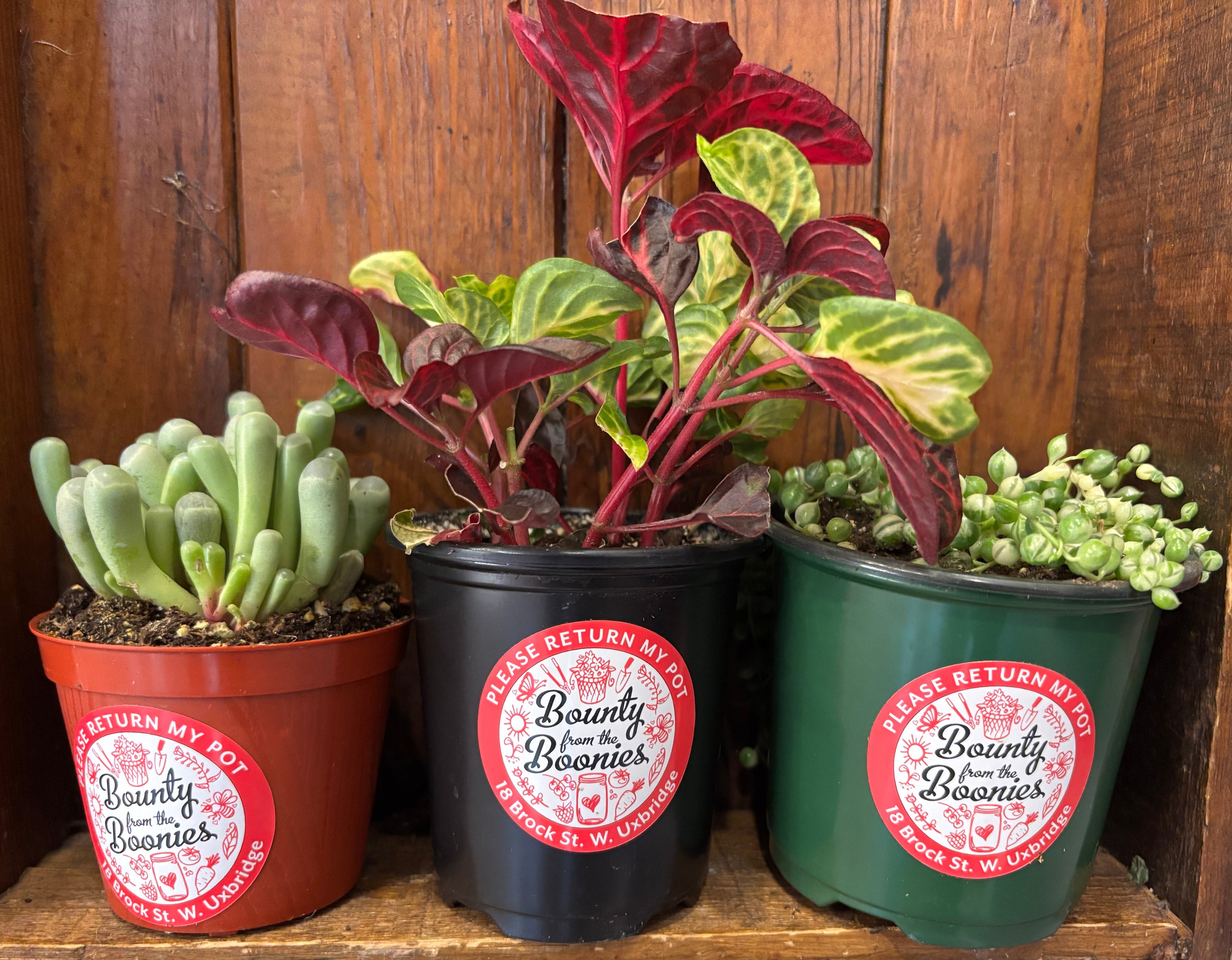
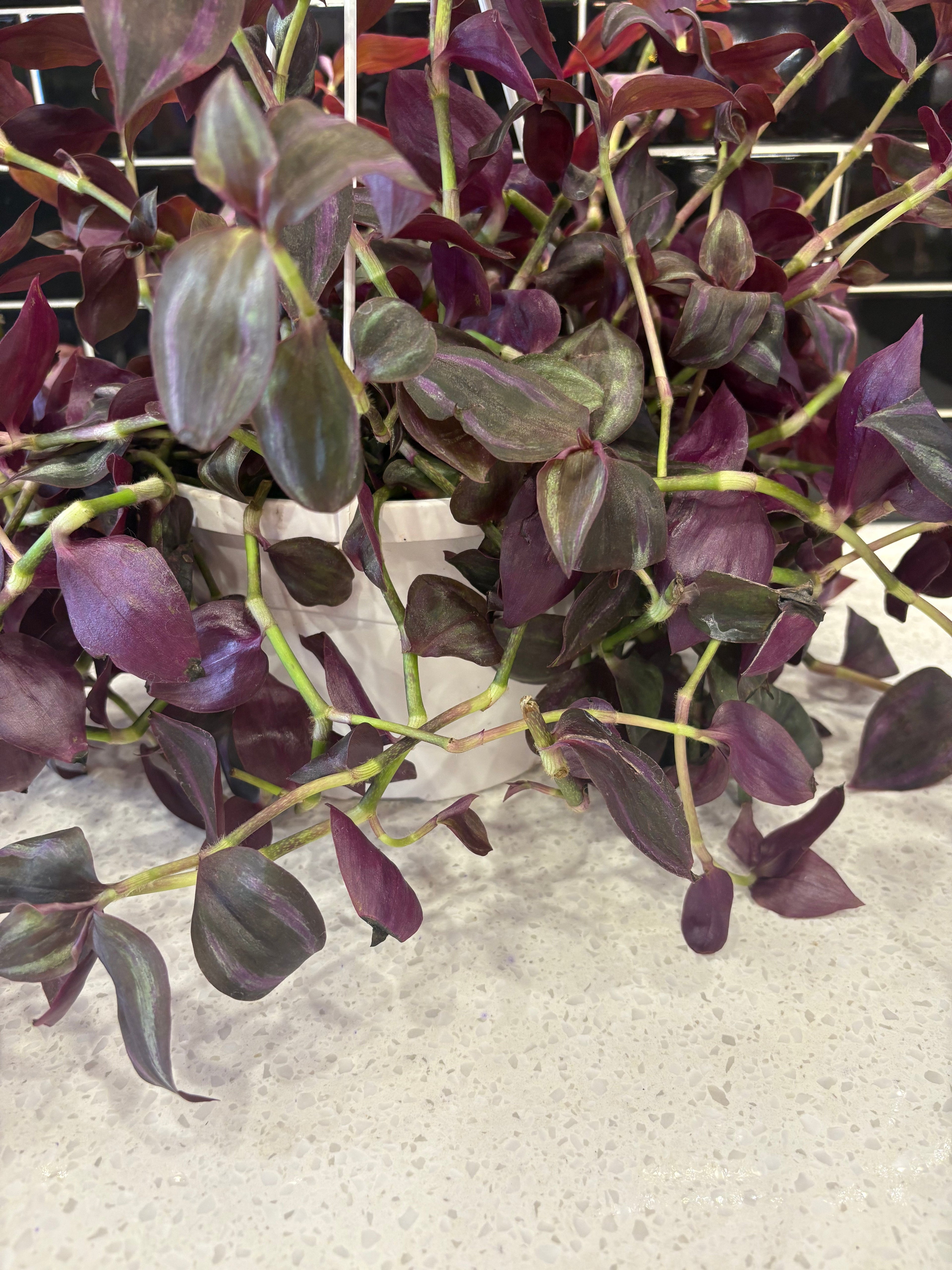
Scientific Name: Strobilanthes dyeriamus
Common Name: Persian Shield
Light: Bright, indirect light
Watering: Water when the top 1-2” of the soil is dry
Pet Safe: Yes
Care: Moderate


African Violet comes in many different colours. Native to the cloud forests of East Africa. They grow in humid, sheltered, indirect lighting conditions. Often on moss-covered rocks under the shade of tall trees. Keeping the leaves dry while watering is important. If the leaves are wet and the sun shines on the leaves it can cause burn marks on the leaves.
Scientific Name: Streptocarpus Ionantha
Common Name: Rose Bouquet African Violet
Light: Bright, indirect light
Watering: Water only the soil and not the leaves. Best to bottom water when top inch is dry.
Growth: Up to 8 inches
Pet Safe: Yes
Care: Intermediate

Fan favourite Ux 3D dangling legs dude with Medusa Head Cactus for hair!
Medusa Head Cactus has thick stems that resemble snakes on Medusa's head. This plant needs well draining soil to prevent root rot.
Once it reaches a certain size, this can produce pups on the ends of older arms. After a time, these pups can root on their own. The arm it grows off of rots and the pups roll away to root on their own. If they are cared for, you can end up with a greenhouse full of them!
Scientific Name:
Euphorbia flanaganii and Euphorbia caput-medusae
Common Name: Medusa Head Cactus
Growth:
It can grow as tall as 8 inches and can spread over several feet in diameter!
Light: Bright, Indirect light
Watering: Allow soil to completely dry out
Pet safe: No
Care: Easy


The leaves of this rare + gorgeous monstera are where it gets its name: Glossy, deep green with creamy white splashes shaped like a striking cobra snake
The variegation is random, giving each leaf a distinct pattern, causing excitement + anticipation with each new arrival!
Monsteras literally have the word monster in their names - these babies will get big! However, you can control their size with regular pruning. A moss/coconut coir pole is essential as they grow.
This rare and majestic cobra monstera is mounted on a bendable moss pole.
Scientific Name: Monstera standleyana ‘Albo Variegata’
Common Name: Monstera Thai Constellation, Variegated Monstera
Light: Medium-bright
Growth: 1 ft - 2 ft tall, 2 ft - 3 ft wide
Watering: Deep watering when mostly dry
Pet Safe: No
Care: Easy


The bird's nest fern is named this way because the centre of the plant resembles a bird's nest. It is also occasionally called a crow's nest fern. The Bird's Nest Fern is Native to the tropical regions of Southeast Asia, Eastern Australia and India. The name "Hurricane" comes from the way the leaves of this plant swirl together like the eye of a Hurricane!
Scientific Name: Asplenium Nidus ‘hurricane’
Common Name: Hurricane Bird's Nest Fern
Light: Bright indirect light
Watering: Water when the top inch of soil in the pot is getting dry. The soil should always feel cool and moist, never soggy or so dry that it is like dust.
Growth: Can grow up to 12 to 24 inches
Pet Safe: yes
Care: Easy


Gasteria Pillansii is a slow growing South African succulent. It's appearance is unique with its fleshy, strap shaped leaves. It forms dense clumps and is very drought tolerant.
Scientific Name: Gasteria pillansii
Common Name: Cow tongue, Cattle tongue, Lawyer's tongue
Light: Bright, indirect light
Growth: Can grow 8 inches
Watering: Let dry between watering
Pet Safe: Yes
Care: Intermediate