








Seeds - All
Hand harvested seeds from Carly's homestead garden. Find unique and rare veggies, herbs, native plants and more.
Sort by:
48 products
48 products


$4 each or 3 for $10 (save $2!)
An outstanding native plant! The yellow colour of the blooms is exquisite and you will enjoy watching native bees literally swimming in the abundant pollen! The dark seed heads are also attractive for the rest of the season, although they should be removed if you want to limit it's spread as it will self seed quite readily.
Type: Perennial, native to Ontario
Height: 3-4'
Light: Full sun to light shade
Soil: loamy to sandy, adaptable
Water: likes it on the moist side but will tolerate drier areas once established. It will grow shorter where it is dryer.
Bloom time: June-July
Planting: Cold, moist stratification required - see options in photos, courtesy of Northern Wildflowers. This website offers an excellent overview of this plant and how to grow it from seeds: Giant St. John’s Wort – Facts, Identification, Grow and Care – GrowIt BuildIT
Wild life support: This plant provides abundant pollen as a reward. It is mostly pollinated by bumblebees but is also loved by sweat bees and other small bees.


$4 each or 3 for $10 (save $2!)
A cheery hit of yellow early in the summer.
Type: Perennial, near native to Ontario
Height: 2 - 4 feet
Light: Full sun to part shade
Soil: Tolerant of many types of soil from clay to sand.
Water: water well until established, then quite drought tolerant.
Bloom time: Blooms in mid June.
Planting: Cold, moist stratification required - see options in photos, courtesy of Northern Wildflowers.
Wild life support: visited by small bees and host plant for the Black swallowtail butterfly

$4 each or 3 for $10 (save $2!)
Green onions are a great start to the vegetable garden as they can be harvested early. Wonderful in garden salads or in egg salad!
Type: perennial bulb
Light: Full sun to light shade
Soil: Loose, sandy, well drained with added organic matter
Water: Regular watering while establishing
Harvest: Spring
Planting: Seeds can be sown indoors in a tray 3-4 weeks before the last frost. Harden off* before placing in the ground.
* Hardening off refers to the process of gently and gradually acclimatizing indoor grown seedlings to the great outdoors! Don't throw your new babies straight into the elements! Over the course of a week, take them outside for a few hours at a time, bringing them back indoors afterwards. First sit them in the shade and then slowly introduce them to the sun. Increase the length of time they are outside and are exposed to the sun, until you feel they are ready to face the big outside world!


$4 each or 3 for $10 (save $2!)
A very old variety, this is a great flower for the historical garden. Flowers are such a rich deep purple/ red that they appear black and have lovely yellow centres. May need staking.
Type: Biennial
Height: 6'+
Light: Full sun
Soil: good garden soil
Water: keep evenly watered
Bloom time: mid to late summer
Planting: Start inside 6-8 weeks before planting out. Do not cover seed, needs light to geminate. Transplant after last frost into full sun or light shade.
Growing tip: Pinch out the growing tip after transplanting to make your plants stocky and strong. Cut back after first bloom to encourage reblooming. Do not move established plants. May be short lived, but hollyhocks self-seed dependably.


$4 each or 3 for $10 (save $2!)
A lovely grass with delicate stems that sway in the breeze and soft white seed heads. Leaves turn bronze colour in the fall. It is clump forming and will not overtake the garden. Little Bluestem is a warm season grass so it will be slower to show in the spring.
Type: Perennial, native to Ontario
Height: 2-3'
Light: full sun to light shade
Soil: sandy to loam
Water: will tolerate very dry soils
Bloom time: fall
Planting: Seeds grow best when planted into containers in the spring. Press into the soil well to make contact with the soil. They will take some time to germinate and will only do so when it gets a bit warmer. Here is a good guide: A Beginner's Guide To Little Bluestem | GrowIt BuildIT
Wild life support: Seeds feed a variety of birds and are great for creating hiding and shelter spots for birds and other wildlife. They can be used in the vegetable garden to create a "beetle bank"- an area to protect ground beetles which are awesome predators of garden pests.


$4 each or 3 for $10 (save $2!)
A gorgeous plant for the border! It grows into a shrub full of flowers which are adored by bees and butterflies and the seeds are eaten by birds.
Type: Annual flower
Height: 4-5'
Light: full sun
Soil: average
Water: keep evenly watered
Bloom time: mid to late summer
Planting: start seeds indoors 4-6 weeks before the last frost. Give plants lots of space in the garden to grow!

$4 each or 3 for $10 (save $2!)
A bright and happy flower, these nasturtiums look like sunshine in the garden! The foliage is spicy and can be used in salads, as can the flowers, for a very pretty presentation!
Type: Annual flower
Height: 12-18"
Light: Full sun to part sun
Soil: not too rich or you will only get leaves
Water: fairly drought tolerant once established
Bloom time: all summer
Planting: you can start the seeds indoors a few weeks before the last frost or direct sow them into the garden after frost danger has passed.


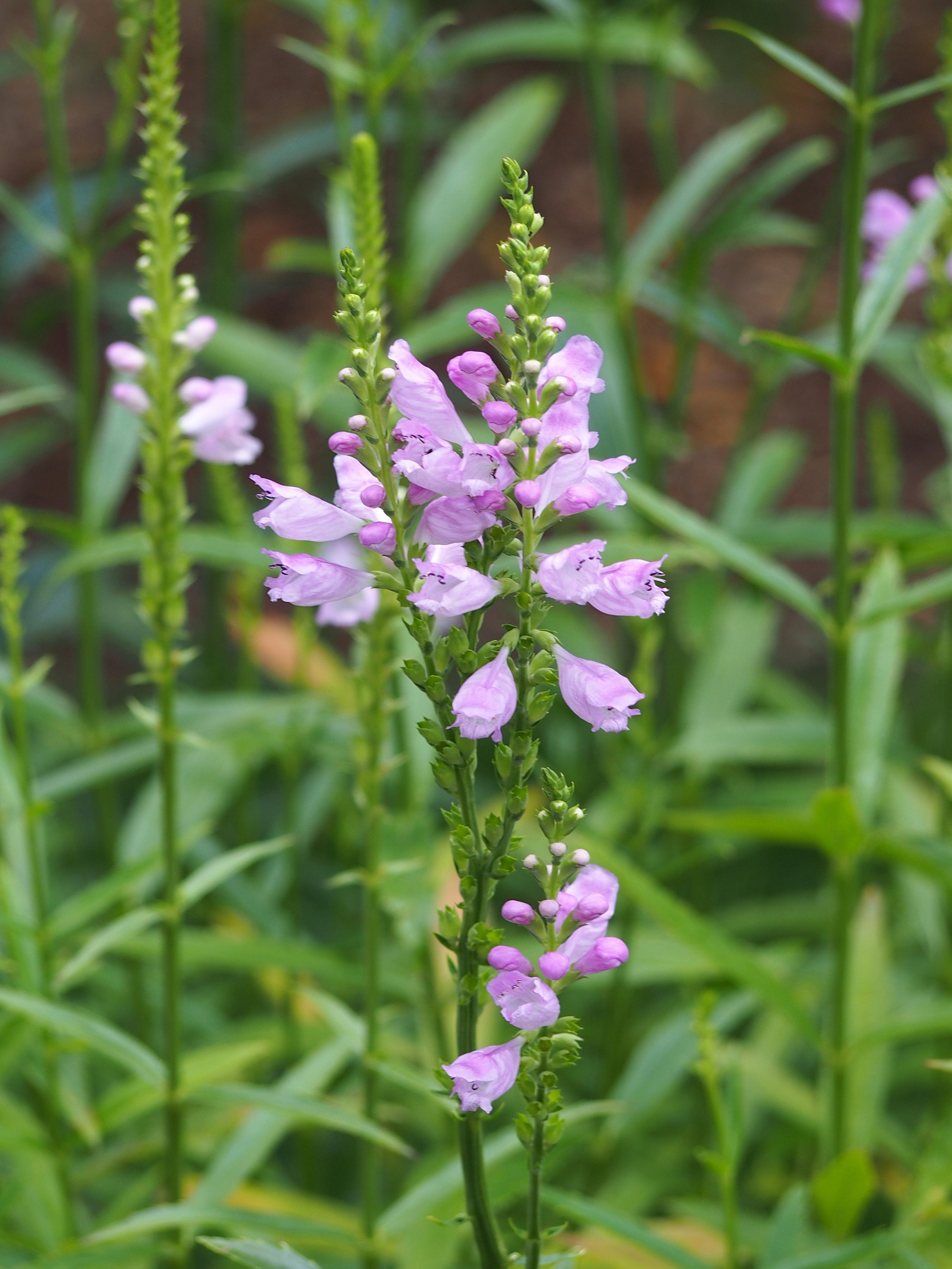
This tall, stately beauty grows freely in my shaded woodland garden among Bluestem Goldenrod, Poke Milkweed, Foam Flower and Astilbe. I love the drama and texture she provides! And the name truly lives up: you can twist the flowers whatever direction you'd like, and they will "obedient"-ly stay.
I keep Obedient Plant in check by surrounding it with other strong native plants, and regularly pulling out new shoots - these are very easy to spot, and shallow. It provides much-needed late season food for pollinators.
Type: Native Perennial
Height: 4 ft.
Light: partial shade-full sun
Soil: medium-wet
Planting: Cold, moist stratification required - see options in photos, courtesy of Northern Wildflowers. Press seeds into soil and lightly cover 1/8". Do not let seedlings dry out
$4 each or 3 for $10 (save $2!)
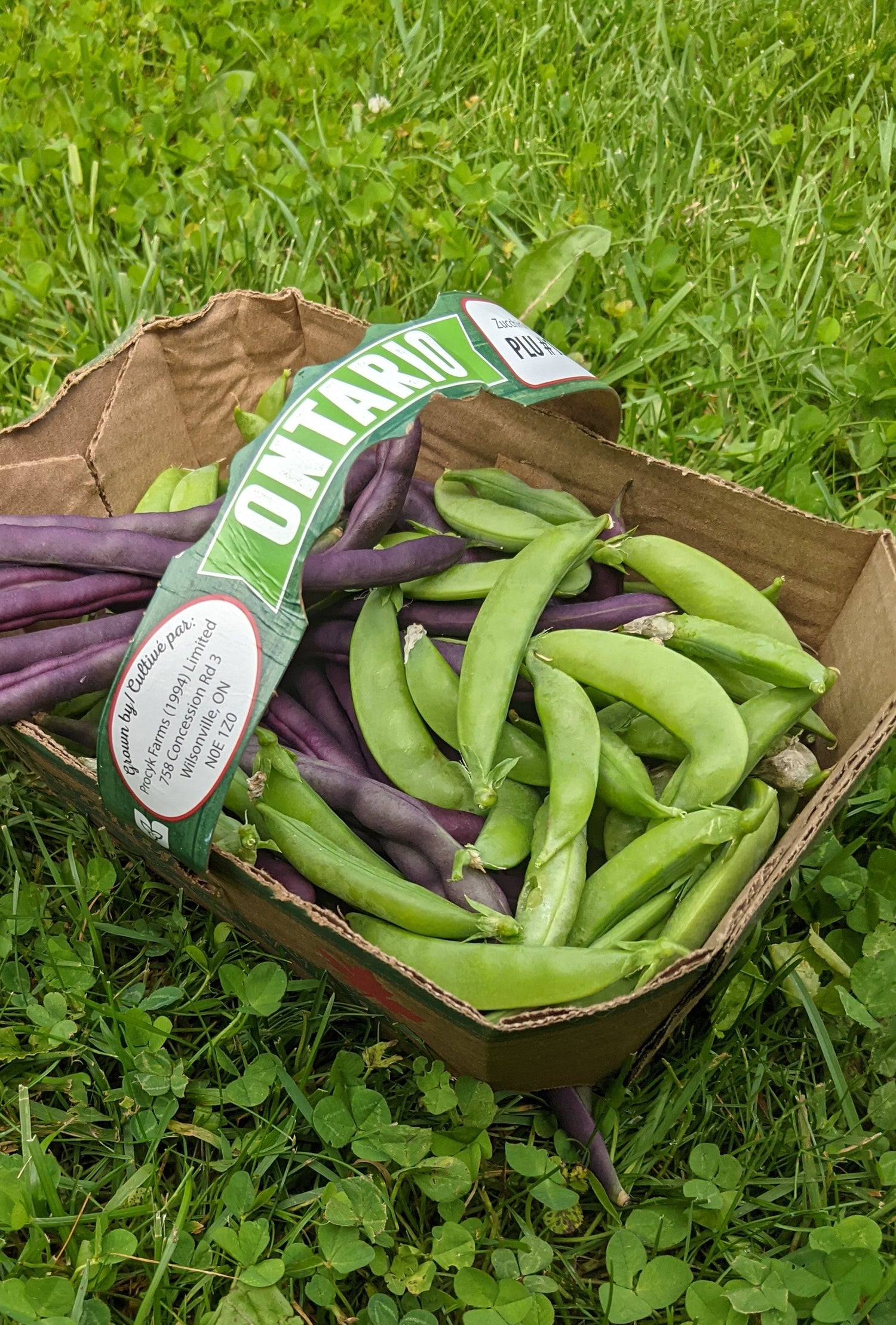
An excellent choice for small gardens and containers! Sugar Ann peas only grow 2 ft. tall, and do not require a trellis. Incredibly sweet, crisp, fresh pods about 2" long. I eat them right off the vine in the morning when they're cool.
If any sugar snap peas make it in the house, store them in a container of water in the fridge to keep them crisp. Delicious raw, stir fried or lightly steamed. Kids love 'em.
Type: Vegetable
Height: 2 ft.
Light: full sun
Soil: well drained with good organic matter; add compost before planting
Planting: Peas prefer cool temperatures. Plant as soon as the soil can be worked, from later winter-early spring (container/raised bed soil warms up quicker!). Sow 1" deep, 1-3" apart. Try for a fall crop by planting again late summer if it's not too hot
Harvest: 55-60 days

$4 each or 3 for $10 (save $2!)
A superior snap pea with lots of crunch and sweetness. Will produce reliably if picked often.
If any sugar snap peas make it in the house, store them in a container of water in the fridge to keep them crisp. Delicious raw, stir fried or lightly steamed. Kids love 'em.
Type: Vegetable
Height: 6 ft long, must be grown on a trellis
Light: full sun
Soil: well drained with good organic matter; add compost before planting
Planting: Peas prefer cool temperatures. Plant as soon as the soil can be worked, from later winter-early spring (container/raised bed soil warms up quicker!). Sow 1" deep, 1-3" apart. Try for a fall crop by planting again late summer if it's not too hot
Harvest: 68 days

$4 each or 3 for $10 (save $2!)
Comes in a variety of colours. Please note that all parts of this plant is poisonous
Type: perennial flower
Height: 2-3 ft.
Light: full sun
Moisture: drought tolerant after established.
Planting: sand and then soak the seeds overnight to break down the seed coat before planting. Plant one seed per pot as roots do not like to be confined. Use a deep pot. Transplant when 8 weeks old. Roots do not like disturbance. Plant where you want it to stay as you will be unable to move it after it is established.
Care: Cut back the whole plant after it has bloomed.
Bloom time: early summer

Strawflowers are so pretty and unusual! They are a must have for the cutting garden and make an excellent dried flower. The flowers in this mix range from yellow, bronze and crimson to pinky rose colour. Petals are papery and dry, like straw.
Type: Annual flower
Height: 2'
Light: full sun
Soil: any good garden soil
Water: keep evenly watered throughout the summer
Bloom time: July onwards. Cutting the blooms will encourage continuous growth.
Planting: Sow seeds indoors 3-4 weeks before the last frost. Press seeds into the soil but do not cover the seeds as light aids germination. Transplant to the garden once the danger of frost has passed and the seedlings are big enough to handle. Alternatively, they can be directly sown into the garden once the soil is warm.

$4 each or 3 for $10 (save $2!)
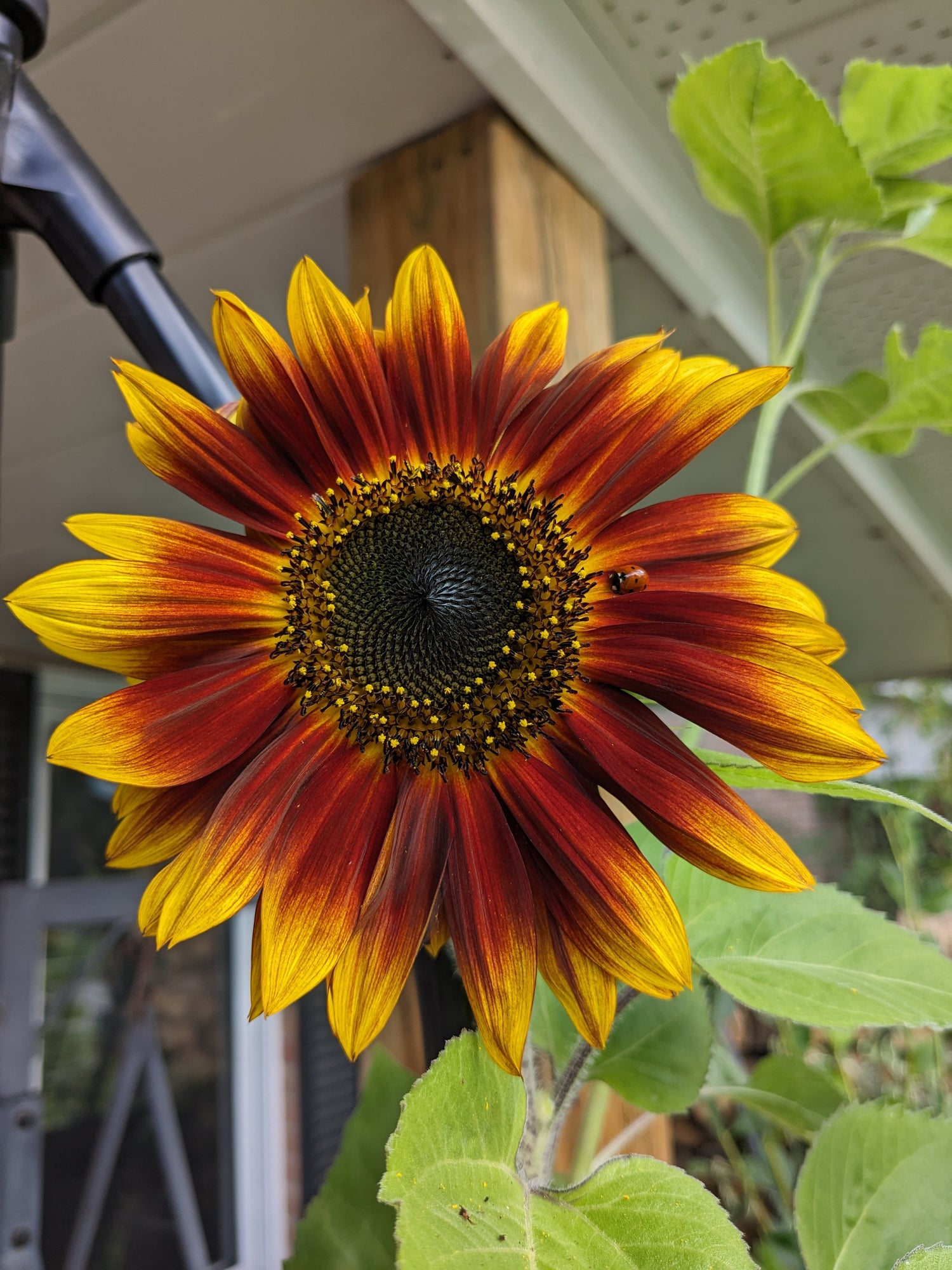
Beautiful sunflower with 8 inch diameter heads in fall colours of gold and burgundy
Type: Annual flower
Height: 15-44"
Light: Full sun
Soil: average garden soil
Water: keep well watered
Bloom time: late summer
Planting: Can be started indoors 2-3 weeks before last frost or direct sown into the garden after danger of frost.
Notes: I learned the hard way that sunflowers are allelopathic, meaning they give off toxins that impede the growth of or even kill other plants. They also deplete soil of nutrients. Because I grow so much food in containers, I now grow my sunflowers in separate pots and place them near their fruit, veg and herb companions
$4 each or 3 for $10 (save $2!)
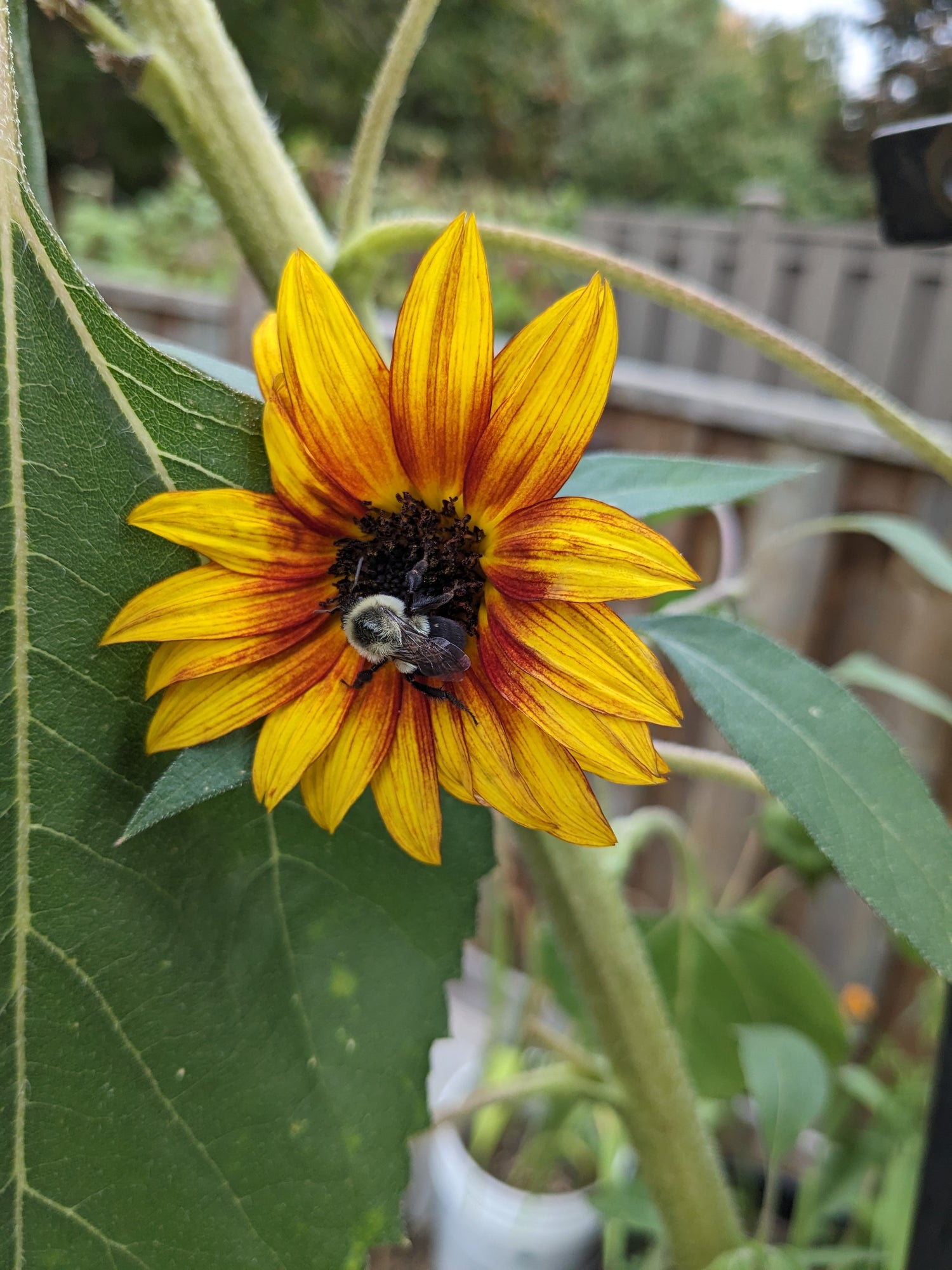
Sunflowers are a must-grow annual each season - their bright, cheery faces make me smile, and I absolutely love them in fall bouquets. They're always covered in bees of all sizes, even ladybugs. Then the birds, squirrels and chipmunks feast on the seeds.
I adore Ring of Fire, with their chocolate brown centres surrounded by golden yellow petals that turn to red. People ask me about them every year. I find the more sun they get, the deeper the red colour.
Ring of Fire is a basal branching variety, so you get multiple blooms off each plant. When you're tight on space, this is a bonus. Succession plant the seeds for continuous blooms.
Chipmunks and squirrels LOVE sunflower seeds and small shoots, and will relentlessly dig up the seeds and/or chop the tender plants off. My neighbours have heard my sobs and swearing in equal measure over the years. Here are my tried and tested ways to fight them:
- Direct sow seeds in containers or pots, then completely cage them with small-holed wire mesh (forget plastic - they will eat right through it) for as long as possible
- Start seeds indoors 4 weeks before last frost, then transplant to the garden with tall, wire mesh collars around the seedlings and DO NOT remove all season
Note: I learned the hard way that sunflowers are allelopathic, meaning they give off toxins that impede the growth of or even kill other plants. They also deplete soil of nutrients. Because I grow so much food in containers, I now grow my sunflowers in separate pots and place them near their fruit, veg and herb companions
Type: Annual
Height: 4-5 ft.
Light: full sun
Soil: heavy feeders, sunflowers need organically-rich soil that's well draining
Planting: Sow in warm soil after the danger of frost, 1/2" deep, 6" apart
Harvest: 8-12 weeks

$4 each or 3 for $10 (save $2!)
Type: Annual flower
Height: 4-6'
Light: Full sun
Soil: average garden soil
Water: keep well watered
Bloom time: late summer
Planting: Can be started indoors 2-3 weeks before last frost or direct sown into the garden after danger of frost.
Notes: I learned the hard way that sunflowers are allelopathic, meaning they give off toxins that impede the growth of or even kill other plants. They also deplete soil of nutrients. Because I grow so much food in containers, I now grow my sunflowers in separate pots and place them near their fruit, veg and herb companions

$4 each or 3 for $10 (save $2!)
Beautiful yellow sunflower we grow every year in our food garden to attract bees and other pollinators
Type: Annual flower
Height: can reach up to six feet tall!
Light: Full sun
Soil: average garden soil
Water: keep well watered
Bloom time: late summer
Planting: Can be started indoors 2-3 weeks before last frost or direct sown into the garden after danger of frost.
Notes: I learned the hard way that sunflowers are allelopathic, meaning they give off toxins that impede the growth of or even kill other plants. They also deplete soil of nutrients. Because I grow so much food in containers, I now grow my sunflowers in separate pots and place them near their fruit, veg and herb companions


$4 each or 3 for $10 (save $2!)
Like all milkweeds, Swamp Milkweed, is a food source for the Monarch butterfly larvae. Unlike Common Milkweed, Swamp Milkweed is well behaved in the garden as it does not sucker. This is an extremely beautiful plant and is a must have in a native plant garden!
Type: Perennial, native to Ontario
Height: 3-4 feet
Light: Full sun
Soil: Rich to medium rich soils, however it may survive a season or two in poorer, dryer soils.
Water: As the name suggests, Swamp Milkweed is happiest where it gets consistent moisture. However, it can be used in rain gardens and dryer areas although it may not be as long lived.
Bloom time: July to August. NOTE: This plant is very late to reappear in the spring! Sometimes it doesn't poke through the soil until the end of May- so be patient!
Planting: Cold, moist stratification required - see options in photos, courtesy of Northern Wildflowers. This website offers an excellent overview of this plant and how to grow it from seeds: Swamp Milkweed – A Beginners Guide – GrowIt BuildIT
Wild life support: Leaves are a food source for Monarch caterpillars, Tussock moth caterpillars, Milkweed beetle. A variety of bees and wasps use the nectar and pollen.


I first had Thai Basil at my local Thai restaurant on top of a mango salad - I'd never tasted anything like it, and was completely hooked.
It is sweet and savory, with a rich anise flavour. I add it to curries, stir fries, fresh salads, sparkling water and all manner of beverages.
Thai Basil's dark purple stem and light purple flowers are an eye-catching addition to any garden. I grow mine with tomatoes and cucumber. Excellent container plant.
Type: Herb
Height: 20"
Light: Full sun
Soil: Loose, well drained
Planting: Start indoors 6-8 weeks before last frost. Sow seeds 1/8" deep, transplant plants 8-12" apart
Care: To keep plant bushy, pinch out flowers and pick leaves regularly
$4 each or 3 for $10 (save $2!)
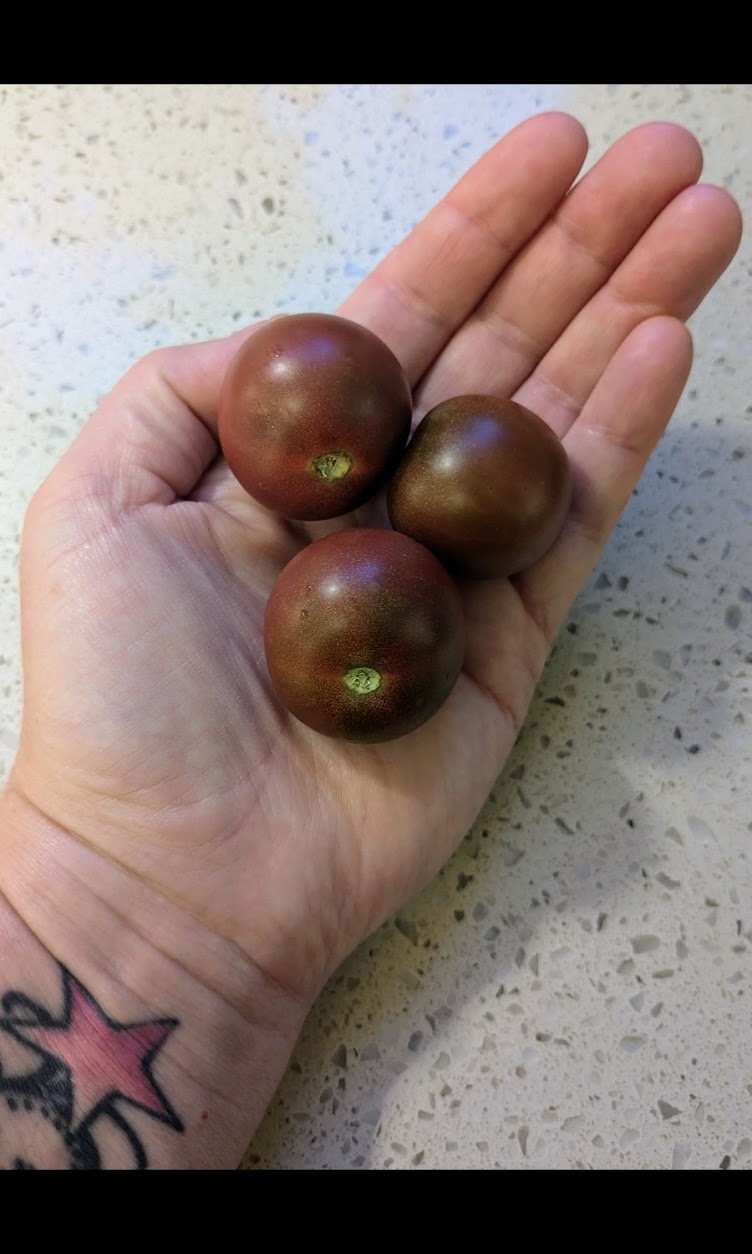
A fantastic Cherry tomato, great for snacking, in salads or bruschetta. Gorgeous deep mahogany colour when ripe.
Type: Indeterminate. Needs staking. You can read about the difference between Determinate and Indeterminate tomatoes here: Determinate vs. Indeterminate Tomatoes
Height: Indeterminate height
Light: Full sun
Soil: Rich soil. Use good quality compost around plants and mulch well.
Water: Consistently keeping soil moist, but not wet, will results in good growth and happy tomatoes. Inconsistent moisture can lead to "Blossom End Rot". Always water tomatoes at the base of the plant never getting water on the leaves.
Planting:
- Start seeds indoors 6-8 weeks before last frost date. Use a heating mat to aid germination as they love to be warm! If you don't have a heating mat, you can sit the seeds on top of the fridge to get some warmth.
- Harden off* and then transplant to the garden after all frost danger is gone.
- Bury them deep! Plant the whole stem into the ground, not just the roots leaving only a few top leaves showing. The plant will put out roots from the buried stem, making your plant grow nice and strong!
- Space plants 60-90 cm, 2-3' apart; space rows 3-4' apart.
- DO NOT crowd plants. This leads to poor circulation and disease
Harvest: 75 days to maturity (from the day they are planted outside)
* Hardening off refers to the process of gently and gradually acclimatizing indoor grown seedlings to the great outdoors! Don't throw your new babies straight into the elements! Over the course of a week, take them outside for a few hours at a time, bringing them back indoors afterwards. First sit them in the shade and then slowly introduce them to the sun. Increase the length of time they are outside and are exposed to the sun, until you feel they are ready to face the big outside world!
Other tips: Pruning out suckers on your plant will help it put more of it's energy into fruit production. Suckers appear between the main stem and the branches and can be easily taken out with your fingers.

$4 each or 3 for $10 (save $2!)
Coloured like a sunset, the fruit of this variety is large, sweet and beefy!
Type: Indeterminate, vining variety. Needs staking. You can read about the difference between Determinate and Indeterminate tomatoes here: Determinate vs. Indeterminate Tomatoes
Height: Indeterminate height
Light: Full sun
Soil: Rich soil. Use good quality compost around plants and mulch well.
Water: Consistently keeping soil moist, but not wet, will result in good growth and happy tomatoes. Inconsistent moisture can lead to "Blossom End Rot". Always water tomatoes at the base of the plant never getting water on the leaves.
Planting:
- Start seeds indoors 6-8 weeks before last frost date. Use a heating mat to aid germination as they love to be warm! If you don't have a heating mat, you can sit the seeds on top of the fridge to get some warmth.
- Harden off* and then transplant to the garden after all frost danger is gone.
- Bury them deep! Plant the whole stem into the ground, not just the roots leaving only a few top leaves showing. The plant will put out roots from the buried stem, making your plant grow nice and strong!
- Space plants 60-90 cm, 2-3' apart; space rows 3-4' apart.
- DO NOT crowd plants. This leads to poor circulation and disease
Harvest: 80-85 days to maturity (from the day they are planted outside)
* Hardening off refers to the process of gently and gradually acclimatizing indoor grown seedlings to the great outdoors! Don't throw your new babies straight into the elements! Over the course of a week, take them outside for a few hours at a time, bringing them back indoors afterwards. First sit them in the shade and then slowly introduce them to the sun. Increase the length of time they are outside and are exposed to the sun, until you feel they are ready to face the big outside world!
Other tips:
Pruning out suckers on your plant will help it put more of it's energy into fruit production. Suckers appear between the main stem and the branches and can be easily taken out with your fingers.