









Search results
130 results
130 results
Search results


Supercharge your soil garden with HydraGreens, a sea kelp-based plant food that nourishes plants, improves soil structure, and boosts overall garden vitality.
Key Features:
- Nutrient-Rich Formula: Over 60 micronutrients from natural kelp for complete plant nourishment.
- Enhanced Absorption: Low-salt formula ensures optimal nutrient uptake, promoting faster, healthier growth.
- Vegetative Growth Booster: Specially formulated to accelerate leaf and stem development before flowering.
Plus: Versatile for all soil gardening methods and plant types.


The Crown of Thorns plant is a succulent native to Madagascar known for its spiny stems and colourful, long-lasting bracts that look like flowers. It's often associated with good luck and protection. These flowers will bloom all year round!
Scientific Name: Euphorbia Milii
Common Name: Crown of Thorns
Light: Bright indirect light
Watering: When top soil is dry, ensure good drainage.
Growth: Can grow up to 6 feet tall!
Pet Safe: No
Care: Easy


String of Pearls. An absolute stunner and collectible!
Despite how these are shown in pop culture and traditional garden centres, String of Pearls (and their various cousins Beads, Dolphins etc) are crawlers - drape them on top of the soil and expand your pot width as they grow, as opposed to letting them drape too long down the sides.
Scientific Name: Senecio rowleyanus
Common Name: String of Pearls
Growth: Up to 3 feet in length
Light: Bright indirect light
Watering: When top soil is dry, ensure good drainage
Pet Safe: No
Care: Intermediate
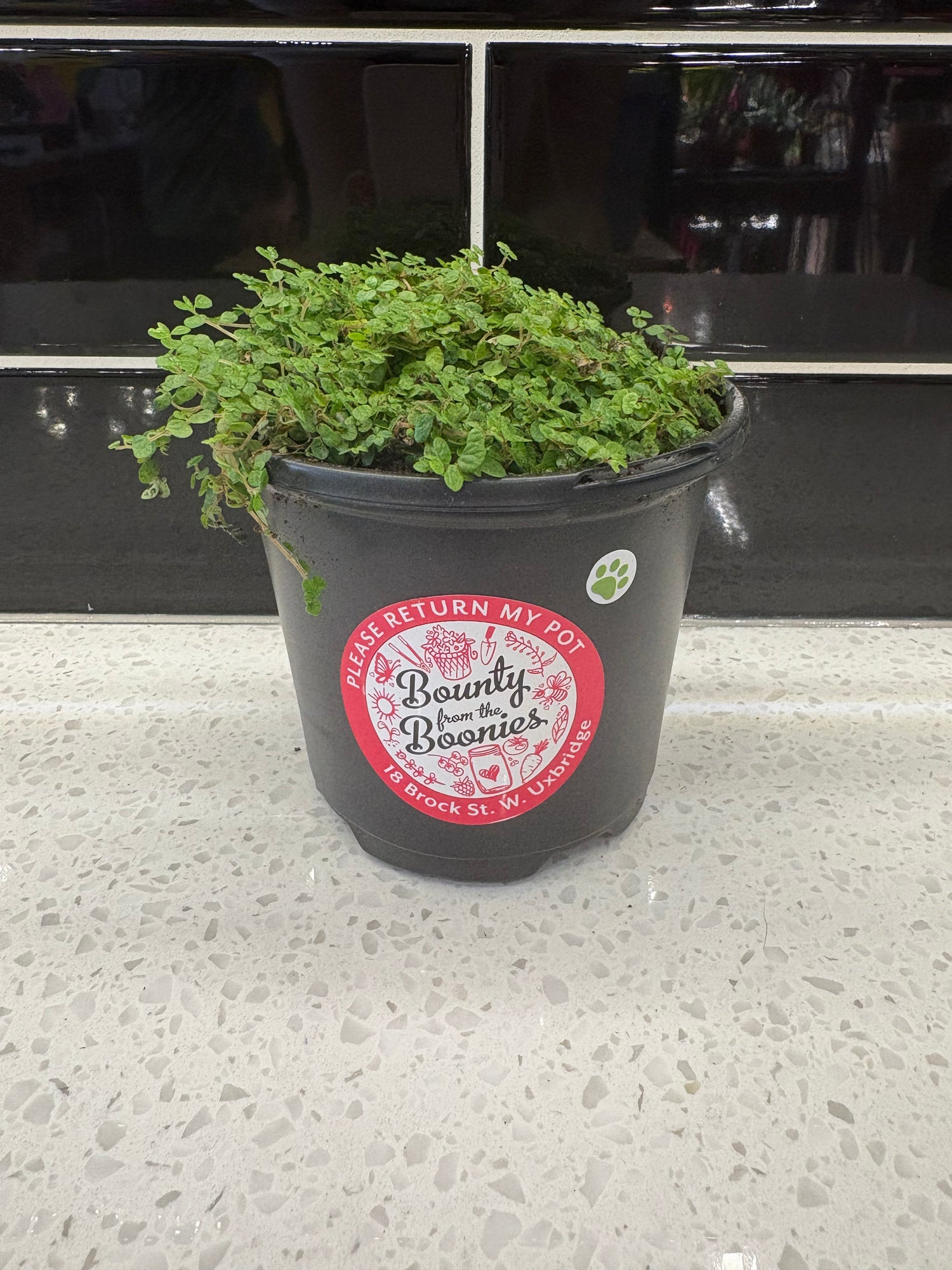
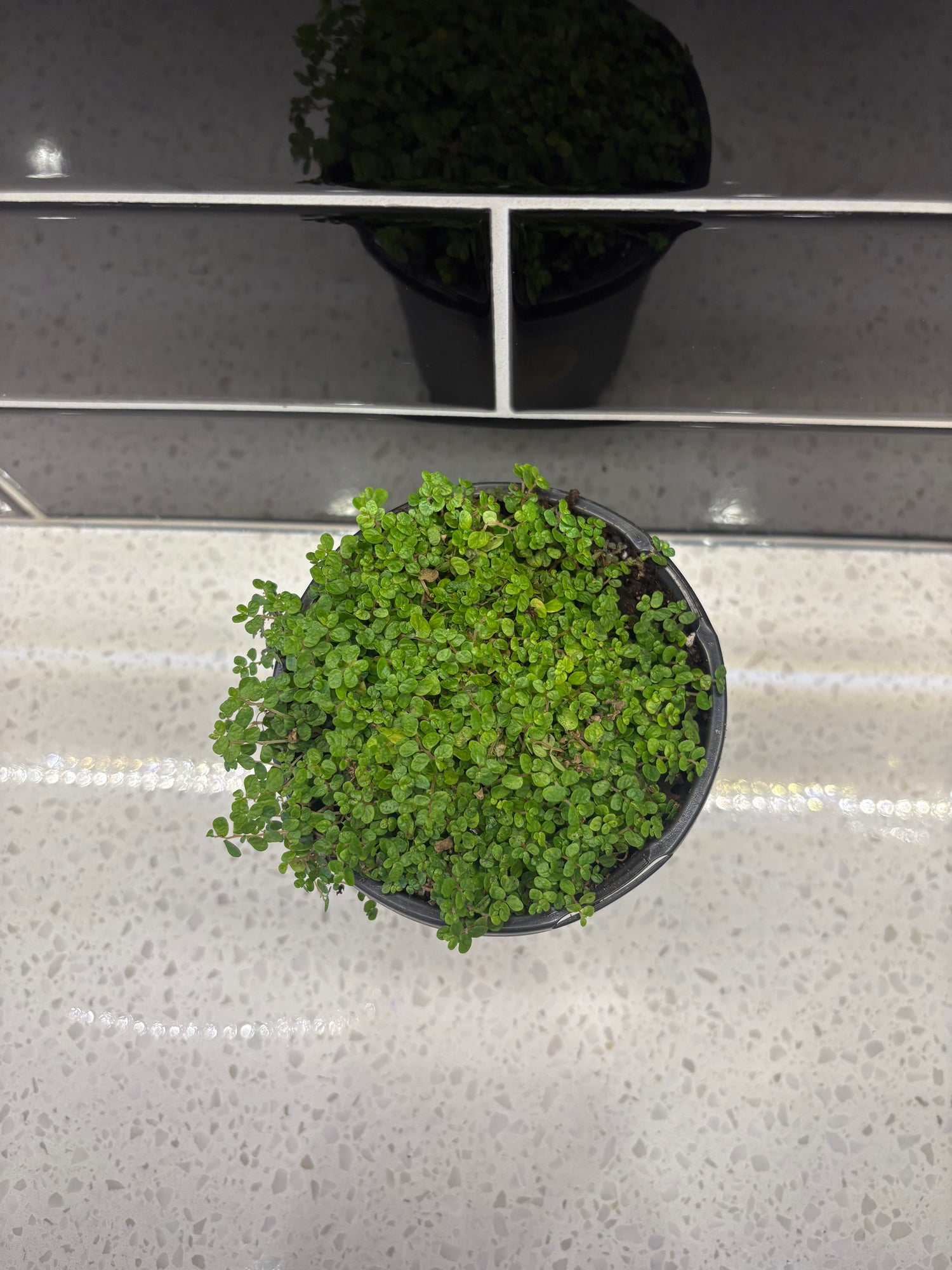
A member of the nettle family, this plant is known for its moss-like dense foliage. It drapes nicely in a hanging pot! Baby tears originated in the Mediterranean Region. It's a creeping, mat-forming, evergreen perennial that thrives in damp, shaded area. It is known to have calming effects on some plant lovers due to the texture and softness of the foliage.
Scientific Name: Soleirolia Soleirolii
Common Name: Angel Tears/Baby Tears.
Light: Bright indirect light
Growth: it can spread 3-6 feet
Watering: Keep well watered, don’t let dry
Pet Safe: Yes
Care: Intermediate - they like high humidity


Join us in the shop for a nighttime soiree of BINGO excitement where the prizes are plants and accessories - with a side of music, tons of laughs, giveaways + snacks.
This is a fabulous friends night out! The shop is open for private shopping, too. Ages 18+
Sept 12th Slabtown Pink Edition. At Boonies we love pink so we thought we'd jazz up our September Plant BINGO! by going pink. Come dawning your favourite pink clothes and accessories.
Oct 3rd Halloween Edition. It's dress up time. Come in costume to the store for this quirky Halloween themed Plant BINGO!
When: First Saturday of every month!! NOTE: Except for summer when we are at Slabtown Cider. Check dates.
Where: Bounty from the Boonies, 18 Brock St W, Uxbridge
When: 6:30 pm


Adorable decorations for your plants, terrariums, side table, doll house or anywhere you'd like some whimsy.
Comes in a cute silver holographic resealable bag! Ready for gifting!
Includes:
1 x Fairy Door
1 x Tree stump stool
1 x Pond
1 x Flower Lantern
1 x Snail
1 x Turtle
1 x Worm
2 x Mushrooms


Scientific Name: coleus scutellarioides
Common Name: coleus
Light: Bright, indirect light, will tolerate morning sun
Watering: Water when the top 1-2” of the soil is dry
Pet Safe: no
Care: Moderate


This funny succulent has leaves that look like pickles!
This quirky little guys is native to South Africa. In the Spring and Summer this plant can produce cute little daisy-like flowers. But if yours doesn't flower, the appeal and beauty of the pickle plant is all due to its cute, funny-looking leaves. Guaranteed to start a conversation with other plant lovers.
Scientific Name: Delosperma echinatum or Kleinia stapeliiformis
Common Name: Pickle Succulent, Stapelia Stemmed Senecio, Stapelioid Kleinia, Trailing Jade, Spider Plant, Inch Worm, Candle Stick, Candle Plant
Growth: A maximum height of 18 inches (45 cm).
Light: Bright indirect
Watering: Only when soil has completely dried
Pet Safe: Yes
Care: Easy

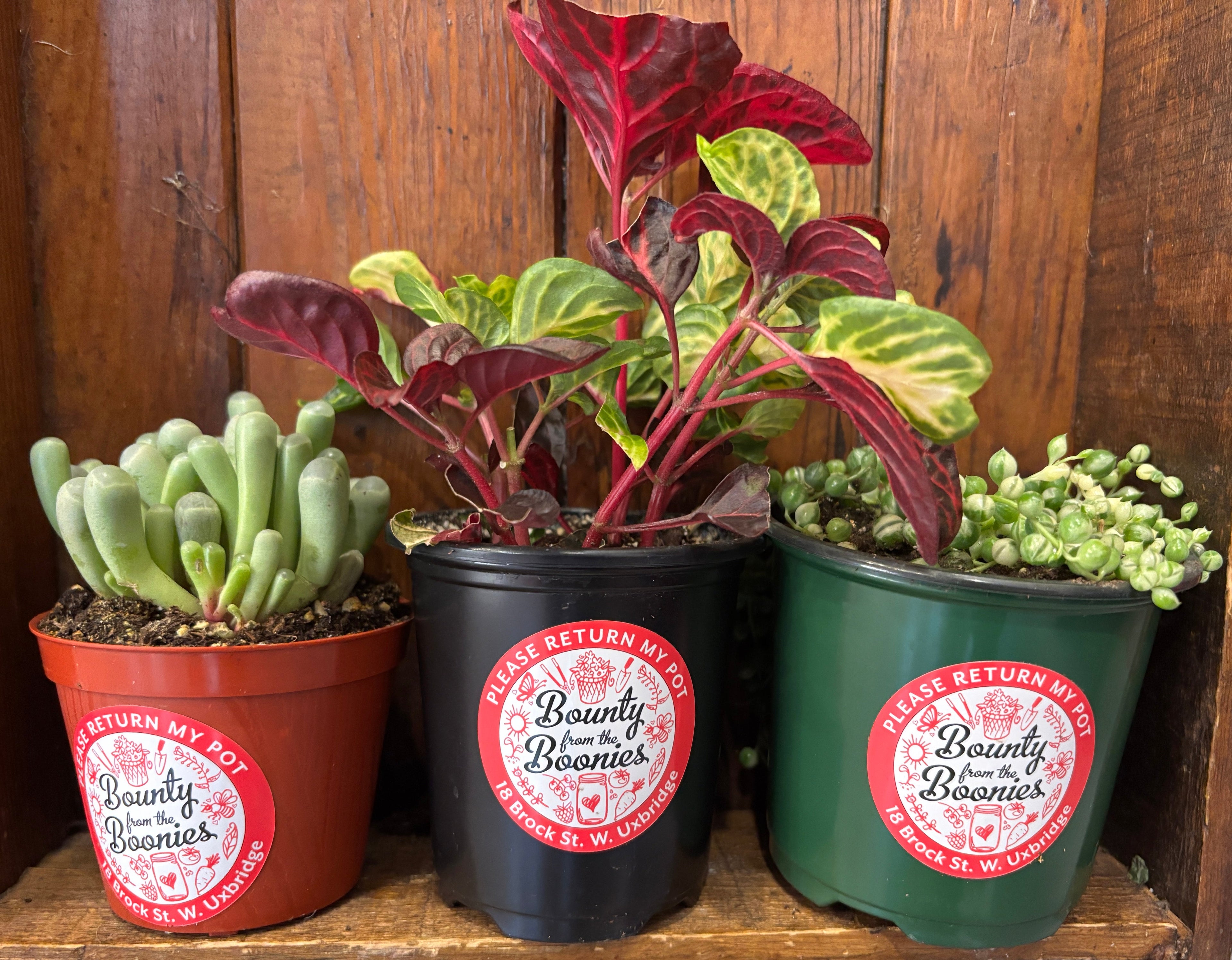
Scientific Name: Strobilanthes dyeriamus
Common Name: Persian Shield
Light: Bright, indirect light
Watering: Water when the top 1-2” of the soil is dry
Pet Safe: Yes
Care: Moderate


These nourishing handcrafted and hand-poured lip balms are made with infused oils with flowers from Carly’s garden!
Ingredients Calendula Lip Balm: Calendula infused sunflower oil, Uxbridge Beeswax, Vitamin E (Tocopherol)
Ingredients Lavender Lip Balm: Lavender infused olive oil, Uxbridge Beeswax, Vitamin E (Tocopherol)


A cute little prickly friend from Central Mexico!
Scientific Name: Mammillaria voburnensis
Common Name: Birds Nest Pincushion Cactus
Growth: This cactus will retain it's globe shape and will slowly grow outwards up to 2-3" in diameter
Light: Very bright, indirect light. It does not want sun all day.
Watering: Water more during the spring and summer, reducing the amount in the fall and giving very little during the winter. ALWAYS allow your cactus to dry out completely between waterings.
Pet Safe: Moderately toxic if ingested
Care: Easy


The Cape Sundrew is a rosette-forming carnivorous herb in the flowering plant family Droseraceae. This interesting plant has a unique look. They're known for their long, strap-like leaves covered in glistening, sticky tentacles that trap and digest insects. They can then supplement nutrients that they aren't getting from the poor soil. The tentacles secrete a sugary mucilage that lures prey in such as gnats. The gnats get stuck in the sticky substance and the leaf slowly curls around the bug then digests it.
Native to the Cape region of South Africa where it grows in permanently wet, nutrient poor habitats.
Substrate for the Sundews: Use a nutrient poor, mineral free substrate that retains moisture but drains well. The mix is 1:1 using peat moss/ sphagnum moss and perlite. Keep consistently hydrated with distilled water only.
Scientific Name: Drosera capensis
Common Name: Cape Sundrew
Light: 6+ hours of direct sun daily
Watering: Keep consistently hydrated
Growth: 4-6 inches
Pet Safe: Yes
Care: Difficult


Your ticket includes:
- All materials
- Private instruction
- Small class size
- Private shopping + 10% off selected items during the workshop
-
A beverage
Note: this class is ages 18+.


Your ticket includes:
- All materials
- Private instruction
- Small class size
- Private shopping + 10% off selected items during the workshop
-
A beverage
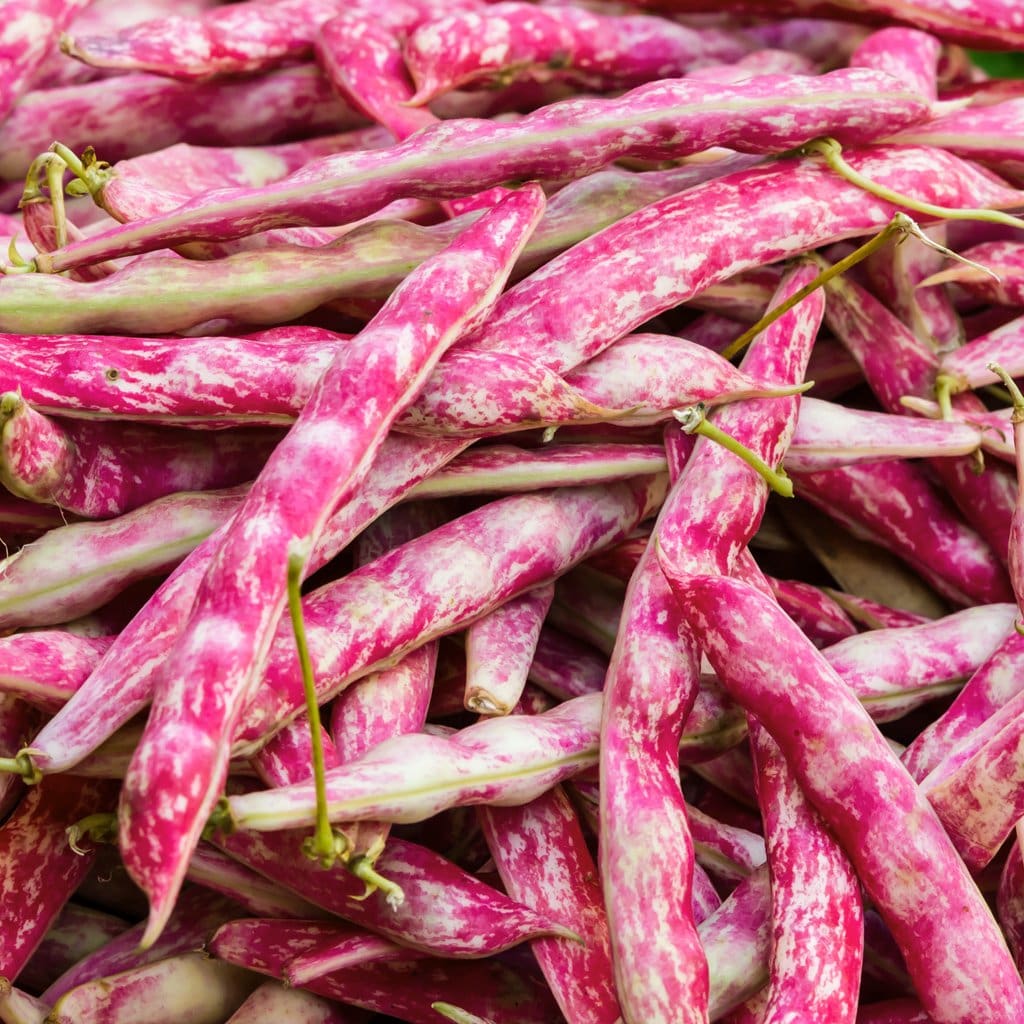
$4 each or 3 for $10 (save $2!)
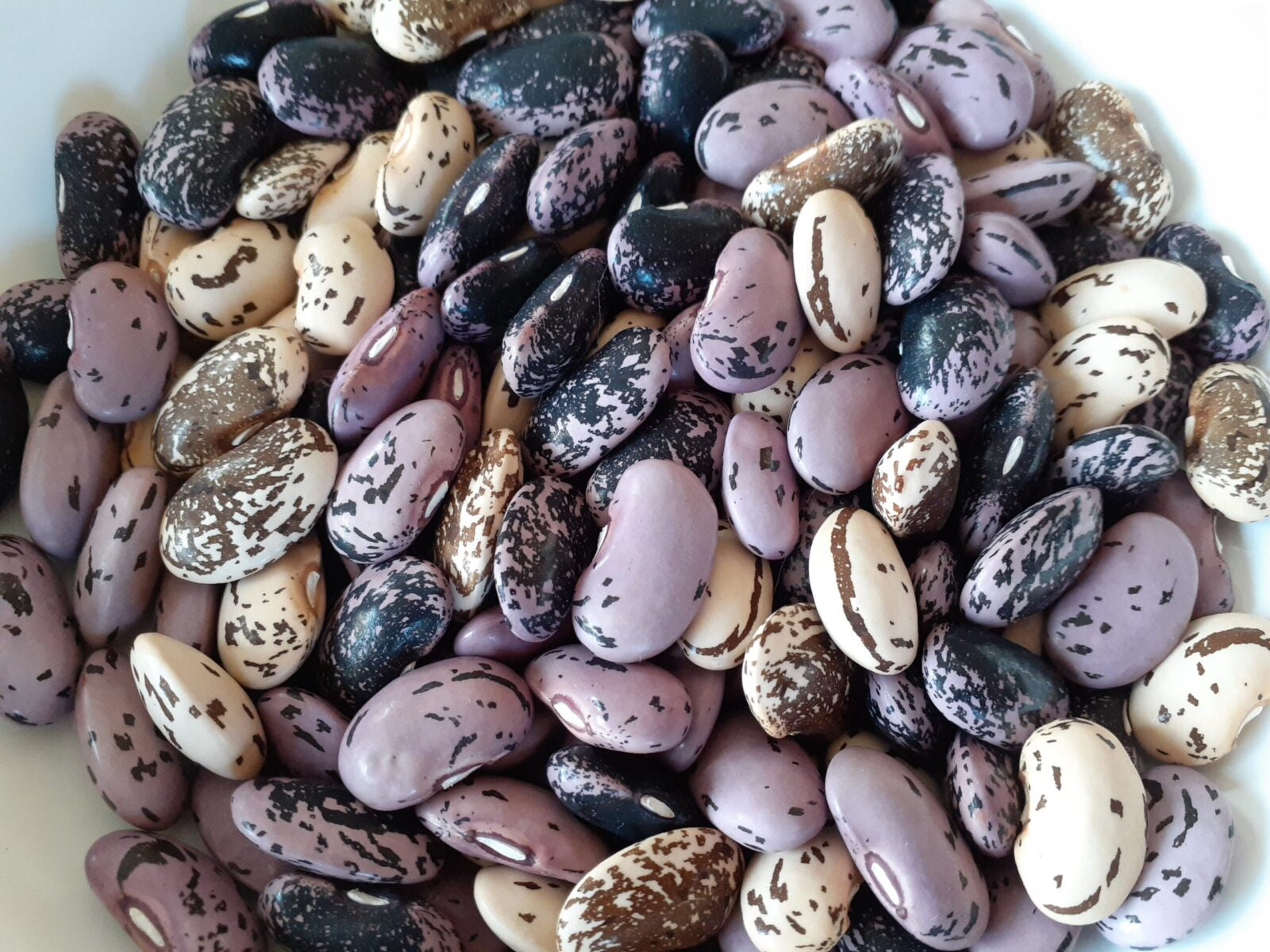
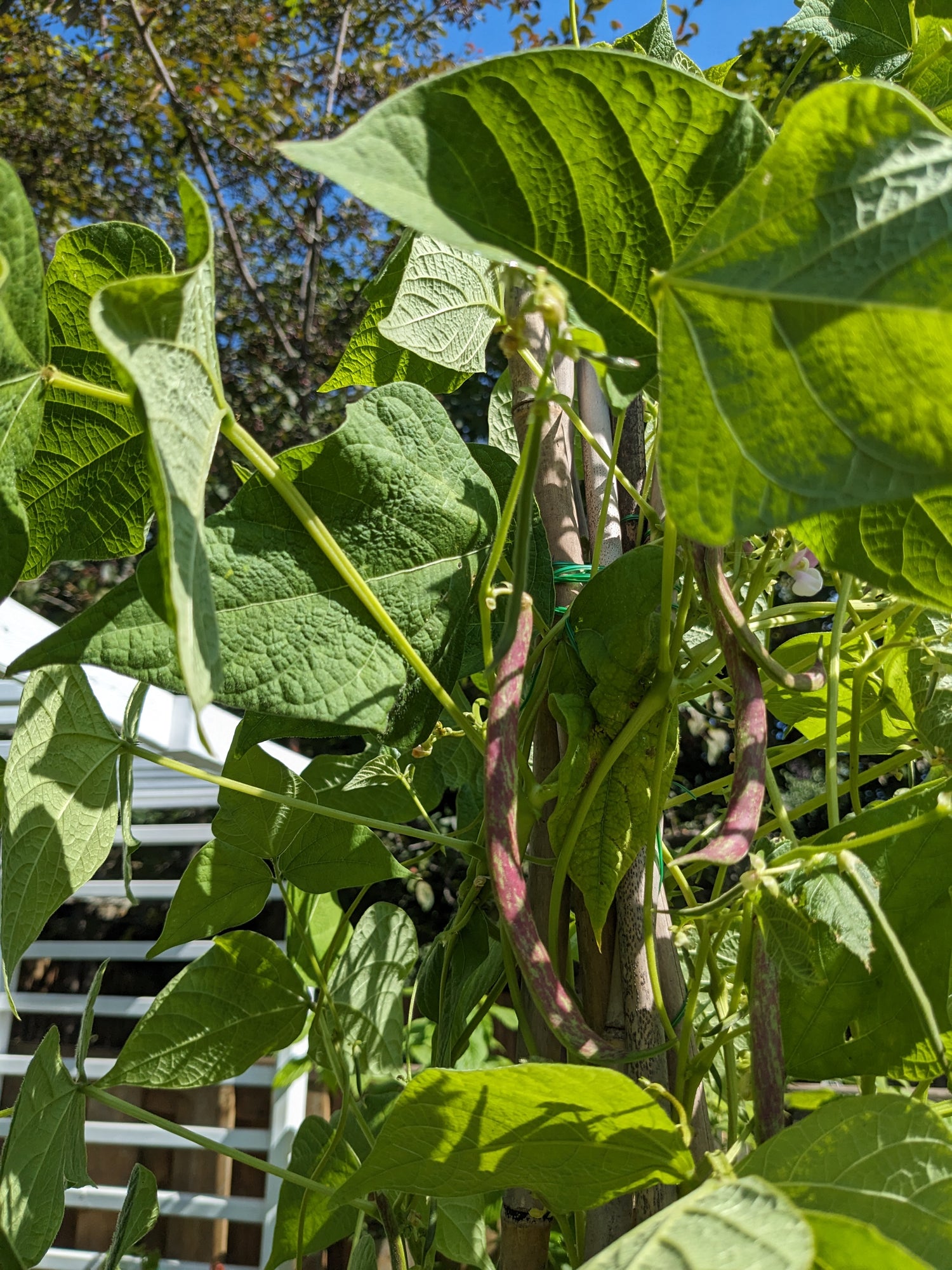
What I love most about Cranberry Beans is their versatility (and that the pods are pink!): harvest them fresh off the vine for immediate eating, freezing, dehydrating or canning. Leave them on the vine to dry, and the seeds store perfect in the pantry for adding to soups and stews.
These Cranberry Beans (also known as borlotti) are meaty and hearty, with a richer taste than their bush bean cousins. They are vigorous pole beans, growing over 8 ft. tall in my veggie garden last year! They literally went up my trellis, then hung over the top like Dr. Seuss hair.
Beans are an excellent source of protein, fibre, starch and vitamins A & C.
Type: Vegetable, Pole Bean
Height: 8 ft+
Light: full sun
Moisture: keep soil evenly moist, but not wet or seeds will rot
Planting: 1" deep, into warm soil. I plant dense, in a container 3-4" apart
Harvest: 75-90 days

$4 each or 3 for $10 (save $2!)
Coloured like a sunset, the fruit of this variety is large, sweet and beefy!
Type: Indeterminate, vining variety. Needs staking. You can read about the difference between Determinate and Indeterminate tomatoes here: Determinate vs. Indeterminate Tomatoes
Height: Indeterminate height
Light: Full sun
Soil: Rich soil. Use good quality compost around plants and mulch well.
Water: Consistently keeping soil moist, but not wet, will result in good growth and happy tomatoes. Inconsistent moisture can lead to "Blossom End Rot". Always water tomatoes at the base of the plant never getting water on the leaves.
Planting:
- Start seeds indoors 6-8 weeks before last frost date. Use a heating mat to aid germination as they love to be warm! If you don't have a heating mat, you can sit the seeds on top of the fridge to get some warmth.
- Harden off* and then transplant to the garden after all frost danger is gone.
- Bury them deep! Plant the whole stem into the ground, not just the roots leaving only a few top leaves showing. The plant will put out roots from the buried stem, making your plant grow nice and strong!
- Space plants 60-90 cm, 2-3' apart; space rows 3-4' apart.
- DO NOT crowd plants. This leads to poor circulation and disease
Harvest: 80-85 days to maturity (from the day they are planted outside)
* Hardening off refers to the process of gently and gradually acclimatizing indoor grown seedlings to the great outdoors! Don't throw your new babies straight into the elements! Over the course of a week, take them outside for a few hours at a time, bringing them back indoors afterwards. First sit them in the shade and then slowly introduce them to the sun. Increase the length of time they are outside and are exposed to the sun, until you feel they are ready to face the big outside world!
Other tips:
Pruning out suckers on your plant will help it put more of it's energy into fruit production. Suckers appear between the main stem and the branches and can be easily taken out with your fingers.
$4 each or 3 for $10 (save $2!)
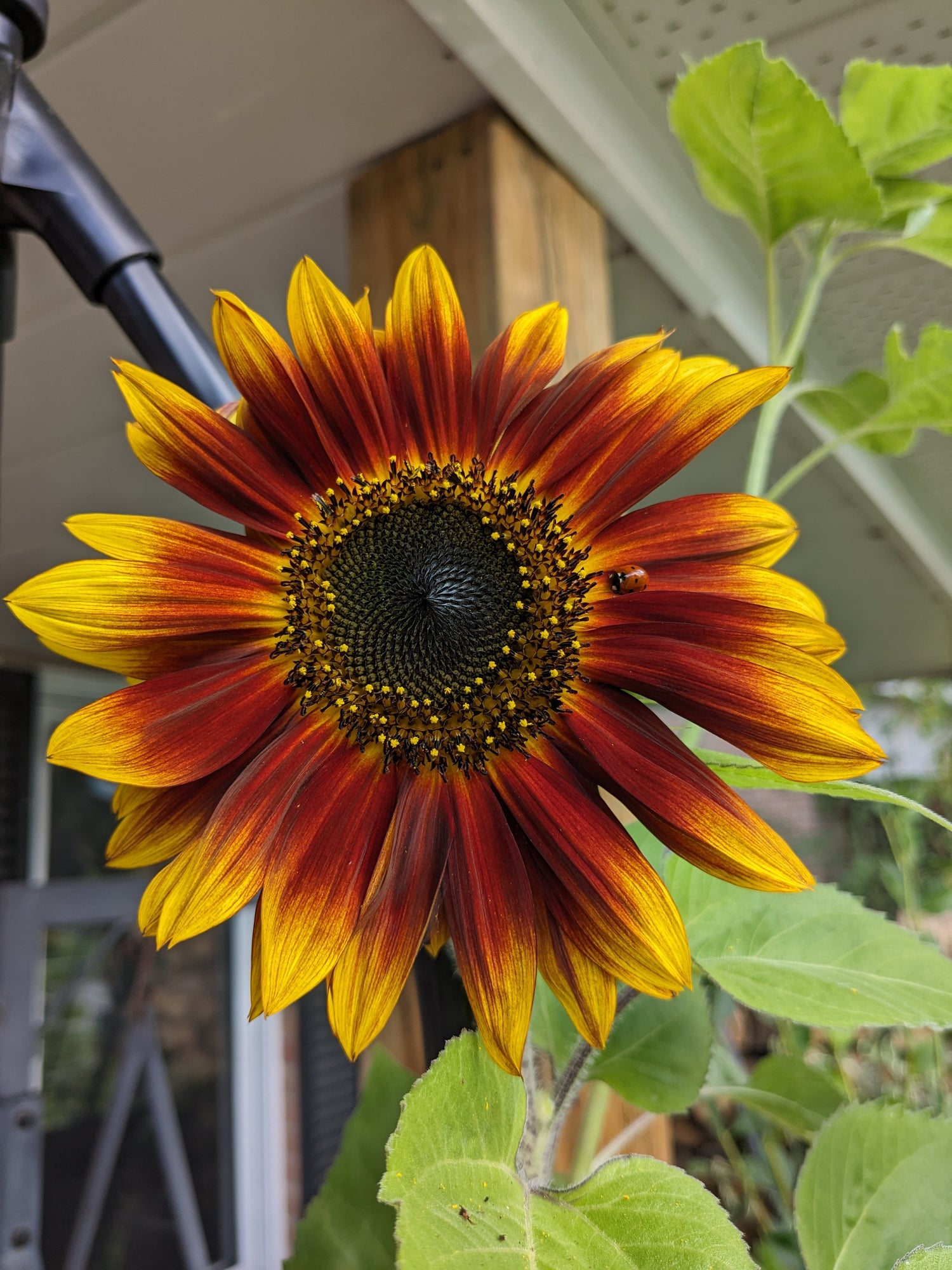
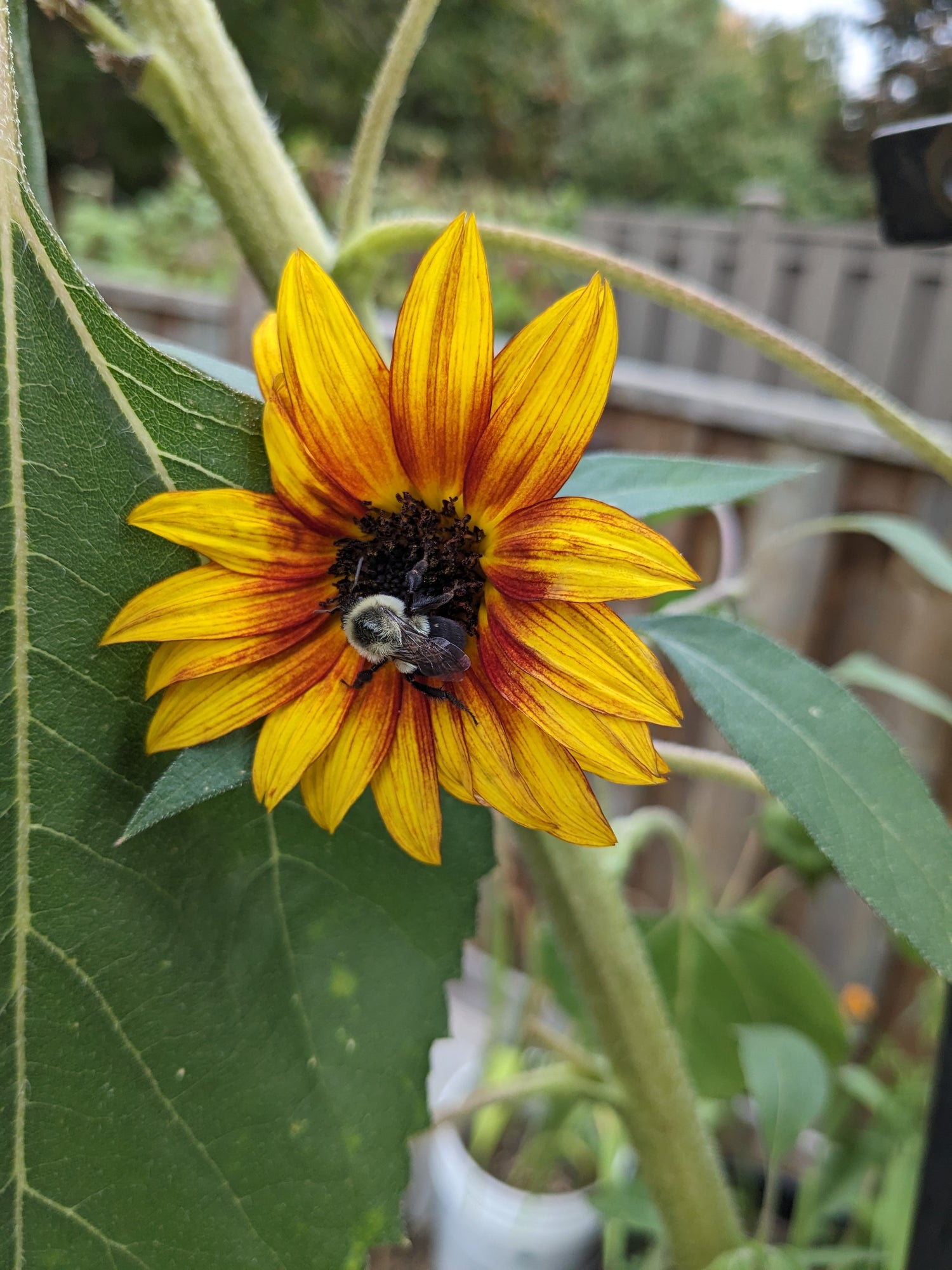
Sunflowers are a must-grow annual each season - their bright, cheery faces make me smile, and I absolutely love them in fall bouquets. They're always covered in bees of all sizes, even ladybugs. Then the birds, squirrels and chipmunks feast on the seeds.
I adore Ring of Fire, with their chocolate brown centres surrounded by golden yellow petals that turn to red. People ask me about them every year. I find the more sun they get, the deeper the red colour.
Ring of Fire is a basal branching variety, so you get multiple blooms off each plant. When you're tight on space, this is a bonus. Succession plant the seeds for continuous blooms.
Chipmunks and squirrels LOVE sunflower seeds and small shoots, and will relentlessly dig up the seeds and/or chop the tender plants off. My neighbours have heard my sobs and swearing in equal measure over the years. Here are my tried and tested ways to fight them:
- Direct sow seeds in containers or pots, then completely cage them with small-holed wire mesh (forget plastic - they will eat right through it) for as long as possible
- Start seeds indoors 4 weeks before last frost, then transplant to the garden with tall, wire mesh collars around the seedlings and DO NOT remove all season
Note: I learned the hard way that sunflowers are allelopathic, meaning they give off toxins that impede the growth of or even kill other plants. They also deplete soil of nutrients. Because I grow so much food in containers, I now grow my sunflowers in separate pots and place them near their fruit, veg and herb companions
Type: Annual
Height: 4-5 ft.
Light: full sun
Soil: heavy feeders, sunflowers need organically-rich soil that's well draining
Planting: Sow in warm soil after the danger of frost, 1/2" deep, 6" apart
Harvest: 8-12 weeks
$4 each or 3 for $10 (save $2!)
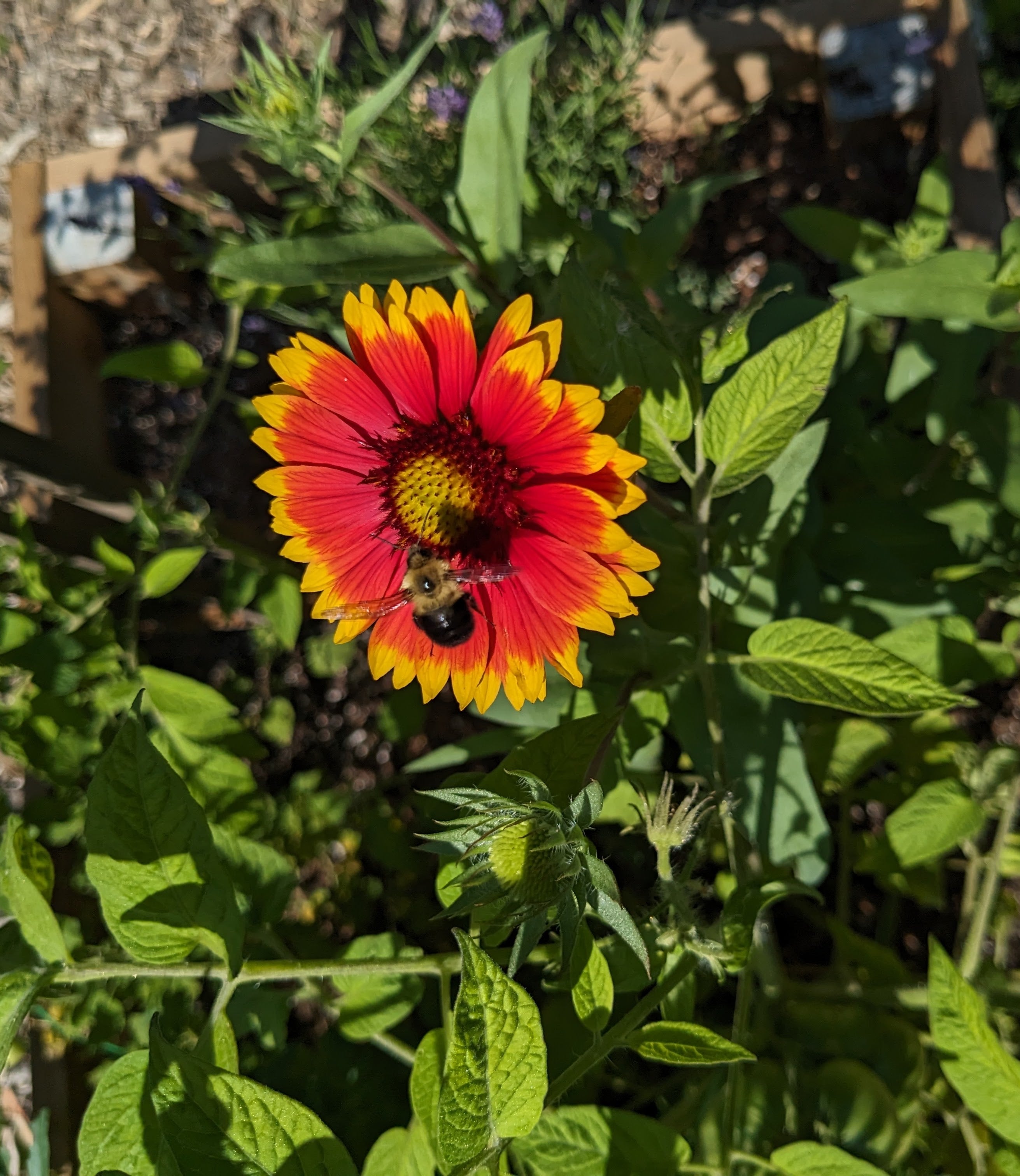
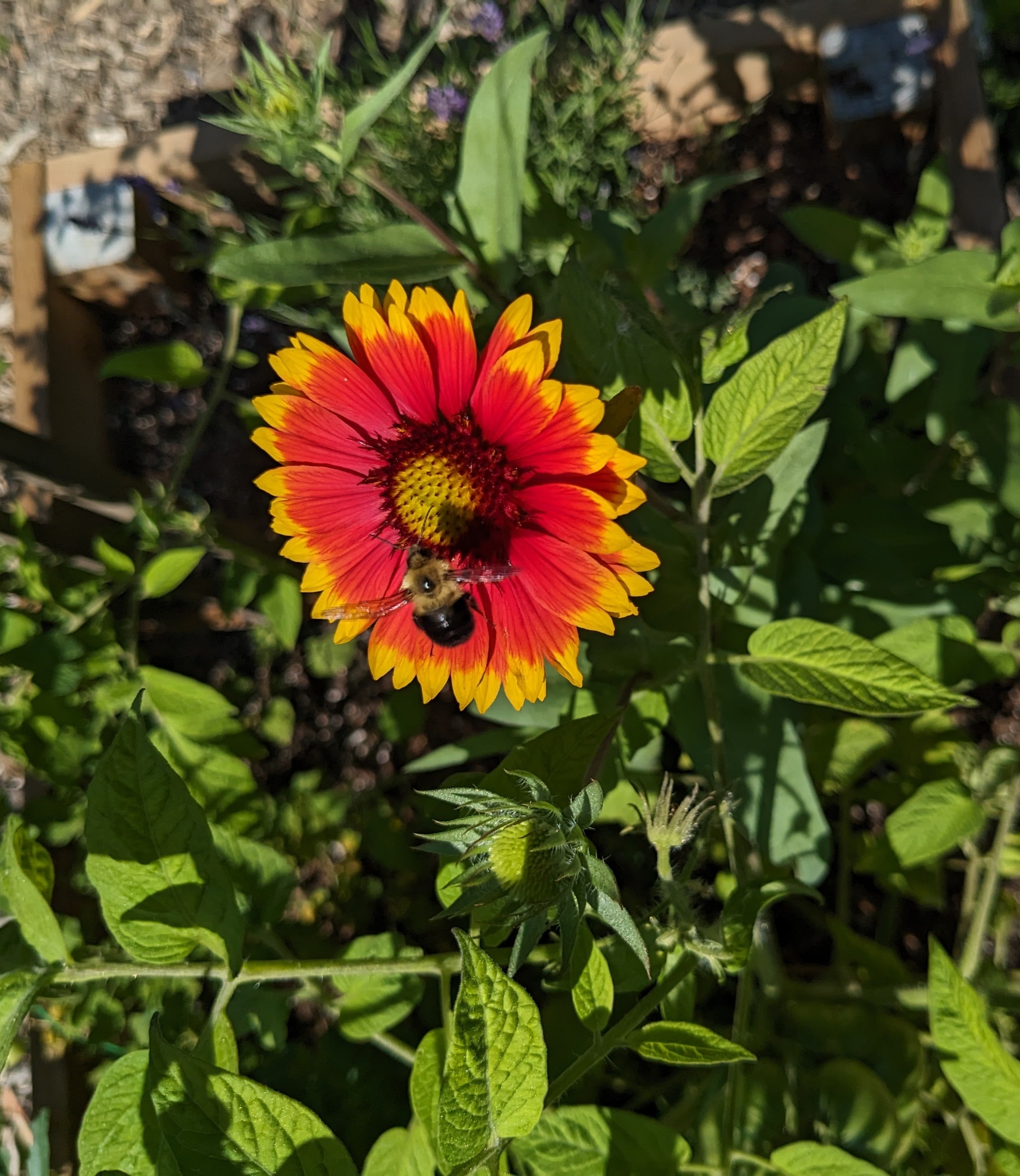
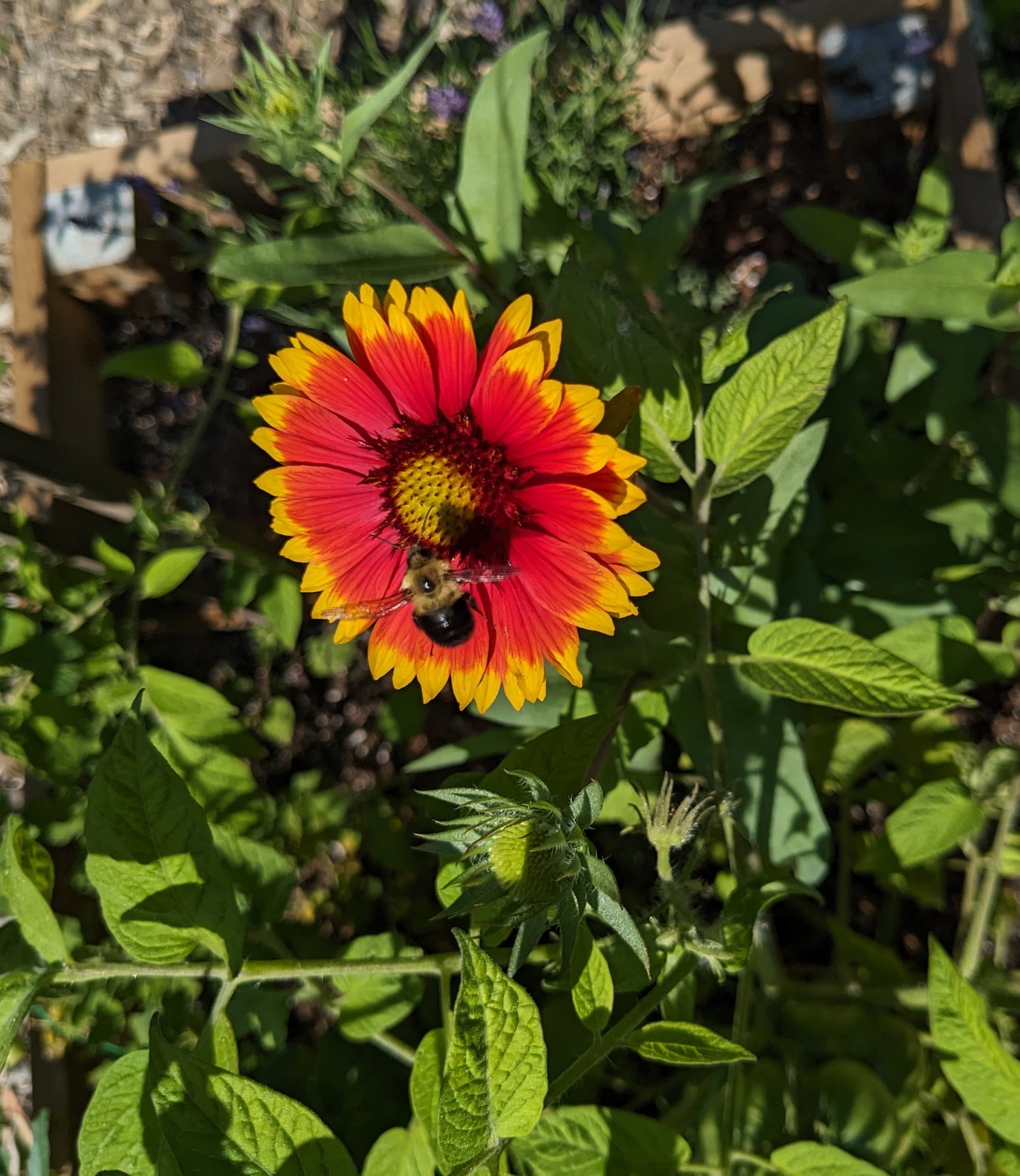
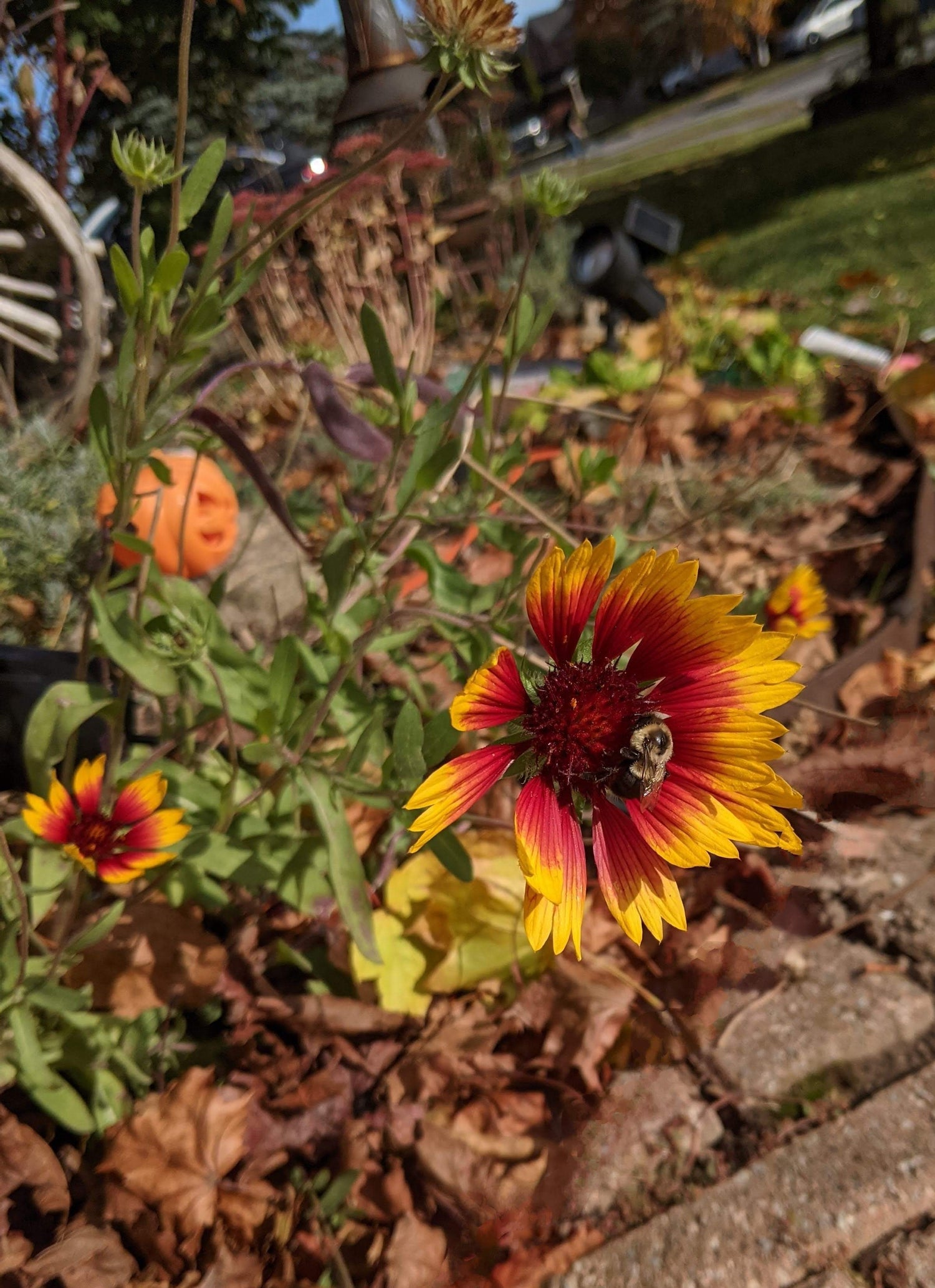
These gorgeous flowers absolutely pop in the garden, producing non-stop blooms from early summer-hard frost. They crawl with bumblebees, especially through the fall - non only for food, but as a soft sleeping bed in the cooling temperatures.
Blanket Flower need full sun and love the heat. I have them all over my property, in every type of soil - once established, they are happy as long as there's sun. Deadheading will keep the flowers prolific. A beautiful cut flower, tucked among amaranth, white phlox and sunflowers in a late summer bouquet.
Type: native perennial flower
Height: 2-3 ft.
Light: full sun
Moisture: drought tolerant
Planting: needs light to germinate. Lightly cover with soil, pressing to make contact. Keep evenly moist until germination. Can be direct sown after last frost.
Care: once established, Blanket Flower is low maintenance. Deadhead for more blooms
Bloom time: early summer-hard frost
$4 each or 3 for $10 (save $2!)
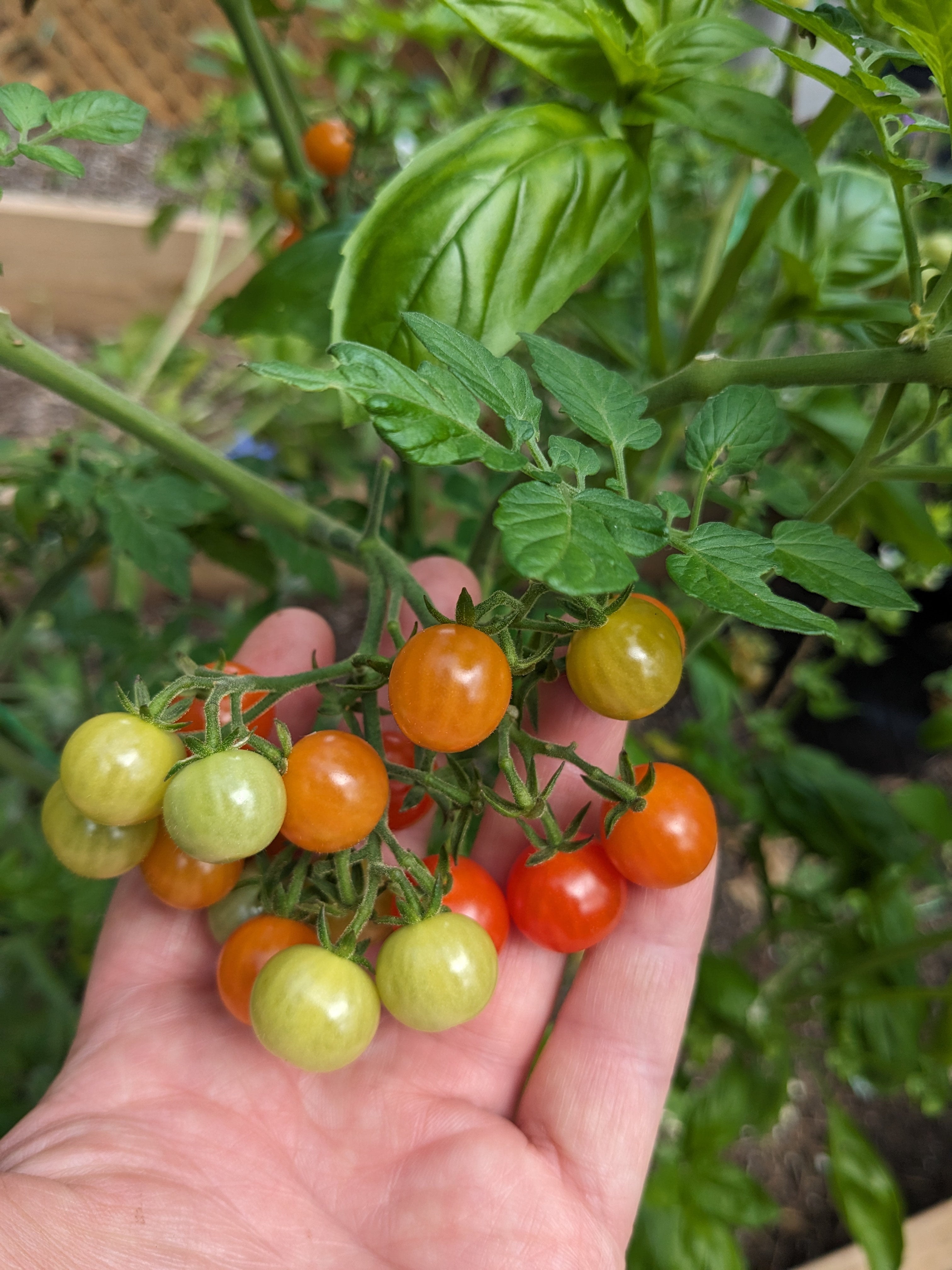
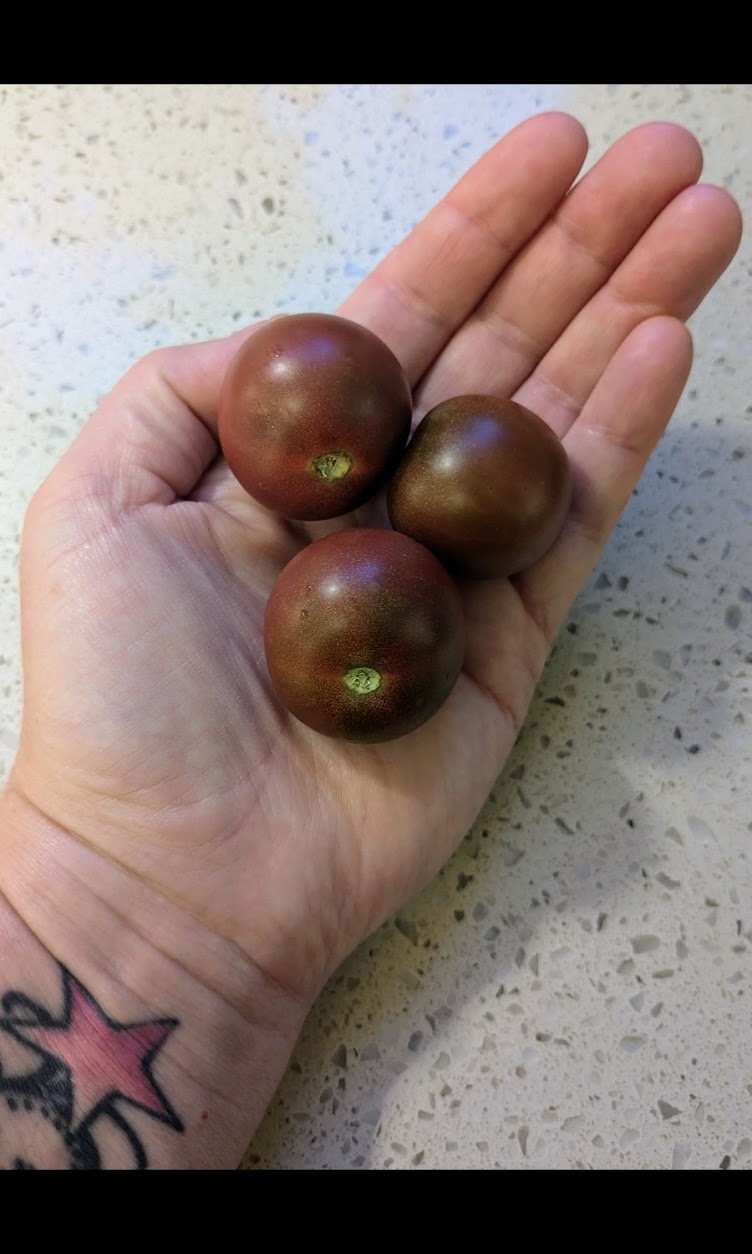
A fantastic Cherry tomato, great for snacking, in salads or bruschetta. Gorgeous deep mahogany colour when ripe.
Type: Indeterminate. Needs staking. You can read about the difference between Determinate and Indeterminate tomatoes here: Determinate vs. Indeterminate Tomatoes
Height: Indeterminate height
Light: Full sun
Soil: Rich soil. Use good quality compost around plants and mulch well.
Water: Consistently keeping soil moist, but not wet, will results in good growth and happy tomatoes. Inconsistent moisture can lead to "Blossom End Rot". Always water tomatoes at the base of the plant never getting water on the leaves.
Planting:
- Start seeds indoors 6-8 weeks before last frost date. Use a heating mat to aid germination as they love to be warm! If you don't have a heating mat, you can sit the seeds on top of the fridge to get some warmth.
- Harden off* and then transplant to the garden after all frost danger is gone.
- Bury them deep! Plant the whole stem into the ground, not just the roots leaving only a few top leaves showing. The plant will put out roots from the buried stem, making your plant grow nice and strong!
- Space plants 60-90 cm, 2-3' apart; space rows 3-4' apart.
- DO NOT crowd plants. This leads to poor circulation and disease
Harvest: 75 days to maturity (from the day they are planted outside)
* Hardening off refers to the process of gently and gradually acclimatizing indoor grown seedlings to the great outdoors! Don't throw your new babies straight into the elements! Over the course of a week, take them outside for a few hours at a time, bringing them back indoors afterwards. First sit them in the shade and then slowly introduce them to the sun. Increase the length of time they are outside and are exposed to the sun, until you feel they are ready to face the big outside world!
Other tips: Pruning out suckers on your plant will help it put more of it's energy into fruit production. Suckers appear between the main stem and the branches and can be easily taken out with your fingers.
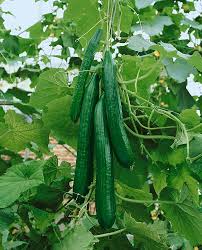
$4 each or 3 for $10 (save $2!)
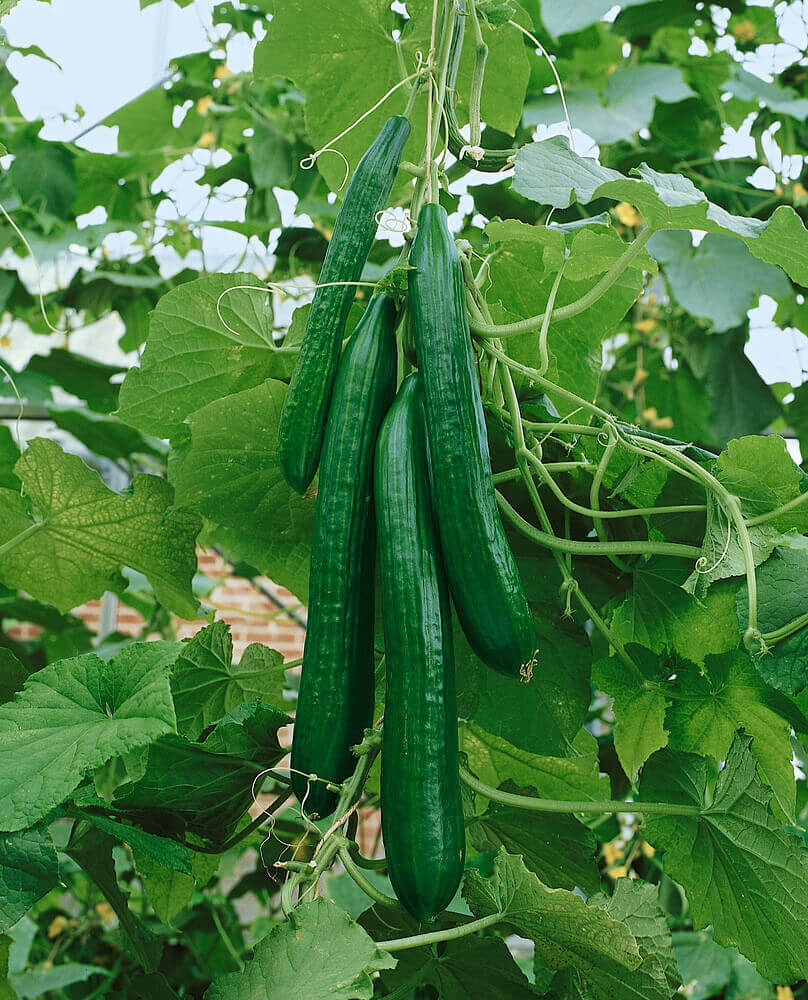
A heirloom variety from the 1800's, fruit is extra long and great for slicing with a nice mild flavour.
Type: Annual vegetable.
Height: Grow as a vine up netting or trellis.
Light: Full sun
Soil: Rich soil. Use good quality compost around plants and mulch well.
Water: Consistently keeping soil moist, but not wet, will results in good growth and happy plants.
Planting: Sow seeds directly outside after the soil is warm and there is no danger of frost. Cooler temperatures will decrease germination. Work in lots of good compost. Create mounds or hills and sow 6 to 8 seeds 2 cm deep in each hill. Thin seedling leaving only 3 or 4 plants per hill. Put trellis in place when planting so vines can grow vertically, ensuring straight fruit. Or can be started indoors 3 weeks before the last frost. Harden off* before planting out.
Harvest: 60 days from planting
* Hardening off refers to the process of gently and gradually acclimatizing indoor grown seedlings to the great outdoors! Don't throw your new babies straight into the elements! Over the course of a week, take them outside for a few hours at a time, bringing them back indoors afterwards. First sit them in the shade and then slowly introduce them to the sun. Increase the length of time they are outside and are exposed to the sun, until you feel they are ready to face the big outside world!
Other tips: Cutting when they are shorter increases yield and offers best flavour.