







All Indoor Plants

Sort by:
268 products
268 products
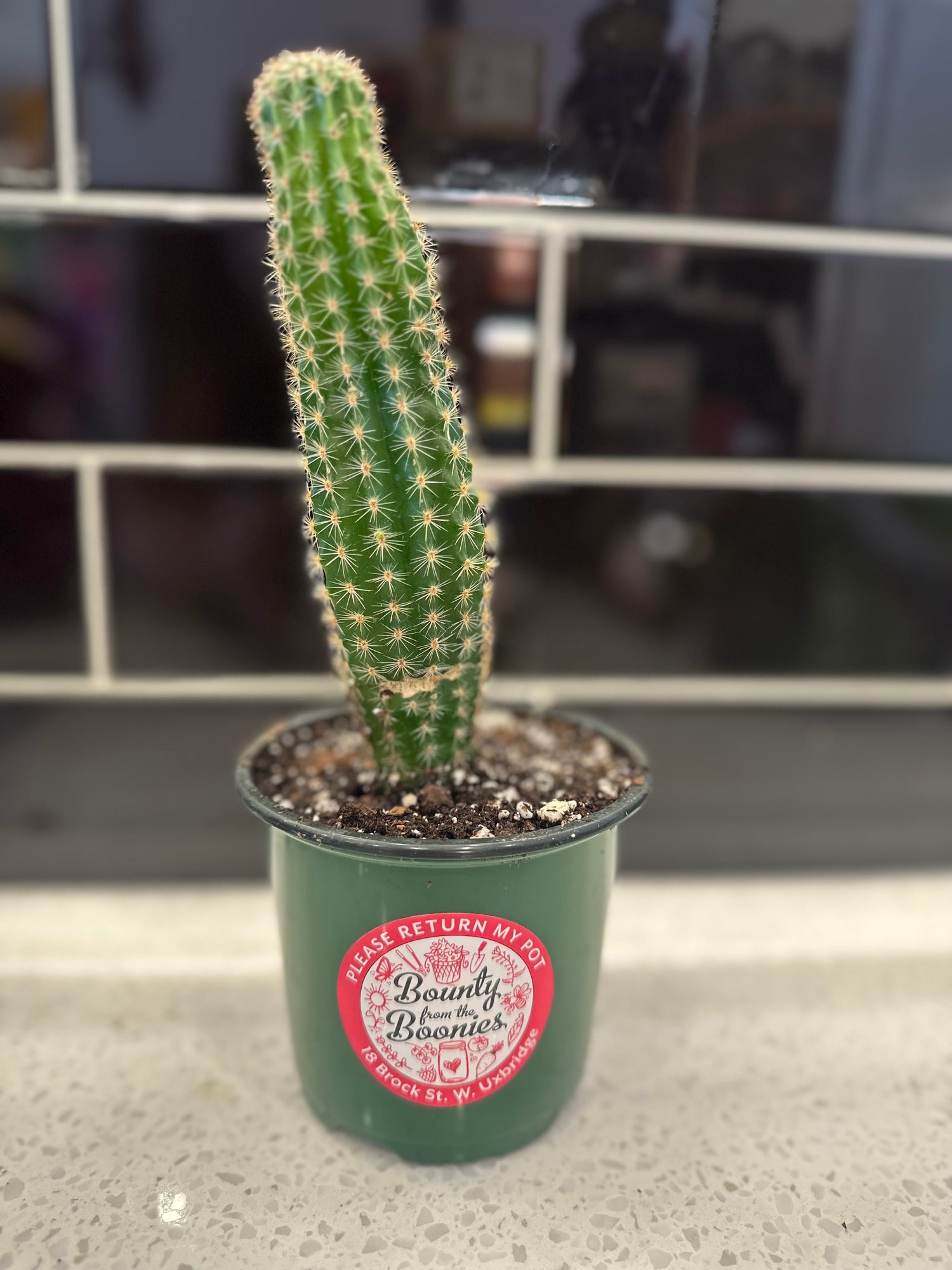
Native to Argentina, the Peanut Cactus has ribbed spines and elongated stems that give the peanut cactus its name. It has multiple long cactus stems that spill out or spread out. It has very pretty blooms. Flowers are fiery orange-red and 1-2 inches in diameter.
Scientific Name: Chamaecereus silvestrii
Common Name: Peanut Cactus
Growth: 3-5 inches per year
Light: Bright, Indirect light
Watering: Once soil has completely dried out, then soak
Pet Safe: Yes
Care: Easy
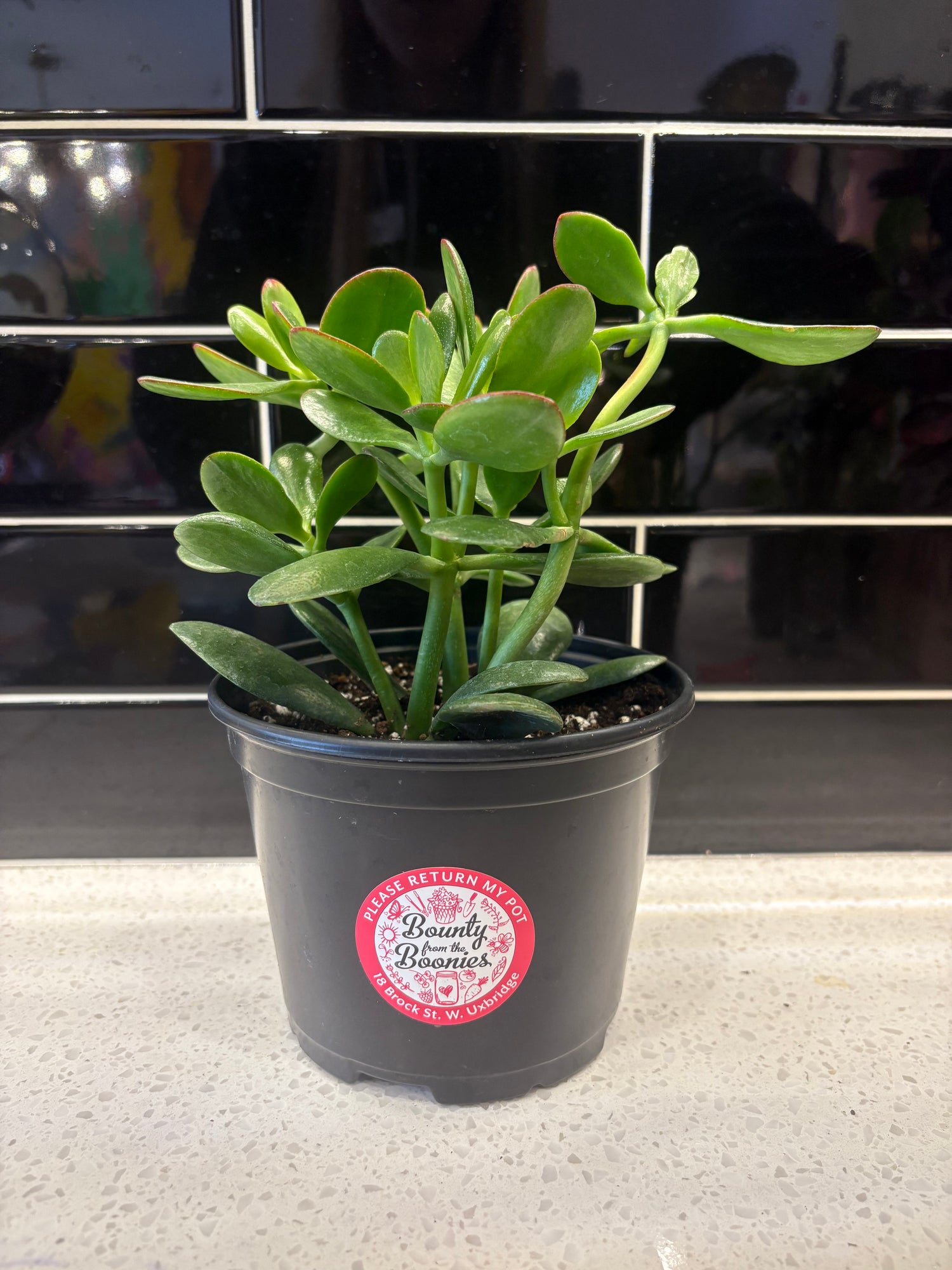
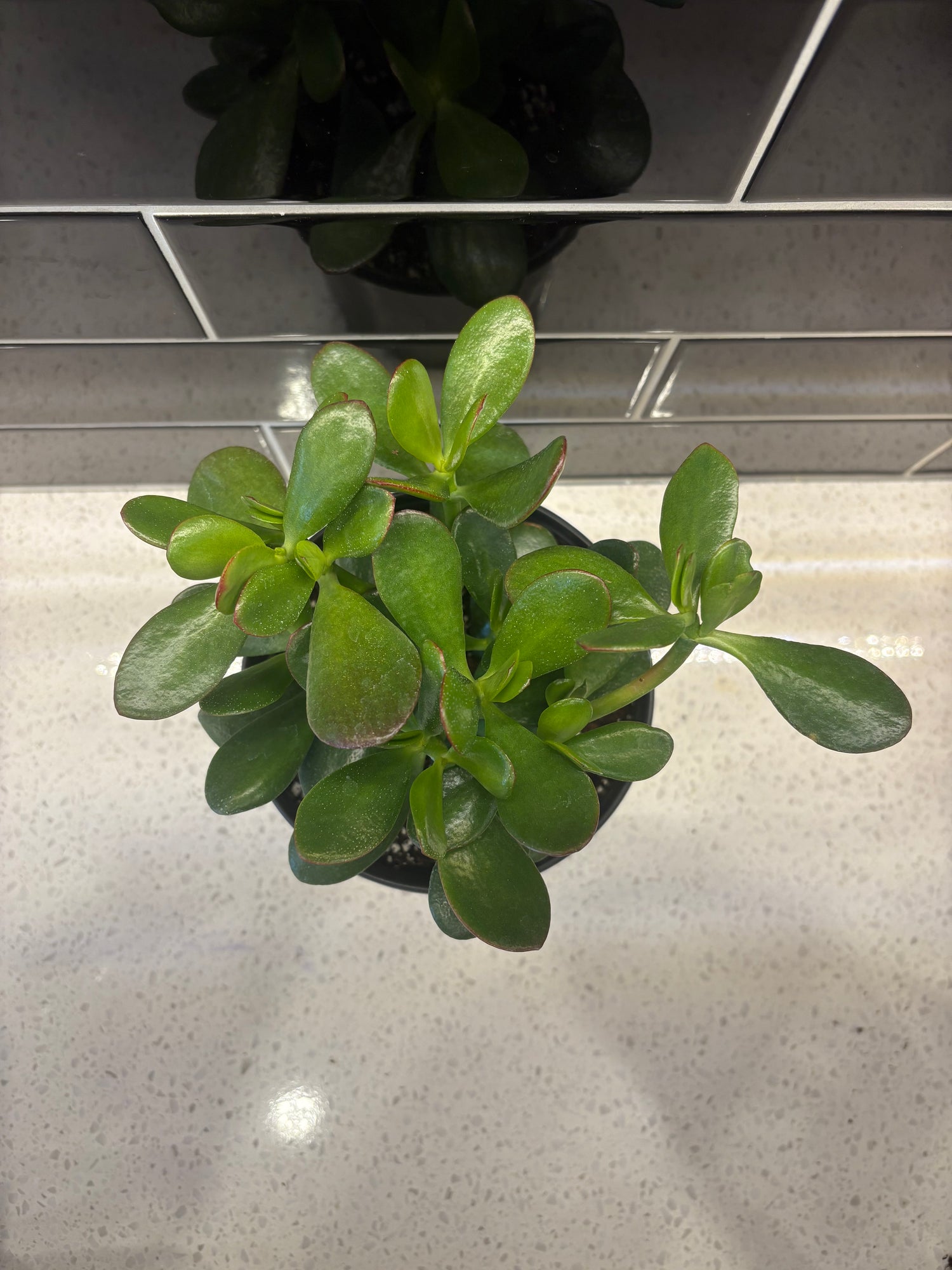
The Sunset Jade, different from the original Jade, has yellow and red edged leaves making it stand out just a little bit more. Originating from South Africa, this Jade is known for its easy care, low maintenance qualities. One of most popular succulents around!
Scientific Name: Crassula Ovata
Common Name: Jade, Lucky Plant, Money Tree
Growth: about 2 inches of height per year indoors
Light: Bright indirect light to full sun
Watering: Let dry out between waterings
Pet Safe: No
Care: Easy
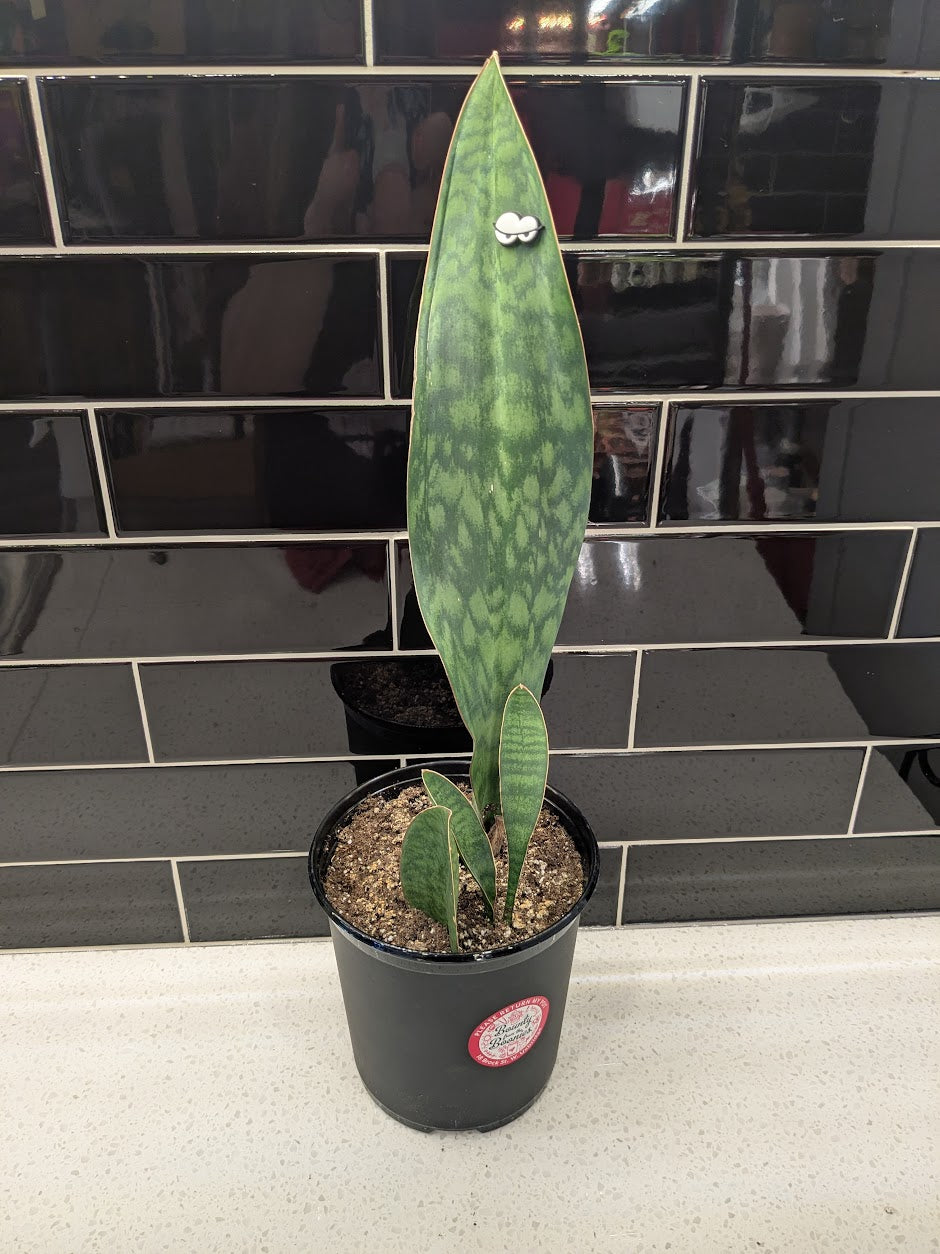
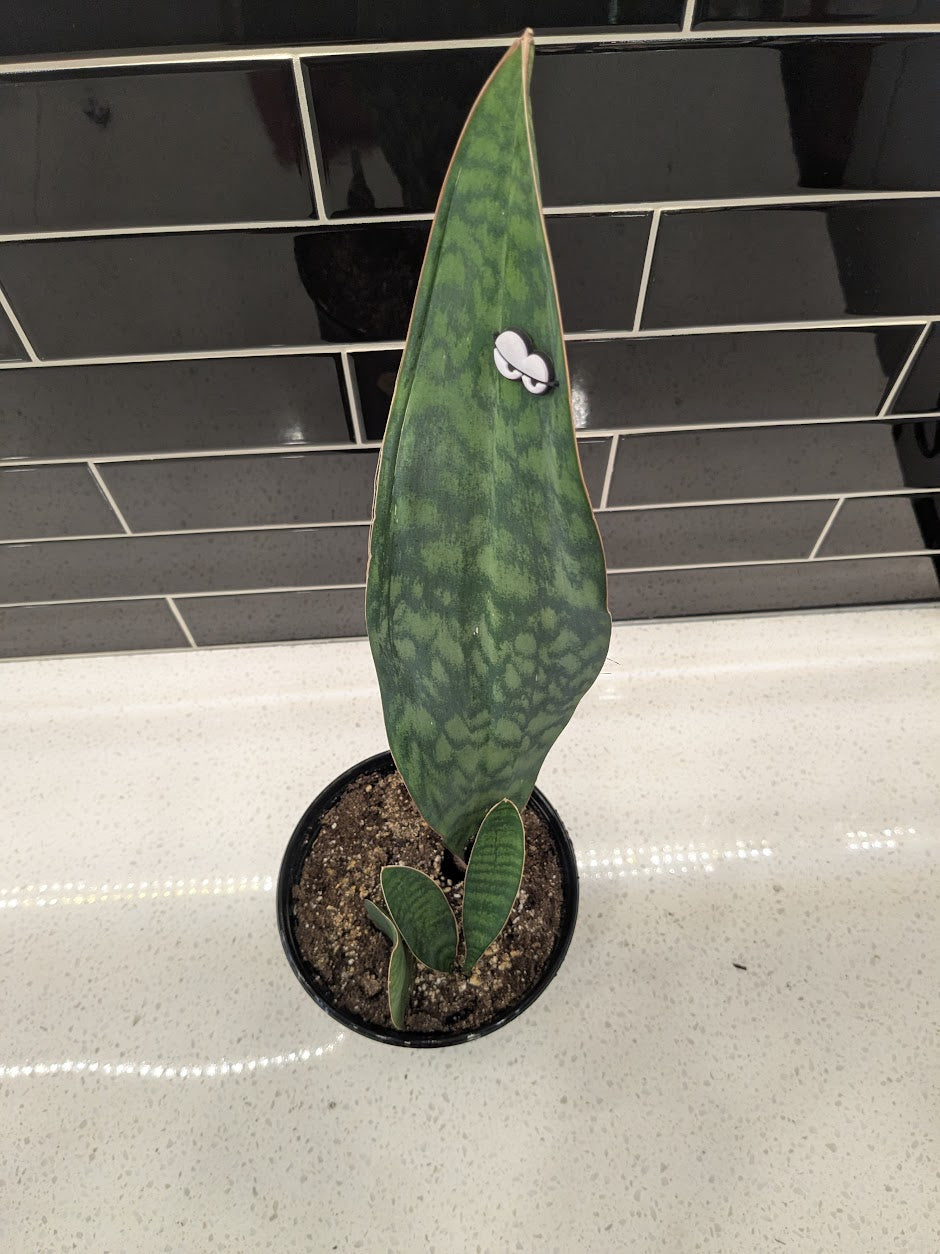
This rare, hard to find snake plant variety is native to the African Congo and has lovely rounded leaves with variegated leaves and white edges. This plant is an excellent air purifier. It removes toxins such as formaldehyde, benzene, and trichloroethylene from the air. This variety is a little more unique than the regular Snake Plant. With it's slow growth and unique paddle like leaves, the Whale Fin Snake Plant is a much sought after plant.
Scientific Name: Sansevieria Masoniana
Common Name: Whale Fin Snake Plant
Light: Low light but will thrive in bright indirect light. No direct sun.
Growth: Can grow to 4 feet tall and 2 feet wide
Water: Allow to completely dry out before watering deeply. Overwatering will kill this plant.
Pet Safe: No
Care: Easy


Shrimp plant potted in a stunning blue-ish grey pot!
she is our current shop centrepiece, looking for the perfect home!
standing at about 5 feet tall
it’s the Shrimp Plant! This quirky plant has beautifully interesting flowers that resemble shrimps! Native to Mexico, it is a tropical evergreen shrub that has made an interesting house plant. With its constant flowering, you can enjoy the flowers all year round.
Scientific Name: Justicia Brandegeeana
Common Name: Shrimp Plant or False Hop
Light: Part shade or indirect light
Watering: Keep soil consistently wet but not soggy.
Growth: Can grow to 4 feet tall
Pet Safe: Yes, but consuming large amounts can cause your pet to get sick.
Care: Easy


This funky cactus has a zigzag pattern to its leaves and resembles a fishbone!
Unlike so many other Cacti, this little guy originates from the rainforests of Mexico. Found along the mountains just off the Pacific Coast, It is an epiphyte, meaning it grows on trees, not in the ground in the wild. So it loves humid environments!
Scientific Name: Epiphyllum anguliger
Common Name: Fishbone Cactus, Ric Rac Cactus
Growth: Can grow up to 6 inches per year
Light: Bright indirect light
Watering: Needs consistent moisture but not soggy.
Pet Safe: Yes
Care: Intermediate

The Horntree Tricolour jade has light green, yellow and red edged leaves making it a stunning foliage plant for your house plant collection.
Scientific Name: Crassula Ovata "Tricolour"
Common Name: Jade, Lucky Plant, Money Tree
Growth: about 2 inches of height per year indoors up to 2 feet.
Light: Bright indirect light to full sun. More sun will bring out the colours
Watering: Let dry out between waterings
Pet Safe: No
Care: Easy


This houseplant is considered one of the most elegant types of calatheas. It's known for its wide, pointed dark green leaves marked with sets of thin stripes in creamy white or pink. It originates from Central and South America where it's used to the wet conditions of a tropical climate.
Scientific Name: Calathea Ornata
Common Name: Pinstripe Plant/ Calathea Pinstripe
Light: Bright, indirect light
Growth: 2-3 feet high
Watering: Keep soil moist but not soggy
Pet Safe: Yes
Care: Difficult


A small statured plant with beautiful foliage potted in a simple white pot.
Scientific Name: Fittonia albivenis
Common Name: Nerve plant, mosaic plant, fittonia, painted net leaf
Light: Bright Indirect light- north facing window is ideal.
Growth: 3-6" tall with a 12" spread
Watering: Keep evenly moist- they do not like to dry out. But do not leave standing in water as this will cause roots to rot.
Pet Safe: Yes
Care: Intermediate


Originating from the rainforests of Brazil, in its native habitat, it thrives in the warm, humid, and shaded conditions found on the rainforest floor, growing under the canopy of taller vegetation. With its stunning spotted leaves with beautiful dark and light green colours, this is sure to be a plant that everyone admires in your home.
Scientific Name: Calathea Burle Marxii
Common Name: Rattlesnake Calathea
Light: Bright,indirect light
Growth: Can spread 2-3 feet
Watering: When the soil in the pot is dry halfway down
Pet Safe: Yes
Care: Difficult


A great plant, the Seersucker sports fun, puckered leaves, striking dark green markings on lighter green and a deep purple coloured underside. What is not to love?!
Scientific Name: Geogenanthus Poeppigii
Light: Bright, indirect light, north facing window ideal
Growth: Small and compact, up to 1 foot in height
Watering: Needs high humidity. Water once the top of the soil feels dry. Keep moist but not soggy.
Pet Safe: Yes
Care: Moderate

An elegant Snake plant with silvery grey leaves that have yellow to white striping and edging.
Scientific Name: Sansevieria sayuri
Common name: Snake plant, sayuri
Light: tolerant of low light situations but can also handle indirect sunlight
Growth: 1-2 feet
Watering: Water once the top inch feels dry.
Pet Safe: no
Care: easy

As this plant grows on the damp floors of the Brazilian jungles, it requires humidity and low light. The foliage is striking with deep green markings on lighter green with red undersides. Leaves fold inwards at nighttime, giving it the common name of Prayer plant. Sometime this variety is also call Fishbone Prayer plant as the markings on the leaves resemble fish bones.
Common Name: Fishbone Prayer Plant
Scientific Name: Ctenanthe burle-marxii
Light: Bright, indirect light- east facing window is ideal.
Growth: Slow growing, up to 2 feet tall
Watering: Water once the top 1/2 inch feels dry. Soak well and let it drain completely. Using filtered water is best as the chlorine and fluoride in most tap water can cause leaf browning. In general you want to keep it evenly moist at all times.
Pet Safe: Yes
Care: Moderate- it can be tricky to find the right conditions for it to flourish


Gasteria Pillansii is a slow growing South African succulent. It's appearance is unique with its fleshy, strap shaped leaves. It forms dense clumps and is very drought tolerant.
Scientific Name: Gasteria pillansii
Common Name: Cow tongue, Cattle tongue, Lawyer's tongue
Light: Bright, indirect light
Growth: Can grow 8 inches
Watering: Let dry between watering
Pet Safe: Yes
Care: Intermediate


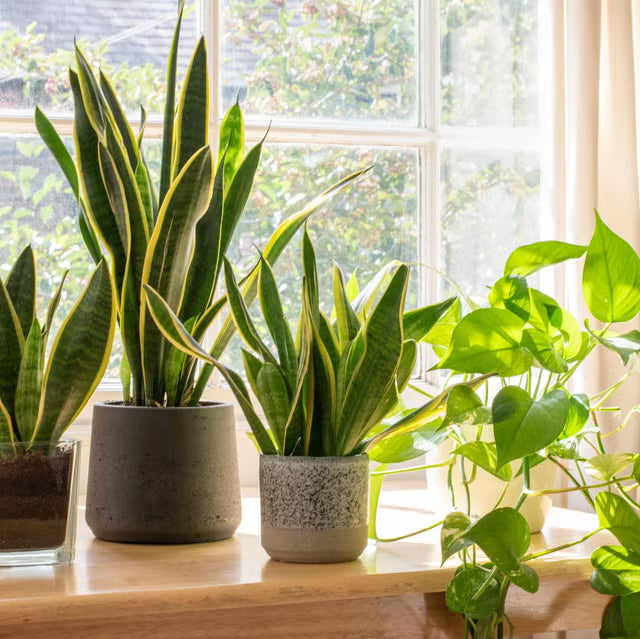
Snake Plants come in a variety of colours, shapes and sizes. We paired this trio together to spice up your space! At the tallest point this planter is nearly 2ft in height!
Light: Bright indirect light to low light
Watering: Water sparingly and when the soil is completely dry.
Growth: 2-3 feet indoors
Pet Safe: No
Care: Easy


This beautiful succulent is looking for a forever home in this gorgeous blue and black ombré pot.


The lowest of care plants!
A variety of shapes and sizes add dramatic flair to any living space.
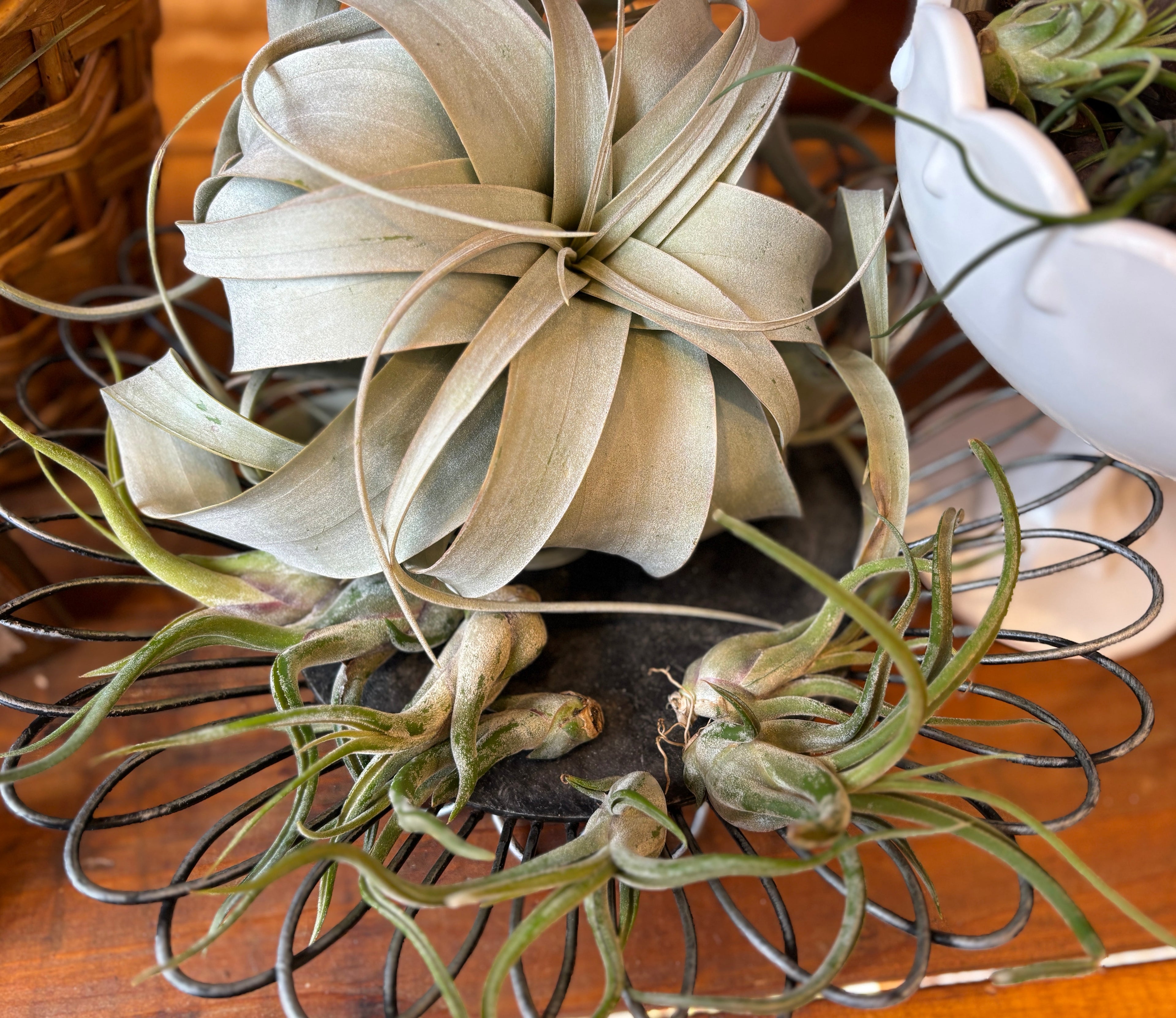
Scientific Name: Tillandsia Bulbosa
Common Name: Air Plant
Light Requirements: Bright Indirect Light, direct sun for too many hours can scorch the leaves.
Water: Once a week, submerge in water and then be sure to completely dry out.
Pet Safe: Yes
Care: Easy


The lowest of care plants!
A variety of shapes and sizes add dramatic flair to any living space.
Scientific Name: Tillandsia Fuchsii
Common Name: Air Plant
Light Requirements: Bright Indirect Light, direct sun for too many hours can scorch the leaves.
Water: Once a week, submerge in water and then be sure to completely dry out.
Pet Safe: Yes
Care: Easy

What are Clippings?
Clippings are pieces cut from existing mature plants. They are then placed in water and allowed to build roots. Some grow quickly while others take longer to propagate (grow roots). Once there are several new roots growing and they are at least 1" long it's time to plant. They are great for experimenting, trying new varieties or even adding to aquariums and water features.
Planting
When ready to plant you'll place your clipping in a pot with dirt. You'll want to make sure that the soil stays extra moist for several days to help it acclimatize to its new environment. Congratulations! You have a new plant baby.


What are Clippings?
Clippings are pieces cut from existing mature plants. They are then placed in water and allowed to build roots. Some grow quickly while others take longer to propagate (grow roots). Once there are several new roots growing and they are at least 1" long it's time to plant. They are great for experimenting, trying new varieties or even adding to aquariums and water features.
Planting
When ready to plant you'll place your clipping in a pot with dirt. You'll want to make sure that the soil stays extra moist for several days to help it acclimatize to its new environment. Congratulations! You have a new plant baby.


What are Clippings?
Clippings are pieces cut from existing mature plants. They are then placed in water and allowed to build roots. Some grow quickly while others take longer to propagate (grow roots). Once there are several new roots growing and they are at least 1" long it's time to plant. They are great for experimenting, trying new varieties or even adding to aquariums and water features.
Planting
When ready to plant you'll place your clipping in a pot with dirt. You'll want to make sure that the soil stays extra moist for several days to help it acclimatize to its new environment. Congratulations! You have a new plant baby.