








Houseplants

We're your home for all things plants. We have a unique, curated collection of all kinds of houseplants to add life to your home.
Sort by:
263 products
263 products


Pilea Involucrata " Norfolk" is a tropical plant with dark green/brown-purple leaves with silvery-white steaks. It is a relatively low-maintenance plant but does prefer high humidity. This plant is ideal for terrariums and bottle gardens. The Norfolk Pilea is native to Central and South America.
Scientific Name: Pilea Involucrata
Common Name: Friendship plant, Norfolk Pilea
Growth: 6-12 inches
Light: Bright indirect light
Watering: When top soil is dry, ensure good drainage
Pet Safe: Yes
Care: Intermediate
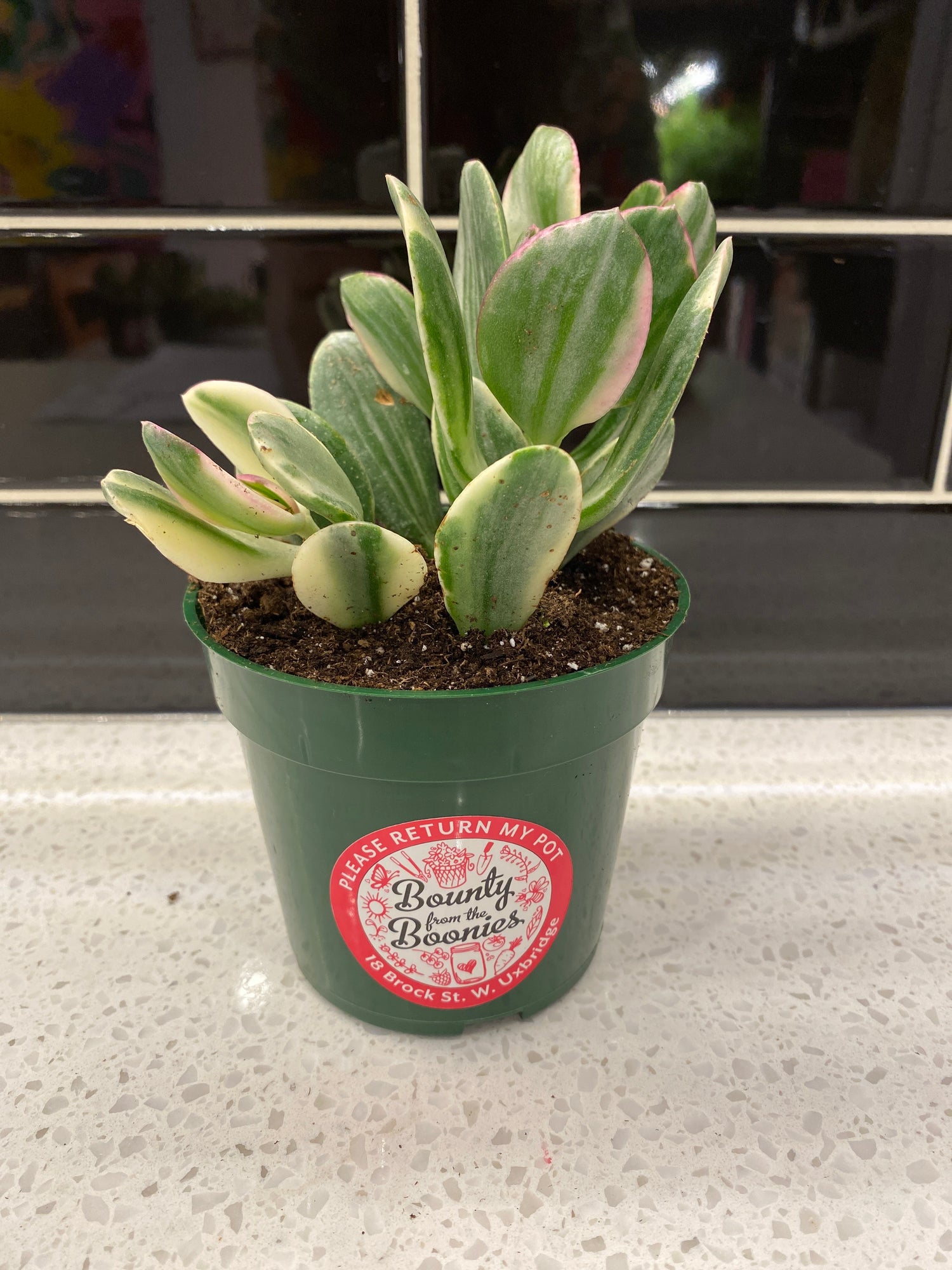
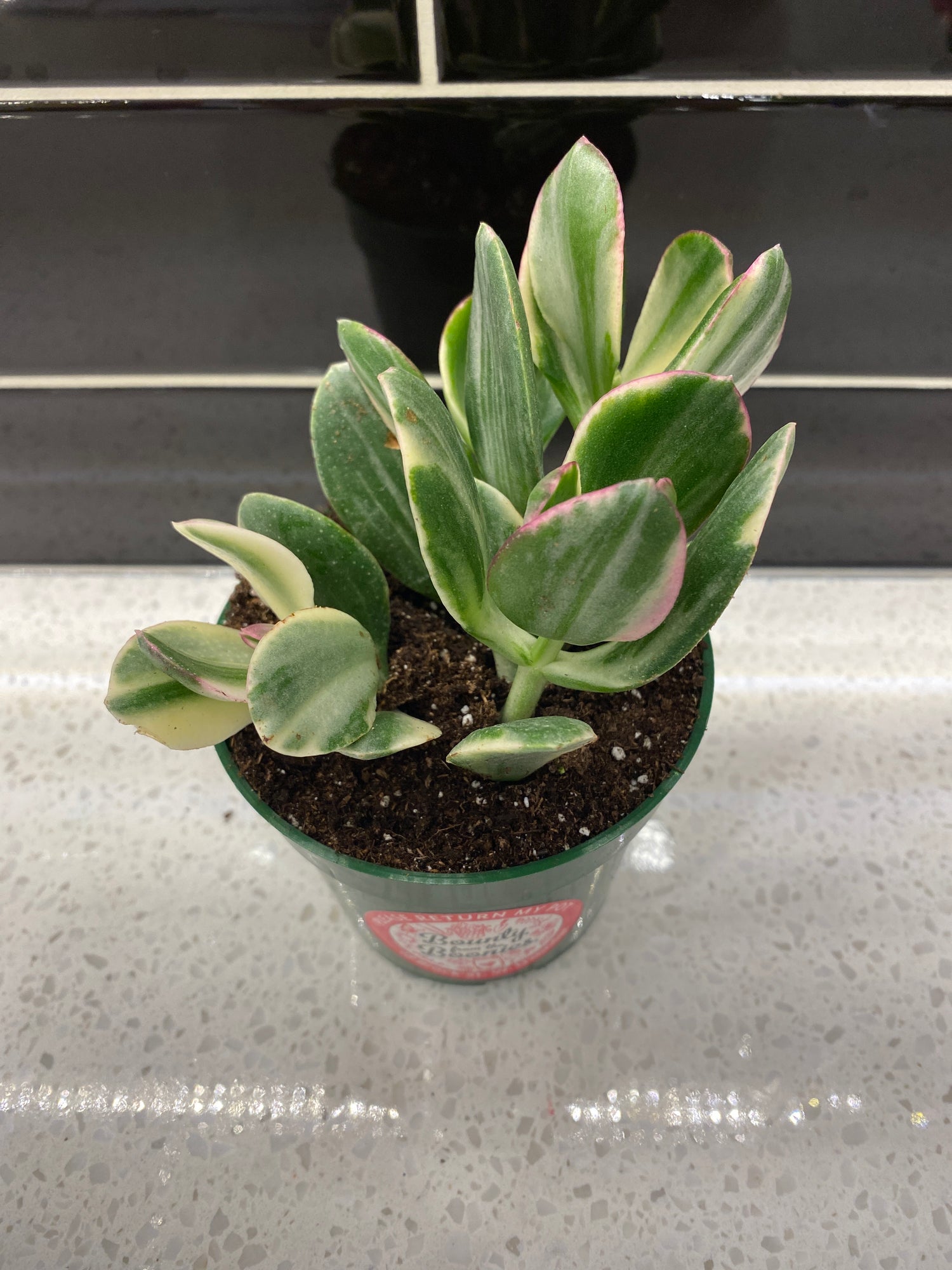
MA jade plant variety with stripes of green, white, and pink!
These star-shaped flowers have pink overtones appear in showy clusters at the ends of the branches. This Jade plant is native to South Africa. Also known as "Cassula Ovata", this Jade plant grows on dry, rocky hillsides.
Scientific Name: Cassula Ovata
Common Name: Jade
Growth: 2-4 Feet indoors
Light: Bright indirect light to full sun
Watering: Let dry out between waterings
Pet Safe: No
Care: Easy
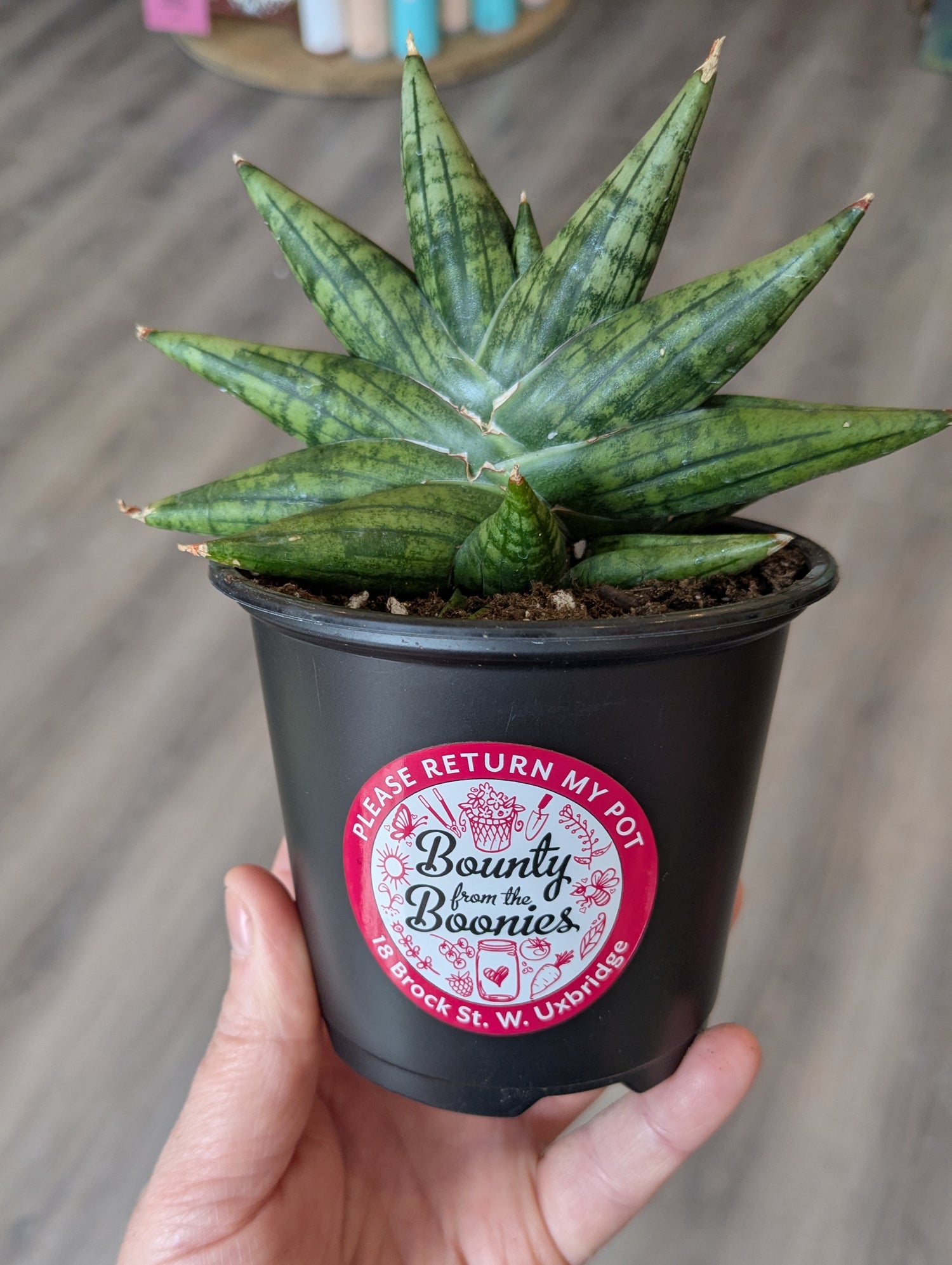
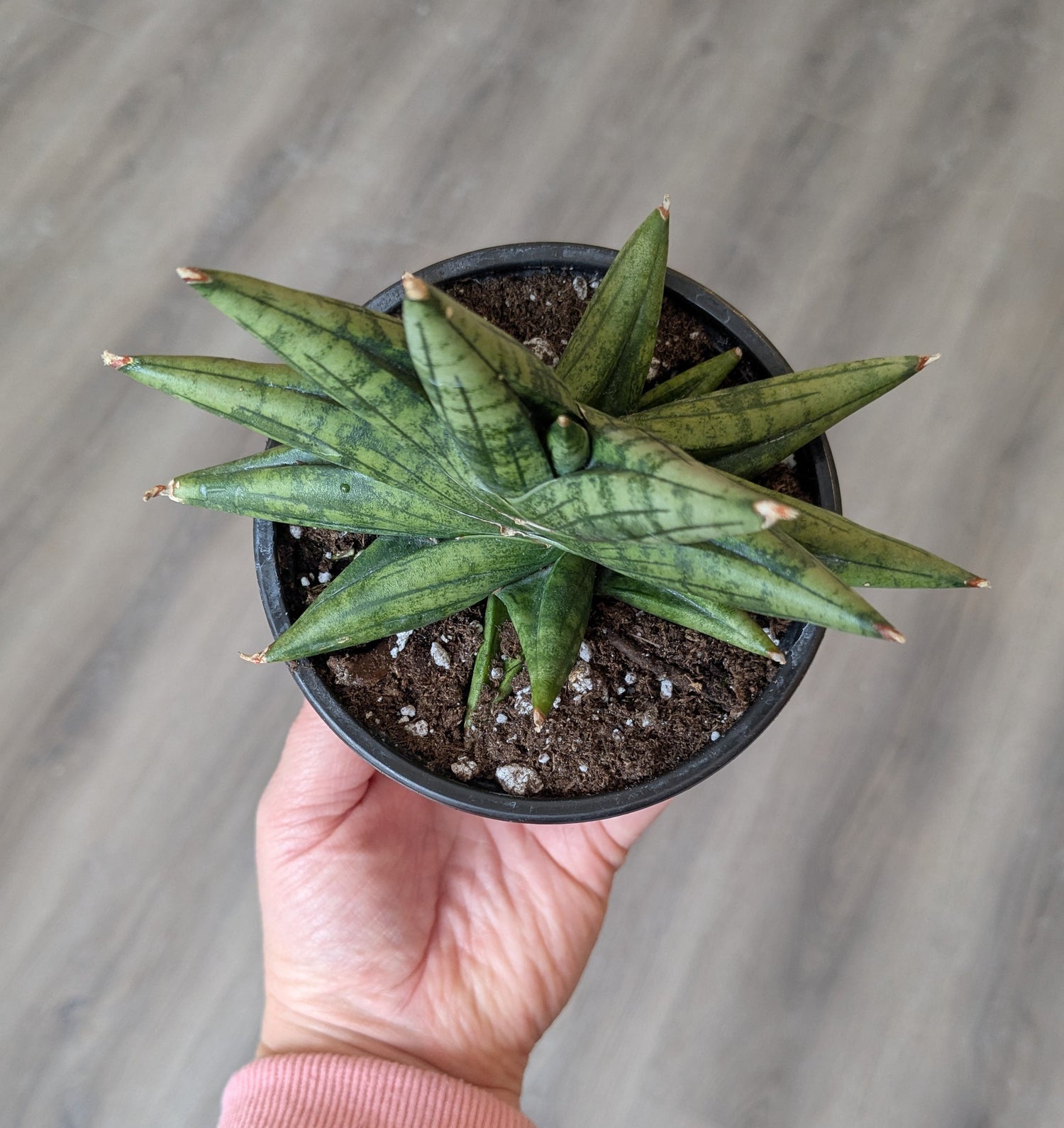
A delightful, spiral-growing low-light plant that adds tons of interest and charm to your snake plant collection. This plant originated from Thailand and is a rare variety of the common Snake Plant. The plant was named "Yaya" after the breeder's beloved pet bird.
Scientific Name: Dracaena Trifasciata
Common Name: Sansevieria Yaya
Light: Tolerates low light conditions, but bright, indirect light will help maintain vibrant foliage and clear marking
Growth: It is a very slow growing plant
Water: Only when completely dry
Pet Safe: No
Care: Easy


A bushy vine, native to New Zealand and Australia, with pink stems and variegated leaves.
Scientific Name: Muehlenbeckia Axillaris
Light: Bright indirect light


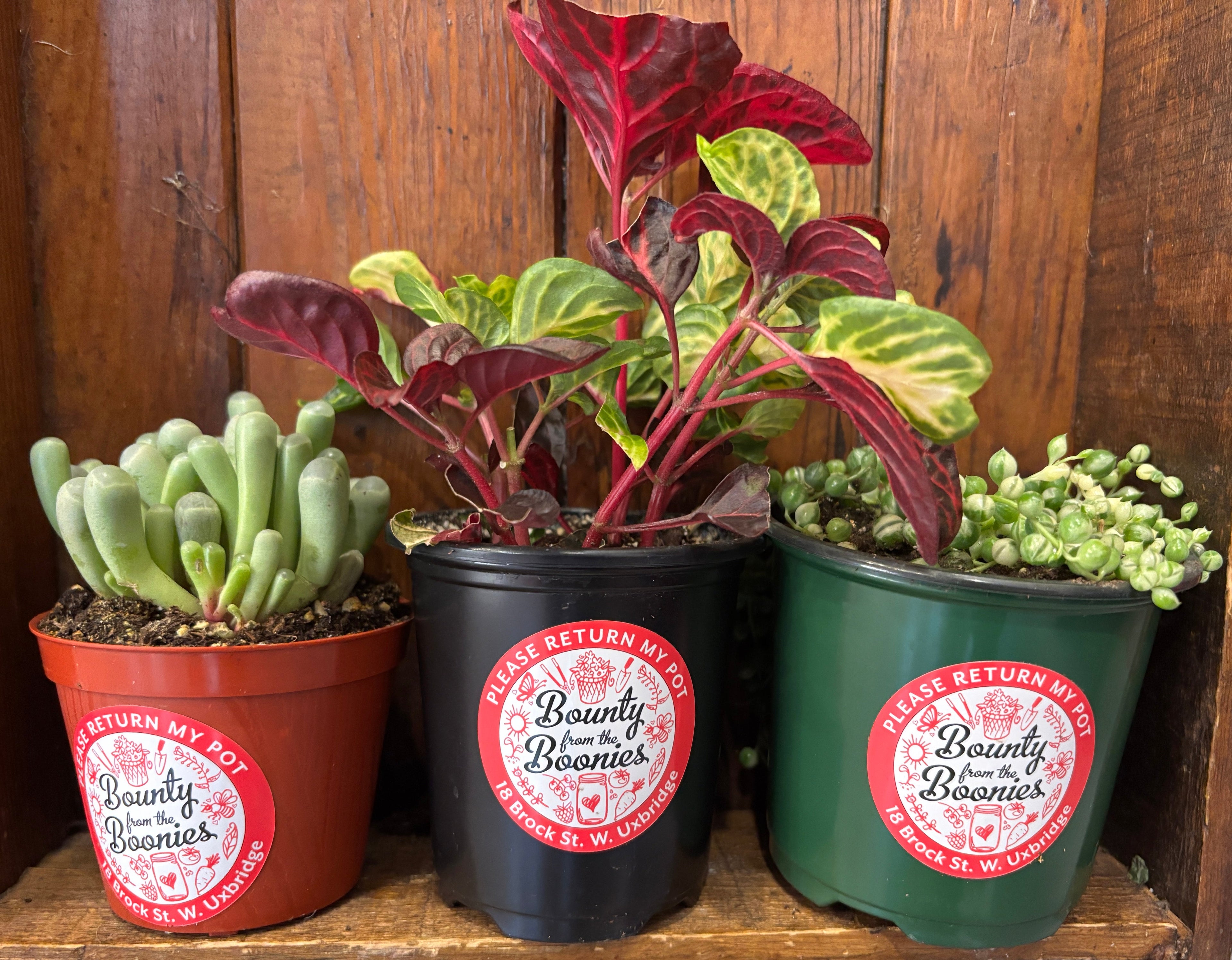
Don't be scared by my name. I'm a gentle plant with deep crimson leaves. Originating from the tropical regions of South America, this plant doesn't like to go dry. Cultivated as an ornamental plant worldwide for its brightly coloured red, purple, and pink foliage.
Scientific Name: Iresine herbstii
Common Name: Bloodleaf
Light: Bright indirect light
Watering: Keep evenly hydrated, likes being misted.
Growth: 12-18 inches tall
Pet Safe: Yes
Care: Easy

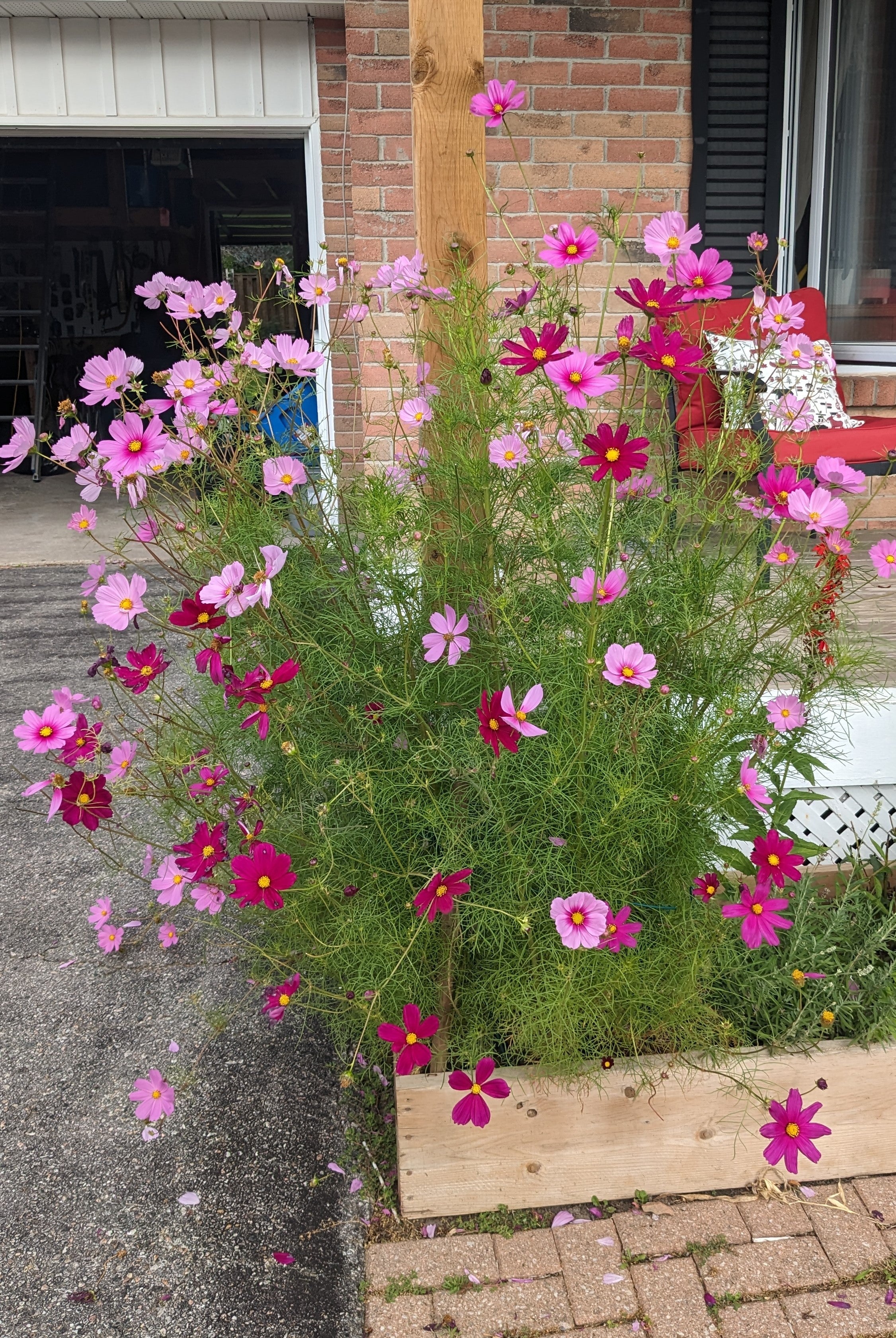
A beautiful, delicate annual that looks, and smells beautiful in a bouquet.
Plant outside in the garden once the weather is warm enough!
Diameter: 4”
Growth: Up to 24" tall
Light: Full Sun
Watering: They like to be consistently moist but not wet
Pet Safe: No
Care: Easy


A beautiful, delicate annual that looks beautiful in a bouquet. Plant outside once the weather is warm enough!
Diameter: 4”
Growth: Up to 24" tall
Light: Full Sun
Watering: They like to be consistently moist but not wet
Pet Safe: No
Care: Easy
Corms may be dug up and overwintered indoors

The Chinese Evergreen, also known as the Aglaonema, is a very easy plant to care for and they are a great choice for beginners!
This plant is native to the tropical and subtropical rainforests of Southeast Asia and New Guinea, where it grows in low-light, humid conditions.
Scientific Name: Aglaonema
Common Name: Chinese Evergreen
Growth: 2-3 feet
Light: Bright indirect light though it can withstand lowlight conditions
Watering: They need to be watered when the top layer of soil dries out.
Pet Safe: no
Care: Easy


An easy indoor plant that is hardy and visually interesting. This plant originates from the tropical regions of West Africa. It forms dense clumps of leaves, creating an architectural and visually appealing display.
Scientific Name: Dracaena Angolensis
Common Name: Sansevieria Cylindrica "Fernwood Mikado"
Growth: Can grow 2-3 feet tall
Light: Low light to bright indirect light
Watering: Once soil is completely dry. Typically every 2-6 weeks
Pet Safe: No
Care: Easy


A lovely plant from Africa, perfect for a terrarium, it will spread out to create a pretty, green carpet
Scientific Name: Selaginella Kraussiana
Common Name: Club Moss or Spike moss
Growth: 12-18" wide, 2-4" tall
Light: Shaded
Watering: Loves humidity, keep evenly moist. But do not let it sit in water or it will start to rot.
Pet Safe: Yes
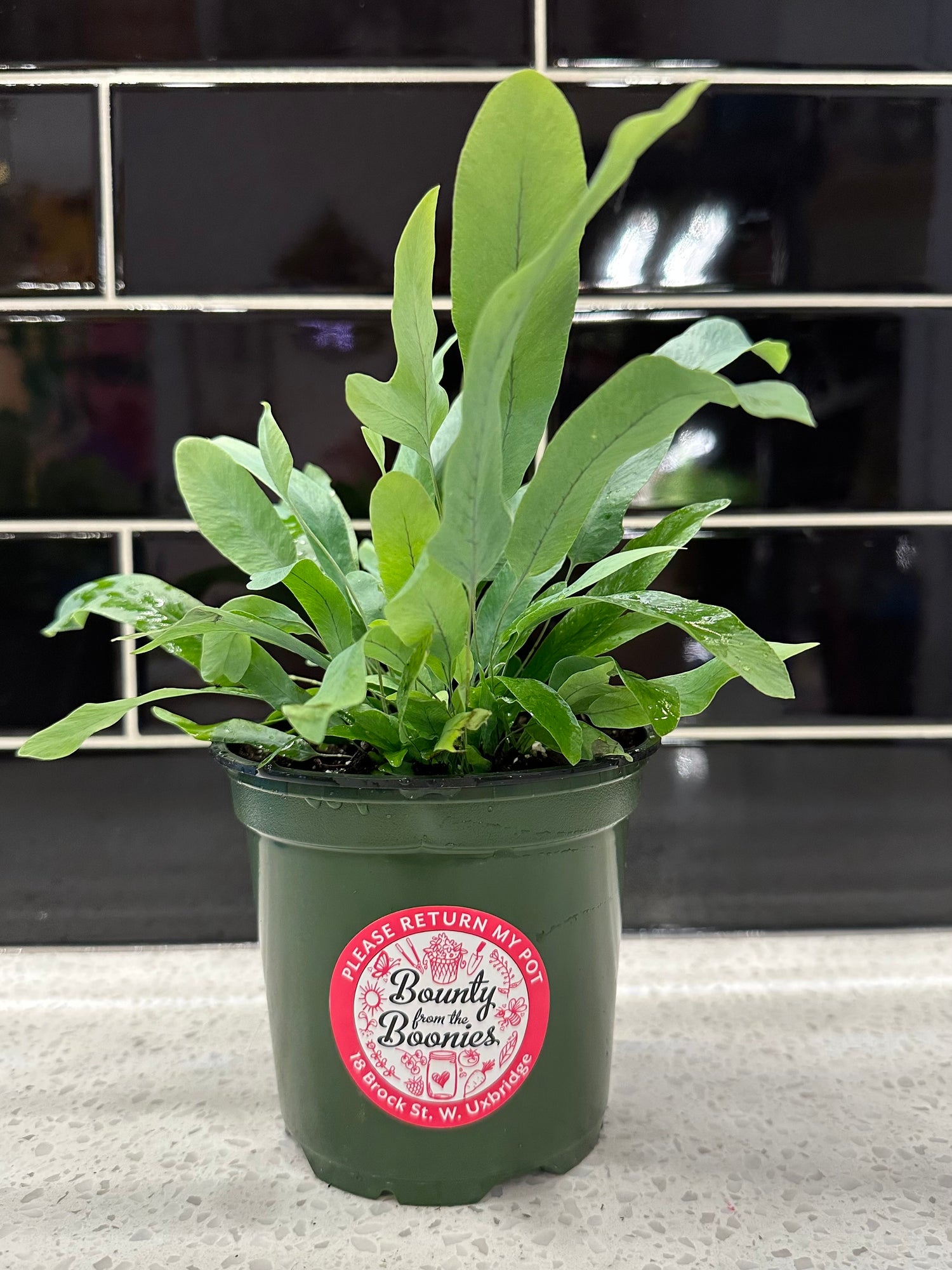
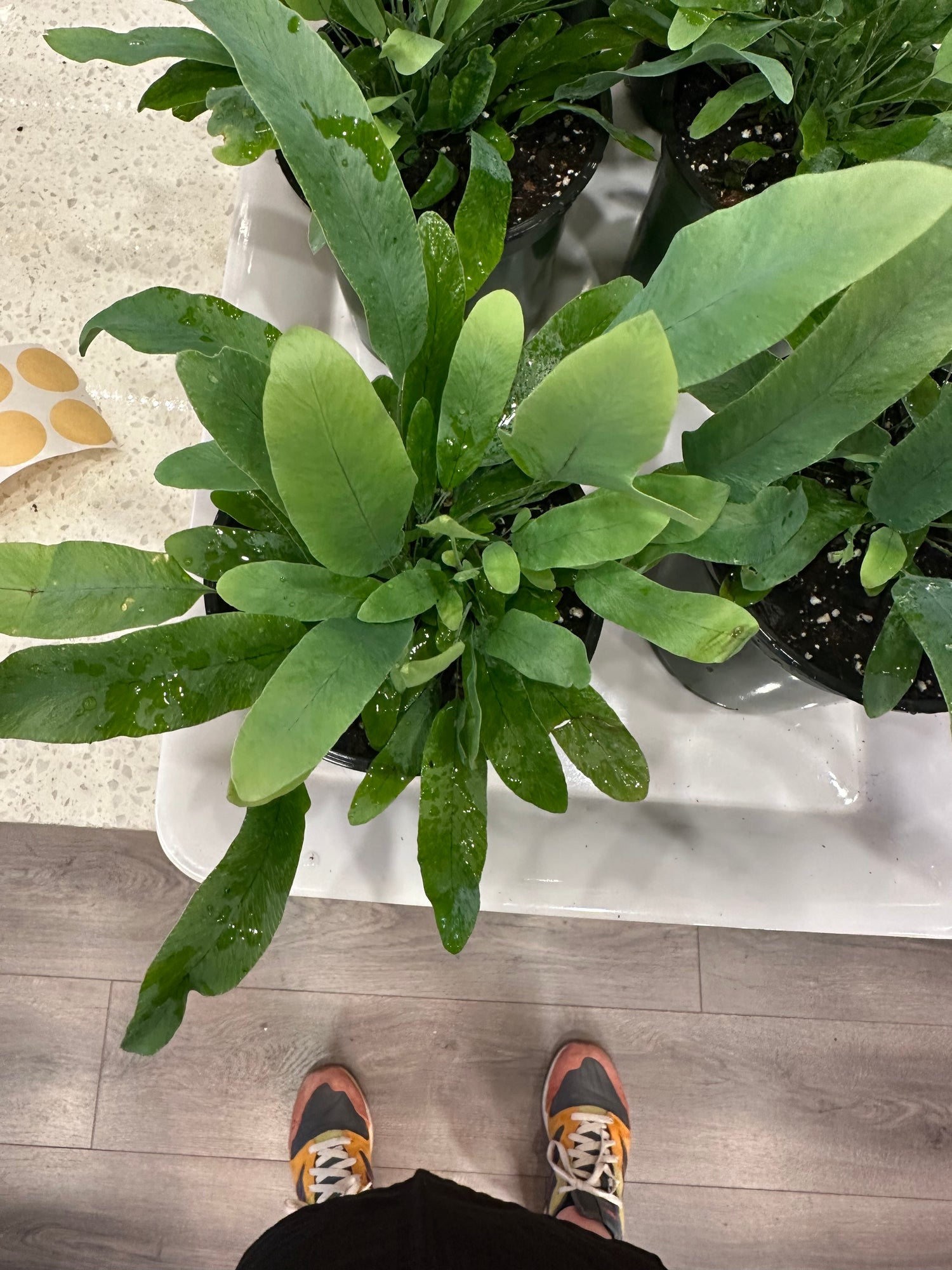
Delicate but hardy. Bring the forest inside with this adorable Blue Star fern. A popular beginner friendly plant known for its attractive blue green leaves. It originates from tropical and sub-tropical regions of the Americas.
Scientific Name: Phlebodium Aureum
Common Name: Blue Star Fern
Light: Bright indirect light
Growth: 2-3 feet indoors over several years
Watering: They need a very deep watering followed by letting them dry out.
Pet Safe: Yes
Care: Easy


The Koi Fin Snake Plant is a striking popular variety of Snake Plant. It originates from Africa, specifically the Congo. With it's fin like leaves and green and yellow variegation resembling the patterns of a Koi Fish. Being a low maintenance plant, this is a popular choice for plant lovers who don't like to fuss.
Scientific Name: Sansevieria
Light: Bright indirect light to low light
Watering: Water sparingly and when the soil is completely dry.
Growth: 2-3 feet indoors
Pet Safe: No
Care: Easy


This unique member of the Snake Plant family looks as dramatic from above as it does straight on. Overlapping leaves are tightly clustered in almost a hurricane-shaped growing pattern. This plant originates from regions in Africa and Asia.
Scientific Name: Dracaena Trifasciata
Common Name: Sansevieria Piano/Snake Plant/Mother-In-Law's Tongue
Light: Low light
Growth: Can grow 3 inches per month
Watering: Allow soil to fully dry out between waterings
Pet Safe: No
Care: Easy


Bright pink and green leaves make this plant the life of the party!
Light: Bright indirect light
Watering: When top soil is dry, ensure good drainage
Pet Safe: Yes
Care: Easy


Gasteria Pillansii is a slow growing South African succulent. It's appearance is unique with its fleshy, strap shaped leaves. It forms dense clumps and is very drought tolerant.
Scientific Name: Gasteria pillansii
Common Name: Cow tongue, Cattle tongue, Lawyer's tongue
Light: Bright, indirect light
Growth: Can grow 8 inches
Watering: Let dry between watering
Pet Safe: Yes
Care: Intermediate


The bird's nest fern is named this way because the centre of the plant resembles a bird's nest. It is also occasionally called a crow's nest fern. The Bird's Nest Fern is Native to the tropical regions of Southeast Asia, Eastern Australia and India.
Scientific Name: Asplenium Nidus
Common Name: Bird's Nest Fern
Light: Bright indirect light
Watering: They need a very deep watering followed by letting them dry out.
Growth: Can grow up to 12 inches
Pet Safe: yes
Care: Easy


This easy care, non-toxic beauty has the best party trick: Its dark green leaves are a deep wine red underneath! Delight in flipping it upside down for a visual shock.
An eye-catching plant with thick, weighty stems that will eventually trail. Looks beautiful in a contrasting white planter.
Scientific Name: Peperomia verticilla
Common Name: Whorled Peperomia, Red Log, Belly Button
Size: 12" indoors
Growth: Trailing stems start upright, then spill over
Watering: Loves humidity + evenly hydrated soil
Pet Safe: Yes
Care: Bright, indirect light. Prune stems to keep bushy
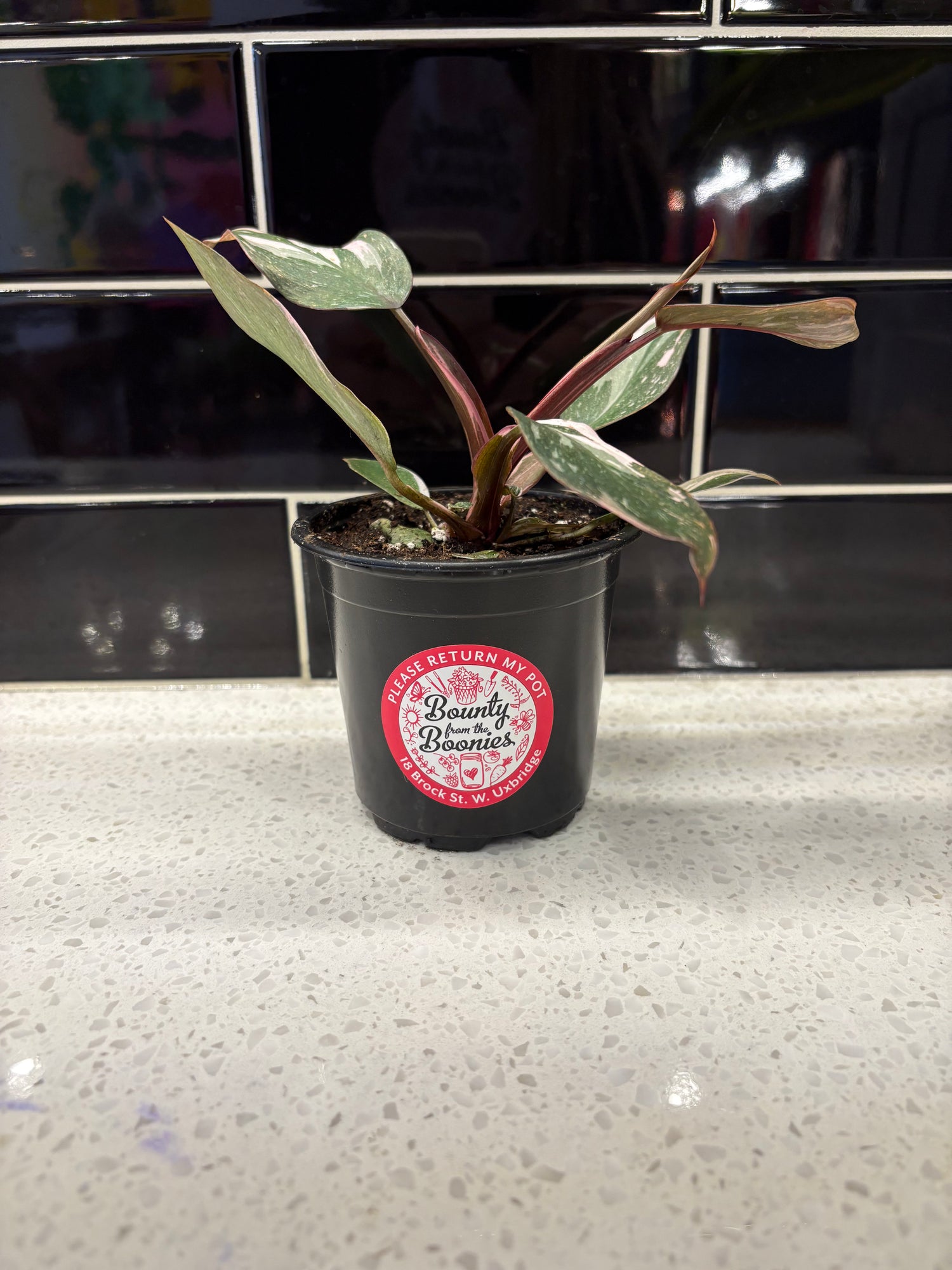
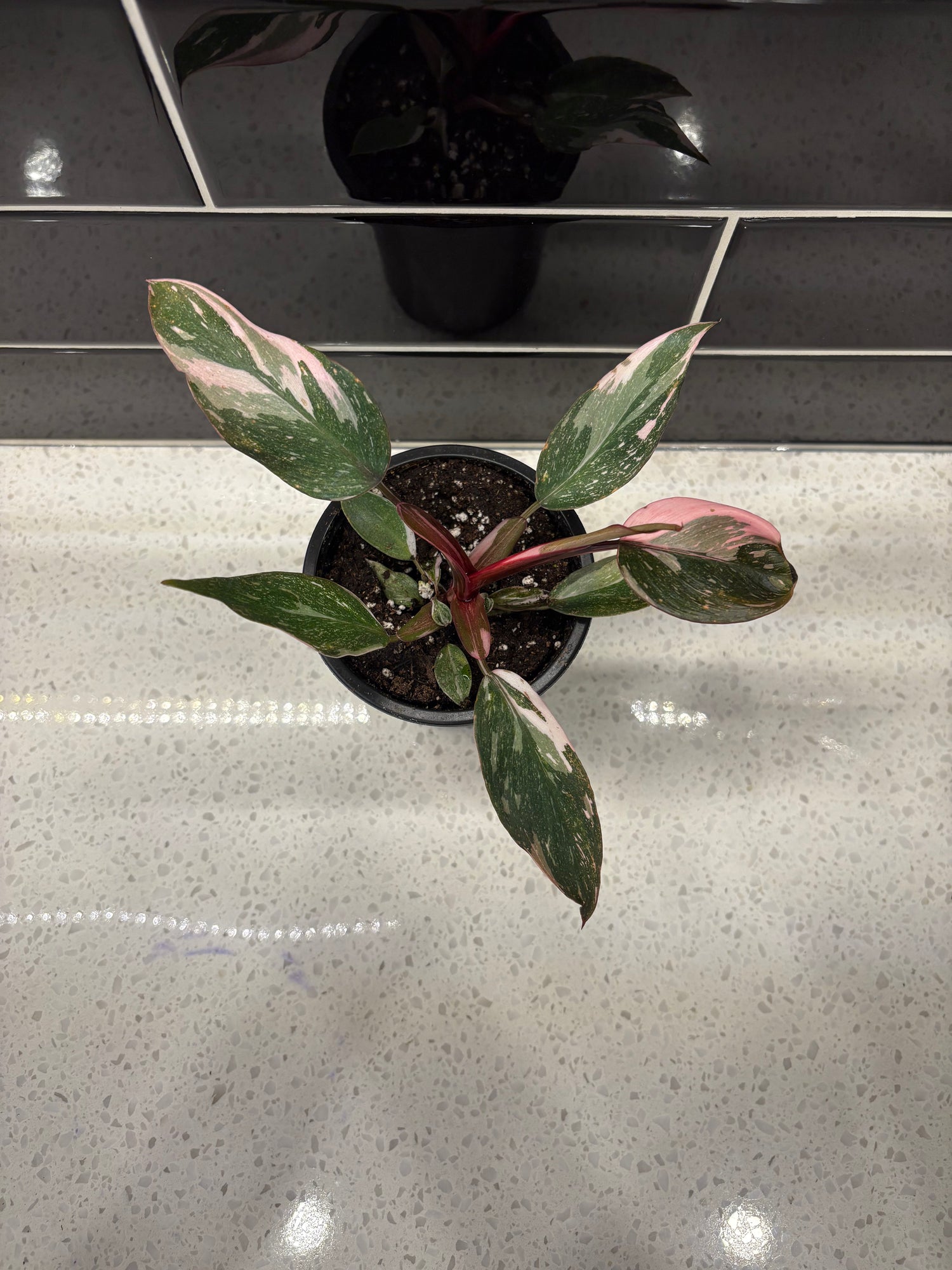
Rare pink variegated leaves make this philodendron variety a prize to be proud of! Originating from Columbia, this plant, in the early 2000's, was a rare and expensive plant often traded in small circles.
Scientific Name: Philodendron erubescens 'pink princess'
Common Name: Philodendron pink princess, blushing philodendron
Light: Direct-bright, indirect light
Growth: 3-4 ft tall, 1-2 ft wide
Watering: Let the top several inches dry between waterings; ensure proper drainage with airy, well-draining soil
Pet Safe: No
Care: Intermediate


The Variegated Peperomia Obtusifolia is a popular, easy care houseplant with glossy, fleshy leaves featuring a marbled pattern of green, cream and yellow. This plant is somewhat drought-tolerant due to its water-storing leaves and stems but is susceptible to overwatering, which can lead to root rot. This plant is native to the tropical regions of Southern Florida and Mexico.
Scientific Name: Peperomia obtusifolia
Common Name: Baby Rubber Plant
Light: Bright, Indirect light
Watering: When the top two inches are dry
Growth: 6-12 inches
Pet Safe: Yes
Care: Easy


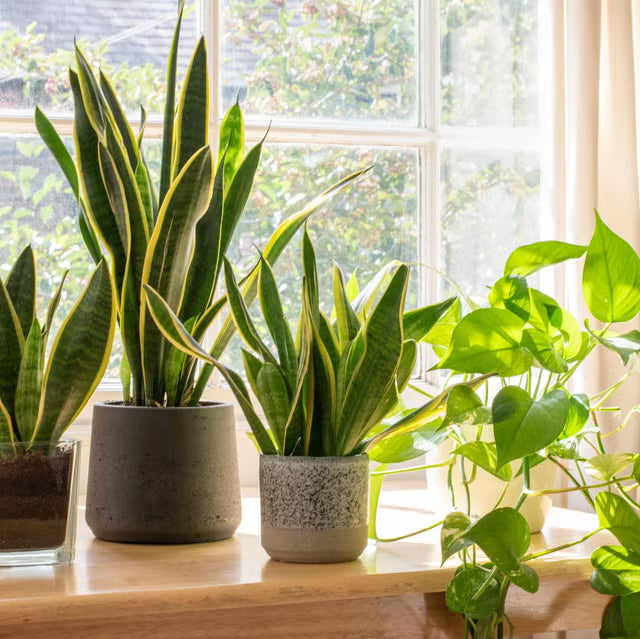
The Snake Plant Laurentii, also referred to as Mother-in-law’s tongue, is a popular, low-maintenance succulent known for its sword-like leaves with dark centres and vibrant yellow edges.
Scientific Name: Sansevieria laurentii
Common Name: Snake Plant
Growth: Can grow to 6 feet tall
Light: Bright indirect light to low light
Watering: Water sparingly
Pet Safe: No
Care: Easy