








Sort by:
715 products
715 products
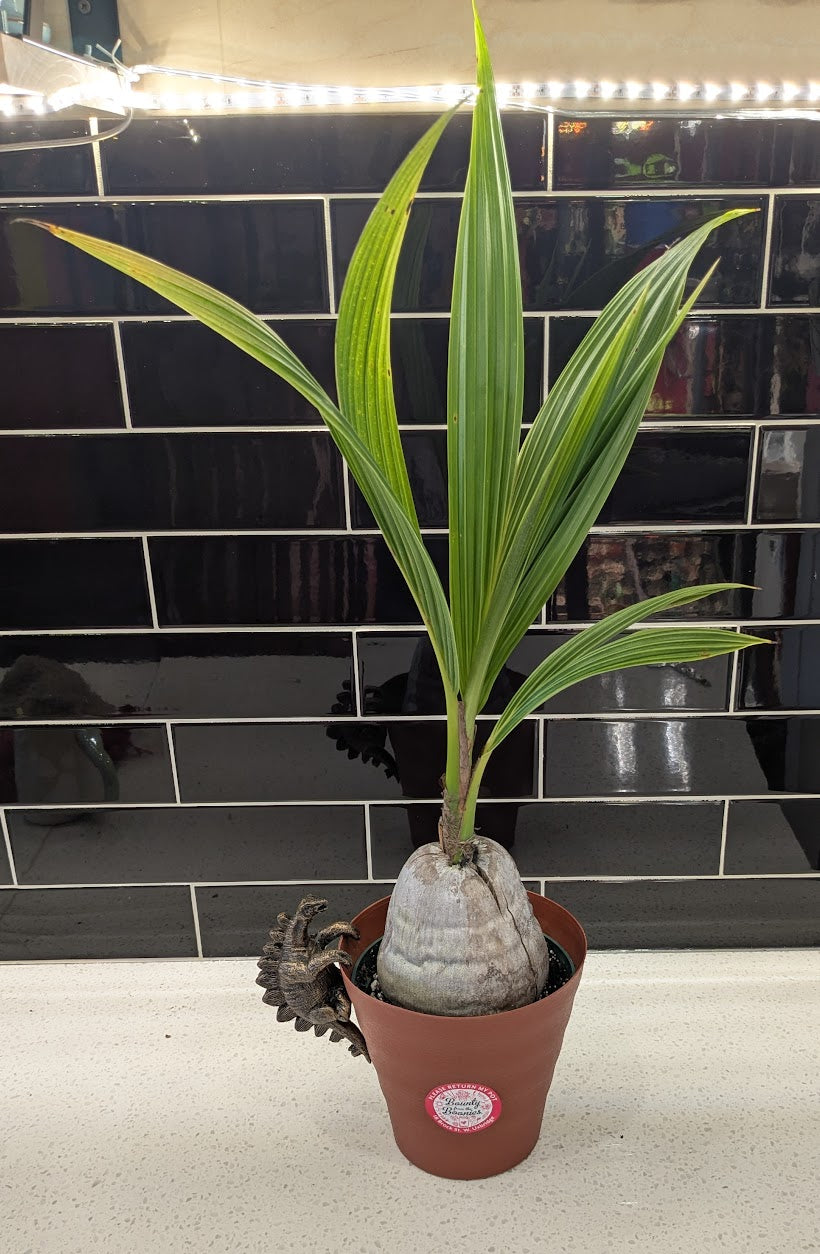
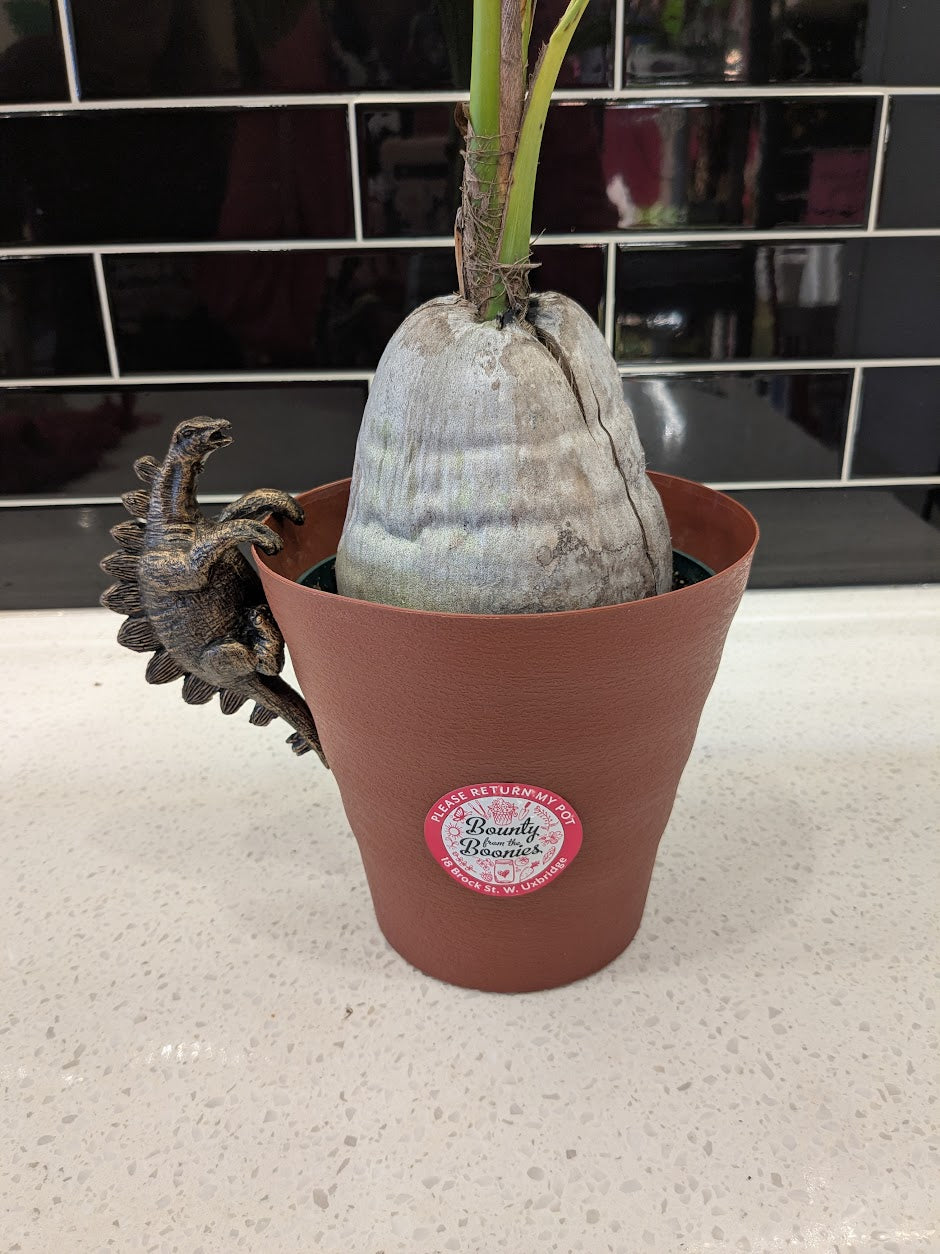
A curious palm sprouting straight from the coconut! This palm, while kept indoors, will not grow into a tall tree. Their growth depends on the size of their pot. Coconut palms that are grown indoors are also not likely not reach a size that allows it to bear fruit. As your palm grows, be sure to up the pot size to give the root system lots of room.
Scientific Name: Cocos Nucifera
Common Name: Coconut Palm
Light: Full sun for as many hours as possible. In the winter months, consider using a grow light to compensate for the shorter days.
Watering: Keep the soil consistently hydrated but not soggy. Fertilize regularly if possible.
Pet safe: Yes
Care: Easy


This beautiful cactus grows incredible bright flowers!
Light: Bright indirect light. Avoid full sun because they will get scorched
Watering: Ideally, you want the top 1/3 of the potting mix to dry out before watering. In winter, reduce watering and move the plant to a cooler location. This will help produce healthy, large flowers the next season.
Pet Safe: Yes, but still recommended to keep out of reach. Ingesting too much can get your pet sick.
Care: Easy

$4 each or 3 for $10 (save $2!)
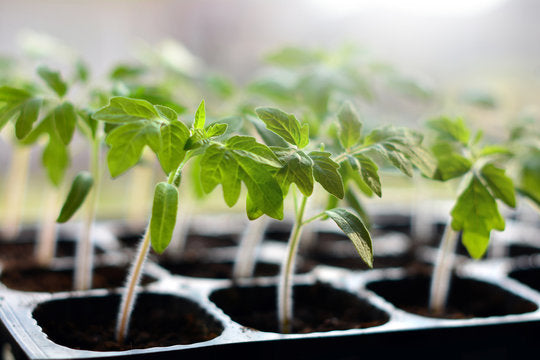
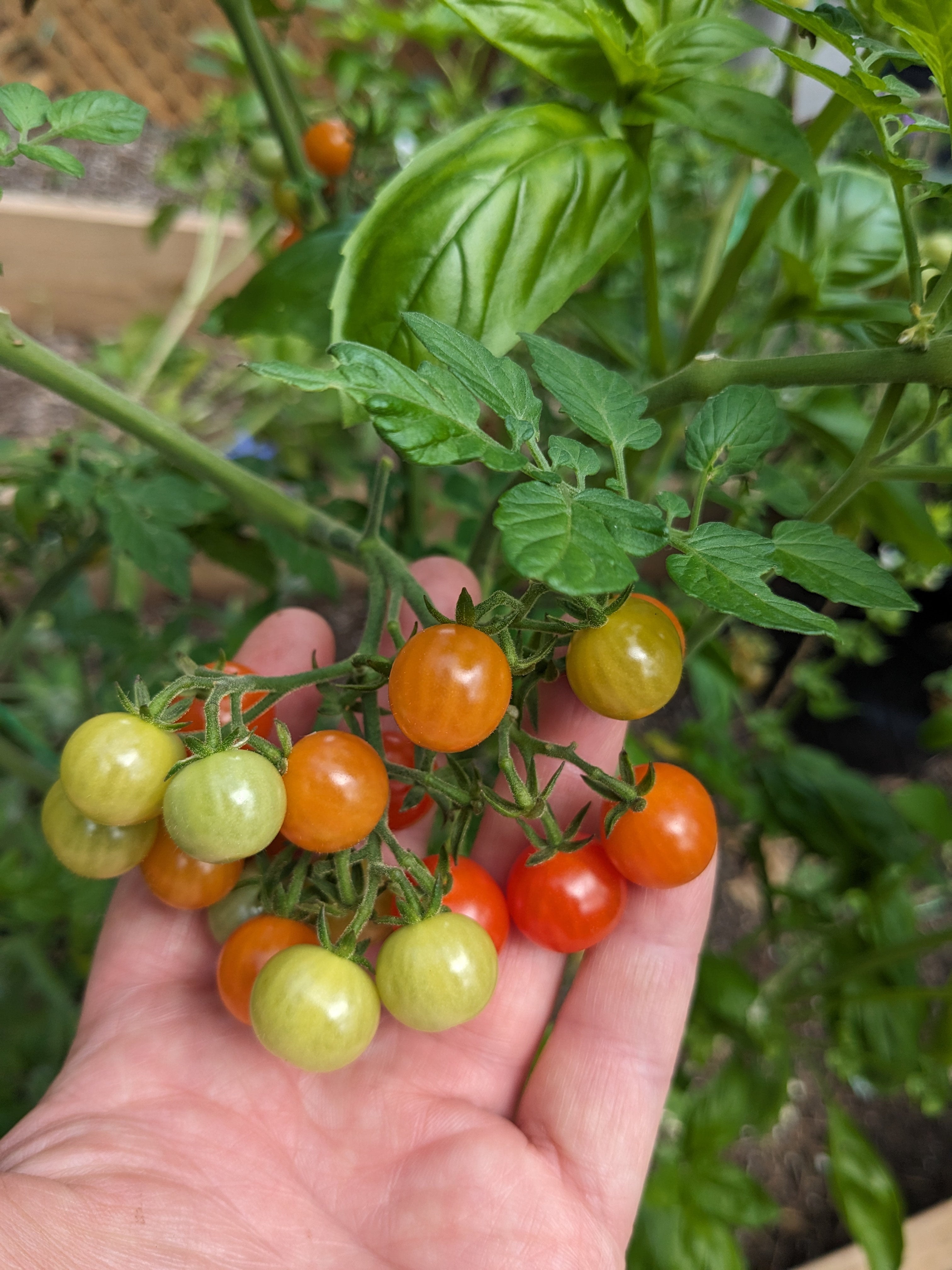
If I could only grow one variety of tomatoes each year, Candyland would be it. These teeny toms literally taste like pops of sugar, and are non-stop, prolific producers. Long after other tomatoes in my gardens are finished, Candyland produce until hard frost kills the plant.
Type: Indeterminate, vining variety. Needs staking. You can read about the difference between Determinate and Indeterminate tomatoes here: Determinate vs. Indeterminate Tomatoes
Height: Indeterminate height
Light: Full sun
Soil: Rich soil. Use good quality compost around plants and mulch well.
Water: Consistently keeping soil moist, but not wet, will results in good growth and happy tomatoes. Inconsistent moisture can lead to "Blossom End Rot". Always water tomatoes at the base of the plant never getting water on the leaves.
Planting:
- Start seeds indoors 6-8 weeks before last frost date. Use a heating mat to aid germination as they love to be warm! If you don't have a heating mat, you can sit the seeds on top of the fridge to get some warmth.
- Harden off* and then transplant to the garden after all frost danger is gone.
- Bury them deep! Plant the whole stem into the ground, not just the roots leaving only a few top leaves showing. The plant will put out roots from the buried stem,
- They make great container plants.
- DO NOT crowd plants. This leads to poor circulation and disease
Harvest: Matures in 55-60 days from transplant. (from the day they are planted outside)
* Hardening off refers to the process of gently and gradually acclimatizing indoor grown seedlings to the great outdoors! Don't throw your new babies straight into the elements! Over the course of a week, take them outside for a few hours at a time, bringing them back indoors afterwards. First sit them in the shade and then slowly introduce them to the sun. Increase the length of time they are outside and are exposed to the sun, until you feel they are ready to face the big outside world!
Other tips:
Pruning out suckers on your plant will help it put more of it's energy into fruit production. Suckers appear between the main stem and the branches and can be easily taken out with your fingers.

$4 each or 3 for $10 (save $2!)
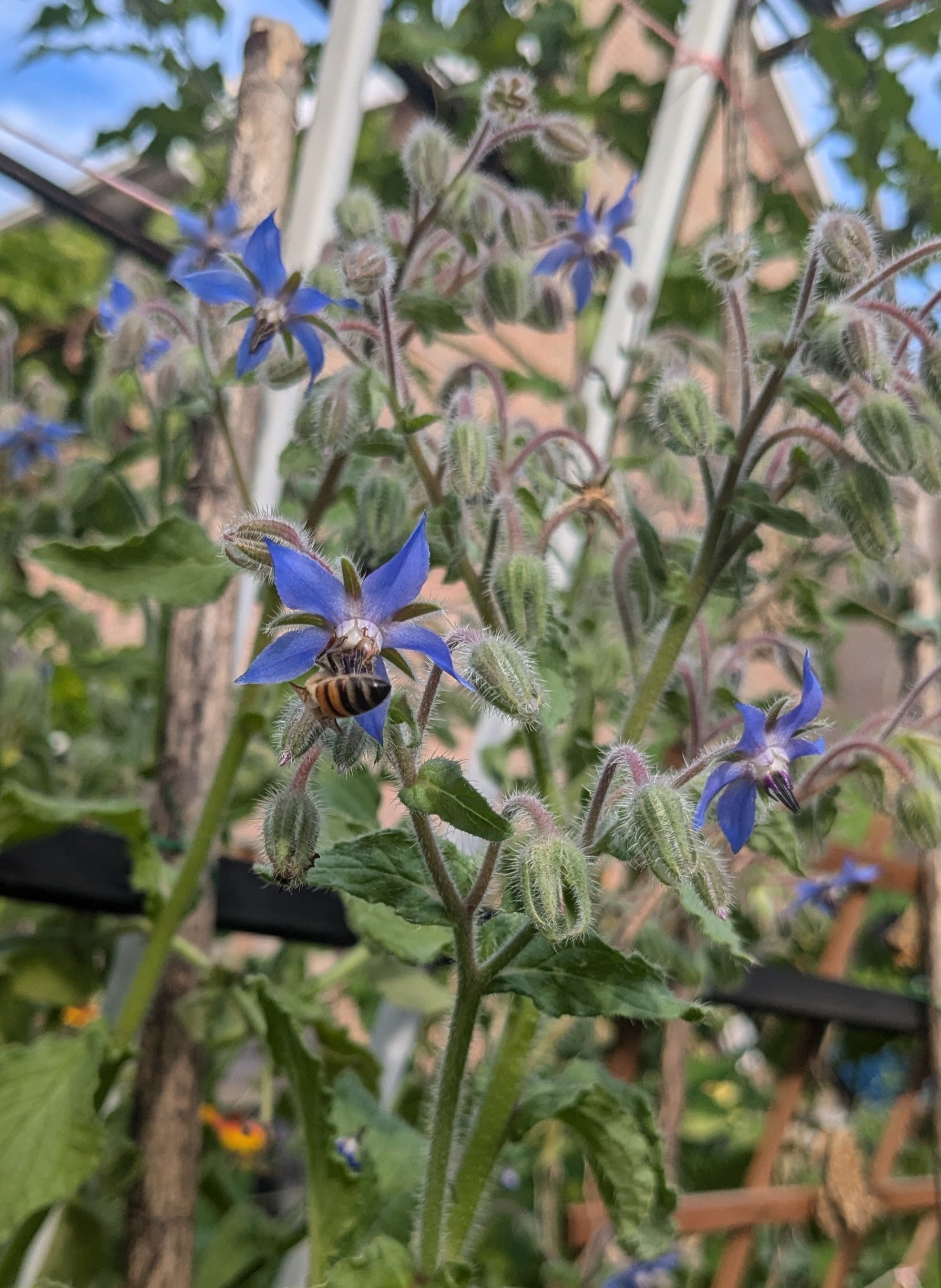
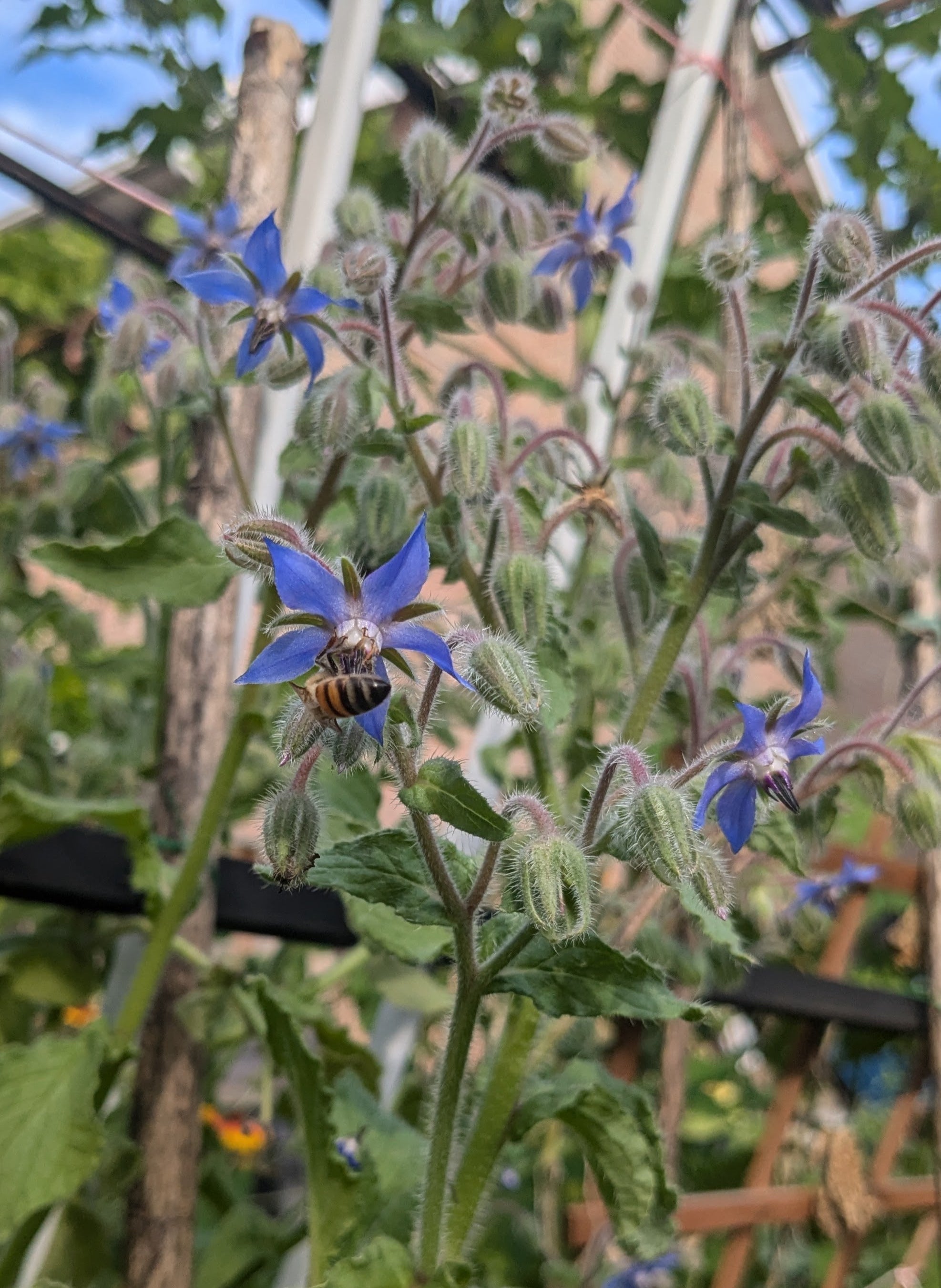
I will never have a food garden without Borage. This stunning herb has unique blue-purple star-shaped flowers that pollinators - especially bumble bees - absolutely crawl over all season long. Every part of this plant is edible! It has a mild, cucumber-like taste that's delicious in salads and beverage garnishes. I dry the flower heads for bath salts, soap making + crafts, and when frozen in ice cubes Borage makes a whimsical addition to drinks.
Type: Annual herb
Height: 2-3'
Light: full sun
Soil: regular garden soil
Water: Keep well watered
Bloom time: Summer
Planting: Direct sow into the garden, pressing seed into the soil and covering to a depth of 1/2"
$4 each or 3 for $10 (save $2!)
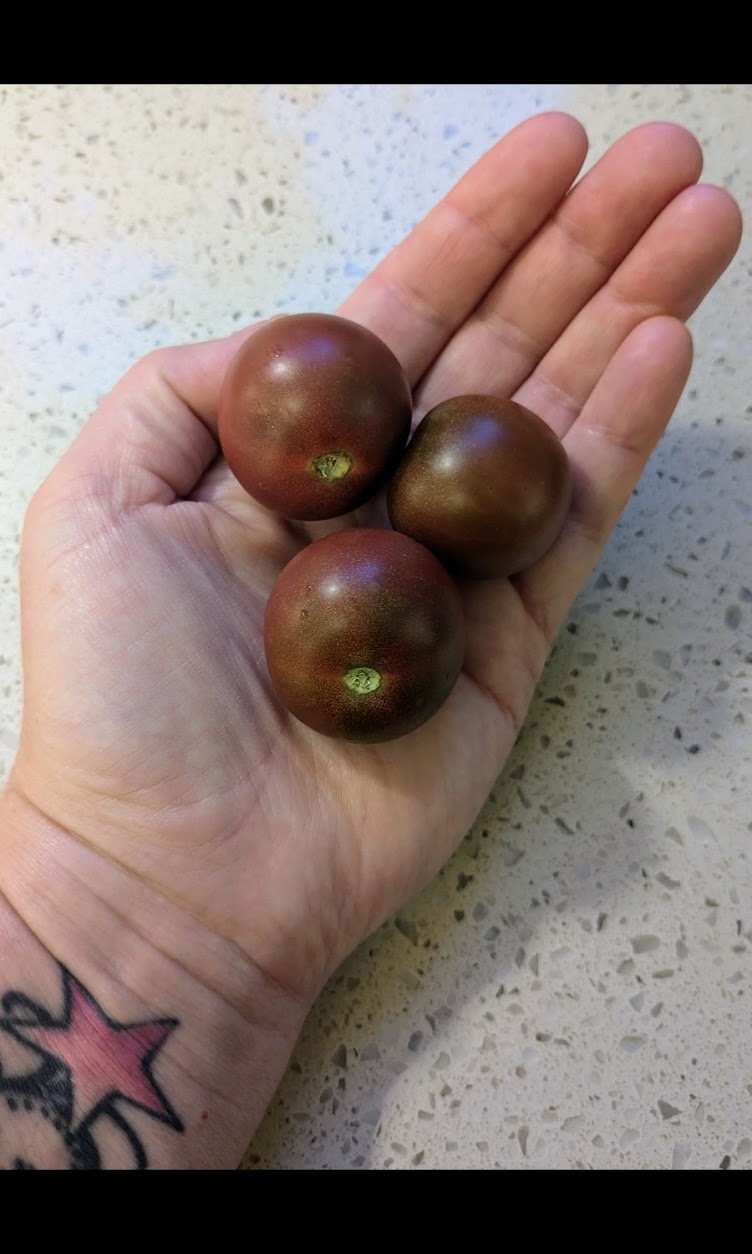
A fantastic Cherry tomato, great for snacking, in salads or bruschetta. Gorgeous deep mahogany colour when ripe.
Type: Indeterminate. Needs staking. You can read about the difference between Determinate and Indeterminate tomatoes here: Determinate vs. Indeterminate Tomatoes
Height: Indeterminate height
Light: Full sun
Soil: Rich soil. Use good quality compost around plants and mulch well.
Water: Consistently keeping soil moist, but not wet, will results in good growth and happy tomatoes. Inconsistent moisture can lead to "Blossom End Rot". Always water tomatoes at the base of the plant never getting water on the leaves.
Planting:
- Start seeds indoors 6-8 weeks before last frost date. Use a heating mat to aid germination as they love to be warm! If you don't have a heating mat, you can sit the seeds on top of the fridge to get some warmth.
- Harden off* and then transplant to the garden after all frost danger is gone.
- Bury them deep! Plant the whole stem into the ground, not just the roots leaving only a few top leaves showing. The plant will put out roots from the buried stem, making your plant grow nice and strong!
- Space plants 60-90 cm, 2-3' apart; space rows 3-4' apart.
- DO NOT crowd plants. This leads to poor circulation and disease
Harvest: 75 days to maturity (from the day they are planted outside)
* Hardening off refers to the process of gently and gradually acclimatizing indoor grown seedlings to the great outdoors! Don't throw your new babies straight into the elements! Over the course of a week, take them outside for a few hours at a time, bringing them back indoors afterwards. First sit them in the shade and then slowly introduce them to the sun. Increase the length of time they are outside and are exposed to the sun, until you feel they are ready to face the big outside world!
Other tips: Pruning out suckers on your plant will help it put more of it's energy into fruit production. Suckers appear between the main stem and the branches and can be easily taken out with your fingers.


$4 each or 3 for $10 (save $2!)
Bronze Fennel is an outstandingly beautiful plant which adds colour and airy texture to the garden and is particularly lovely in the back of a perennial border. And it is edible too!
Type: Perennial herb. Grown for it's licorice tasting leaves and seeds. This is not bulb forming fennel.
Height: 3-4'
Light: Full sun
Soil: Loose, sandy soil
Water: drought tolerant once established
Bloom time: July
Planting: Sow seeds directly into warm soil, pressing in well and cover lightly with soil. Soaking seeds for a day before may help with germination.
Care: Cut back fennel in the spring to encourage bushier growth. Harvest seeds to limit aggressive self sowing.
Wild life support: Host plant for the Black Swallowtail butterfly larvae
$4 each or 3 for $10 (save $2!)
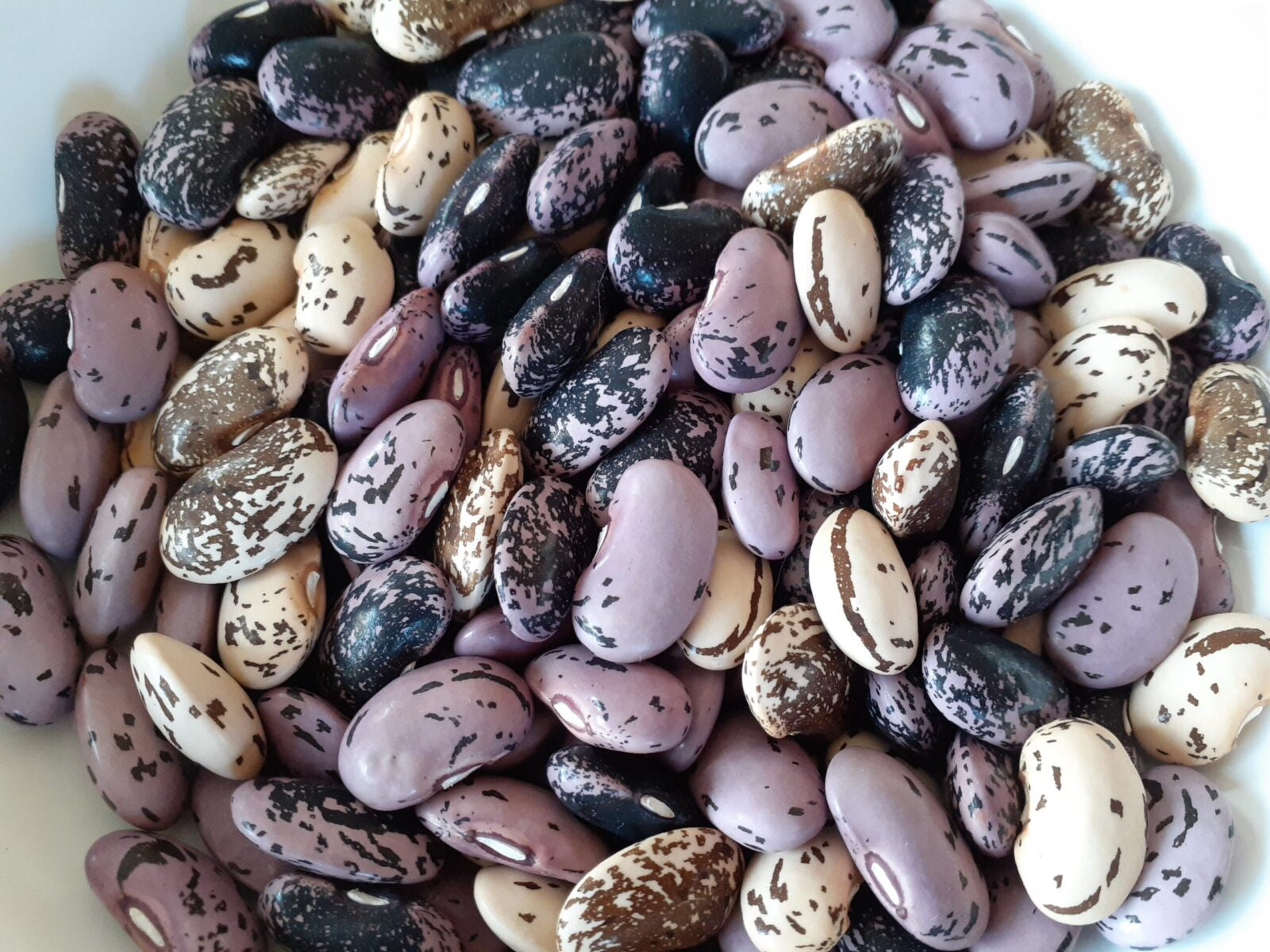
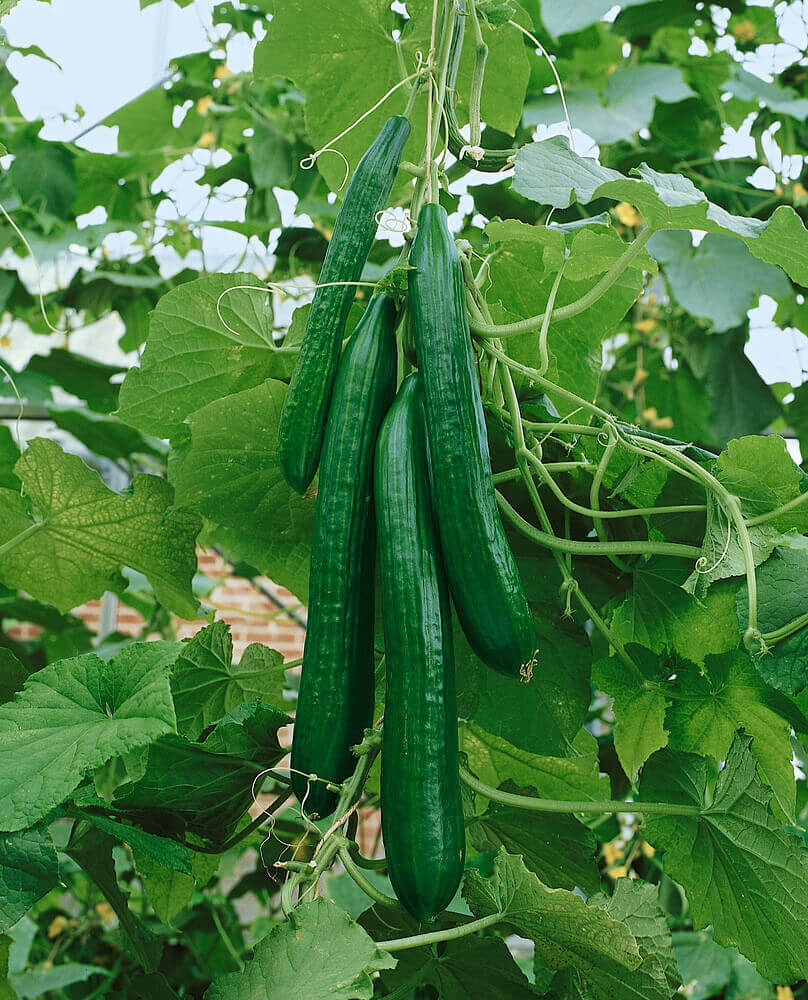
A heirloom variety from the 1800's, fruit is extra long and great for slicing with a nice mild flavour.
Type: Annual vegetable.
Height: Grow as a vine up netting or trellis.
Light: Full sun
Soil: Rich soil. Use good quality compost around plants and mulch well.
Water: Consistently keeping soil moist, but not wet, will results in good growth and happy plants.
Planting: Sow seeds directly outside after the soil is warm and there is no danger of frost. Cooler temperatures will decrease germination. Work in lots of good compost. Create mounds or hills and sow 6 to 8 seeds 2 cm deep in each hill. Thin seedling leaving only 3 or 4 plants per hill. Put trellis in place when planting so vines can grow vertically, ensuring straight fruit. Or can be started indoors 3 weeks before the last frost. Harden off* before planting out.
Harvest: 60 days from planting
* Hardening off refers to the process of gently and gradually acclimatizing indoor grown seedlings to the great outdoors! Don't throw your new babies straight into the elements! Over the course of a week, take them outside for a few hours at a time, bringing them back indoors afterwards. First sit them in the shade and then slowly introduce them to the sun. Increase the length of time they are outside and are exposed to the sun, until you feel they are ready to face the big outside world!
Other tips: Cutting when they are shorter increases yield and offers best flavour.

$4 each or 3 for $10 (save $2!)
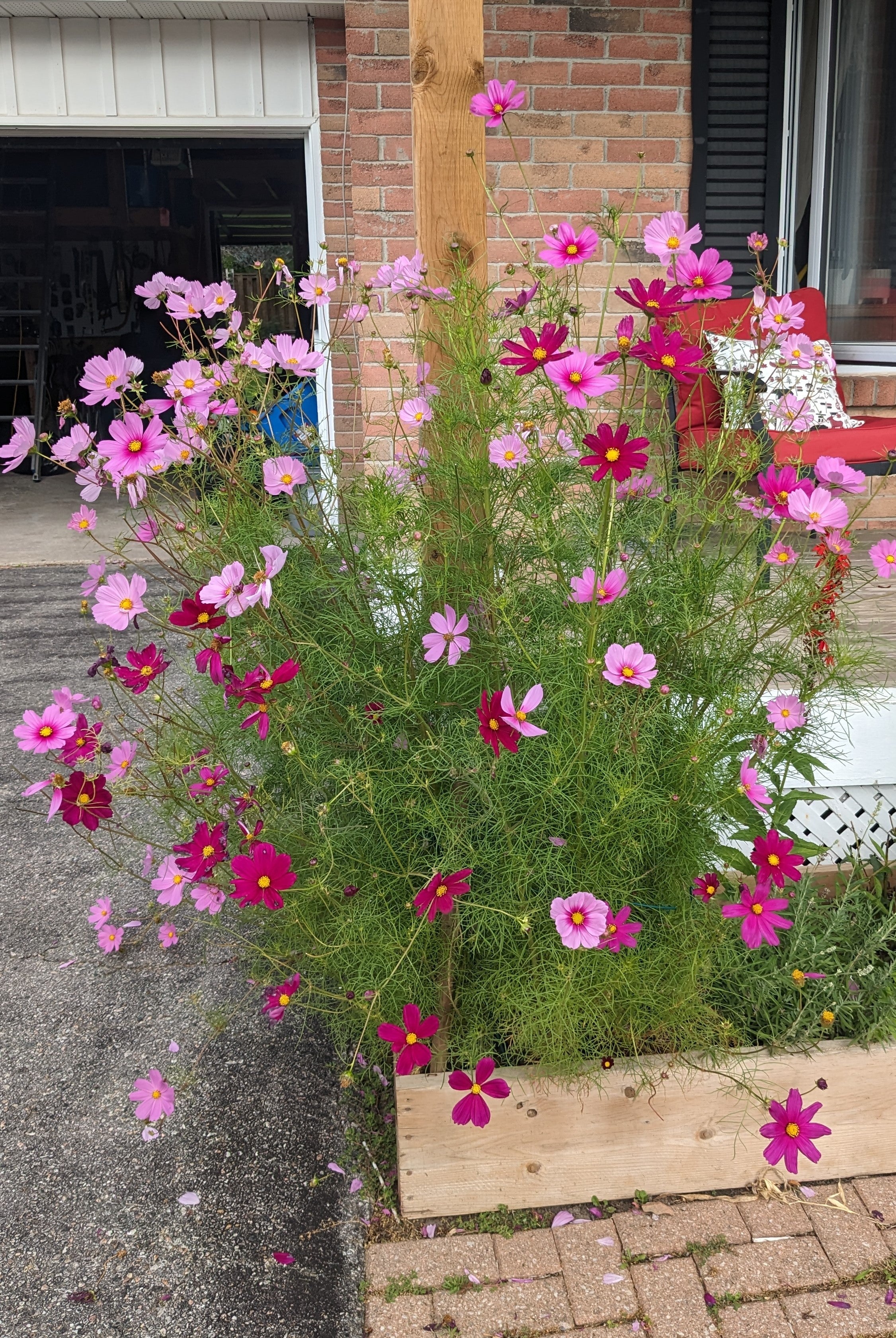
These cosmos are a lovely pure white which shines in the garden, especially at night! They would be a perfect choice for a night or moon themed garden.
Type: annual
Height: 30-183 cm (1-6 ft)
Soil: well drained, drought tolerant. Not too rich or you will only get foliage and no flowers.
Light: full to partial (6+ hours/day)
Planting: direct sow lightly, no more than 1/4” deep, in warm soil after last frost. For earlier blooms, start seeds indoors 4 weeks before last frost, then transplant outside after hardening off. *
Care: low maintenance. Deadhead regularly
Bloom time: early summer - hard frost
Carly’s Tip: Water soil first, let saturate, then plant seeds. This prevent seeds – especially light, delicate ones not deeply sown – from moving/washing away.
*Hardening off refers to the process of gently and gradually acclimatizing indoor grown seedlings to the great outdoors! Don't throw your new babies straight into the elements! Over the course of a week, take them outside for a few hours at a time, bringing them back indoors afterwards. First sit them in the shade and then slowly introduce them to the sun. Increase the length of time they are outside and are exposed to the sun, until you feel they are ready to face the big outside world!

$4 each or 3 for $10 (save $2!)
This is a very old variety which produces excellent fruit for sauce.
Type: Indeterminate. Needs staking. You can read about the difference between Determinate and Indeterminate tomatoes here: Determinate vs. Indeterminate Tomatoes
Height: Indeterminate height
Light: Full sun
Soil: Rich soil. Use good quality compost around plants and mulch well.
Water: Consistently keeping soil moist, but not wet, will results in good growth and happy tomatoes. Inconsistent moisture can lead to "Blossom End Rot". Always water tomatoes at the base of the plant never getting water on the leaves.
Planting:
- Start seeds indoors 6-8 weeks before last frost date. Use a heating mat to aid germination as they love to be warm! If you don't have a heating mat, you can sit the seeds on top of the fridge to get some warmth.
- Harden off* and then transplant to the garden after all frost danger is gone.
- Bury them deep! Plant the whole stem into the ground, not just the roots leaving only a few top leaves showing. The plant will put out roots from the buried stem, making your plant grow nice and strong!
- Space plants 60-90 cm, 2-3' apart; space rows 3-4' apart.
- DO NOT crowd plants. This leads to poor circulation and disease
Harvest: 80 days to maturity (from the day they are planted outside)
* Hardening off refers to the process of gently and gradually acclimatizing indoor grown seedlings to the great outdoors! Don't throw your new babies straight into the elements! Over the course of a week, take them outside for a few hours at a time, bringing them back indoors afterwards. First sit them in the shade and then slowly introduce them to the sun. Increase the length of time they are outside and are exposed to the sun, until you feel they are ready to face the big outside world!
Other tips:
Pruning out suckers on your plant will help it put more of it's energy into fruit production. Suckers appear between the main stem and the branches and can be easily taken out with your fingers.

$4 each or 3 for $10 (save $2!)
A great tasting, beefsteak tomato, great sliced for eating or frying.
Type: Indeterminate variety. Needs staking. You can read about the difference between Determinate and Indeterminate tomatoes here: Determinate vs. Indeterminate Tomatoes
Height: Indeterminate height
Light: Full sun
Soil: Rich soil. Use good quality compost around plants and mulch well.
Water: Consistently keeping soil moist, but not wet, will results in good growth and happy tomatoes. Inconsistent moisture can lead to "Blossom End Rot". Always water tomatoes at the base of the plant never getting water on the leaves.
Planting:
- Start seeds indoors 6-8 weeks before last frost date. Use a heating mat to aid germination as they love to be warm! If you don't have a heating mat, you can sit the seeds on top of the fridge to get some warmth.
- Harden off* and then transplant to the garden after all frost danger is gone.
- Bury them deep! Plant the whole stem into the ground, not just the roots leaving only a few top leaves showing. The plant will put out roots from the buried stem, making your plant grow nice and strong!
- Space plants 60-90 cm, 2-3' apart; space rows 3-4' apart.
- DO NOT crowd plants. This leads to poor circulation and disease
Harvest: 72 days to maturity (from the day they are planted outside)
* Hardening off refers to the process of gently and gradually acclimatizing indoor grown seedlings to the great outdoors! Don't throw your new babies straight into the elements! Over the course of a week, take them outside for a few hours at a time, bringing them back indoors afterwards. First sit them in the shade and then slowly introduce them to the sun. Increase the length of time they are outside and are exposed to the sun, until you feel they are ready to face the big outside world!
Other tips: Pruning out suckers on your plant will help it put more of it's energy into fruit production. Suckers appear between the main stem and the branches and can be easily taken out with your fingers.

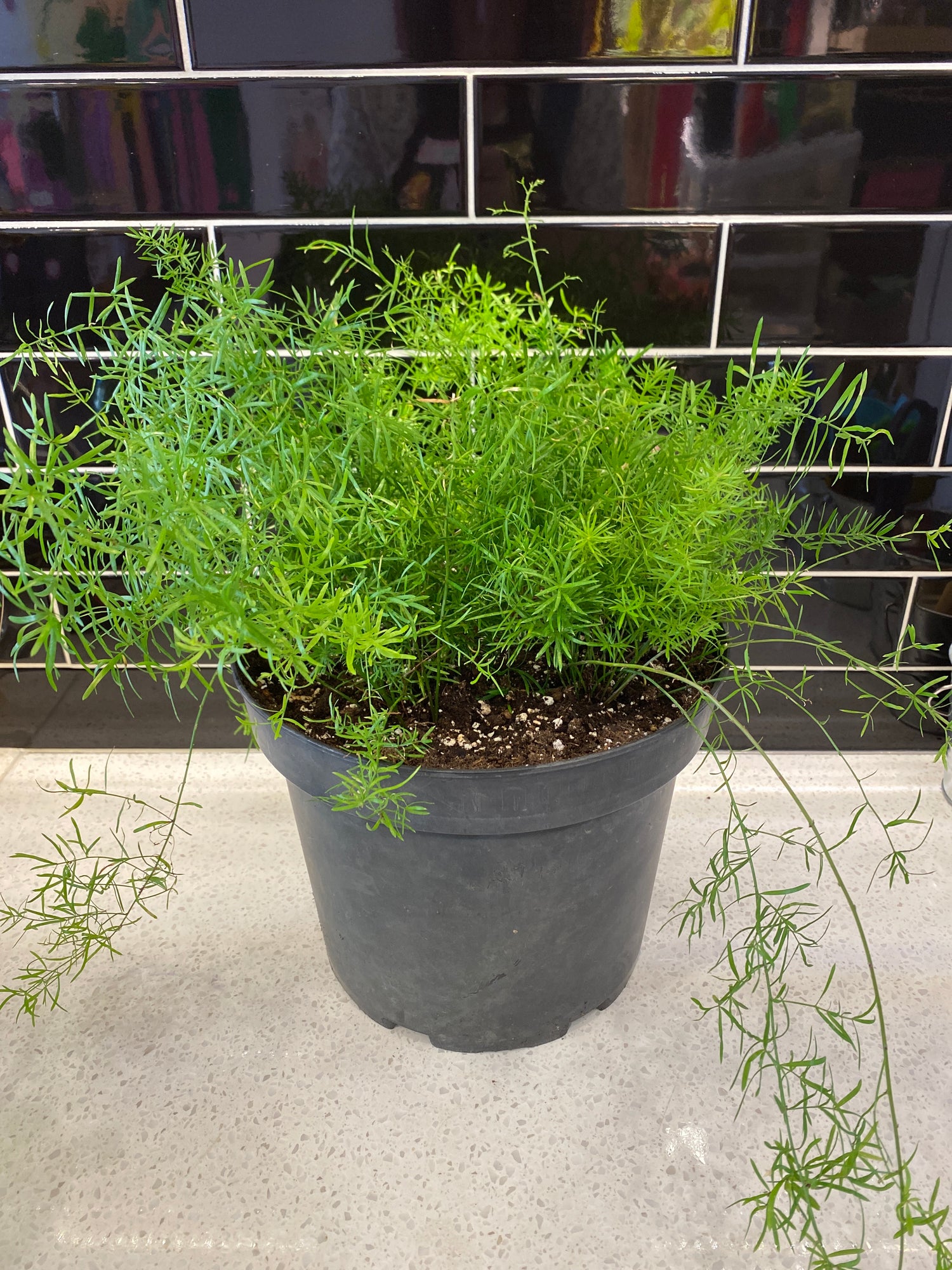
Delicate but hardy. Bring the forest inside with this adorable Asparagus fern. Originating in South Africa, this plant loves to dry out before it's watered again.
Scientific Name: Asparagus setaceus
Common Name: Asparagus Fern, Asparagus grass
Light: Bright, indirect
Growth: Can grow several inches a year in ideal conditions
Watering: They need a very deep watering followed by letting them dry out.
Pet Safe: No
Care: Easy


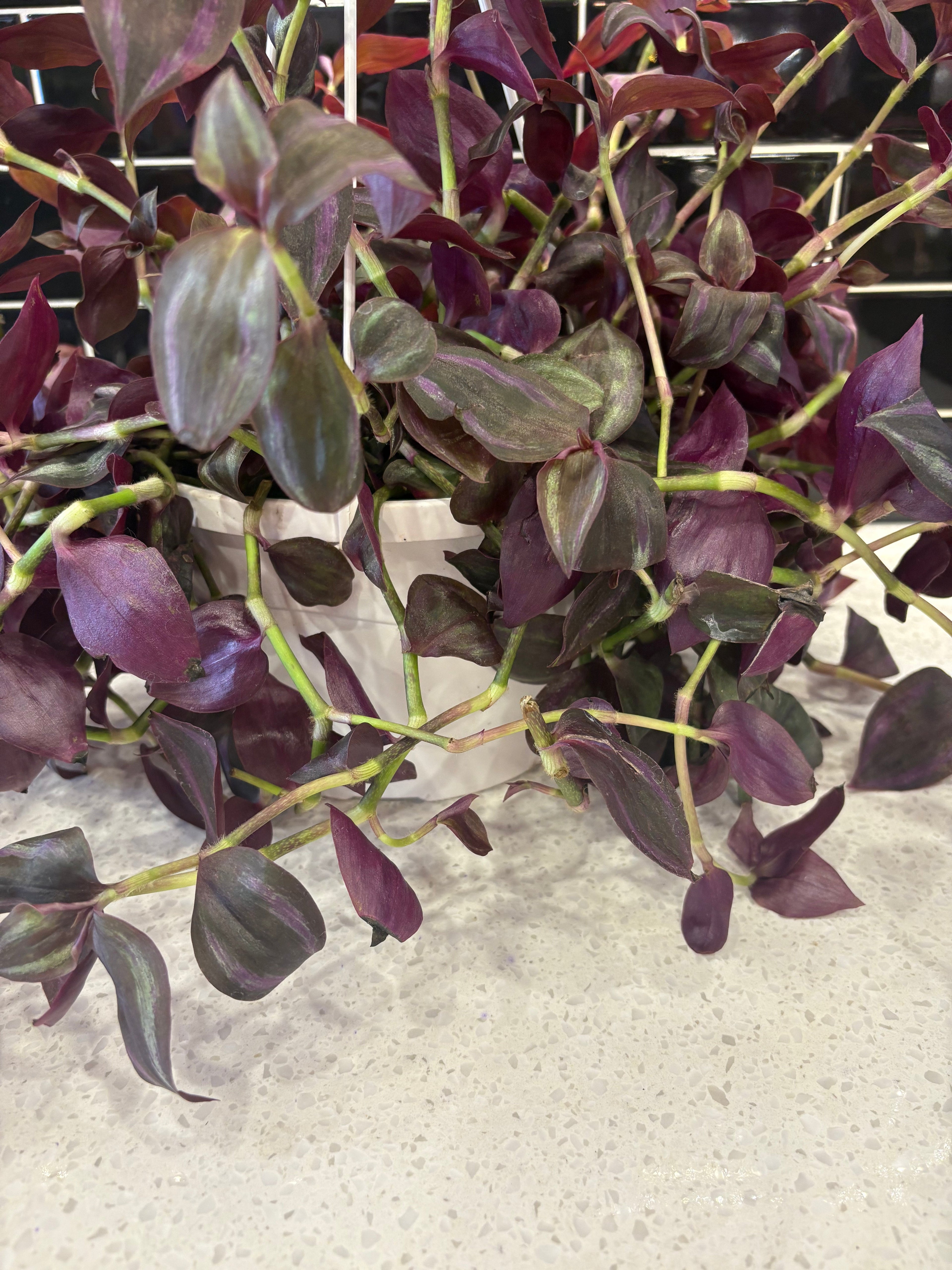
This beautiful Transcantia is notable for its gorgeous white striped leaves and delicate white flowers.


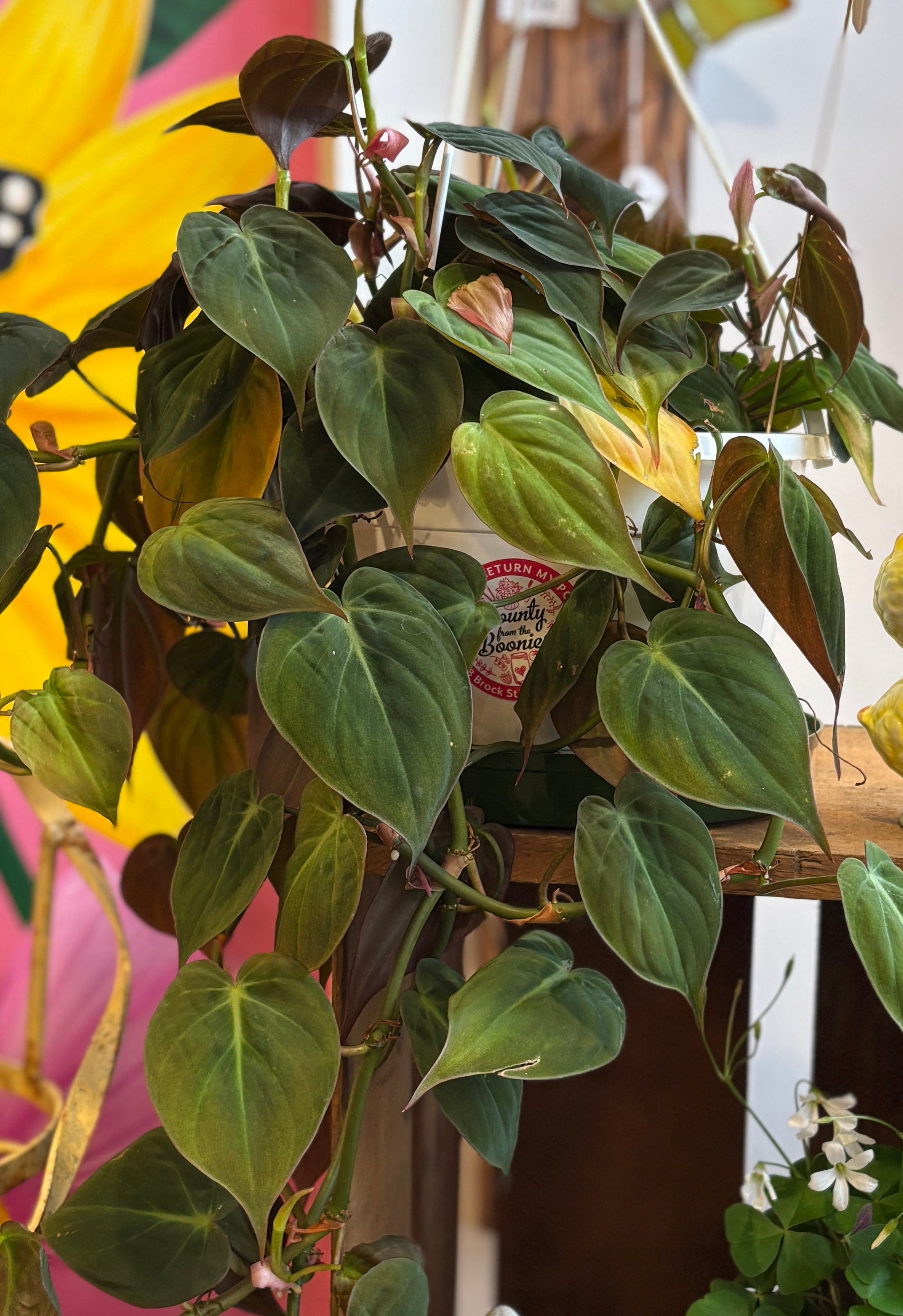
A spunky Philodendron variety, with lightly pink tinted, heart shaped, velvety leaves!
Scientific Name: Philodendron hederaceum
Light: Bright indirect light to medium light
Watering: Keep evenly hydrated, ensure good drainage
Growth: 8" by 24" long
Pet Safe: No
Care: Easy


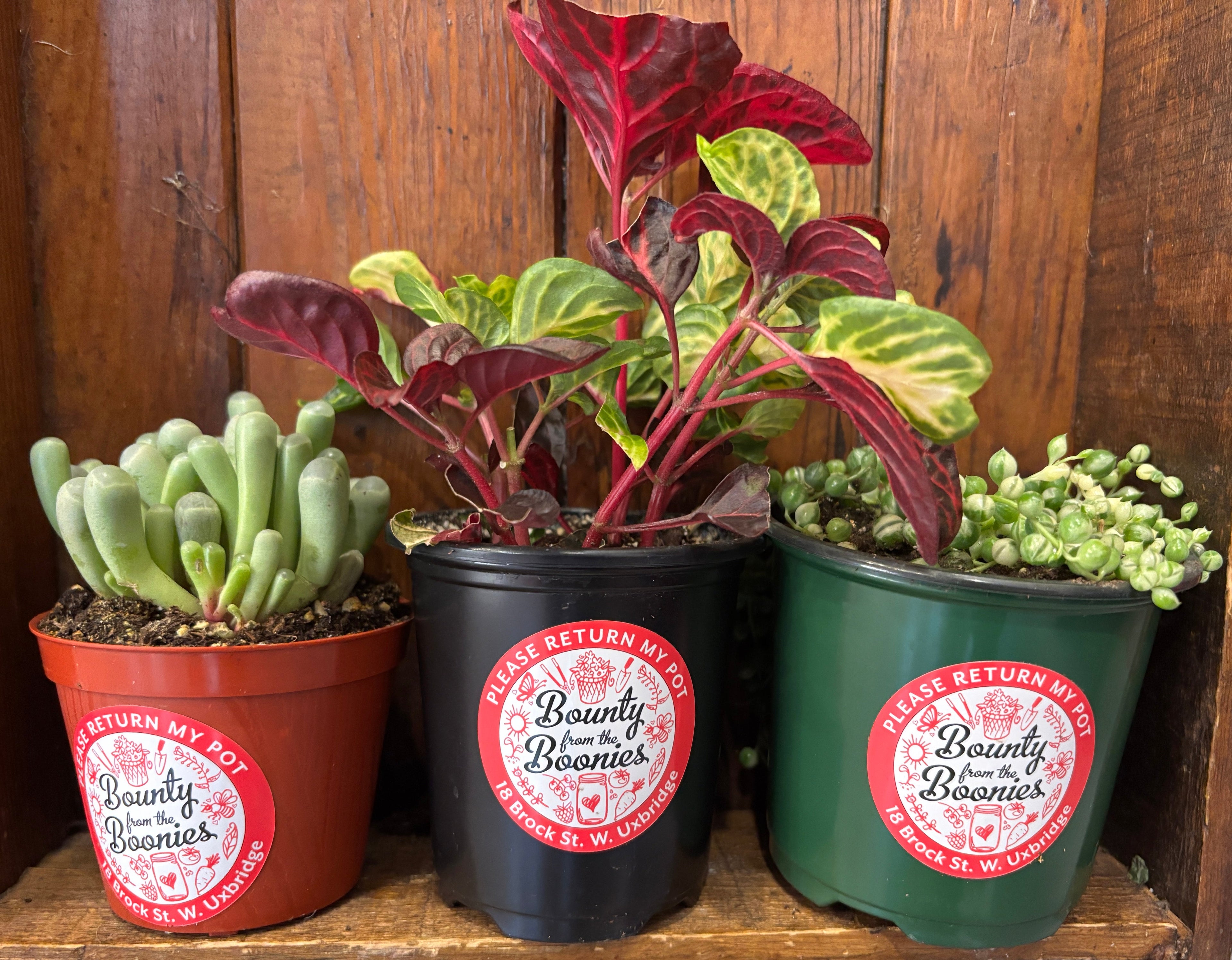
Bloodleaf Herbstii, which means hybrid! This plant is super dramatic, if it needs water it will let you know. It droops over the side of its pot, but do not be alarmed. Give it a good soak and it pop right back up! These guys love high humidity so a bathroom is a great spot for them. It’s hot pink stems and heart shaped, striped leaves turn heads. Fun Fact: they are sometimes used in their native South America as medicine to treat issues like fever or headaches and are even used in salads!
Scientific Name: Iresine Herbstii
Light: Bright indirect light
Watering: Keep evenly hydrated, likes being misted.
Growth: 12 to 18" tall when grown indoors
Pet Safe: Yes
Care: Easy

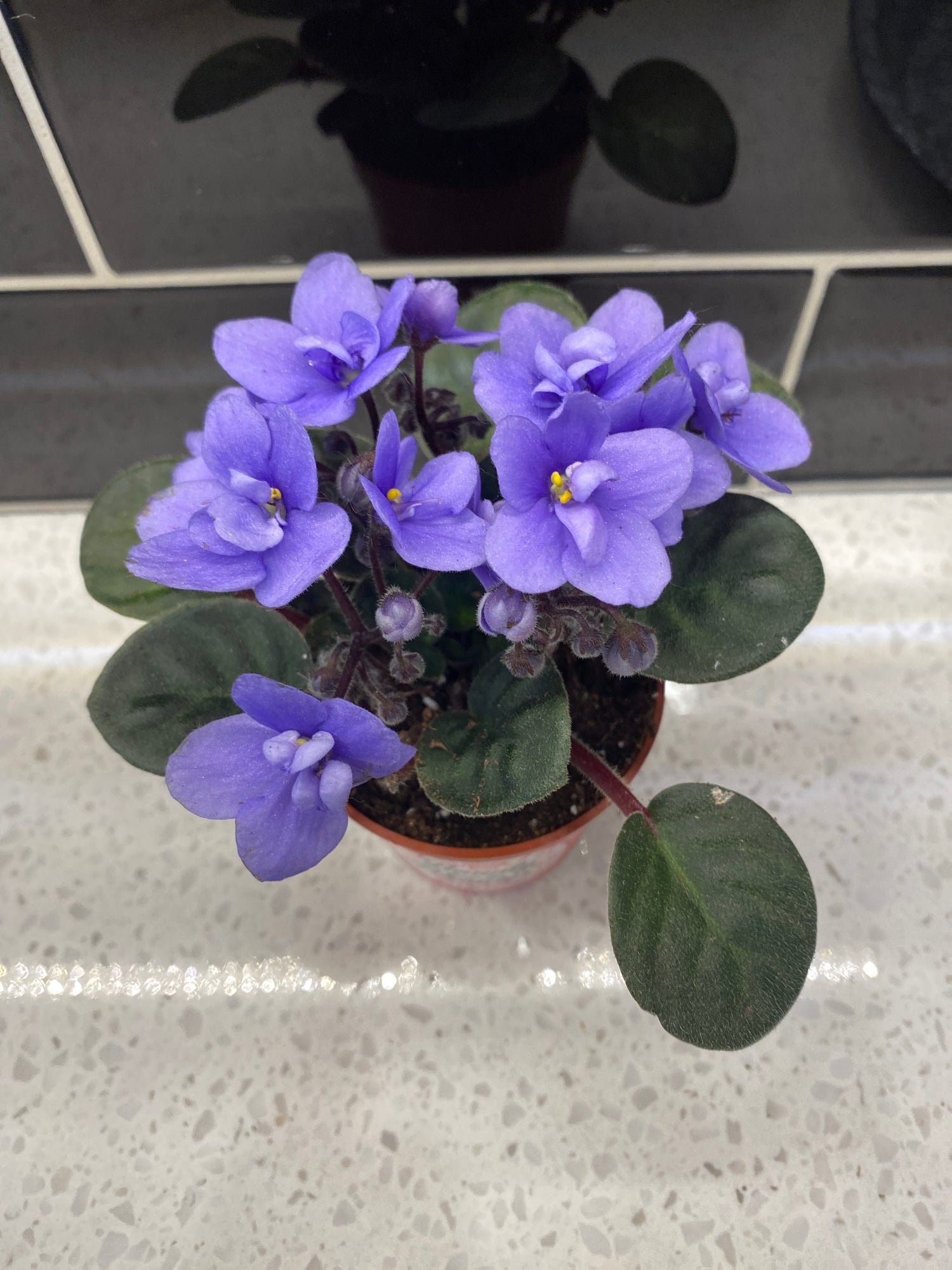
African Violet comes in many different colours. Native to the cloud forests of East Africa. They grow in humid, sheltered, indirect lighting conditions. Often on moss-covered rocks under the shade of tall trees. Keeping the leaves dry while watering is important. If the leaves are wet and the sun shines on the leaves it can cause burn marks on the leaves.
Scientific Name: Saintpaulia Ionantha
Common Name: African Violet
Light: Bright, indirect light
Watering: Water only the soil and not the leaves. Best to bottom water when top inch is dry.
Growth: Up to 8 inches
Pet Safe: Yes
Care: Intermediate


This unique member of the Snake Plant family looks as dramatic from above as it does straight on. Overlapping leaves are tightly clustered in almost a hurricane-shaped growing pattern. This plant originates from regions in Africa and Asia.
Scientific Name: Dracaena Trifasciata
Common Name: Sansevieria Piano/Snake Plant/Mother-In-Law's Tongue
Light: Low light
Growth: Can grow 3 inches per month
Watering: Allow soil to fully dry out between waterings
Pet Safe: No
Care: Easy
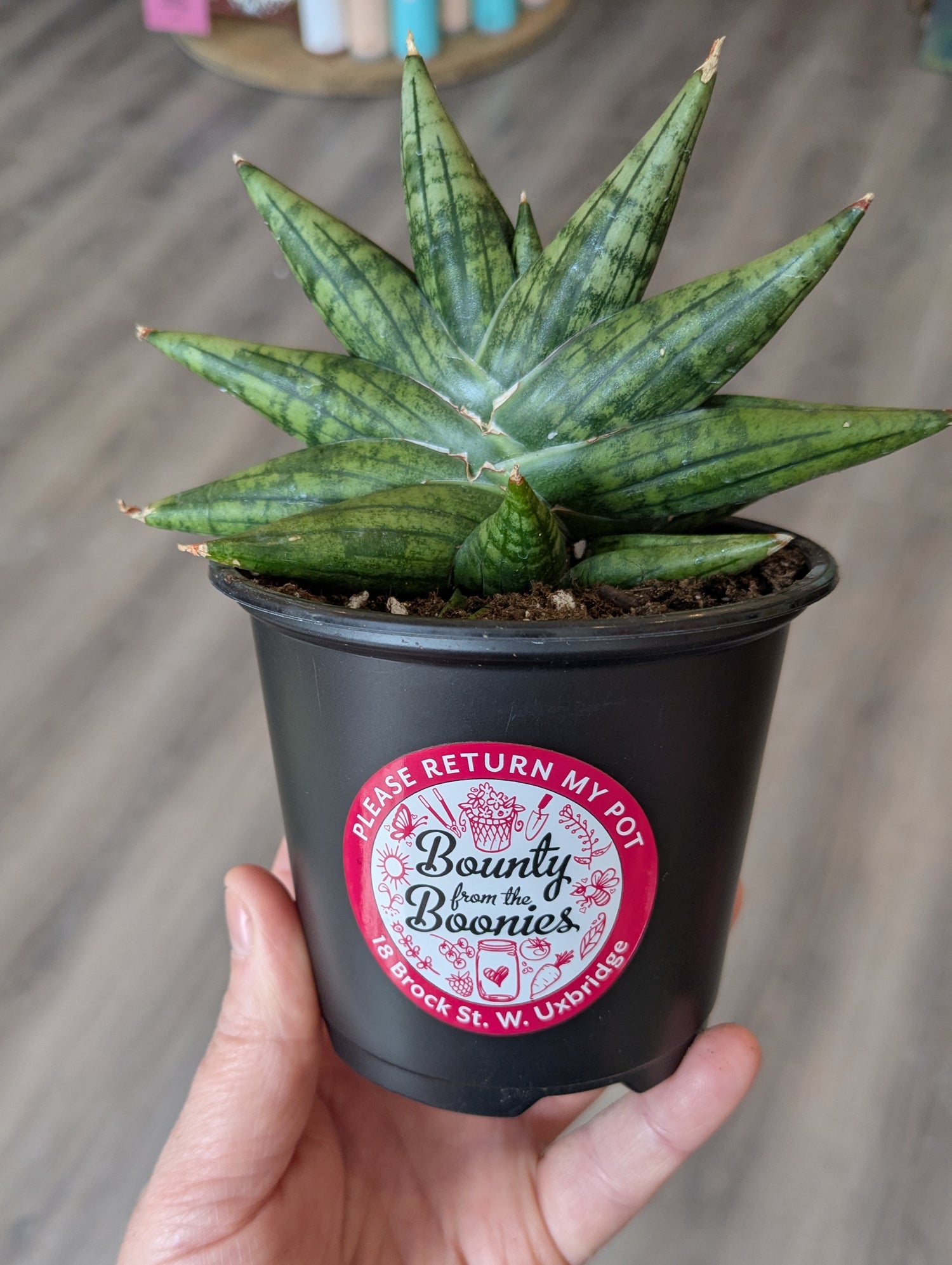
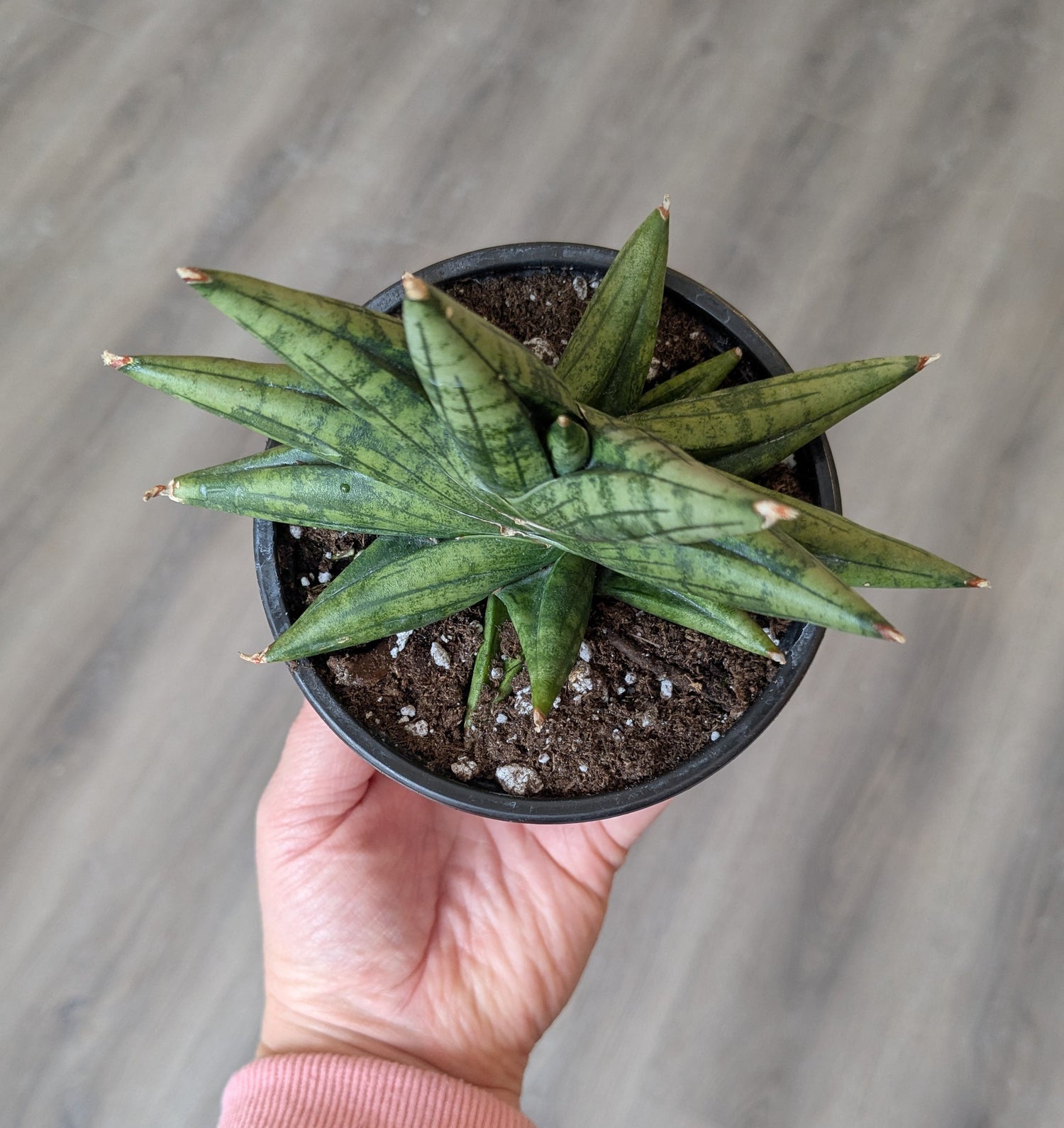
A delightful, spiral-growing low-light plant that adds tons of interest and charm to your snake plant collection. This plant originated from Thailand and is a rare variety of the common Snake Plant. The plant was named "Yaya" after the breeder's beloved pet bird.
Scientific Name: Dracaena Trifasciata
Common Name: Sansevieria Yaya
Light: Tolerates low light conditions, but bright, indirect light will help maintain vibrant foliage and clear marking
Growth: It is a very slow growing plant
Water: Only when completely dry
Pet Safe: No
Care: Easy
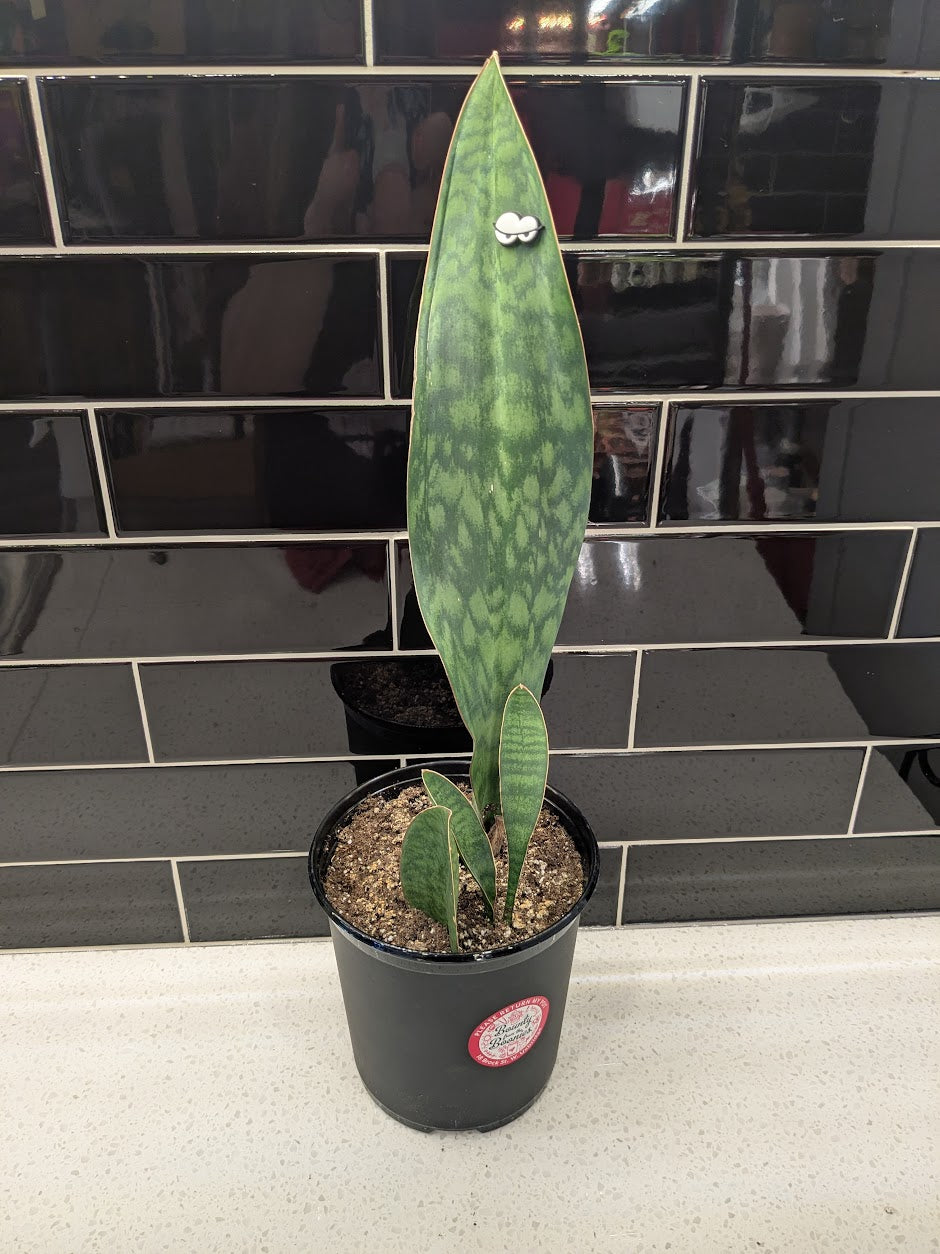
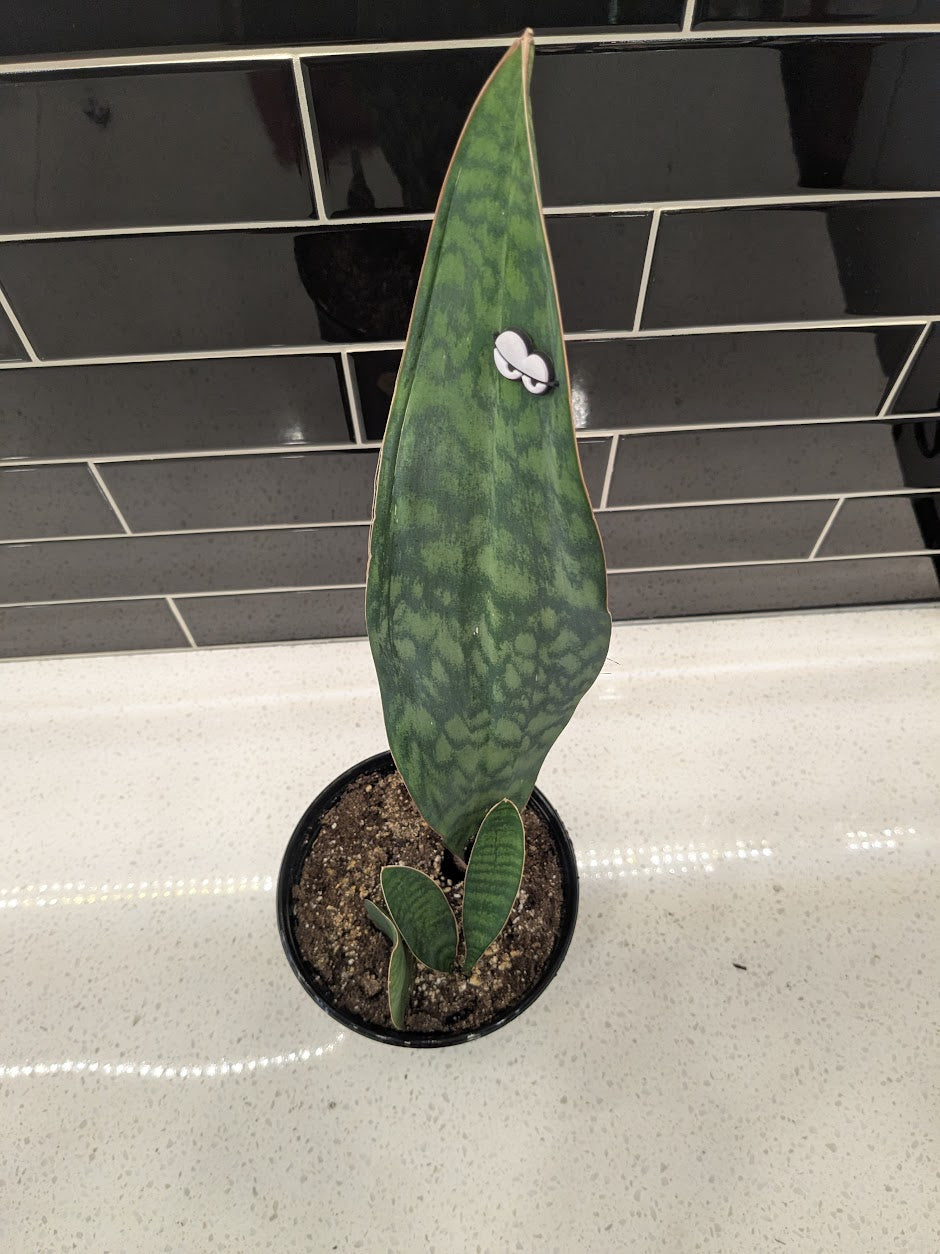
This rare, hard to find snake plant variety is native to the African Congo and has lovely rounded leaves with variegated leaves and white edges. This plant is an excellent air purifier. It removes toxins such as formaldehyde, benzene, and trichloroethylene from the air. This variety is a little more unique than the regular Snake Plant. With it's slow growth and unique paddle like leaves, the Whale Fin Snake Plant is a much sought after plant.
Scientific Name: Sansevieria Masoniana
Common Name: Whale Fin Snake Plant
Light: Low light but will thrive in bright indirect light. No direct sun.
Growth: Can grow to 4 feet tall and 2 feet wide
Water: Allow to completely dry out before watering deeply. Overwatering will kill this plant.
Pet Safe: No
Care: Easy