








Sort by:
357 products
357 products
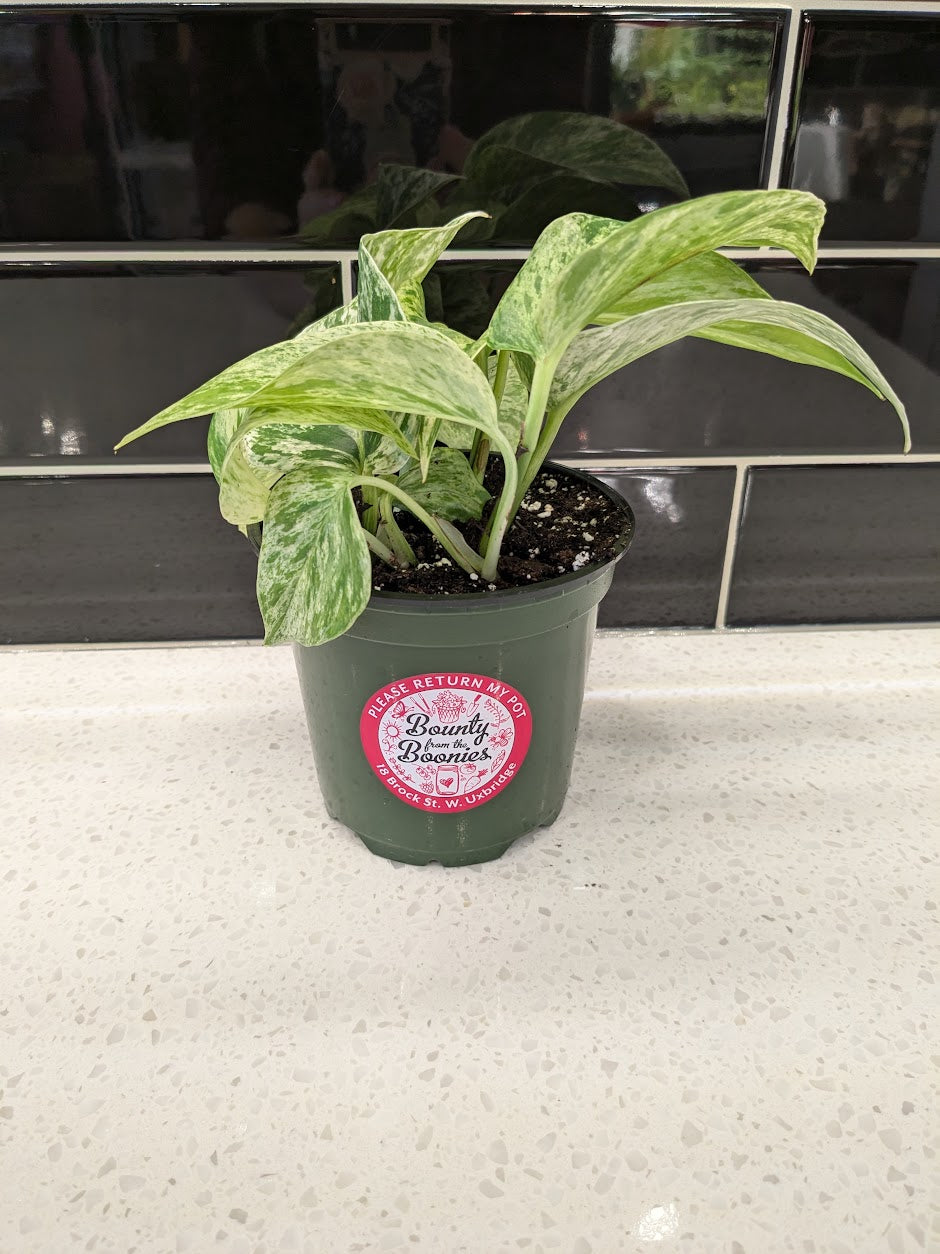
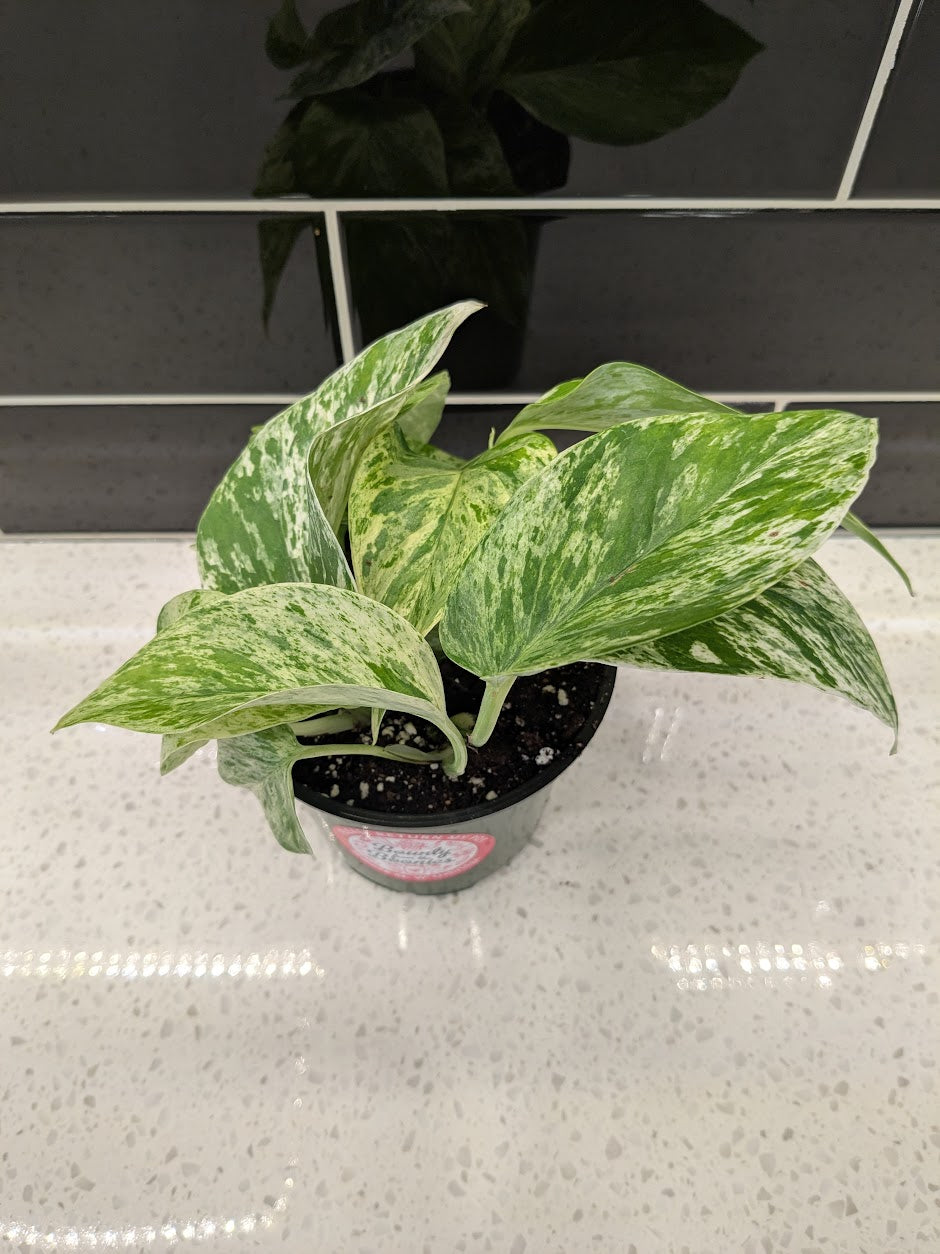
The Marble Pothos is known for its striking green and white variegation. Marble Pothos are great for hanging baskets and it is a remarkable trailing plant. This plant is native to French Polynesia.
Scientific Name: Epipremnum Aureum
Common Name: Marble Queen Pothos
Light: Bright indirect light to low light
Watering: Keep evenly hydrated, ensure good drainage
Growth: In ideal conditions this plant can grow 12-18 inches a year.
Pet Safe: No
Care: Easy


N Joy is a popular, low-maintenance houseplant that is known for its green leaves with creamy white variegation. This will make your space look bright and stylish! It thrives in hanging baskets and originates from Southeast Asian tropical rainforests where it would crawl and vine down the vegetation.
Scientific Name: Epipremnum aureum
Common Name: Pothos ‘N’ Joy
Light: Bright indirect light to low light
Watering: Keep evenly hydrated, ensure good drainage
Growth: In ideal conditions this plant can grow 12-18 inches a year.
Pet Safe: No
Care: Easy


The Neon Pothos is one of the most distinct varieties of this Pothos family. These heart shaped leaves are golden yellow or bright green. When new growth appears, the colour is more vibrant and brighter than the older leaves. Neon Pothos are great for hanging baskets and it is a remarkable trailing plant. This plant is native to French Polynesia.
Scientific Name: Epipremnum Aureum
Common Name: Golden Pothos/ Neon Pothos
Light: Bright indirect light to low light
Watering: Keep evenly hydrated, ensure good drainage
Growth: When mature, the leaves can grow to 3 feet long. The vine itself can grow very long if in the right conditions. If it starts to look "leggy", make sure it's in a bright spot and trim the vine to encourage more growth.
Pet Safe: No
Care: Easy


This plant originates from the tropical rainforests of Southeast Asia. With it's beautiful green, heart-shaped leaves with silver shimmery pattern, this pothos stands out. Their painted looking leaves is why this plant was named "pictus," which is Latin for "painted"!
In its natural habitat, this pothos grows as an epiphyte, climbing tree trunks using aerial roots, or trailing along the forest floor.
Silver Satin Pothos is known for its ability to help purify indoor air by removing common pollutants like formaldehyde and benzene.
Scientific Name: Scindapsus Pictus
Common Name: Silver/Satin Pathos
Light: Medium to bright, Indirect light
Growth: Can grow 4-10 feet long
Water: Let dry out between waterings. Water thoroughly when the top inch or two of soil is dry, allowing excess water to drain away to prevent root rot.
Pet Safe: Mildly toxic. It's best to keep your pets away!
Care: Easy


The Pothos Glacier is a more rare type of Pothos. It is excellent for beginners! It's an easy to care for houseplant that is known for its heart-shaped leaves with green, white and silvery streaks which makes it distinct from its similar types such as N Joy.
Scientific Name: Epipremnum Aureum
Common Name: Pothos Glacier
Light: Bright, indirect light
Watering: Allow soil to dry between waterings. Ensure good drainage
Growth: Can grow 3-6 feet long. If it gets leggy, cut the vine to push more leaf growth. If leggy, this means it needs more light.
Pet Safe: No
Care: Easy


What are Clippings?
Clippings are pieces cut from existing mature plants. They are then placed in water and allowed to build roots. Some grow quickly while others take longer to propagate (grow roots). Once there are several new roots growing and they are at least 1" long it's time to plant. They are great for experimenting, trying new varieties or even adding to aquariums and water features.
Planting
When ready to plant you'll place your clipping in a pot with dirt. You'll want to make sure that the soil stays extra moist for several days to help it acclimatize to its new environment. Congratulations! You have a new plant baby.
Golden Pothos
An easy indoor plant that is perfect for a hanging pot.
Light: Bright indirect light to medium light
Watering: Keep evenly hydrated, ensure good drainage
Pet Safe: No
Care: Easy


What are Clippings?
Clippings are pieces cut from existing mature plants. They are then placed in water and allowed to build roots. Some grow quickly while others take longer to propagate (grow roots). Once there are several new roots growing and they are at least 1" long it's time to plant. They are great for experimenting, trying new varieties or even adding to aquariums and water features.
Planting
When ready to plant you'll place your clipping in a pot with dirt. You'll want to make sure that the soil stays extra moist for several days to help it acclimatize to its new environment. Congratulations! You have a new plant baby.
Pothos Silver Satin
This plant originates from the tropical rainforests of Southeast Asia. With it's beautiful green, heart-shaped leaves with silver shimmery pattern, this pothos stands out. Their painted looking leaves is why this plant was named "pictus," which is Latin for "painted"!
In its natural habitat, this pothos grows as an epiphyte, climbing tree trunks using aerial roots, or trailing along the forest floor.
Silver Satin Pothos is known for its ability to help purify indoor air by removing common pollutants like formaldehyde and benzene.
Scientific Name: Scindapsus Pictus
Common Name: Silver/Satin Pathos
Light: Medium to bright, Indirect light
Growth: Can grow 4-10 feet long
Water: Let dry out between waterings. Water thoroughly when the top inch or two of soil is dry, allowing excess water to drain away to prevent root rot.
Pet Safe: Mildly toxic. It's best to keep your pets away!
Care: Easy


A stunning and highly sought after Pothos! As the plant matures and climbs, the leaves will start to get larger and will eventually form fenestrations similar to Monsteras. Provide a moss pole for climbing to bring out this unique leaf characteristic.
Light: Bright indirect light will help the plant keep it's white variegation
Watering: Keep evenly hydrated, ensure good drainage
Growth: Pothos can get quite tall, however it is easily pruned to keep it a manageable size. If it starts to look "leggy", make sure it's in a bright spot and trim the vine to encourage more growth.
Pet Safe: No
Care: Easy


Cute mini owl pots with a variety of succulents!
Light: Bright, Indirect
Watering: Water only when soil is completely dry. Then soak the soil right through. Always in a good draining pot.
Growth: 1-2 inches a year depending on the variety
Pet Safe: No
Care: Easy


The Perfect Mother’s Day Gift!
This little succulent is feeling rather elegant in her new teacup and saucer home.


The Rabbit's Foot Fern originates from the tropical and subtropical regions of the Fiji Islands. There it grows as an epiphyte (on trees) or lithophyte (on rocks). The way it creeps over surfaces with its furry looking rhizomes, it resembles a rabbit's foot!
Scientific Name: Davallia fejeensis
Common Name: Rabbit's Foot Fern
Light: Bright, indirect light
Watering: Keep consistently hydrated but not soggy. Let the top two inches dry out before watering again.
Growth: Slow growing
Pet Safe: Yes
Care: Intermediate

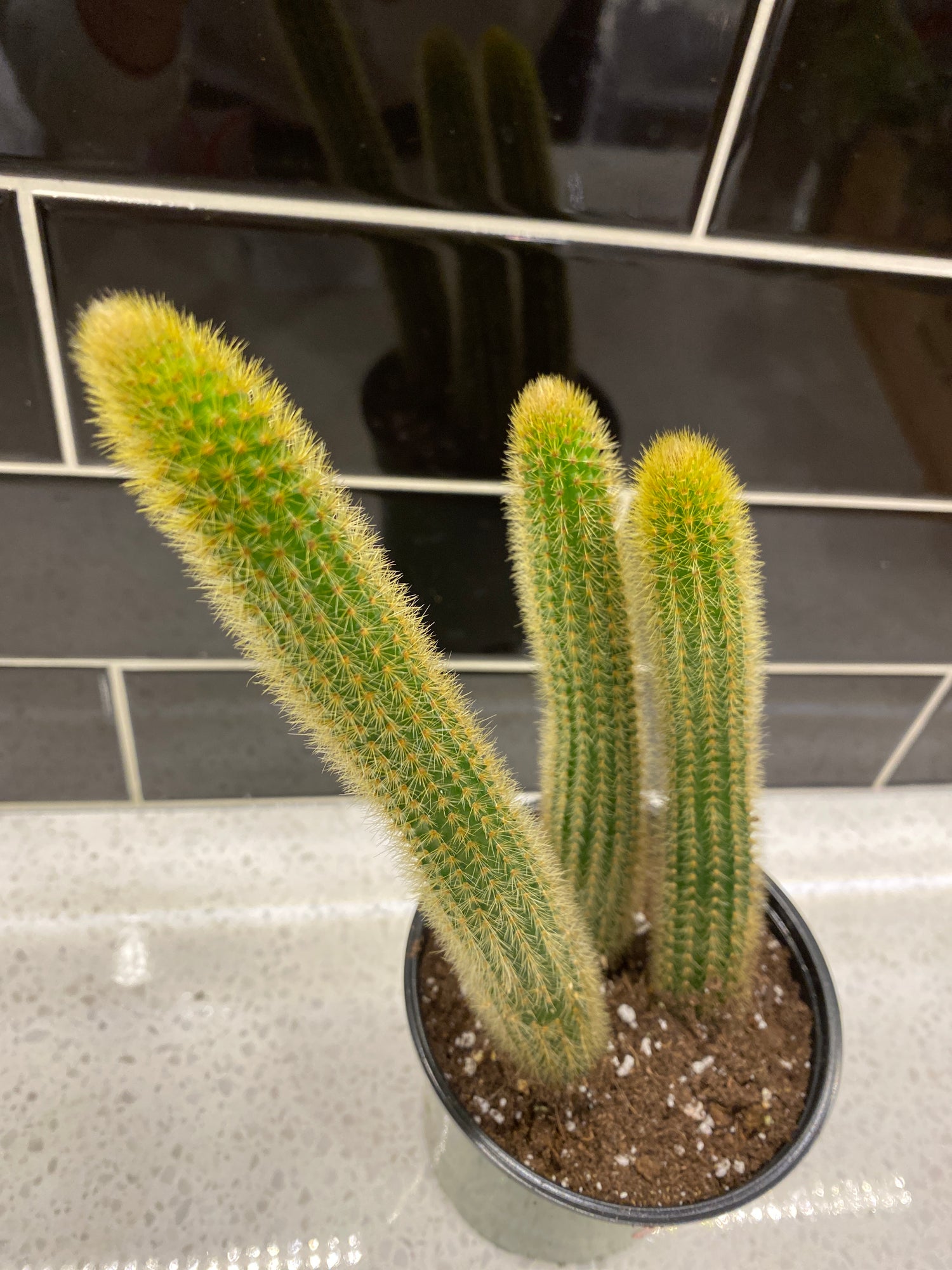
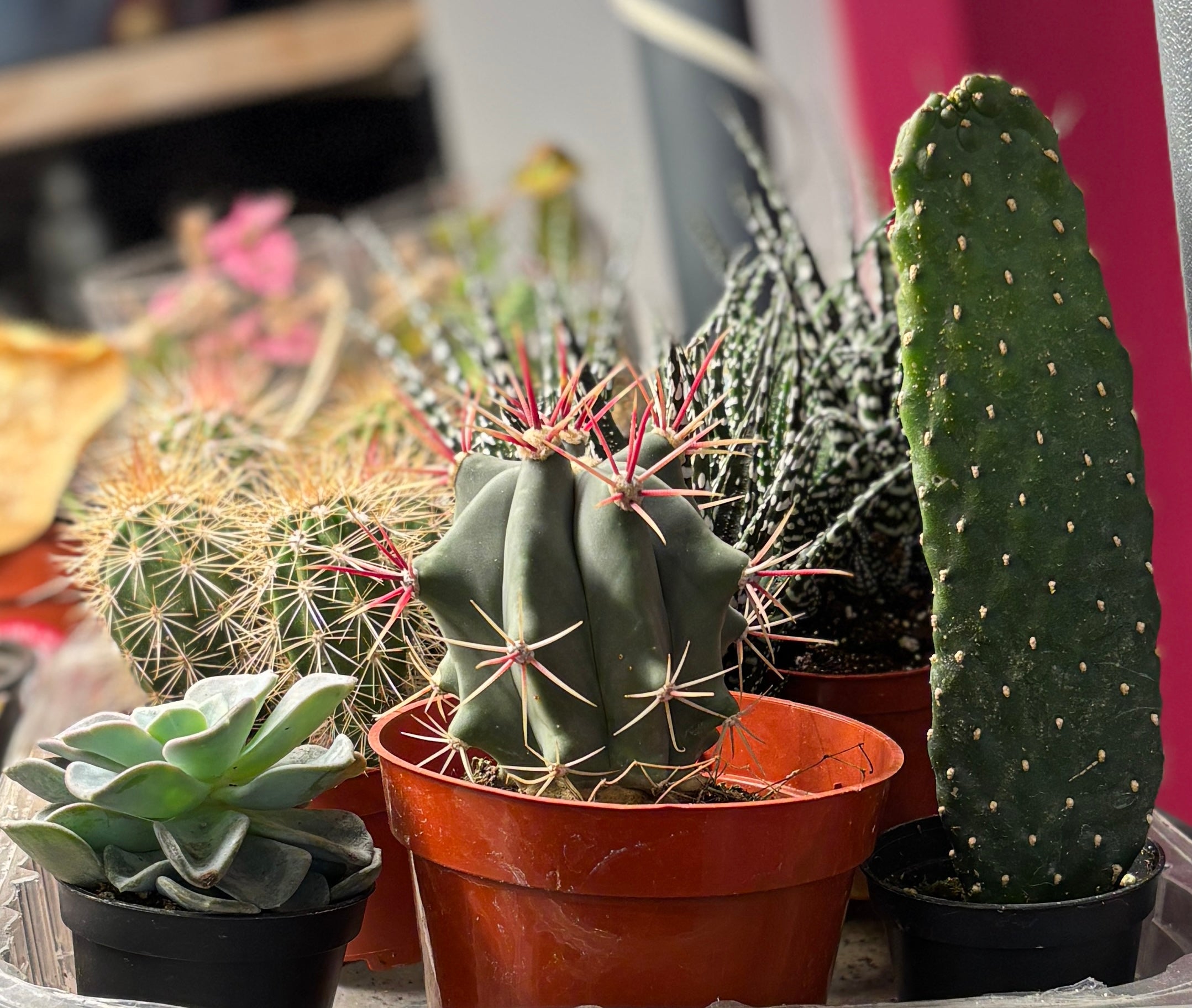
Cacti store water in their stems, which is why they are thrive in the desert. The spines on cacti are actually modified leaves. They help to protect the plant from animals and reduce water loss by shading the stem. The Rattail Cactus originates from South Western Mexico.
Scientific Name: Disocactus flagelliformis
Common Name: Rattail Cactus
Growth: Can grow 3-6 feet long
Light: Bright, Indirect sun
Watering: Let the soil dry out completely before watering
Pet Safe: Yes
Care: Easy


Originating from the rainforests of Brazil, in its native habitat, it thrives in the warm, humid, and shaded conditions found on the rainforest floor, growing under the canopy of taller vegetation. With its stunning spotted leaves with beautiful dark and light green colours, this is sure to be a plant that everyone admires in your home.
Scientific Name: Goeppertia insignis
Common Name: Rattlesnake Calathea
Light: Bright,indirect light
Growth: Can spread 2-3 feet
Watering: When the soil in the pot is dry halfway down
Pet Safe: Yes
Care: Difficult


This sweet little heart pot is in love with the Ginny Peperomia that decided to call it home.


Originating from Southeast China, the Begonias are prized for their spectacular, patterned foliage in shades of green, red, silver, and purple, rather than their flowers. The Rex Begonia's foliage can easily burn when plants are exposed to excessive direct sunlight.
Scientific Name: Begonia Rex or Begoniaceae
Common Name: King Begonia
Light: Bright indirect light
Watering: When top inch of soil is dry
Growth: 12-15 inches in height and spread
Pet Safe: No
Care: Easy to moderate

High yielding plants. Bright red, 4" long Peppers are extremely hot. Nice dried for chili flakes or used to make sauces. The fruit is very attractive on the plant.
Type: Annual
Planting: After danger of frost. Planting site should be sheltered and warm.
Growth: 60 to 85 days to maturity.
Light: Full sun
Watering: keep plants well watered
Pet Safe: no
Harvest/ Care: Harvest when fruit is red