









Sort by:
357 products
357 products


This cactus is a beautifully small cactus that grows with clustered cylindrical stems. They are covered in dense white hairs and can grow deep rose-pink funnel shaped flowers. This cactus originates from the dry shrub land of regions of Wester Central Mexico.
Scientific Name: Mammillaria Bombycina
Common Name: Silken Pincushion
Growth: Can grow up to 12 inches tall indoors
Light: Full sun
Watering: Let fully dry out between waterings. make sure soil drains well.
Pet Safe: Not toxic but watch out for spikes
Care: Easy
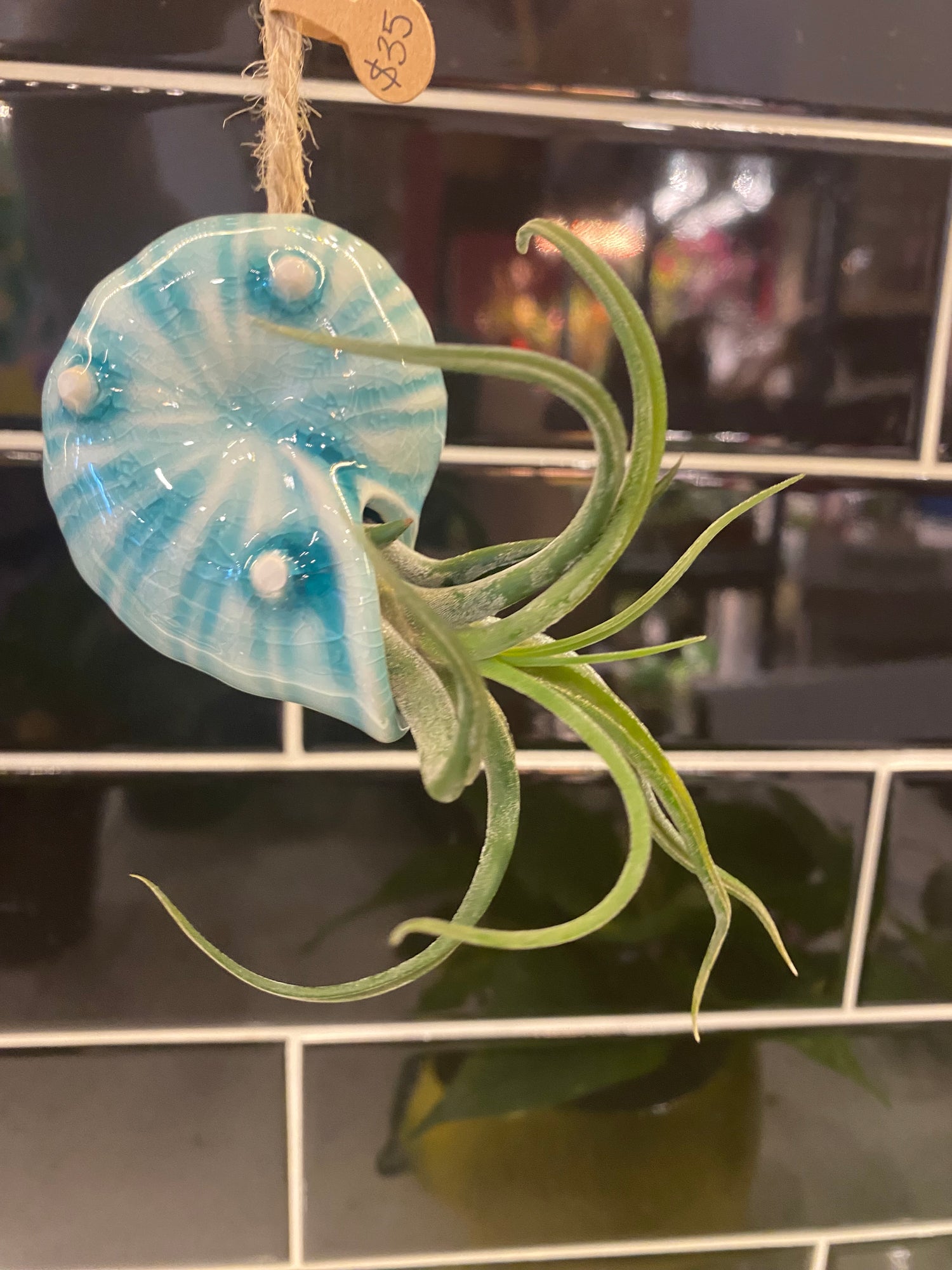
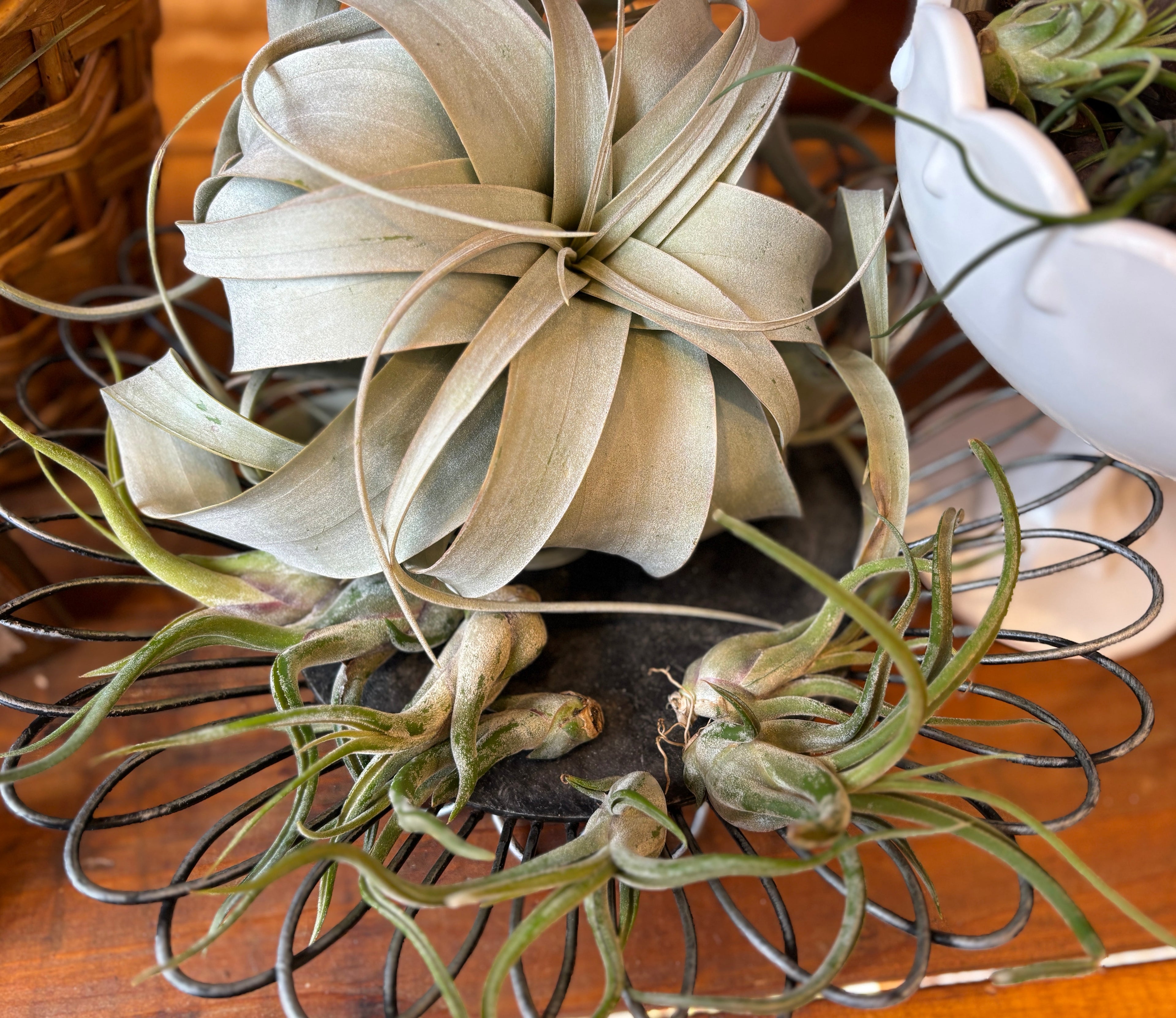
The lowest of care plants! A variety of shapes and sizes add dramatic flair to any living space.
Light: Bright, indirect light.
Watering: Soak in water once a week and let completely dry.
Care: Easy
Pet Safe: Yes
If purchasing online, the air plant may vary. You will receive the size purchased but exact look can vary.


The Black Coral Snake plant has darker leaves with distinctive bands of lighter colour. The Snake Plant, also known as the "mother-in-law's tongue", is one of the hardiest plants around. It originates from West and Central Africa. You can find them in dry, rocky, desert like areas. Some people love them because they symbolize resilience and good luck. Snake Plants reduce allergens in the environment by releasing oxygen into the air, making them an air-purifying plant.
Scientific Name: Dracaena trifasciata, formerly Sansevieria trifasciata
Common Name: Snake Plant
Growth: Can grow to 35" tall
Light: Bright indirect light
Watering: Water sparingly
Pet Safe: No
Care: Easy


The Koi Fin Snake Plant is a striking popular variety of Snake Plant. It originates from Africa, specifically the Congo. With it's fin like leaves and green and yellow variegation resembling the patterns of a Koi Fish. Being a low maintenance plant, this is a popular choice for plant lovers who don't like to fuss.
Scientific Name: Sansevieria
Light: Bright indirect light to low light
Watering: Water sparingly and when the soil is completely dry.
Growth: 2-3 feet indoors
Pet Safe: No
Care: Easy


The Snake Plant Laurentii, also referred to as Mother-in-law’s tongue, is a popular, low-maintenance succulent known for its sword-like leaves with dark centres and vibrant yellow edges.
Scientific Name: Sansevieria laurentii
Common Name: Snake Plant
Growth: Can grow to 6 feet tall
Light: Bright indirect light to low light
Watering: Water sparingly
Pet Safe: No
Care: Easy
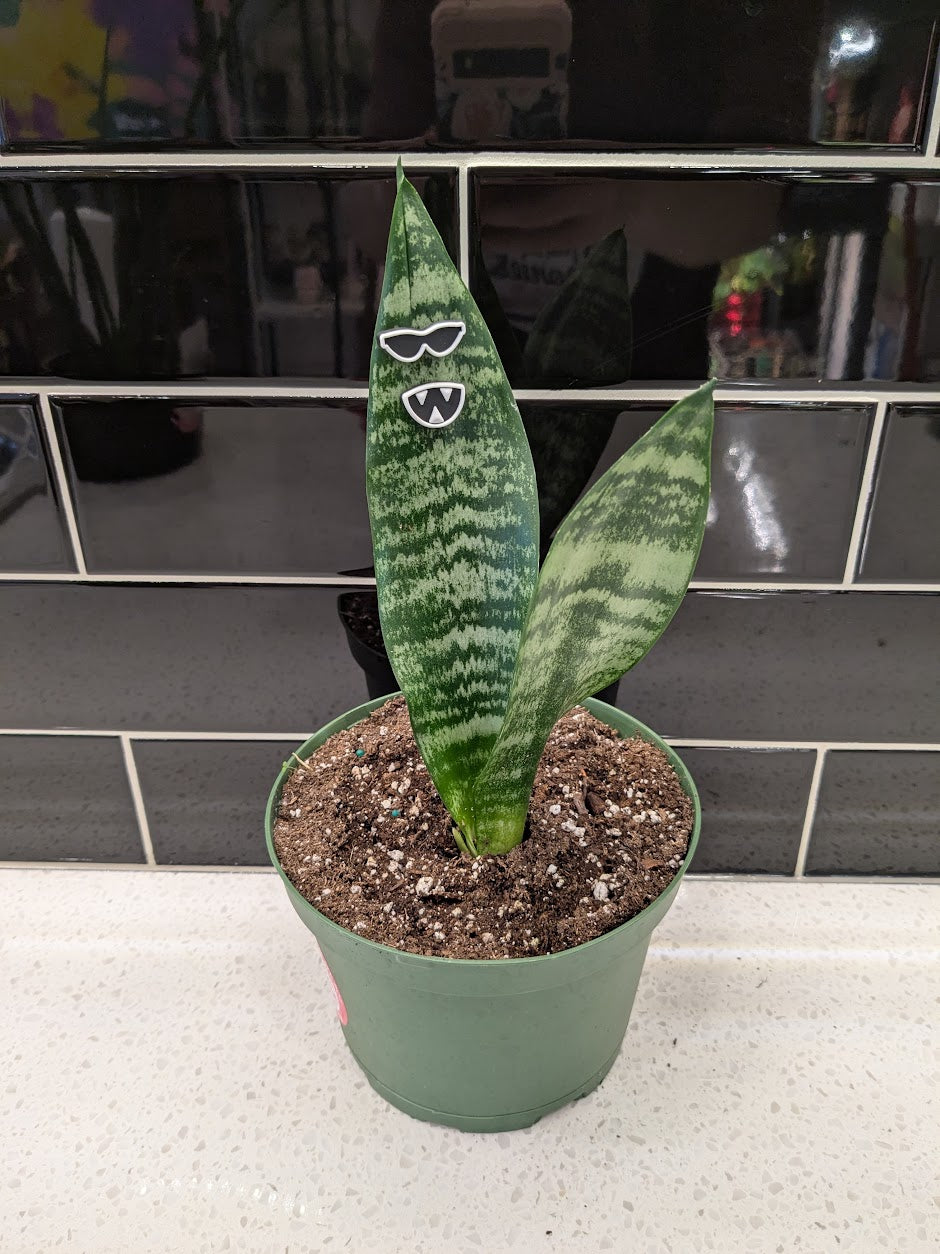
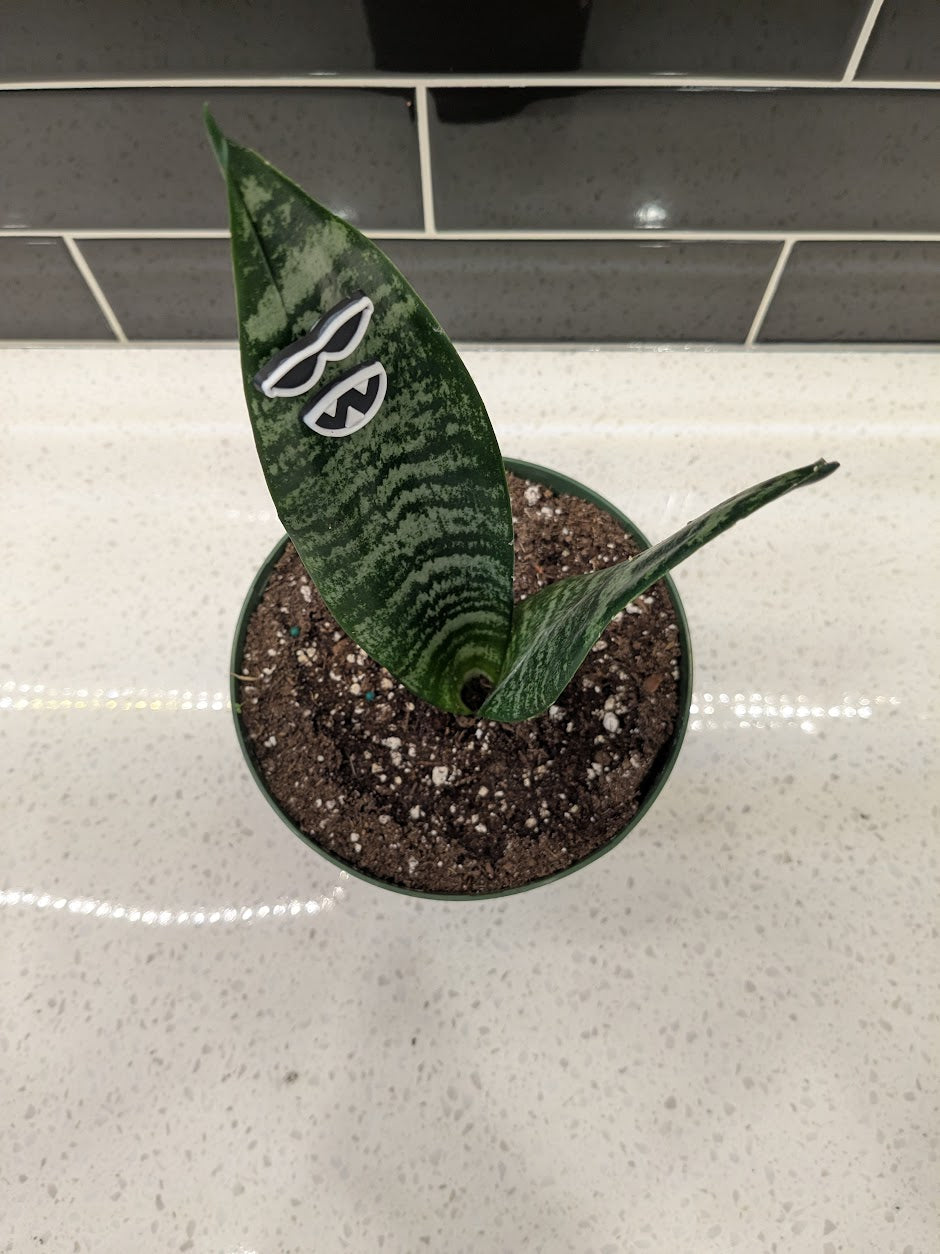
The Snake Plant, also known as the "mother-in-law's tongue", is one of the hardiest plants around. It originates from West and Central Africa. You can find them in dry, rocky, desert like areas. Some people love them because they symbolize resilience and good luck. Snake Plants reduce allergens in the environment by releasing oxygen into the air, making them an air-purifying plant.
Scientific Name: Dracaena trifasciata, formerly Sansevieria trifasciata
Common Name: Snake Plant
Growth: Can grow to 6 feet tall
Light: Bright indirect light to low light
Watering: Water sparingly
Pet Safe: No
Care: Easy


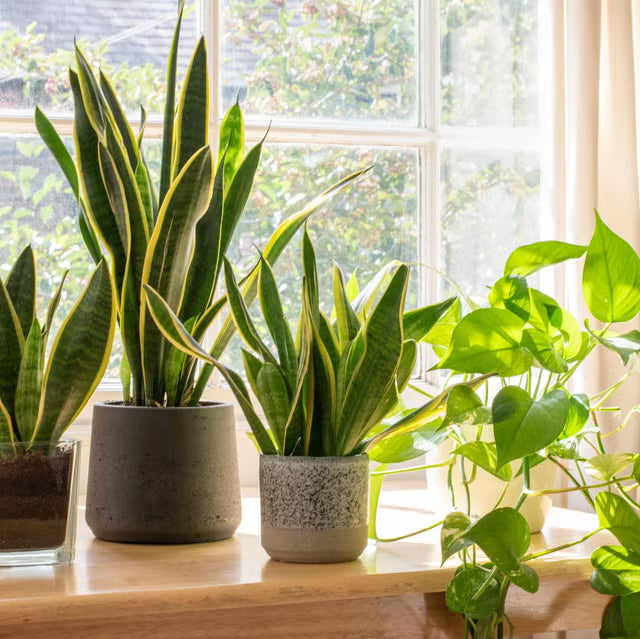
Snake Plants come in a variety of colours, shapes and sizes. We paired this trio together to spice up your space! At the tallest point this planter is nearly 2ft in height!
Light: Bright indirect light to low light
Watering: Water sparingly and when the soil is completely dry.
Growth: 2-3 feet indoors
Pet Safe: No
Care: Easy


This Snake Plant has light, silvery green leaves with dark green striations. It has a compact growth habit. Native to West Africa where it is happy in very dry areas.
Scientific Name: Sansevieria Futura Robusta
Light: Bright indirect light to low light
Watering: Water sparingly and when the soil is completely dry.
Growth: 2-3 feet indoors
Pet Safe: No
Care: Easy

A gorgeous variety with dark, green leaves. Snake plants need little water and are great in low light
Scientific Name: sansevieria trifasciata "Black Diamond"
Common Name: Snake Plant
Light: Bright Indirect light to low light.
Growth: Upright growth up to 1-2 feet, more in bright light
Watering: Sparingly. Allow to dry out before watering
Pet Safe: No
Care: Easy


These fun sparkle sticks are about 13.5” long and are a great way to add some pizzazz into your plants and gardens!

Spearmint is so refreshing in a glass of water or lemonade or even a cocktail. As this plant is in the mint family, read "IT WANTS TO TAKE OVER THE WORLD", it should be planted in a container.
$4 each or 3 for $10 (save $2!)
Type: Perennial herb
Height: 12-24"
Light: Full sun to light shade
Soil: Any type of soil
Planting: Plant out after danger of frost. Harden off* before planting outdoors.
* Hardening off refers to the process of gently and gradually acclimatizing indoor grown seedlings to the great outdoors! Don't throw your new babies straight into the elements! Over the course of a week, take them outside for a few hours at a time, bringing them back indoors afterwards. First sit them in the shade and then slowly introduce them to the sun. Increase the length of time they are outside and are exposed to the sun, until you feel they are ready to face the big outside world!
Harvest/ Care: Pinch off leaves and use. Lemon Balm can be cut back and will regrow.

Spicy Globe Basil
Scientific Name:
Type: Perennial herb
Growth:
Light:
Watering:
Pet Safe:
Harvest/ Care:

Scientific Name: Chlorophytum Comosum
Common Name: Spider Plant
Light: Bright, Indirect Light
Growth: 12-24 inches long
Watering: Water when top two inches of soil are dry
Pet Safe: Yes
Care: Easy


What are Clippings?
Clippings are pieces cut from existing mature plants. They are then placed in water and allowed to build roots. Some grow quickly while others take longer to propagate (grow roots). Once there are several new roots growing and they are at least 1" long it's time to plant. They are great for experimenting, trying new varieties or even adding to aquariums and water features.
Planting
When ready to plant you'll place your clipping in a pot with dirt. You'll want to make sure that the soil stays extra moist for several days to help it acclimatize to its new environment. Congratulations! You have a new plant baby.


The lowest of care plants! A variety of shapes and sizes add dramatic flair to any living space.
Light: Bright, indirect light.
Watering: Soak in water once a week and let completely dry.
Care: Easy
Pet Safe: Yes
If purchasing online, the air plant may vary. You will receive the size purchased but exact look can vary.

Delicate but hardy. Bring the forest inside with this adorable Asparagus fern. Originating in South Africa, this plant loves to dry out before it's watered again.
Scientific Name:
Asparagus setaceus
Common Name: Asparagus Fern, Asparagus grass
Light: Bright, indirect
Growth: Can grow several inches a year in ideal conditions
Watering: They need a very deep watering followed by letting them dry out.
Pet Safe: No
Care: Easy


Delilah is looking regal with her crown of thorns. Take this Queen home to your palace.

This plant sports gorgeous foliage with delicate flowers and trailing stolon's with adorable, little mini plants.
Scientific Name: Saxifraga stolonifera
Growth: 6-8", trailing stolons can reach 2-3'
Light: Bright, indirect
Watering: Keep moist but allow top inch of soil to dry out between watering.
Pet Safe: Yes
Care: Fairly Easy

Strawflowers are so pretty and unusual! They are a must have for the cutting garden and make an excellent dried flower. The flowers in this mix range from yellow, bronze and crimson to pinky rose colour. Petals are papery and dry, like straw.
Type: Annual flower
Height: 2'
Light: full sun
Soil: any good garden soil
Water: keep evenly watered throughout the summer
Bloom time: July onwards. Cutting the blooms will encourage continuous growth.
Planting: Sow seeds indoors 3-4 weeks before the last frost. Press seeds into the soil but do not cover the seeds as light aids germination. Transplant to the garden once the danger of frost has passed and the seedlings are big enough to handle. Alternatively, they can be directly sown into the garden once the soil is warm.