








Sort by:
357 products
357 products


Monanthes polyphylla is a small, low growing succulent native to the Canary Islands. It's known for forming dense clumps of tiny rosettes. They have small green, cylindrical leaves that often develop reddish hues in good light. They can also bloom star-shaped flowers in yellow, orange, or purple.
Scientific Name: Monanthes Polyphylla
Common Name: Monanthes Polyphlla
Light: Bright, indirect light
Growth: 12 cm tall
Watering: Let dry between watering
Pet Safe: Yes
Care: Easy

The leaves of this gorgeous monstera are where it gets its name: Glossy, deep green with creamy white splashes resembling a night sky swoon. The variegation is random, giving each leaf a distinct pattern, causing excitement + anticipation with each new arrival!
Monsteras literally have the word monster in their names - these babies will get big! However, you can control their size with regular pruning. A moss/coconut coir pole is essential as they grow.
Scientific Name: Monstera deliciosa 'Thai Constellation'
Common Name: Monstera Thai Constellation, Variegated Monstera
Light: Medium-bright
Growth: 1 ft - 2 ft tall, 2 ft - 3 ft wide
Watering: Deep watering when mostly dry
Pet Safe: No
Care: Easy


The leaves of this rare + gorgeous monstera are where it gets its name: Glossy, deep green with creamy white splashes shaped like a striking cobra snake
The variegation is random, giving each leaf a distinct pattern, causing excitement + anticipation with each new arrival!
Monsteras literally have the word monster in their names - these babies will get big! However, you can control their size with regular pruning. A moss/coconut coir pole is essential as they grow.
This rare and majestic cobra monstera is mounted on a bendable moss pole.
Scientific Name: Monstera standleyana ‘Albo Variegata’
Common Name: Monstera Thai Constellation, Variegated Monstera
Light: Medium-bright
Growth: 1 ft - 2 ft tall, 2 ft - 3 ft wide
Watering: Deep watering when mostly dry
Pet Safe: No
Care: Easy

A stunningly colourful cactus, Tie Dye is just a little ball of fun- just don't play catch with it!
Scientific Name: Gymnocalycium mihanovichii
Growth: Short and compact dome
Light: Bright window but not too much full sun
Watering: Water sparingly
Pet Safe: Yes, except for the prickles
Care: Easy


$4 each or 3 for $10 (save $2!)
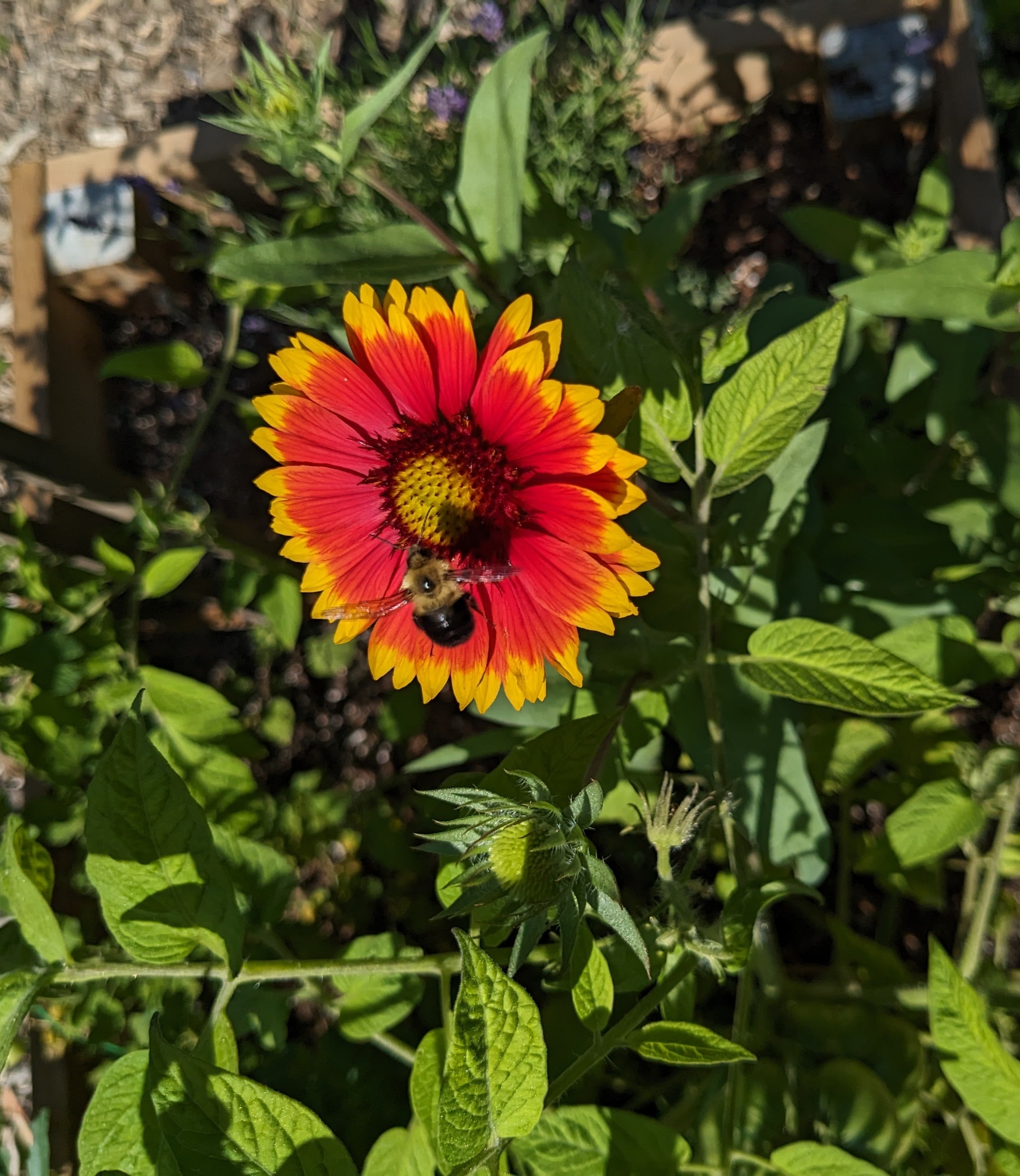
A bright and happy flower, these nasturtiums look like sunshine in the garden! The foliage is spicy and can be used in salads, as can the flowers, for a very pretty presentation!
Type: Annual flower
Height: 12-18"
Light: Full sun to part sun
Soil: not too rich or you will only get leaves
Water: fairly drought tolerant once established
Bloom time: all summer
Planting: Plant them into the garden after frost danger has passed. Harden off before placing into the garden.
* Hardening off refers to the process of gently and gradually acclimatizing indoor grown seedlings to the great outdoors! Don't throw your new babies straight into the elements! Over the course of a week, take them outside for a few hours at a time, bringing them back indoors afterwards. First sit them in the shade and then slowly introduce them to the sun. Increase the length of time they are outside and are exposed to the sun, until you feel they are ready to face the big outside world!
$4 each or 3 for $10 (save $2!)
A bright and happy flower, these nasturtiums look like sunshine in the garden! The foliage is spicy and can be used in salads, as can the flowers, for a very pretty presentation!
Type: Annual flower
Height: 12-18"
Light: Full sun to part sun
Soil: not too rich or you will only get leaves
Water: fairly drought tolerant once established
Bloom time: all summer
Planting: you can start the seeds indoors a few weeks before the last frost or direct sow them into the garden after frost danger has passed.


What are Clippings?
Clippings are pieces cut from existing mature plants. They are then placed in water and allowed to build roots. Some grow quickly while others take longer to propagate (grow roots). Once there are several new roots growing and they are at least 1" long it's time to plant. They are great for experimenting, trying new varieties or even adding to aquariums and water features.
Planting
When ready to plant you'll place your clipping in a pot with dirt. You'll want to make sure that the soil stays extra moist for several days to help it acclimatize to its new environment. Congratulations! You have a new plant baby.


A small statured plant with beautiful foliage. Leaves are heavily veined in white or sometimes pink or red.
Scientific Name: Fittonia albivenis
Common Name: Nerve plant, mosaic plant, fittonia, painted net leaf
Light: Bright Indirect light- north facing window is ideal.
Growth: 3-6" tall with a 12" spread
Watering: Keep evenly moist- they do not like to dry out. But do not leave standing in water as this will cause roots to rot.
Pet Safe: Yes
Care: Intermediate


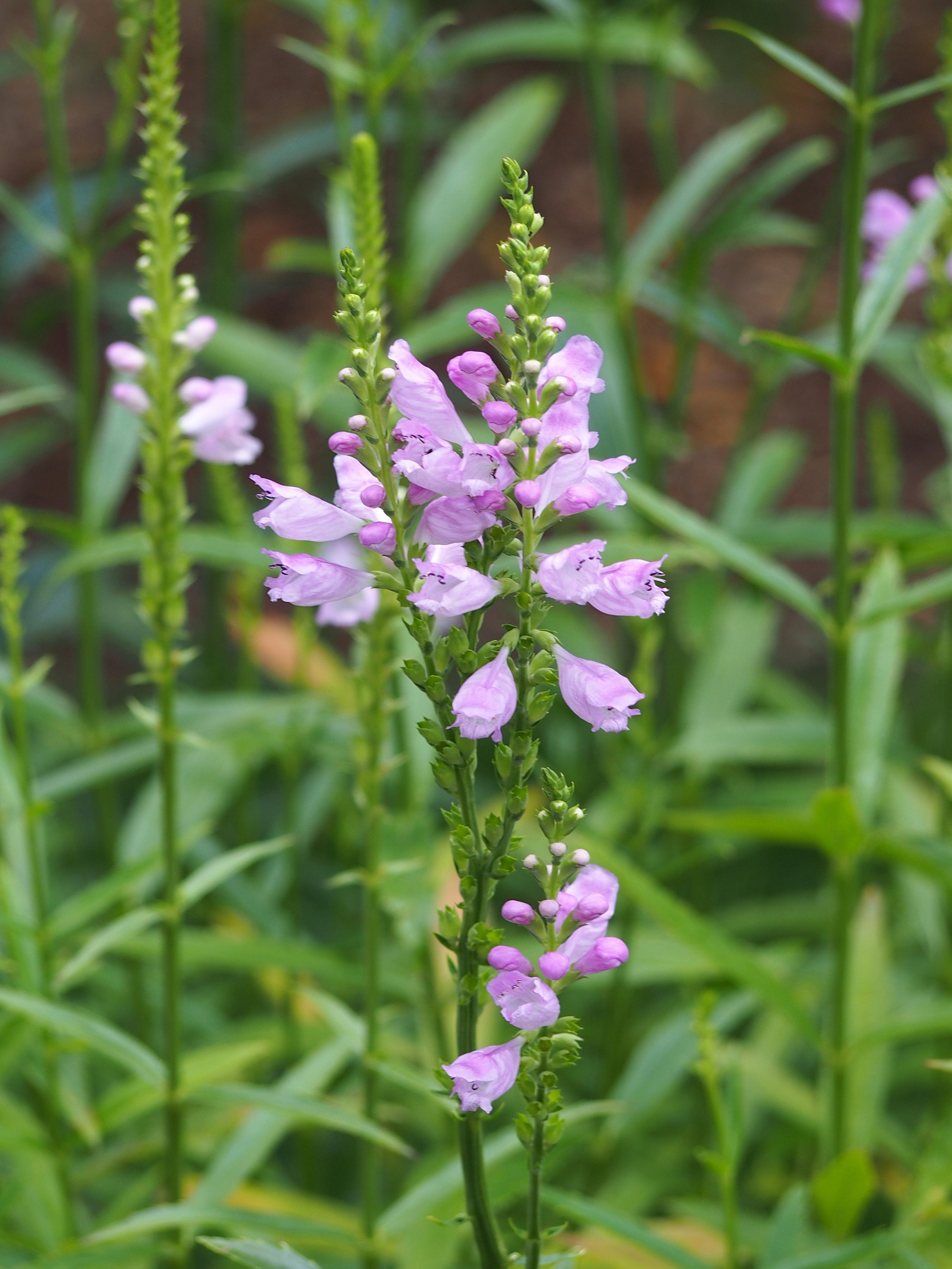
This tall, stately beauty grows freely in my shaded woodland garden among Bluestem Goldenrod, Poke Milkweed, Foam Flower and Astilbe. I love the drama and texture she provides! And the name truly lives up: you can twist the flowers whatever direction you'd like, and they will "obedient"-ly stay.
I keep Obedient Plant in check by surrounding it with other strong native plants, and regularly pulling out new shoots - these are very easy to spot, and shallow. It provides much-needed late season food for pollinators.
Type: Native Perennial
Height: 4 ft.
Light: partial shade-full sun
Soil: medium-wet
Planting: Cold, moist stratification required - see options in photos, courtesy of Northern Wildflowers. Press seeds into soil and lightly cover 1/8". Do not let seedlings dry out


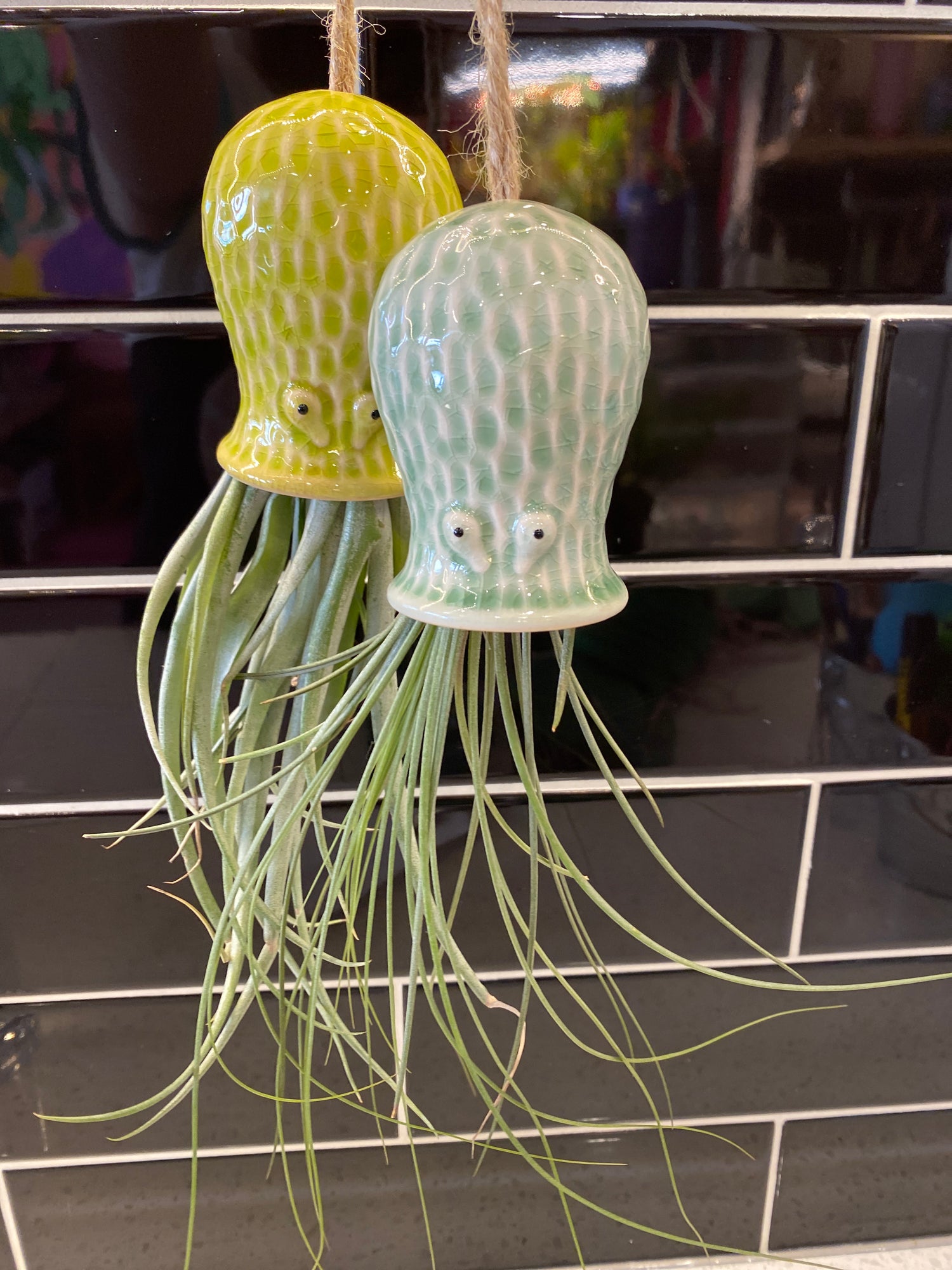
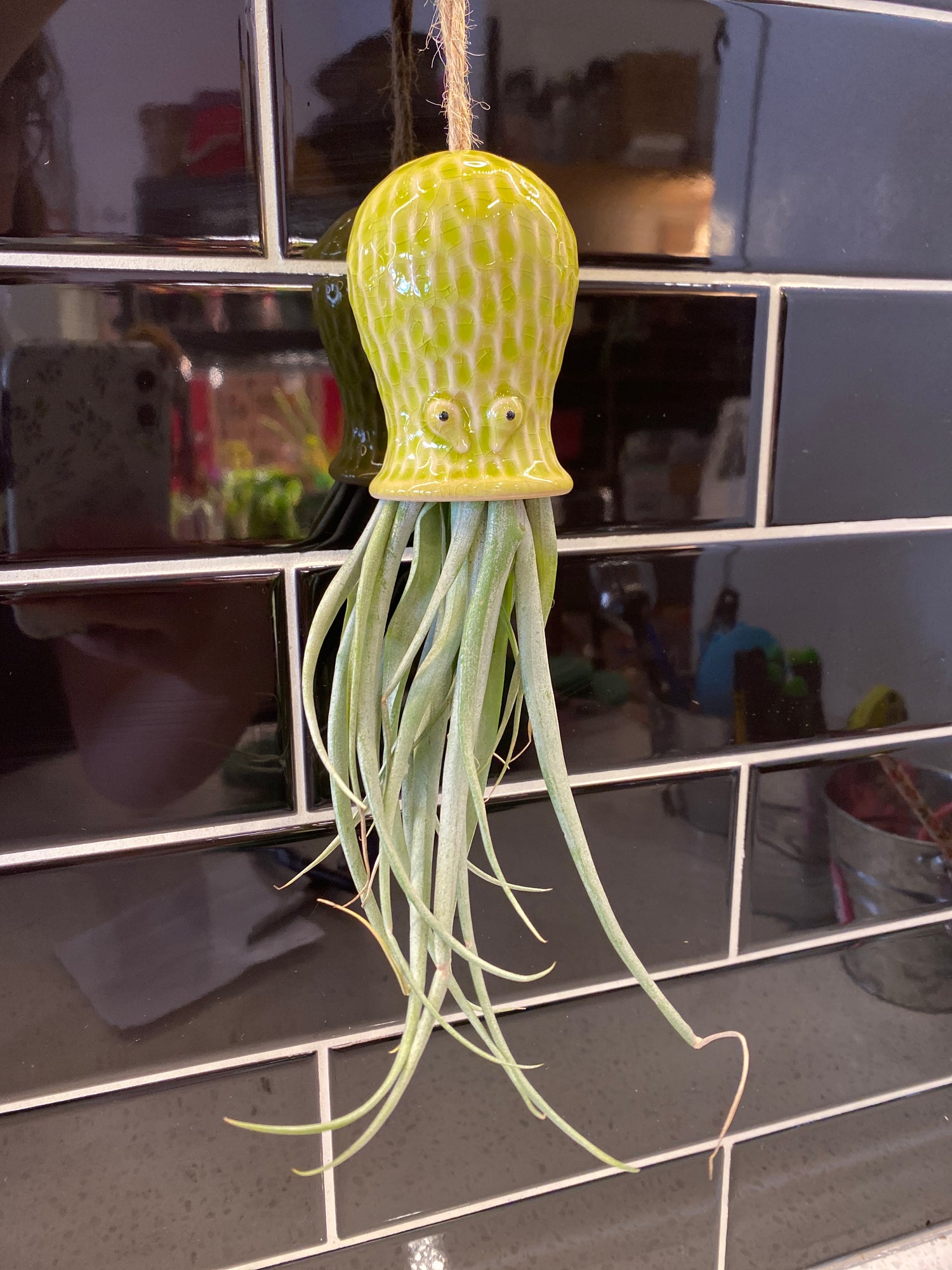
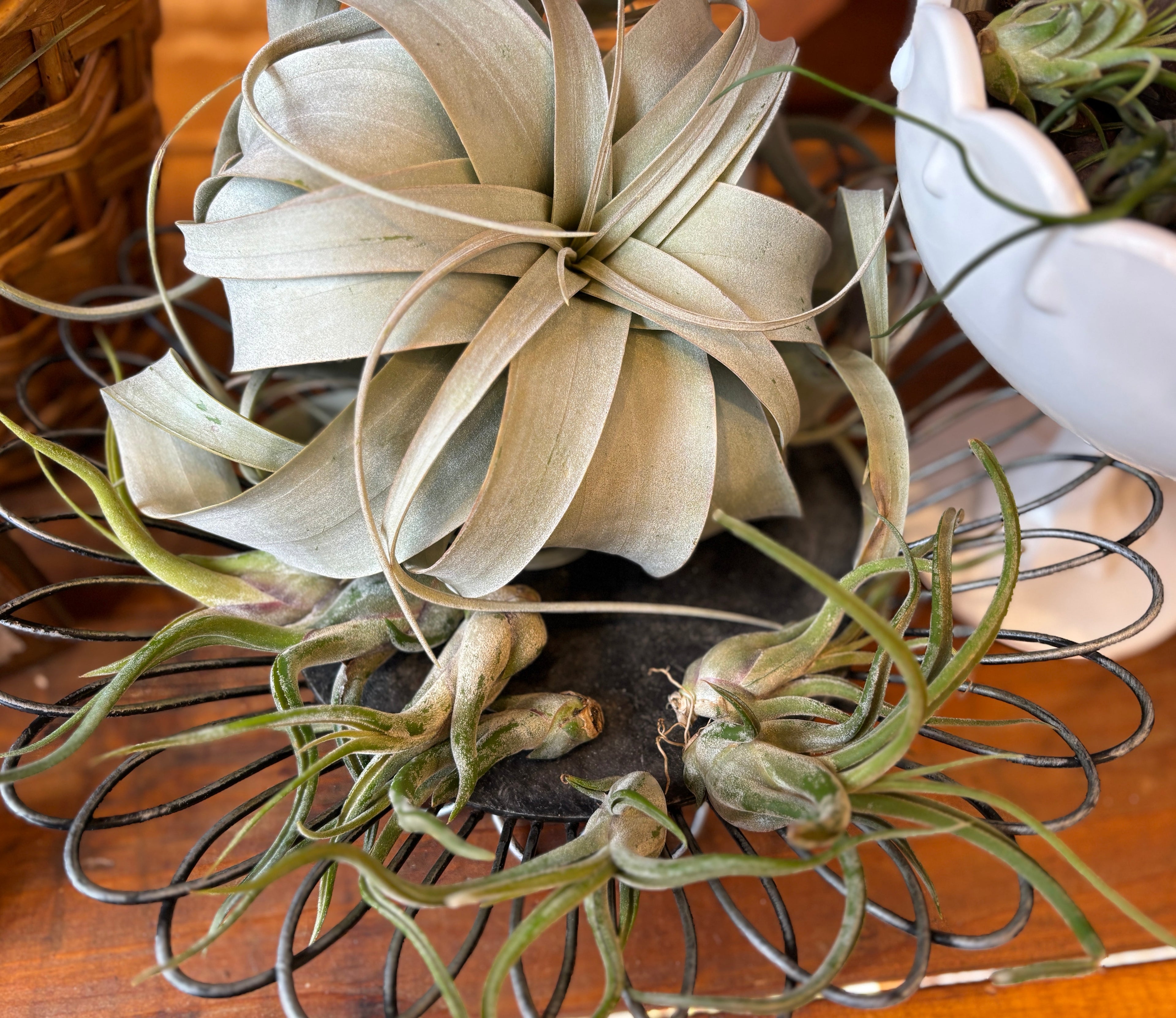
The lowest of care plants! A variety of shapes and sizes add dramatic flair to any living space.
Light: Bright, indirect light.
Watering: Soak in water once a week and let completely dry.
Care: Easy
Pet Safe: Yes
If purchasing online, the air plant may vary. You will receive the size purchased but exact look can vary.


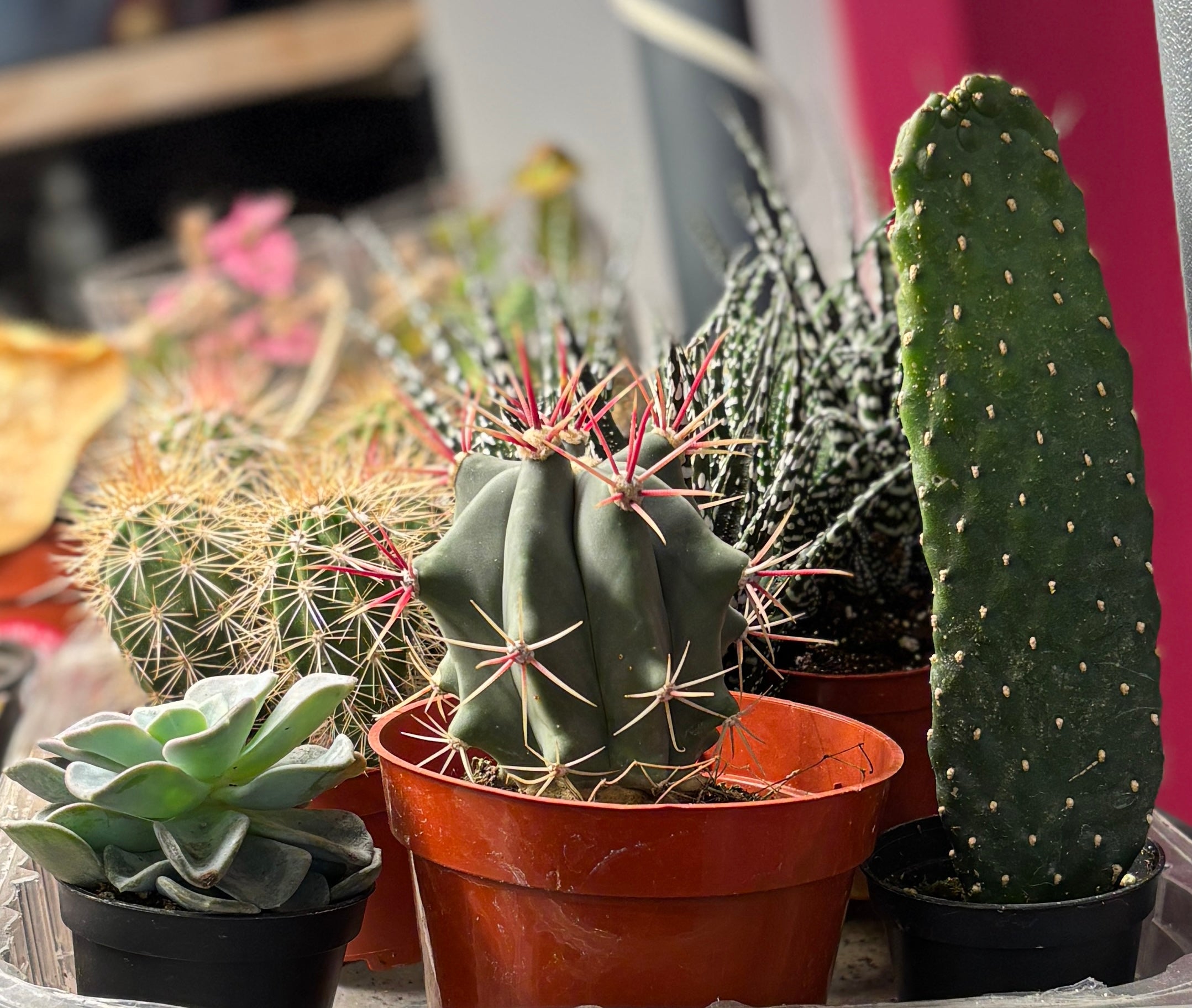
Cacti store water in their stems, which is why they are thrive in the desert. The spines on cacti are actually modified leaves. They help to protect the plant from animals and reduce water loss by shading the stem.
Scientific Name: Mammillaria Hahniana
Common Name: Old Lady Pincushion Cactus
Growth: 6-8 inches
Light: Bright, Indirect sun
Watering: Let the soil dry out completely before watering
Pet Safe: Yes
Care: Easy


This cactus would be described as short, columnar stems (up to 2 ft) covered in long, white, hairy spines with reddish, yellow or brown central spines. Resembling an old man’s beard. This is a slow growing plant originating from Argentina and Bolivia. If you’re lucky, sometimes this plant can produce vibrant pink to crimson flowers if in ideal conditions!
Scientific Name: Oreocereus Trollii
Common Name: Old Man of The Andes Cactus
Growth: 10+ feet tall in ideal conditions
Light: Direct sun
Watering: Soak and then let fully dry out before watering again
Pet Safe: Non-toxic, but spikes can hurt
Care: Easy


This beautiful cactus grows incredible bright flowers!
Light: Bright indirect light. Avoid full sun because they will get scorched
Watering: Ideally, you want the top 1/3 of the potting mix to dry out before watering. In winter, reduce watering and move the plant to a cooler location. This will help produce healthy, large flowers the next season.
Pet Safe: Yes, but still recommended to keep out of reach. Ingesting too much can get your pet sick.
Care: Easy


The leaves of this succulent are soft and fuzzy, perhaps like a bear? The edges of the grey leaves are outlined with cute little brown dots. Native to Madagascar.
Scientific Name: Kalanchoe tomentosa
Light: Bright light- south window is ideal. Very hot, direct sun can scorch the leaves.
Growth: Can slowly grow up to 2 feet
Watering: Water thoroughly when dry and let drain well. Do not sit in water.
Pet Safe: No
Care: Moderate

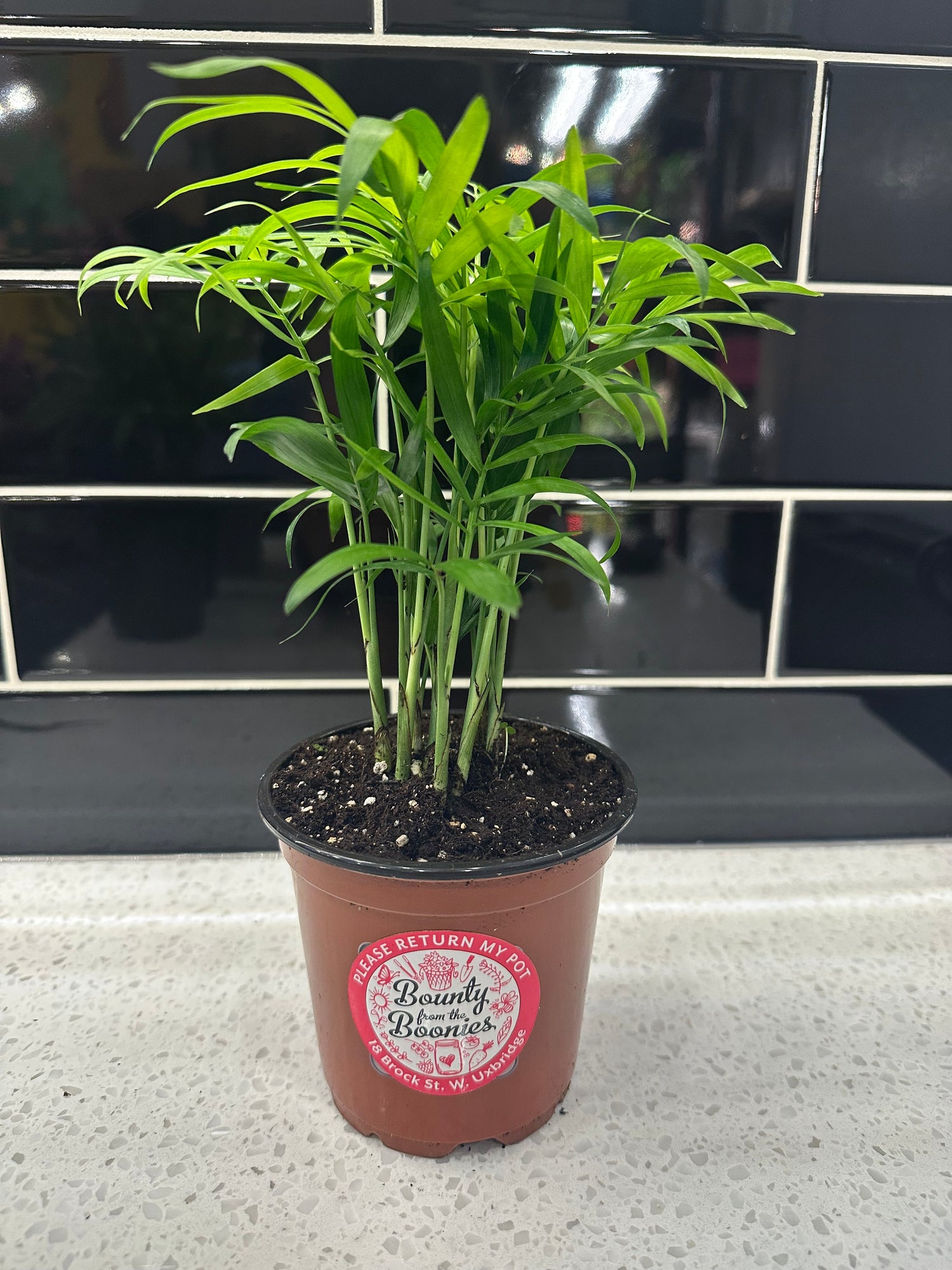
This is a shop favourite!
A species of small palm tree native to the rainforests in Southern Mexico and Guatemala. Being such a small compact size, The Parlour Palm is one of the most popularly sold houseplant palms in the world. They are also known for the air-purifying qualities. Specifically they are effective at removing formaldehyde and xylene from the air.
Adding this plant to your collection is a must. It does well in low light so it's great for that corner you're not too sure what to do with.
Scientific Name: Chamaedorea elegans
Common Name: Parlour Palm
Growth: 2-3' Feet tall indoors
Light: Bright indirect light to low light
Watering: When top soil is dry, ensure good drainage
Pet Safe: Yes
Care: Easy


Parsley is a wonderful herb to have on hand to flavour dishes. Leaves can be added to soups, rice dishes etc.
Scientific Name: Petroselinum crispum
Growth: 6" tall
Light: Full sun (6+ hours)
Watering: Keep soil moist
Pet Safe: Yes
Care: Easy
Harvesting: Cut leaves from the outer stems