









Sort by:
357 products
357 products


$4 each or 3 for $10 (save $2!)
A very old variety, this is a great flower for the historical garden. Flowers are such a rich deep purple/ red that they appear black and have lovely yellow centres. May need staking.
Type: Biennial
Height: 6'+
Light: Full sun
Soil: good garden soil
Water: keep evenly watered
Bloom time: mid to late summer
Planting: Start inside 6-8 weeks before planting out. Do not cover seed, needs light to geminate. Transplant after last frost into full sun or light shade.
Growing tip: Pinch out the growing tip after transplanting to make your plants stocky and strong. Cut back after first bloom to encourage reblooming. Do not move established plants. May be short lived, but hollyhocks self-seed dependably.


With wonderfully fragrant flowers and vibrant green leaves, plus fruit you can use in drinks and pie, what is not to love about the Key Lime tree?!
Scientific Name: Citrus aurantifolia
Growth: Up to 6' indoors
Light: Full sun
Watering: Keep well watered. Water deeply once the top 1-2 inches of soil is dry to touch. Let is drain well after watering.
Pet Safe: No
Care: Intermediate
- Fertilize in early spring with a citrus specific fertilizer, or any fertilizer that has a Nitrogen, Phosphorus, Potassium (NPK) ratio of 2:1:2. You can also add new compost in the spring. Make sure to only apply it to the dirt around the tree, as key lime trees can burn if the fertilizer touches the trunk or foliage.
- Pruning: Prune to maintain shape and smaller size. Should be done in the spring to encourage new growth and keep the shape compact. Remove any dead branches and keep the centre open so the fruit receives maximum light and can ripen.
Pests: Watch for scale. Citrus is very prone to it. Scale is a small insect that forms a little brown shell on the leaves and stems. You will know you have it if the leaves become glossy and sticky which is the honeydew residue from the insect. Scrap off the scale with your fingernail or for the squeamish, use a scouring pad and a little soap. Hose off in the shower, spray with Carly's FU bug spray and if it comes back change the soil completely. Other pests include white fly and mealy bugs.


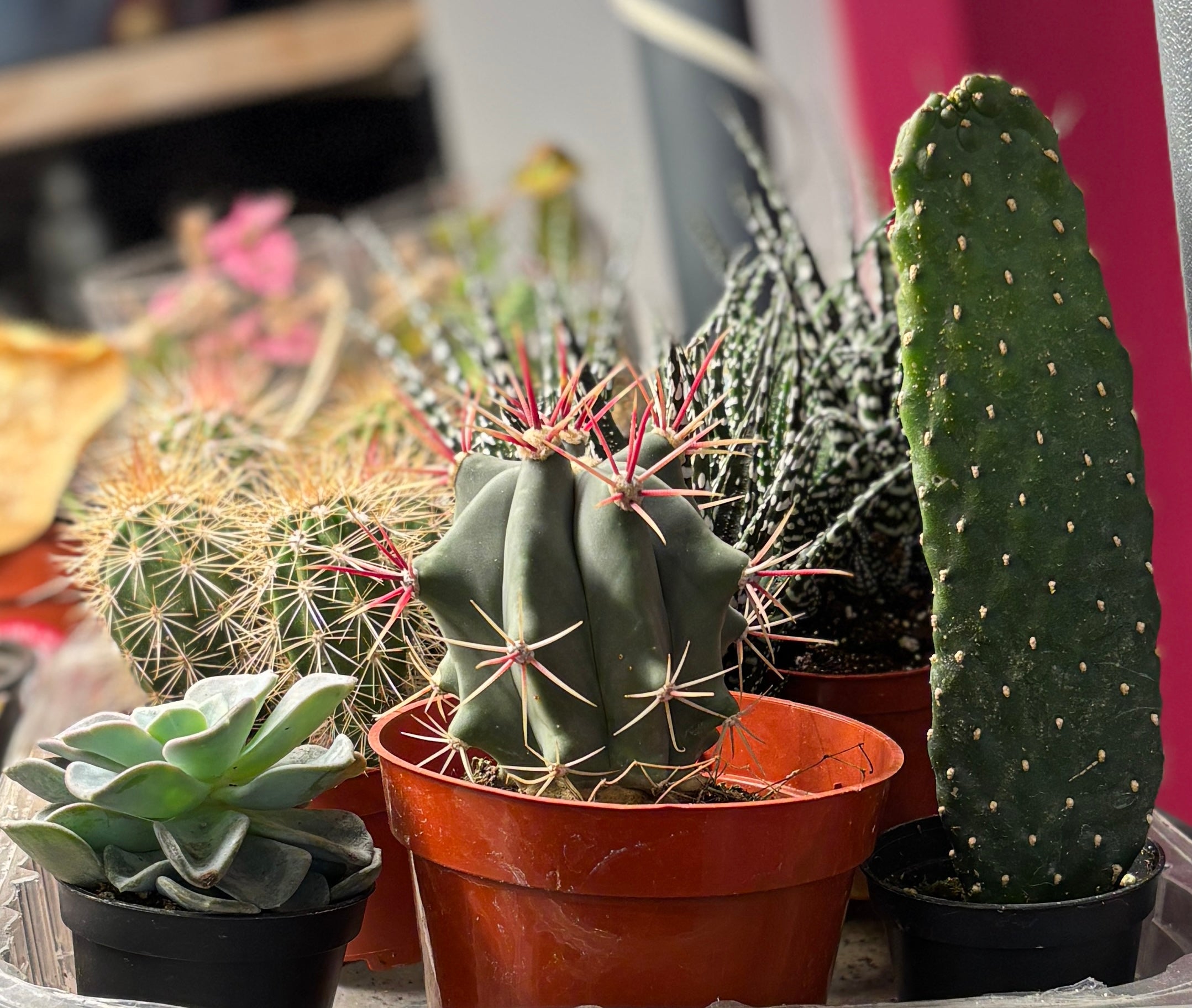
This very attractive Ladyfinger Cactus is native to Mexico and develops dense clusters of cylindrical stems that have brown/yellow spines. Its stems look like fingers and it can bloom in pink and yellow coloured flowers.
Scientific Name: Mammillaria elongata
Common Name: Ladyfinger Cactus, Gold Lace Cactus, Golden Stars
Growth: 6-8 inches
Light: Bright, Indirect sun
Watering: Let the soil dry out completely before watering
Pet Safe: Yes
Care: Easy

Crush the leaves to release the amazing scent of this plant! The leaves can be used to flavour cooked dishes and drinks. It is also a great pollinator attractor, so plant it with your veggies.
As it is a member of the mint family (= red flag= exuberant growth) it is best planted in a container.
$4 each or 3 for $10 (save $2!)
Type: Perennial herb (short lived- 3-4 years)
Height: 20"
Light: Full sun to very light shade- sun= more flavour
Soil: rich, free draining soil. Water well and frequently until established.
Planting: Space them 8-12 inches apart to give them room to grow nice and bushy. Harden off* before planting outdoors.
* Hardening off refers to the process of gently and gradually acclimatizing indoor grown seedlings to the great outdoors! Don't throw your new babies straight into the elements! Over the course of a week, take them outside for a few hours at a time, bringing them back indoors afterwards. First sit them in the shade and then slowly introduce them to the sun. Increase the length of time they are outside and are exposed to the sun, until you feel they are ready to face the big outside world!
Harvest/ Care: Pinch off leaves and use. Lemon Balm can be cut back and will regrow.

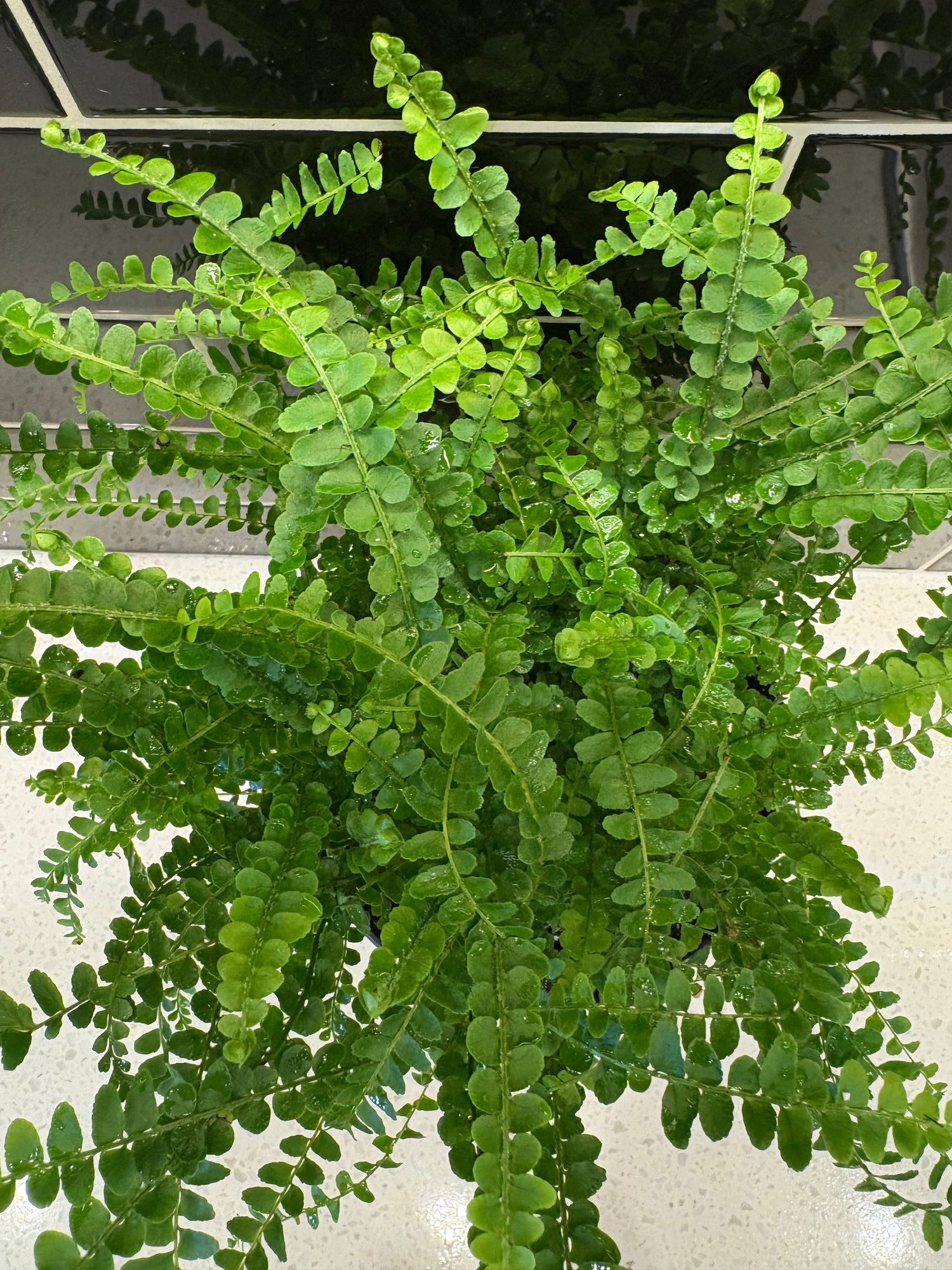
The Lemon Button Fern, originating from the tropical regions of Asia, Australia, and Africa. It thrives in shady, damp, and humid forest floor environments within these tropical habitats.
Scientific Name: Nephrolepis cordifolia 'Duffii'
Common Name: Lemon Button Fern
Light: Medium to bright, indirect light
Watering: When the top inch of soil is dry but do not let the soil stay soggy.
Growth: 12-18 inches spread
Pet Safe: Yes
Care: Easy


Lemon Cypress Tree is a vibrant evergreen conifer known for its bright, golden green foliage and strong lemon scent when its leaves are brushed. It can be grown as an ornamental tree or a popular potted houseplant and can be used as a miniature Christmas Tree. Native to California!
Scientific Name: Hesperocyparis macrocarpa
Common Name: Lemon Cypress Tree
Light: Bright, direct sunlight for 6-8 hours a day
Growth: 2-3 feet tall in our region
Watering: When top two inches are dry
Pet Safe: No
Care: Moderate due to lighting requirements


What are Clippings?
Clippings are pieces cut from existing mature plants. They are then placed in water and allowed to build roots. Some grow quickly while others take longer to propagate (grow roots). Once there are several new roots growing and they are at least 1" long it's time to plant. They are great for experimenting, trying new varieties or even adding to aquariums and water features.
Planting
When ready to plant you'll place your clipping in a pot with dirt. You'll want to make sure that the soil stays extra moist for several days to help it acclimatize to its new environment. Congratulations! You have a new plant baby.
Lipstick Plant "Mona Lisa"
This is a dangling plant that has beautiful bright purple flowers that look like tubes of lipstick! The Mona Lisa is a variety of the Lipstick Plant. Known for its trailing stems, waxy leaves, and striking red, tubular flowers that resemble lipstick emerging from a tube. This plant is native to Southwest Asia, specifically Indonesia and Malaysia.
Scientific Name: Aeschynanthus Radicans
Common Name: Lipstick Plant/Mona Lisa
Light: Bright indirect light
Watering: Keep evenly hydrated, likes to be misted
Growth: 2-3 feet long indoors
Pet Safe: Yes
Care: Intermediate
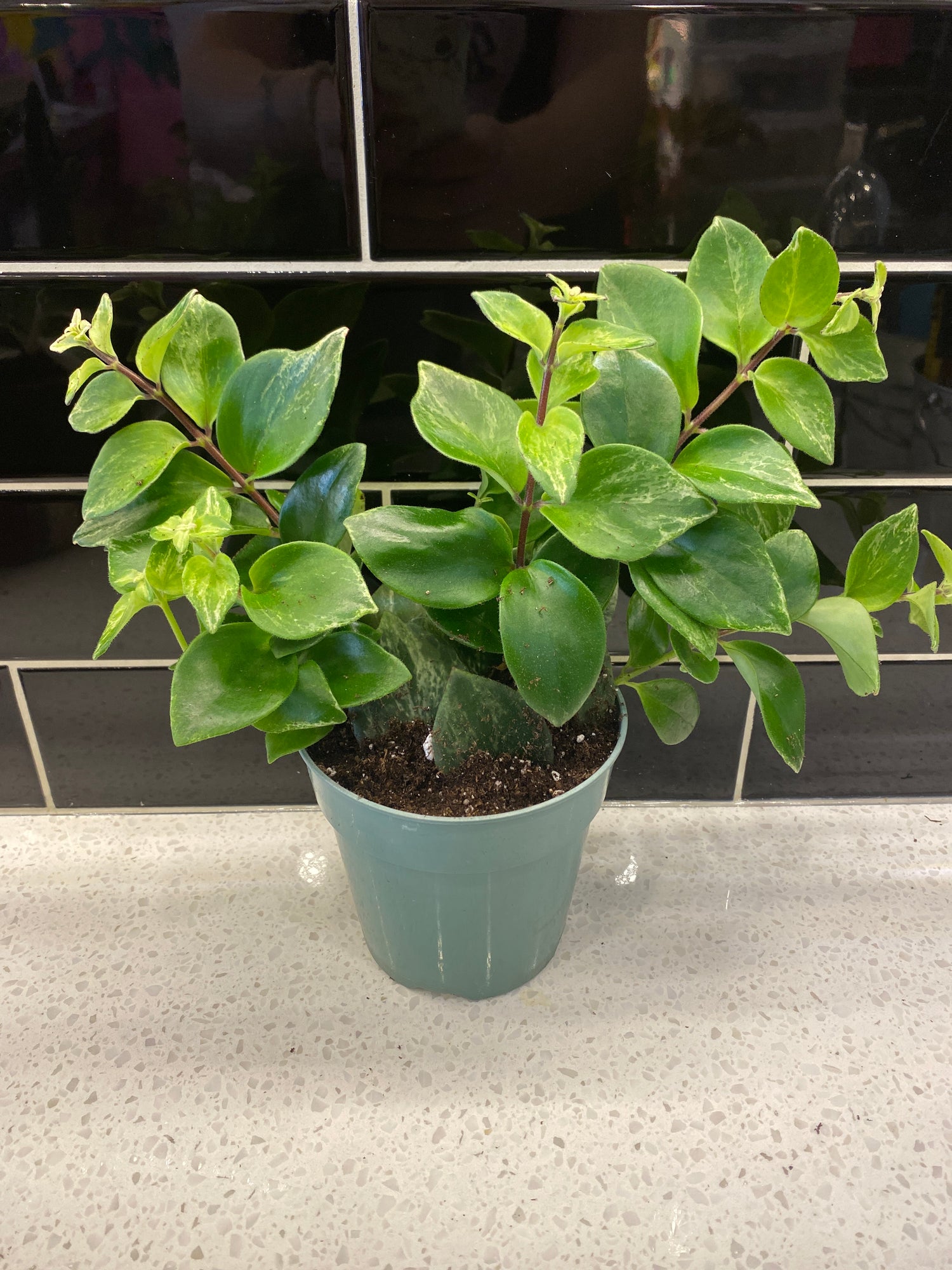
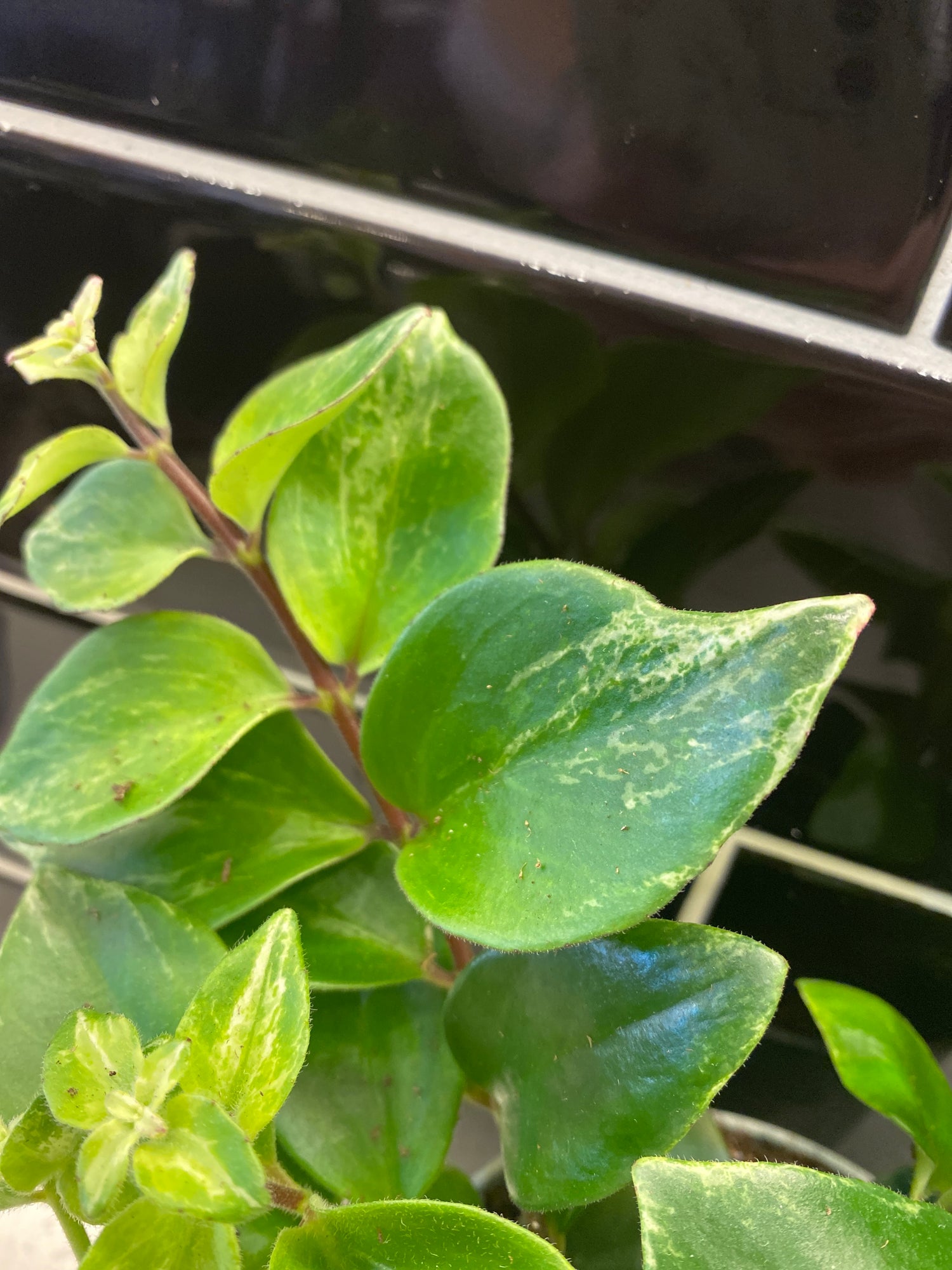
This is a dangling plant that has beautiful bright purple flowers that look like tubes of lipstick! The Mona Lisa is a variety of the Lipstick Plant. Known for its trailing stems, waxy leaves, and striking red, tubular flowers that resemble lipstick emerging from a tube. This plant is native to Southwest Asia, specifically Indonesia and Malaysia.
Scientific Name: Aeschynanthus Radicans
Common Name: Lipstick Plant/Mona Lisa
Light: Bright indirect light
Watering: Keep evenly hydrated, likes to be misted
Growth: 2-3 feet long indoors
Pet Safe: Yes
Care: Intermediate


$4 each or 3 for $10 (save $2!)
A lovely grass with delicate stems that sway in the breeze and soft white seed heads. Leaves turn bronze colour in the fall. It is clump forming and will not overtake the garden. Little Bluestem is a warm season grass so it will be slower to show in the spring.
Type: Perennial, native to Ontario
Height: 2-3'
Light: full sun to light shade
Soil: sandy to loam
Water: will tolerate very dry soils
Bloom time: fall
Planting: Seeds grow best when planted into containers in the spring. Press into the soil well to make contact with the soil. They will take some time to germinate and will only do so when it gets a bit warmer. Here is a good guide: A Beginner's Guide To Little Bluestem | GrowIt BuildIT
Wild life support: Seeds feed a variety of birds and are great for creating hiding and shelter spots for birds and other wildlife. They can be used in the vegetable garden to create a "beetle bank"- an area to protect ground beetles which are awesome predators of garden pests.


This potted wonder brings together Salanova Butterhead Green, Crispy Green, and Red Oak Lettuce for a party on your plate.
Light: Lettuce will grow well in bright shade. Prefers to be cooler.
Harvesting: Cut one inch above the crown for a continuous supply of fresh greens
Watering: Keep evenly hydrated
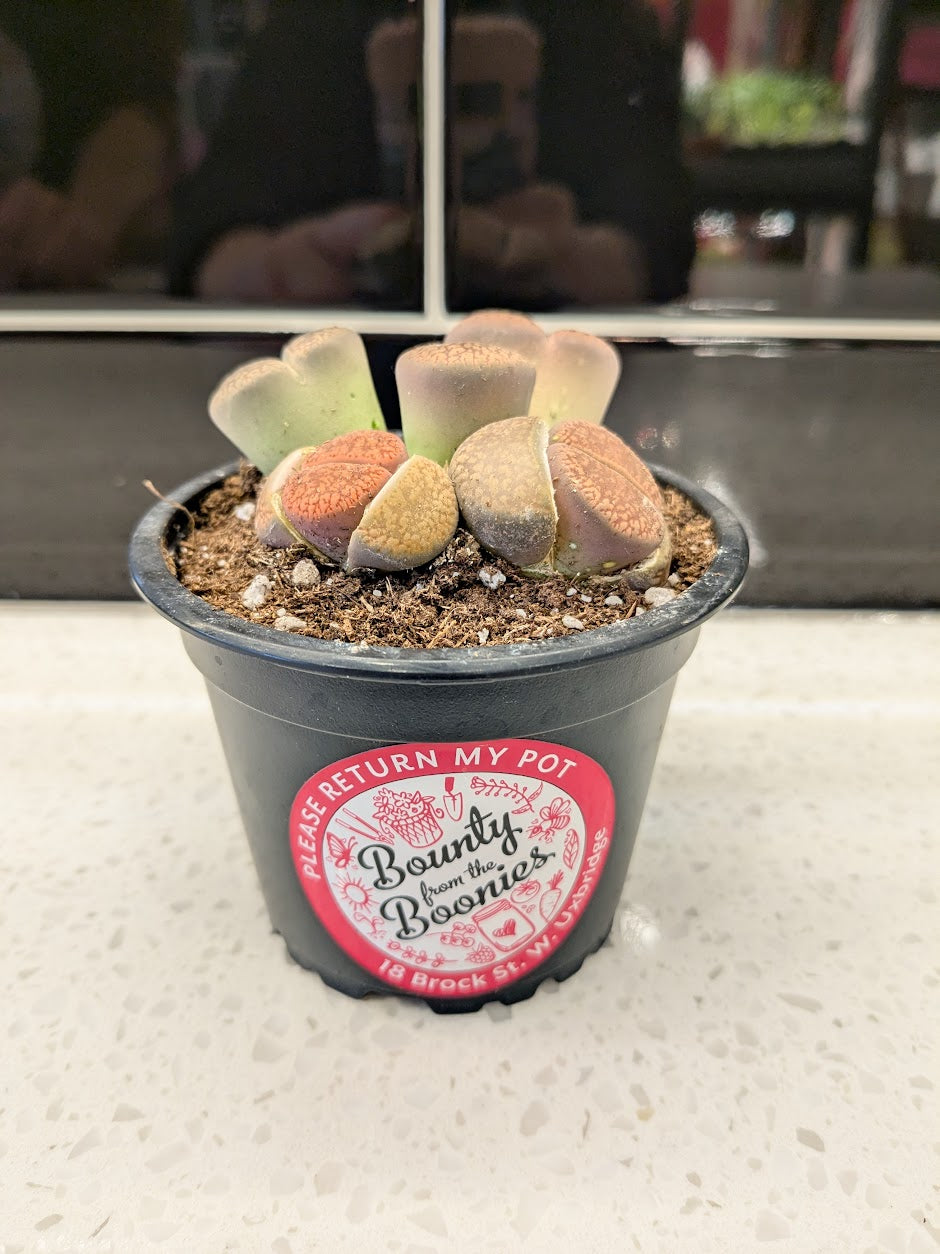
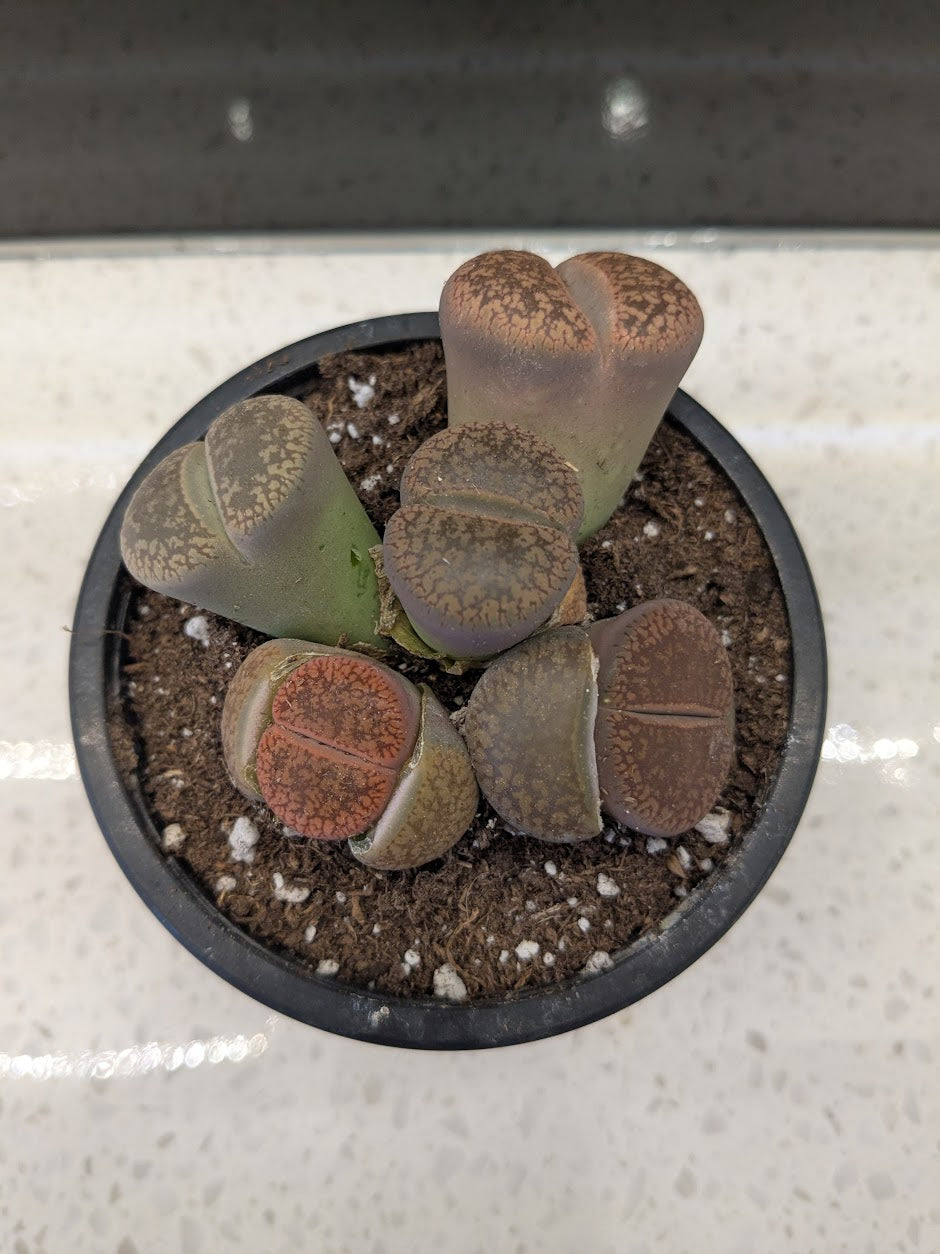
A strange succulent variety that look a little like brains! Also known as "Lithops" which is derived from the greek word "lithos" (stone) "opsis" (like)...stone like!
Native to South Africa, this quirky little plant is known for its unique appearance. Because they look like small stones, it helps them camouflage against grazing animals.
Scientific Name: Lithops
Common Names: Living Stones
Growth: 1-2 inches tall
Light: Bright indirect light
Watering: (Water from below)
Late Spring to Summer: Only water every 2-3 weeks.
Late summer to early fall: Water once you notice growth happening.
During Dormancy: Stop watering completely, especially during winter and midsummer.
If leaves start to shrivel, add a bit of water to firm them up.
Care: Intermediate
Pet Safe: Yes!


Lizard Tail is a popular, low-maintenance succulent known for its fleshy, dark green leaves covered in white bumps that form rosettes, resembling a lizard textured skin. Originates from South Africa, which is why this plant is drought tolerant. Under ideal conditions, it produces pale orange flowers on tall stalks.
Scientific Name: Gasteraloe
Common Name: Lizard Tail
Growth: Slow growing
Light: Bright, Indirect light
Watering: Let soil dry out before watering again.
Pet safe: No
Care: Easy


Pretty and low maintenance! What more could you ask for? Leaves start as bronze coloured and turn green as they mature
Scientific Name: Didymochlaena truncatula
Light: diffuse, low light
Growth: 1 -3 feet tall
Watering: When top 1 inch of the soil feels dry. Likes high humidity
Pet Safe: yes
Care: easy to moderate
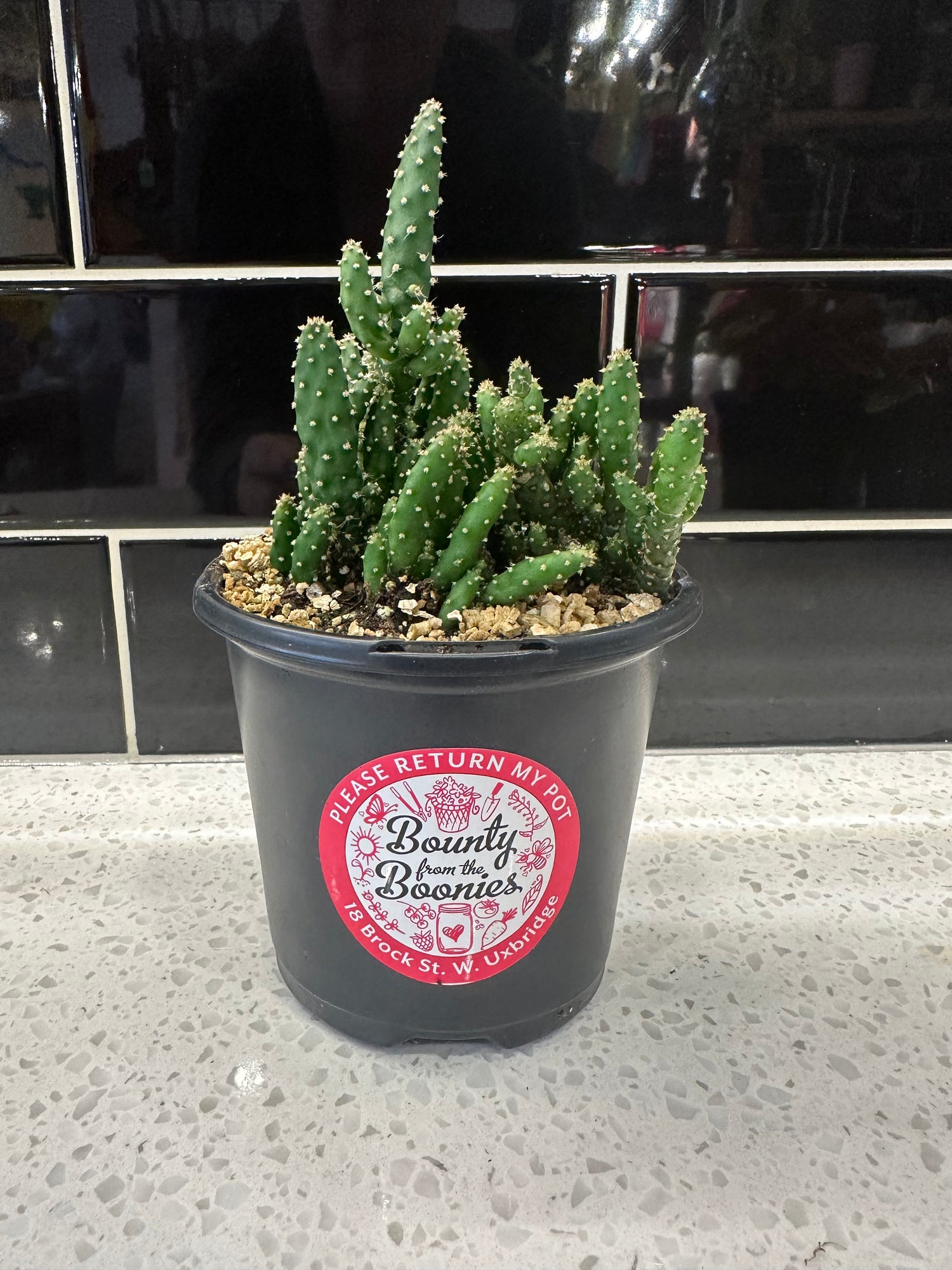
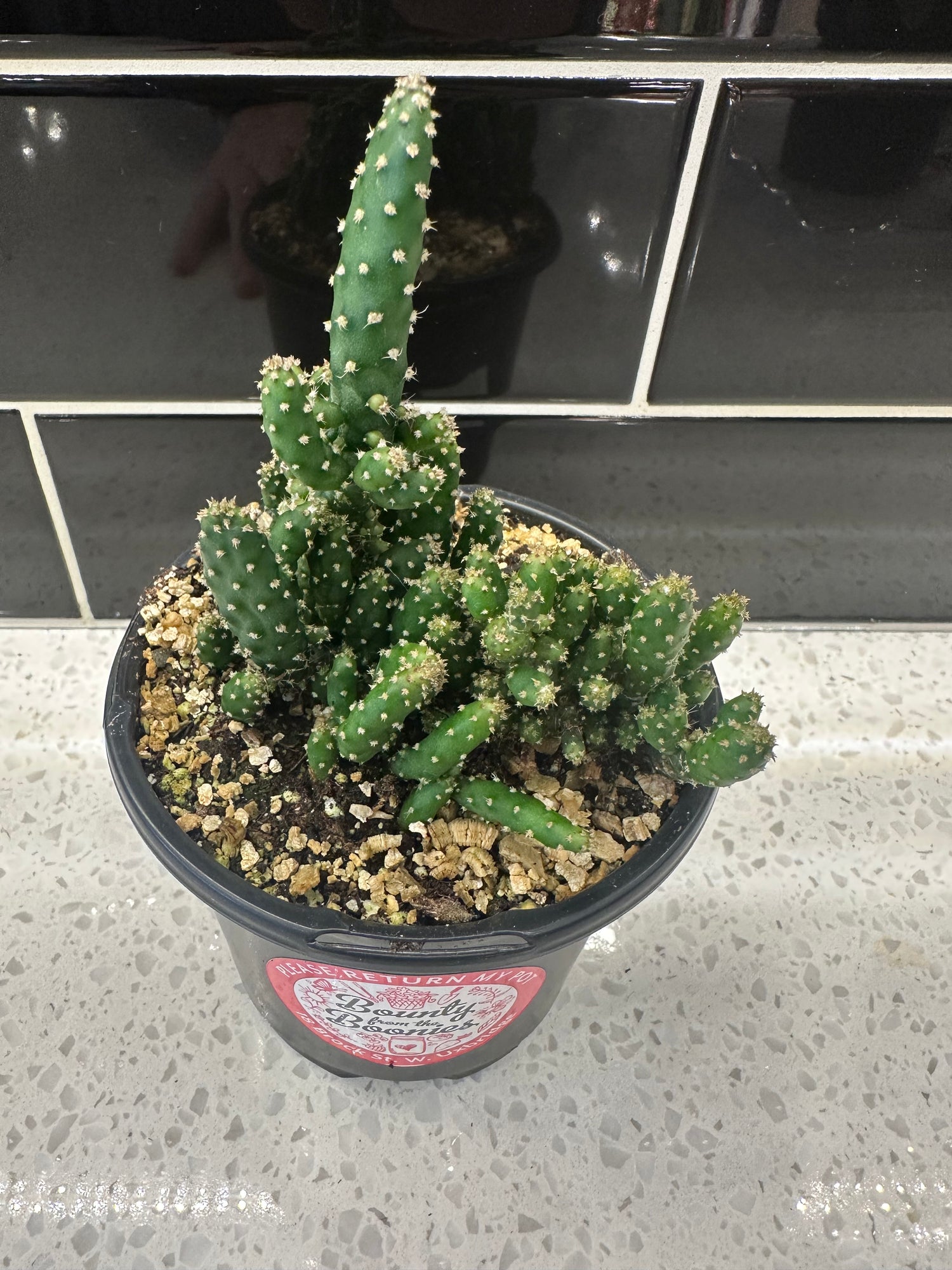
Native to South America, this cactus is a slow-growing, dwarf prickly pear cactus that forms unusual, shrub-like, or tree-like shapes and requires bright light, good drainage, and frost protection, but can tolerate slightly more frequent watering than some other cacti.
Scientific Name: Opuntia monacantha
Common Name: Maverick Cactus
Growth: very slow
Light: Bright light
Watering: Once soil has completely dried out, then soak
Pet Safe: Yes
Care: Easy


Medusa Head Cactus has thick stems that resemble snakes on Medusa's head. This plant needs well draining soil to prevent root rot.
Once it reaches a certain size, this can produce pups on the ends of older arms. After a time, these pups can root on their own. The arm it grows off of rots and the pups roll away to root on their own. If they are cared for, you can end up with a greenhouse full of them!
Scientific Name: Euphorbia flanaganii and Euphorbia caput-medusae
Common Name: Medusa Head Cactus
Growth: It can grow as tall as 8 inches and can spread over several feet in diameter!
Light: Bright, Indirect light
Watering: Allow soil to completely dry out
Pet safe: No
Care: Easy


$4 each or 3 for $10 (save $2!)
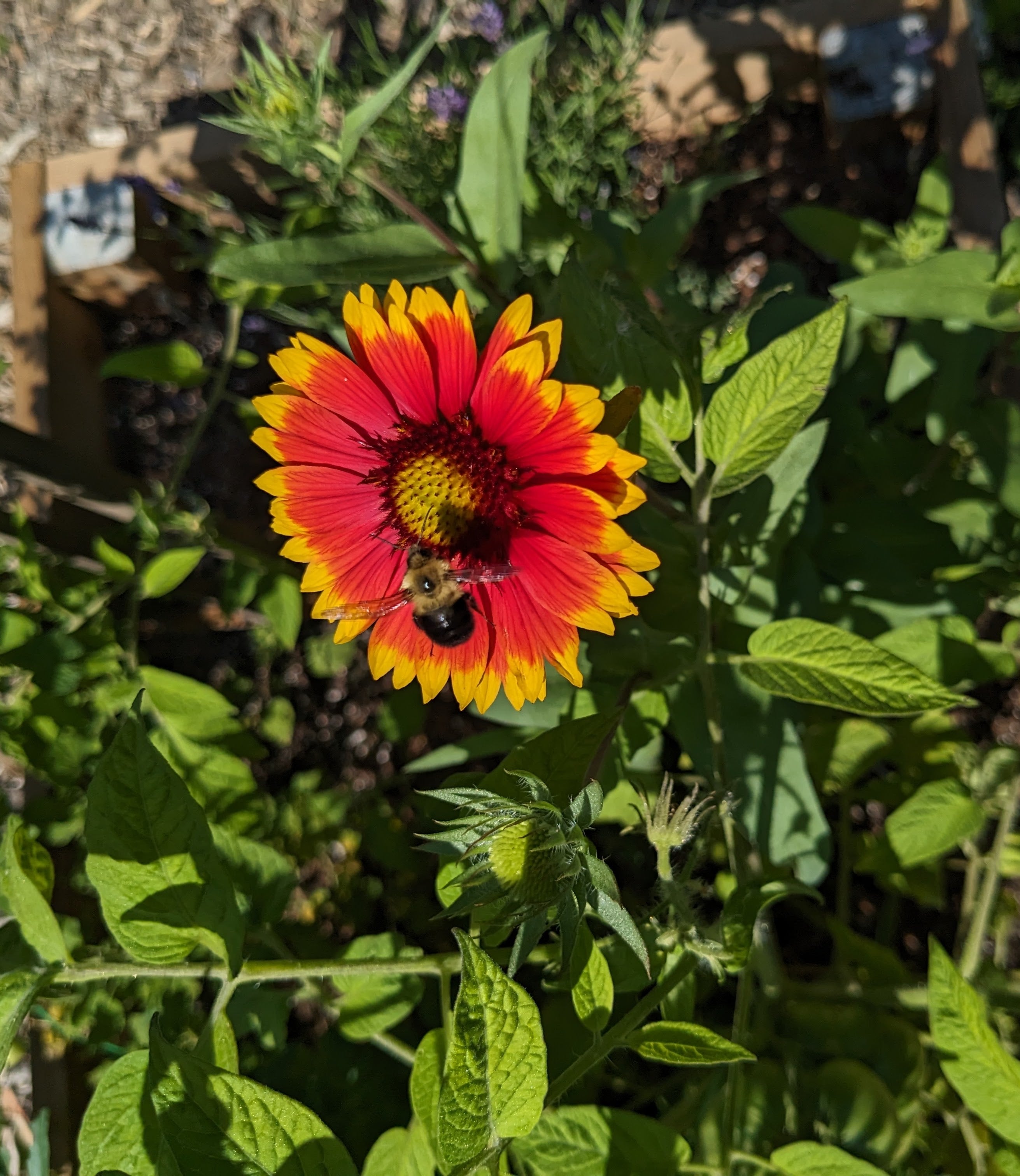
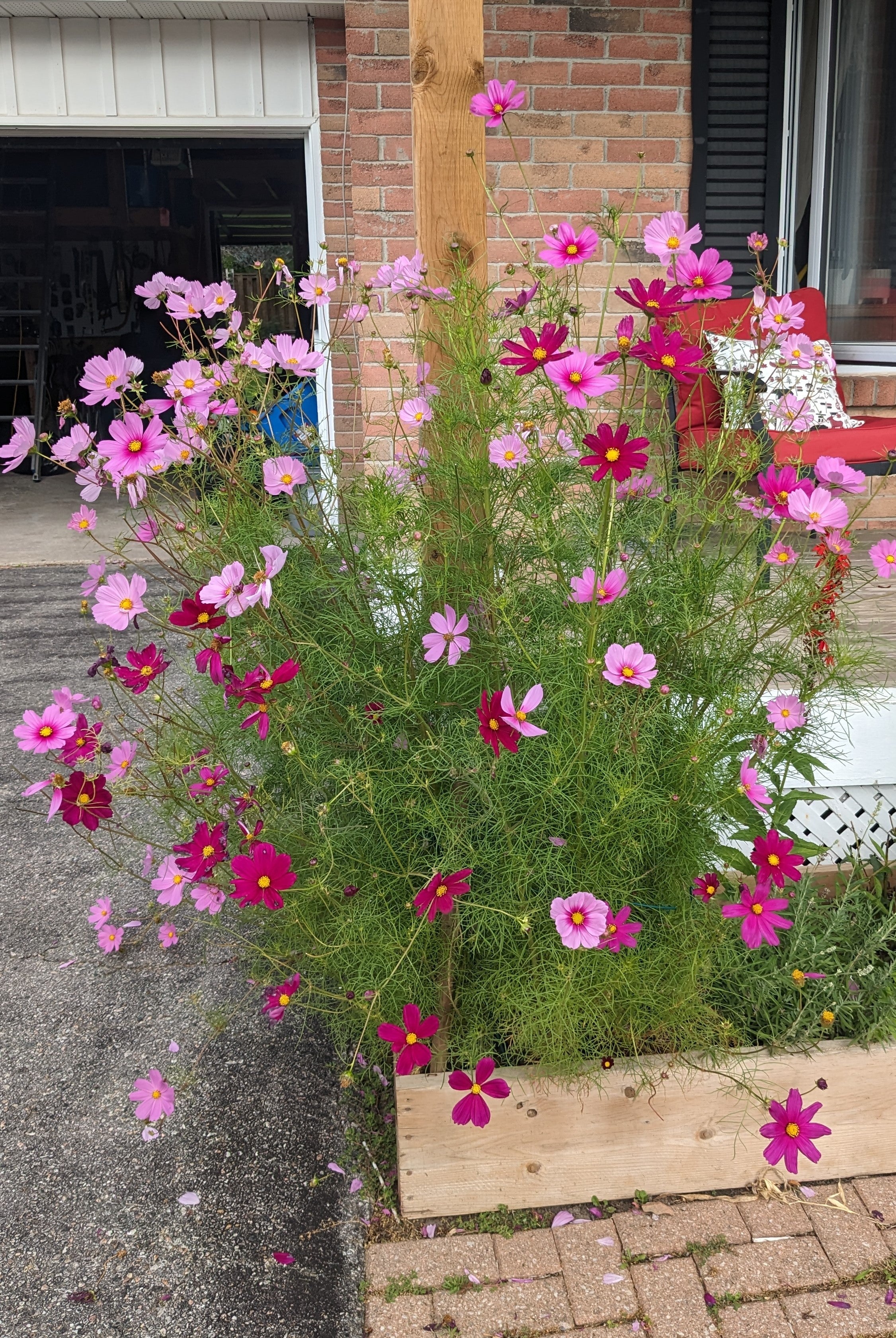
A gorgeous plant for the border! It grows into a shrub full of flowers which are adored by bees and butterflies and the seeds are eaten by birds.
Type: Annual flower
Height: 4-5'
Light: full sun
Soil: average
Water: keep evenly watered
Bloom time: mid to late summer
Planting: Give plants lots of space in the garden to grow! Plant outside after danger of frost. Harden off* before planting outdoors.
* Hardening off refers to the process of gently and gradually acclimatizing indoor grown seedlings to the great outdoors! Don't throw your new babies straight into the elements! Over the course of a week, take them outside for a few hours at a time, bringing them back indoors afterwards. First sit them in the shade and then slowly introduce them to the sun. Increase the length of time they are outside and are exposed to the sun, until you feel they are ready to face the big outside world!
$4 each or 3 for $10 (save $2!)
A gorgeous plant for the border! It grows into a shrub full of flowers which are adored by bees and butterflies and the seeds are eaten by birds.
Type: Annual flower
Height: 4-5'
Light: full sun
Soil: average
Water: keep evenly watered
Bloom time: mid to late summer
Planting: start seeds indoors 4-6 weeks before the last frost. Give plants lots of space in the garden to grow!


Grow lemons in your home. These amazingly scented mini trees will flower and produce edible lemons year round.
Scientific Name: Citrus × meyeri
Growth: Slow growing. 3-4 feet indoors. If it is really happy it may grow taller
Light: Full sun
Watering: Water well and deeply when top 2 inches of soil is dry. Do not overwater. Ideally they like to be kept moist but not soggy
Pet Safe: No
Care: Intermediate.
Can be moved outside for the summer but bring them back in before it gets cold as they can not withstand any frost.
- Fertilize approx. 3 times between spring and fall with a high nitrogen fertilizer or a slow release all purpose fertilizer. You can also use compost tea or fish emulsion fertilizer.
- Pruning: Is not really necessary but can be done to maintain a shape you like. Only prune once the tree reaches 3 feet. Remove dead, crossing branches or branches that are too long and thin to bear fruit.
Pests: Watch for scale. Citrus is very prone to it. Scale is a small insect that forms a little brown shell on the leaves and stems. You will know you have it if the leaves become glossy and sticky which is the honeydew residue from the insect. Scrap off the scale with your fingernail or for the squeamish, use a scouring pad and a little soap. Hose off in the shower, spray with Carly's FU bug spray and if it comes back change the soil completely.


Michaelmoelleria Vietnamensis is a rare plant from Southern Vietnam. It has silvery patterned foliage and light purple flowers. This plant in the wild has threatened habitat loss due to eucalyptus plantations. It is found in Vietnam's broad leaved forests on granitic mountains where it grows on rocks. This plant propagates well from stem cuttings or leaf cuttings!
Scientific Name: Michaelmoelleria Vietnamensis
Common Name: Michaelmoelleria Vietnamensis
Light: Bright, indirect light
Watering: Water only the soil and not the leaves. Best to bottom water when top inch is dry.
Growth: Fast growing plant
Pet Safe: Yes
Care: Intermediate


3” Mini Hydrengea that can be potted outside. Available in pink and purple.
Diameter: 3”
Pet safe: No