








Sort by:
48 products
48 products

$4 each or 3 for $10 (save $2!)
Bring the sun into the garden with these delightful flowers! Multi branched and loaded with flowers!
Type: Annual flower
Height: 5-6'
Light: full sun
Soil: rich soil
Water: even watering
Bloom time: late summer
Planting: Start indoors 2-3 weeks before last frost or sow directly into the garden. Sow 1/2" deep into warm soil.

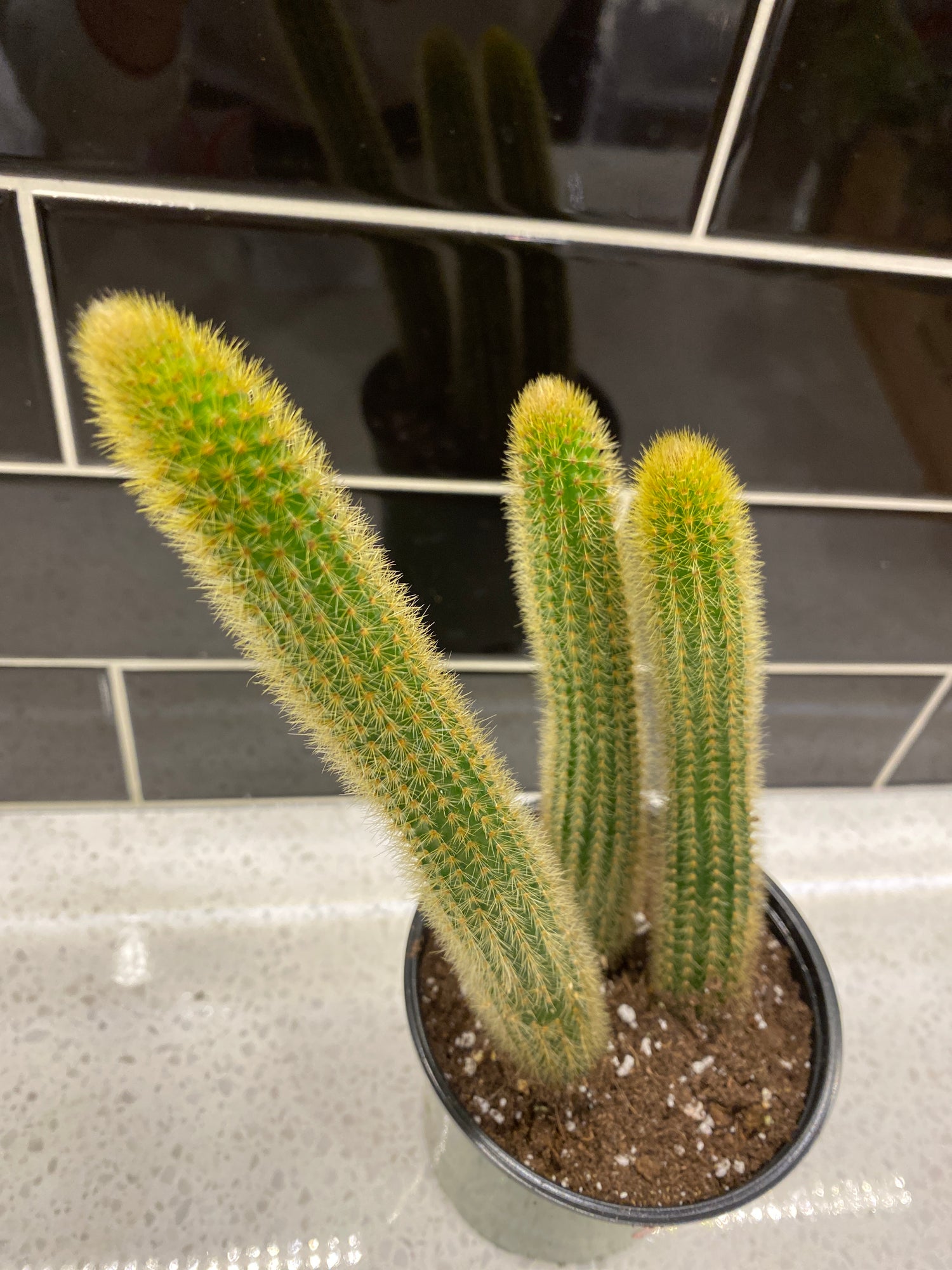
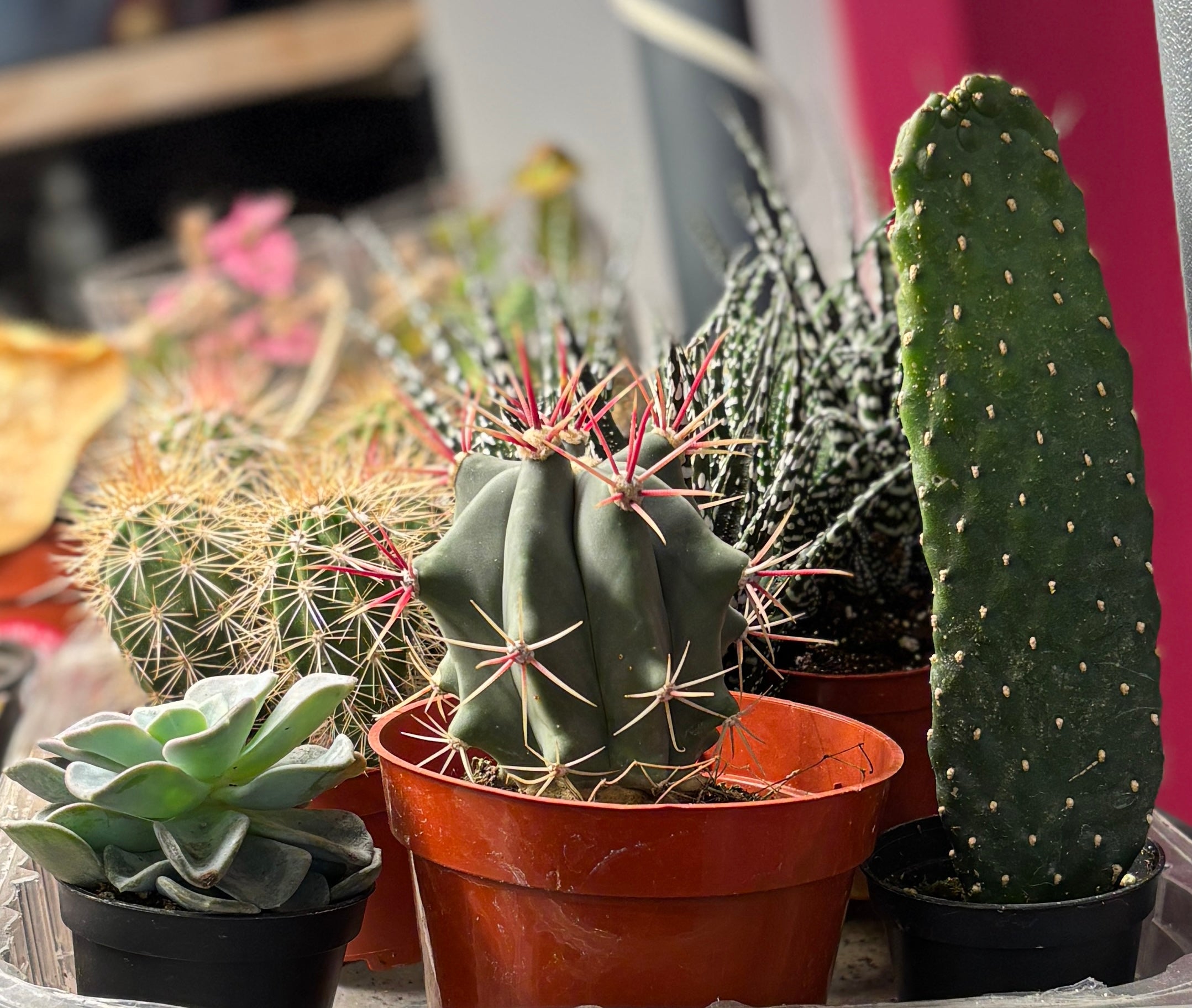
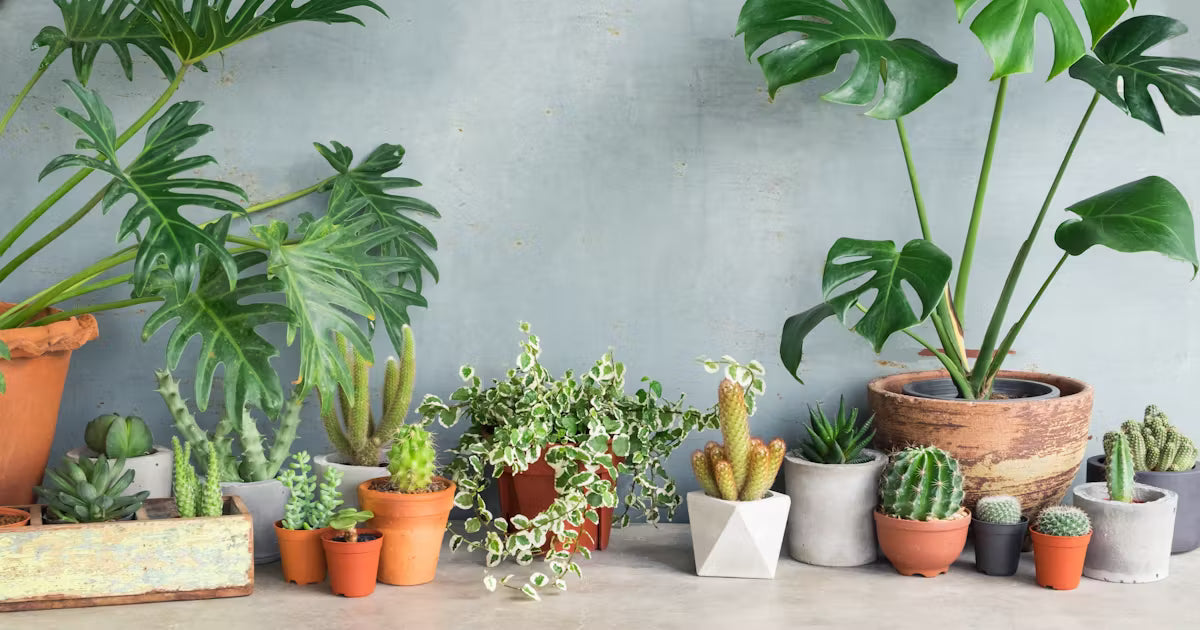
Cacti store water in their stems, which is why they are thrive in the desert. The spines on cacti are actually modified leaves. They help to protect the plant from animals and reduce water loss by shading the stem. The Rattail Cactus originates from South Western Mexico.
Scientific Name: Disocactus flagelliformis
Common Name: Rattail Cactus
Growth: Can grow 3-6 feet long
Light: Bright, Indirect sun
Watering: Let the soil dry out completely before watering
Pet Safe: Yes
Care: Easy
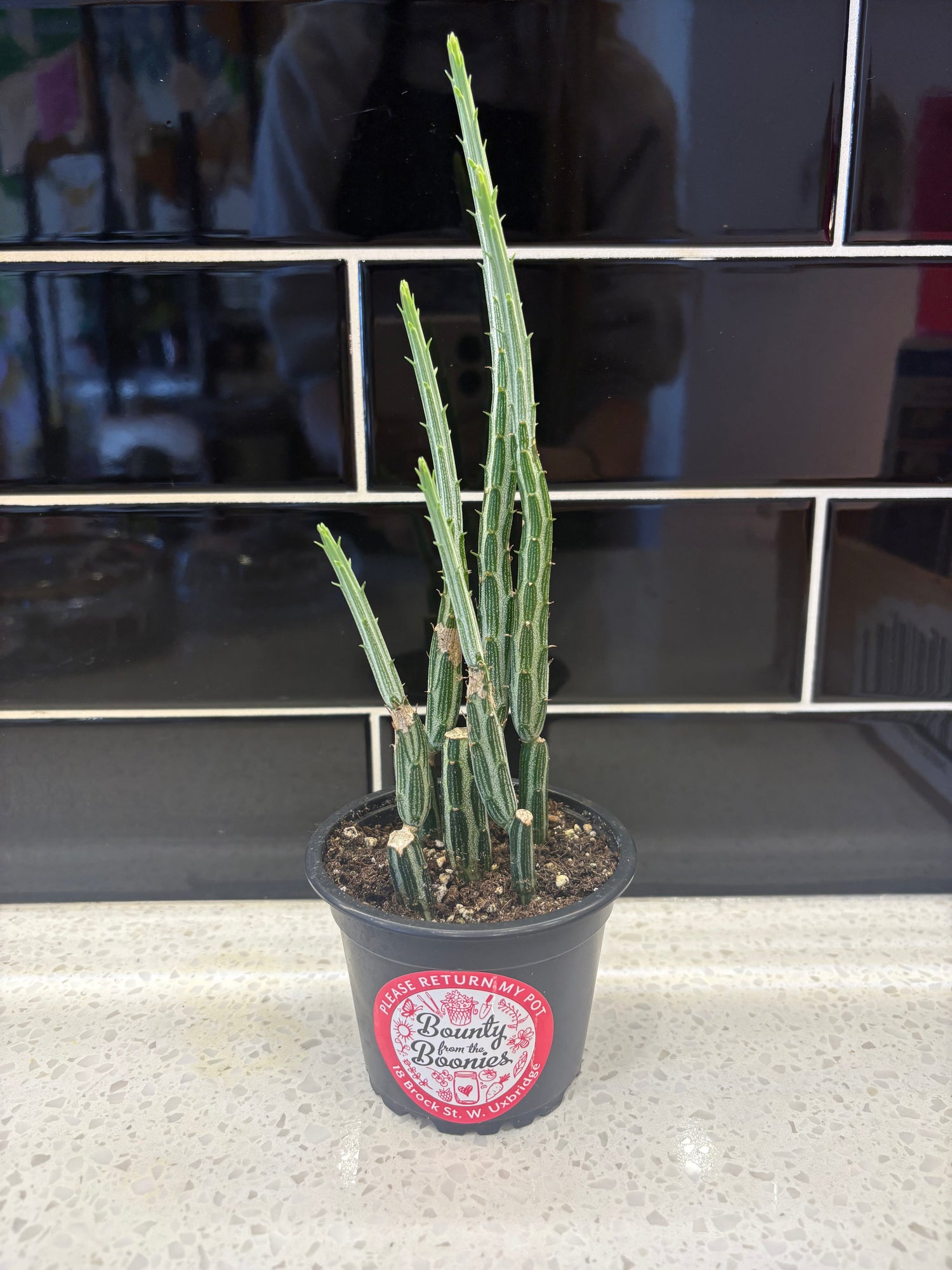
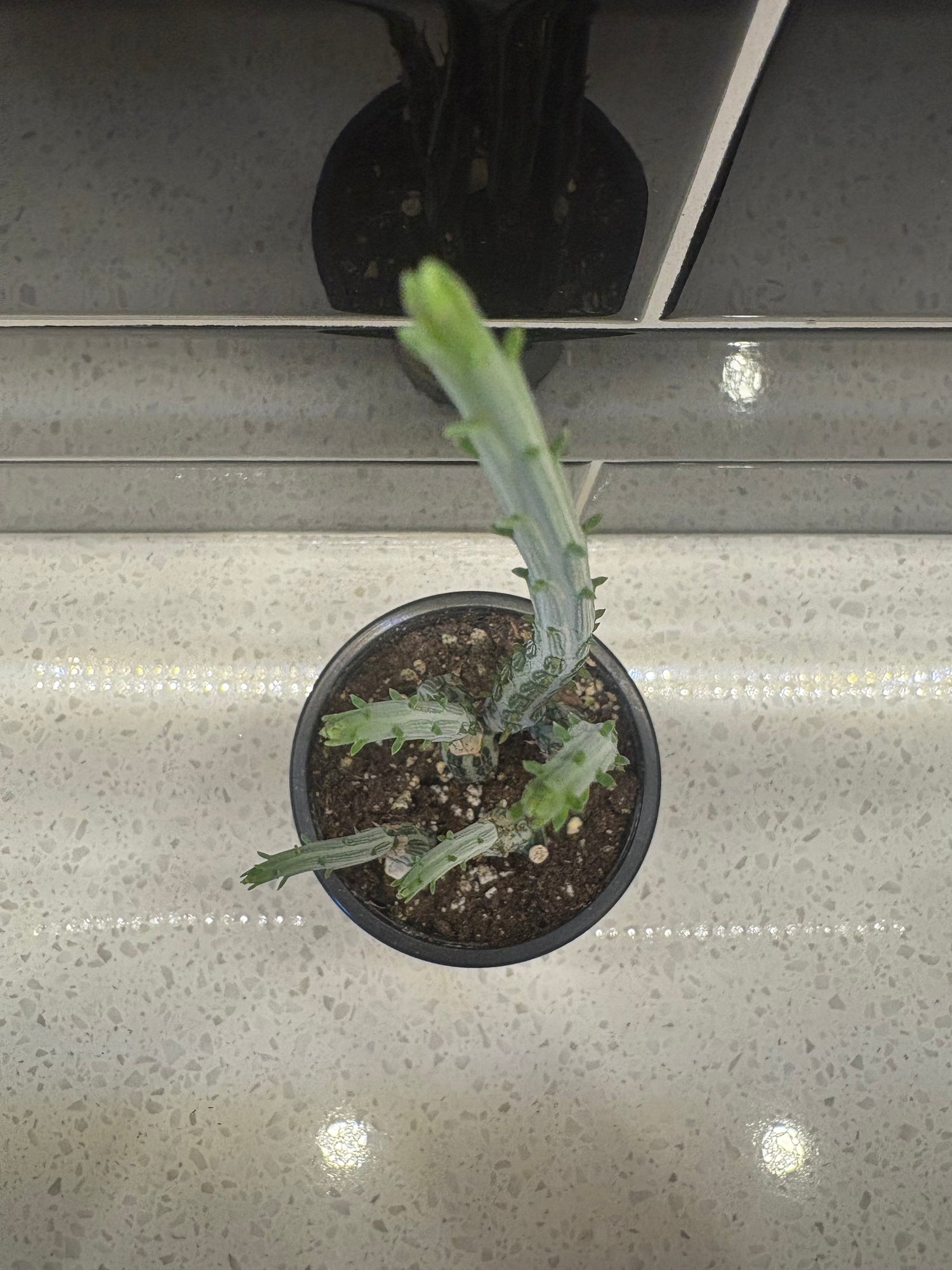
This plant is native to Southern Africa. If you look really close, you can see a cucumber pattern. This cool plant can have babies that grow off the stem, under the soil, and develop the dark green and silver coloration once exposed to the light. Ideally, place the pickle plant near a south or west-facing window that receives a few hours of direct sunlight per day.
Scientific Name: Kleinia Stapeliiformis
Common Name: Pickle Plant or Candle Stick Plant
Growth: 10 inches in length and 0.8 inches in thickness
Light: Bright, Indirect light
Watering: Let dry out between watering, water sparingly
Pet Safe: Yes
Care: Easy

$4 each or 3 for $10 (save $2!)
These cosmos are a lovely pure white which shines in the garden, especially at night! They would be a perfect choice for a night or moon themed garden.
Type: annual
Height: 30-183 cm (1-6 ft)
Soil: well drained, drought tolerant. Not too rich or you will only get foliage and no flowers.
Light: full to partial (6+ hours/day)
Planting: direct sow lightly, no more than 1/4” deep, in warm soil after last frost. For earlier blooms, start seeds indoors 4 weeks before last frost, then transplant outside after hardening off. *
Care: low maintenance. Deadhead regularly
Bloom time: early summer - hard frost
Carly’s Tip: Water soil first, let saturate, then plant seeds. This prevent seeds – especially light, delicate ones not deeply sown – from moving/washing away.
*Hardening off refers to the process of gently and gradually acclimatizing indoor grown seedlings to the great outdoors! Don't throw your new babies straight into the elements! Over the course of a week, take them outside for a few hours at a time, bringing them back indoors afterwards. First sit them in the shade and then slowly introduce them to the sun. Increase the length of time they are outside and are exposed to the sun, until you feel they are ready to face the big outside world!
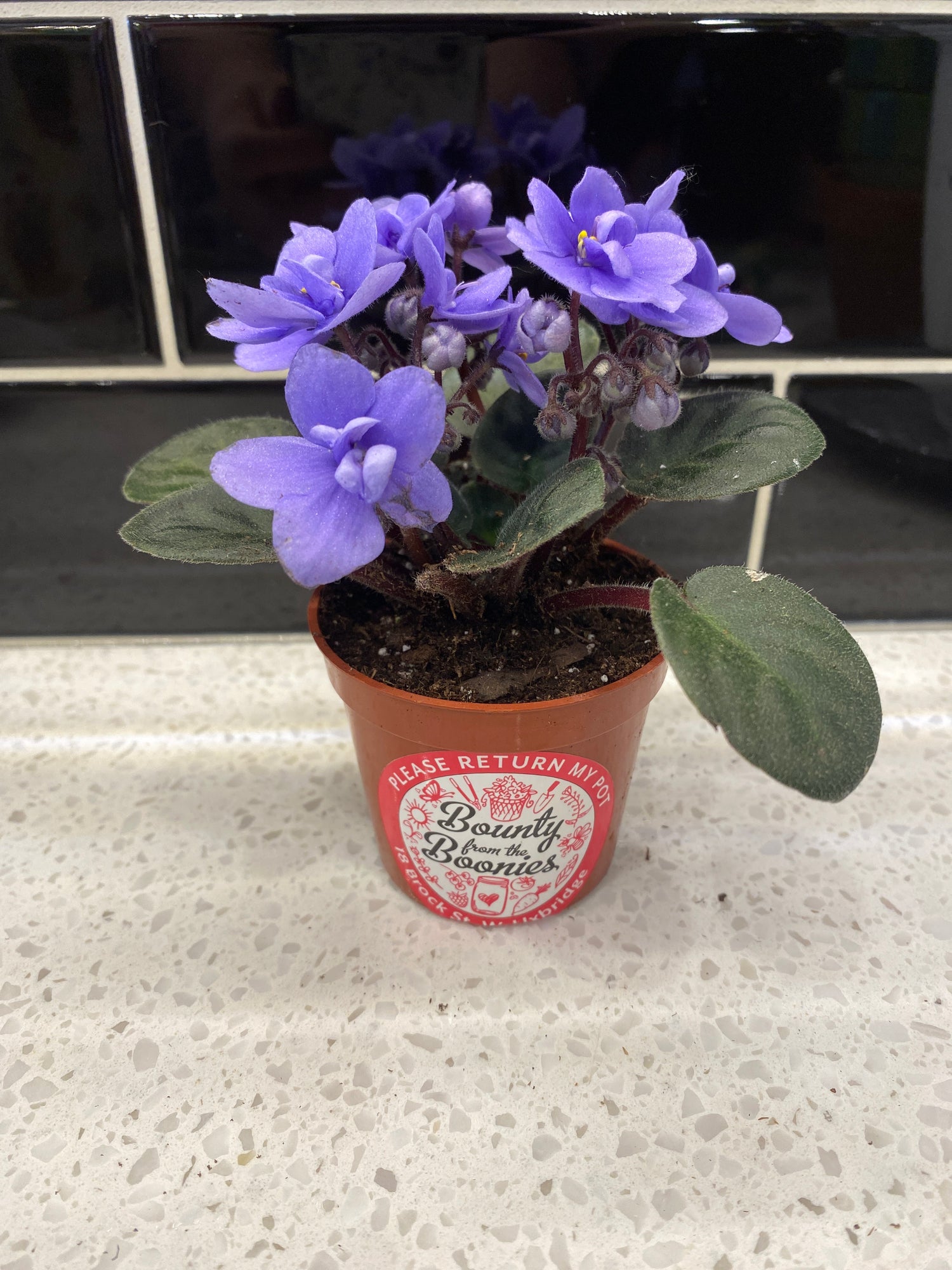
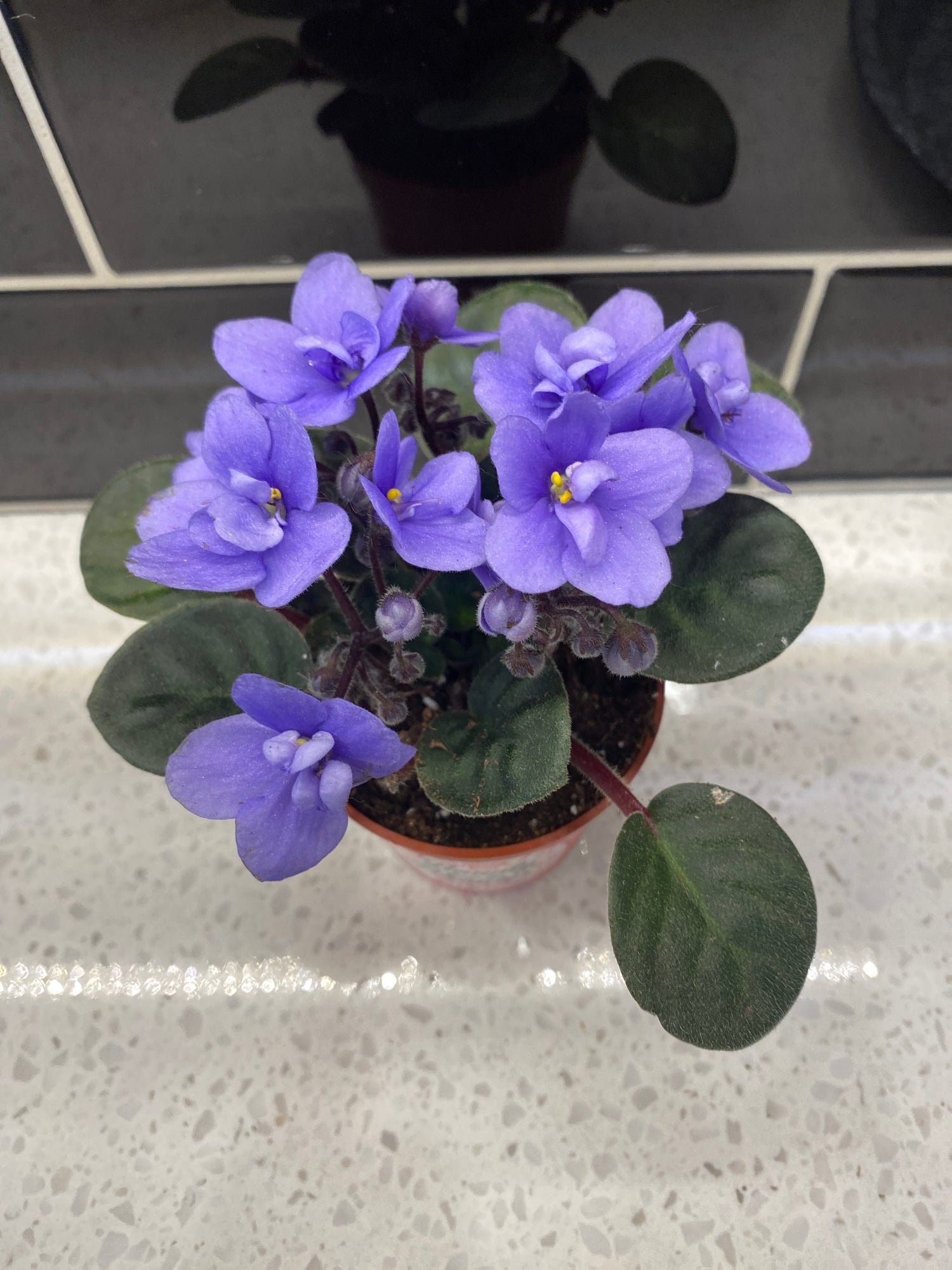
African Violet comes in many different colours. Native to the cloud forests of East Africa. They grow in humid, sheltered, indirect lighting conditions. Often on moss-covered rocks under the shade of tall trees. Keeping the leaves dry while watering is important. If the leaves are wet and the sun shines on the leaves it can cause burn marks on the leaves.
Scientific Name: Saintpaulia Ionantha
Common Name: African Violet
Light: Bright, indirect light
Watering: Water only the soil and not the leaves. Best to bottom water when top inch is dry.
Growth: Up to 8 inches
Pet Safe: Yes
Care: Intermediate

The Crown of Thorns plant is a succulent native to Madagascar known for its spiny stems and colourful, long-lasting bracts that look like flowers. It's often associated with good luck and protection. These flowers will bloom all year round!
Scientific Name: Euphorbia Milii
Common Name: Crown of Thorns
Light: Bright indirect light
Watering: When top soil is dry, ensure good drainage.
Growth: Can grow up to 6 feet tall!
Pet Safe: No
Care: Easy

We've potted a beautiful white flowering Cyclamen in a vibrant, sexy red glass bubble planter - just in time for Valentine's Day!
Comes with a handmade red XOXO flag from Uxbridge's The Annex Felt Studio.
Ready for gifting!


Treat me right and I'll bloom twice a year for you. I come in a variety of colours. A Christmas Cactus is a popular, easy-to-care-for houseplant known for it's vibrant winter blooms. It is native to the shady, humid rainforests of Brazil.
Scientific Name: Schlumbergera
Common Name: Christmas Cactus, Holiday Cactus
Light: Bright, indirect light
Watering: When top two inches of soil is dry
Growth: Up to 2 feet in width
Pet Safe: Yes
Care: Easy


Cyclamen are attractive, backward-curving flowers that bloom in vibrant colours such as white, pink, purple, and red. They are usually heart shaped with rounded leaves. The leaves have a beautiful silver or white pattern on them. This plant is native to the Mediterranean and parts of North Africa.
Scientific Name: Cyclamen Persicum
Common Name: Sowbread, Persion violet
Light: Bright, indirect light
Watering: Let the top inch of soil dry out and by avoiding getting water on the leaves or crown. Likes humidity.
Growth: Slow growth rate
Pet Safe: No
Care: Intermediate
$4 each or 3 for $10 (save $2!)
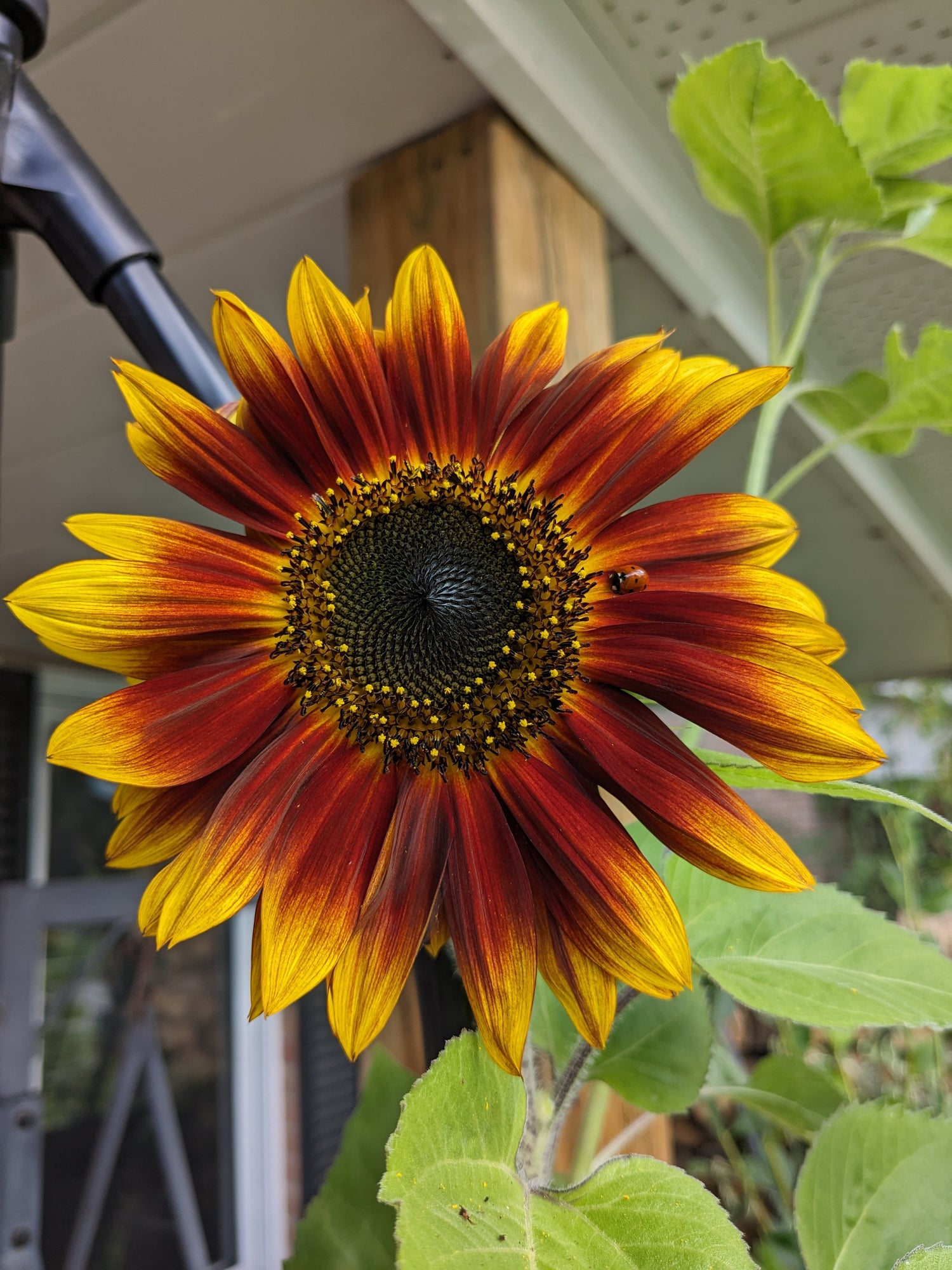
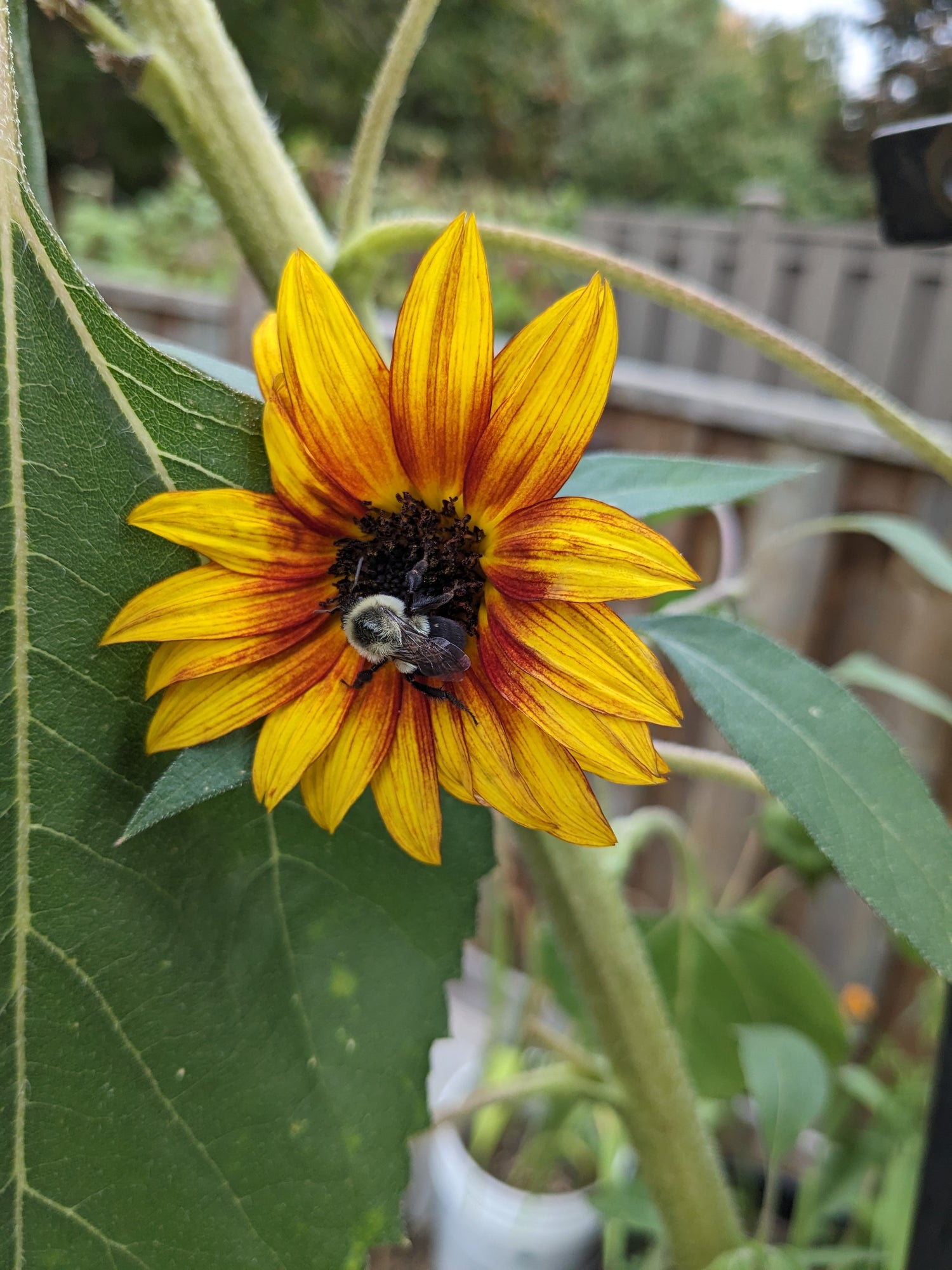
Sunflowers are a must-grow annual each season - their bright, cheery faces make me smile, and I absolutely love them in fall bouquets. They're always covered in bees of all sizes, even ladybugs. Then the birds, squirrels and chipmunks feast on the seeds.
I adore Ring of Fire, with their chocolate brown centres surrounded by golden yellow petals that turn to red. People ask me about them every year. I find the more sun they get, the deeper the red colour.
Ring of Fire is a basal branching variety, so you get multiple blooms off each plant. When you're tight on space, this is a bonus. Succession plant the seeds for continuous blooms.
Chipmunks and squirrels LOVE sunflower seeds and small shoots, and will relentlessly dig up the seeds and/or chop the tender plants off. My neighbours have heard my sobs and swearing in equal measure over the years. Here are my tried and tested ways to fight them:
- Direct sow seeds in containers or pots, then completely cage them with small-holed wire mesh (forget plastic - they will eat right through it) for as long as possible
- Start seeds indoors 4 weeks before last frost, then transplant to the garden with tall, wire mesh collars around the seedlings and DO NOT remove all season
Note: I learned the hard way that sunflowers are allelopathic, meaning they give off toxins that impede the growth of or even kill other plants. They also deplete soil of nutrients. Because I grow so much food in containers, I now grow my sunflowers in separate pots and place them near their fruit, veg and herb companions
Type: Annual
Height: 4-5 ft.
Light: full sun
Soil: heavy feeders, sunflowers need organically-rich soil that's well draining
Planting: Sow in warm soil after the danger of frost, 1/2" deep, 6" apart
Harvest: 8-12 weeks
$4 each or 3 for $10 (save $2!)
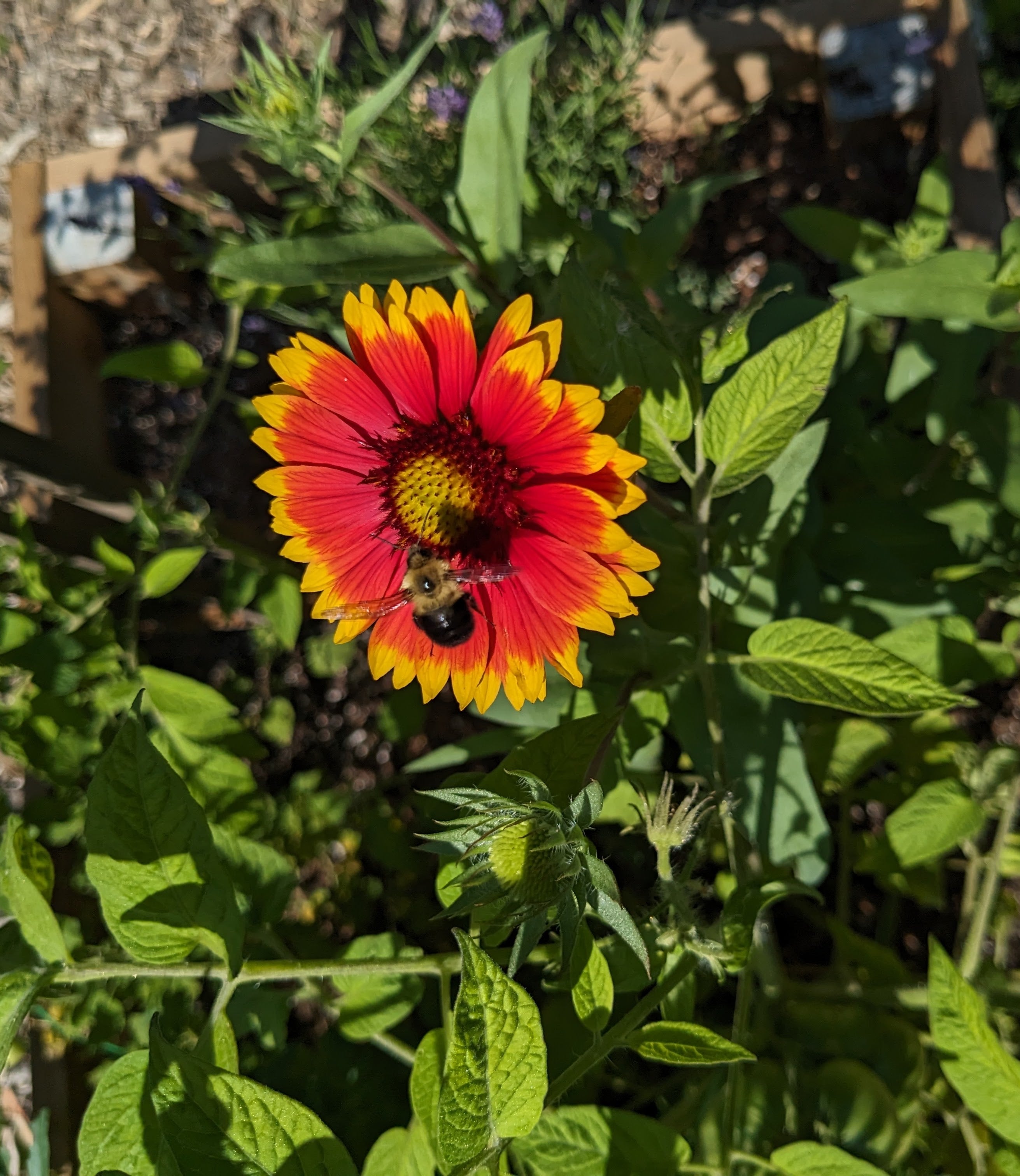
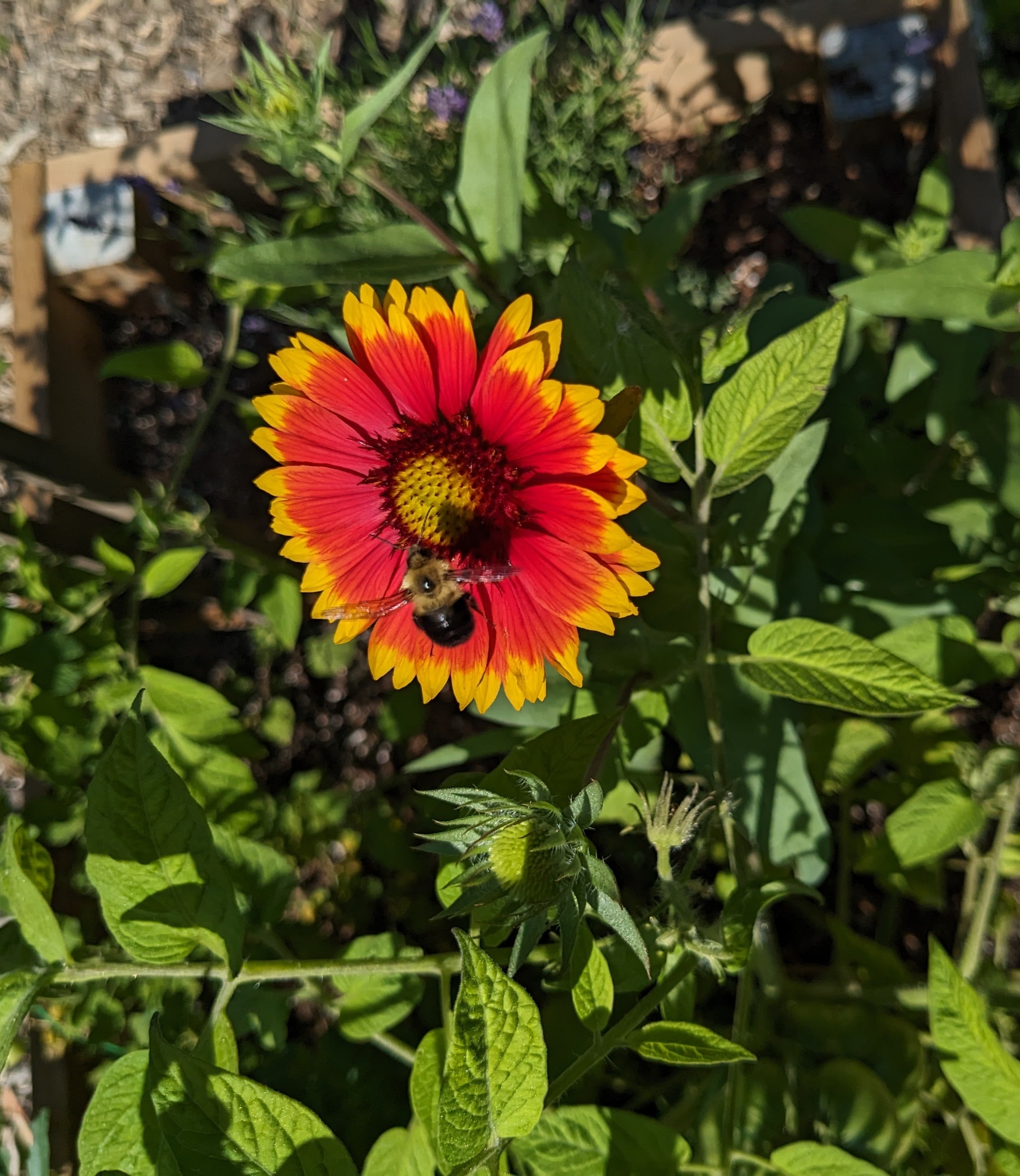
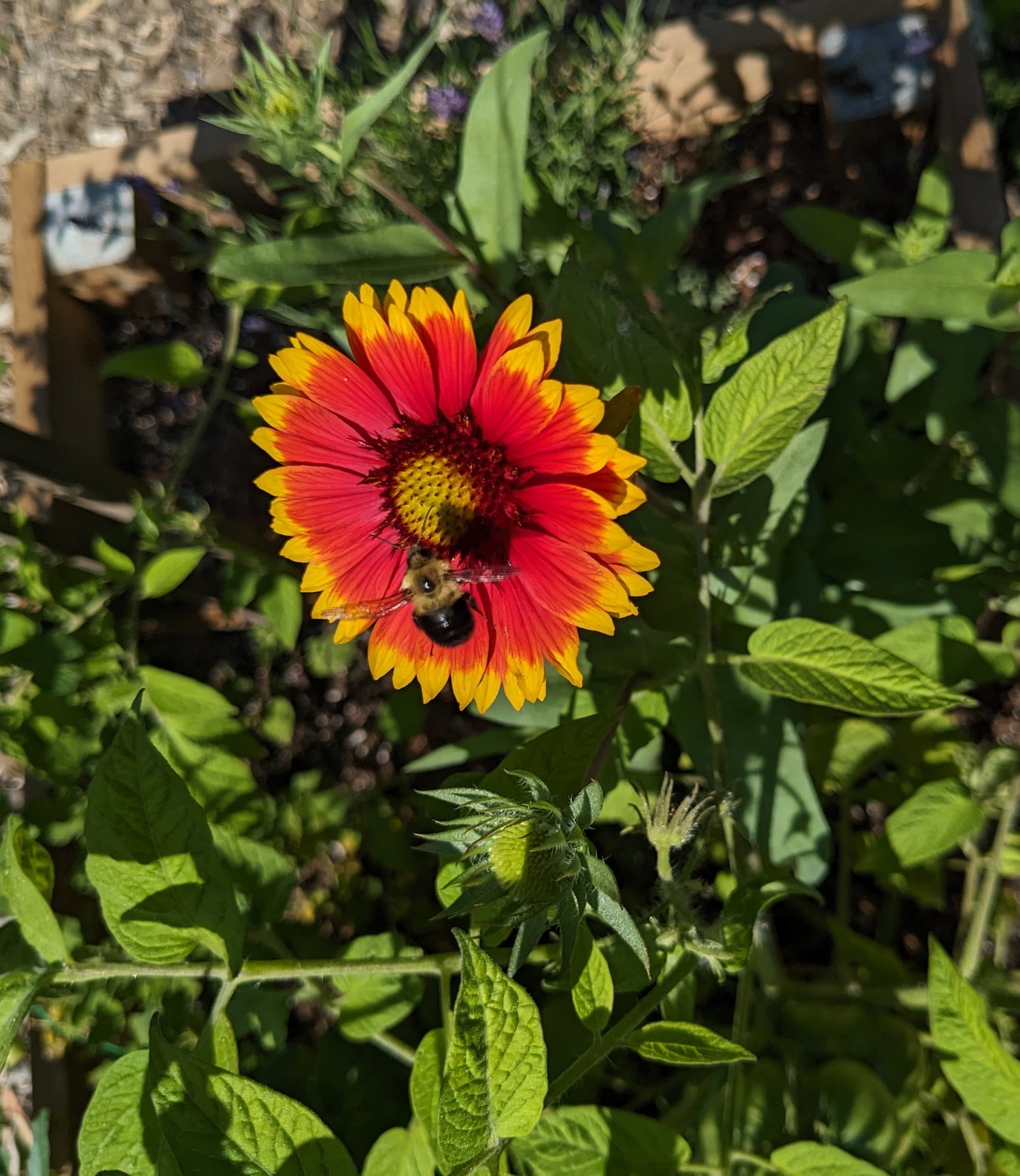
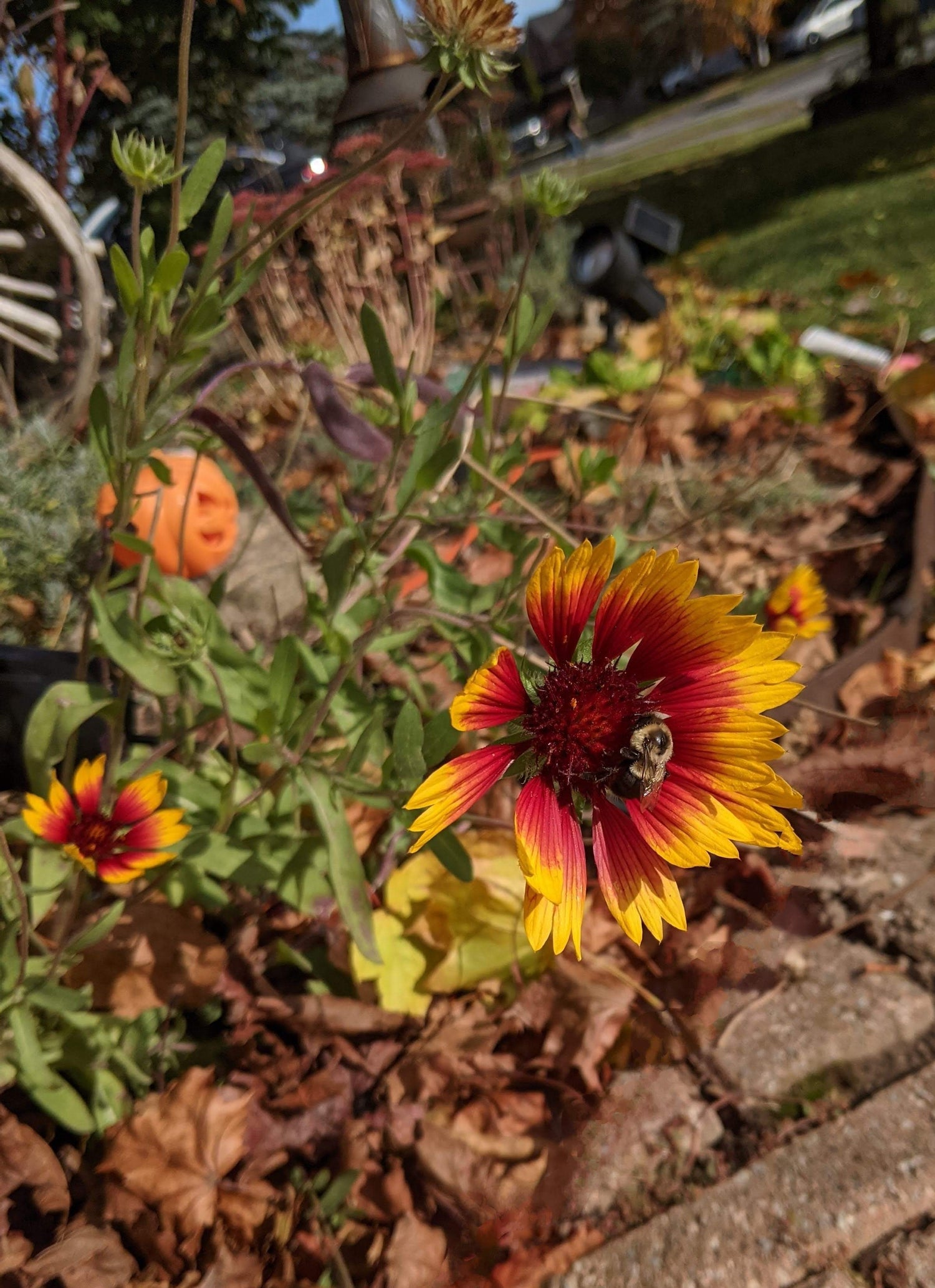
These gorgeous flowers absolutely pop in the garden, producing non-stop blooms from early summer-hard frost. They crawl with bumblebees, especially through the fall - non only for food, but as a soft sleeping bed in the cooling temperatures.
Blanket Flower need full sun and love the heat. I have them all over my property, in every type of soil - once established, they are happy as long as there's sun. Deadheading will keep the flowers prolific. A beautiful cut flower, tucked among amaranth, white phlox and sunflowers in a late summer bouquet.
Type: native perennial flower
Height: 2-3 ft.
Light: full sun
Moisture: drought tolerant
Planting: needs light to germinate. Lightly cover with soil, pressing to make contact. Keep evenly moist until germination. Can be direct sown after last frost.
Care: once established, Blanket Flower is low maintenance. Deadhead for more blooms
Bloom time: early summer-hard frost
$4 each or 3 for $10 (save $2!)
Uxbridge Township’s flower!
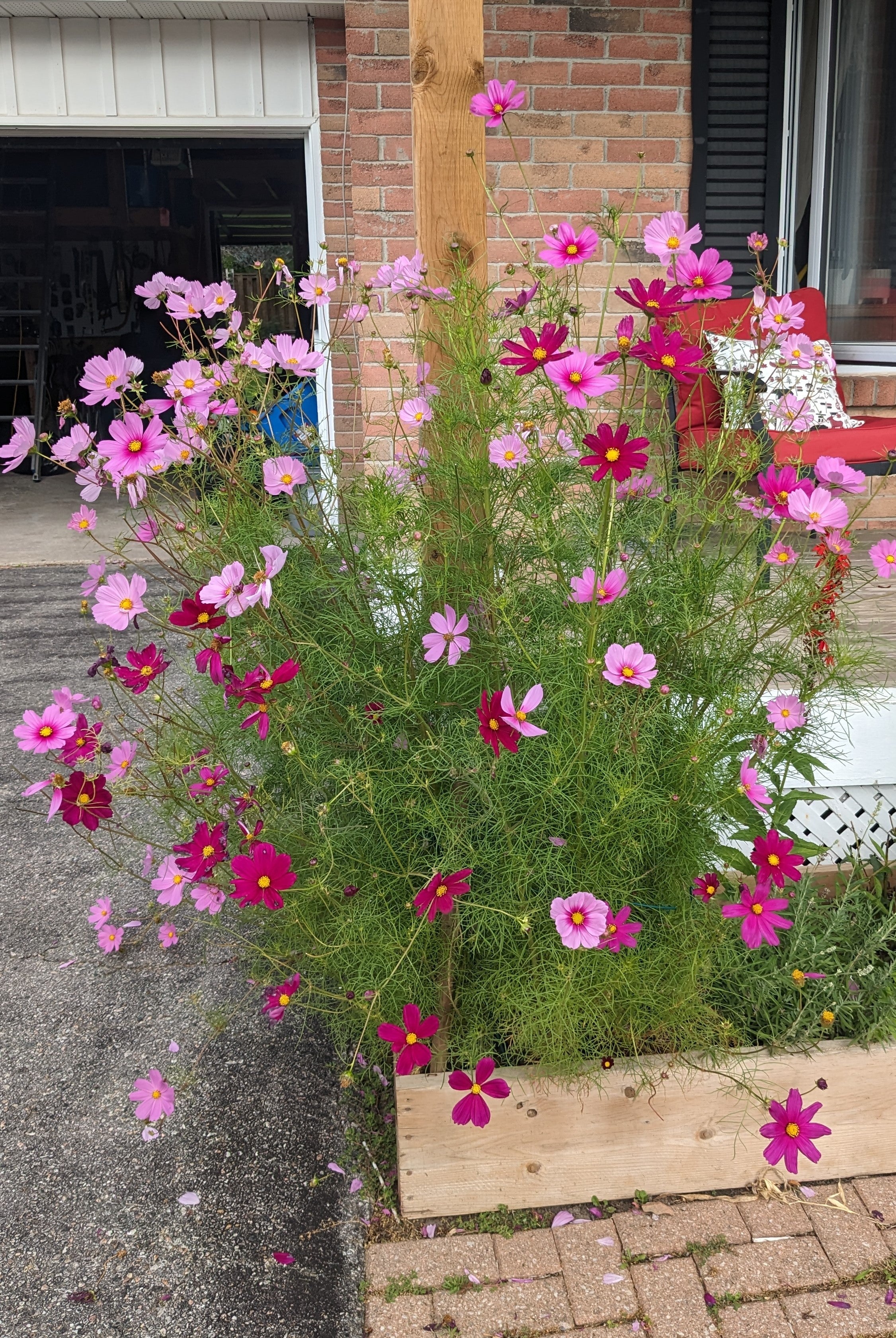
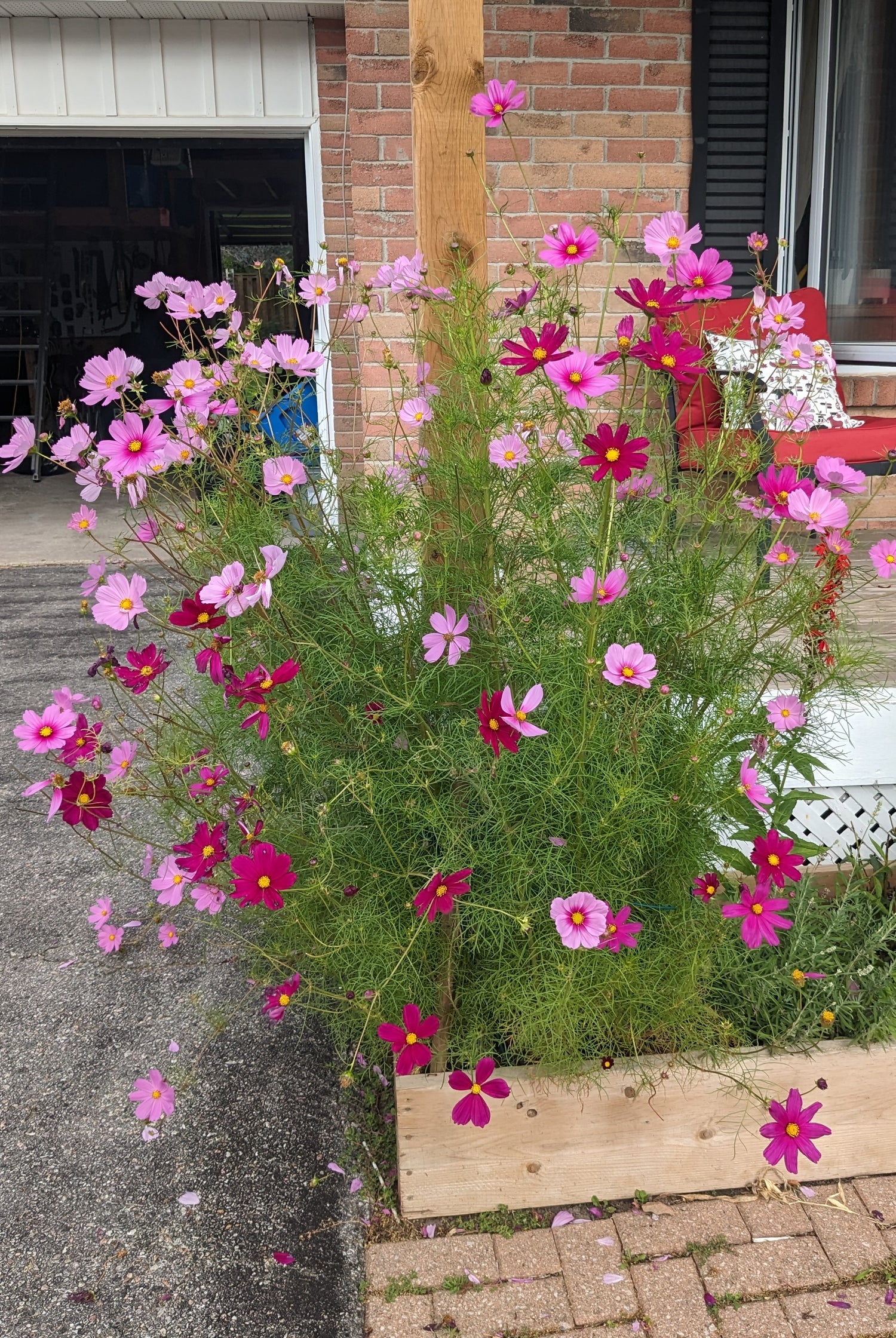
These delightful beauties in cheery pinks (my favourite colour!) are showstoppers in my full sun gardens.
Daisy-like blooms sit atop long, slender stems with feathery leaves, forming a cloud of colour. Once blooming, you’ll have non-stop flowers until a hard frost.
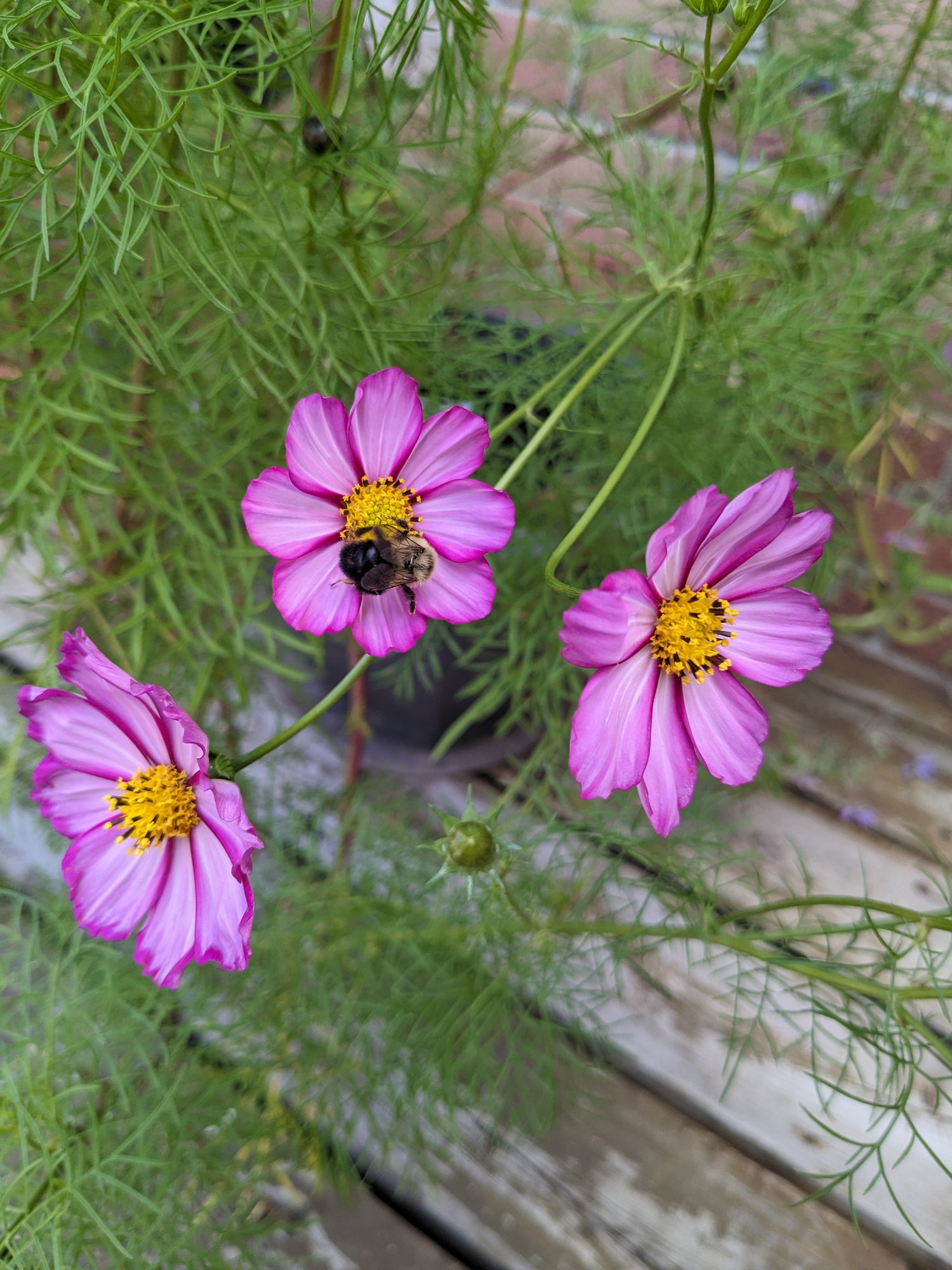
They crawl with bumblebees, hoverflies, sweat bees and ladybugs; I love sitting quiet and close to a patch of Cosmos, listening to soft buzzing and watching the action. Small birds such as goldfinches and chickadees eat seeds from the dried flower heads.
An excellent cut flower, lasting a week or more. East Gwillimbury Garden Club 3rd place winner in 2023, any other annuals category.
Open-pollinated
Heirloom
Type: annual, but reliably self-seeds and returns in my Zone 5b garden
Colour: pink shades, from pale to dark crimson, some variegated, yellow centres
Mix of single, double and fluted blooms
Height: 30-183 cm (1-6 ft)
Soil: well drained, drought tolerant
Light: full to partial (6+ hours/day)
Planting: direct sow lightly, no more than 1/4” deep, in warm soil after last frost. For earlier blooms, start seeds indoors 4 weeks before last frost, then transplant outside after hardening off (LINK: how to harden off seedlings)
Care: low maintenance. Deadhead regularly
Bloom time: early summer - hard frost
Carly’s Tip: Water soil first, let saturate, then plant seeds. This prevent seeds – especially light, delicate ones not deeply sown – from moving/washing away.