








Weird + Wonderful Plants
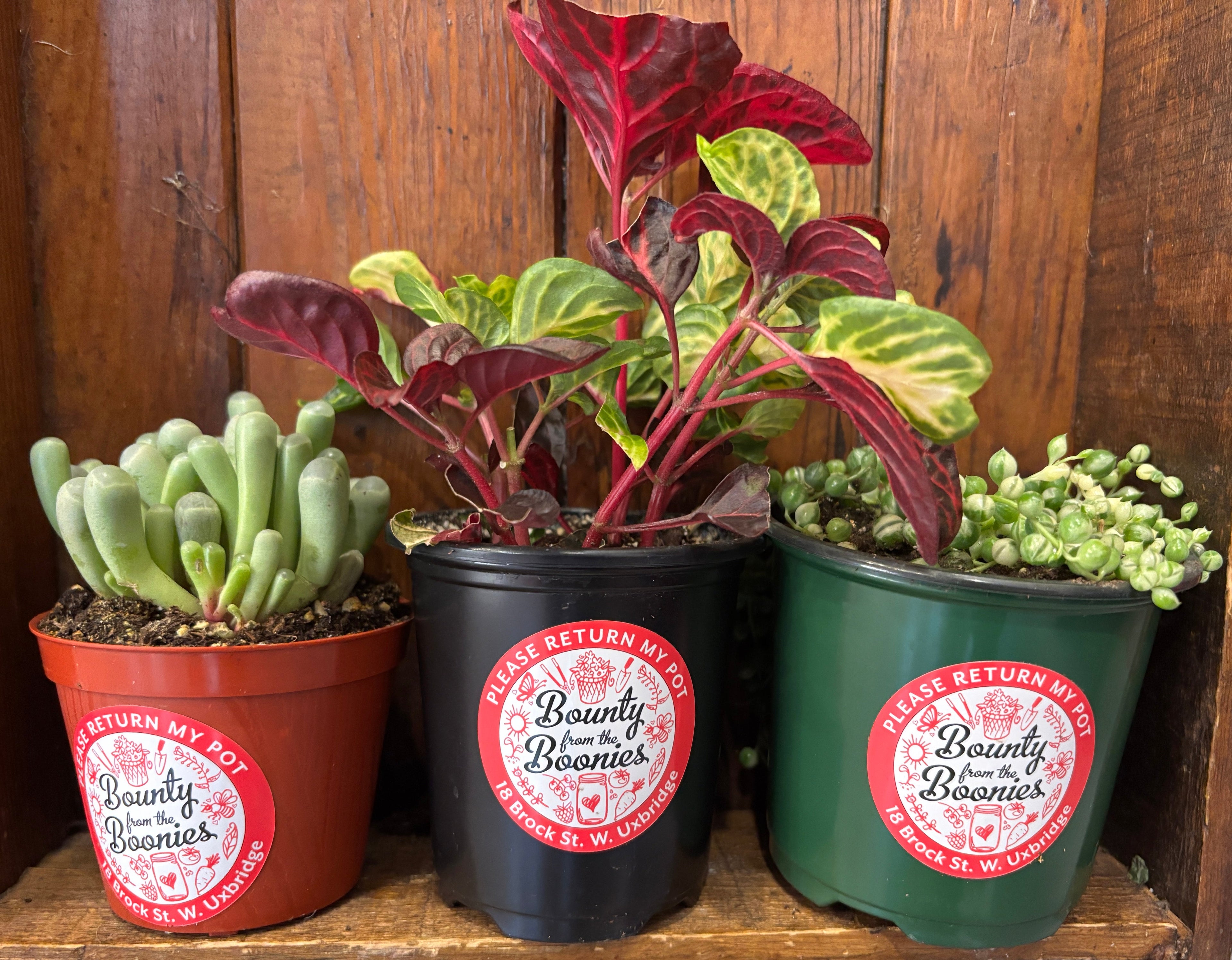
We love colour + unusual + weird + rare houseplants! Browse our collection here. Check back often, as we bring in new plants every week. And if you're looking for a particular plant, let us know - we offer private shopping + love a challenge!
Sort by:
82 products
82 products

This plant sports gorgeous foliage with delicate flowers and trailing stolon's with adorable, little mini plants.
Scientific Name: Saxifraga stolonifera
Growth: 6-8", trailing stolons can reach 2-3'
Light: Bright, indirect
Watering: Keep moist but allow top inch of soil to dry out between watering.
Pet Safe: Yes
Care: Fairly Easy
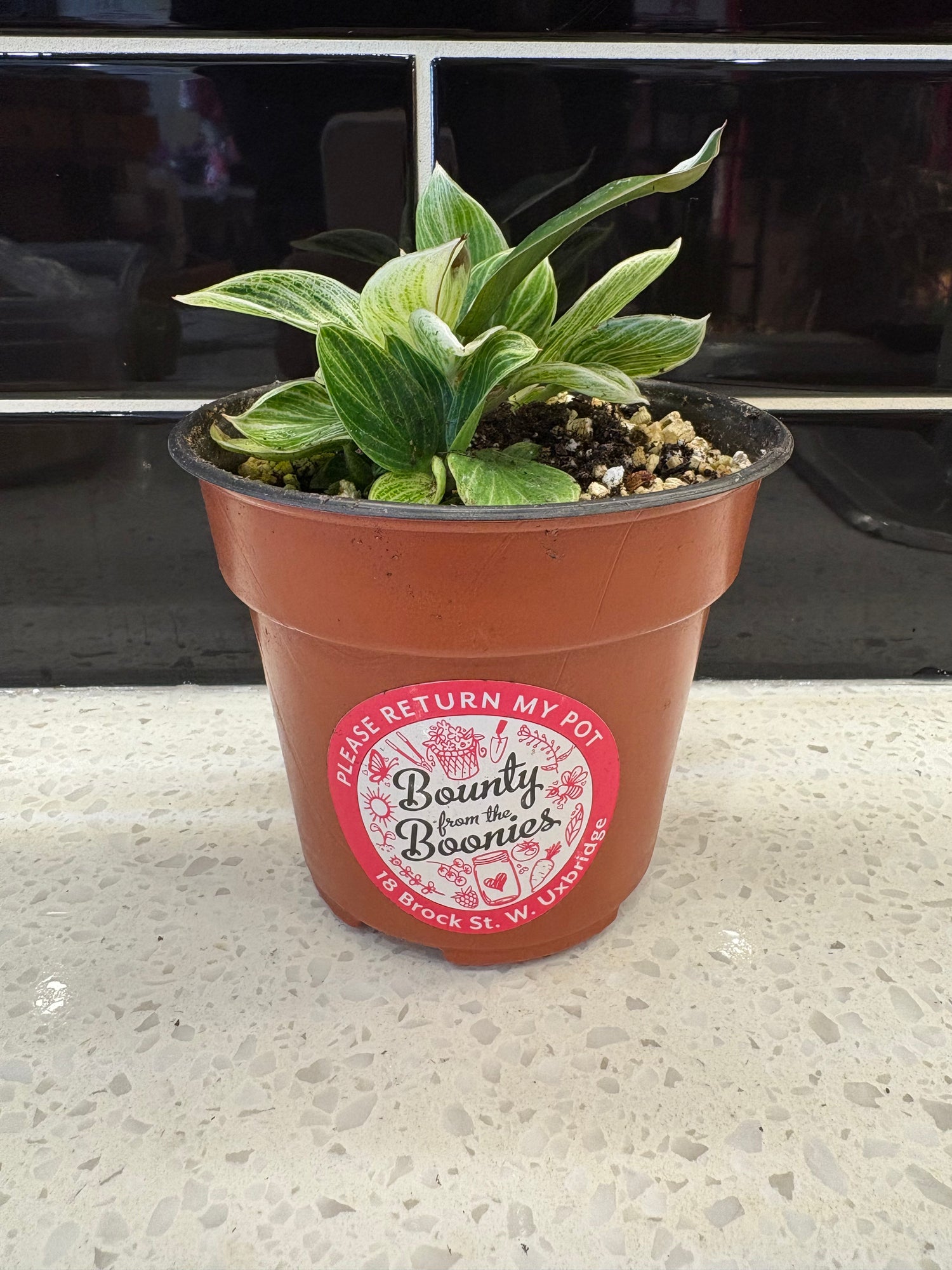
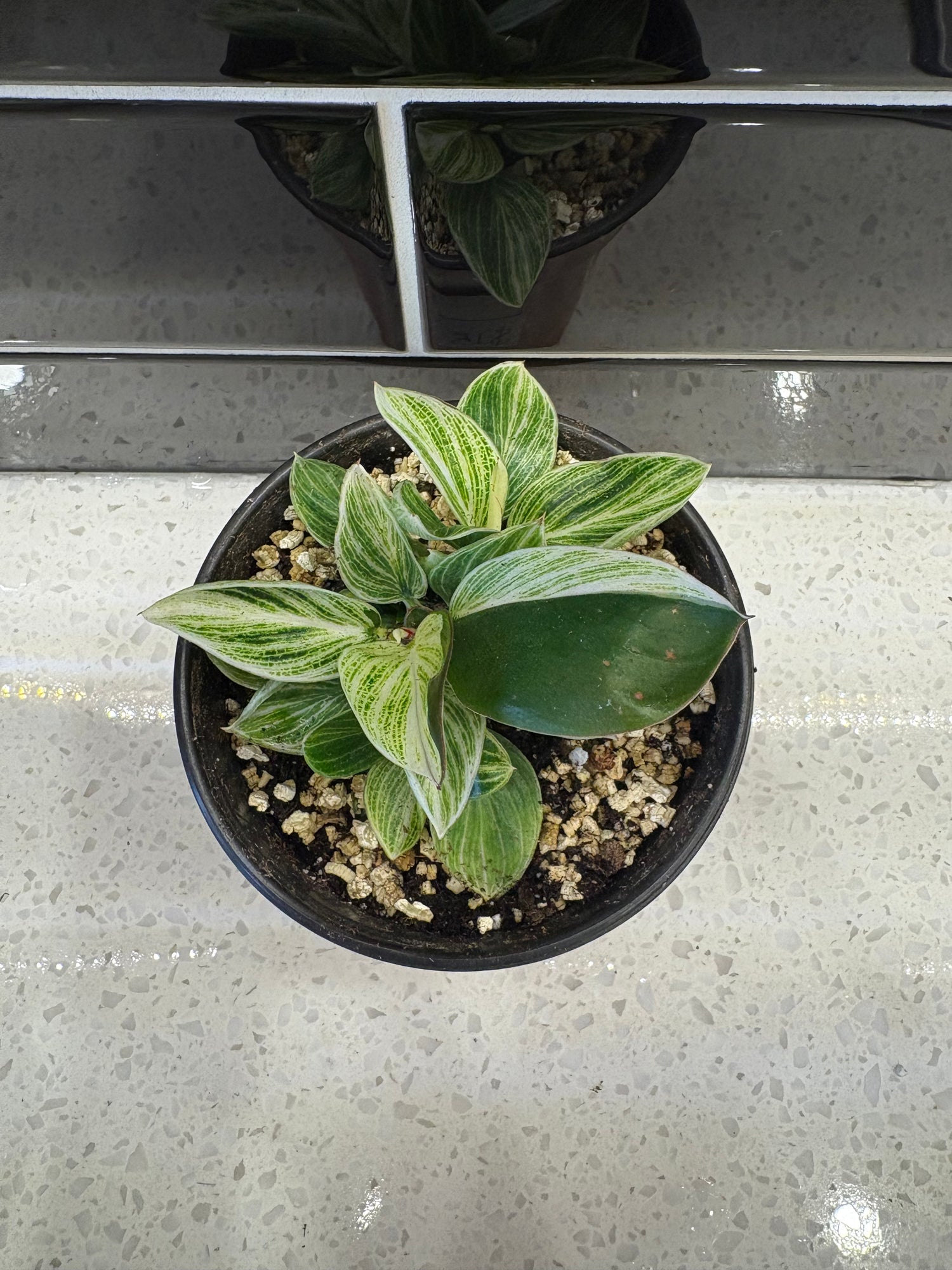
The Philodendron 'Birkin' originates the tropical rainforests of Central and South America. The 'Birkin' is known for its signature white pinstripes on dark green leaves.
Scientific Name: Philodendron Birkin
Common Name: White Wave and Birkin White Wave
Light: Bright, Indirect Light
Growth: Can grow 2 to 3 feet tall
Watering: When the top two inches of soil are dry
Pet Safe: No
Care: Intermediate


The leaves look like ketchup chips! Deeply corrugated (rippled) heart-shaped leaves with a metallic sheen, this plant displays a rich mix of bronze, orange, and pink tones that become more vibrant with brighter light. Native to the rainforests of Brazil, it grows on the forest floor, where it thrives under a dense canopy.
Scientific Name: Peperomia Caperata " Quito"
Common Name: Quito Peperomia, Radiator Plant
Light: Bright indirect light
Watering: When top soil is dry, ensure good drainage
Growth: 6-8 inches in height and width
Pet Safe: Yes
Care: Intermediate


Rare snowy white variegated leaves make this philodendron variety a prize to be proud of! Originating from Columbia, this plant, in the early 2000's, was a rare and expensive plant often traded in small circles
Scientific Name: Philodendron erubescens 'White Wizard’
Common Name: Philodendron White Wizard
Light: Direct-bright, indirect light
Growth: 3-4 ft tall, 1-2 ft wide
Watering: Let the top several inches dry between waterings; ensure proper drainage with airy, well-draining soil
Pet Safe: No
Care: Intermediate

The leaves of this gorgeous monstera are where it gets its name: Glossy, deep green with creamy white splashes resembling a night sky swoon. The variegation is random, giving each leaf a distinct pattern, causing excitement + anticipation with each new arrival!
Monsteras literally have the word monster in their names - these babies will get big! However, you can control their size with regular pruning. A moss/coconut coir pole is essential as they grow.
Scientific Name: Monstera deliciosa 'Thai Constellation'
Common Name: Monstera Thai Constellation, Variegated Monstera
Light: Medium-bright
Growth: 1 ft - 2 ft tall, 2 ft - 3 ft wide
Watering: Deep watering when mostly dry
Pet Safe: No
Care: Easy
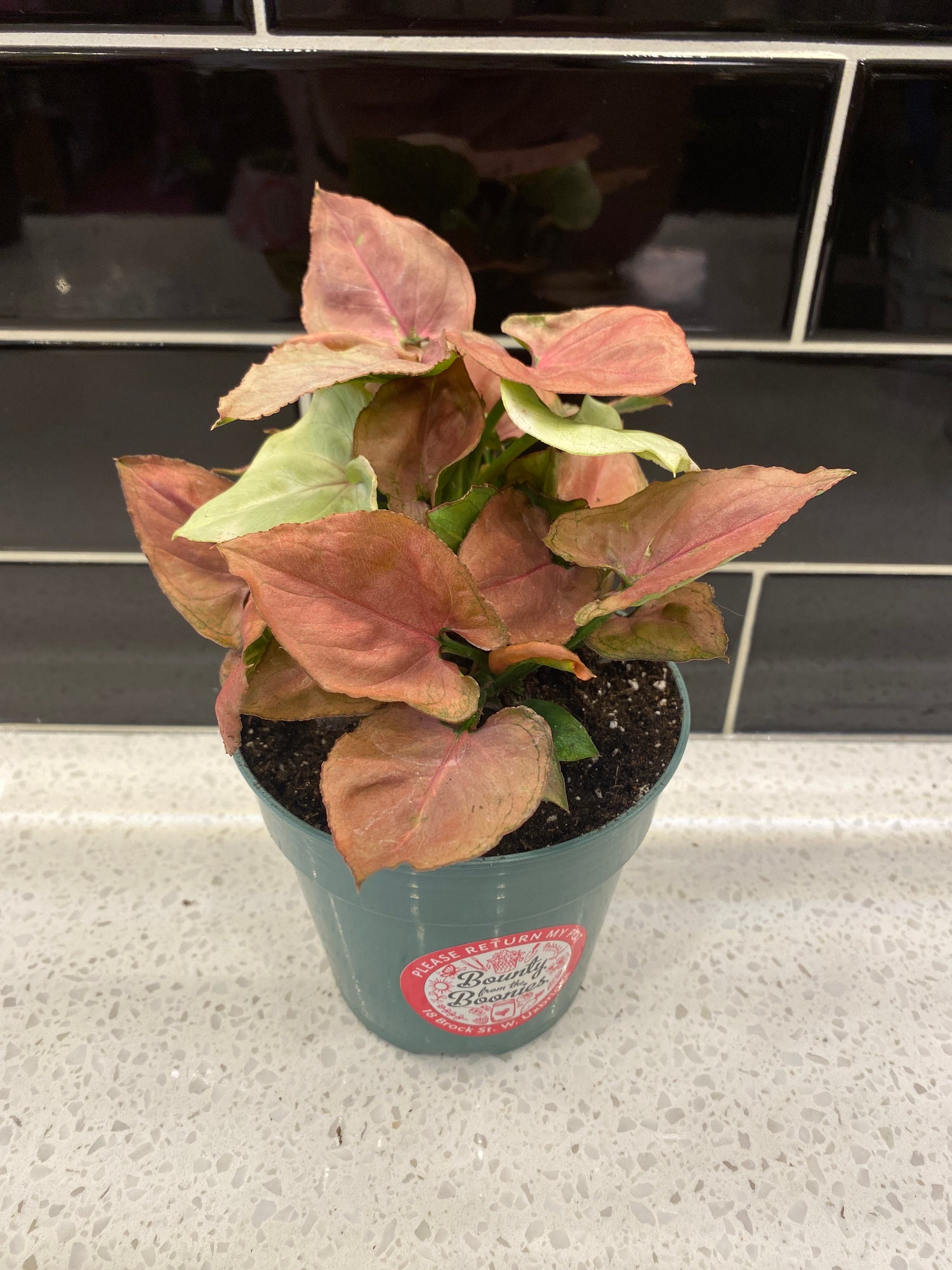
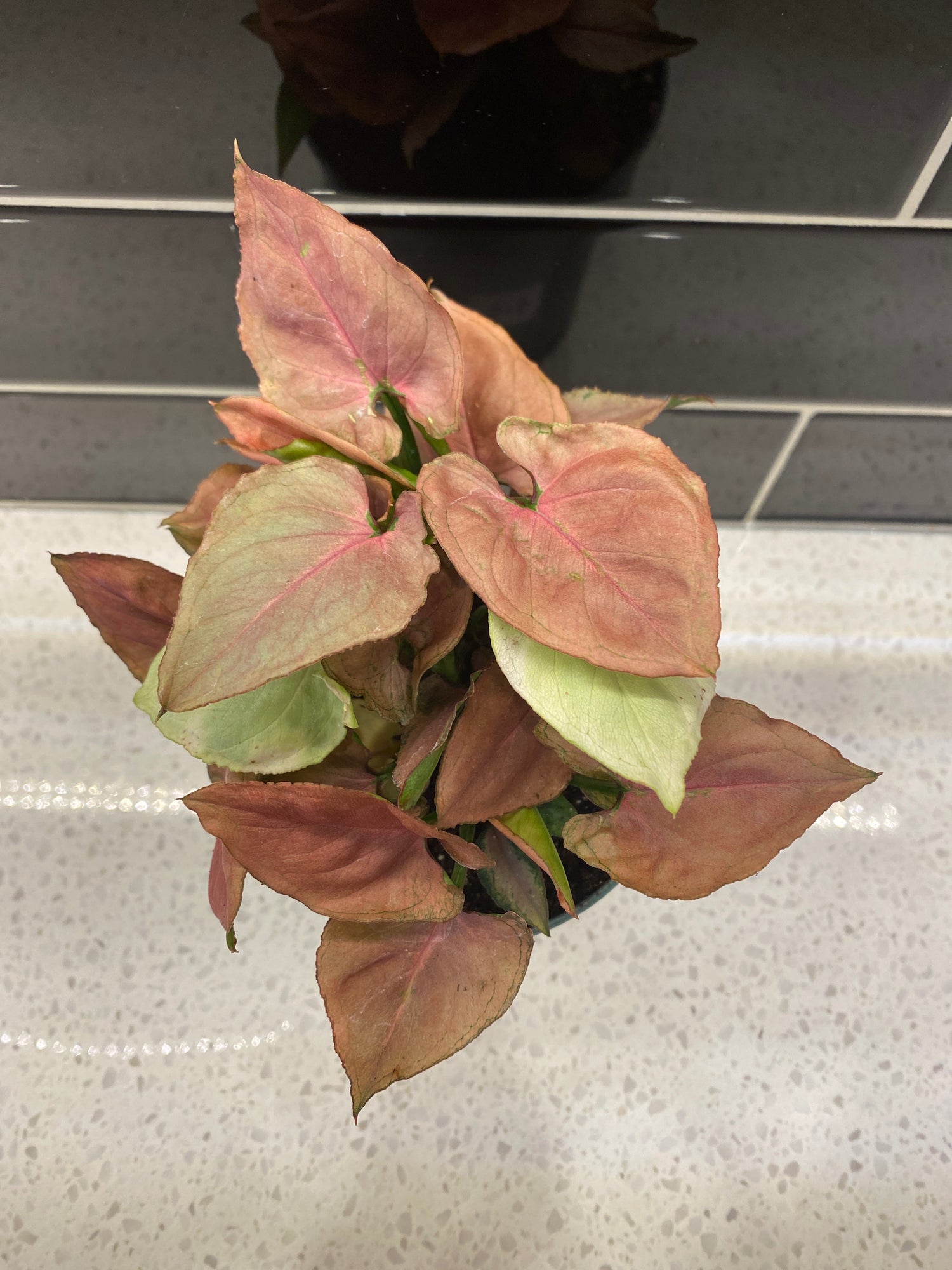
Syngonium Pink Perfection is quite rare. It has unique large multilobed foliage that is mostly light green with much pink near its veins. Pink Perfection has heart-shaped leaves, they grow fast and are easy to propagate. Those delicate pink leaves shouldn't fool you - This plant is actually low maintenance. This plant originates from the tropical rainforests of South and Central America.
Scientific Name: Syngonium Podophyllum
Common Name: Pink Perfection
Light: Bright indirect light
Watering: Let dry out between waterings, good drainage
Growth: Can grow up to 4 feet tall
Pet Safe: No
Care: Easy
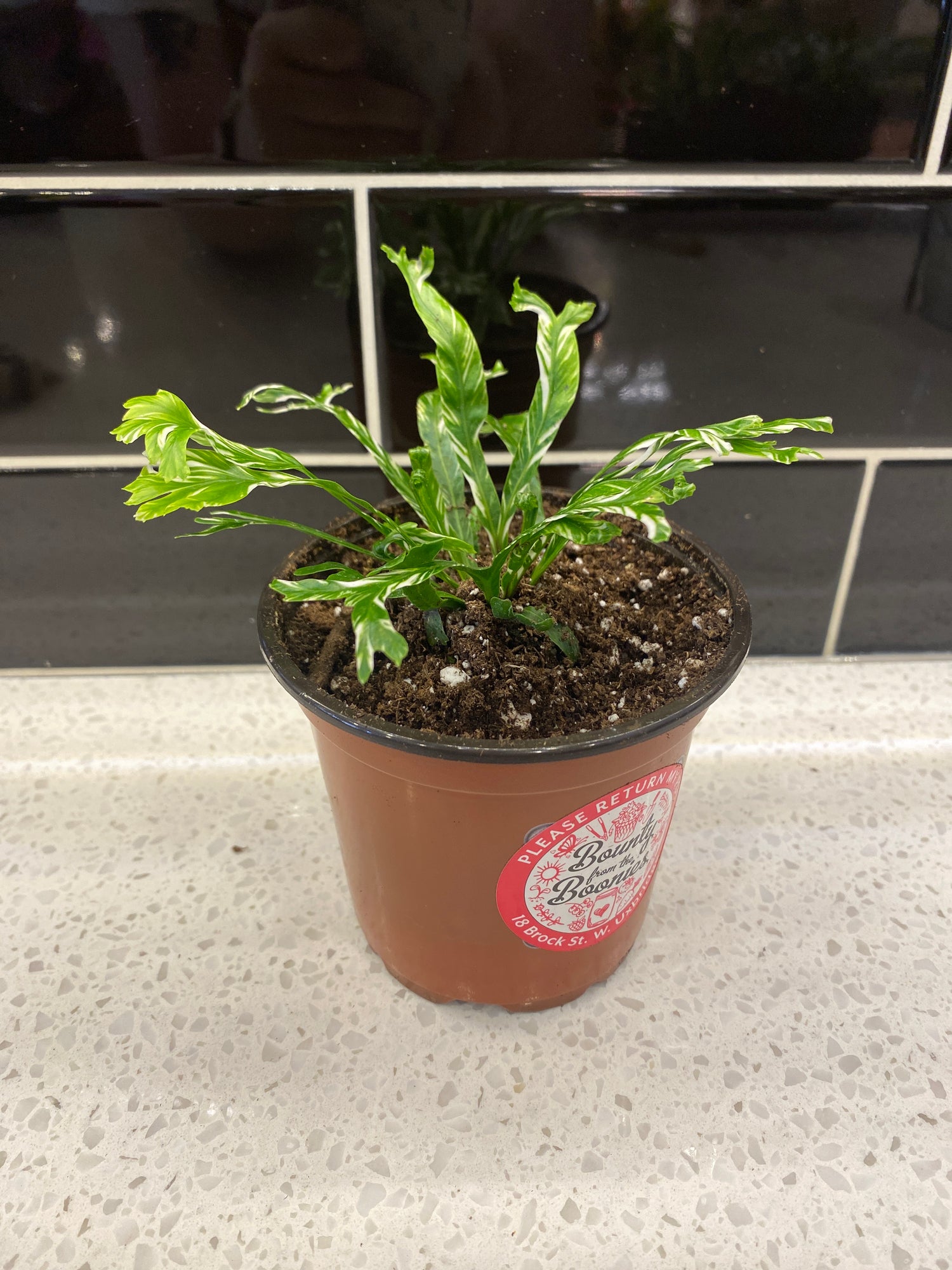
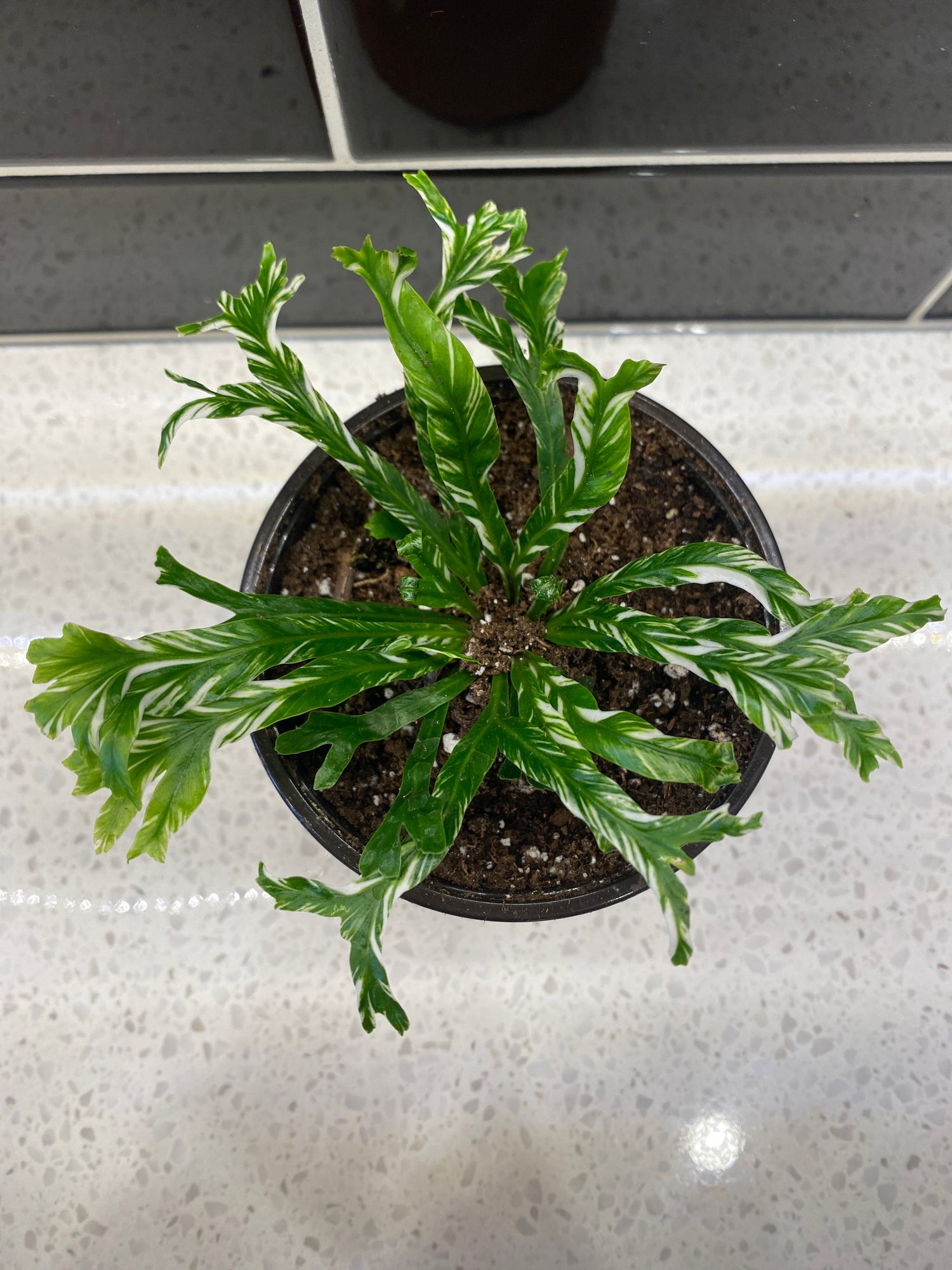
The bird's nest fern is named this way because the centre of the plant resembles a bird's nest. It is also occasionally called a crow's nest fern. The Bird's Nest Fern is Native to the tropical regions of Southeast Asia, Eastern Australia and India.
Scientific Name: Asplenium Nidus
Common Name: Bird's Nest Fern
Light: Bright indirect light
Watering: They need a very deep watering followed by letting them dry out.
Growth: Can grow up to 12 inches
Pet Safe: yes
Care: Easy
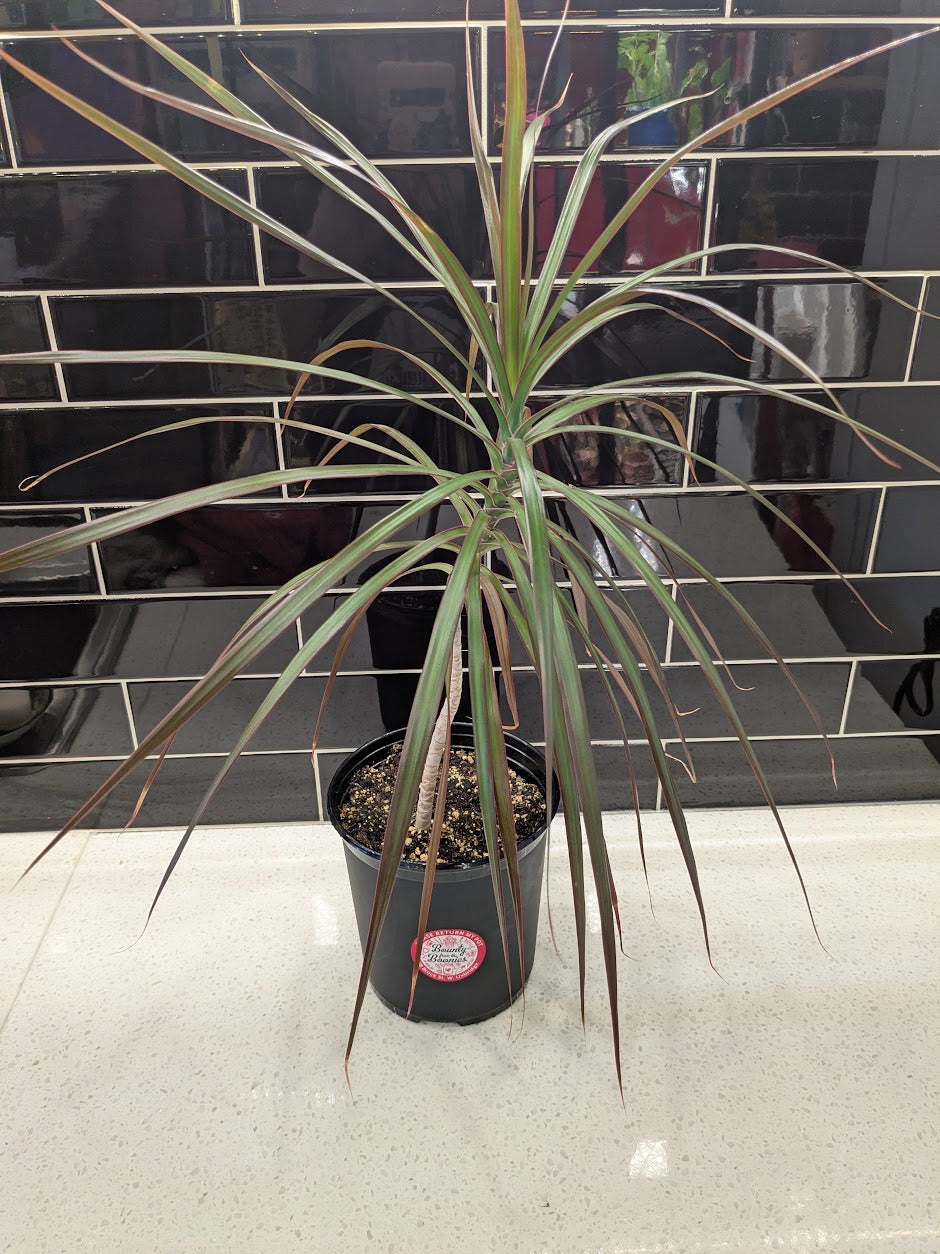
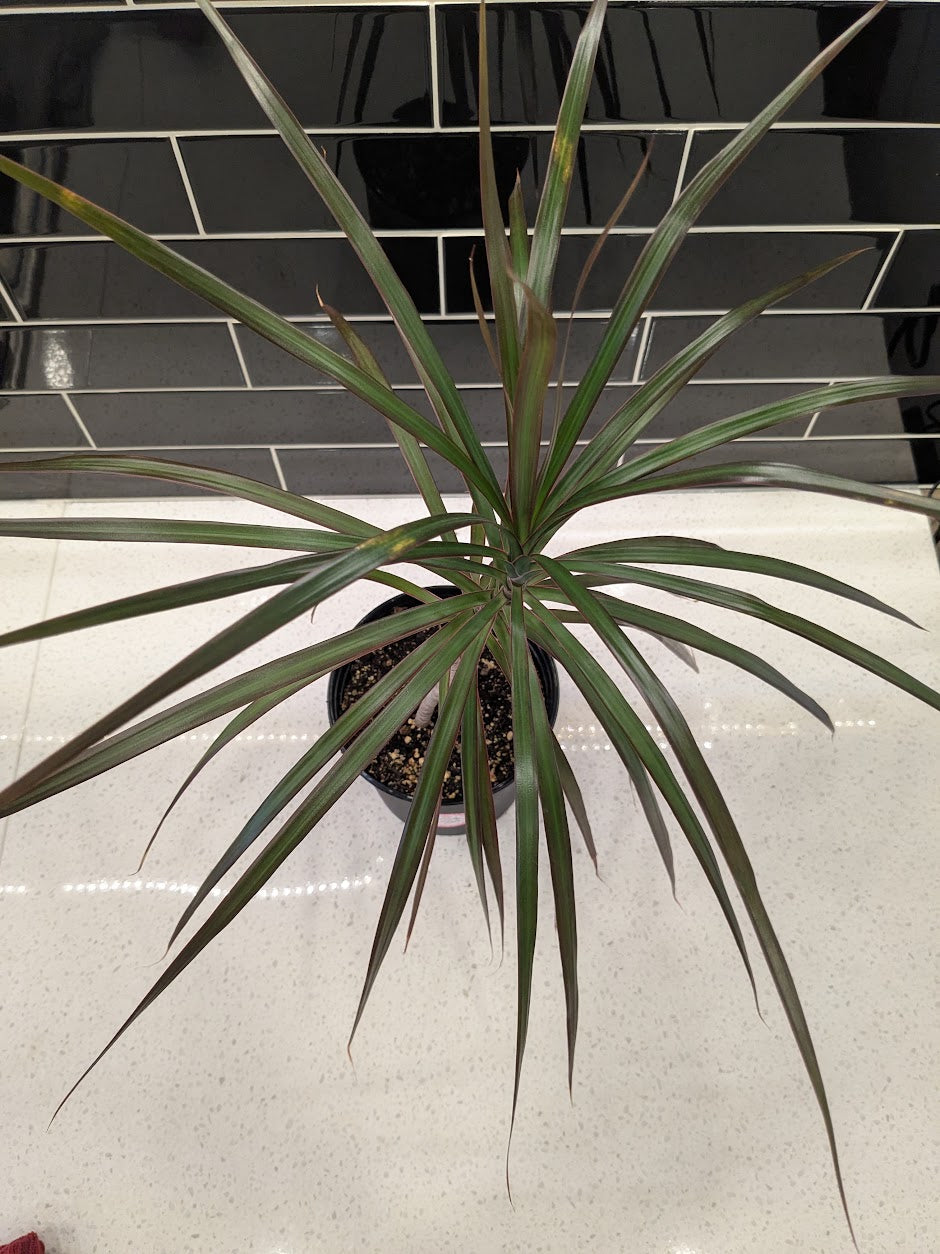
Looking like a palm tree gives this plant a tropical look! This variety has lovely pink edges to its leaves. This plant originates from tropical Madagascar and It can live for decades under the right conditions.
Scientific Name: Dracaena Marginata "Colorama"
Common Name: Dracaena Colorama/Dragon Tree
Light: Bright indirect light
Growth: 4-6 feet tall indoors
Watering: Keep evenly hydrated
Pet Safe: No
Care: Easy

What are Clippings?
Clippings are pieces cut from existing mature plants. They are then placed in water and allowed to build roots. Some grow quickly while others take longer to propagate (grow roots). Once there are several new roots growing and they are at least 1" long it's time to plant. They are great for experimenting, trying new varieties or even adding to aquariums and water features.
Planting
When ready to plant you'll place your clipping in a pot with dirt. You'll want to make sure that the soil stays extra moist for several days to help it acclimatize to its new environment. Congratulations! You have a new plant baby.


What are Clippings?
Clippings are pieces cut from existing mature plants. They are then placed in water and allowed to build roots. Some grow quickly while others take longer to propagate (grow roots). Once there are several new roots growing and they are at least 1" long it's time to plant. They are great for experimenting, trying new varieties or even adding to aquariums and water features.
Planting
When ready to plant you'll place your clipping in a pot with dirt. You'll want to make sure that the soil stays extra moist for several days to help it acclimatize to its new environment. Congratulations! You have a new plant baby.


The Curly Locks Orchid Cactus is a slow growing cactus known for its bright green, twisting, ribbon-like stems. In the right conditions, it produces fragrant, white, night-blooming flowers that can be followed by edible, red fruit. This plant is native to Guatemala.
Scientific Name: Epiphyllum Guatemalense f. monstrosa
Common Name: Curly Locks Orchid Cactus
Light: Bright indirect light. Avoid full sun because they will get scorched
Watering: When top 1-2 inches are dry
Growth: 2-3 feet
Pet Safe: Yes, but still recommended to keep out of reach. Ingesting too much can get your pet sick.
Care: Easy


Prized for its grey-green, paddle-shaped leaves with purple spots that intensify with more sun. Native to South Africa, the Calico heart plant is slow growing and a low maintenance plant.
Scientific Name: Adromischus Triiflorus
Common Name: Calico Hearts
Light: Bright, indirect light
Growth: 2- 6 inches tall
Watering: Let dry between watering
Pet Safe: Yes
Care: Easy


Tiger Jaw is a south African succulent is known for its distinctive jaw-shaped leaves with soft tooth like edges. It can produce bright yellow flowers that look a lot like daisies. This plant originates from the sub-tropical deserts and rocky areas of South Africa. The fleshy "teeth" along its leaves are soft and help channel rainwater and dew directly to its roots.
Scientific Name: Faucaria Tigrinya
Common Name: Tiger Jaw
Light: Bright, direct, to indirect light
Growth: 6 inches tall
Watering: Let dry between watering
Pet Safe: Yes
Care: Easy
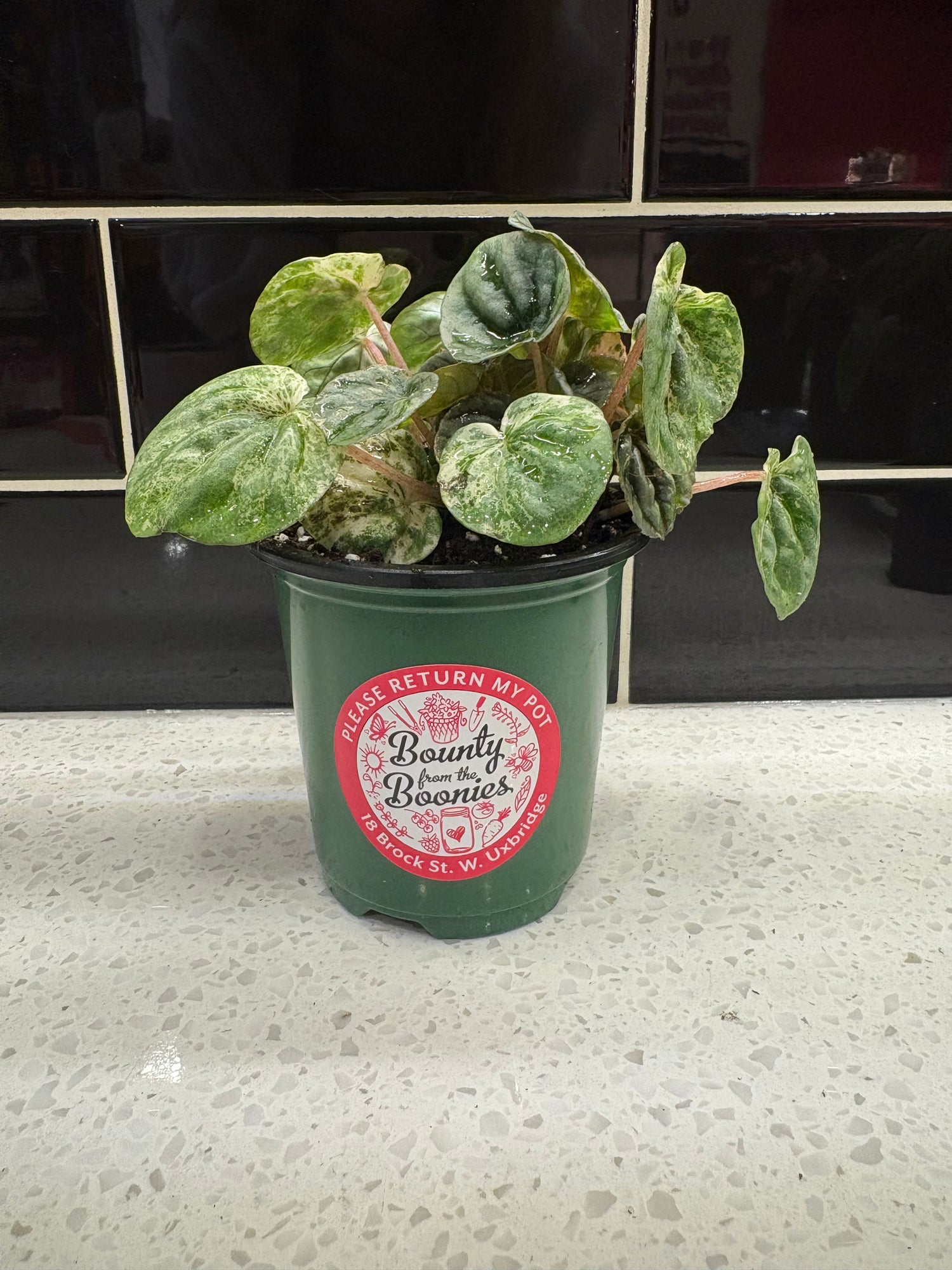
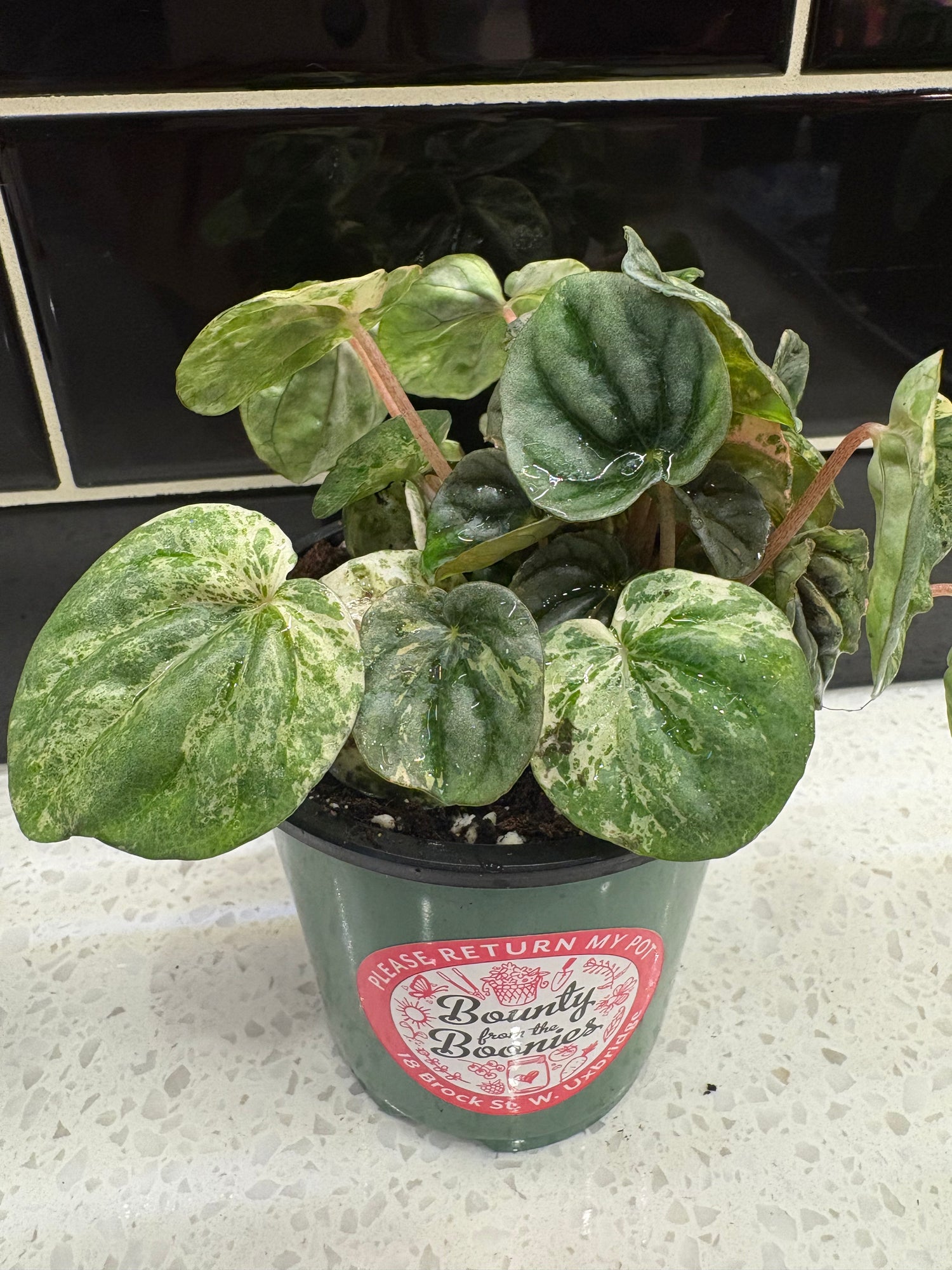
Peperomia Ripple Variegated has deeply ridged, heart-shaped leaves with cream variegations on green leaves, and narrow spikes of white flowers. This plant is native to Brazil. Like other Peperomias, it is non-toxic, making it safe to keep around your furry friends!
Scientific Name: Peperomia Caperata
Common Name: Emerald Ripple
Light: Bright, Indirect Light
Watering: Water when top two inches are dry
Growth: 2-4 inches per year
Pet Safe: Yes
Care: Easy


Originating from Southeast China, the Begonias are prized for their spectacular, patterned foliage in shades of green, red, silver, and purple, rather than their flowers. The Rex Begonia's foliage can easily burn when plants are exposed to excessive direct sunlight.
Scientific Name: Begonia Rex or Begoniaceae
Common Name: King Begonia
Light: Bright indirect light
Watering: When top inch of soil is dry
Growth: 12-15 inches in height and spread
Pet Safe: No
Care: Easy to moderate


A pretty little succulent that is pet safe too! This plant originates from desert regions of Mexico. The Echeveria is a drought-tolerant succulent that thrives in high-elevation, rocky, and dry environments.
Scientific Name: Echeveria Elegans
Common Name: Echeveria
Light: Bright, indirect light
Growth: 2-3 inches tall
Watering: Let dry between watering
Pet Safe: Yes
Care: Intermediate
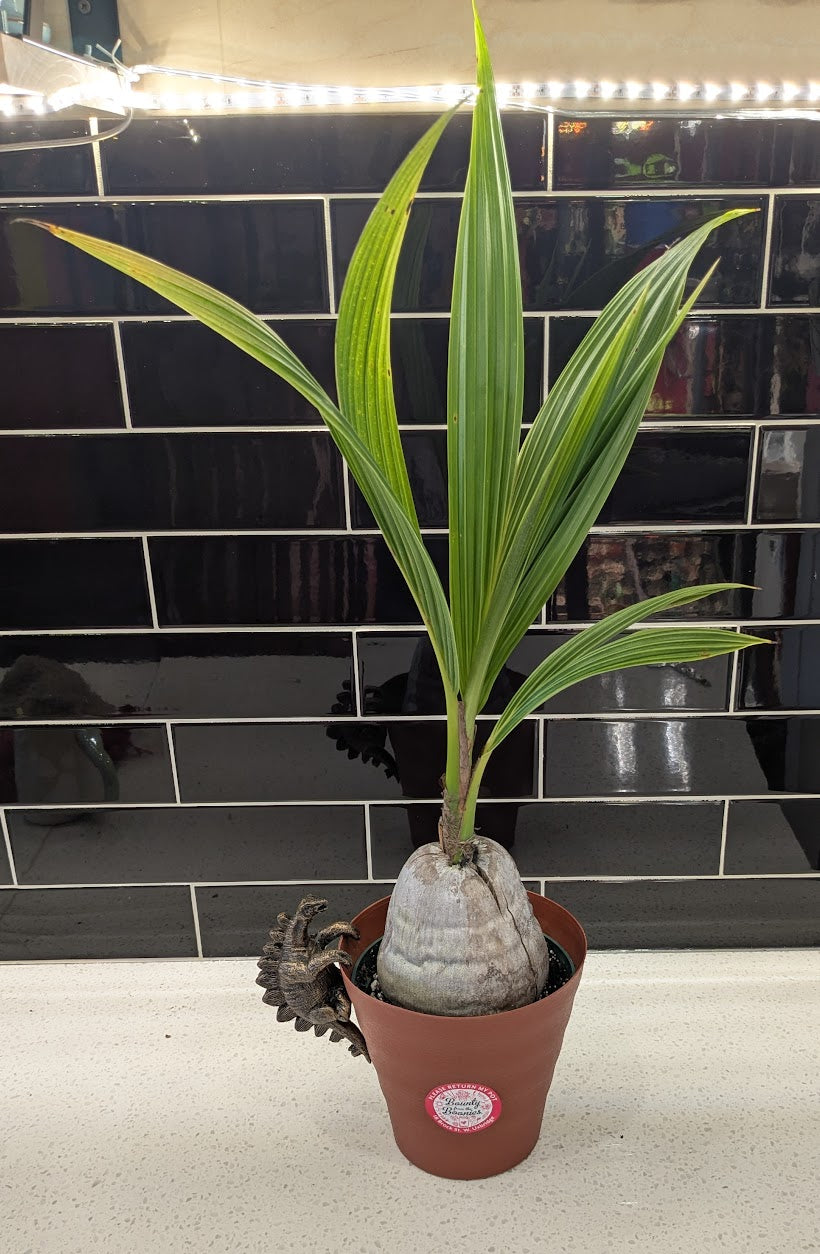
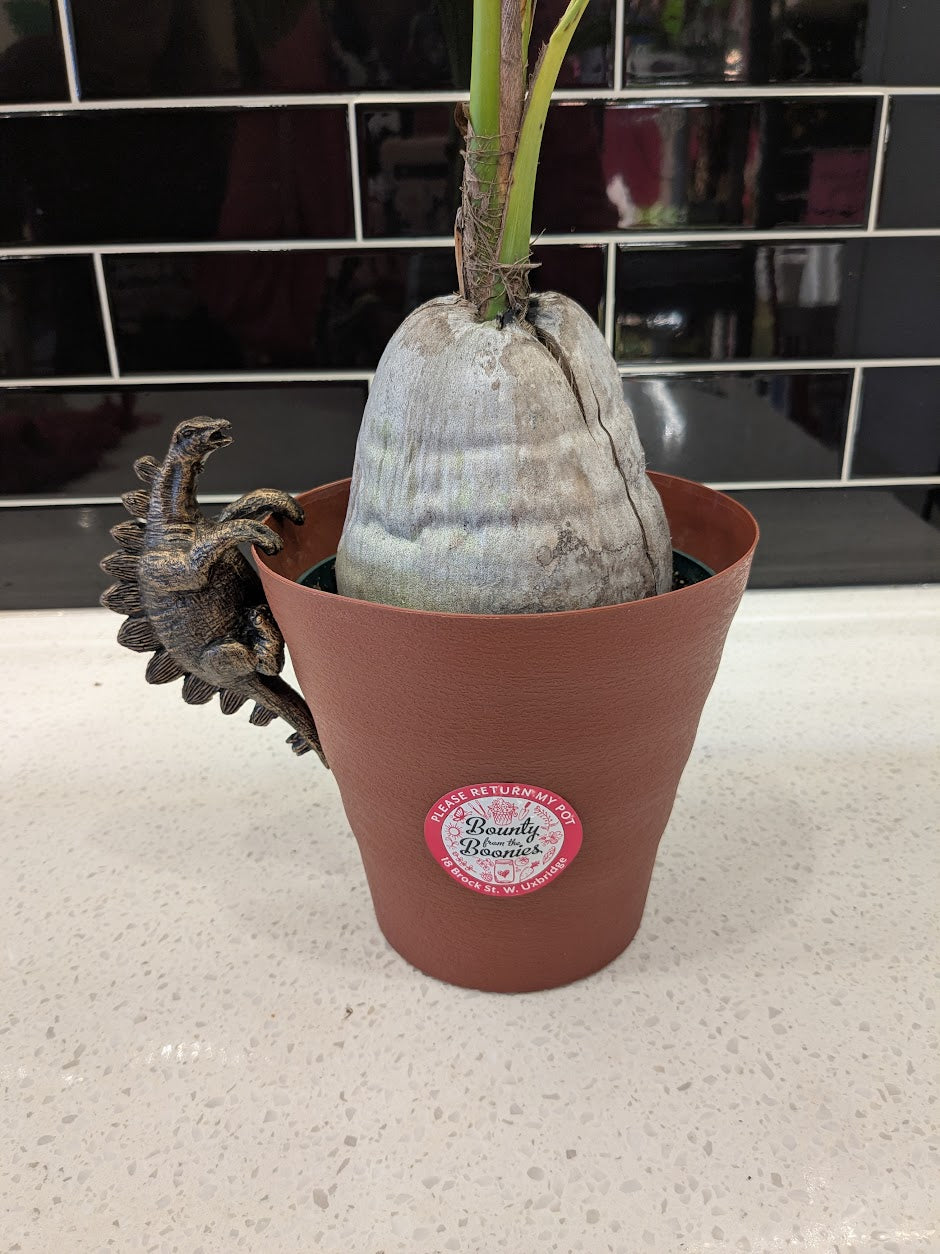
A curious palm sprouting straight from the coconut! This palm, while kept indoors, will not grow into a tall tree. Their growth depends on the size of their pot. Coconut palms that are grown indoors are also not likely not reach a size that allows it to bear fruit. As your palm grows, be sure to up the pot size to give the root system lots of room.
Scientific Name: Cocos Nucifera
Common Name: Coconut Palm
Light: Full sun for as many hours as possible. In the winter months, consider using a grow light to compensate for the shorter days.
Watering: Keep the soil consistently hydrated but not soggy. Fertilize regularly if possible.
Pet safe: Yes
Care: Easy

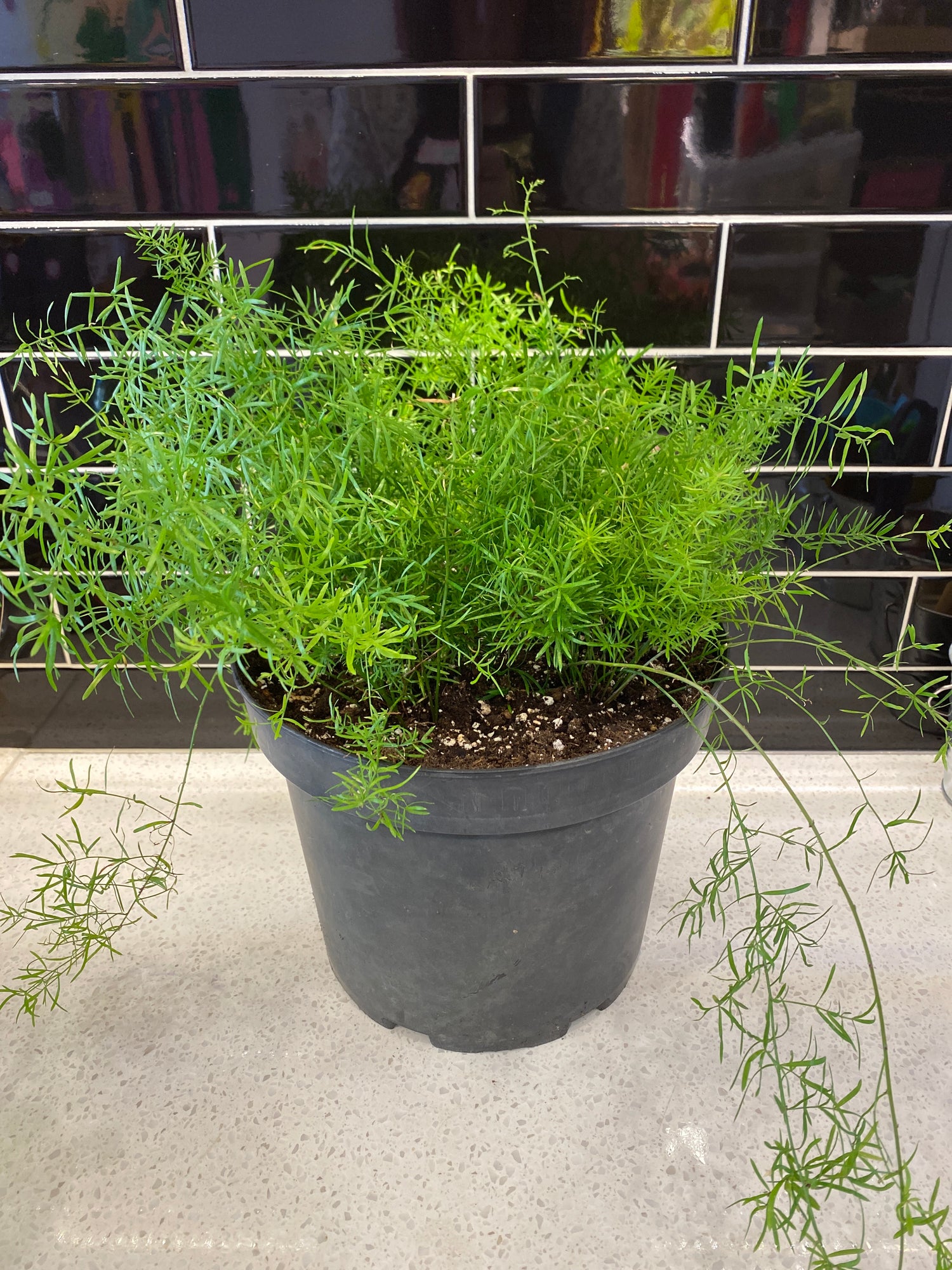
Delicate but hardy. Bring the forest inside with this adorable Asparagus fern. Originating in South Africa, this plant loves to dry out before it's watered again.
Scientific Name: Asparagus setaceus
Common Name: Asparagus Fern, Asparagus grass
Light: Bright, indirect
Growth: Can grow several inches a year in ideal conditions
Watering: They need a very deep watering followed by letting them dry out.
Pet Safe: No
Care: Easy


What are Clippings?
Clippings are pieces cut from existing mature plants. They are then placed in water and allowed to build roots. Some grow quickly while others take longer to propagate (grow roots). Once there are several new roots growing and they are at least 1" long it's time to plant. They are great for experimenting, trying new varieties or even adding to aquariums and water features.
Planting
When ready to plant you'll place your clipping in a pot with dirt. You'll want to make sure that the soil stays extra moist for several days to help it acclimatize to its new environment. Congratulations! You have a new plant baby.


What are Clippings?
Clippings are pieces cut from existing mature plants. They are then placed in water and allowed to build roots. Some grow quickly while others take longer to propagate (grow roots). Once there are several new roots growing and they are at least 1" long it's time to plant. They are great for experimenting, trying new varieties or even adding to aquariums and water features.
Planting
When ready to plant you'll place your clipping in a pot with dirt. You'll want to make sure that the soil stays extra moist for several days to help it acclimatize to its new environment. Congratulations! You have a new plant baby.