








Search results
130 results
130 results
Search results

$4 each or 3 for $10 (save $2!)
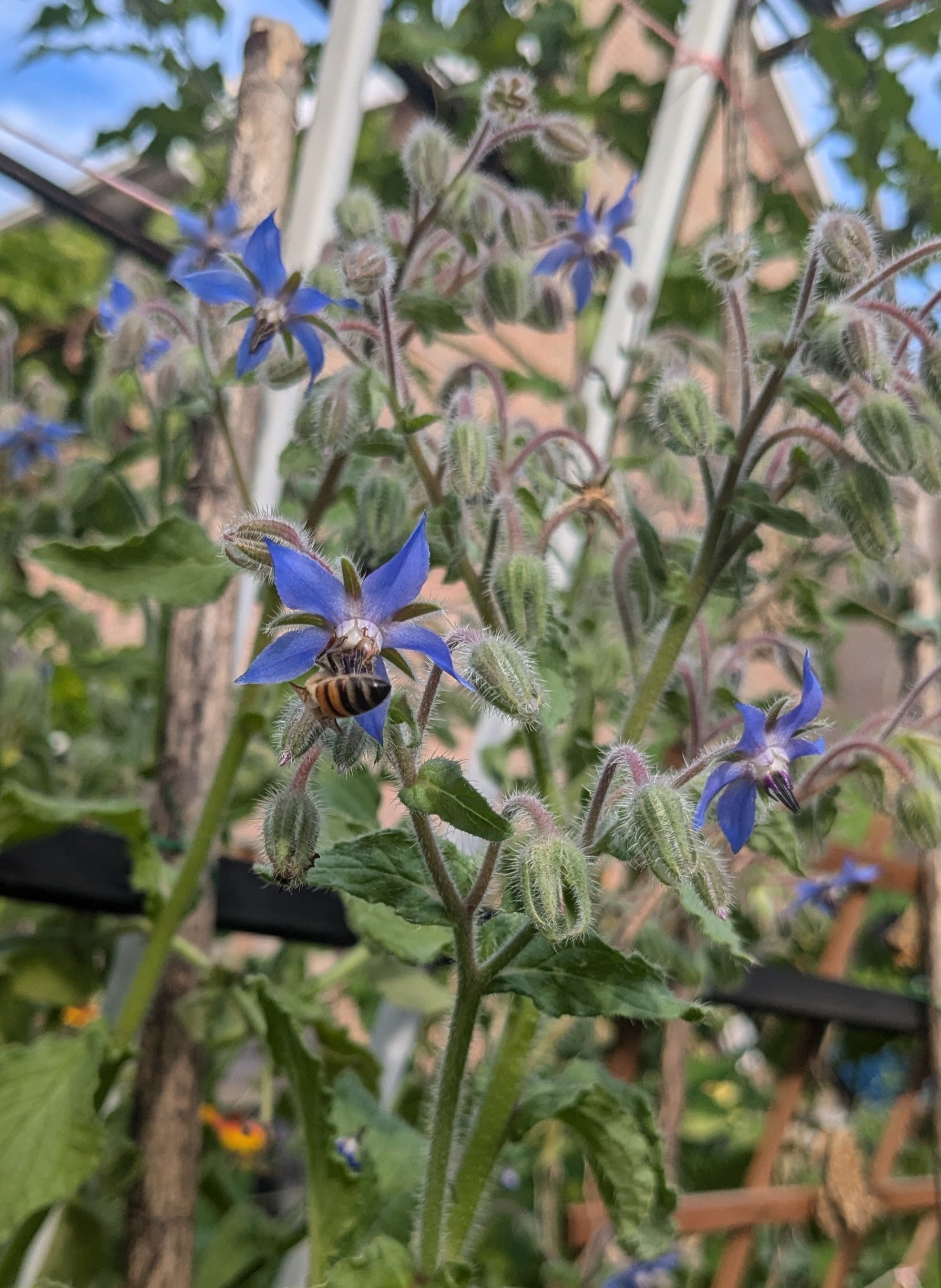
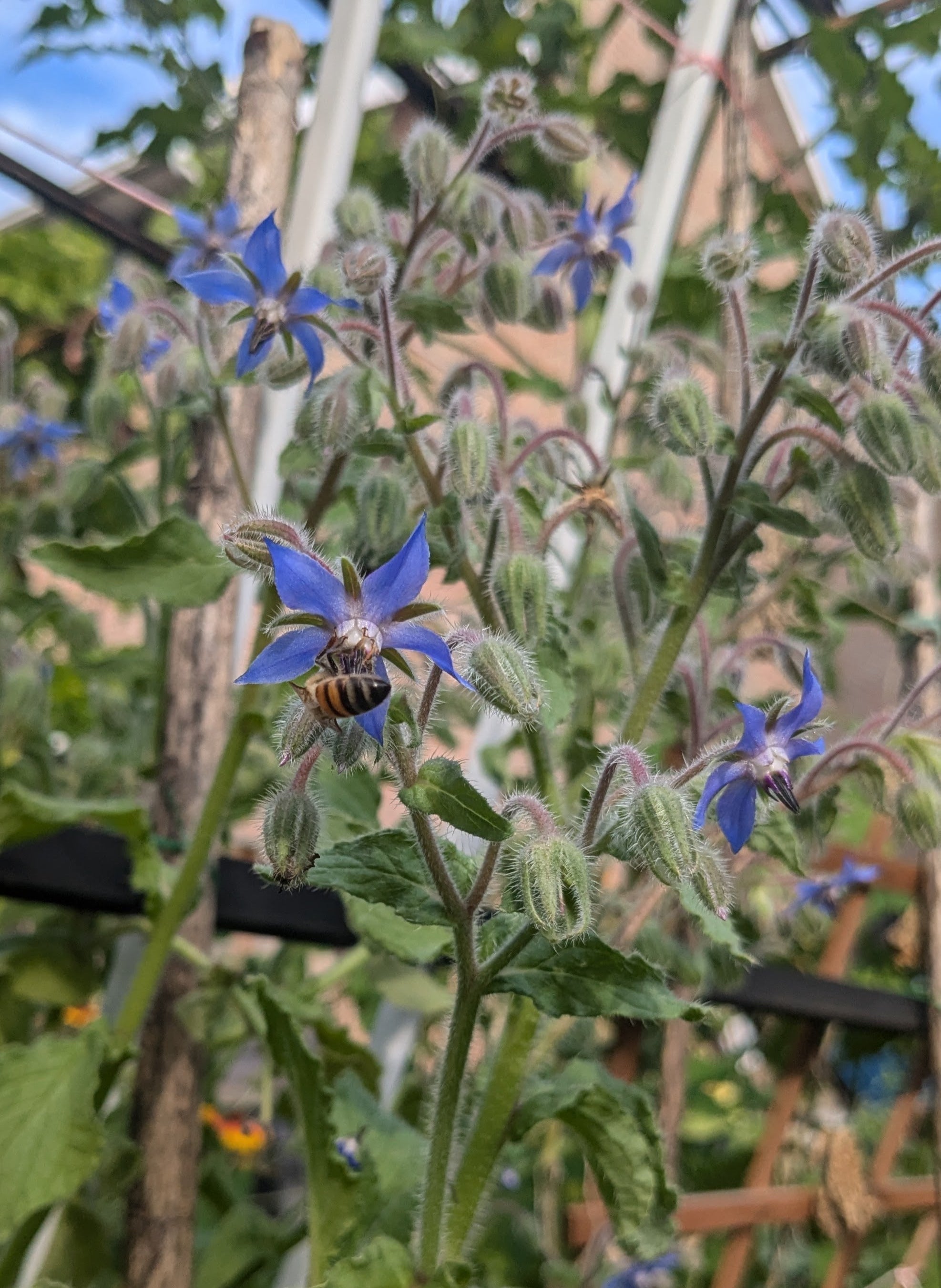
I will never have a food garden without Borage. This stunning herb has unique blue-purple star-shaped flowers that pollinators - especially bumble bees - absolutely crawl over all season long. Every part of this plant is edible! It has a mild, cucumber-like taste that's delicious in salads and beverage garnishes. I dry the flower heads for bath salts, soap making + crafts, and when frozen in ice cubes Borage makes a whimsical addition to drinks.
Type: Annual herb
Height: 2-3'
Light: full sun
Soil: regular garden soil
Water: Keep well watered
Bloom time: Summer
Planting: Direct sow into the garden, pressing seed into the soil and covering to a depth of 1/2"

$4 each or 3 for $10 (save $2!)
Beautiful yellow sunflower we grow every year in our food garden to attract bees and other pollinators
Type: Annual flower
Height: can reach up to six feet tall!
Light: Full sun
Soil: average garden soil
Water: keep well watered
Bloom time: late summer
Planting: Can be started indoors 2-3 weeks before last frost or direct sown into the garden after danger of frost.
Notes: I learned the hard way that sunflowers are allelopathic, meaning they give off toxins that impede the growth of or even kill other plants. They also deplete soil of nutrients. Because I grow so much food in containers, I now grow my sunflowers in separate pots and place them near their fruit, veg and herb companions

$4 each or 3 for $10 (save $2!)
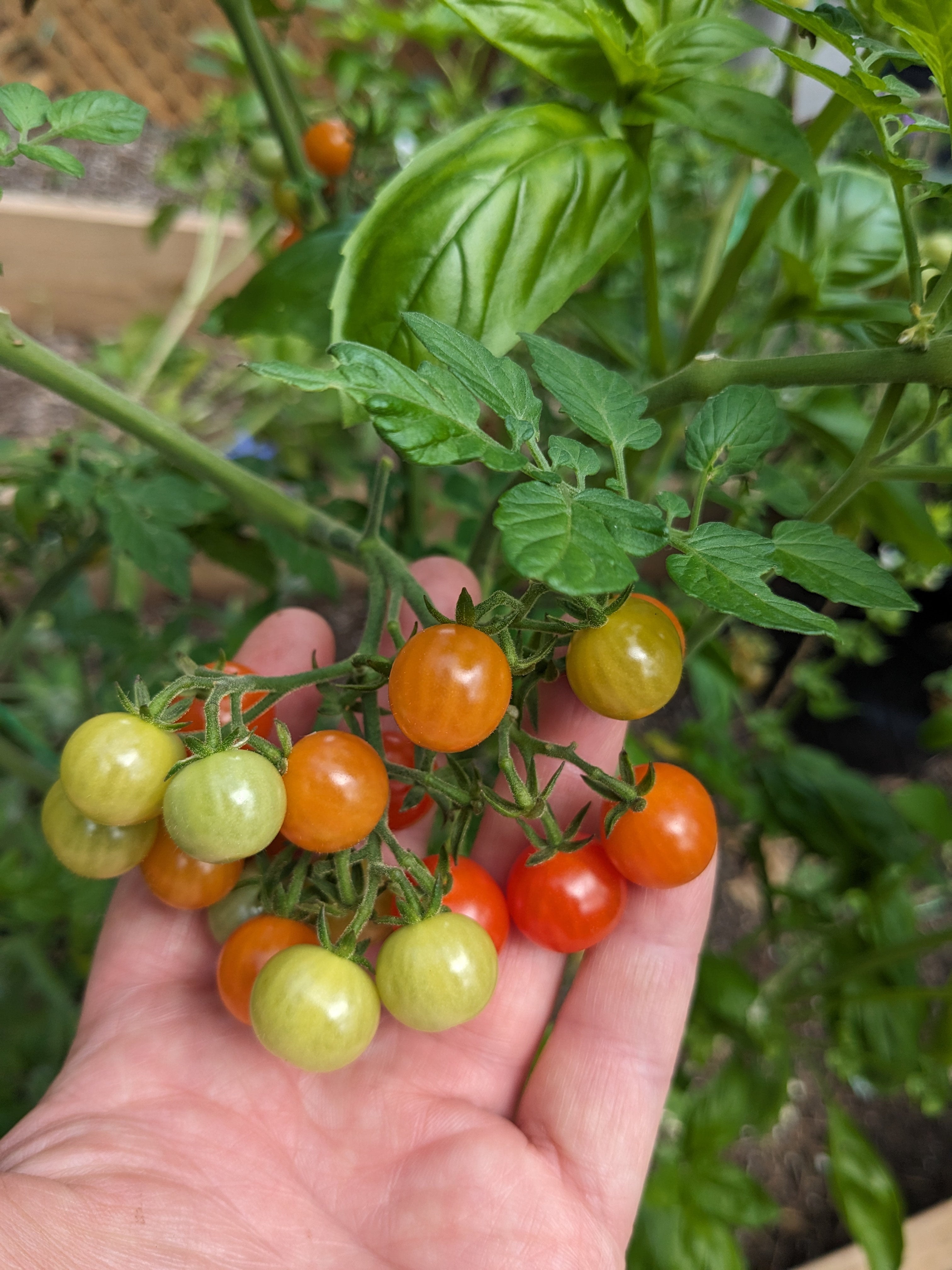
Sweet and very pretty with gold striping, these are a must grow cherry tomato, great for salads and snacking!
Type: Indeterminate, vining plants that will need staking. Plants will keep growing and producing until frost. You can read about the difference between Determinate and Indeterminate tomatoes here: Determinate vs. Indeterminate Tomatoes
Height: Indeterminate height.
Light: Full sun
Soil: Rich soil. Use good quality compost around plants and mulch well.
Water: Consistently keeping soil moist, but not wet, will result in good growth and happy tomatoes. Inconsistent moisture can lead to "Blossom End Rot". Always water tomatoes at the base of the plant never getting water on the leaves.
Planting:
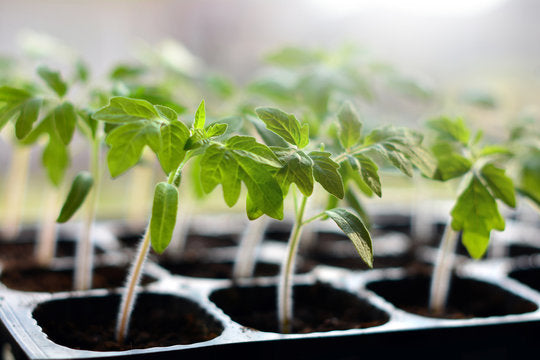
- Start seeds indoors 6-10 weeks before last frost date. Use a heating mat to aid germination as they love to be warm! If you don't have a heating mat, you can sit the seeds on top of the fridge to get some warmth.
- Harden off* and then transplant to the garden after all frost danger is gone.
- Bury them deep! Plant the whole stem into the ground, not just the roots leaving only a few top leaves showing. The plant will put out roots from the buried stem, making your plant grow nice and strong!
- Space plants 60-90 cm, 2-3' apart; space rows 3-4' apart. They will grow nicely in containers but will need some kind of support.
- DO NOT crowd plants. This leads to poor circulation and disease
Harvest: 70 days to maturity (from the day they are planted outside)
* Hardening off refers to the process of gently and gradually acclimatizing indoor grown seedlings to the great outdoors! Don't throw your new babies straight into the elements! Over the course of a week, take them outside for a few hours at a time, bringing them back indoors afterwards. First sit them in the shade and then slowly introduce them to the sun. Increase the length of time they are outside and are exposed to the sun, until you feel they are ready to face the big outside world!
Other tips:
Pruning out suckers on your plant will help it put more of its energy into fruit production. Suckers appear between the main stem and the branches and can be easily taken out with your fingers.

$4 each or 3 for $10 (save $2!)
This is an heirloom tomato developed in the 1950's for our Canadian climate! Sweet and tangy, this juicy tomato is great in salads, and can be used in sauces and canning.
Type: Determinate/ bush. Will grow to a certain size and then produce fruit all at once. You can read about the difference between Determinate and Indeterminate tomatoes here: Determinate vs. Indeterminate Tomatoes
Height: 38-60 cm (15-24 in)
Light: Full sun
Soil: Rich soil. Use good quality compost around plants and mulch well.
Water: Consistently keeping soil moist, but not wet, will result in good growth and happy tomatoes. Inconsistent moisture can lead to "Blossom End Rot". Always water tomatoes at the base of the plant never getting water on the leaves.
Planting:
- Start seeds indoors 6 weeks before last frost date. Use a heating mat to aid germination as they love to be warm! If you don't have a heating mat, you can sit the seeds on top of the fridge to get some warmth.
- Harden off* and then transplant to the garden after all frost danger is gone.
- Bury them deep! Plant the whole stem into the ground, not just the roots leaving only a few top leaves showing. The plant will put out roots from the buried stem, making your plant grow nice and strong!
- Space plants 60-90 cm, 2-3' apart; space rows 3-4' apart. They will grow nicely in containers and do not need to be staked.
- DO NOT crowd plants. This leads to poor circulation and disease
Harvest: 60 to 65 days to maturity (from the day they are planted outside)
*Hardening off refers to the process of gently and gradually acclimatizing indoor grown seedlings to the great outdoors! Don't throw your new babies straight into the elements! Over the course of a week, take them outside for a few hours at a time, bringing them back indoors afterwards. First sit them in the shade and then slowly introduce them to the sun. Increase the length of time they are outside and are exposed to the sun, until you feel they are ready to face the big outside world!
Other tips: Pruning out suckers on your plant will help it put more of its energy into fruit production. Suckers appear between the main stem and the branches and can be easily taken out with your fingers.

$4 each or 3 for $10 (save $2!)
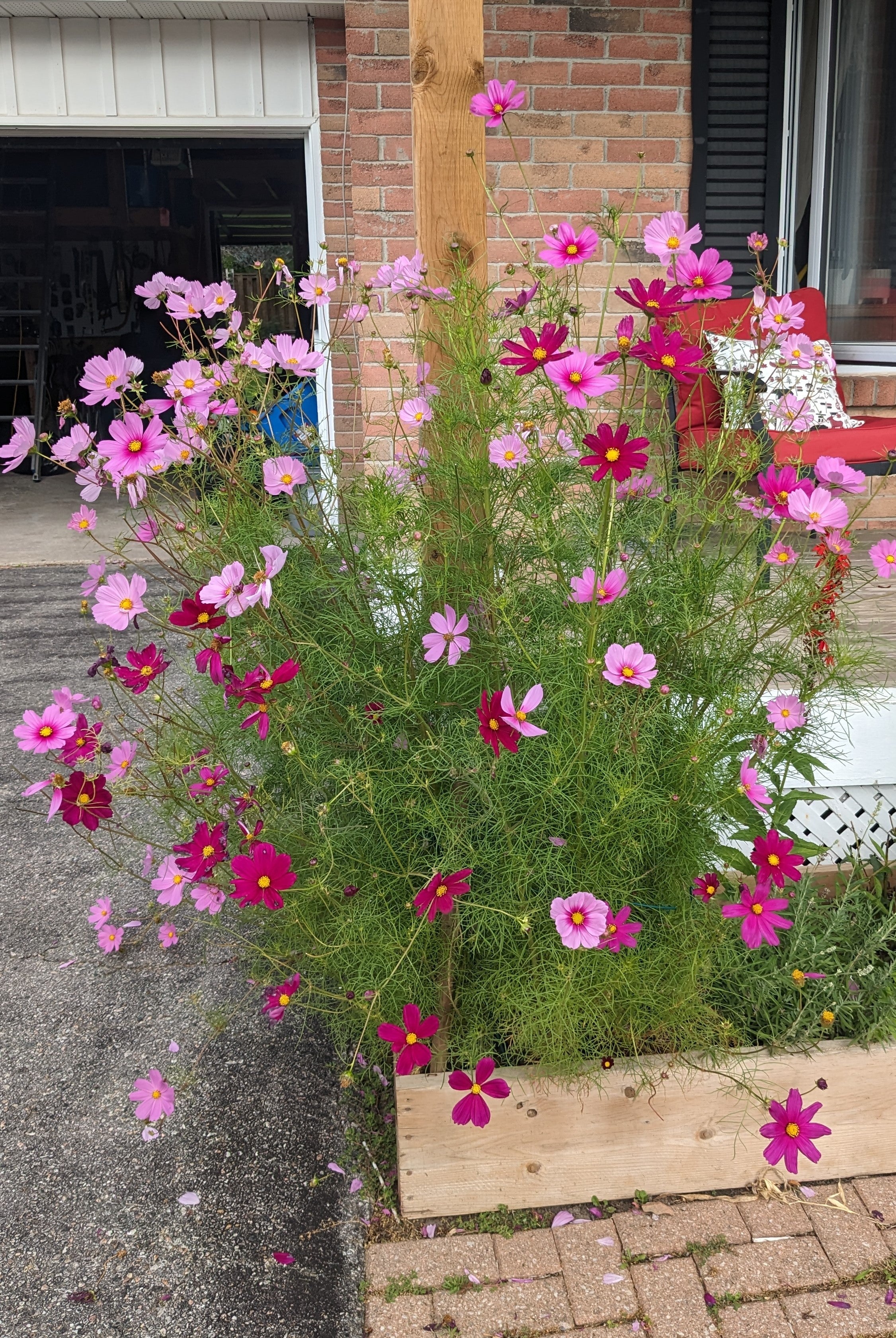
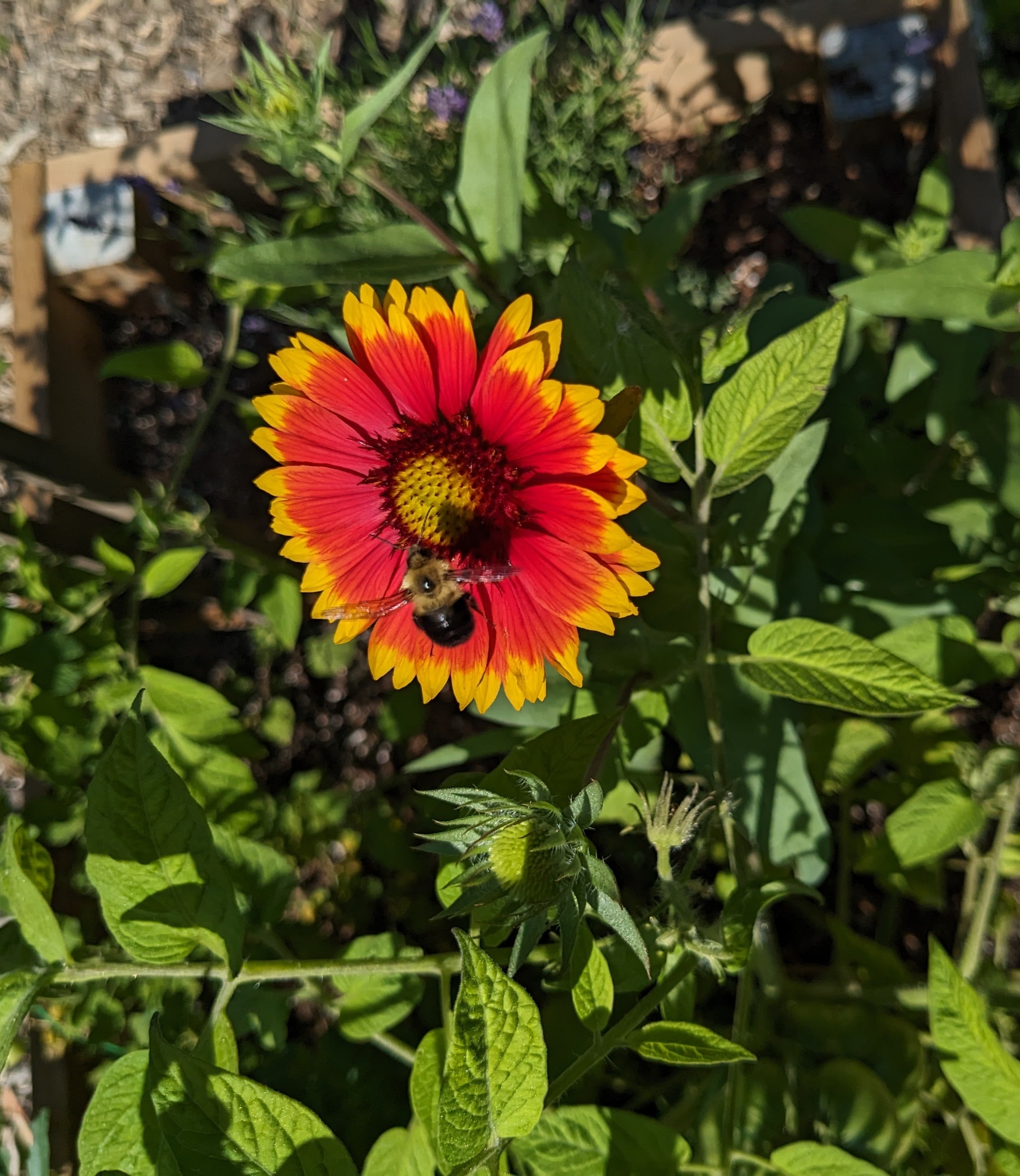
These cosmos are a lively orange and yellow mix, bringing sunshine into the flower border!
Type: annual
Height: 2-4 feet
Soil: well drained, drought tolerant. Not too rich or you will only get foliage and no flowers.
Light: Full sun
Planting: direct sow lightly, no more than 1/4” deep, in warm soil after last frost. For earlier blooms, start seeds indoors 4 weeks before last frost, then transplant outside after hardening off. *
Care: low maintenance. Deadhead regularly
Bloom time: early summer - hard frost
Carly’s Tip: Water soil first, let saturate, then plant seeds. This prevent seeds – especially light, delicate ones not deeply sown – from moving/washing away.
*Hardening off refers to the process of gently and gradually acclimatizing indoor grown seedlings to the great outdoors! Don't throw your new babies straight into the elements! Over the course of a week, take them outside for a few hours at a time, bringing them back indoors afterwards. First sit them in the shade and then slowly introduce them to the sun. Increase the length of time they are outside and are exposed to the sun, until you feel they are ready to face the big outside world!

Crisp yellow beans grow to 4-5 inches in length. Rot resistant and easy to grow.
Type: annual vegetable
Height: 2 ft - do not require staking/trellis
Light: full sun
Moisture: well drained, warm soil
Planting: Sow directly into the garden, 1" deep, 2" apart, space rows 3" apart after the soil is warm. Beans seeds will not germinate if cool and wet.
Care: water the soil only, and avoid touching the leaves when wet (this can cause disease). Harvest regularly to keep plant producing; once pods get fat with seeds, they will stop flowering.


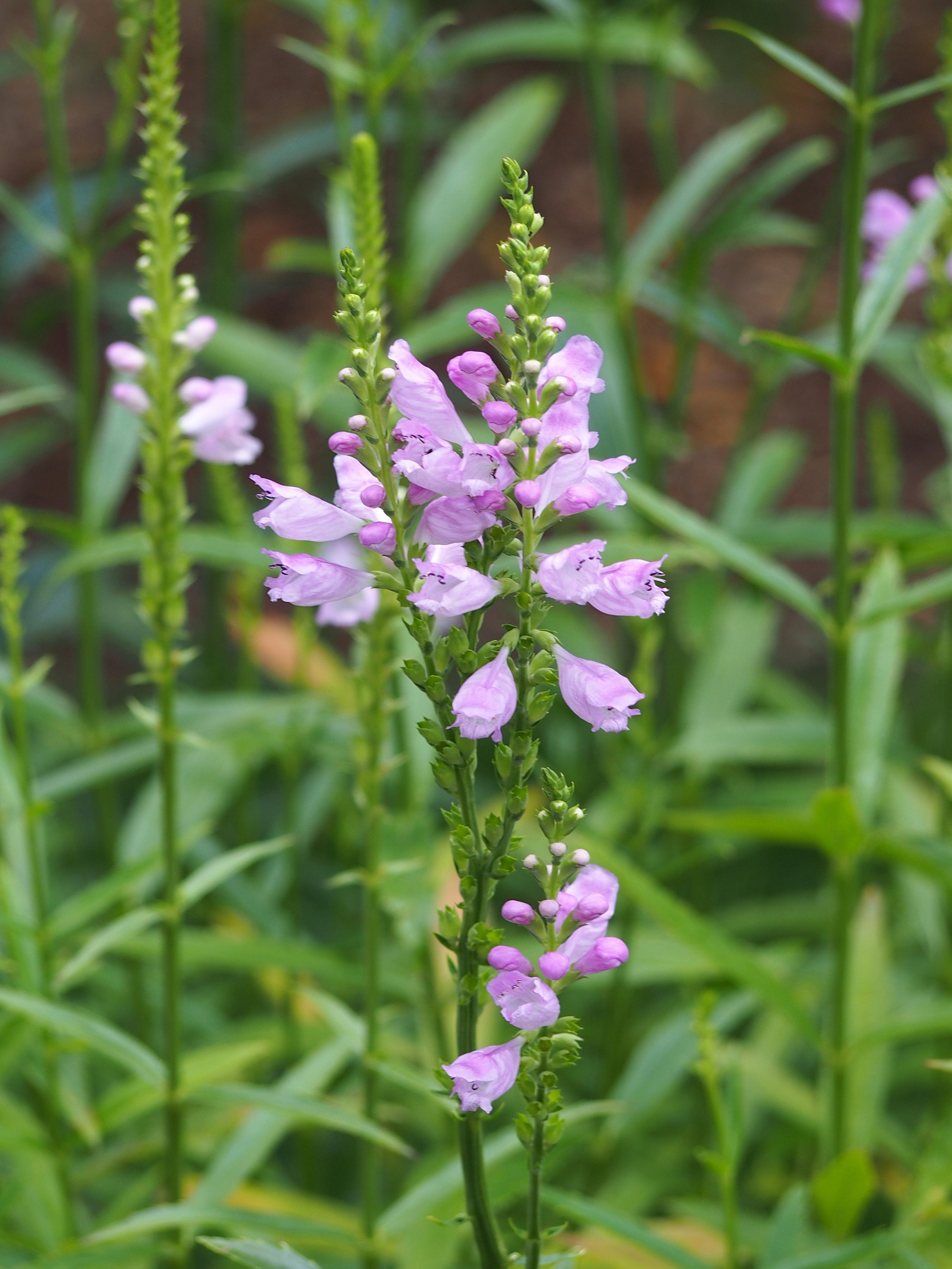
This tall, stately beauty grows freely in my shaded woodland garden among Bluestem Goldenrod, Poke Milkweed, Foam Flower and Astilbe. I love the drama and texture she provides! And the name truly lives up: you can twist the flowers whatever direction you'd like, and they will "obedient"-ly stay.
I keep Obedient Plant in check by surrounding it with other strong native plants, and regularly pulling out new shoots - these are very easy to spot, and shallow. It provides much-needed late season food for pollinators.
Type: Native Perennial
Height: 4 ft.
Light: partial shade-full sun
Soil: medium-wet
Planting: Cold, moist stratification required - see options in photos, courtesy of Northern Wildflowers. Press seeds into soil and lightly cover 1/8". Do not let seedlings dry out

Dark purple 6" long pods are pencil thin and stringless. Delicious!
Type: annual vegetable
Height: 2 ft - do not require staking/trellis
Light: full sun
Moisture: well drained, warm soil
Planting: Sow directly into the garden, 1" deep, 2" apart, space rows 3" apart after the soil is warm. Beans seeds will not germinate if cool and wet.
Care: water the soil only, and avoid touching the leaves when wet (this can cause disease). Harvest regularly to keep plant producing; once pods get fat with seeds, they will stop flowering.


$4 each or 3 for $10 (save $2!)
Cup plant is a very tall plant! But if you have the room, it is worth growing for it's statuesque presence in the garden. It will require staking.
Type: Perennial, native to Ontario
Height: 8 to 12'
Light: full sun to light shade.
Soil: sand to clay
Water: Cup plant likes it moister but if you want to control it's growth, place it in a dryer area. It won't grow quite so big and will self seed less.
Bloom time: Late July to September
Planting: Seeds need a 60 day period of cold, moist stratification - see options in photos, courtesy of Northern Wildflowers. * This website offers an excellent overview of this plant and how to grow it from seeds: Cup Plant – Silphium perfoliatum – Grow and Care Guide – GrowIt BuildIT
Wild life support: The flowers are adored by bees and the seed heads are a favourite of chipmunks and gold finches in the late summer, early fall. Where the leaves meet the stem, a cup like structure is formed, hence the name. This collects water from which insects and birds will drink- how charming!
Warning: The only drawback to Cup Plant is that it self seeds quite aggressively and you should remove seedling quickly in the spring to control the spread.

Beautiful big, 4 inch leaves, have great flavour and aroma. Perfect for cutting directly onto your pasta or tomatoes.
Type: Herb
Height: 20"
Light: Full sun
Soil: Loose, well drained
Planting: Start indoors 6-8 weeks before last frost. Sow seeds 1/8" deep, transplant plants 8-12" apart
Care: Pinch out flowers and harvest regularly to keep the plant bushy.

$4 each or 3 for $10 (save $2!)
Comes in a variety of colours. Please note that all parts of this plant is poisonous
Type: perennial flower
Height: 2-3 ft.
Light: full sun
Moisture: drought tolerant after established.
Planting: sand and then soak the seeds overnight to break down the seed coat before planting. Plant one seed per pot as roots do not like to be confined. Use a deep pot. Transplant when 8 weeks old. Roots do not like disturbance. Plant where you want it to stay as you will be unable to move it after it is established.
Care: Cut back the whole plant after it has bloomed.
Bloom time: early summer

$4 each or 3 for $10 (save $2!)
Green onions are a great start to the vegetable garden as they can be harvested early. Wonderful in garden salads or in egg salad!
Type: perennial bulb
Light: Full sun to light shade
Soil: Loose, sandy, well drained with added organic matter
Water: Regular watering while establishing
Harvest: Spring
Planting: Seeds can be sown indoors in a tray 3-4 weeks before the last frost. Harden off* before placing in the ground.
* Hardening off refers to the process of gently and gradually acclimatizing indoor grown seedlings to the great outdoors! Don't throw your new babies straight into the elements! Over the course of a week, take them outside for a few hours at a time, bringing them back indoors afterwards. First sit them in the shade and then slowly introduce them to the sun. Increase the length of time they are outside and are exposed to the sun, until you feel they are ready to face the big outside world!
$4 each or 3 for $10 (save $2!)
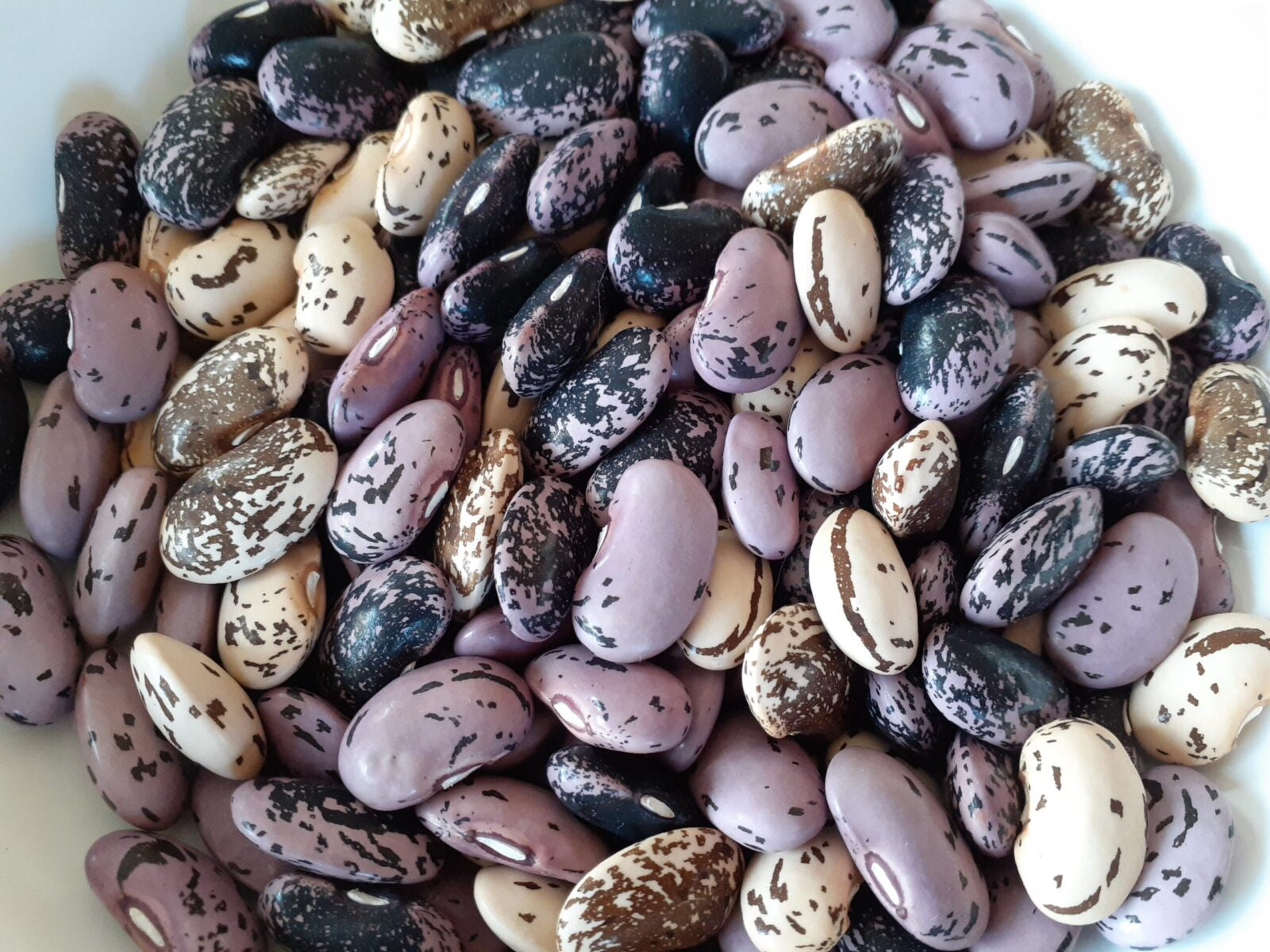
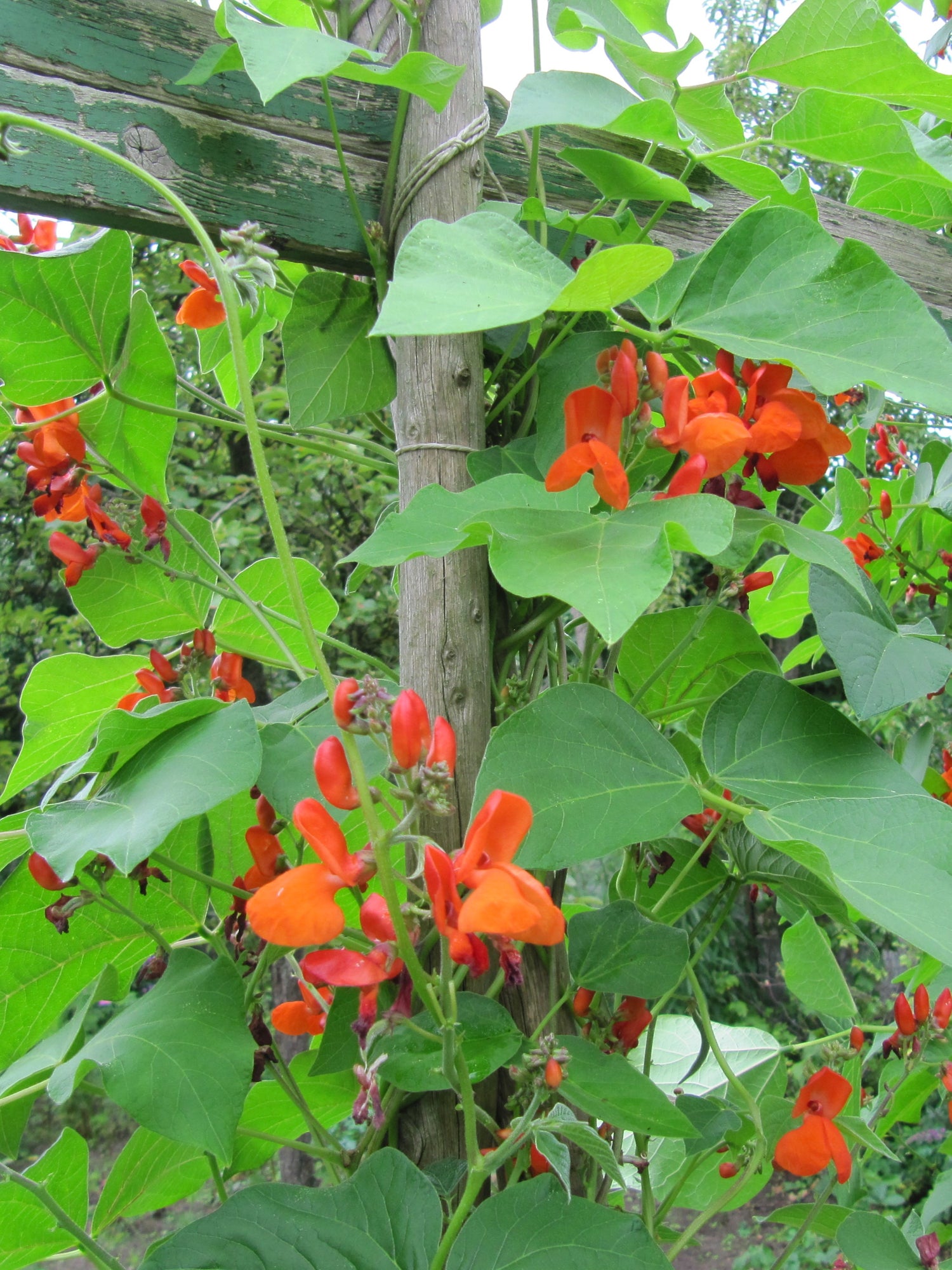
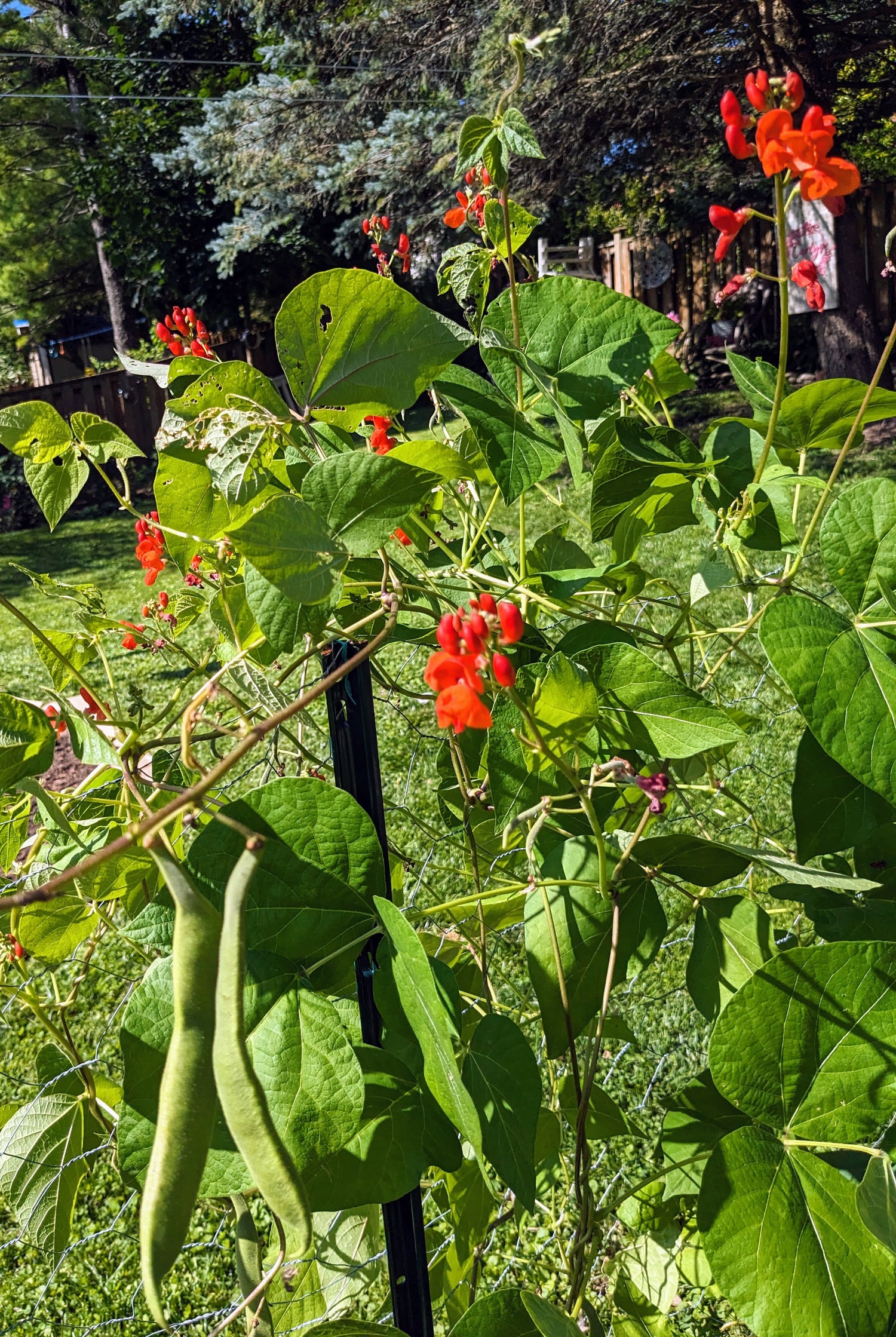
I've grown Scarlet Runner Beans for many years for a very specific purpose: the flowers are a magnet for hummingbirds! I plant them along the fence of my food garden enclosure, where I train them to wind horizontally - each seed produces a vine 10-15 ft. Ruby Throated Hummingbirds (the only type I've seen in my Zone 5 gardens) visit the scarlet flowers, then zoom to the fruit and veggie plants, herbs and native plants. It's a joy to see.
While usually grown for their splendid flowers, every part of this versatile veggie is edible! The starchy roots, young leaves and even the flowers can be eaten. (Check out the bright pink-light purple fresh seeds! So fun.) Runner beans must be thoroughly cooked before eating, as they contain traces of lectin (phytohaemagglutinin), which is toxic in large quantities. The beans are dense, with a thick texture, and slightly smoky flavour.
Dried beans store excellent in the pantry, and can be added to soups and stews after soaking.
To get the most flowers, pinch off forming pods; this sends a message to the plant to push out more buds.
Type: Vegetable
Height: 10-15ft.
Light: full sun
Soil: well draining, warm
Planting: Direct sow late spring-early summer, 1-2" deep into warm soil (too cold, and the seeds will rot), 3-4" apart.
Harvest: 75 days

Lovely white daisy flowers cover lacey foliage. Flowers can be dried and used for tea.
Type: Herb
Height: 10"
Light: Full sun
Soil: Fertile soil, well drained.
Maturity:
Planting: Direct seed in early Spring when the soil can be worked. Lightly cover seeds and keep moist until germinated. Can also be started start indoors 4-6 weeks before last frost.
Harvest: Pick flowers in early morning and let dry completely before storing.

$4 each or 3 for $10 (save $2!)
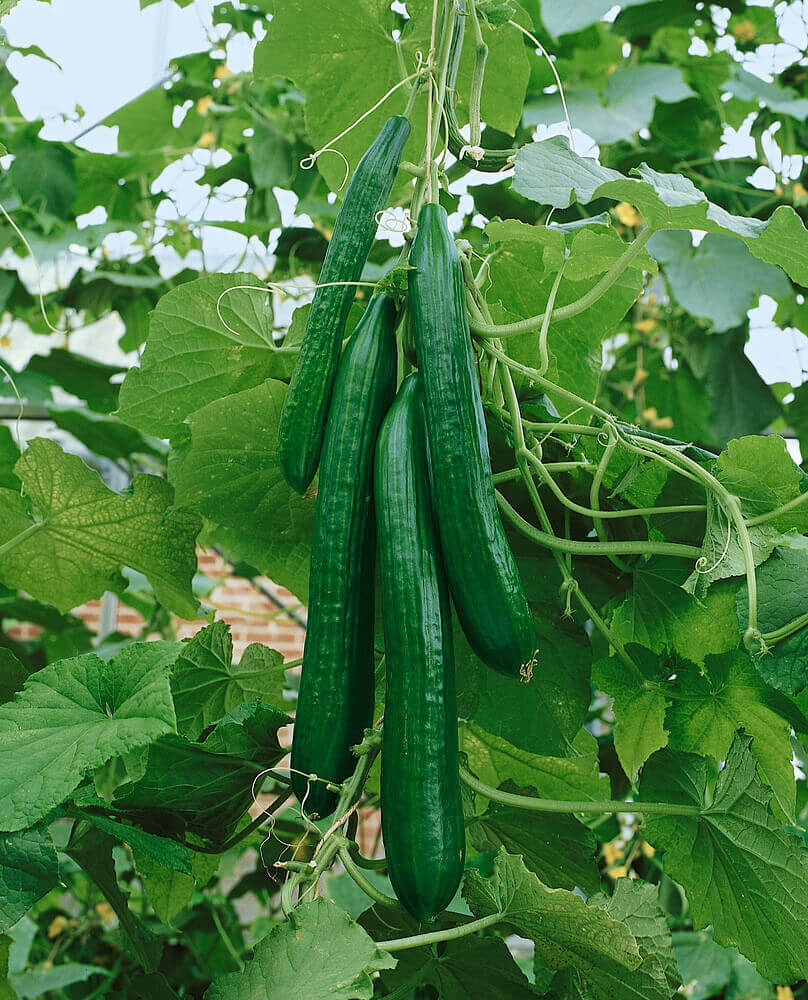
Nice firm flesh for crunchy pickles.
Type: Annual vegetable.
Height: Grow as a vine up netting or trellis.
Light: Full sun
Soil: Rich soil. Use good quality compost around plants and mulch well.
Water: Consistently keeping soil moist, but not wet, will results in good growth and happy plants.
Planting: Sow seeds directly outside after the soil is warm and there is no danger of frost. Will not germinate in cooler temperatures. Work in lots of good compost. Create mounds or hills and sow 6 to 8 seeds 2 cm deep in each hill. Thin seedling leaving only 3 or 4 plants per hill. Put trellis in place when planting so vines can grow vertically, ensuring straight fruit. Or can be started indoors 3 weeks before the last frost. Harden off* before planting out.
Harvest: 52 days from planting. Sow seeds every few weeks for a continual harvest.
* Hardening off refers to the process of gently and gradually acclimatizing indoor grown seedlings to the great outdoors! Don't throw your new babies straight into the elements! Over the course of a week, take them outside for a few hours at a time, bringing them back indoors afterwards. First sit them in the shade and then slowly introduce them to the sun. Increase the length of time they are outside and are exposed to the sun, until you feel they are ready to face the big outside world!
Other tips: Cutting when they are shorter increases yield and offers best flavour.

$4 each or 3 for $10 (save $2!)
A lovely pink to brighten the border
Type: perennial flower
Height: 2-3 ft.
Light: full sun
Moisture: drought tolerant after established.
Planting: Sow seeds into cell packs and press into the soil. They need light to germinate so only lightly dust with soil on top or vermiculite.
Harden off* before planting outdoors.
* Hardening off refers to the process of gently and gradually acclimatizing indoor grown seedlings to the great outdoors! Don't throw your new babies straight into the elements! Over the course of a week, take them outside for a few hours at a time, bringing them back indoors afterwards. First sit them in the shade and then slowly introduce them to the sun. Increase the length of time they are outside and are exposed to the sun, until you feel they are ready to face the big outside world!
Bloom time: Summer to fall


I first had Thai Basil at my local Thai restaurant on top of a mango salad - I'd never tasted anything like it, and was completely hooked.
It is sweet and savory, with a rich anise flavour. I add it to curries, stir fries, fresh salads, sparkling water and all manner of beverages.
Thai Basil's dark purple stem and light purple flowers are an eye-catching addition to any garden. I grow mine with tomatoes and cucumber. Excellent container plant.
Type: Herb
Height: 20"
Light: Full sun
Soil: Loose, well drained
Planting: Start indoors 6-8 weeks before last frost. Sow seeds 1/8" deep, transplant plants 8-12" apart
Care: To keep plant bushy, pinch out flowers and pick leaves regularly


$4 each or 3 for $10 (save $2!)
A stunning plant that is visually distinctive in the garden. Later the pea like seed pods are very attractive. It is in the legume family so it will fix nitrogen in the soil.
Type: Perennial, native to Ontario
Height: 4-5'
Light: full sun
Soil: rich loam to sandy loam
Water: likes a moister soil but apparently can withstand drier conditions.
Bloom time: late summer, August
Planting: Cold, moist stratification required - see options in photos, courtesy of Northern Wildflowers. Seeds need to be scarified (rubbed between sandpaper to break the coat a bit_ then they need a period of cold, moist stratification.
Wild life support: Offers pollen later in the season for bees looking to supply their larvae with food. Loved by many different types of bees but mainly visited by bumble bees in my garden.
on May 16 2025