








Search results
130 results
130 results
Search results


$4 each or 3 for $10 (save $2!)
Bronze Fennel is an outstandingly beautiful plant which adds colour and airy texture to the garden and is particularly lovely in the back of a perennial border. And it is edible too!
Type: Perennial herb. Grown for it's licorice tasting leaves and seeds. This is not bulb forming fennel.
Height: 3-4'
Light: Full sun
Soil: Loose, sandy soil
Water: drought tolerant once established
Bloom time: July
Planting: Sow seeds directly into warm soil, pressing in well and cover lightly with soil. Soaking seeds for a day before may help with germination.
Care: Cut back fennel in the spring to encourage bushier growth. Harvest seeds to limit aggressive self sowing.
Wild life support: Host plant for the Black Swallowtail butterfly larvae

$4 each or 3 for $10 (save $2!)
Mountain Mint is a beautiful, shrub like native plant with minty foliage and dainty white flowers that bloom for 3 months of the summer! It is brings in an abundance of pollinators
Type: Perennial, native to Ontario
Height: 2-3'
Light: full sun to light shade
Soil: sand, loam or clay
Water: Medium to wet. Short lived in drier areas
Bloom time: July to September
Planting: Seeds can be planted directly into the soil in the spring. Do not cover as these tiny seeds need light to germinate. You could also start these in trays.
Wild life support: Many native bees and wasps flock to this plant so it is actively buzzing the whole time it is in bloom! Many butterflies love the nectar of this plant as well.


$4 each or 3 for $10 (save $2!)
A lovely grass with delicate stems that sway in the breeze and soft white seed heads. Leaves turn bronze colour in the fall. It is clump forming and will not overtake the garden. Little Bluestem is a warm season grass so it will be slower to show in the spring.
Type: Perennial, native to Ontario
Height: 2-3'
Light: full sun to light shade
Soil: sandy to loam
Water: will tolerate very dry soils
Bloom time: fall
Planting: Seeds grow best when planted into containers in the spring. Press into the soil well to make contact with the soil. They will take some time to germinate and will only do so when it gets a bit warmer. Here is a good guide: A Beginner's Guide To Little Bluestem | GrowIt BuildIT
Wild life support: Seeds feed a variety of birds and are great for creating hiding and shelter spots for birds and other wildlife. They can be used in the vegetable garden to create a "beetle bank"- an area to protect ground beetles which are awesome predators of garden pests.


$4 each or 3 for $10 (save $2!)
A "happy" flower for the garden. It is not a perennial in the common sense of the word as it does not reliably come back every year. To keep it in the garden you must allow it to self seed and plan for it to appear randomly throughout the garden. Some may find this charming, but for those who like a planned garden, it might be annoying. Black Eyed Susan like to grow in disturbed soils, so it is often thought of as a colonizing plant. Once a garden is established, it is less likely to grow in your garden.
Type: Annual to short lived perennial, native to Ontario
Height: 1-2'
Light: full sun to light shade
Soil: sand to richer loams, adaptable
Water: dry to moist
Bloom time: all summer, June to end of August
Planting: Cold moist stratification for 30 days - see options in photos, courtesy of Northern Wildflowers. . This website offers a great guide to "winter sowing". Winter Sowing – Complete Guide To Starting Seeds In Winter – GrowIt BuildIT
Stratification & Scarification: Breaking Seed Dormancy – Halton region Master Gardeners
Wild life support: Larval host plant for several butterflies and enjoyed by small bees and adult butterflies. Gold Finches enjoy the seeds throughout the fall.

$4 each or 3 for $10 (save $2!)
A beautifully tall grass native to the original prairies of Southern Ontario. Lovely, bronze colour in the fall, lends graceful movement to the garden as it sways in the wind. Give them a few years to establish as they sink their roots down to incredible depths, making them great carbon sequesters. Big Blue Stem is also known as Turkey's foot due to the shape of it's seed heads. A warm season grass, it will be slow to return in the spring. Be patient!
Type: Perennial, native to Ontario
Height: 6-10'
Light: Full sun
Soil: sandy, loam
Water: moist to dry
Bloom time: fall
Planting: Seeds grow best when planted into containers in the spring. Press into the soil well to make contact with the soil. They will take some time to germinate and will only do so when it gets a bit warmer. Here is a good guide: Big Bluestem – A Big Grass With Big Benefits – GrowIt BuildIT
Wild life support: Seeds feed feed a variety of birds and are great for creating hiding and shelter spots for birds and other wildlife.


$4 each or 3 for $10 (save $2!)
A gorgeous and unusual Bee Balm, featured on the mural in our store. Grows in tiers with little spotted flowers. Loved by bees and wasps, in particular the Giant Black Backed Wasp. Great in a white themed garden as it almost glows at night.
Type: Perennial, native to Ontario
Height: 1-2 feet
Light: Full sun
Soil: Dry soil, sandy
Water: water well until established, then extremely drought tolerant.
Bloom time: Begins blooming in July and can bloom 2-3 months.
Planting: Cold, moist stratification required - see options in photos, courtesy of Northern Wildflowers.
Wild life support: Excellent for all pollinators
$4 each or 3 for $10 (save $2!)
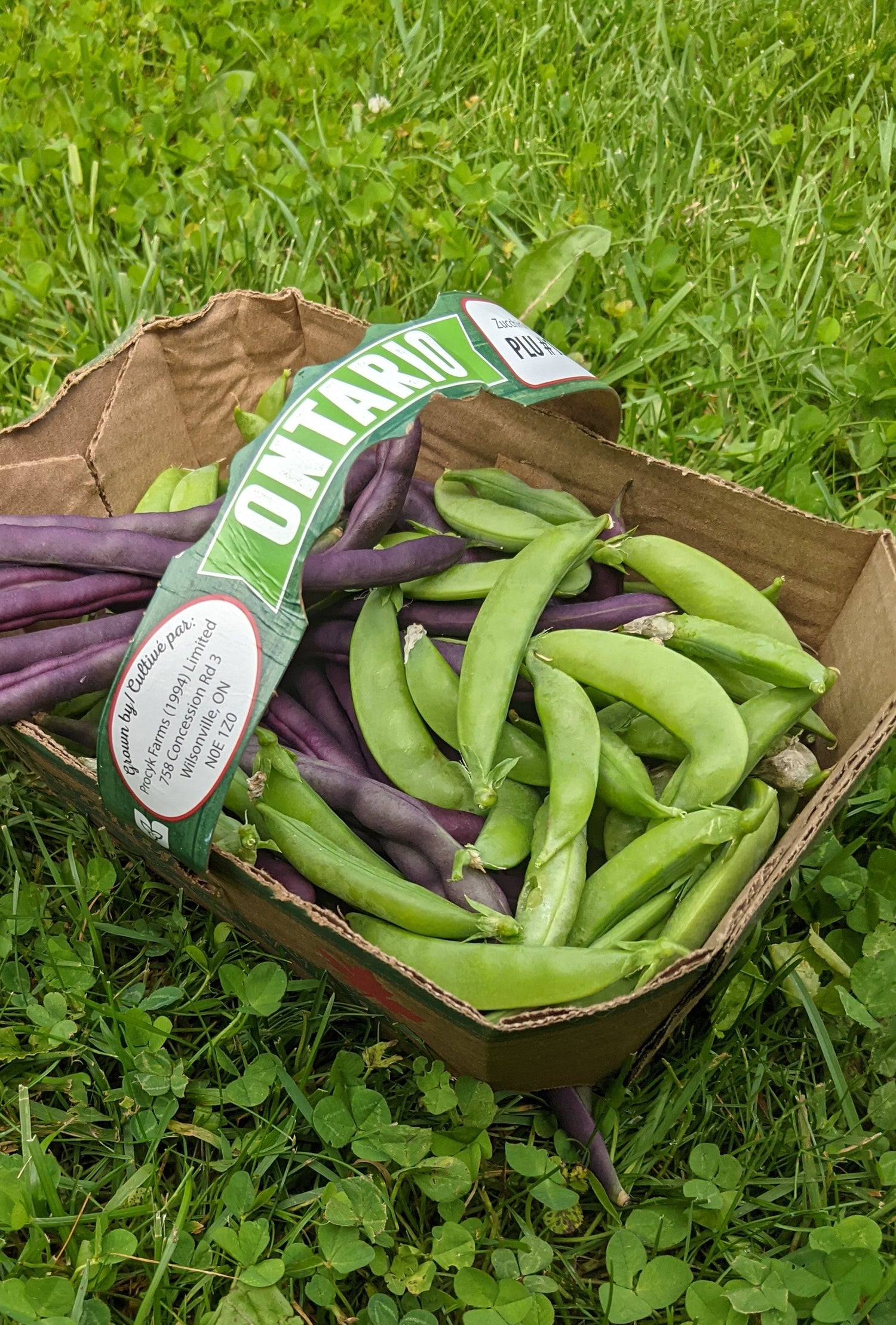
An excellent choice for small gardens and containers! Sugar Ann peas only grow 2 ft. tall, and do not require a trellis. Incredibly sweet, crisp, fresh pods about 2" long. I eat them right off the vine in the morning when they're cool.
If any sugar snap peas make it in the house, store them in a container of water in the fridge to keep them crisp. Delicious raw, stir fried or lightly steamed. Kids love 'em.
Type: Vegetable
Height: 2 ft.
Light: full sun
Soil: well drained with good organic matter; add compost before planting
Planting: Peas prefer cool temperatures. Plant as soon as the soil can be worked, from later winter-early spring (container/raised bed soil warms up quicker!). Sow 1" deep, 1-3" apart. Try for a fall crop by planting again late summer if it's not too hot
Harvest: 55-60 days


$4 each or 3 for $10 (save $2!)
An outstanding native plant! The yellow colour of the blooms is exquisite and you will enjoy watching native bees literally swimming in the abundant pollen! The dark seed heads are also attractive for the rest of the season, although they should be removed if you want to limit it's spread as it will self seed quite readily.
Type: Perennial, native to Ontario
Height: 3-4'
Light: Full sun to light shade
Soil: loamy to sandy, adaptable
Water: likes it on the moist side but will tolerate drier areas once established. It will grow shorter where it is dryer.
Bloom time: June-July
Planting: Cold, moist stratification required - see options in photos, courtesy of Northern Wildflowers. This website offers an excellent overview of this plant and how to grow it from seeds: Giant St. John’s Wort – Facts, Identification, Grow and Care – GrowIt BuildIT
Wild life support: This plant provides abundant pollen as a reward. It is mostly pollinated by bumblebees but is also loved by sweat bees and other small bees.


$4 each or 3 for $10 (save $2!)
A cheery hit of yellow early in the summer.
Type: Perennial, near native to Ontario
Height: 2 - 4 feet
Light: Full sun to part shade
Soil: Tolerant of many types of soil from clay to sand.
Water: water well until established, then quite drought tolerant.
Bloom time: Blooms in mid June.
Planting: Cold, moist stratification required - see options in photos, courtesy of Northern Wildflowers.
Wild life support: visited by small bees and host plant for the Black swallowtail butterfly

Your ticket includes:
- Packet of seeds and seed starting guide
- Private instruction
- Small class size
- Private shopping + 10% off selected items during the workshop
-
A beverage
Note: Ages 8+ accompanied by an adult



$6 each or 3 for $15
Produces prolific pretty orange, heart shaped fruit. Sweet and meaty, great on sandwiches, salads and for sauce.
Type: Indeterminate, vining plants that will need staking. Plants will keep growing and producing until frost. You can read about the difference between Determinate and Indeterminate tomatoes here: Determinate vs. Indeterminate Tomatoes
Height: Indeterminate height.
Light: Full sun
Soil: Rich soil. Use good quality compost around plants and mulch well.
Water: Consistently keeping soil moist, but not wet, will result in good growth and happy tomatoes. Inconsistent moisture can lead to "Blossom End Rot". Always water tomatoes at the base of the plant never getting water on the leaves.
Planting:
- Harden off* and then transplant to the garden after all frost danger is gone.
- Bury them deep! Plant the whole stem into the ground, not just the roots leaving only a few top leaves showing. The plant will put out roots from the buried stem, making your plant grow nice and strong!
- Space plants 60-90 cm, 2-3' apart; space rows 3-4' apart. They will grow nicely in containers but will need some kind of support.
- DO NOT crowd plants. This leads to poor circulation and disease
Harvest: 65-70 days to maturity (from the day they are planted outside)
* Hardening off refers to the process of gently and gradually acclimatizing indoor grown seedlings to the great outdoors! Don't throw your new babies straight into the elements! Over the course of a week, take them outside for a few hours at a time, bringing them back indoors afterwards. First sit them in the shade and then slowly introduce them to the sun. Increase the length of time they are outside and are exposed to the sun, until you feel they are ready to face the big outside world!
Other tips:
Pruning out suckers on your plant will help it put more of its energy into fruit production. Suckers appear between the main stem and the branches and can be easily taken out with your fingers.

A must have herb planted with your tomatoes so you have all the making for pesto and bruschetta growing in your garden! Also good companion plant with tomatoes to keep pests at bay.
$4 each or 3 for $10 (save $2!)
Type: Annual Herb
Height: 12-24"
Light: Full sun to light shade
Soil: Rich, moist, well drained. Amend with compost
Watering: Keep well watered. Basil is not a drought tolerant plant.
Planting: Space them 8-12 inches apart to give them room to grow nice and bushy. Harden off* before planting outdoors.
* Hardening off refers to the process of gently and gradually acclimatizing indoor grown seedlings to the great outdoors! Don't throw your new babies straight into the elements! Over the course of a week, take them outside for a few hours at a time, bringing them back indoors afterwards. First sit them in the shade and then slowly introduce them to the sun. Increase the length of time they are outside and are exposed to the sun, until you feel they are ready to face the big outside world!
Harvest/ Care: Pinch out flowers and harvest outside and top leaves regularly to keep the plant bushy.


Native to dry cliffs in Honduras and Mexico, this cool looking plant is very easy care. The less you do for it the happier it will be!
Scientific Name: Sedum Morganianum/Sedum burrito
Common Name: Burro’s Tail
Light: Bright light, morning sun is best
Growth: Slow growing and trailing habit. Up to 4 feet in the wild, it will remain much smaller indoor. Burro's tail is a very long lived plant.
Watering: Let dry between watering
Pet Safe: Yes
Care: Easy
Sedum burrito - blue green rice shaped leaves
sedum morganianum - spiky banana leaves


The Anthurium is known for their glossy, heart-shaped leaves with vibrant coloured waxy flowers. These "flowers" are actually called spathes. These spathes comes in all different colours such as red, pink, white and black. These plants are native to South and Central America.
Scientific Name: Anthurium Andraeanum
Common Name: Anthurium
Light: Medium-bright indirect
Growth: 1-2 feet tall
Watering: Likes a humid environment - keep evenly hydrated + mist regularly
Pet Safe: No
Care: Easy

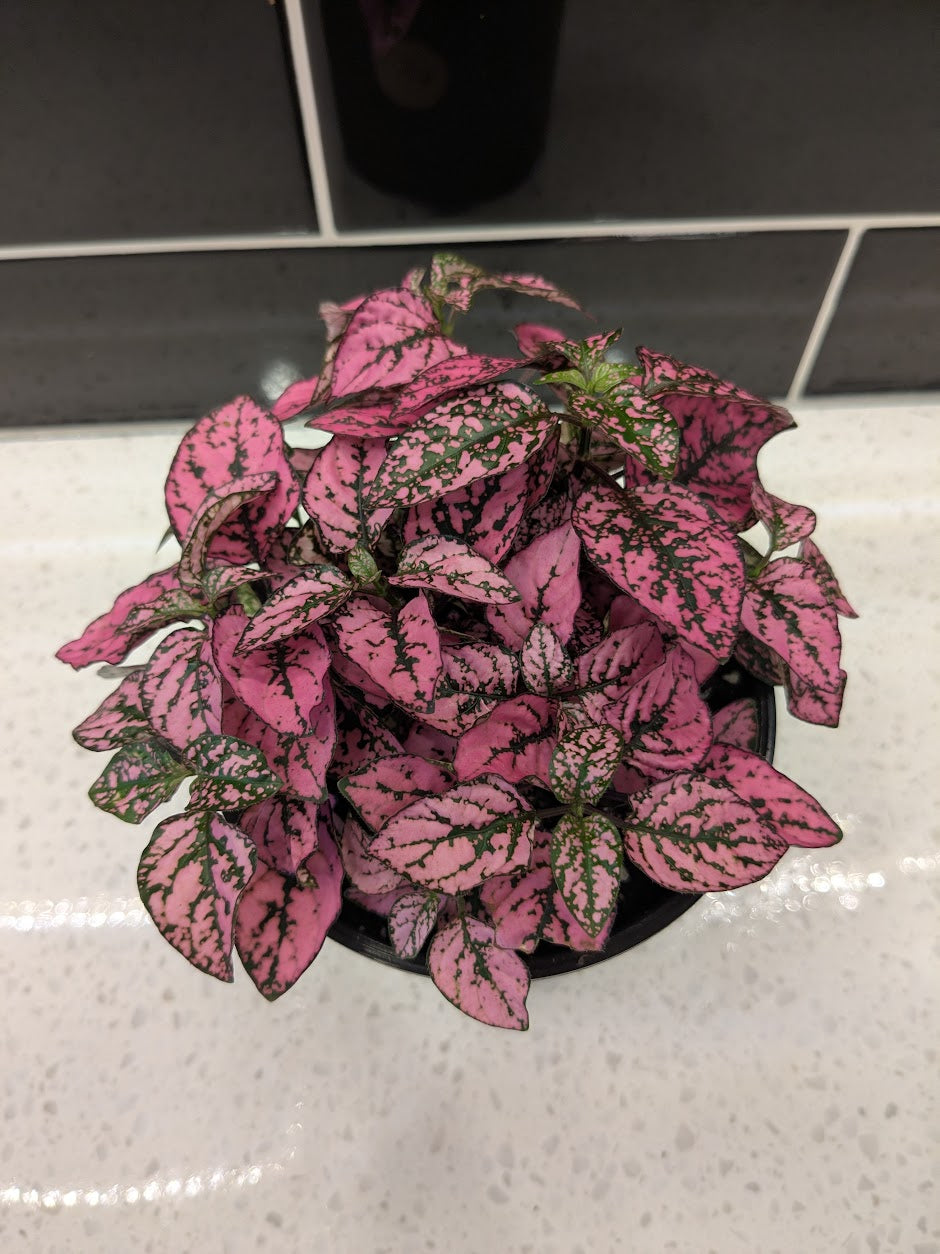
A fun plant with leaves that look like it’s been splashed with paint. Comes in a variety of colours! The Polka Dot plant originates from the island of Madagascar. It is also found in South Africa and Southeast Asia. The beautiful polka dots on its leaves symbolize creativity and it is believed to bring positive energy and enhance the ambiance of any room.
Scientific Name: Hypoestes Phyllostachya
Common Name: Polka Dot Plant
Light: Bright indirect light
Growth: Can grow up to 12 inches tall
Watering: Keep evenly hydrated, likes to be misted
Pet Safe: Yes
Care: Intermediate

A beautiful, delicate annual that looks, and smells beautiful in a bouquet.
Plant outside in the garden once the weather is warm enough!
Diameter: 4”
Growth: Up to 24" tall
Light: Full Sun
Watering: They like to be consistently moist but not wet
Pet Safe: No
Care: Easy


A small statured plant with beautiful foliage. Leaves are heavily veined in white or sometimes pink or red.
Scientific Name: Fittonia albivenis
Common Name: Nerve plant, mosaic plant, fittonia, painted net leaf
Light: Bright Indirect light- north facing window is ideal.
Growth: 3-6" tall with a 12" spread
Watering: Keep evenly moist- they do not like to dry out. But do not leave standing in water as this will cause roots to rot.
Pet Safe: Yes
Care: Intermediate
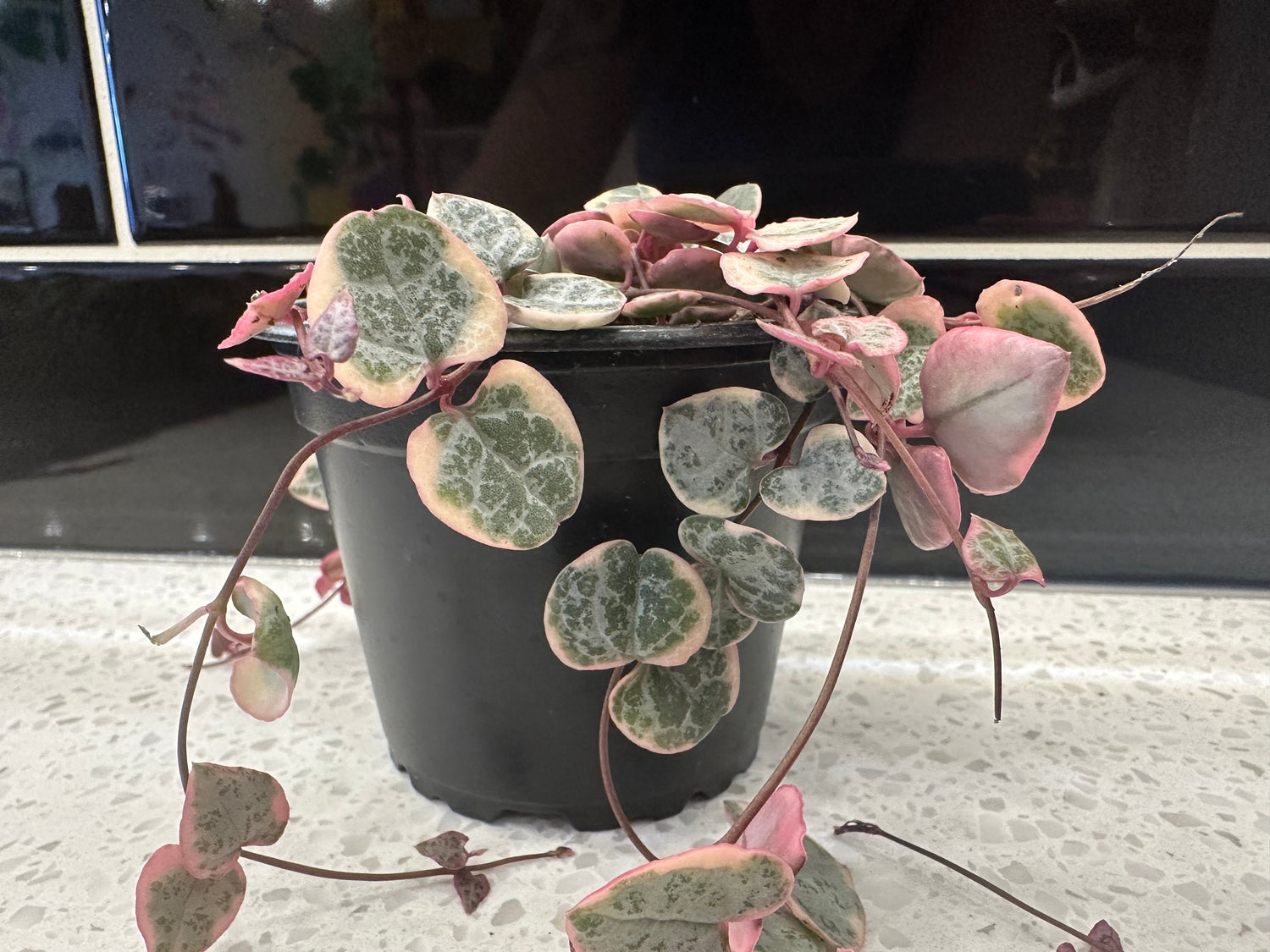
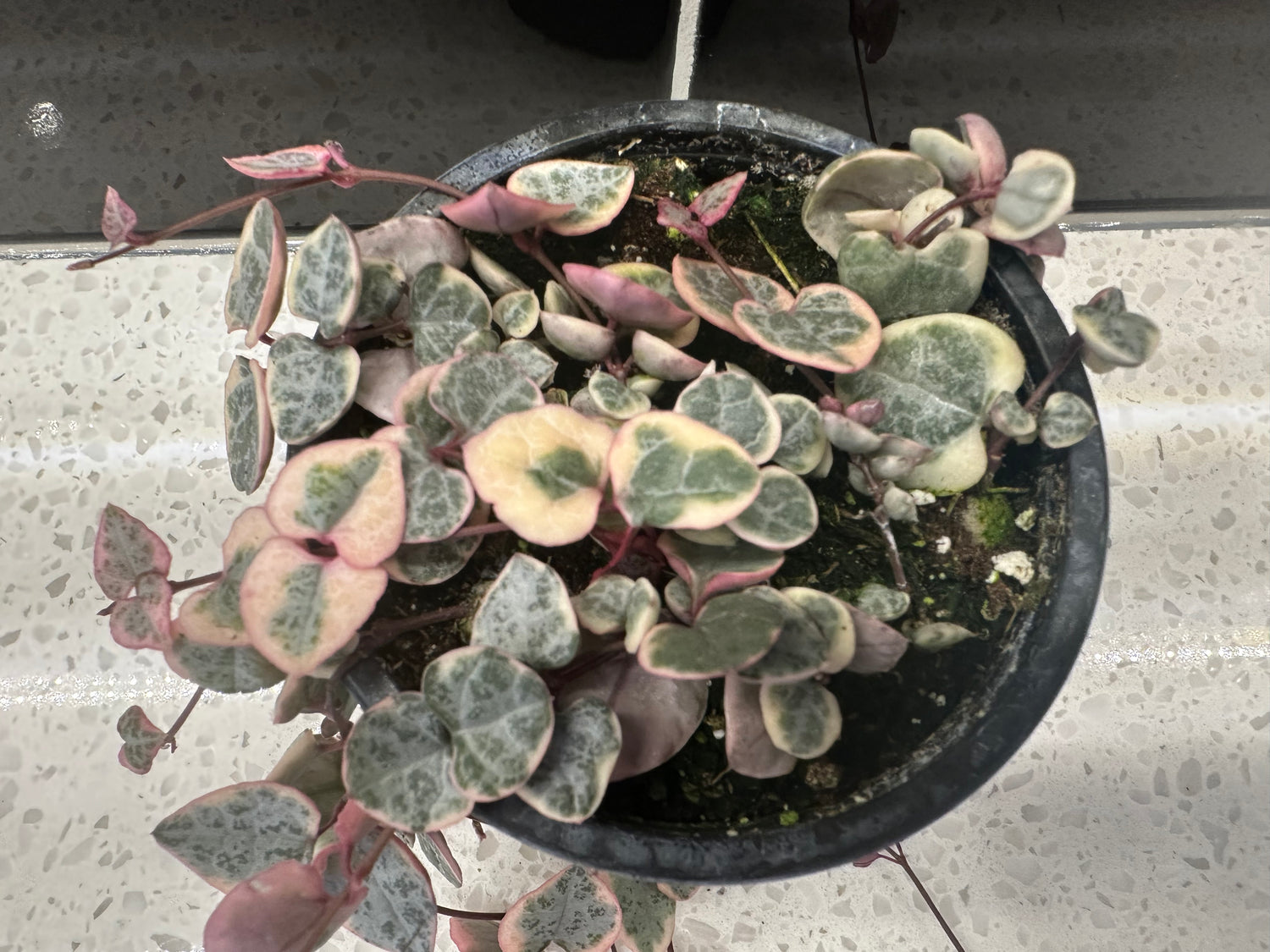
WThis beautiful plant has cascading vines and heart shaped leaves. This plant stores water in its leaves and roots making it drought tolerant. In the spring and fall the String of Hearts actually produces flowers!
mall, tubular, pinkish-purple flowers and they have tiny hairs that trap insects helping with pollination!
Scientific Name: Ceropegia Woodii
Common Name: String of Hearts/Rosary Vine/Chain of Hearts
Light: Bright indirect light to full sun
Watering: Let dry out between waterings
Pet Safe: Yes
Care: Easy


The Neon Pothos is one of the most distinct varieties of this Pothos family. These heart shaped leaves are golden yellow or bright green. When new growth appears, the colour is more vibrant and brighter than the older leaves. Neon Pothos are great for hanging baskets and it is a remarkable trailing plant. This plant is native to French Polynesia.
Scientific Name: Epipremnum Aureum
Common Name: Golden Pothos/ Neon Pothos
Light: Bright indirect light to low light
Watering: Keep evenly hydrated, ensure good drainage
Growth: When mature, the leaves can grow to 3 feet long. The vine itself can grow very long if in the right conditions. If it starts to look "leggy", make sure it's in a bright spot and trim the vine to encourage more growth.
Pet Safe: No
Care: Easy