








Sort by:
747 products
747 products

A must have herb planted with your tomatoes so you have all the making for pesto and bruschetta growing in your garden! Also good companion plant with tomatoes to keep pests at bay.
$4 each or 3 for $10 (save $2!)
Type: Annual Herb
Height: 12-24"
Light: Full sun to light shade
Soil: Rich, moist, well drained. Amend with compost
Watering: Keep well watered. Basil is not a drought tolerant plant.
Planting: Space them 8-12 inches apart to give them room to grow nice and bushy. Harden off* before planting outdoors.
* Hardening off refers to the process of gently and gradually acclimatizing indoor grown seedlings to the great outdoors! Don't throw your new babies straight into the elements! Over the course of a week, take them outside for a few hours at a time, bringing them back indoors afterwards. First sit them in the shade and then slowly introduce them to the sun. Increase the length of time they are outside and are exposed to the sun, until you feel they are ready to face the big outside world!
Harvest/ Care: Pinch out flowers and harvest outside and top leaves regularly to keep the plant bushy.

Water your thoughts just like your plants + garden 🩷 11.5" x 8" metal sign with four pre-drilled hanging holes

Crisp yellow beans grow to 4-5 inches in length. Rot resistant and easy to grow.
Type: annual vegetable
Height: 2 ft - do not require staking/trellis
Light: full sun
Moisture: well drained, warm soil
Planting: Sow directly into the garden, 1" deep, 2" apart, space rows 3" apart after the soil is warm. Beans seeds will not germinate if cool and wet.
Care: water the soil only, and avoid touching the leaves when wet (this can cause disease). Harvest regularly to keep plant producing; once pods get fat with seeds, they will stop flowering.

Dark purple 6" long pods are pencil thin and stringless. Delicious!
Type: annual vegetable
Height: 2 ft - do not require staking/trellis
Light: full sun
Moisture: well drained, warm soil
Planting: Sow directly into the garden, 1" deep, 2" apart, space rows 3" apart after the soil is warm. Beans seeds will not germinate if cool and wet.
Care: water the soil only, and avoid touching the leaves when wet (this can cause disease). Harvest regularly to keep plant producing; once pods get fat with seeds, they will stop flowering.
$4 each or 3 for $10 (save $2!)
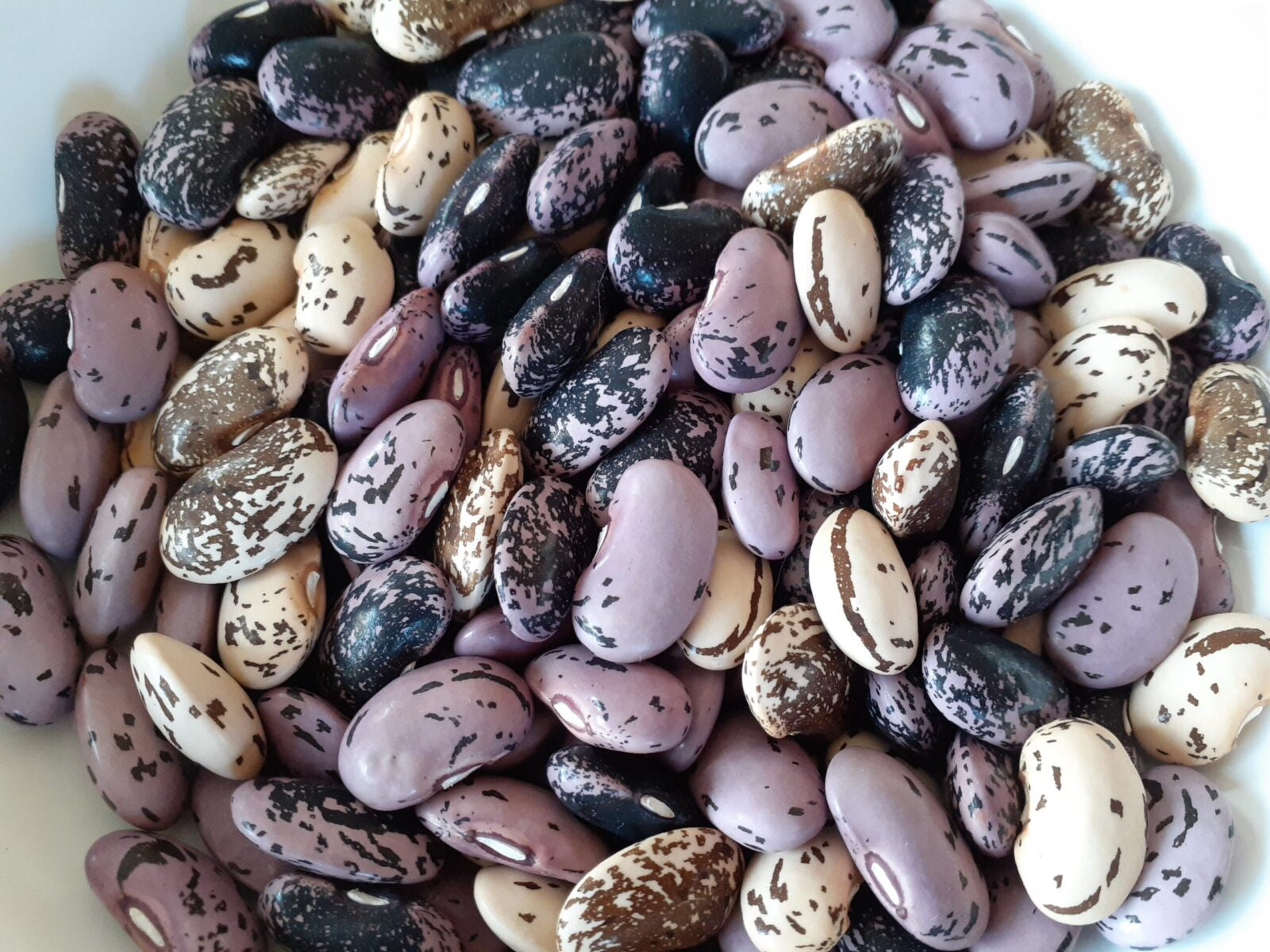
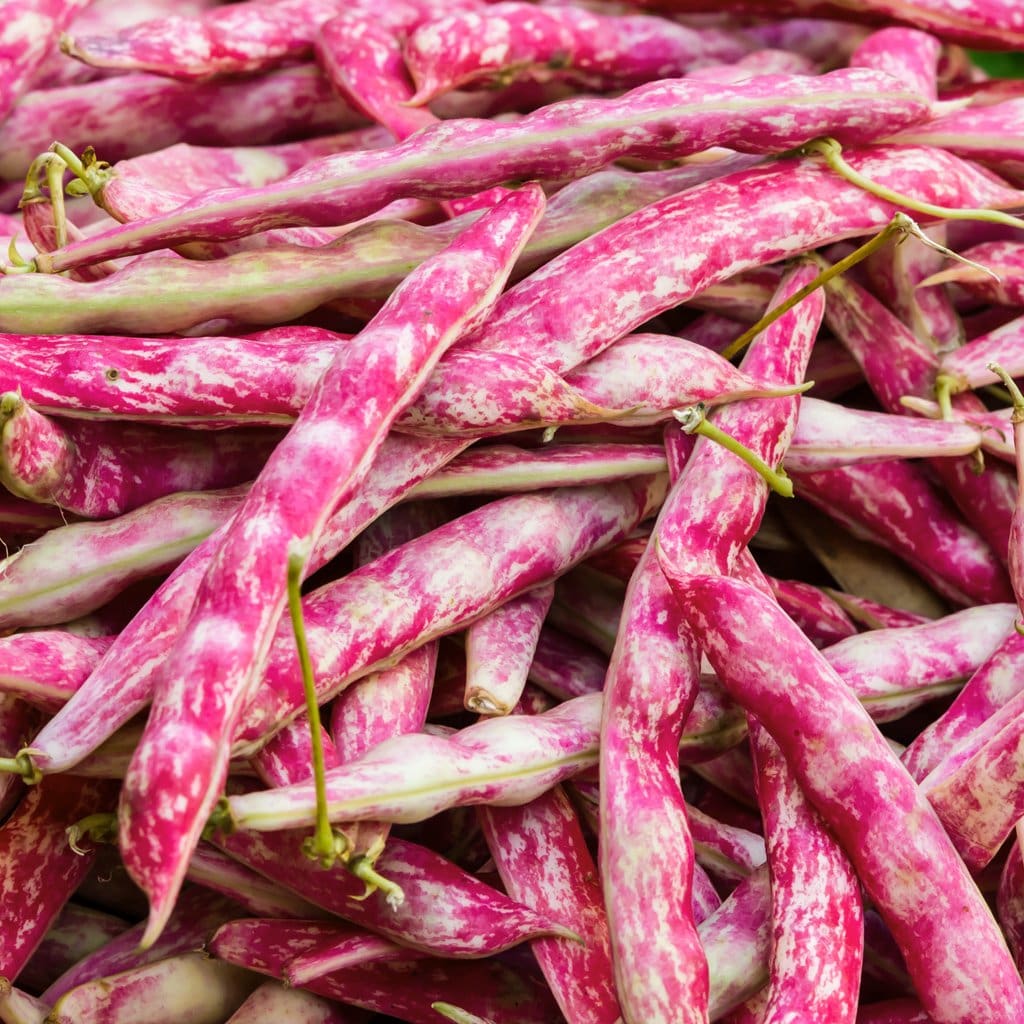
What I love most about Cranberry Beans is their versatility (and that the pods are pink!): harvest them fresh off the vine for immediate eating, freezing, dehydrating or canning. Leave them on the vine to dry, and the seeds store perfect in the pantry for adding to soups and stews.
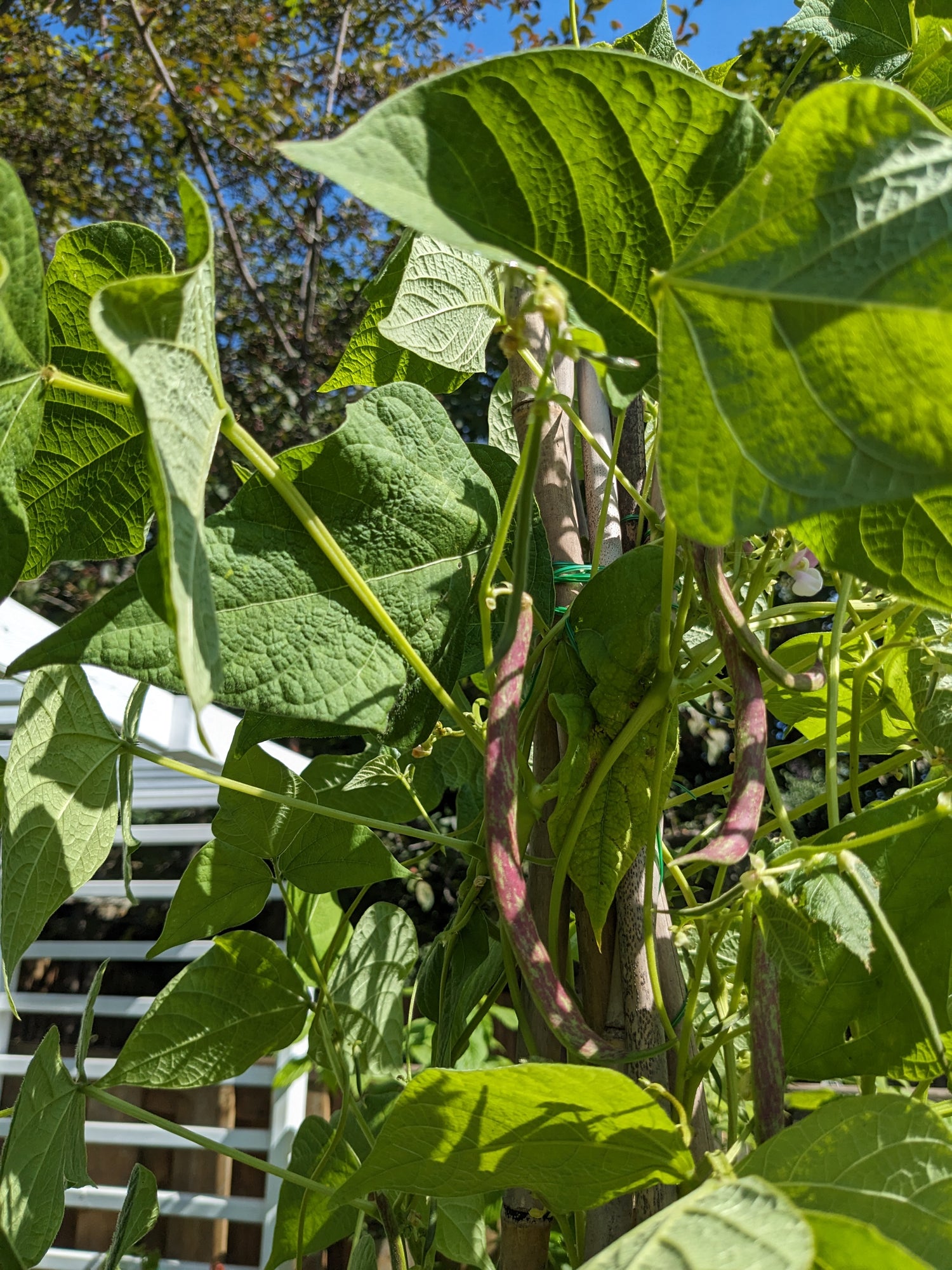
These Cranberry Beans (also known as borlotti) are meaty and hearty, with a richer taste than their bush bean cousins. They are vigorous pole beans, growing over 8 ft. tall in my veggie garden last year! They literally went up my trellis, then hung over the top like Dr. Seuss hair.
Beans are an excellent source of protein, fibre, starch and vitamins A & C.
Type: Vegetable, Pole Bean
Height: 8 ft+
Light: full sun
Moisture: keep soil evenly moist, but not wet or seeds will rot
Planting: 1" deep, into warm soil. I plant dense, in a container 3-4" apart
Harvest: 75-90 days
$4 each or 3 for $10 (save $2!)
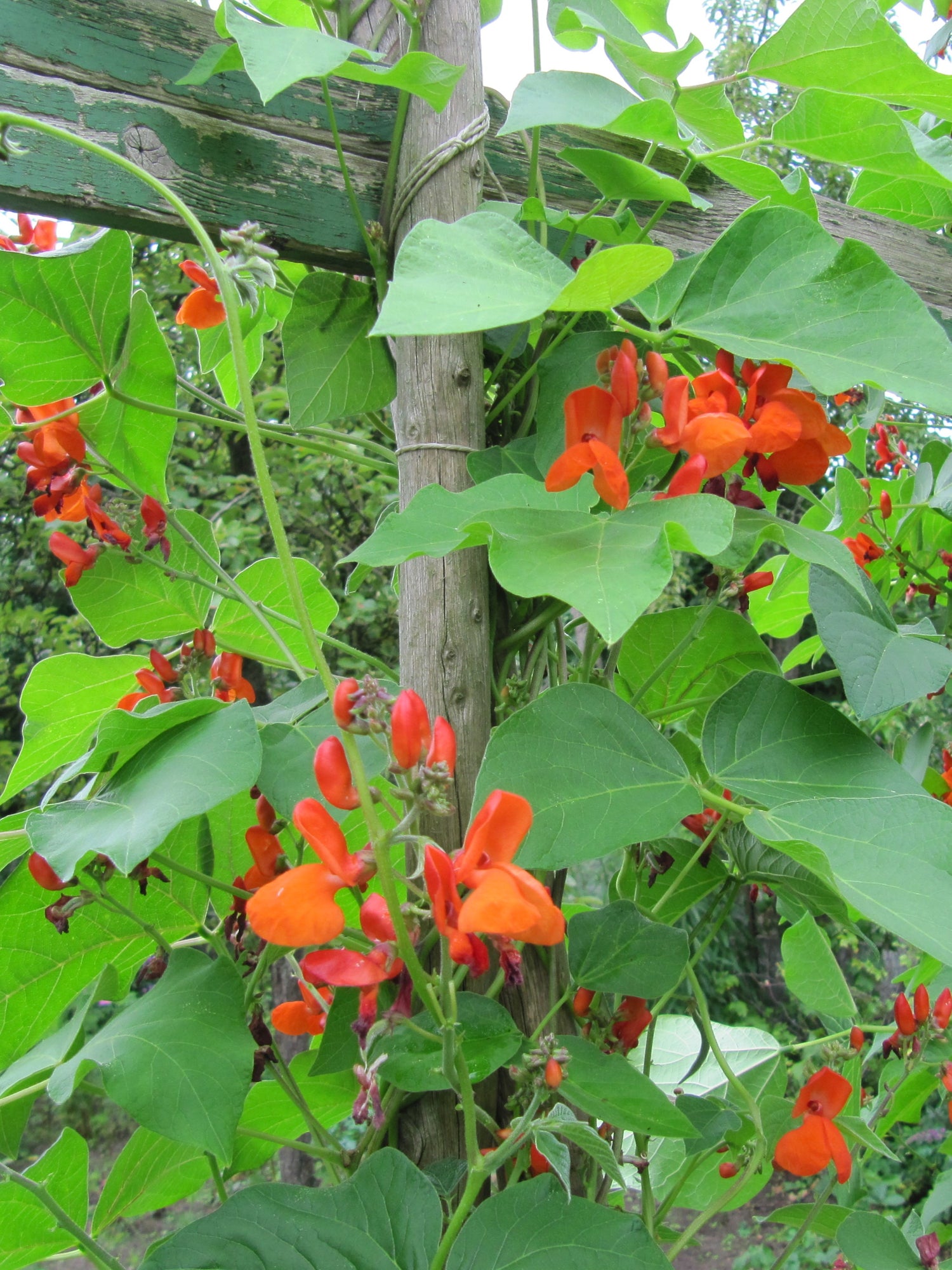
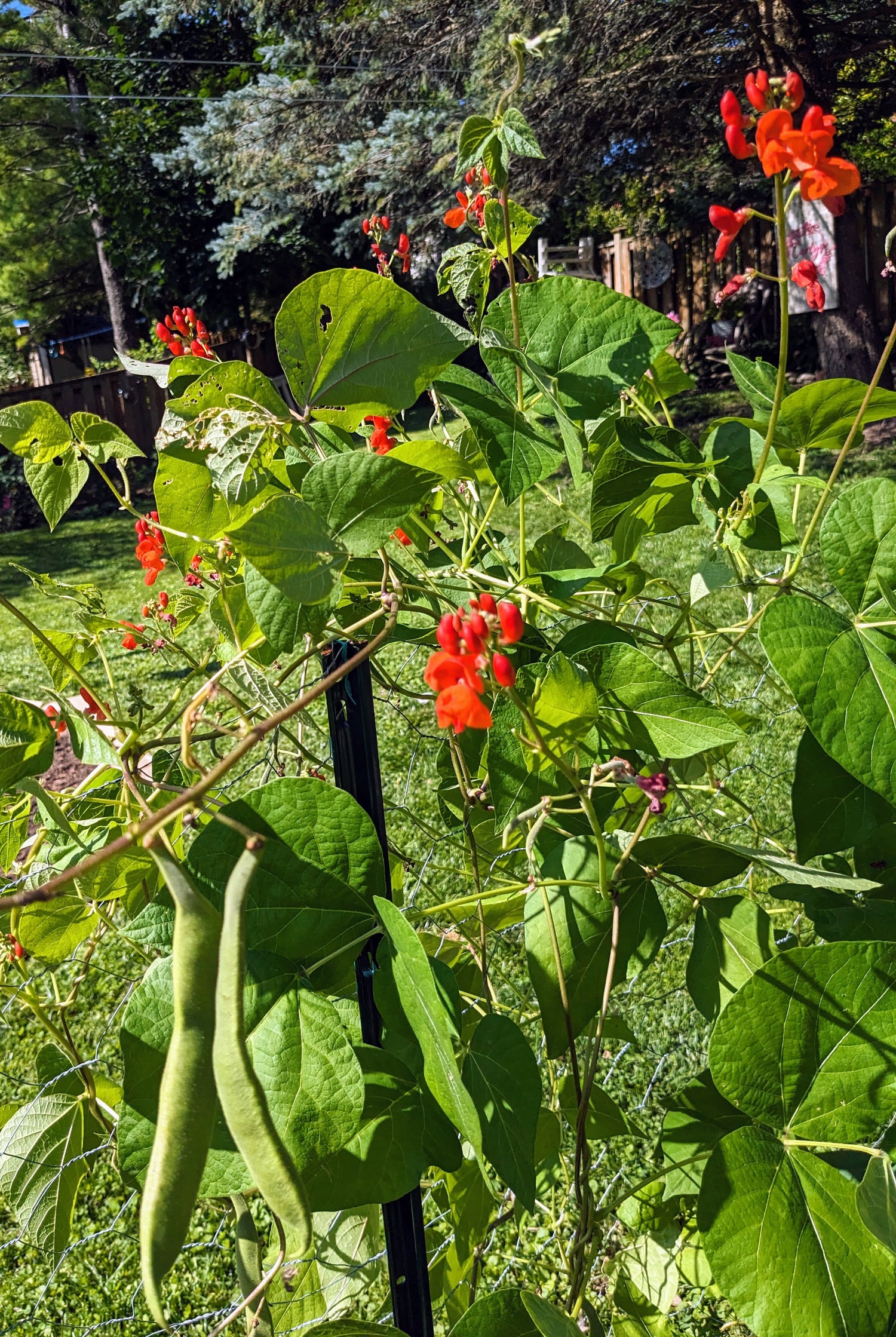
I've grown Scarlet Runner Beans for many years for a very specific purpose: the flowers are a magnet for hummingbirds! I plant them along the fence of my food garden enclosure, where I train them to wind horizontally - each seed produces a vine 10-15 ft. Ruby Throated Hummingbirds (the only type I've seen in my Zone 5 gardens) visit the scarlet flowers, then zoom to the fruit and veggie plants, herbs and native plants. It's a joy to see.
While usually grown for their splendid flowers, every part of this versatile veggie is edible! The starchy roots, young leaves and even the flowers can be eaten. (Check out the bright pink-light purple fresh seeds! So fun.) Runner beans must be thoroughly cooked before eating, as they contain traces of lectin (phytohaemagglutinin), which is toxic in large quantities. The beans are dense, with a thick texture, and slightly smoky flavour.
Dried beans store excellent in the pantry, and can be added to soups and stews after soaking.
To get the most flowers, pinch off forming pods; this sends a message to the plant to push out more buds.
Type: Vegetable
Height: 10-15ft.
Light: full sun
Soil: well draining, warm
Planting: Direct sow late spring-early summer, 1-2" deep into warm soil (too cold, and the seeds will rot), 3-4" apart.
Harvest: 75 days


The Bear Claw succulent is a plant with thick, fuzzy green leaves that have distinct, claw-like teeth along the edges, resembling bear paws. The plant is native to South Africa. The tips of the plants, under bright sunlight, can turn red!
Scientific Name: Cotyledon Tomentosa
Common Name: Bear Claw Succulent
Light: Bright, indirect light
Growth: 12-16 inches tall
Watering: Let dry between watering
Pet Safe: No
Care: Easy


Native to warm and humid South American rainforests. They will be happiest in your home if you can replicate these conditions. This selection has striking variegated foliage.
Scientific Name: Maranta leuconeura
Common Name: Prayer Plant
Light: Bright but indirect. North or East facing windows are ideal.
Watering: Water when top inch of soil is dry. To increase humidity, consider using a humidifier or placing the plant on a tray of pebbles and water. Do not let the pot sit in the water though,
Growth: Slow growing up to 1 foot indoors
Pet Safe: Yes
Care: Experienced


$4 each or 3 for $10 (save $2!)
A gorgeous and unusual Bee Balm, featured on the mural in our store. Grows in tiers with little spotted flowers. Loved by bees and wasps, in particular the Giant Black Backed Wasp. Great in a white themed garden as it almost glows at night.
Type: Perennial, native to Ontario
Height: 1-2 feet
Light: Full sun
Soil: Dry soil, sandy
Water: water well until established, then extremely drought tolerant.
Bloom time: Begins blooming in July and can bloom 2-3 months.
Planting: Cold, moist stratification required - see options in photos, courtesy of Northern Wildflowers.
Wild life support: Excellent for all pollinators

BerryLeaf Tea- great hot or iced!
Harvesting the lush + vibrant young leaves of berries carries the incredible berry taste of the fruit itself. We’ve added dried strawberries as the perfect sweet touch. Yummy as a cold tea!
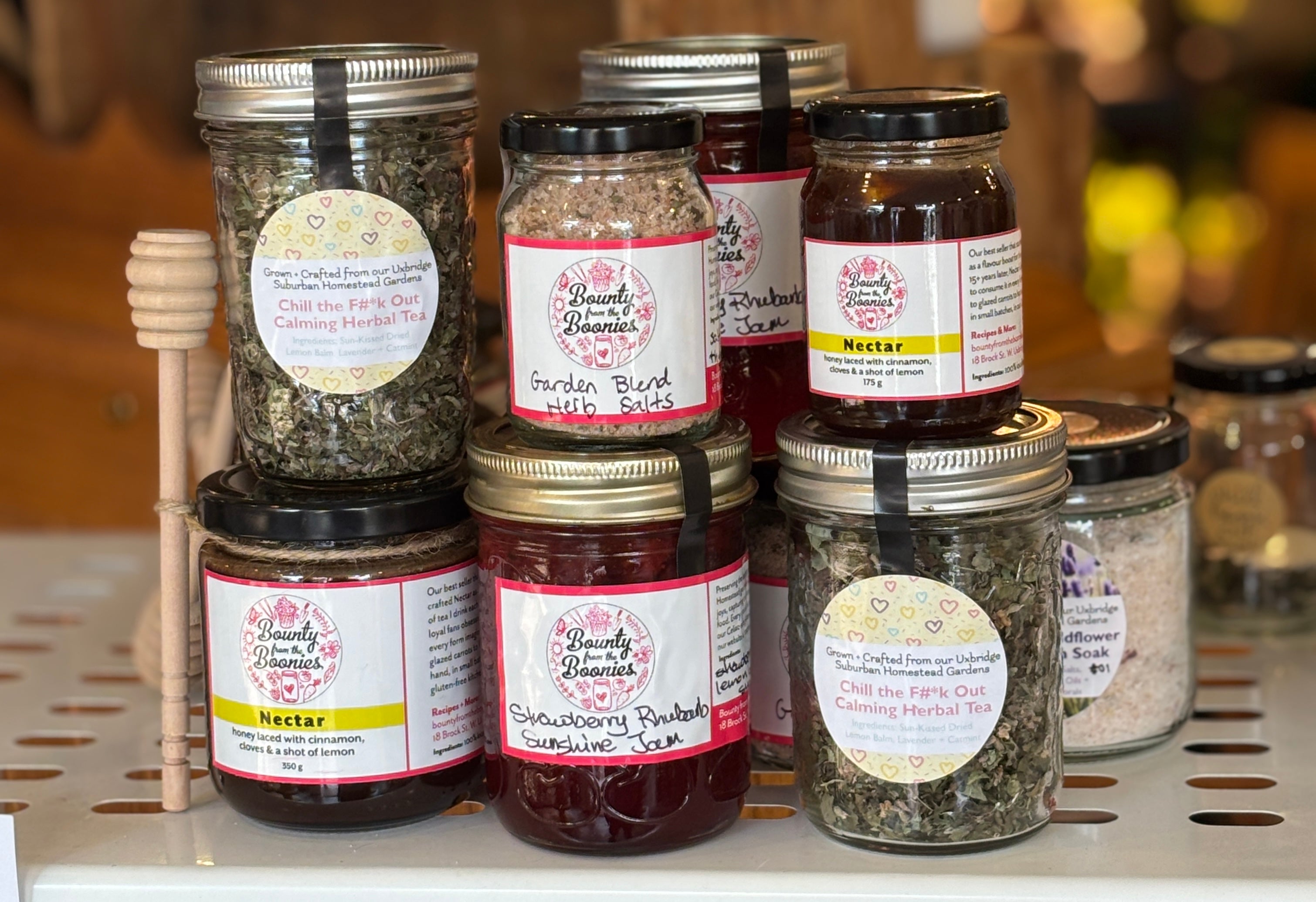
Preserving the bounty from my Uxbridge suburban Homestead gardens + Ontario growers is among my greatest joys, capturing the incomparable taste of sun-kissed local food. Every product is made by hand, in small batches, in our Celiac-safe gluten-free kitchen.
Ingredients: strawberry leaves, raspberry leaves, dried strawberries

$4 each or 3 for $10 (save $2!)
A beautifully tall grass native to the original prairies of Southern Ontario. Lovely, bronze colour in the fall, lends graceful movement to the garden as it sways in the wind. Give them a few years to establish as they sink their roots down to incredible depths, making them great carbon sequesters. Big Blue Stem is also known as Turkey's foot due to the shape of it's seed heads. A warm season grass, it will be slow to return in the spring. Be patient!
Type: Perennial, native to Ontario
Height: 6-10'
Light: Full sun
Soil: sandy, loam
Water: moist to dry
Bloom time: fall
Planting: Seeds grow best when planted into containers in the spring. Press into the soil well to make contact with the soil. They will take some time to germinate and will only do so when it gets a bit warmer. Here is a good guide: Big Bluestem – A Big Grass With Big Benefits – GrowIt BuildIT
Wild life support: Seeds feed feed a variety of birds and are great for creating hiding and shelter spots for birds and other wildlife.


The bird's nest fern is named this way because the centre of the plant resembles a bird's nest. It is also occasionally called a crow's nest fern. The Bird's Nest Fern is Native to the tropical regions of Southeast Asia, Eastern Australia and India.
Scientific Name: Asplenium Nidus
Common Name: Bird's Nest Fern
Light: Bright indirect light
Watering: They need a very deep watering followed by letting them dry out.
Growth: Can grow up to 12 inches
Pet Safe: yes
Care: Easy
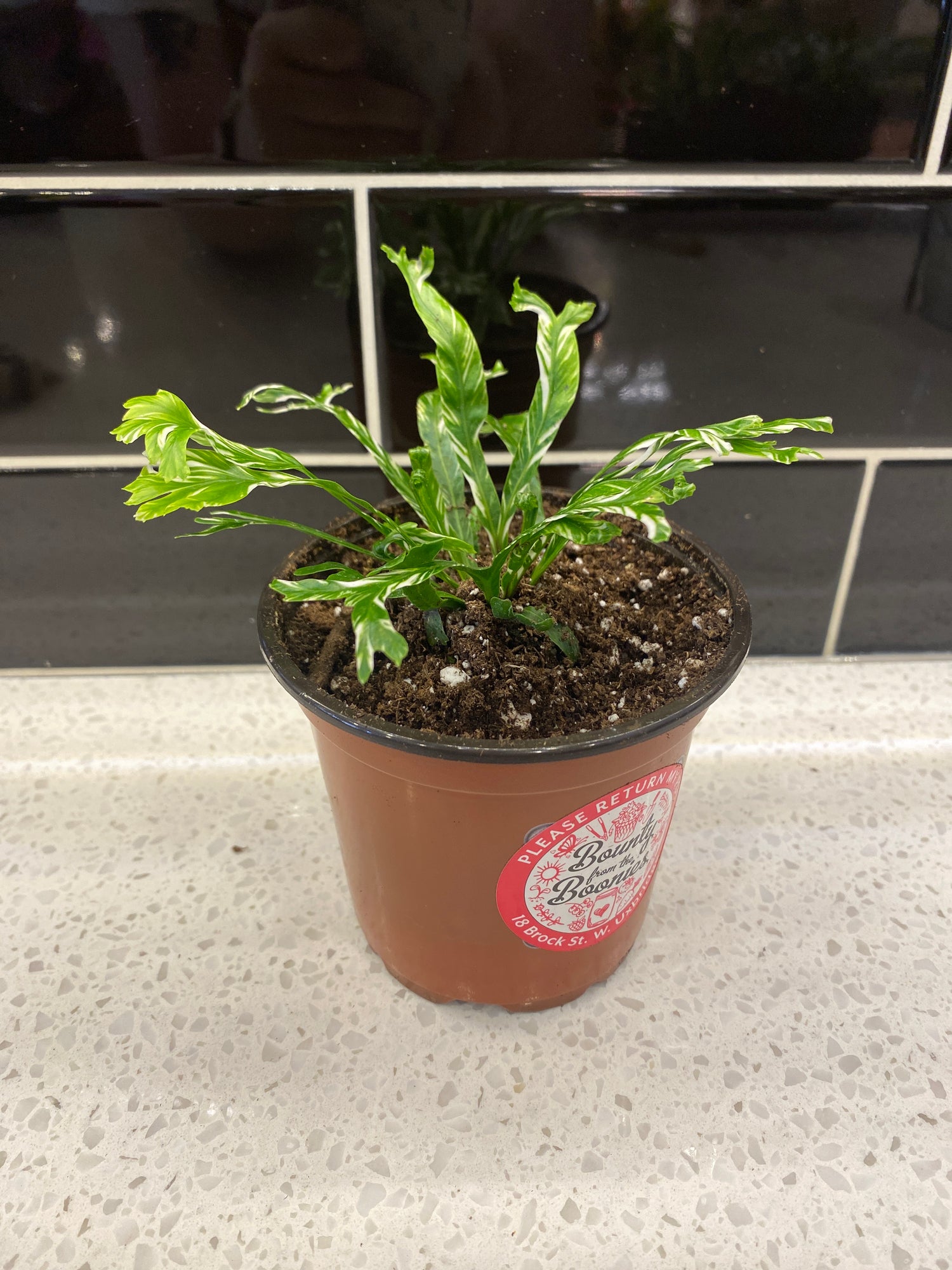
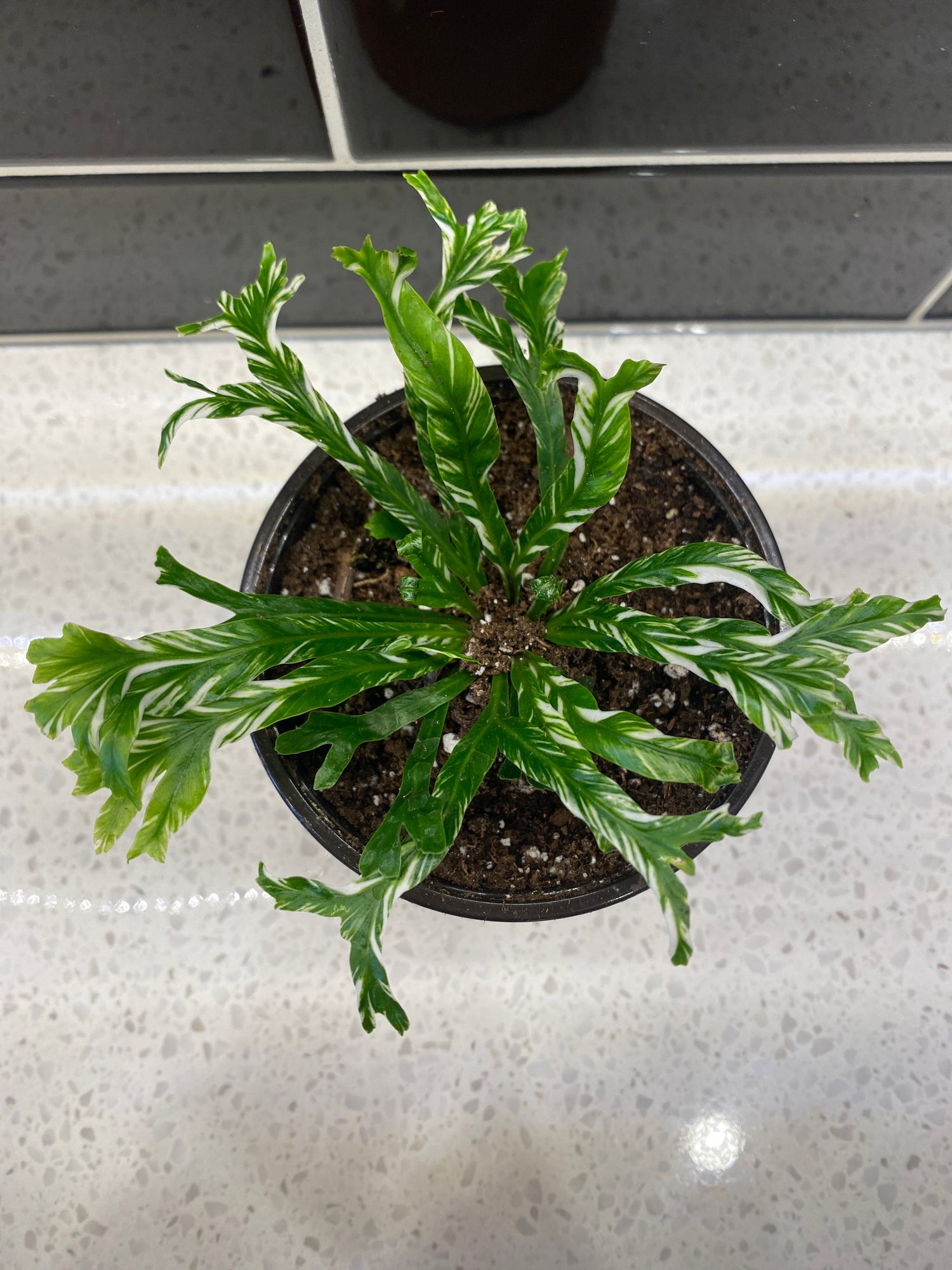
The bird's nest fern is named this way because the centre of the plant resembles a bird's nest. It is also occasionally called a crow's nest fern. The Bird's Nest Fern is Native to the tropical regions of Southeast Asia, Eastern Australia and India.
Scientific Name: Asplenium Nidus
Common Name: Bird's Nest Fern
Light: Bright indirect light
Watering: They need a very deep watering followed by letting them dry out.
Growth: Can grow up to 12 inches
Pet Safe: yes
Care: Easy


The bird's nest fern is named this way because the centre of the plant resembles a bird's nest. It is also occasionally called a crow's nest fern. The Bird's Nest Fern is Native to the tropical regions of Southeast Asia, Eastern Australia and India. The name "Hurricane" comes from the way the leaves of this plant swirl together like the eye of a Hurricane!
Scientific Name: Asplenium Nidus ‘hurricane’
Common Name: Hurricane Bird's Nest Fern
Light: Bright indirect light
Watering: Water when the top inch of soil in the pot is getting dry. The soil should always feel cool and moist, never soggy or so dry that it is like dust.
Growth: Can grow up to 12 to 24 inches
Pet Safe: yes
Care: Easy


A cute little prickly friend from Central Mexico!
Scientific Name: Mammillaria voburnensis
Common Name: Birds Nest Pincushion Cactus
Growth: This cactus will retain it's globe shape and will slowly grow outwards up to 2-3" in diameter
Light: Very bright, indirect light. It does not want sun all day.
Watering: Water more during the spring and summer, reducing the amount in the fall and giving very little during the winter. ALWAYS allow your cactus to dry out completely between waterings.
Pet Safe: Moderately toxic if ingested
Care: Easy


A rare and unusual plant with exotic flowers that have long “whiskers” and flower petals that resemble bat’s wings!
Scientific Name: Tacca chantrieri
Light: Bright but not direct sun
Growth: up to 2 feet in ideal growing conditions
Watering: when top of soil is dry. Keep moist but not soggy. Also provide humidity
Pet Safe: no
Care: moderate to difficult


$4 each or 3 for $10 (save $2!)
A "happy" flower for the garden. It is not a perennial in the common sense of the word as it does not reliably come back every year. To keep it in the garden you must allow it to self seed and plan for it to appear randomly throughout the garden. Some may find this charming, but for those who like a planned garden, it might be annoying. Black Eyed Susan like to grow in disturbed soils, so it is often thought of as a colonizing plant. Once a garden is established, it is less likely to grow in your garden.
Type: Annual to short lived perennial, native to Ontario
Height: 1-2'
Light: full sun to light shade
Soil: sand to richer loams, adaptable
Water: dry to moist
Bloom time: all summer, June to end of August
Planting: Cold moist stratification for 30 days - see options in photos, courtesy of Northern Wildflowers. . This website offers a great guide to "winter sowing". Winter Sowing – Complete Guide To Starting Seeds In Winter – GrowIt BuildIT
Stratification & Scarification: Breaking Seed Dormancy – Halton region Master Gardeners
Wild life support: Larval host plant for several butterflies and enjoyed by small bees and adult butterflies. Gold Finches enjoy the seeds throughout the fall.

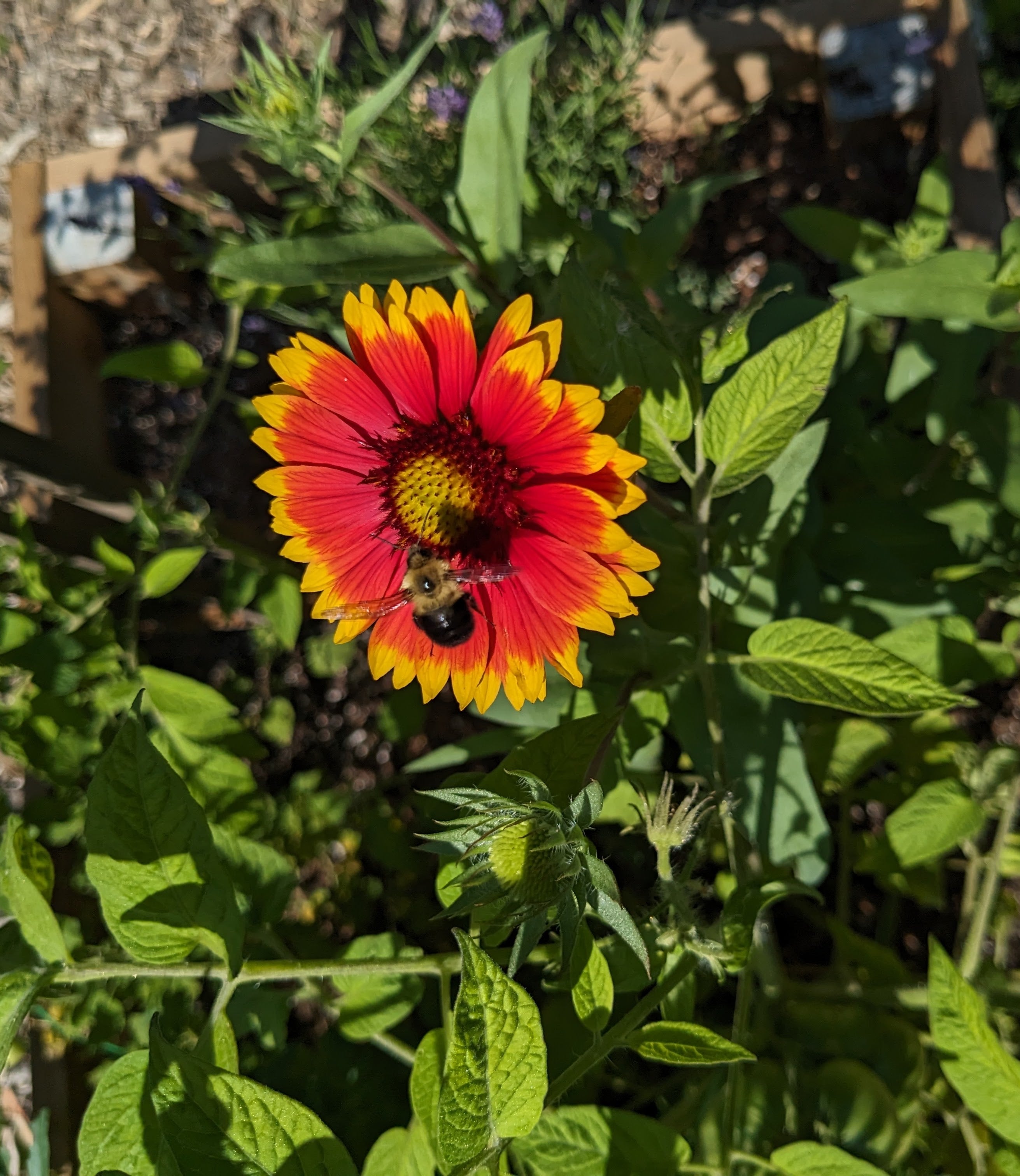
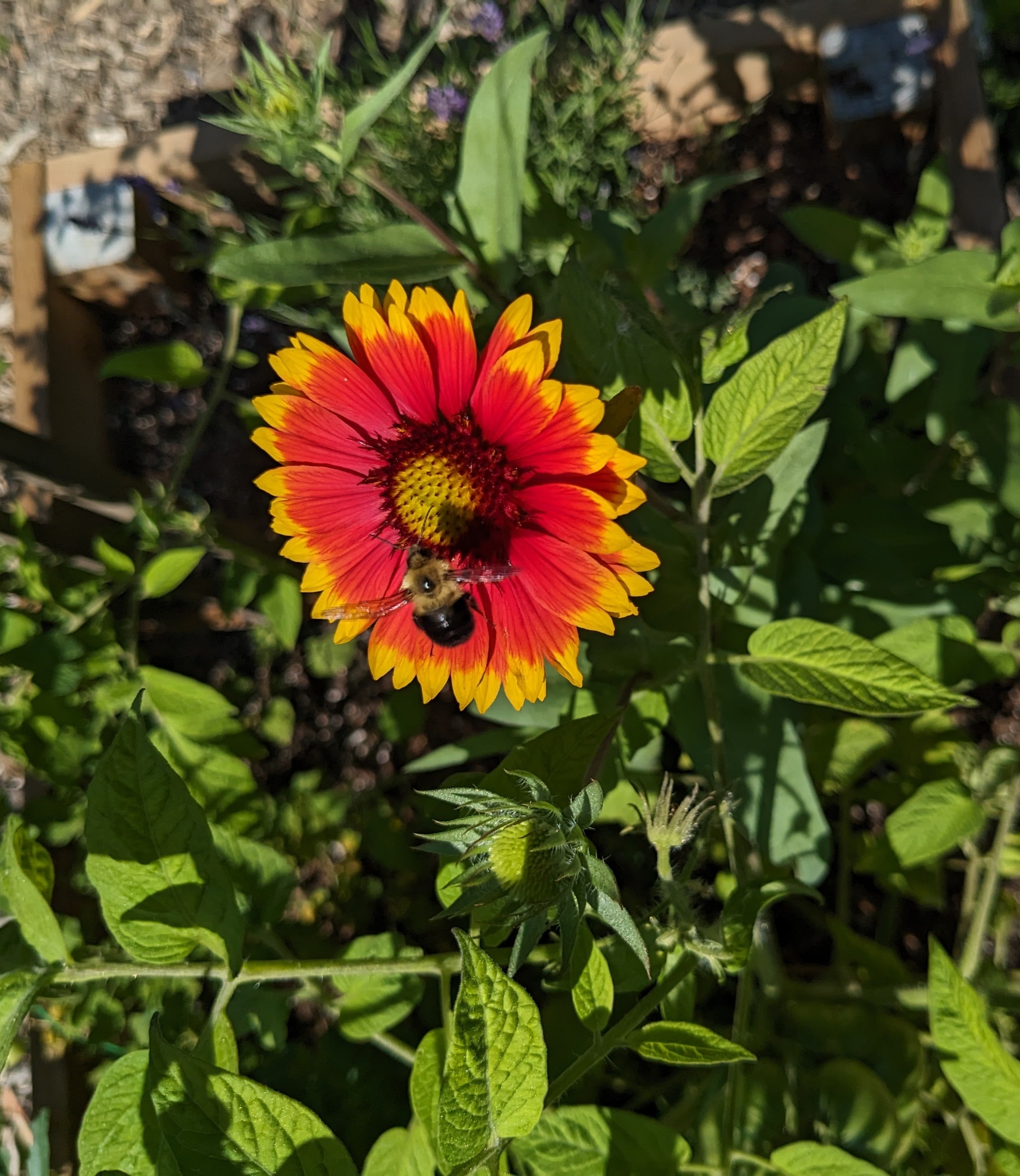
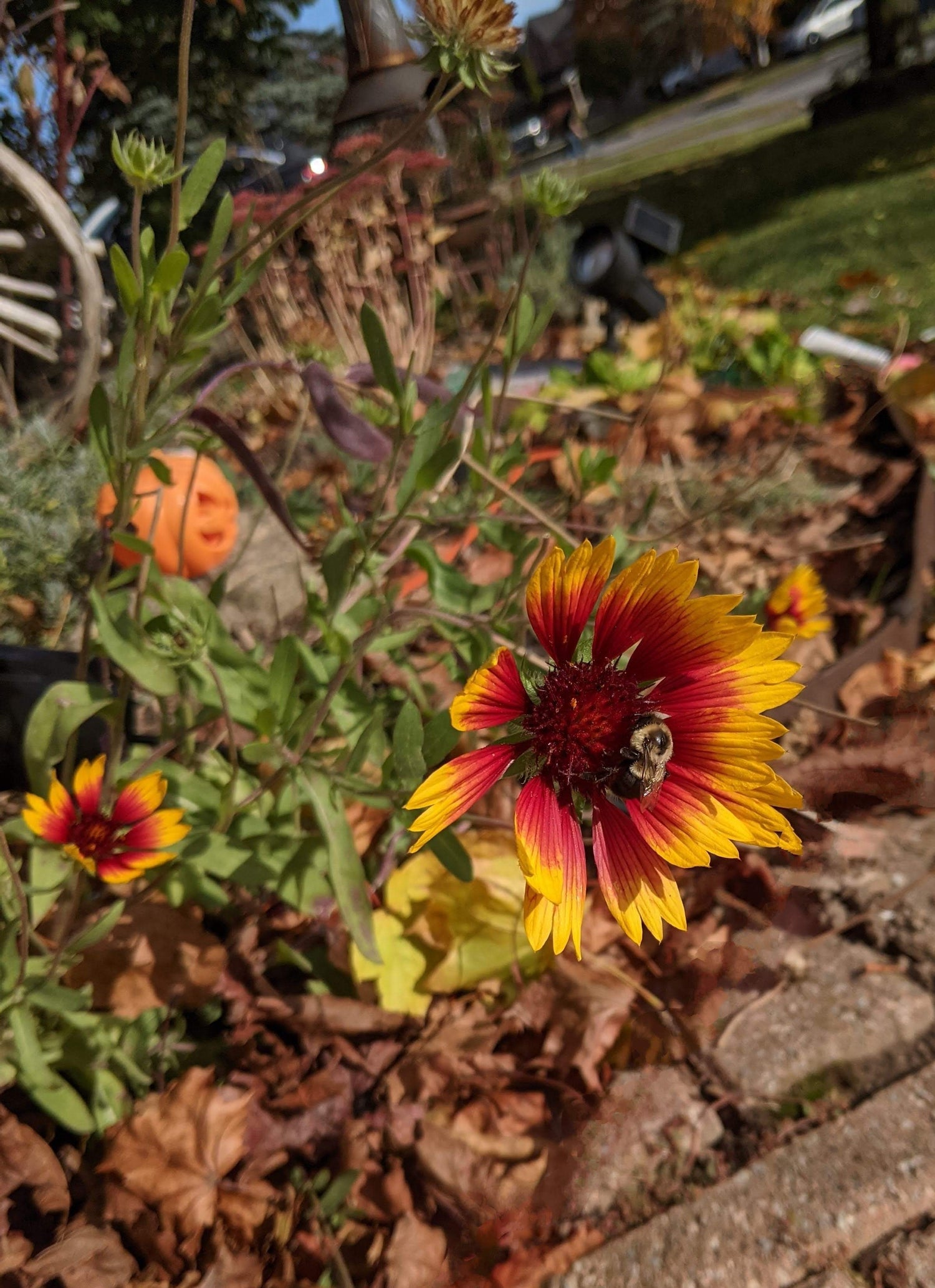
These gorgeous flowers absolutely pop in the garden, producing non-stop blooms from early summer-hard frost. They crawl with bumblebees, especially through the fall - non only for food, but as a soft sleeping bed in the cooling temperatures.
Blanket Flower need full sun and love the heat. I have them all over my property, in every type of soil - once established, they are happy as long as there's sun. Deadheading will keep the flowers prolific. A beautiful cut flower, tucked among amaranth, white phlox and sunflowers in a late summer bouquet.
Type: native perennial flower
Height: 2-3 ft.
Light: full sun
Moisture: drought tolerant
$4 each or 3 for $10 (save $2!)
$4 each or 3 for $10 (save $2!)
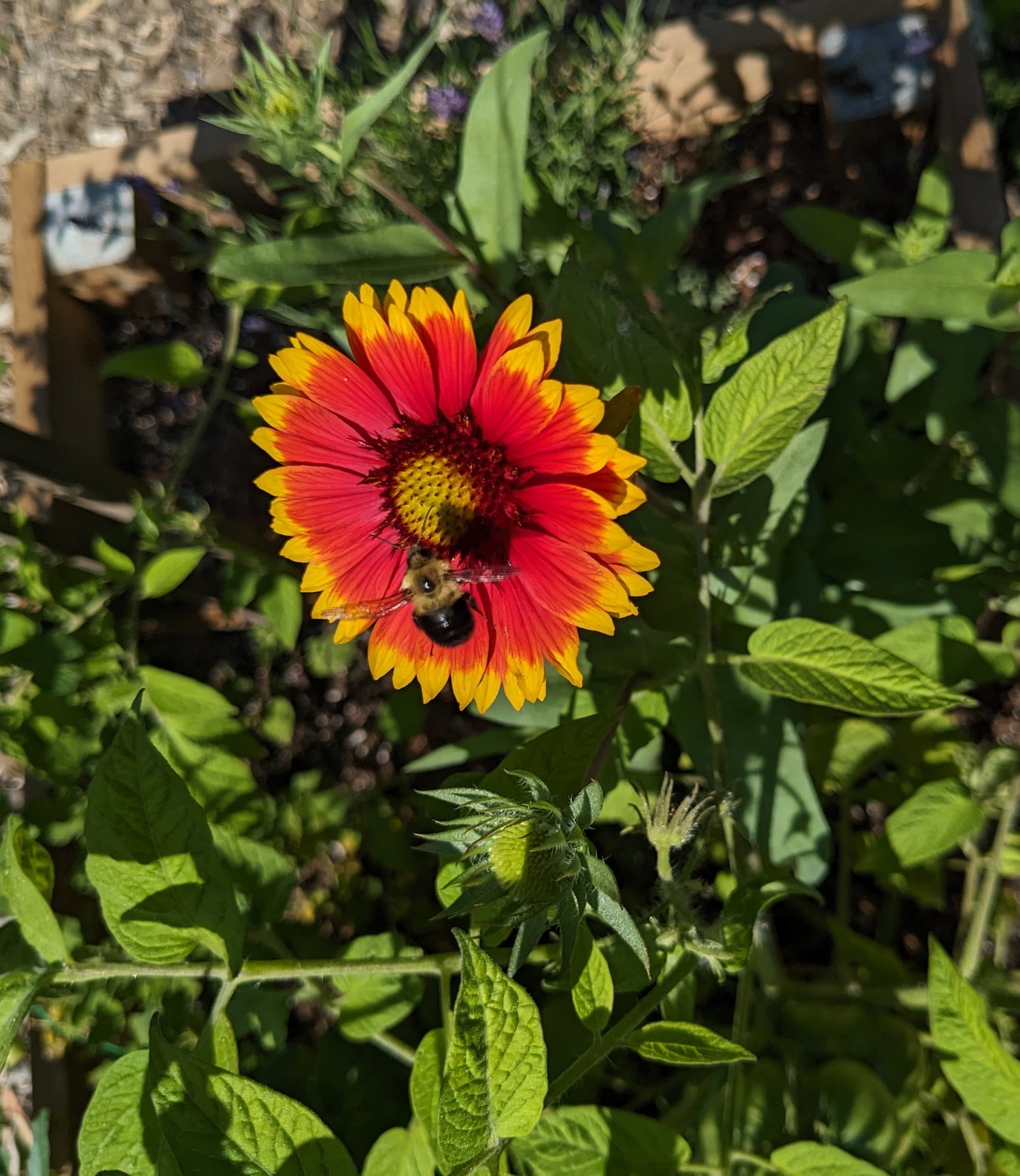
These gorgeous flowers absolutely pop in the garden, producing non-stop blooms from early summer-hard frost. They crawl with bumblebees, especially through the fall - non only for food, but as a soft sleeping bed in the cooling temperatures.
Blanket Flower need full sun and love the heat. I have them all over my property, in every type of soil - once established, they are happy as long as there's sun. Deadheading will keep the flowers prolific. A beautiful cut flower, tucked among amaranth, white phlox and sunflowers in a late summer bouquet.
Type: native perennial flower
Height: 2-3 ft.
Light: full sun
Moisture: drought tolerant
Planting: needs light to germinate. Lightly cover with soil, pressing to make contact. Keep evenly moist until germination. Can be direct sown after last frost.
Care: once established, Blanket Flower is low maintenance. Deadhead for more blooms
Bloom time: early summer-hard frost