








Sort by:
746 products
746 products


The Anthurium is known for their glossy, heart-shaped leaves with vibrant coloured waxy flowers. These "flowers" are actually called spathes. These spathes comes in all different colours such as red, pink, white and black. These plants are native to South and Central America.
Scientific Name: Anthurium Andraeanum
Common Name: Anthurium
Light: Medium-bright indirect
Growth: 1-2 feet tall
Watering: Likes a humid environment - keep evenly hydrated + mist regularly
Pet Safe: No
Care: Easy


The Anthurium is known for their glossy, heart-shaped leaves with vibrant coloured waxy flowers. These "flowers" are actually called spathes. These spathes comes in all different colours such as red, pink, white and black. These plants are native to South and Central America.
Scientific Name: Anthurium Andraeanum
Common Name: Anthurium
Light: Medium-bright indirect
Growth: 1-2 feet tall
Watering: Likes a humid environment - keep evenly hydrated + mist regularly
Pet Safe: No
Care: Easy


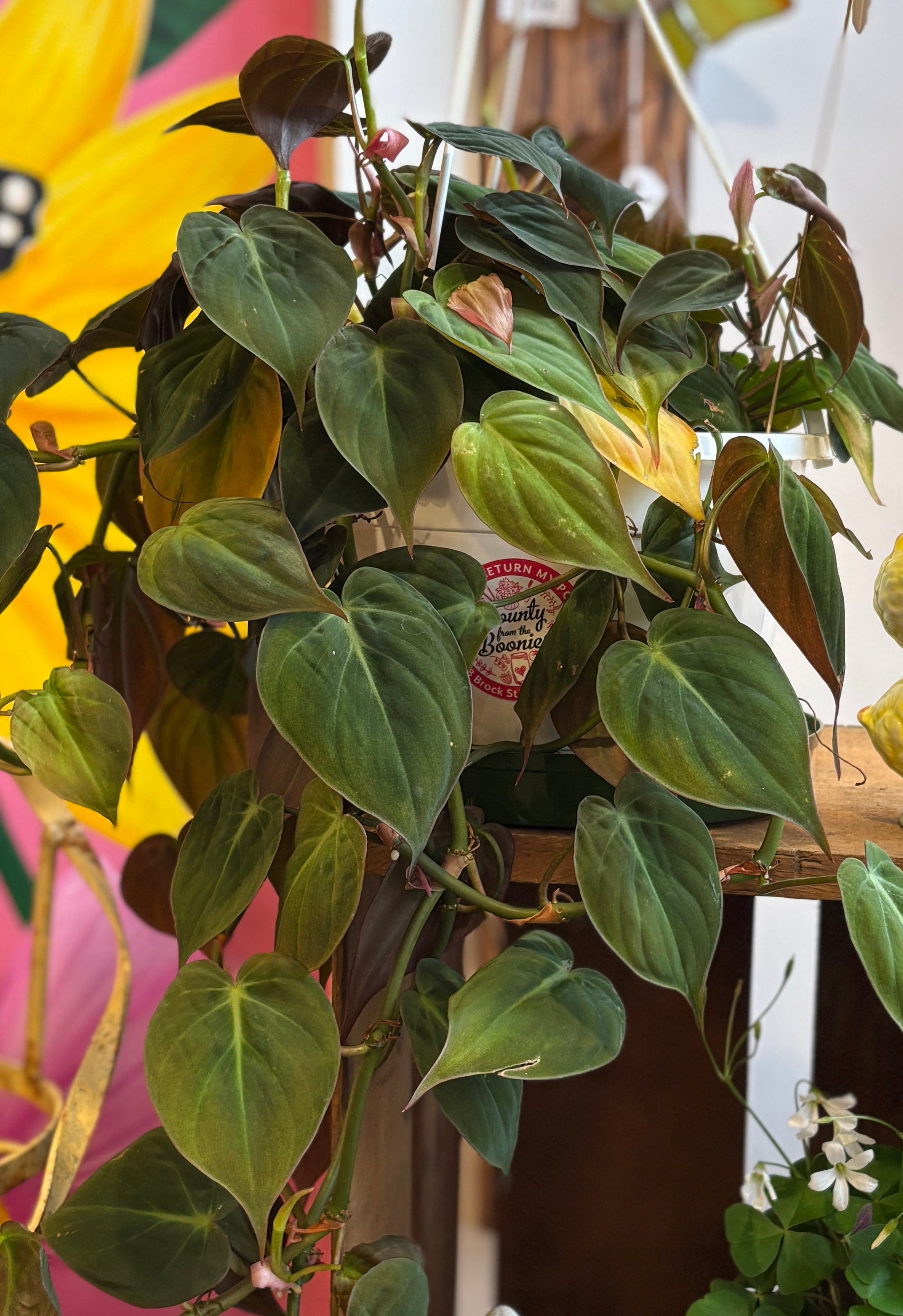
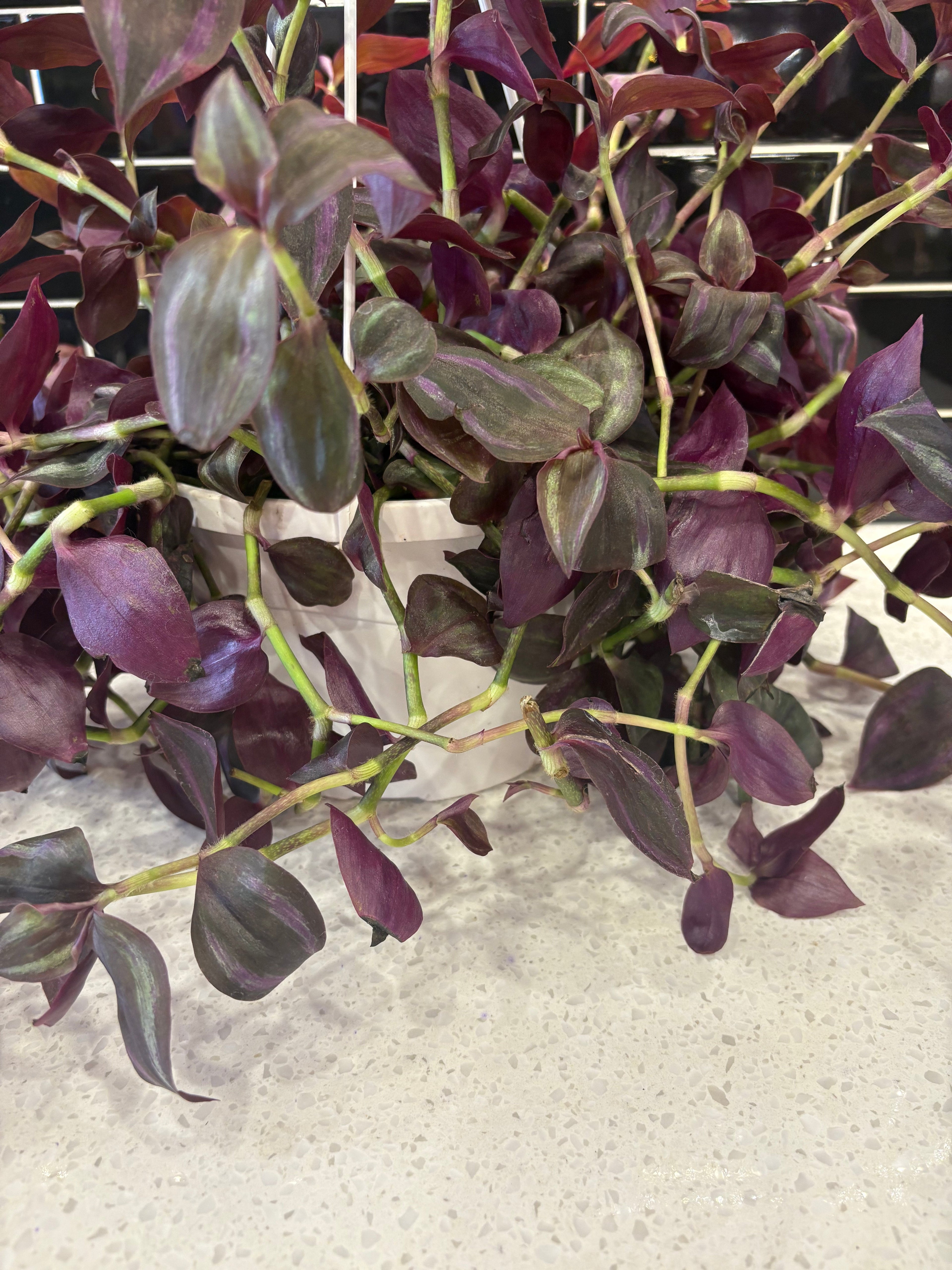
Leaves have a silvery green, camo appearance while the undersides are deep purple!
Light: Bright, indirect light. In it's native habitat it would get Dappled light from growing under larger trees.
Watering: Keep evenly hydrated, but do not let it sit in water or the plant will rot. They like high humidity so a bathroom would be ideal.
Growth: 10 to 15 inches
Pet Safe: No
Care: Easy

We picked Uxbridge apple blossoms at peak bloom to create this delicately sweet jelly with honey undertones. It’s unlike anything you’ve ever tasted! Equally delicious on toast, vanilla ice cream, on a charcuterie board with meat and cheese and more.
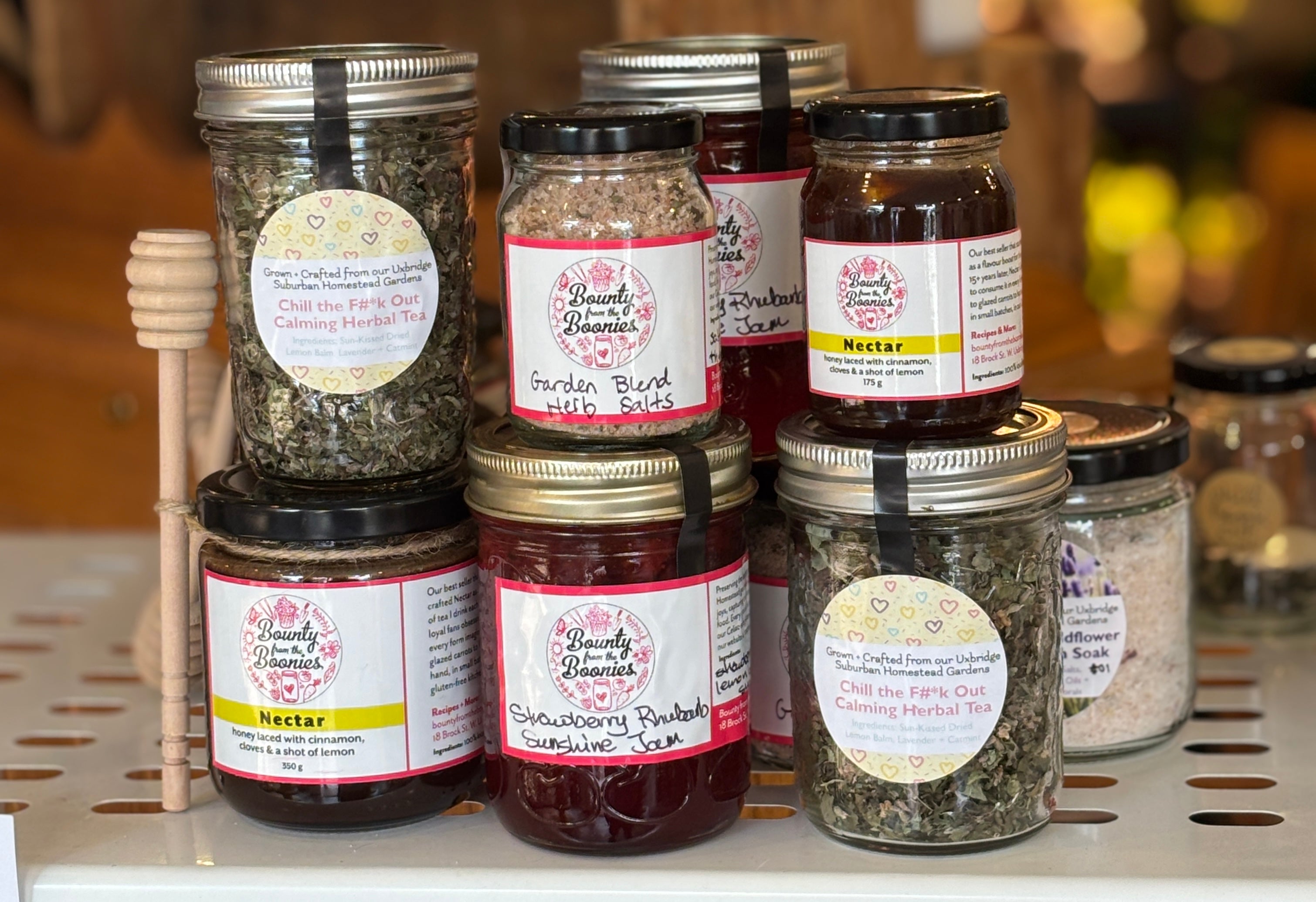
Preserving the bounty from my Uxbridge suburban Homestead gardens + Ontario growers is among my greatest joys, capturing the incomparable taste of sun-kissed local food. Every product is made by hand, in small batches, in our Celiac-safe gluten-free kitchen.
INGREDIENTS: Apple Blossoms, sugar, dale’s pure vanilla, water, pectin, lemon juice

What are Clippings?
Clippings are pieces cut from existing mature plants. They are then placed in water and allowed to build roots. Some grow quickly while others take longer to propagate (grow roots). Once there are several new roots growing and they are at least 1" long it's time to plant. They are great for experimenting, trying new varieties or even adding to aquariums and water features.
Planting
When ready to plant you'll place your clipping in a pot with dirt. You'll want to make sure that the soil stays extra moist for several days to help it acclimatize to its new environment. Congratulations! You have a new plant baby.
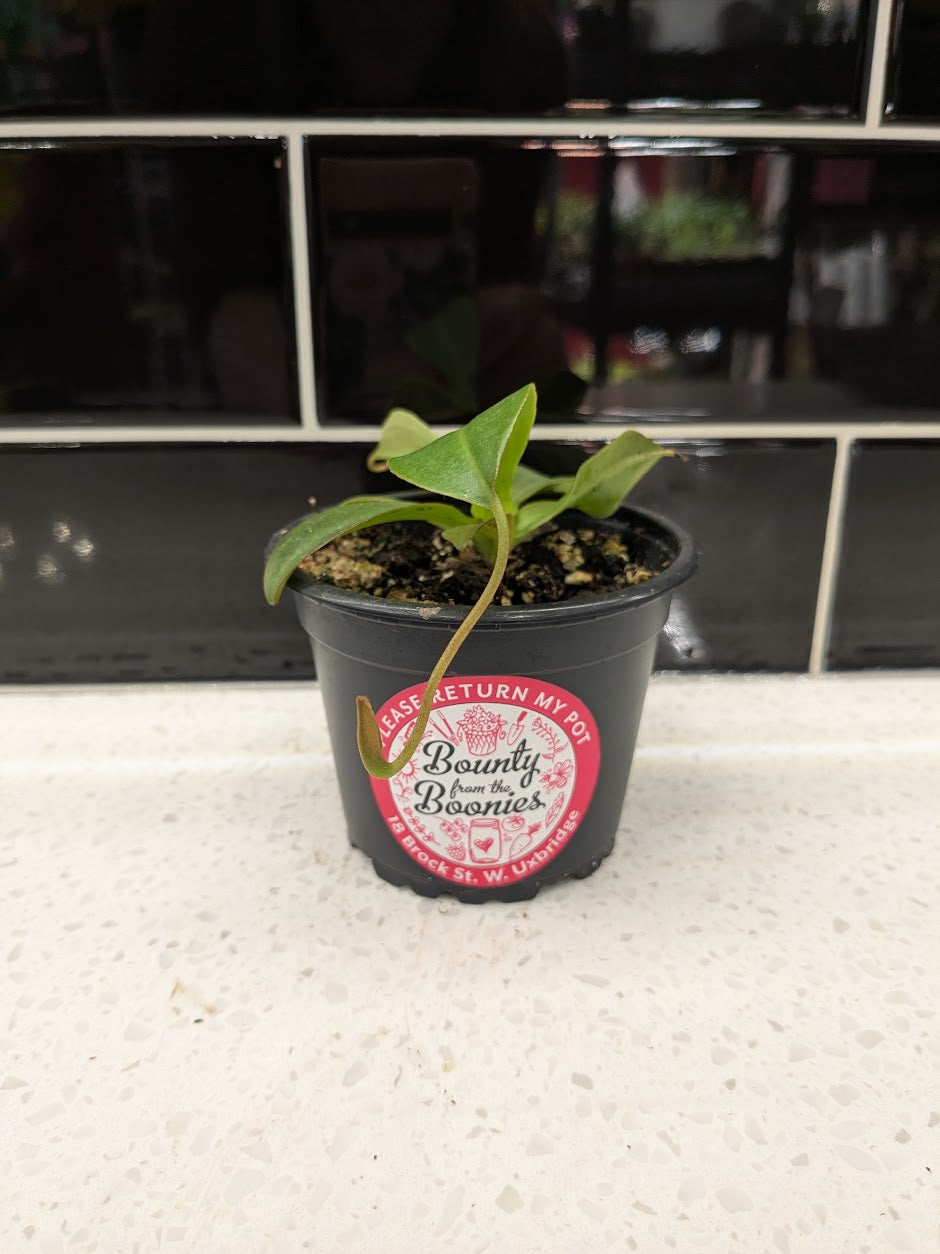
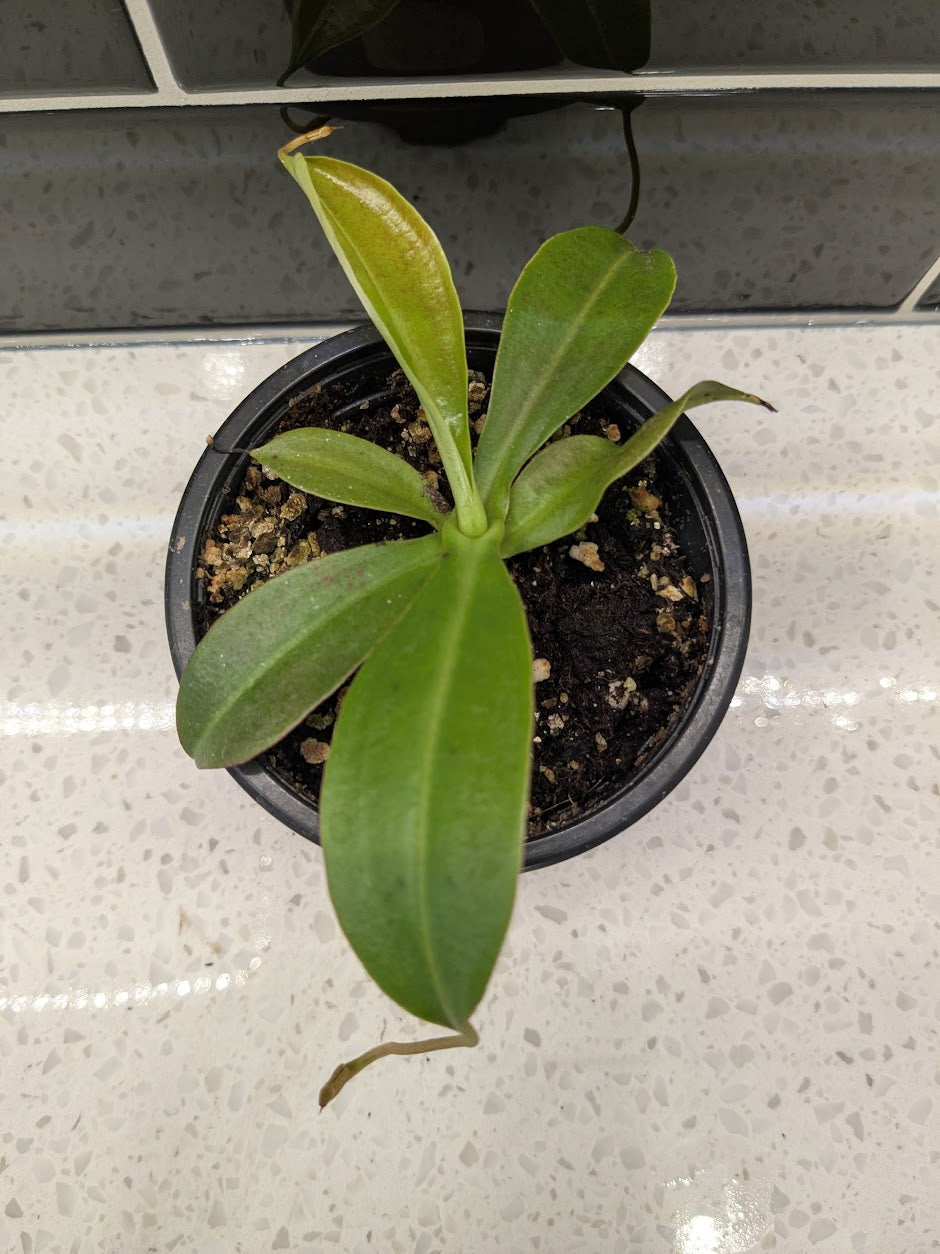
A carnivorous plant with deep maroon pitchers. Native to Southeast Asia, this plant is so unique in the fact that they use they're pitcher leaves to catch their food. These pitchers lure, trap, and digest insects to supplement their nutrient intake in nutrient-poor soil. Since they are from a tropical climate, they do thrive with lots of moisture and humidity.
Scientific Name: Nepenthes
Common Name: Asian Pitcher Plant
Light: Bright indirect light
Watering: Use ONLY distilled, rain or reverse osmosis water. Keep evenly hydrated, likes being misted.
Growth: Slow growing, can take 5-10 years to mature.
Pet Safe: Yes
Care: Intermediate

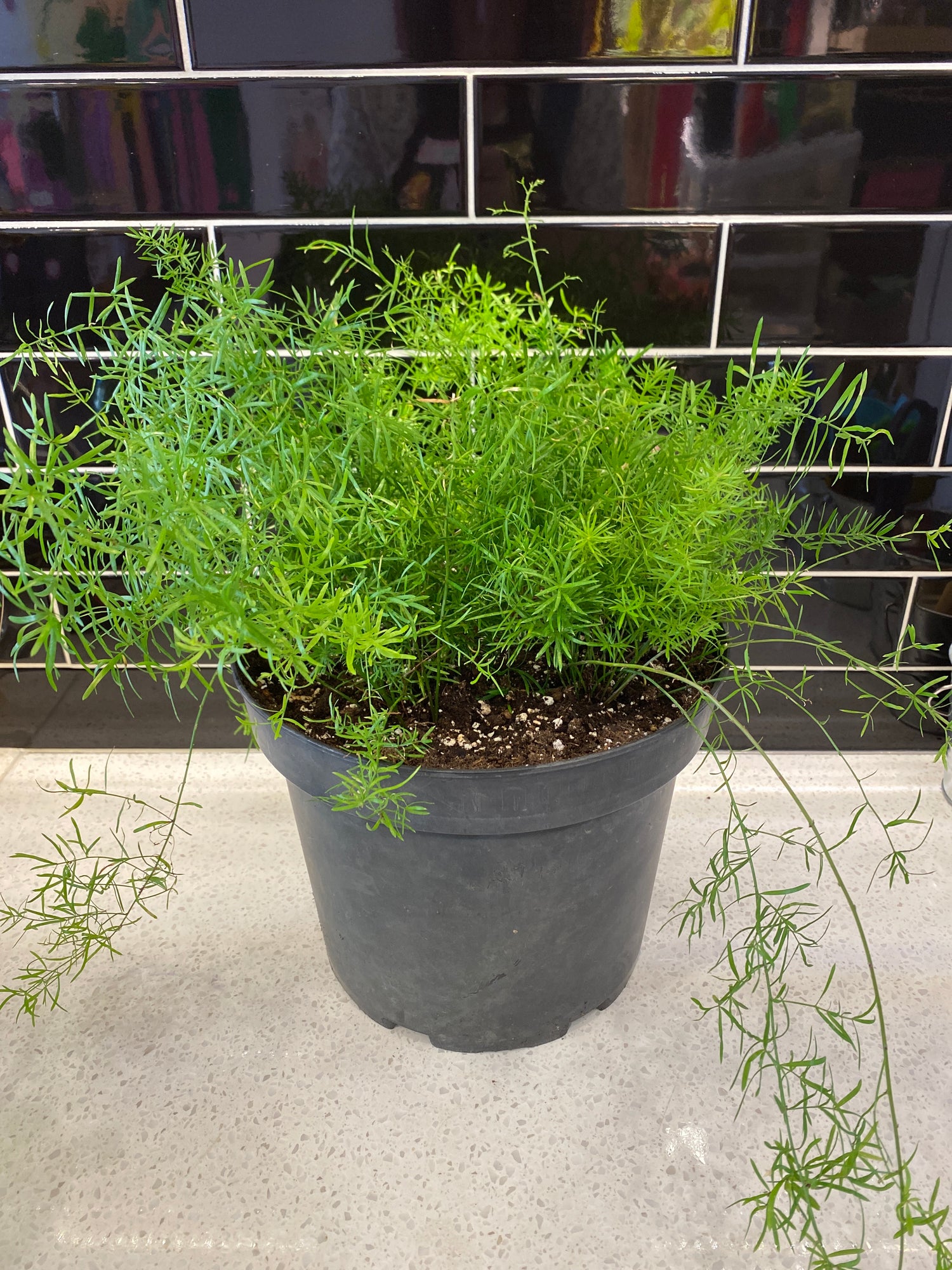
Delicate but hardy. Bring the forest inside with this adorable Asparagus fern. Originating in South Africa, this plant loves to dry out before it's watered again.
Scientific Name: Asparagus setaceus
Common Name: Asparagus Fern, Asparagus grass
Light: Bright, indirect
Growth: Can grow several inches a year in ideal conditions
Watering: They need a very deep watering followed by letting them dry out.
Pet Safe: No
Care: Easy


$4 each, or 3 for $10!
Choose from house plants, Golden Girls, boho nature, whimsical nature cards and party farm animals!
Blank inside.


African Violet comes in many different colours. Native to the cloud forests of East Africa. They grow in humid, sheltered, indirect lighting conditions. Often on moss-covered rocks under the shade of tall trees. Keeping the leaves dry while watering is important. If the leaves are wet and the sun shines on the leaves it can cause burn marks on the leaves.
Scientific Name: Saintpaulia Ionantha
Common Name: AV Polet Velkiriy African Violet
Light: Bright, indirect light
Watering: Water only the soil and not the leaves. Best to bottom water when top inch is dry.
Growth: Up to 8 inches
Pet Safe: Yes
Care: Intermediate


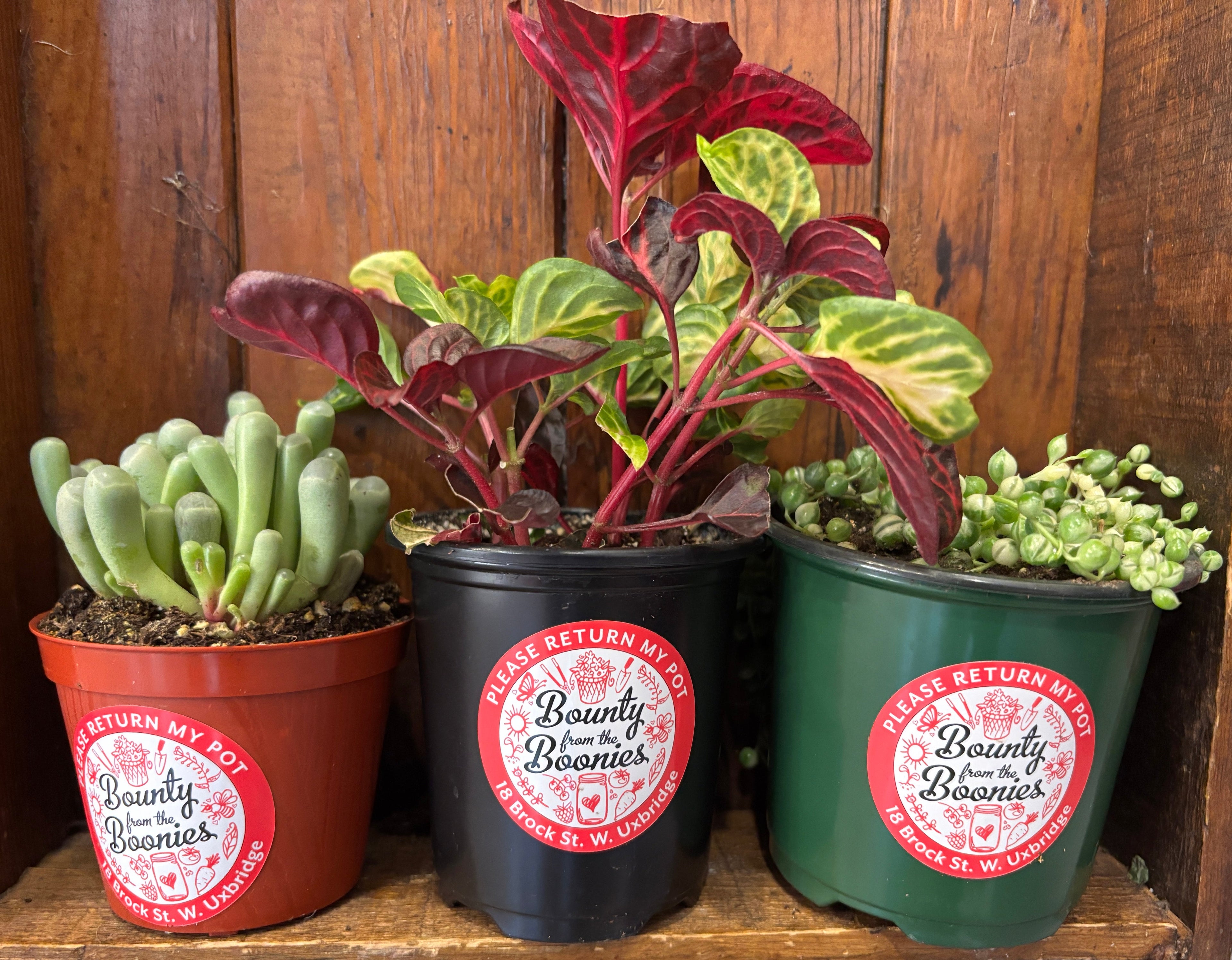
Scientific Name: Crassula muscosa
Common Name: Baby Necklace
Growth: up to 12 inches
Light: Bright. Ideally, place near a south or west-facing window that receives a few hours of direct sunlight per day.
Watering: Water more during the spring and summer, reducing the amount in the fall and giving very little during the winter. ALWAYS allow your cactus to dry out completely between waterings.
Pet Safe: Yes
Care: Easy


The Variegated Peperomia Obtusifolia is a popular, easy care houseplant with glossy, fleshy leaves featuring a marbled pattern of green, cream and yellow. This plant is somewhat drought-tolerant due to its water-storing leaves and stems but is susceptible to overwatering, which can lead to root rot. This plant is native to the tropical regions of Southern Florida and Mexico.
Scientific Name: Peperomia obtusifolia
Common Name: Baby Rubber Plant
Light: Bright, Indirect light
Watering: When the top two inches are dry
Growth: 6-12 inches
Pet Safe: Yes
Care: Easy

Scientific Name: Strobilanthes dyeriamus
Common Name: Baby Sun Ross
Light: Bright, indirect light
Watering: Let soil completely dry out before watering again
Pet Safe: Yes
Care: Easy
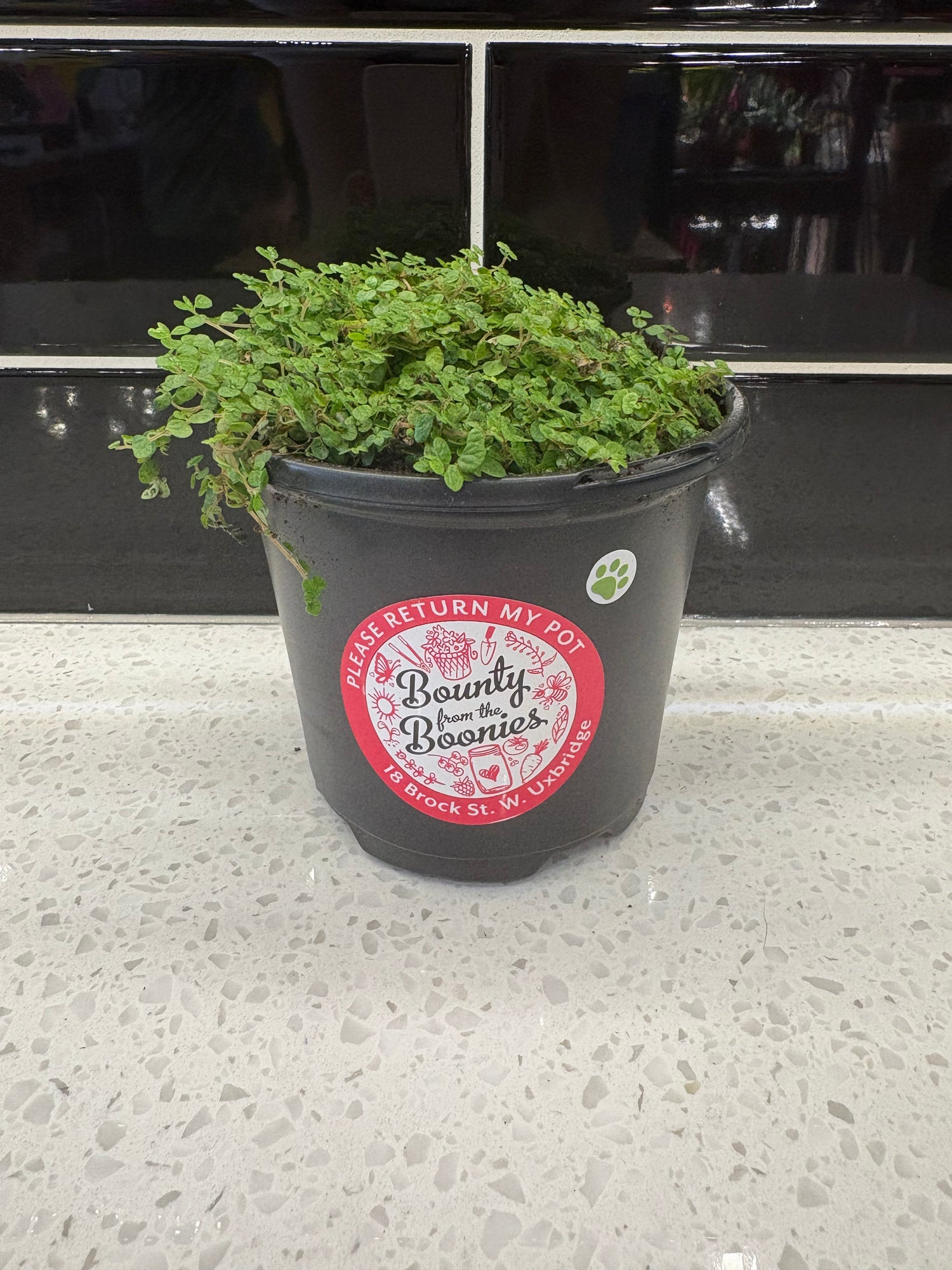
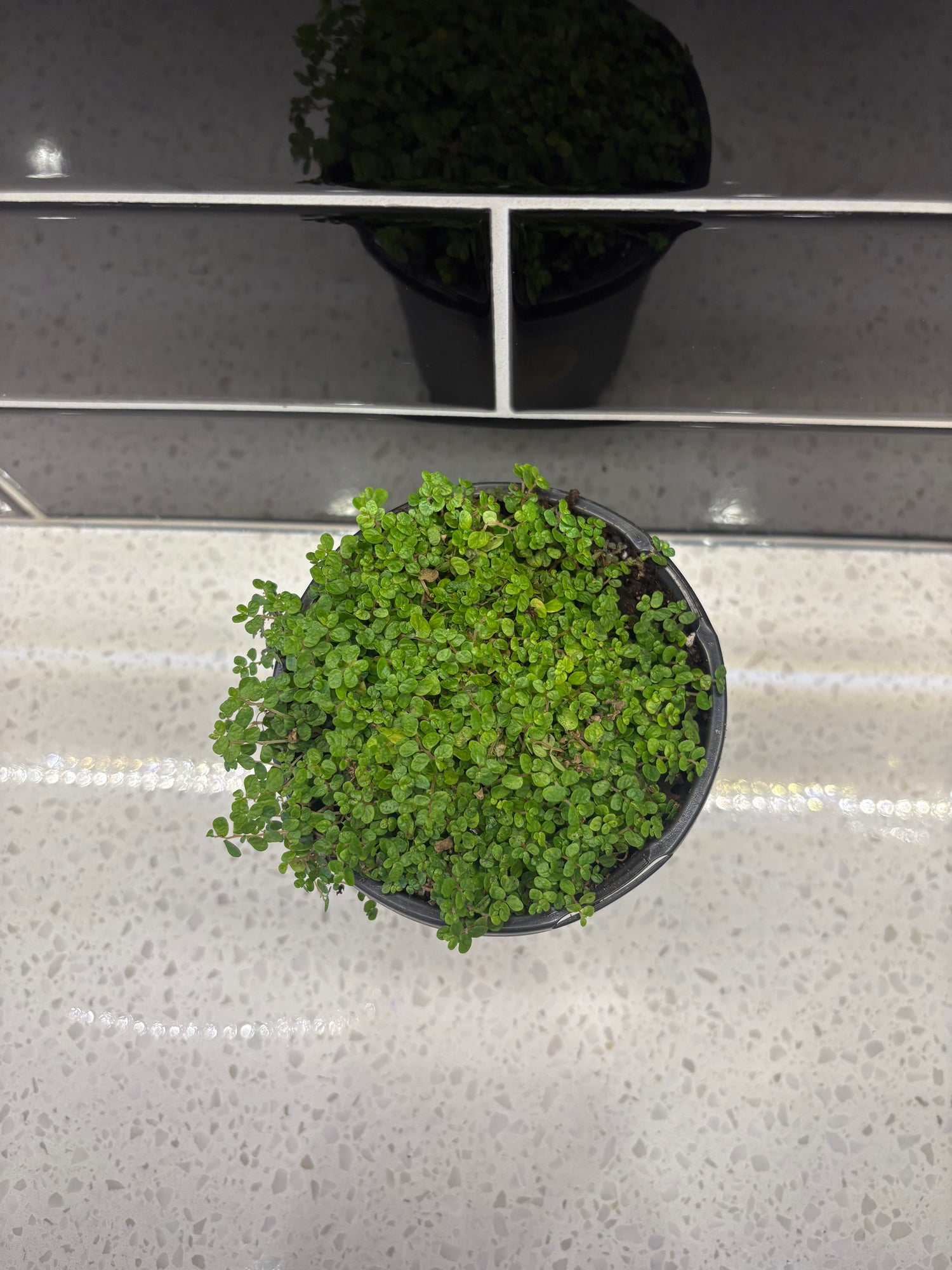
A member of the nettle family, this plant is known for its moss-like dense foliage. It drapes nicely in a hanging pot! Baby tears originated in the Mediterranean Region. It's a creeping, mat-forming, evergreen perennial that thrives in damp, shaded area. It is known to have calming effects on some plant lovers due to the texture and softness of the foliage.
Scientific Name: Soleirolia Soleirolii
Common Name: Angel Tears/Baby Tears.
Light: Bright indirect light
Growth: it can spread 3-6 feet
Watering: Keep well watered, don’t let dry
Pet Safe: Yes
Care: Intermediate - they like high humidity
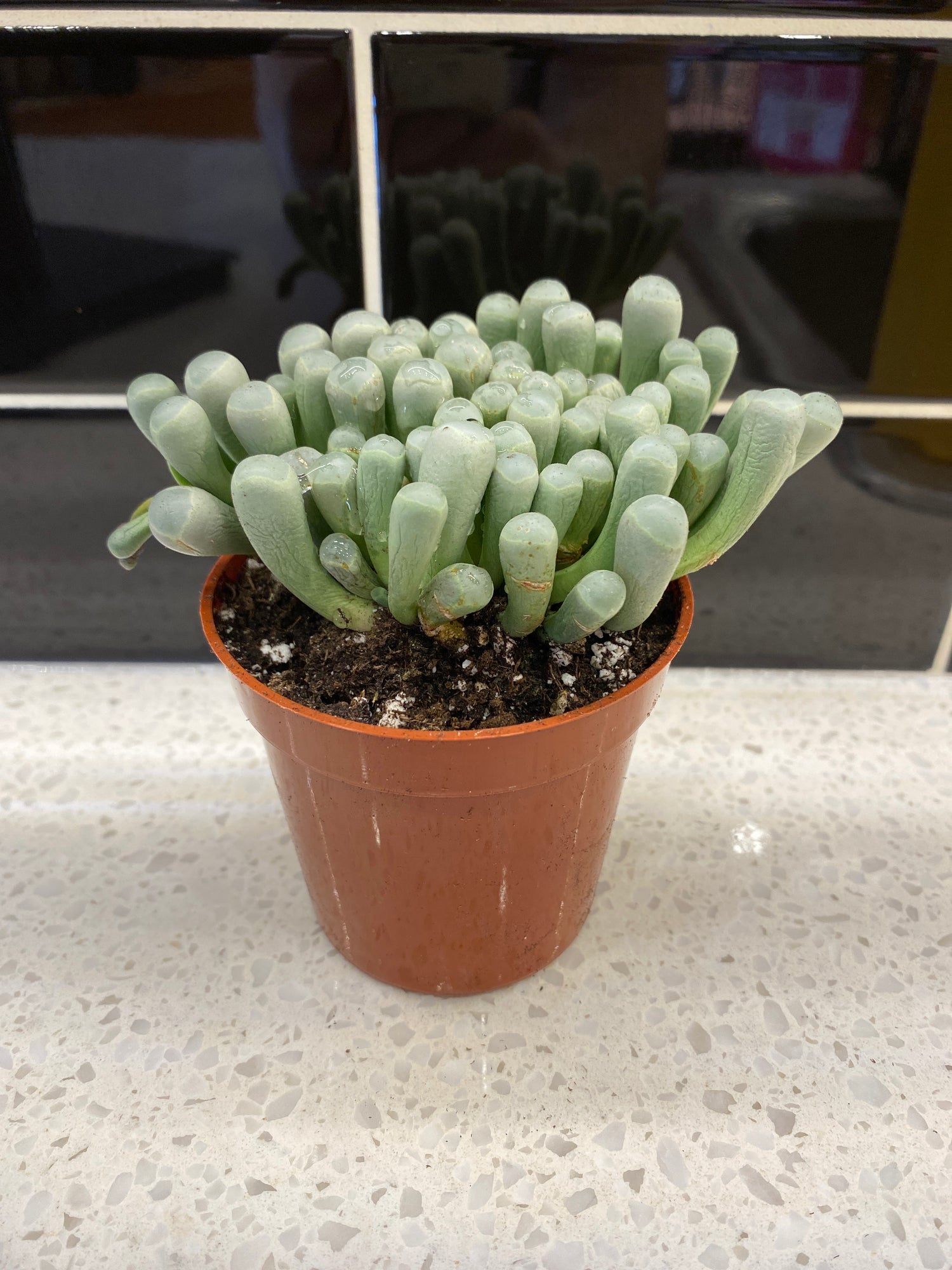
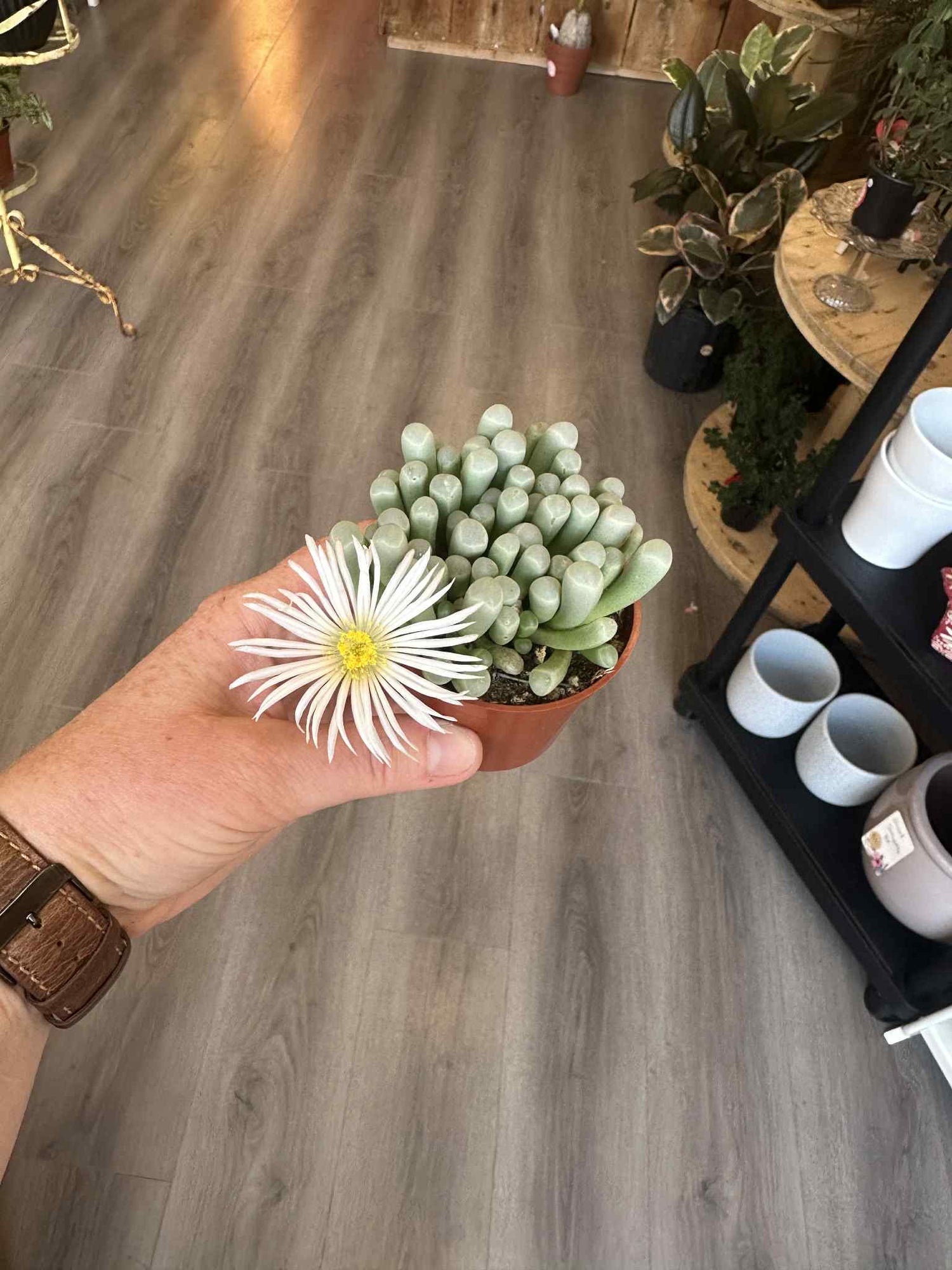
A weird little succulent that looks like…well…baby toes!
Scientific Name: Fenestraria rhopalophylla
Common Name: Baby Toes
Growth: 2-3 inches tall
Watering: Let dry between watering
Pet Safe: Yes
Care: Intermediate
Light: Bright, indirect light

As the name suggests, this Basil add a distinctive, warm, cinnamon flavour to your dishes. Great companion plant for Tomatoes, peppers and even carrots.
$4 each or 3 for $10 (save $2!)
Type: Annual Herb
Height: 12-24"
Light: Full sun to light shade
Soil: Rich, moist, well drained. Amend with compost
Watering: Keep well watered. Basil is not a drought tolerant plant.
Planting: Space them 8-12 inches apart to give them room to grow nice and bushy. Harden off* before planting outdoors.
* Hardening off refers to the process of gently and gradually acclimatizing indoor grown seedlings to the great outdoors! Don't throw your new babies straight into the elements! Over the course of a week, take them outside for a few hours at a time, bringing them back indoors afterwards. First sit them in the shade and then slowly introduce them to the sun. Increase the length of time they are outside and are exposed to the sun, until you feel they are ready to face the big outside world!
Harvest/ Care: Pinch out flowers and harvest outside and top leaves regularly to keep the plant bushy.

Compact and bushy, this basil is easy care and tasty, what is not to love?!
$4 each or 3 for $10 (save $2!)
Type: Annual Herb
Height: 12-14"
Light: Full sun to light shade
Soil: Rich, moist, well drained. Amend with compost
Watering: Keep well watered. Basil is not a drought tolerant plant.
Planting: Space them 8-12 inches apart to give them room to grow nice and bushy. Harden off* before planting outdoors.
* Hardening off refers to the process of gently and gradually acclimatizing indoor grown seedlings to the great outdoors! Don't throw your new babies straight into the elements! Over the course of a week, take them outside for a few hours at a time, bringing them back indoors afterwards. First sit them in the shade and then slowly introduce them to the sun. Increase the length of time they are outside and are exposed to the sun, until you feel they are ready to face the big outside world!
Harvest/ Care: Pinch out flowers and harvest outside and top leaves regularly to keep the plant bushy. Keep harvesting to maintain compact shape.

Beautiful big, 4 inch leaves, have great flavour and aroma. Perfect for cutting directly onto your pasta or tomatoes.
Type: Herb
Height: 20"
Light: Full sun
Soil: Loose, well drained
Planting: Start indoors 6-8 weeks before last frost. Sow seeds 1/8" deep, transplant plants 8-12" apart
Care: Pinch out flowers and harvest regularly to keep the plant bushy.

Basil with a hint of lemon! Great for flavouring drinks and culinary creations! The bright green leaves also look lovely in the garden.
Type: Annual Herb
Height: 12-14"
Light: Full sun to light shade
Soil: Rich, moist, well drained. Amend with compost
Watering: Keep well watered. Basil is not a drought tolerant plant however it will not do well in soggy soils.
Planting: plant in garden after danger of frost
Harvest/ Care: Pinch out flowers and harvest outside and top leaves regularly to keep the plant bushy. Keep harvesting to maintain compact shape.

This Basil will add a pop of pretty in purple to your veg bed! Use the leaves as a food garnish. Not great for pesto as the colour is nicest when fresh. Also good companion plant with tomatoes to keep pests at bay.
$4 each or 3 for $10 (save $2!)
Type: Annual Herb
Height: 12- 24"
Light: Full sun
Soil: Rich, moist, well drained. Amend with compost
Watering: Keep well watered. Basil is not a drought tolerant plant.
Planting: Space them 8-12 inches apart to give them room to grow nice and bushy. Harden off* before planting outdoors.
* Hardening off refers to the process of gently and gradually acclimatizing indoor grown seedlings to the great outdoors! Don't throw your new babies straight into the elements! Over the course of a week, take them outside for a few hours at a time, bringing them back indoors afterwards. First sit them in the shade and then slowly introduce them to the sun. Increase the length of time they are outside and are exposed to the sun, until you feel they are ready to face the big outside world!
Harvest/ Care: Pinch out flowers and harvest outside and top leaves regularly to keep the plant bushy.

This lovely red version of sweet basil adds a pop of colour and interest to your herb garden and your culinary experiences.
$4 each or 3 for $10 (save $2!)
Type: Annual Herb
Height: 12-24"
Light: Full sun to light shade
Soil: Rich, moist, well drained. Amend with compost
Watering: Keep well watered. Basil is not a drought tolerant plant.
Planting: Space them 8-12 inches apart to give them room to grow nice and bushy. Harden off* before planting outdoors.
* Hardening off refers to the process of gently and gradually acclimatizing indoor grown seedlings to the great outdoors! Don't throw your new babies straight into the elements! Over the course of a week, take them outside for a few hours at a time, bringing them back indoors afterwards. First sit them in the shade and then slowly introduce them to the sun. Increase the length of time they are outside and are exposed to the sun, until you feel they are ready to face the big outside world!
Harvest/ Care: Pinch out flowers and harvest outside and top leaves regularly to keep the plant bushy.