









Sort by:
746 products
746 products


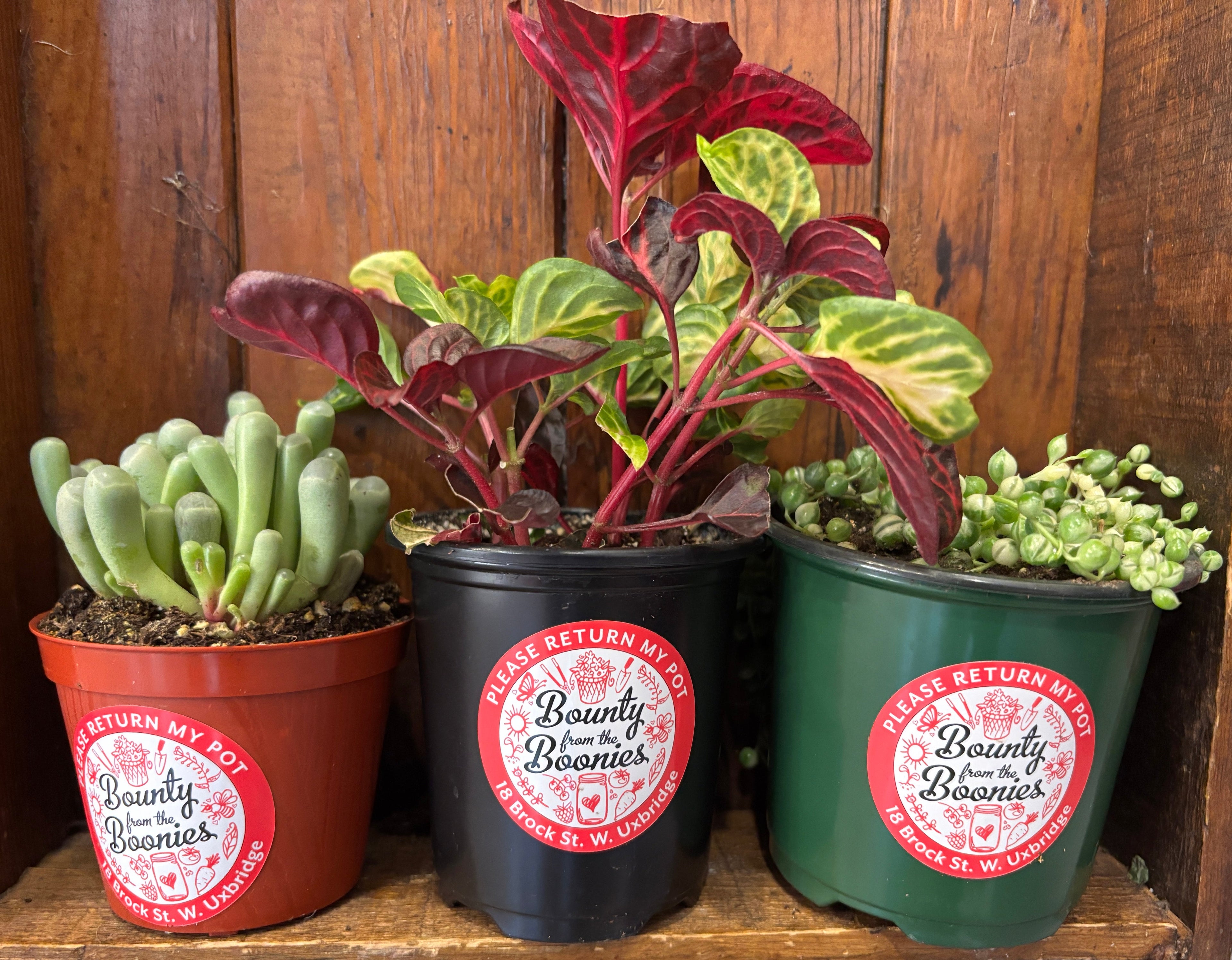
Don't be scared by my name. I'm a gentle plant with deep crimson leaves. Originating from the tropical regions of South America, this plant doesn't like to go dry. Cultivated as an ornamental plant worldwide for its brightly coloured red, purple, and pink foliage.
Scientific Name: Iresine herbstii
Common Name: Bloodleaf
Light: Bright indirect light
Watering: Keep evenly hydrated, likes being misted.
Growth: 12-18 inches tall
Pet Safe: Yes
Care: Easy


Bloodleaf Herbstii, which means hybrid! This plant is super dramatic, if it needs water it will let you know. It droops over the side of its pot, but do not be alarmed. Give it a good soak and it pop right back up! These guys love high humidity so a bathroom is a great spot for them. It’s hot pink stems and heart shaped, striped leaves turn heads. Fun Fact: they are sometimes used in their native South America as medicine to treat issues like fever or headaches and are even used in salads!
Scientific Name: Iresine Herbstii
Light: Bright indirect light
Watering: Keep evenly hydrated, likes being misted.
Growth: 12 to 18" tall when grown indoors
Pet Safe: Yes
Care: Easy


What are Clippings?
Clippings are pieces cut from existing mature plants. They are then placed in water and allowed to build roots. Some grow quickly while others take longer to propagate (grow roots). Once there are several new roots growing and they are at least 1" long it's time to plant. They are great for experimenting, trying new varieties or even adding to aquariums and water features.
Planting
When ready to plant you'll place your clipping in a pot with dirt. You'll want to make sure that the soil stays extra moist for several days to help it acclimatize to its new environment. Congratulations! You have a new plant baby.
Bloodleaf
Don't be scared by my name. I'm a gentle plant with deep crimson leaves. Originating from the tropical regions of South America, this plant doesn't like to go dry. Cultivated as an ornamental plant worldwide for its brightly coloured red, purple, and pink foliage.
Scientific Name: Iresine herbstii
Common Name: Bloodleaf
Light: Bright indirect light
Watering: Keep evenly hydrated, likes being misted.
Growth: 12-18 inches tall
Pet Safe: Yes
Care: Easy


Gorgeous blue ceramic pot with yellow flowers.
D - 5”
H - 5”


Seymour the giraffe is happy to have this red fox tail cactus along for the ride.


Sally Snail and her Baby Tears companion are eager to head home with you.
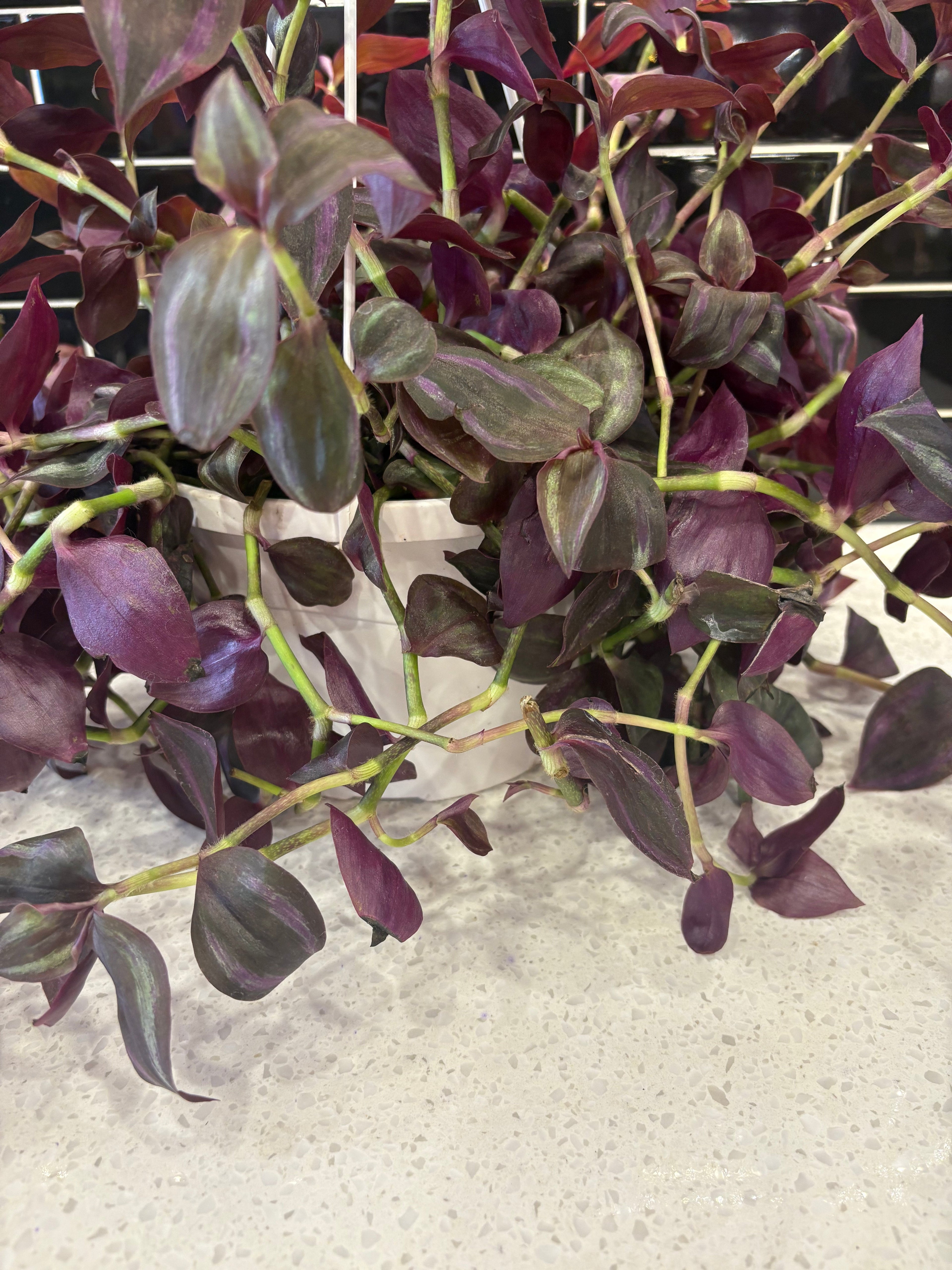
A member of the nettle family, this plant is known for its moss-like dense foliage. It drapes nicely in a hanging pot!
Baby tears originated in the Mediterranean Region. It's a creeping, mat-forming, evergreen perennial that thrives in damp, shaded area. It is known to have calming effects on some plant lovers due to the texture and softness of the foliage.
Scientific Name: Soleirolia Soleirolii
Common Name: Angel Tears/Baby Tears.
Light: Bright indirect light
Growth: it can spread 3-6 feet
Watering: Keep well watered, don’t let dry
Pet Safe: Yes
Care: Intermediate - they like high humidity


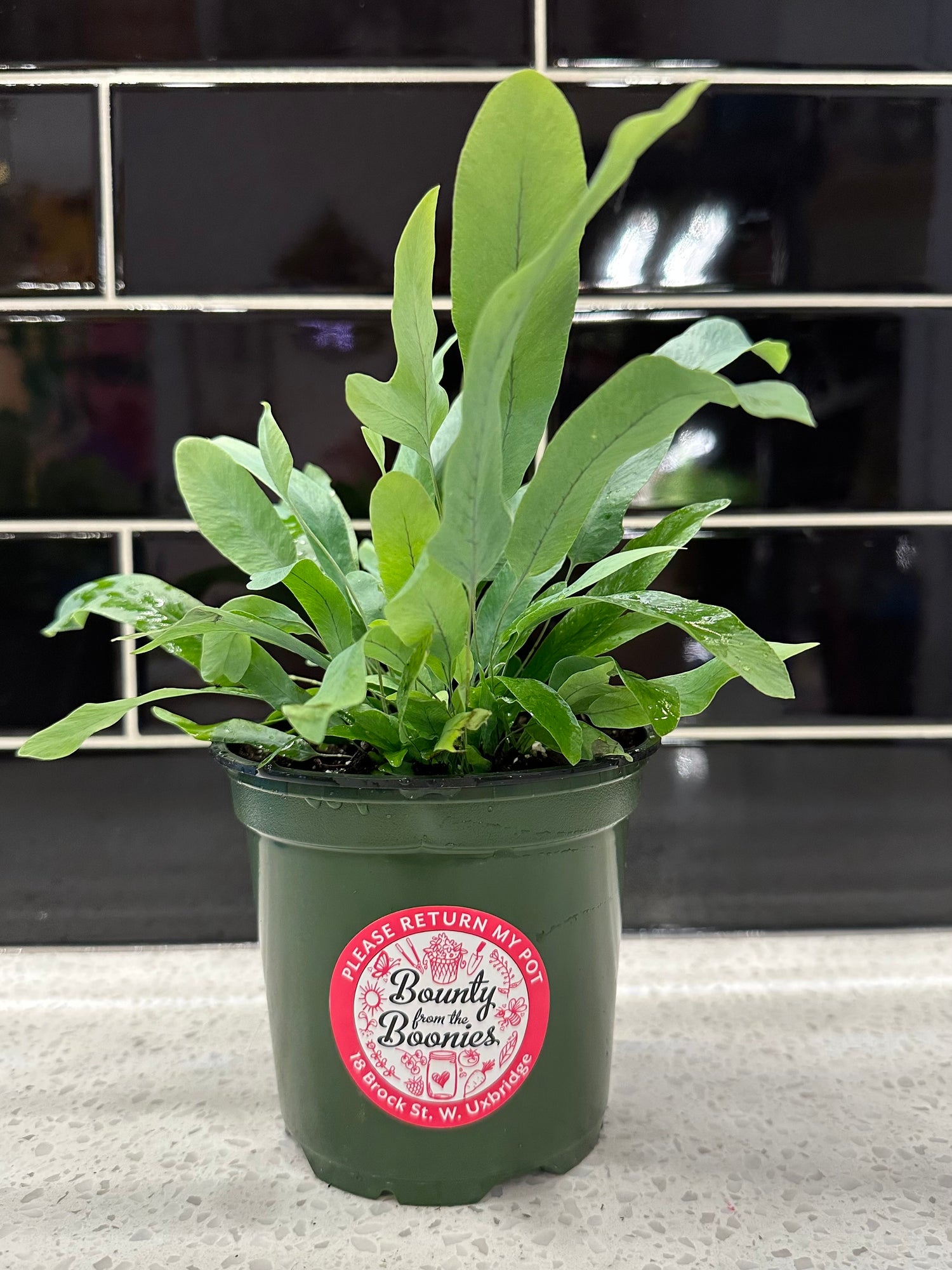
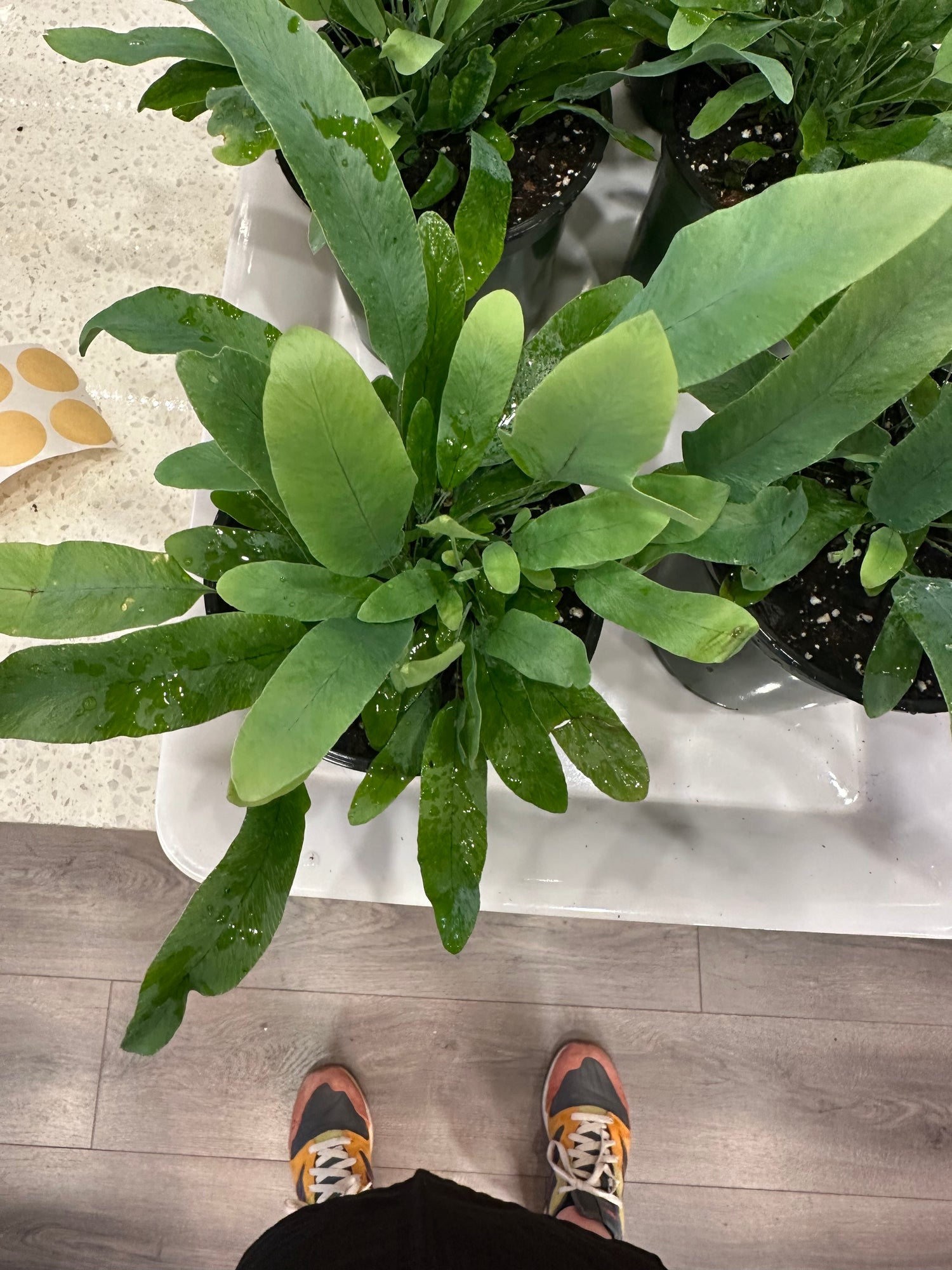
Delicate but hardy. Bring the forest inside with this adorable Blue Star fern. A popular beginner friendly plant known for its attractive blue green leaves. It originates from tropical and sub-tropical regions of the Americas.
Scientific Name: Phlebodium Aureum
Common Name: Blue Star Fern
Light: Bright indirect light
Growth: 2-3 feet indoors over several years
Watering: They need a very deep watering followed by letting them dry out.
Pet Safe: Yes
Care: Easy


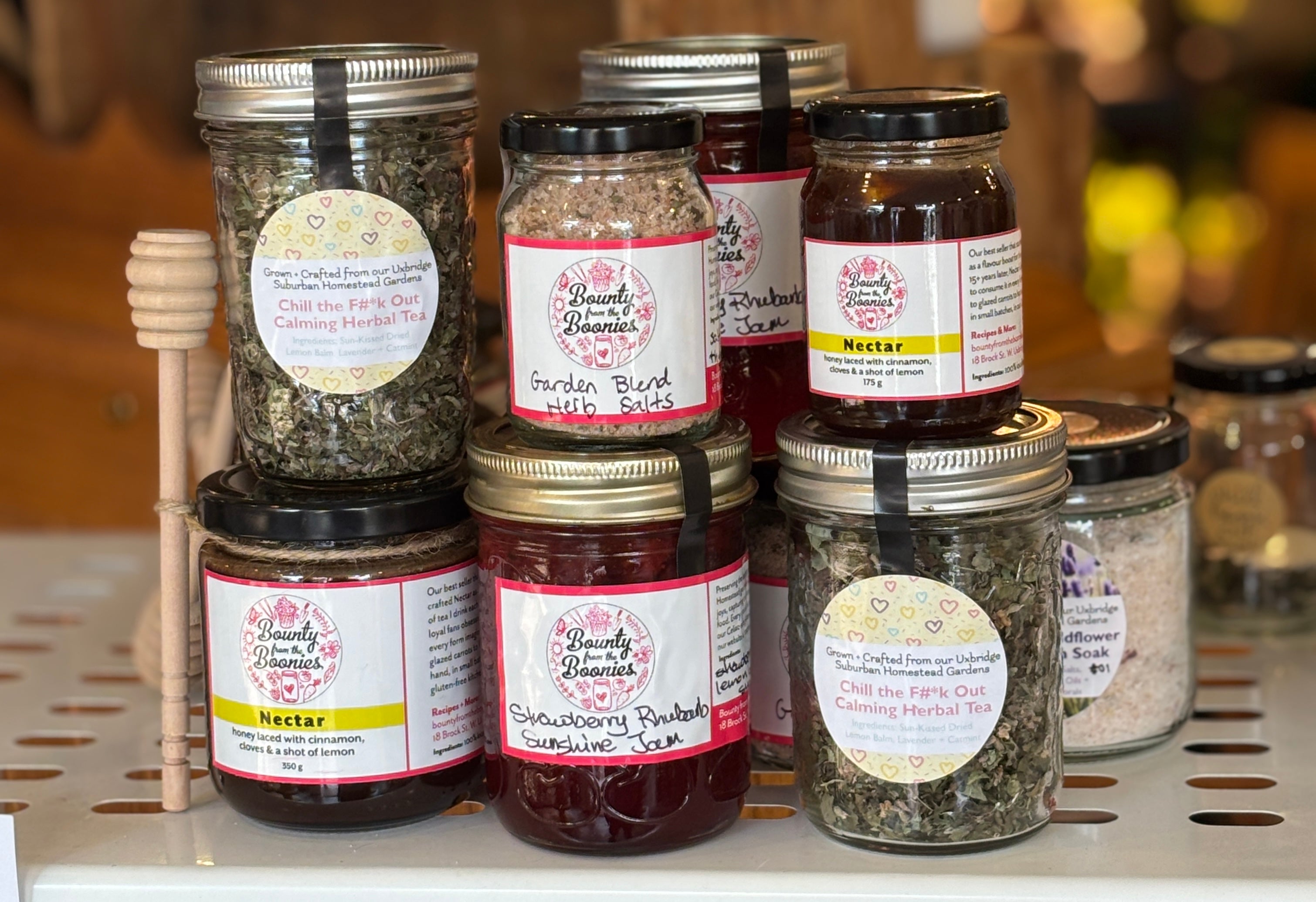
Blueberry Rhubarb Jam!
Preserving the bounty from my Uxbridge suburban Homestead gardens + Ontario growers is among my greatest joys, capturing the incomparable taste of sun-kissed local food. Every product is made by hand, in small batches, in our Celiac-safe gluten-free kitchen.
INGREDIENTS: blueberries, rhubarb, lemon juice, pectin, sugar


Made in-house for both indoor + outdoor plants. Includes peat, perlite + a secret fertilizer: castings from our very own shop worms!
(Yep, that means poop!)
1.7L


MONTHLY CONCERT DATES with Doors Open @ 7 pm
*Ages 18+

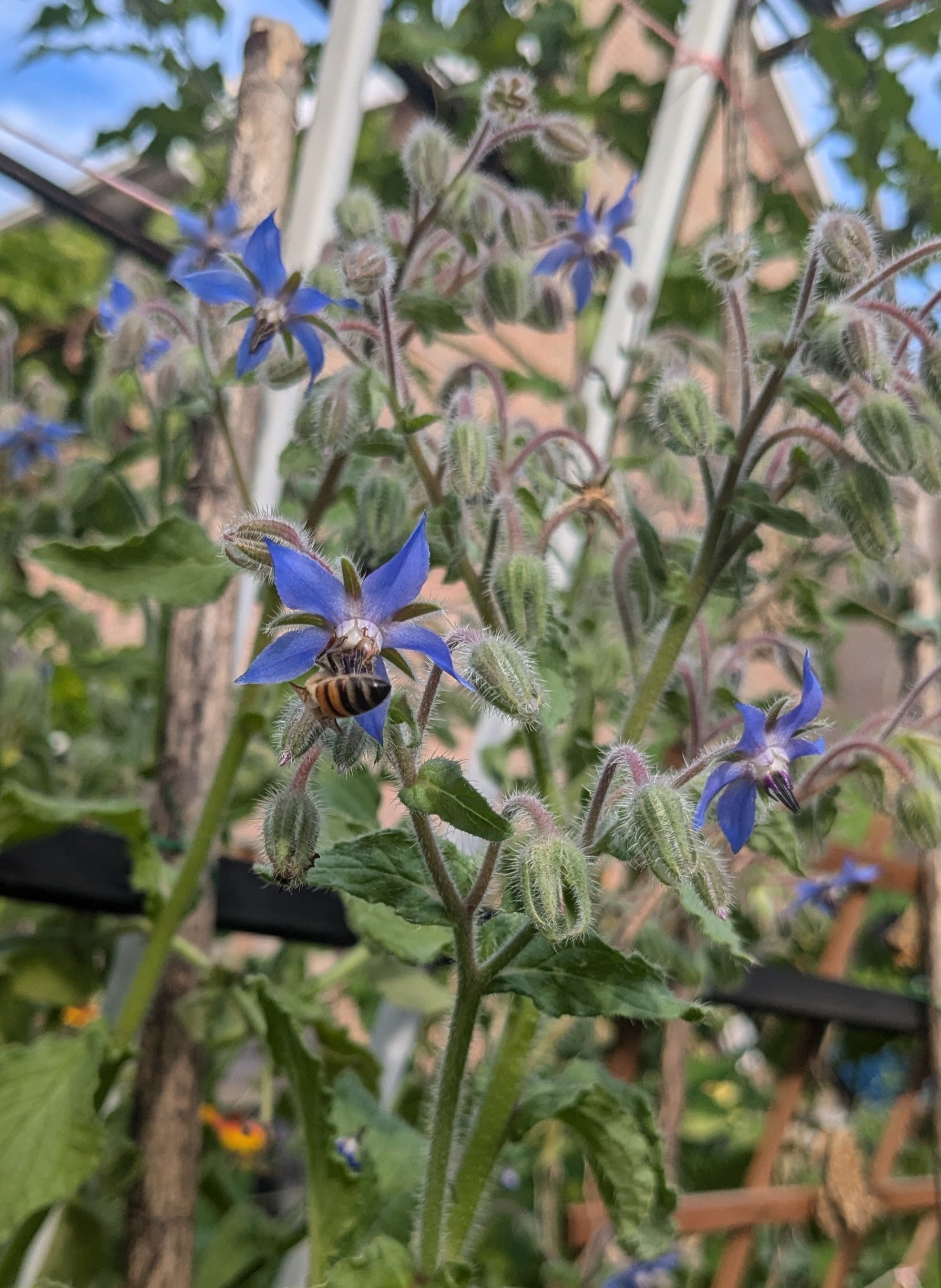
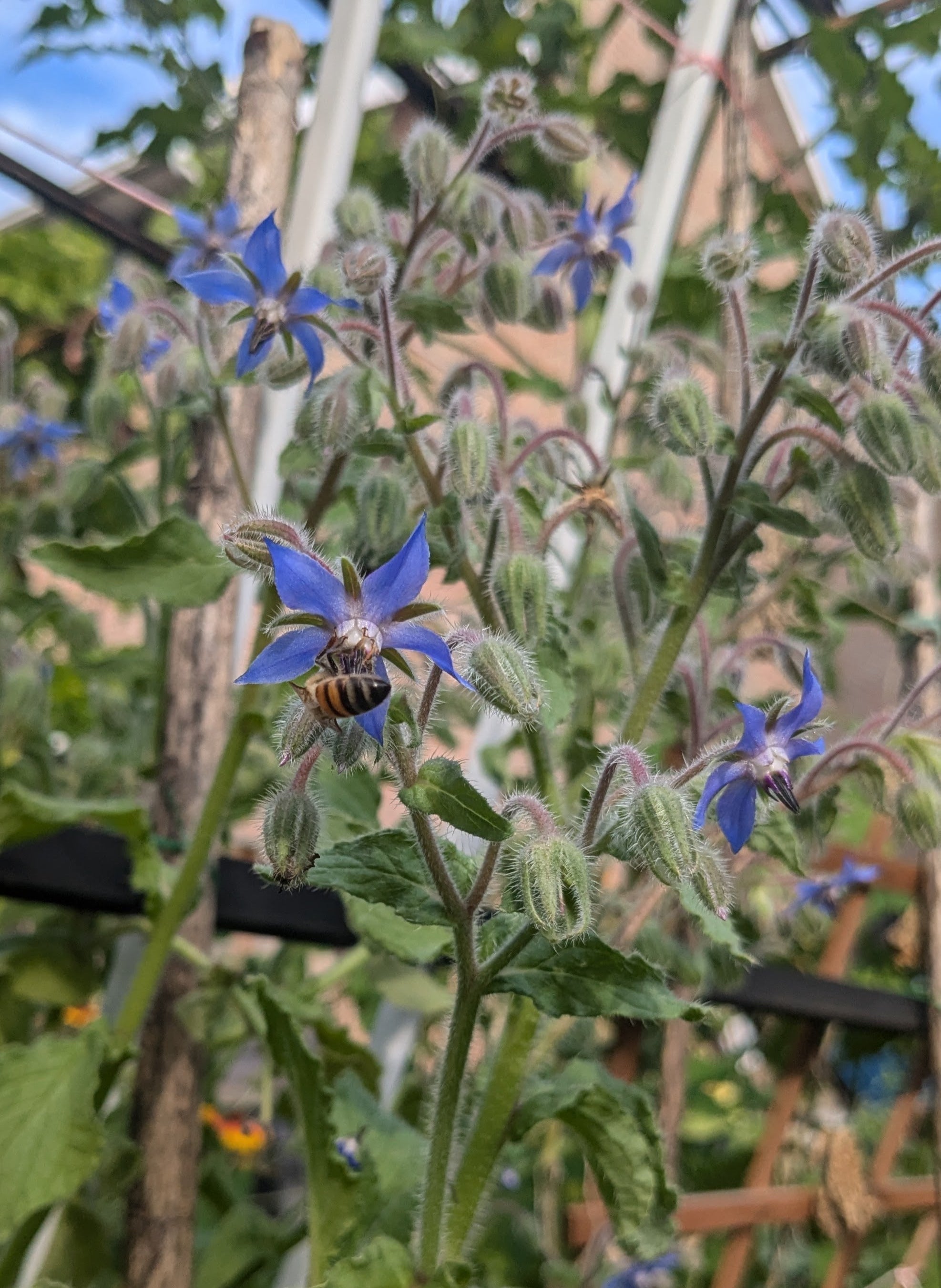
I will never have a food garden without Borage. This stunning herb has unique blue-purple star-shaped flowers that pollinators - especially bumble bees - absolutely crawl over all season long.
Every part of this plant is edible! It has a mild, cucumber-like taste that's delicious in salads and beverage garnishes. I dry the flower heads for bath salts, soap making + crafts, and when frozen in ice cubes, Borage makes a whimsical addition to drinks.
$4 each or 3 for $10 (save $2!)

$4 each or 3 for $10 (save $2!)
I will never have a food garden without Borage. This stunning herb has unique blue-purple star-shaped flowers that pollinators - especially bumble bees - absolutely crawl over all season long. Every part of this plant is edible! It has a mild, cucumber-like taste that's delicious in salads and beverage garnishes. I dry the flower heads for bath salts, soap making + crafts, and when frozen in ice cubes Borage makes a whimsical addition to drinks.
Type: Annual herb
Height: 2-3'
Light: full sun
Soil: regular garden soil
Water: Keep well watered
Bloom time: Summer
Planting: Direct sow into the garden, pressing seed into the soil and covering to a depth of 1/2"


This architectural plant is absolutely stunning at all stages, from the moment it pokes its feathery head out in the spring to the yellow-tipped flower umbels in the fall.
We grow Bronze Fennel in our food garden for the delicious anise-tasting leaves and seeds, but also as an incredible pollinator magnet that increases biodiversity. It's a host plant for several swallowtail butterfly species, including Anise Swallowtail and Eastern Black Swallowtail, while its nectar is an important food source for many types of bees and wasps. We've also spotted Ruby Throated Hummingbirds paying a visit!
The leaves of Bronze Fennel are delicious fresh in salads, and can be dried for seasoning. All parts of the plant, including the seeds, make a delicious and soothing tea.
NOTE: This a perennial plant with roots, not the bulb-forming fennel veggie you may be more familiar with.
$4 each or 3 for $10 (save $2!)


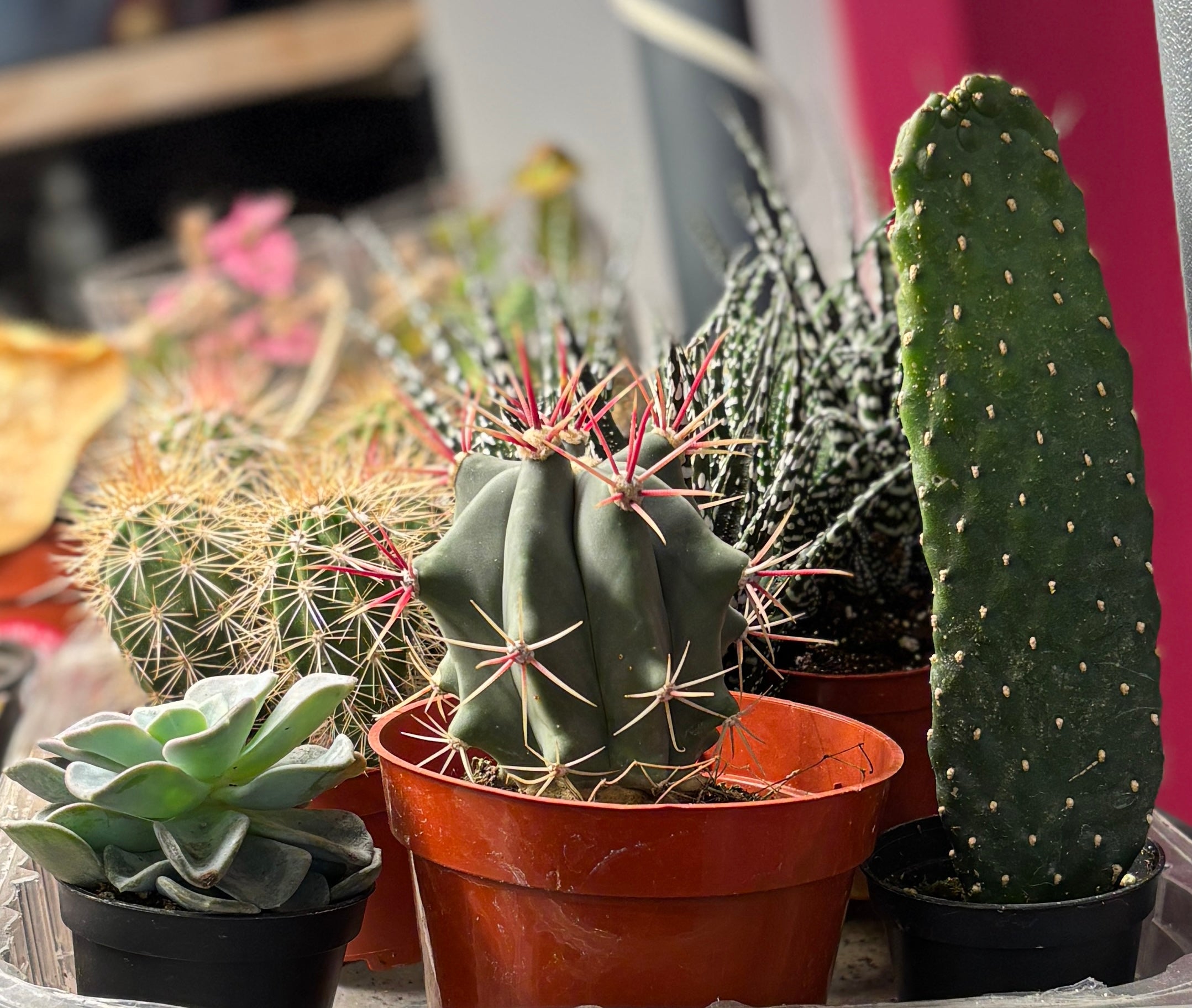
Cacti store water in their stems, which is why they are thrive in the desert. The spines on cacti are actually modified leaves. They help to protect the plant from animals and reduce water loss by shading the stem.
Scientific Name: Opuntia Microdasys
Common Name: Bunny Ear Cactus
Growth:
Light: Bright, Indirect sun
Watering: Let the soil dry out completely before watering
Pet Safe: Yes
Care: Easy


Native to dry cliffs in Honduras and Mexico, this cool looking plant is very easy care. The less you do for it the happier it will be!
Scientific Name: Sedum Morganianum/Sedum burrito
Common Name: Burro’s Tail
Light: Bright light, morning sun is best
Growth: Slow growing and trailing habit. Up to 4 feet in the wild, it will remain much smaller indoor. Burro's tail is a very long lived plant.
Watering: Let dry between watering
Pet Safe: Yes
Care: Easy
Sedum burrito - blue green rice shaped leaves
sedum morganianum - spiky banana leaves

This butterfly table cloth will be a beautiful addition to your Easter/Spring dinners and events.
100% Cotton
Dimensions:
Oblong 52” x 72”
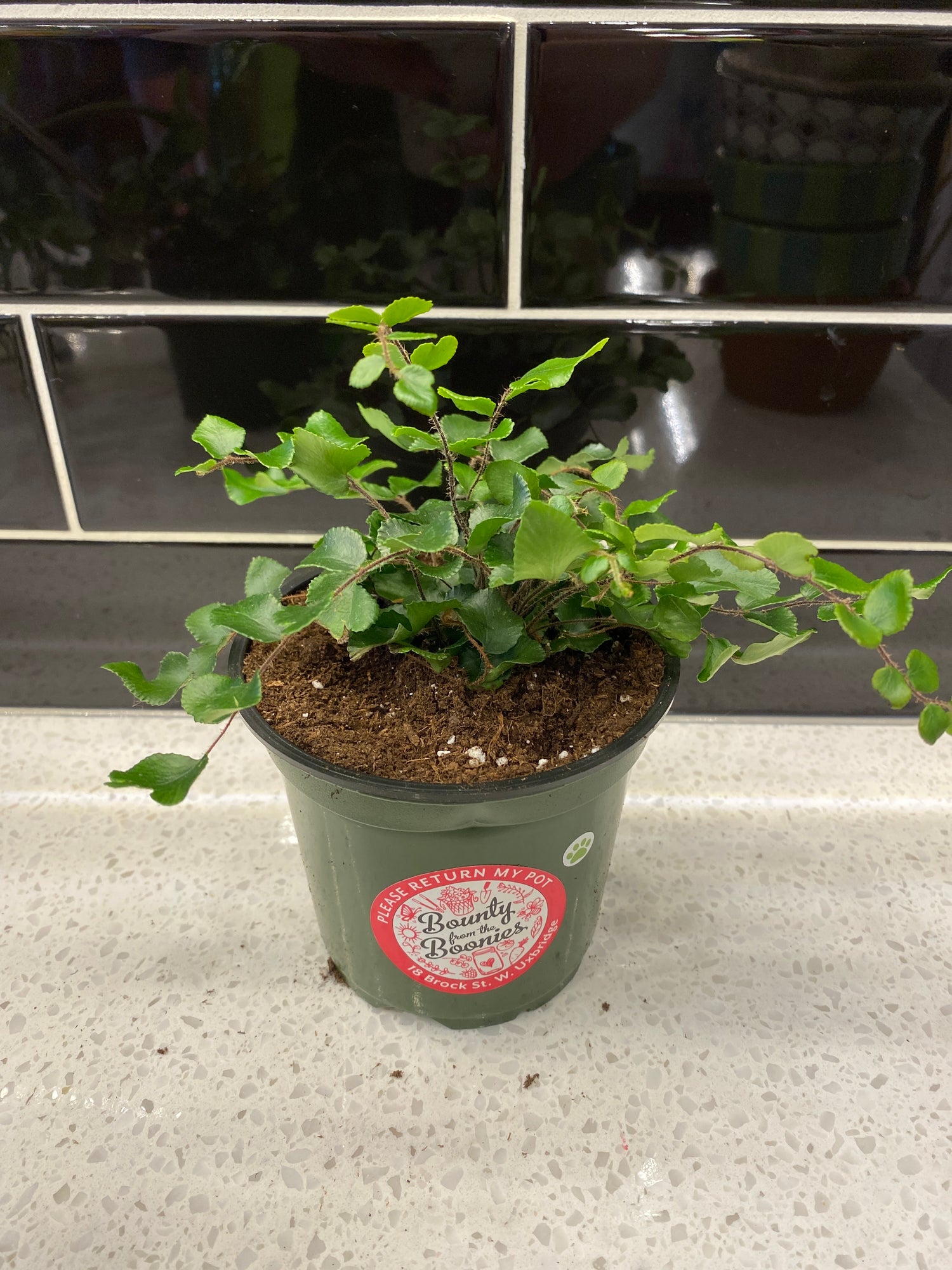
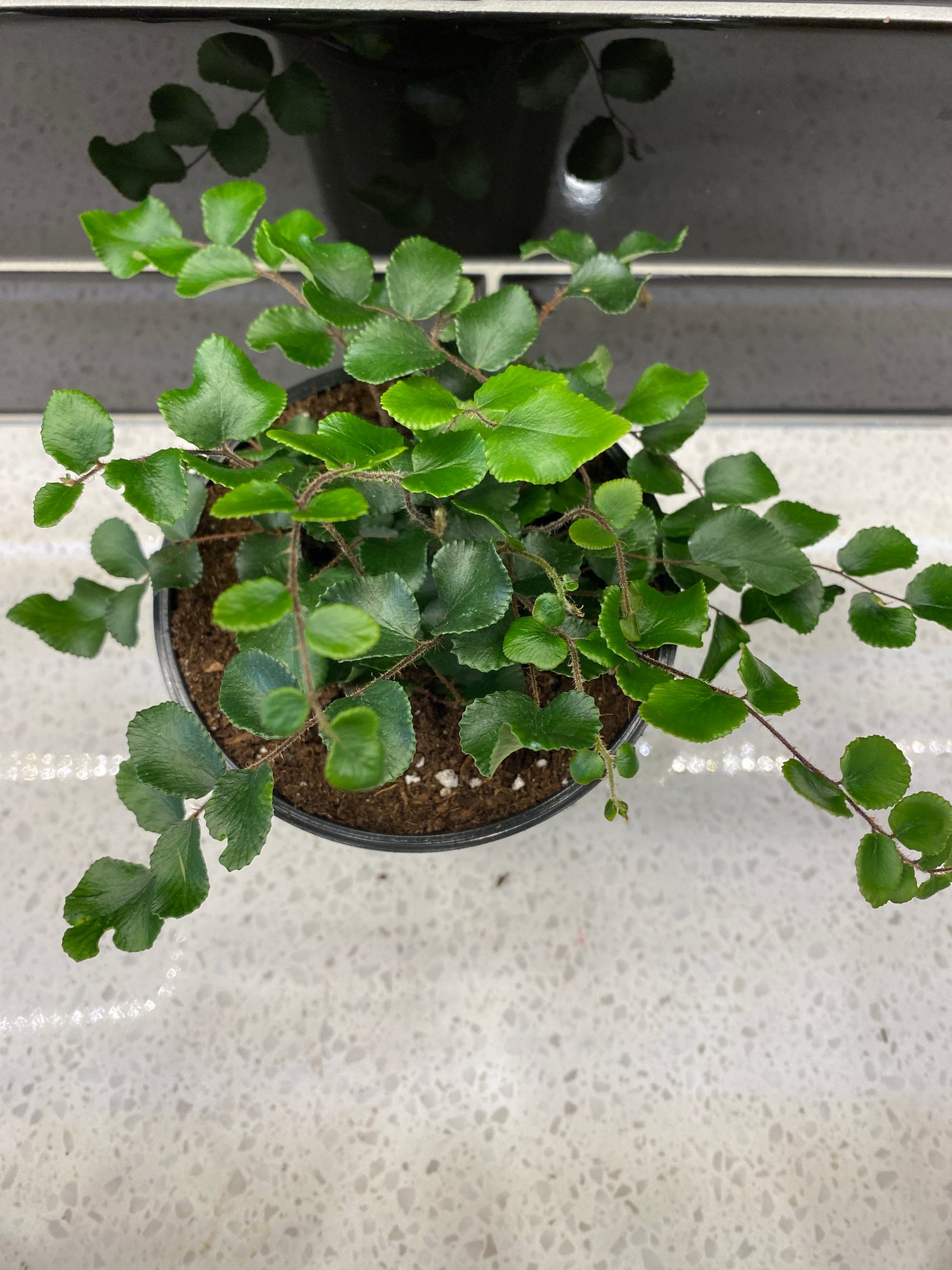
Delicate but hardy. Bring the forest inside with this adorable Button Fern. Originating from Australia and New Zealand, this little guy typically grows in moist, open forests, rocky crevices, and on limestone cliffs.
Scientific Name: Pellaea Rotundifolia
Common Name: Button Fern
Light: Bright indirect light
Watering: They need a very deep watering followed by letting them dry out.
Growth: Can grow up to 12 inches
Pet Safe: yes
Care: Easy