









Hard to Kill
No green thumb? No problem!
We have lots of options of easy to care for plants.
Sort by:
179 products
179 products
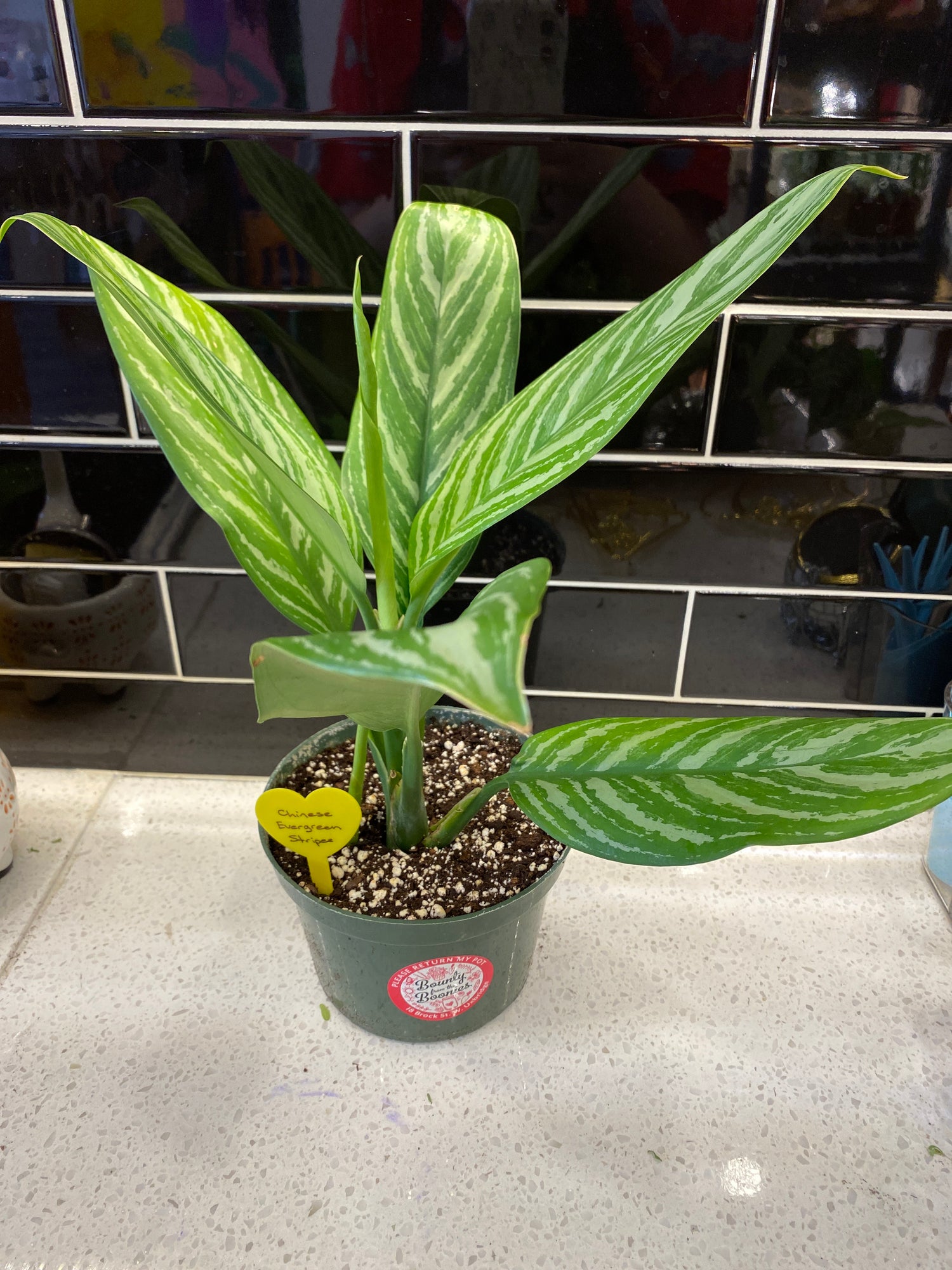
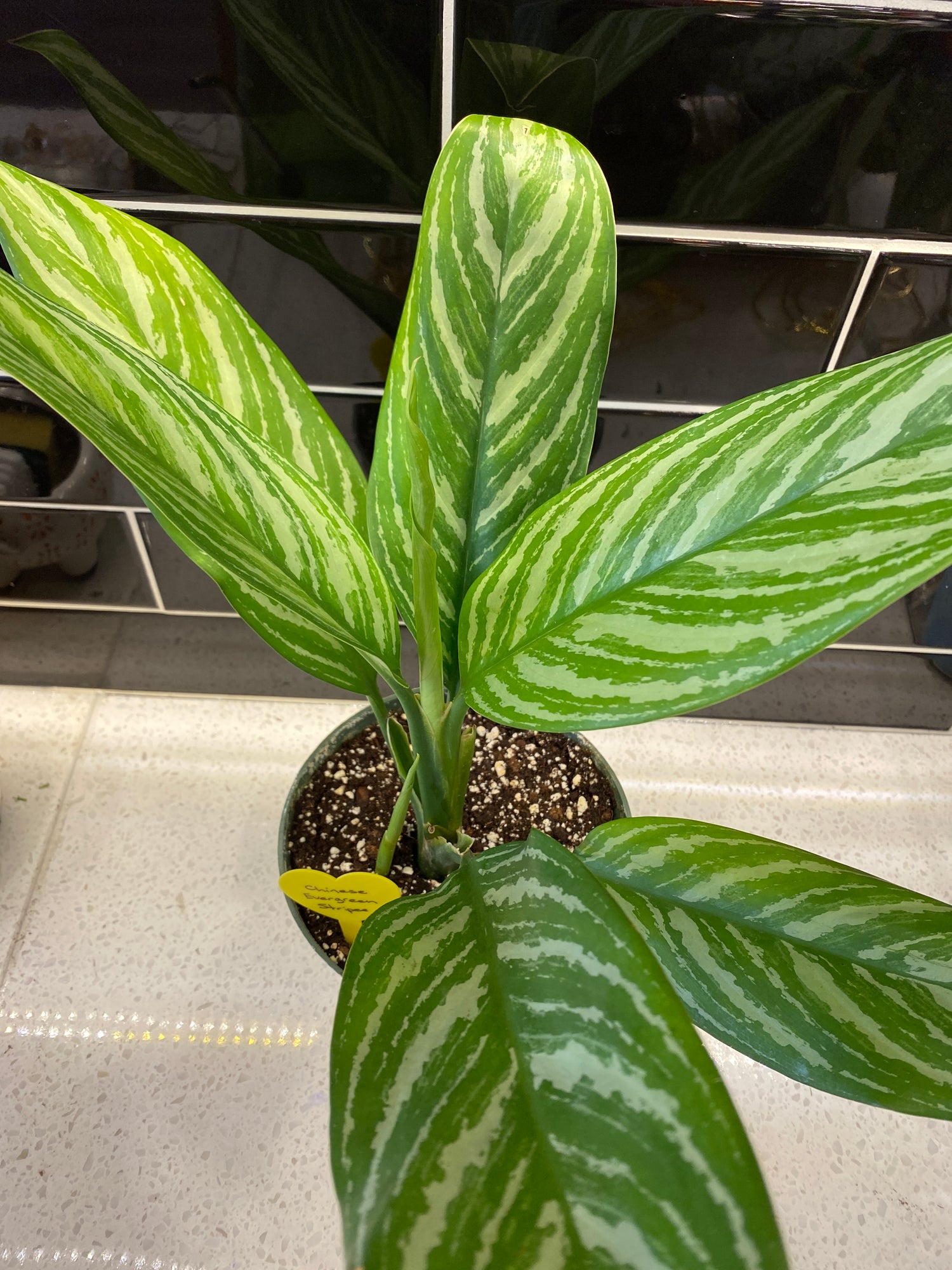
Chinese Evergreens are characterized by large, oval-shaped leaves with striking patterns, and this Stripes variety does not disappoint. The rich green leaves have bands of sparkling, silvery-white striations. It's a great beginner houseplant that thrives in both low + bright light conditions, making it a versatile plant perfect for a housewarming gift.
Scientific Name: Aglaonema 'Stripes'
Common Name: Chinese Evergreen Stripes
Light: Medium-Low
Growth: 1 ft - 2 ft growing compact + bushy
Watering: Let top 2" dry between waterings; likes humidity + misting (great in a bathroom!)
Pet Safe: No
Care: Intermediate
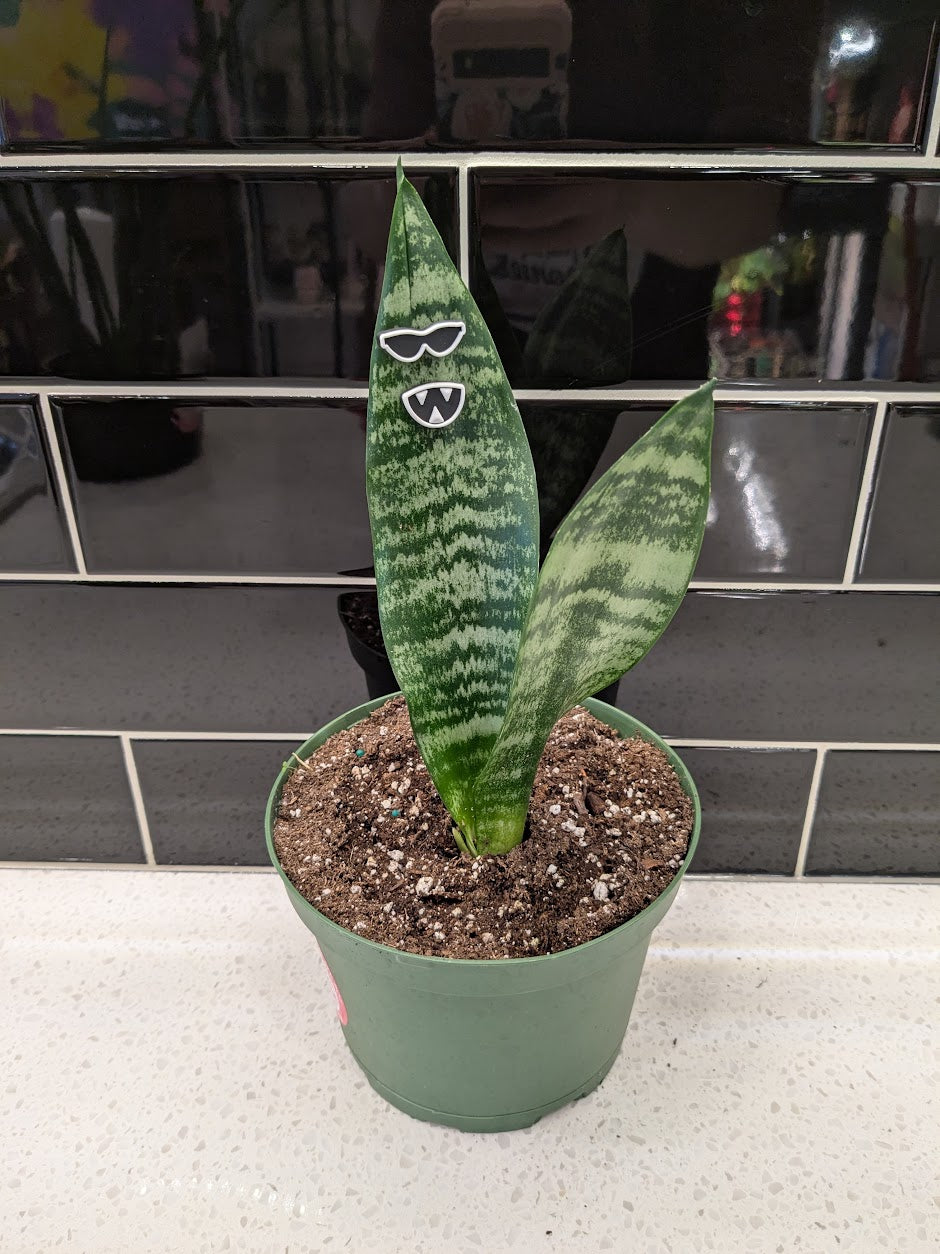
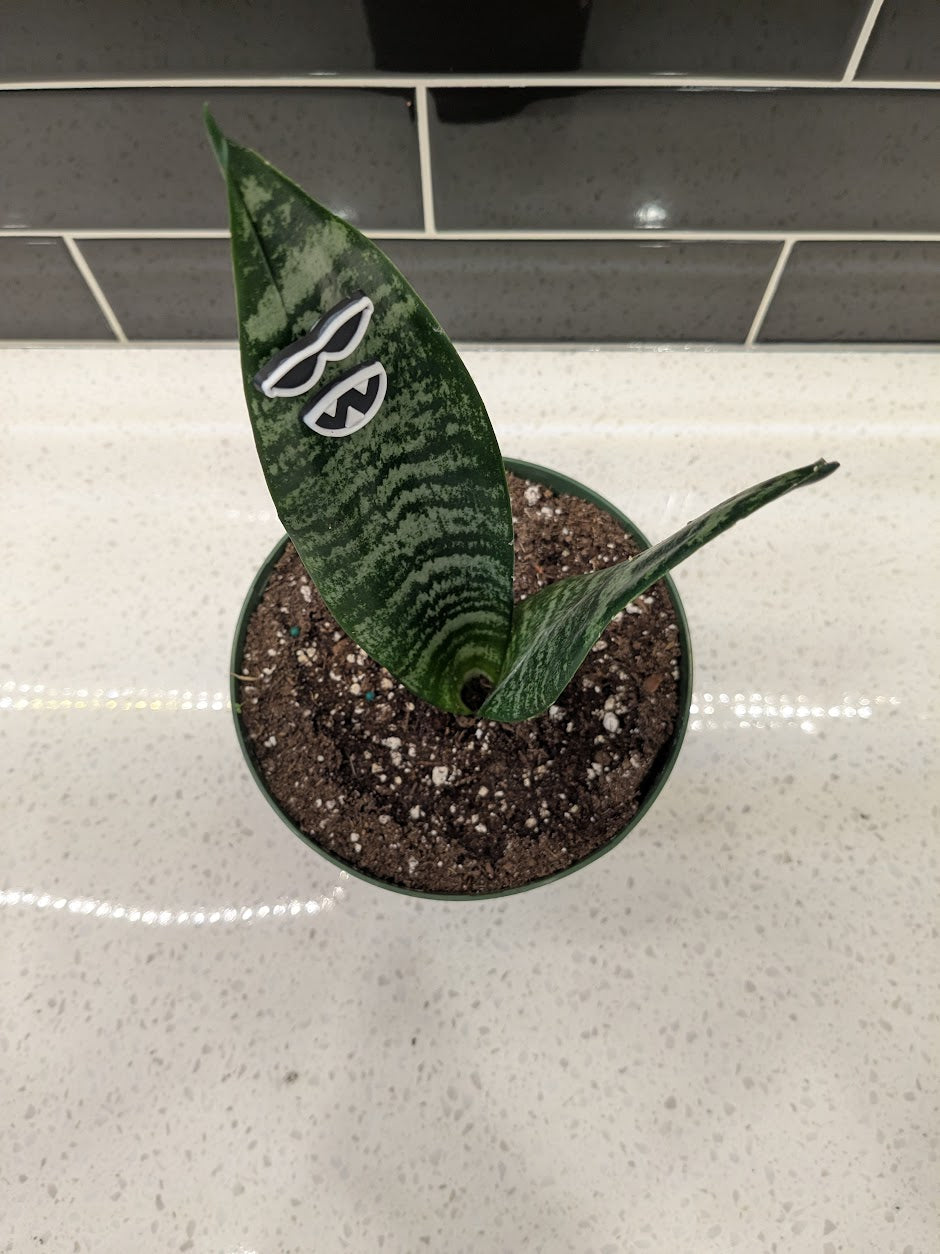
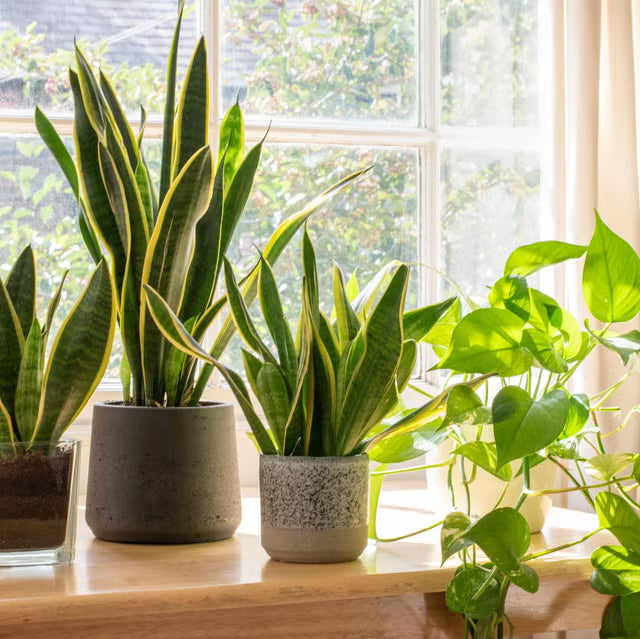
The Snake Plant, also known as the "mother-in-law's tongue", is one of the hardiest plants around. It originates from West and Central Africa. You can find them in dry, rocky, desert like areas. Some people love them because they symbolize resilience and good luck. Snake Plants reduce allergens in the environment by releasing oxygen into the air, making them an air-purifying plant.
Scientific Name: Dracaena trifasciata, formerly Sansevieria trifasciata
Common Name: Snake Plant
Growth: Can grow to 6 feet tall
Light: Bright indirect light to low light
Watering: Water sparingly
Pet Safe: No
Care: Easy


This beautiful cactus grows incredible bright flowers!
Light: Bright indirect light. Avoid full sun because they will get scorched
Watering: Ideally, you want the top 1/3 of the potting mix to dry out before watering. In winter, reduce watering and move the plant to a cooler location. This will help produce healthy, large flowers the next season.
Pet Safe: Yes, but still recommended to keep out of reach. Ingesting too much can get your pet sick.
Care: Easy


The Jade Pothos is a popular, low-maintenance houseplant known for its pretty long leaves that develop unique shapes as it matures. This plant loves to climb too! So If you allow it to climb, the leaves mature quicker! Originating from the Philippines, this plant can tolerate neglect, but thrives in bright, indirect light and loves regular watering. This plant is great for beginners and works well in hanging baskets and climbing supports.
Scientific Name: Epipremnum pinnatum
Common Name: Jade Pothos
Light: Bright indirect light to low light
Watering: Keep evenly hydrated, ensure good drainage
Growth: In ideal conditions this plant can grow 12-18 inches a year.
Pet Safe: No
Care: Easy


This Chinese Evergreen has gorgeous foliage. As with many varieties, it's always a stunning plant.
Scientific name: Aglaonema commutatum "Romeo"
Growth: 1-3' tall
Light: Bright indirect light.
Watering: Allow the top inch of soil to dry out between waterings. Likes high humidity so it would do well in a bathroom window. They do not like to be soggy, but neither do they like to dry out completely.
Pet Safe: No
Care: Easy


Starfish Cactus or Carrion flower cactus, produces amazing star shaped, reddish flowers six inches in diameter. While spectacular visually, they do produce a 'rotting meat' scent to attract flies for pollination. The flowers are short lived so you can enjoy the beauty and hold your nose.
Scientific Name: Stapelia grandiflora
Growth: Stems can reach 12 inches tall
Light: Place near a sunny window for lots of light
Watering: Let the soil dry out completely before watering
Pet Safe: Yes
Care: Easy


Dancing Bones Cactus is an interesting looking tropical epiphytic- meaning it grows on other plants. In the wild it grows on trees in high elevation forests of Brazil. In the spring it has yellow flowers.
Scientific Name: Hatiora Salicornioides
Common Name: Dancing Bones Cactus, Bottle Cactus
Growth: 6-12 " Slow growing
Light: Low to medium bright light. Try to mimic the understory of trees.
Watering: requires higher humidity and moisture than most cacti since it grows naturally in the jungle. However it is still a succulent so do not leave it sitting in water. Water when the top inch or so feels dry. Water more in the summer than during the winter
Pet Safe: No
Care: Easy to Moderate


The Cebu Blue Pothos is a popular, low-maintenance houseplant known for its pretty silvery-blue long leaves that develop unique shapes as it matures. This plant loves to climb too! So If you allow it to climb, the leaves mature quicker! Originating from the Philippines, this plant can tolerate neglect, but thrives in bright, indirect light and loves regular watering. This plant is great for beginners and works well in hanging baskets and climbing supports.
Scientific Name: Epipremnum pinnatum
Common Name: Cebu Blue Pothos
Light: Bright indirect light to low light
Watering: Keep evenly hydrated, ensure good drainage
Growth: In ideal conditions this plant can grow 12-18 inches a year.
Pet Safe: No
Care: Easy
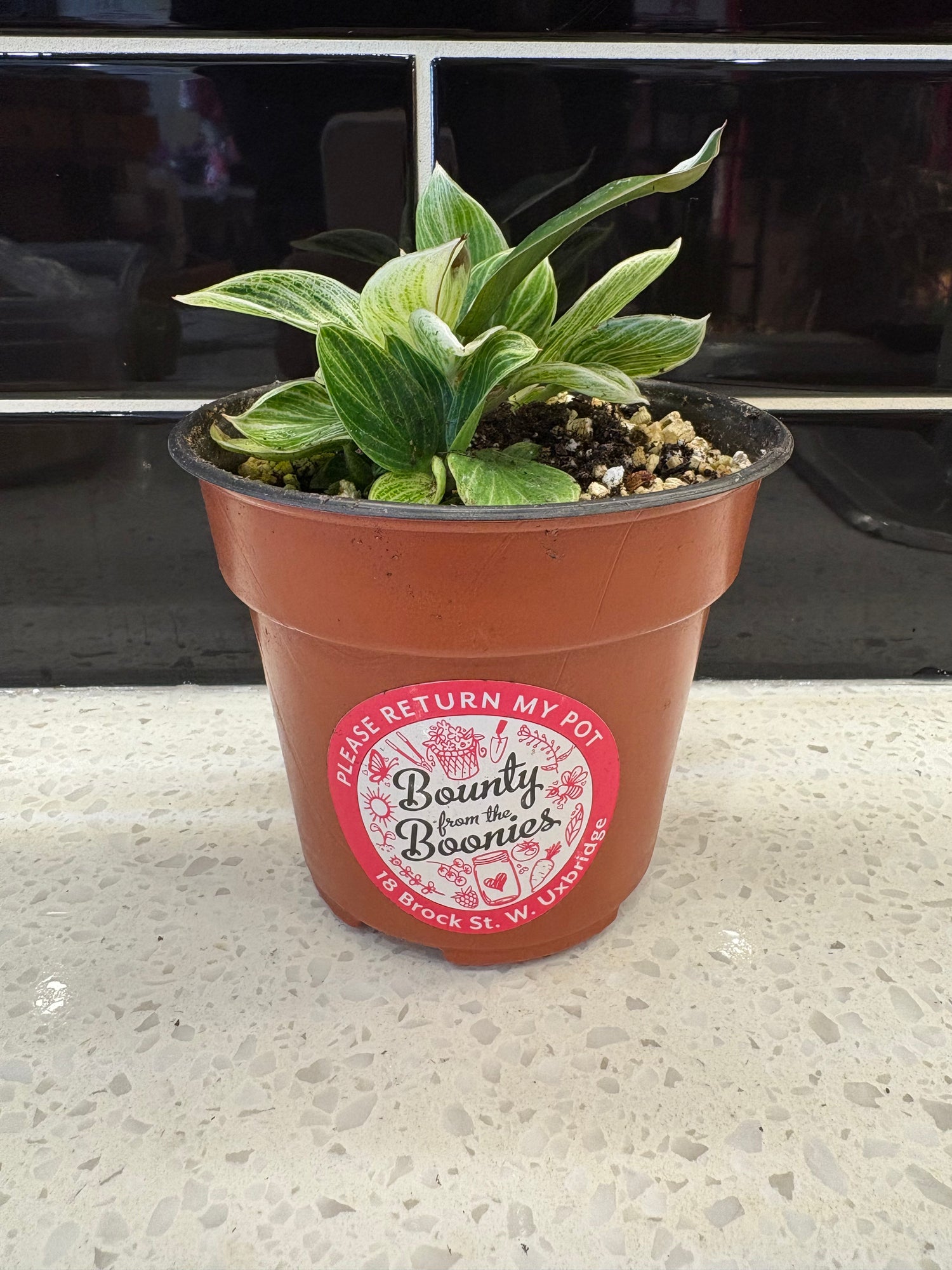
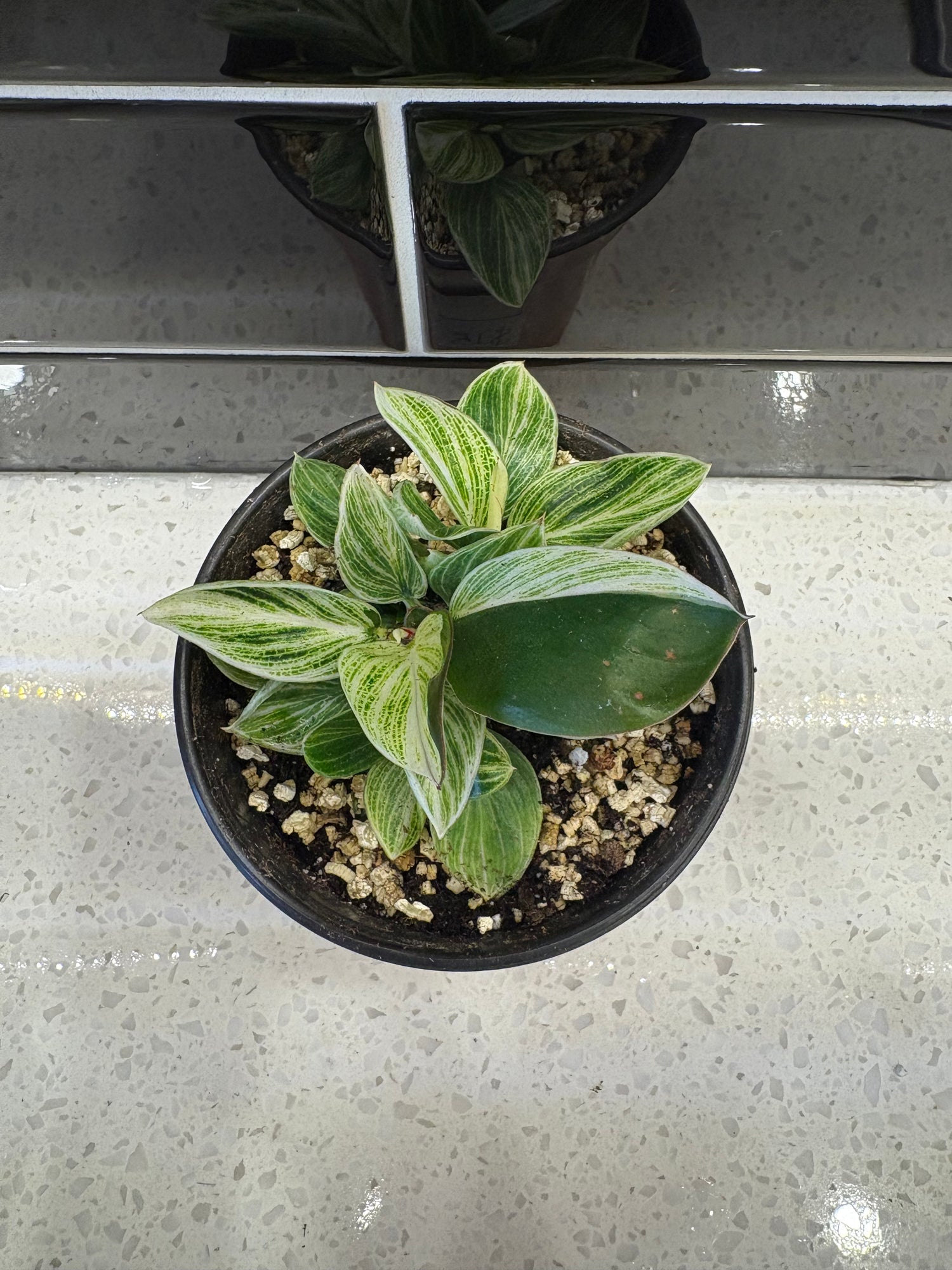
The Philodendron 'Birkin' originates the tropical rainforests of Central and South America. The 'Birkin' is known for its signature white pinstripes on dark green leaves.
Scientific Name: Philodendron Birkin
Common Name: White Wave and Birkin White Wave
Light: Bright, Indirect Light
Growth: Can grow 2 to 3 feet tall
Watering: When the top two inches of soil are dry
Pet Safe: No
Care: Intermediate
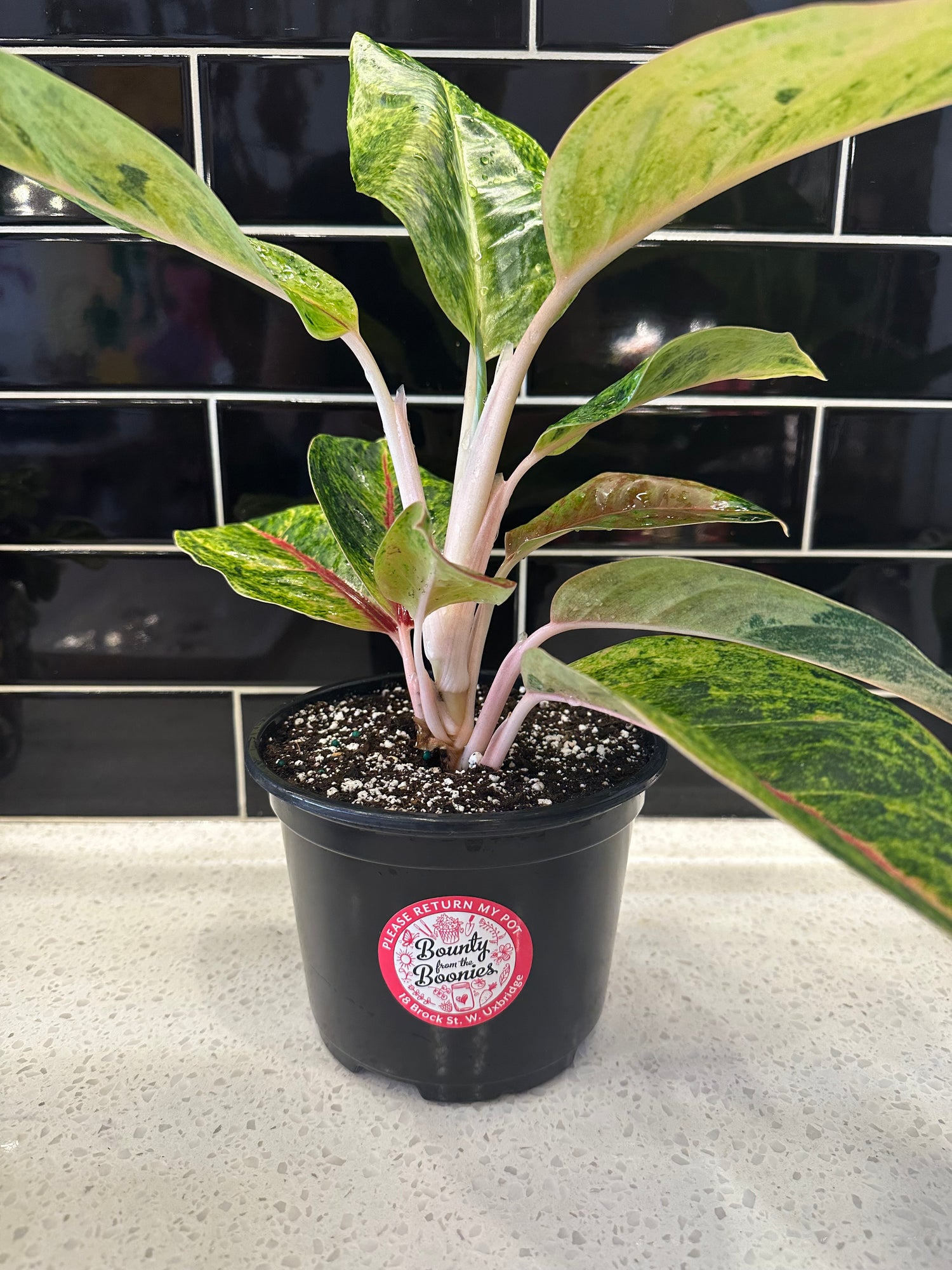
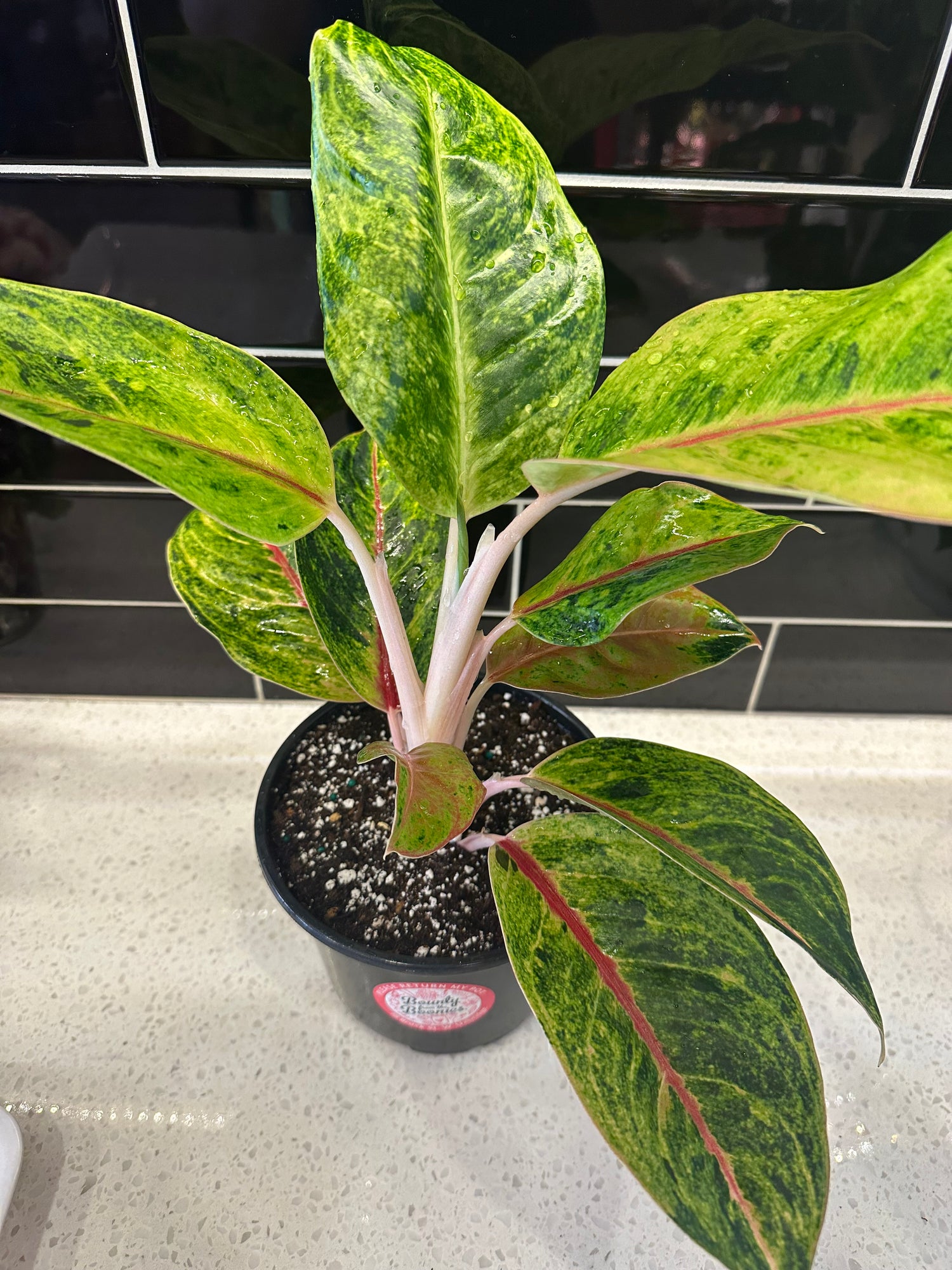
The Chinese Evergreen also known as the Aglaonema - Green Papaya is a vary easy plant to care for and they are a great choice for beginners! This plant
is native to the tropical and subtropical rainforests of Southeast Asia and New Guinea, where it grows in low-light, humid conditions.
Scientific Name: Aglaonema - Green Papaya
Common Name: Chinese Evergreen - Green Papaya
Growth: 2-3 feet
Light: Bright, Indirect light but can withstand low light conditions
Watering: Water when top layer of soil dries out
Pet Safe: No
Care: Intermediate


Rare snowy white variegated leaves make this philodendron variety a prize to be proud of! Originating from Columbia, this plant, in the early 2000's, was a rare and expensive plant often traded in small circles
Scientific Name: Philodendron erubescens 'White Wizard’
Common Name: Philodendron White Wizard
Light: Direct-bright, indirect light
Growth: 3-4 ft tall, 1-2 ft wide
Watering: Let the top several inches dry between waterings; ensure proper drainage with airy, well-draining soil
Pet Safe: No
Care: Intermediate

The leaves of this gorgeous monstera are where it gets its name: Glossy, deep green with creamy white splashes resembling a night sky swoon. The variegation is random, giving each leaf a distinct pattern, causing excitement + anticipation with each new arrival!
Monsteras literally have the word monster in their names - these babies will get big! However, you can control their size with regular pruning. A moss/coconut coir pole is essential as they grow.
Scientific Name: Monstera deliciosa 'Thai Constellation'
Common Name: Monstera Thai Constellation, Variegated Monstera
Light: Medium-bright
Growth: 1 ft - 2 ft tall, 2 ft - 3 ft wide
Watering: Deep watering when mostly dry
Pet Safe: No
Care: Easy


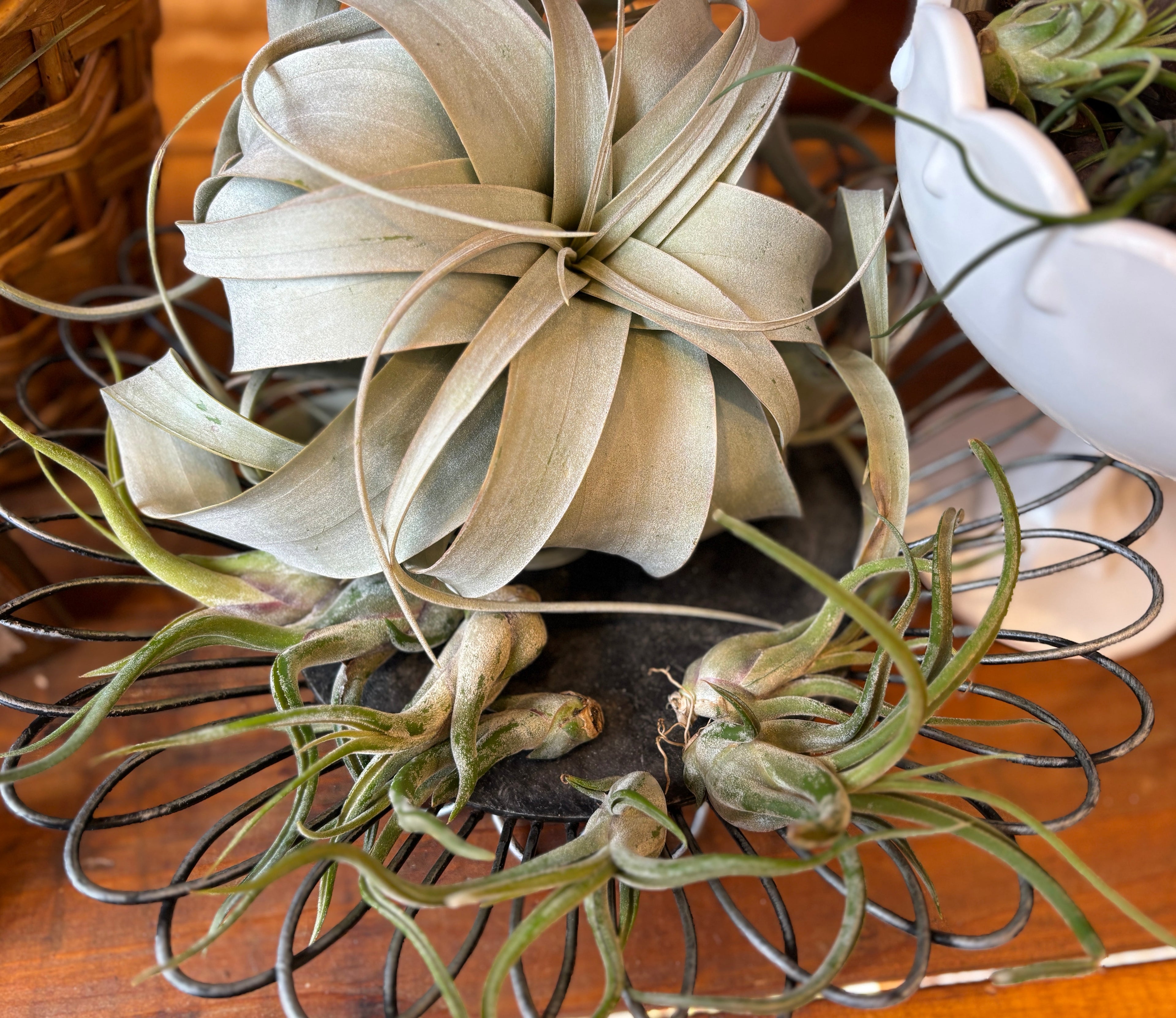
The lowest of care plants!
A variety of shapes and sizes add dramatic flair to any living space.
Scientific Name: Tillandsia caput-medusae
Common Name: Air Plant
Light Requirements: Bright Indirect Light, direct sun for too many hours can scorch the leaves.
Water: Once a week, submerge in water and then be sure to completely dry out.
Pet Safe: Yes
Care: Easy


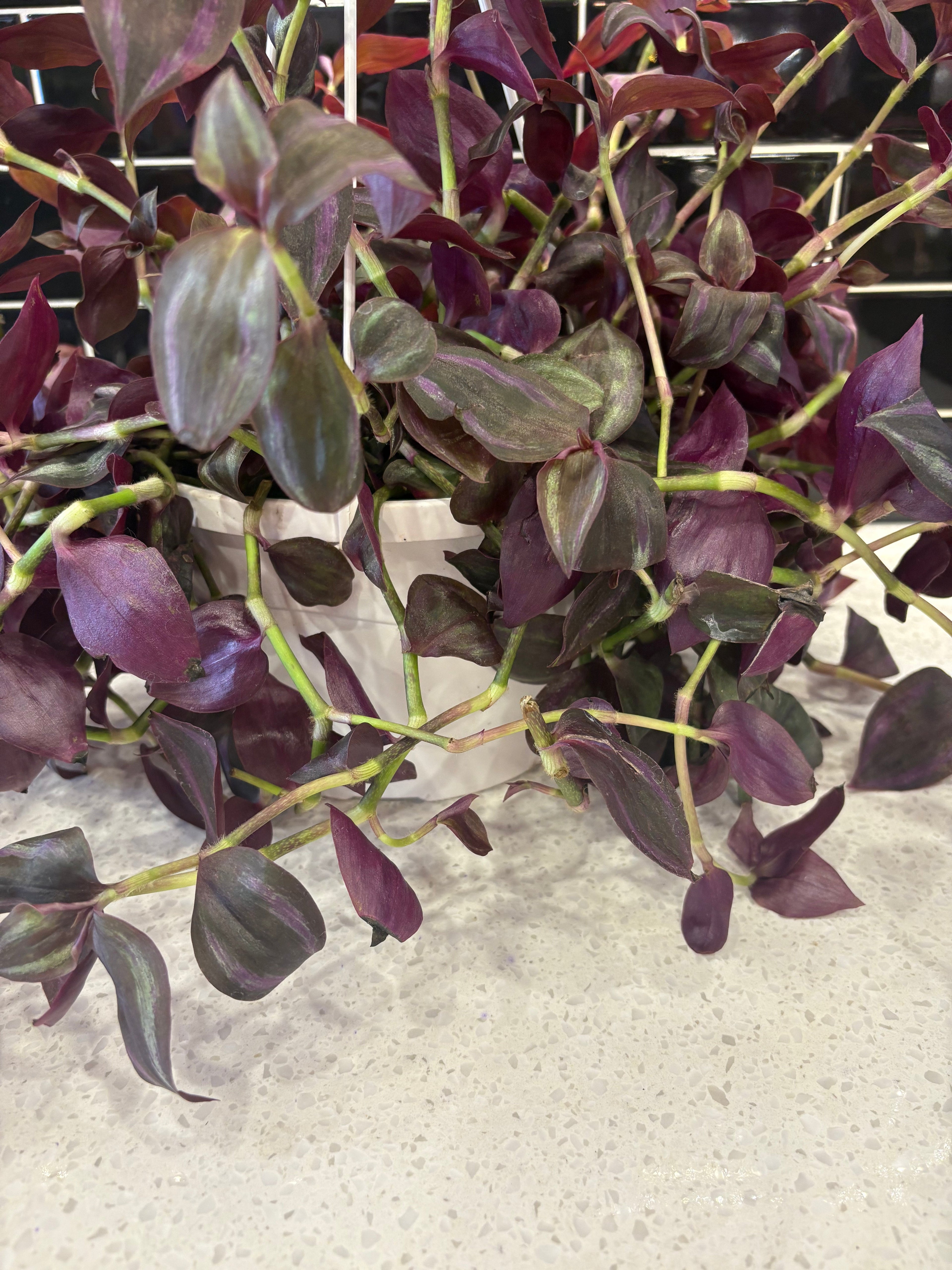
Tradescantia have iridescent and striped leaves while also being great plants for propagating! This variety has a mix of four stunning colours- pink, purple, green and white. Lovely as a hanging plant.
Scientific Name: Tradescantia zebrina, Quad Colour
Growth: This is a trailing plant and the size can easily be controlled with pruning
Light: Bright indirect light, some morning or late afternoon sun will keep the colours bold
Watering: Water when the top inch of the soil is dry
Pet Safe: no
Care: Easy


Tradescantia have iridescent and striped leaves while also being great plants for propagating! This variety has stunning golden variegated leaves. Lovely as a hanging plant.
Scientific Name: Tradescantia Fluminensis, Yellow Hill
Growth: This is a trailing plant and the size can easily be controlled with prunning
Light: Bright indirect light, some morning or late afternoon sun will keep the colours bold
Watering: Water when the top inch of the soil is dry
Pet Safe: no
Care: Easy


A very cool looking plant! Hanging branches are thornless, making this a pleasant cacti to have in the house!
Scientific Name: Rhipsalis spp.
Common Name: Mistletoe Cactus
Growth: Hanging branches can range from 3 to 10 feet
Light: These cacti grow in the jungle, so providing them with morning sunlight and a dappled light scenario, will be best.
Watering: this cactus actually likes to be on the wet side. Water when top is dry- do not allow it to dry out completely, but do not stand in water.
Pet Safe: yes
Care: Easy


A stunning and highly sought after Pothos! As the plant matures and climbs, the leaves will start to get larger and will eventually form fenestrations similar to Monsteras. Provide a moss pole for climbing to bring out this unique leaf characteristic.
Light: Bright indirect light will help the plant keep it's white variegation
Watering: Keep evenly hydrated, ensure good drainage
Growth: Pothos can get quite tall, however it is easily pruned to keep it a manageable size. If it starts to look "leggy", make sure it's in a bright spot and trim the vine to encourage more growth.
Pet Safe: No
Care: Easy


The Black Coral Snake plant has darker leaves with distinctive bands of lighter colour. The Snake Plant, also known as the "mother-in-law's tongue", is one of the hardiest plants around. It originates from West and Central Africa. You can find them in dry, rocky, desert like areas. Some people love them because they symbolize resilience and good luck. Snake Plants reduce allergens in the environment by releasing oxygen into the air, making them an air-purifying plant.
Scientific Name: Dracaena trifasciata, formerly Sansevieria trifasciata
Common Name: Snake Plant
Growth: Can grow to 35" tall
Light: Bright indirect light
Watering: Water sparingly
Pet Safe: No
Care: Easy


The lowest of care plants!
A variety of shapes and sizes add dramatic flair to any living space.
Scientific Name: Tillandsia Ionantha Guatemala
Common Name: Air Plant
Light Requirements: Bright Indirect Light, direct sun for too many hours can scorch the leaves.
Water: Once a week, submerge in water and then be sure to completely dry out.
Pet Safe: Yes
Care: Easy


Let soil dry out before watering again. This plants likes more water in the summer and very little in the winter months.
Scientific Name: Aloe Descoingsii x Haworthioides
Common Name: Aloe Pepe
Growth: Slow growing. Forms rosettes. 3-5 inches tall, 6 inches width. Rarely needs repotting.
Light: Bright, Indirect light
Watering: Let soil dry out before watering again. This plant likes more water in the summer and very little in the winter months.
Pet safe: No
Care: Easy