









Hard to Kill
No green thumb? No problem!
We have lots of options of easy to care for plants.
Sort by:
179 products
179 products
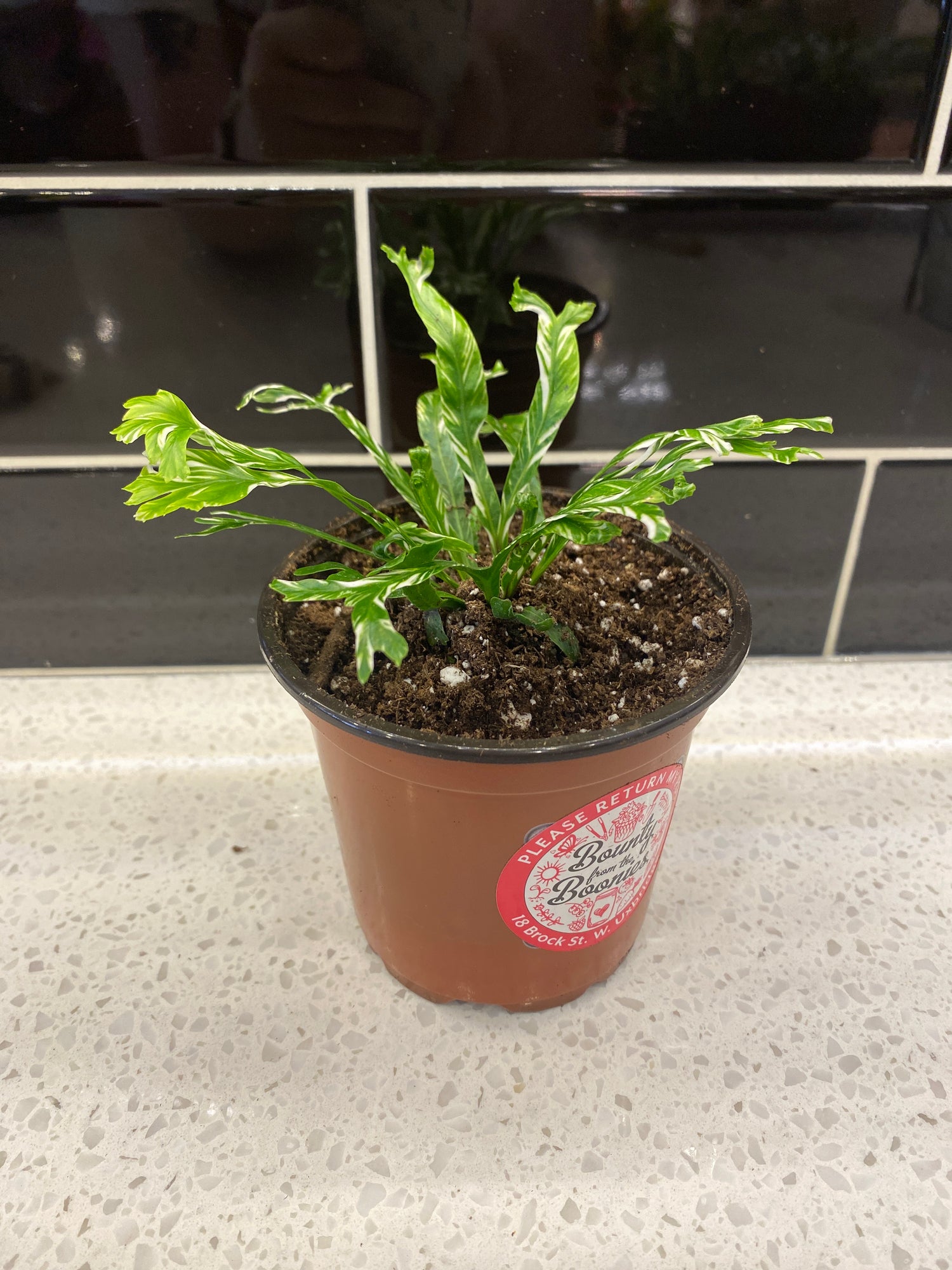
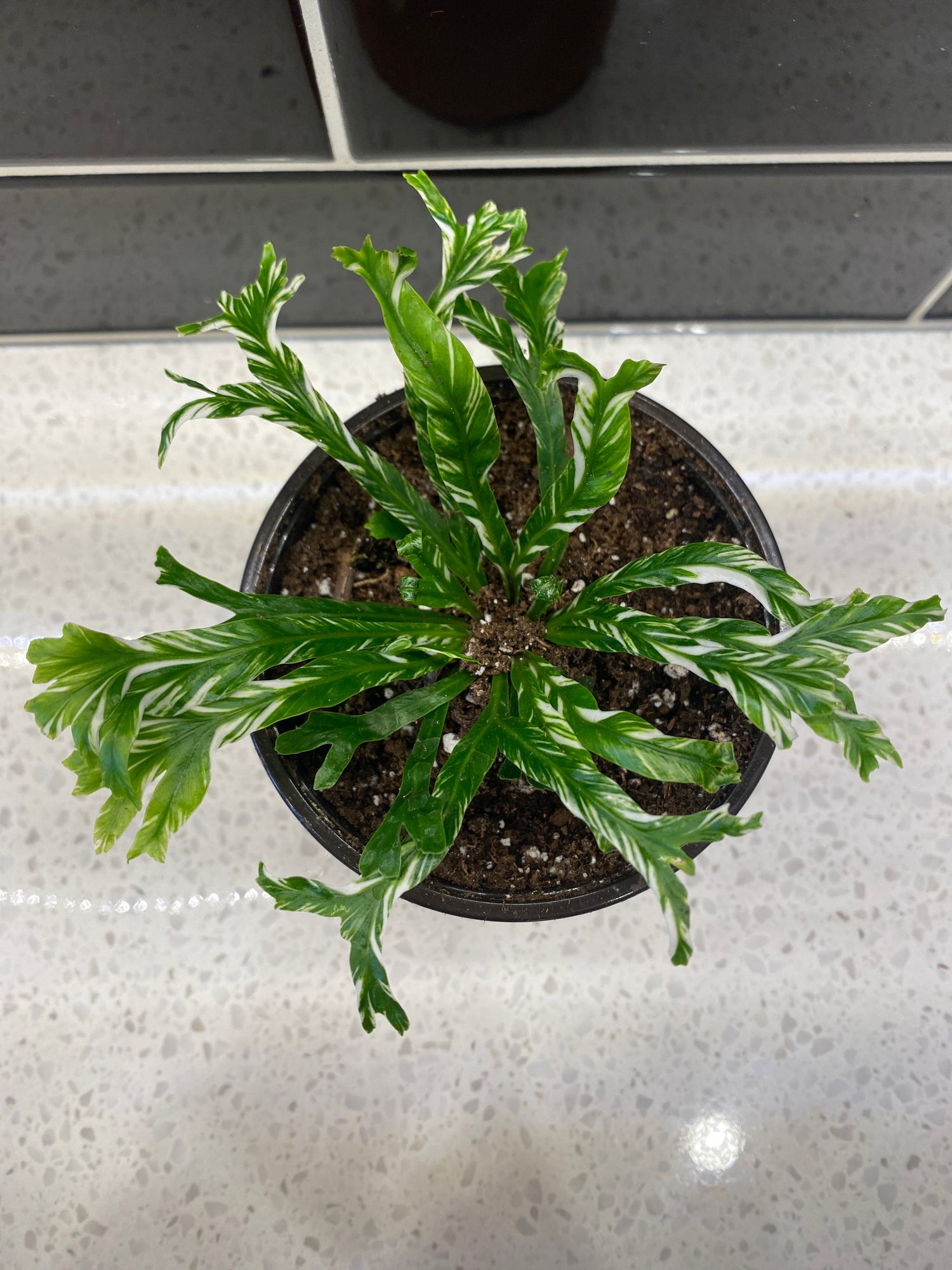
The bird's nest fern is named this way because the centre of the plant resembles a bird's nest. It is also occasionally called a crow's nest fern. The Bird's Nest Fern is Native to the tropical regions of Southeast Asia, Eastern Australia and India.
Scientific Name: Asplenium Nidus
Common Name: Bird's Nest Fern
Light: Bright indirect light
Watering: They need a very deep watering followed by letting them dry out.
Growth: Can grow up to 12 inches
Pet Safe: yes
Care: Easy

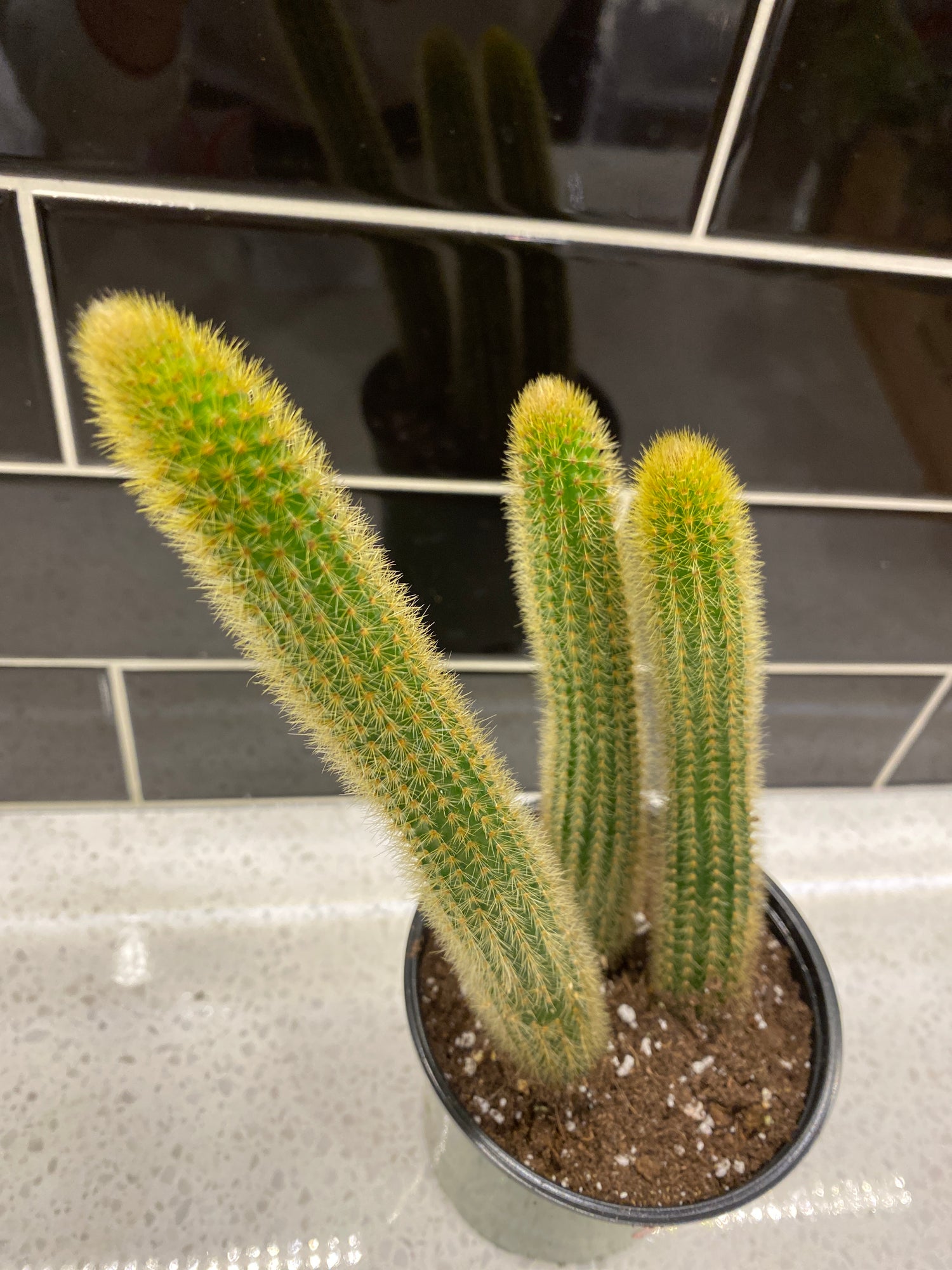
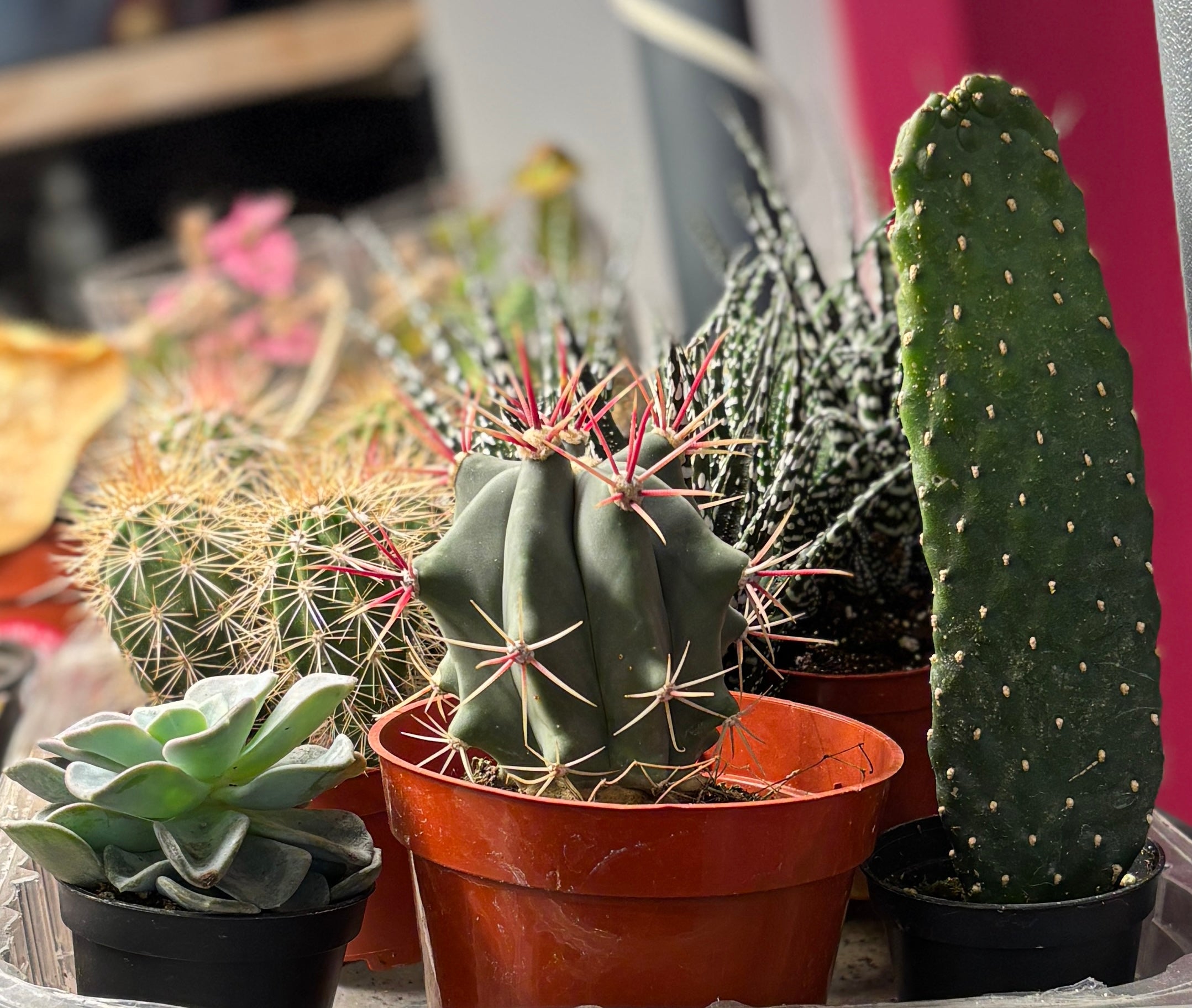
Cacti store water in their stems, which is why they are thrive in the desert. The spines on cacti are actually modified leaves. They help to protect the plant from animals and reduce water loss by shading the stem. The Rattail Cactus originates from South Western Mexico.
Scientific Name: Disocactus flagelliformis
Common Name: Rattail Cactus
Growth: Can grow 3-6 feet long
Light: Bright, Indirect sun
Watering: Let the soil dry out completely before watering
Pet Safe: Yes
Care: Easy
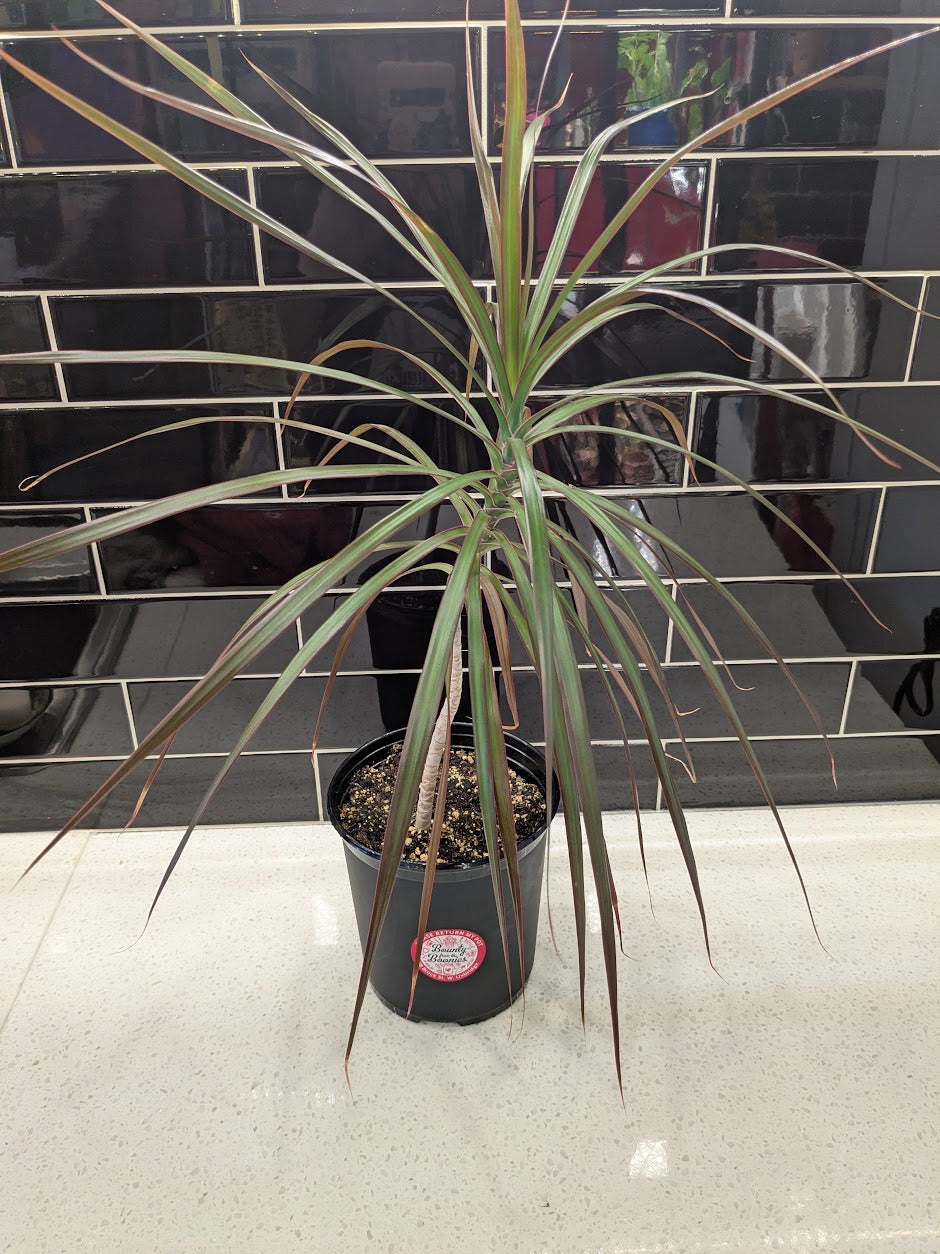
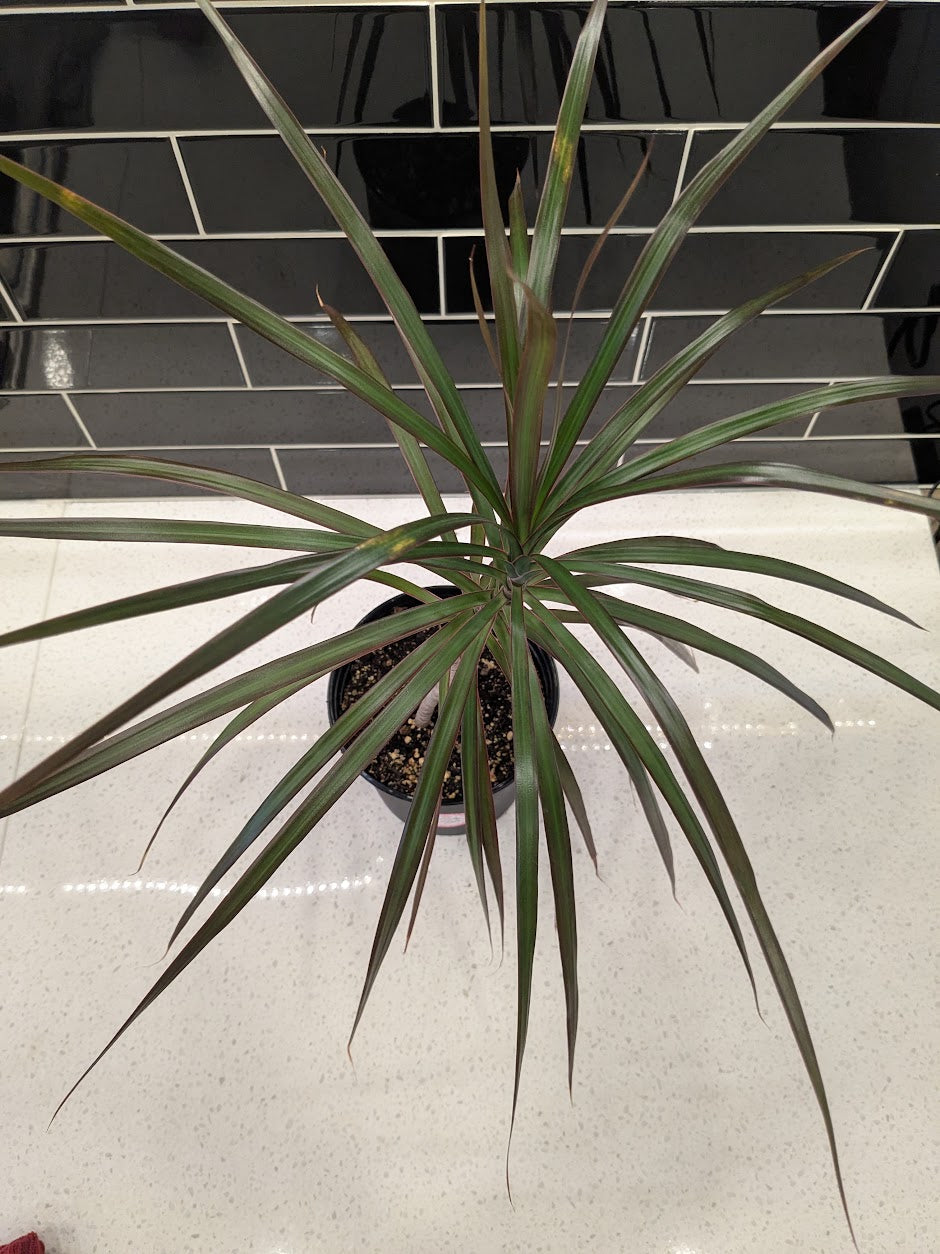
Looking like a palm tree gives this plant a tropical look! This variety has lovely pink edges to its leaves. This plant originates from tropical Madagascar and It can live for decades under the right conditions.
Scientific Name: Dracaena Marginata "Colorama"
Common Name: Dracaena Colorama/Dragon Tree
Light: Bright indirect light
Growth: 4-6 feet tall indoors
Watering: Keep evenly hydrated
Pet Safe: No
Care: Easy


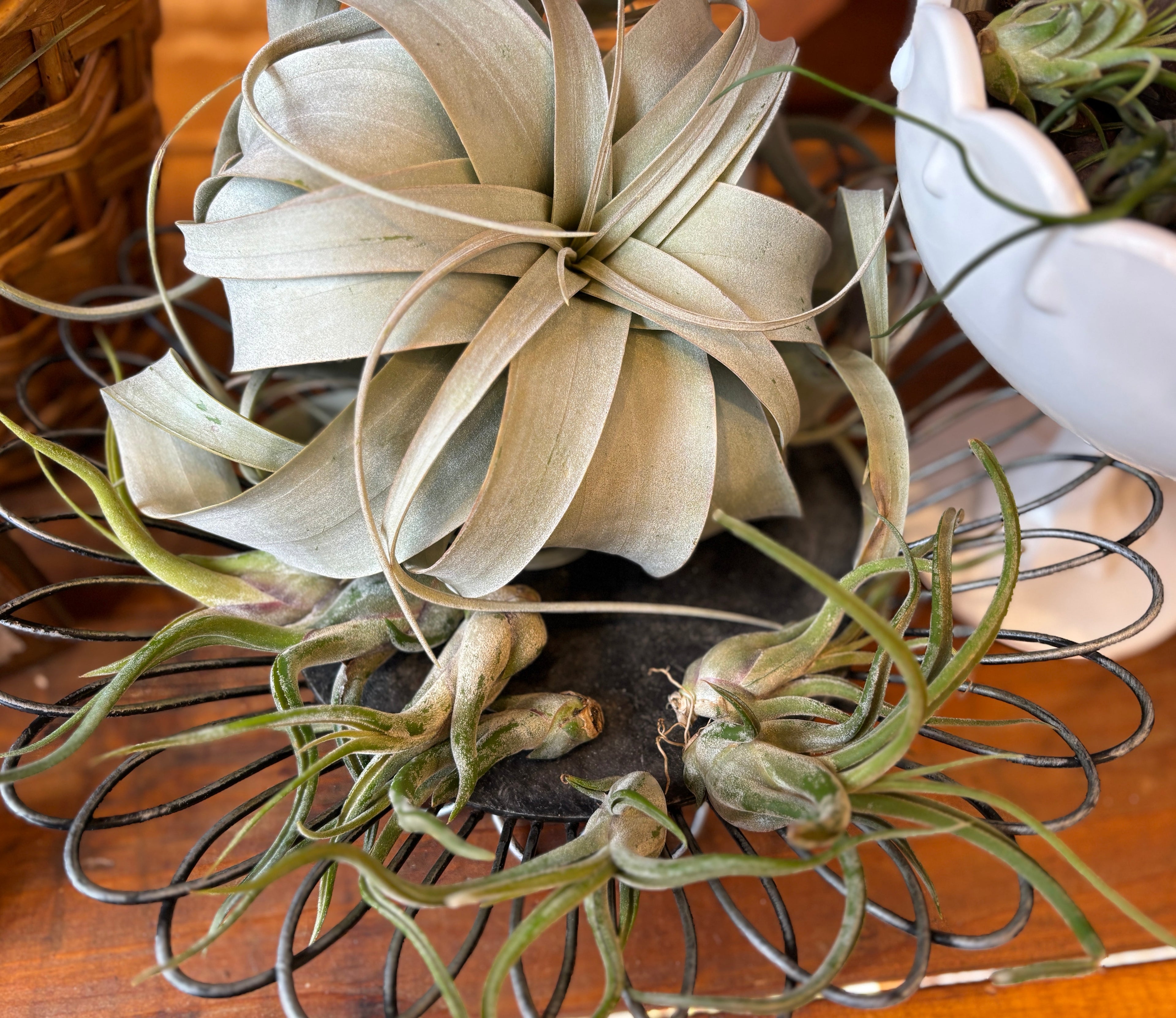
The lowest of care plants!
A variety of shapes and sizes add dramatic flair to any living space.
Scientific Name: Tillandsia caput-medusae
Common Name: Air Plant
Light Requirements: Bright Indirect Light, direct sun for too many hours can scorch the leaves.
Water: Once a week, submerge in water and then be sure to completely dry out.
Pet Safe: Yes
Care: Easy


This beautiful plant has cascading vines and heart shaped leaves. This variety has lovely green leaves with white veining. This plant stores water in its leaves and roots making it drought tolerant.
Scientific Name: Ceropegia Woodii
Common Name: String of Hearts/Rosary Vine/Chain of Hearts
Light: Bright indirect light
Watering: Let dry out between waterings
Pet Safe: Yes
Care: Easy


A very cool looking plant!
Scientific Name: Euphorbia tirucalli
Growth: While it can grow quite large in the wild, it will typically grow to 3', up to 6' indoors when very happy
Light: Full sun. Keep warm.
Soil: Dry, well drained, nutrient deficient soil
Watering: Very little. 1-2 times per month in summer and less in the winter. Let soil dry out completely between watering.
Pet Safe: No
Care: Easy


Beautiful variegation resembling a camouflage pattern, make this Dieffenbachia a collector's dream.
Light: Bright, indirect- north or east facing window is ideal
Watering: Water once top 1-2" of soil feels dry. Dieffenbachia like to be hydrated but not soggy. Sitting in wet soil will cause the plant to rot.
Growth: 2-3' indoors
Pet Safe: No
Care: Easy

The Manjula Pothos is a lovely variety of Pothos, popular for being a low-maintenance houseplant. This variety features large heart shaped leaves with cream, green and white variegation. Pothos loves to climb -allow it to climb and the leaves will mature quicker! Originating from the Philippines, this plant can tolerate neglect, but thrives in bright, indirect light and loves regular watering. This plant is great for beginners and works well in hanging baskets and climbing supports.
Scientific Name: Epipremnum aureum ‘Manjula’
Light: Bright indirect light to low light
Watering: Keep evenly hydrated, ensure good drainage
Growth: In ideal conditions this plant can grow 12-18 inches a year.
Pet Safe: No
Care: Easy


The leaves of this succulent are soft and fuzzy, perhaps like a bear? The edges of the grey leaves are outlined with cute little brown dots. Native to Madagascar.
Scientific Name: Kalanchoe tomentosa
Light: Bright light- south window is ideal. Very hot, direct sun can scorch the leaves.
Growth: Can slowly grow up to 2 feet
Watering: Water thoroughly when dry and let drain well. Do not sit in water.
Pet Safe: No
Care: Moderate

Covered in white spines that are as soft as a feather!
Scientific Name: Mammillaria plumosa
Common Name: Feather Cactus
Growth: Approximately 5 inches tall. Grows as a cluster up to 10 inches indoors.
Light: Bright, indirect light. It will be happy to receive morning sun, or some afternoon sun, and then indirect light the rest of the day.
Watering: Water more during the spring and summer, reducing the amount in the fall and giving very little during the winter. ALWAYS allow your cactus to dry out completely between waterings.
Pet Safe: No, moderately toxic if ingested
Care: Easy
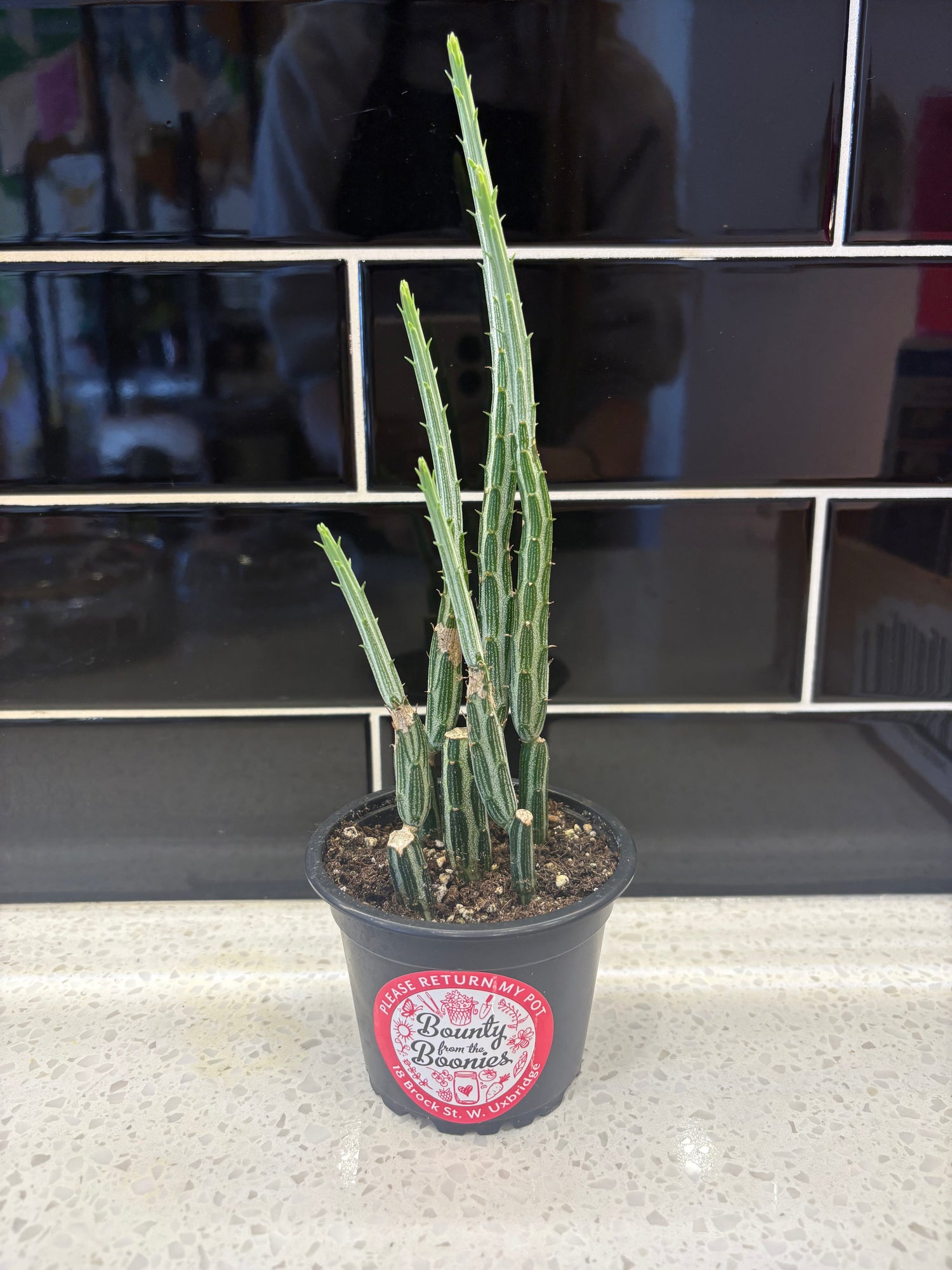
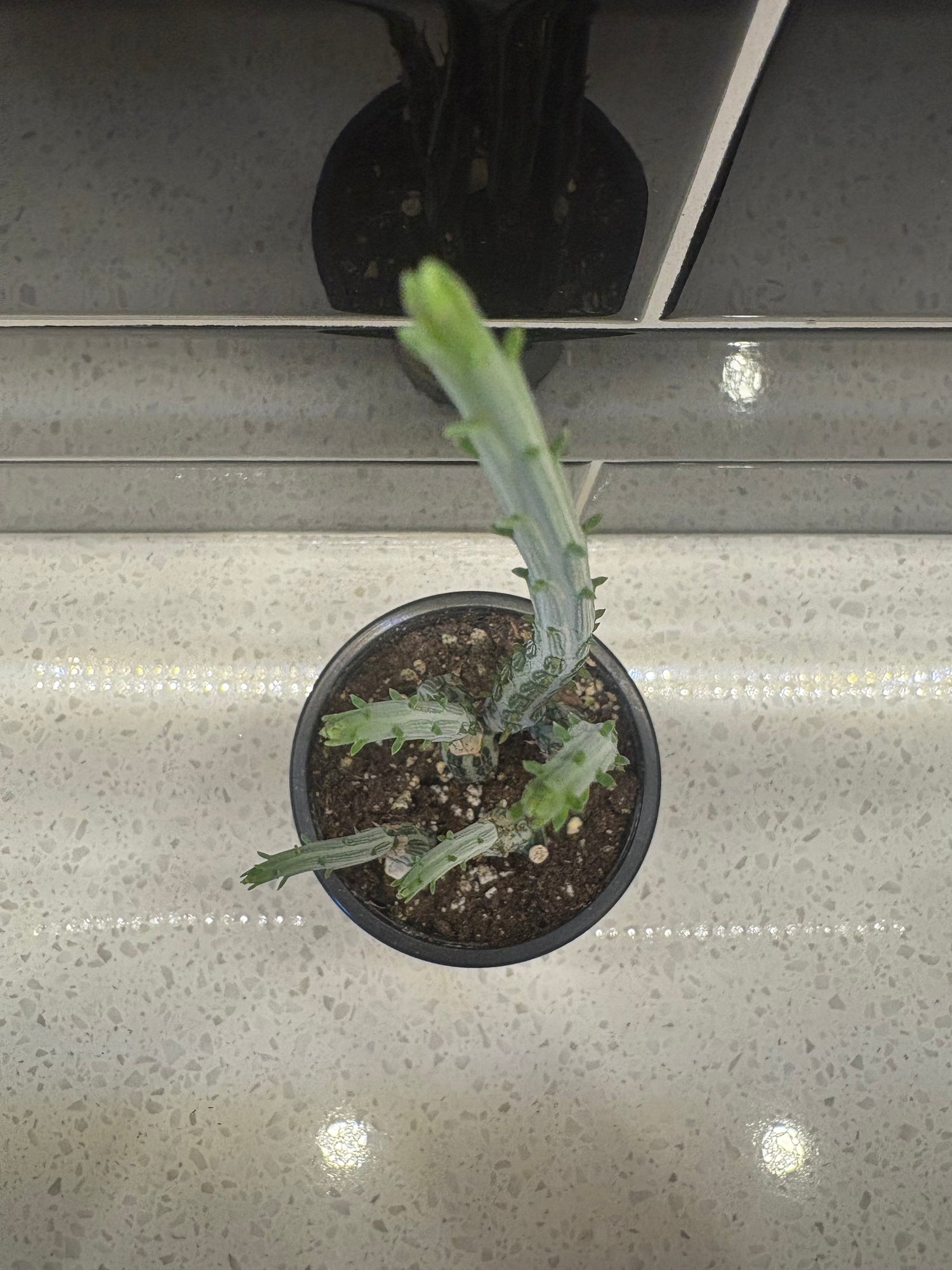
This plant is native to Southern Africa. If you look really close, you can see a cucumber pattern. This cool plant can have babies that grow off the stem, under the soil, and develop the dark green and silver coloration once exposed to the light. Ideally, place the pickle plant near a south or west-facing window that receives a few hours of direct sunlight per day.
Scientific Name: Kleinia Stapeliiformis
Common Name: Pickle Plant or Candle Stick Plant
Growth: 10 inches in length and 0.8 inches in thickness
Light: Bright, Indirect light
Watering: Let dry out between watering, water sparingly
Pet Safe: Yes
Care: Easy


This cacti sports sweet little "ears" and spines that looks like soft fur (It is not soft! Do not pet it!)
Scientific Name: Opuntia microdasys albispina
Common Name: White Bunny Ears
Growth: 6-12 inches
Light: Bright. Ideally, place near a south or west-facing window that receives a few hours of direct sunlight per day.
Watering: Water more during the spring and summer, reducing the amount in the fall and giving very little during the winter. ALWAYS allow your cactus to dry out completely between waterings.
Pet Safe: No, toxic if ingested
Care: Easy


Such a cute cactus! The pads look like little ears and the spines create a soft, fur like appearance, hence the common name.
Scientific Name: Opuntia microdasys pallida
Common Name: Yellow Bunny Ears
Growth: Clump forming, 4-6 inches tall
Light: Bright, indirect light. It will be happy to receive morning sun, or some afternoon sun, and then indirect light the rest of the day.
Watering: Water more during the spring and summer, reducing the amount in the fall and giving very little during the winter. ALWAYS allow your cactus to dry out completely between waterings.
Pet Safe: Yes, non toxic but spines can be hazardous.
Care: Easy


What are Clippings?
Clippings are pieces cut from existing mature plants. They are then placed in water and allowed to build roots. Some grow quickly while others take longer to propagate (grow roots). Once there are several new roots growing and they are at least 1" long it's time to plant. They are great for experimenting, trying new varieties or even adding to aquariums and water features.
Planting
When ready to plant you'll place your clipping in a pot with dirt. You'll want to make sure that the soil stays extra moist for several days to help it acclimatize to its new environment. Congratulations! You have a new plant baby.


What are Clippings?
Clippings are pieces cut from existing mature plants. They are then placed in water and allowed to build roots. Some grow quickly while others take longer to propagate (grow roots). Once there are several new roots growing and they are at least 1" long it's time to plant. They are great for experimenting, trying new varieties or even adding to aquariums and water features.
Planting
When ready to plant you'll place your clipping in a pot with dirt. You'll want to make sure that the soil stays extra moist for several days to help it acclimatize to its new environment. Congratulations! You have a new plant baby.
Pothos Silver Satin
This plant originates from the tropical rainforests of Southeast Asia. With it's beautiful green, heart-shaped leaves with silver shimmery pattern, this pothos stands out. Their painted looking leaves is why this plant was named "pictus," which is Latin for "painted"!
In its natural habitat, this pothos grows as an epiphyte, climbing tree trunks using aerial roots, or trailing along the forest floor.
Silver Satin Pothos is known for its ability to help purify indoor air by removing common pollutants like formaldehyde and benzene.
Scientific Name: Scindapsus Pictus
Common Name: Silver/Satin Pathos
Light: Medium to bright, Indirect light
Growth: Can grow 4-10 feet long
Water: Let dry out between waterings. Water thoroughly when the top inch or two of soil is dry, allowing excess water to drain away to prevent root rot.
Pet Safe: Mildly toxic. It's best to keep your pets away!
Care: Easy


What are Clippings?
Clippings are pieces cut from existing mature plants. They are then placed in water and allowed to build roots. Some grow quickly while others take longer to propagate (grow roots). Once there are several new roots growing and they are at least 1" long it's time to plant. They are great for experimenting, trying new varieties or even adding to aquariums and water features.
Planting
When ready to plant you'll place your clipping in a pot with dirt. You'll want to make sure that the soil stays extra moist for several days to help it acclimatize to its new environment. Congratulations! You have a new plant baby.
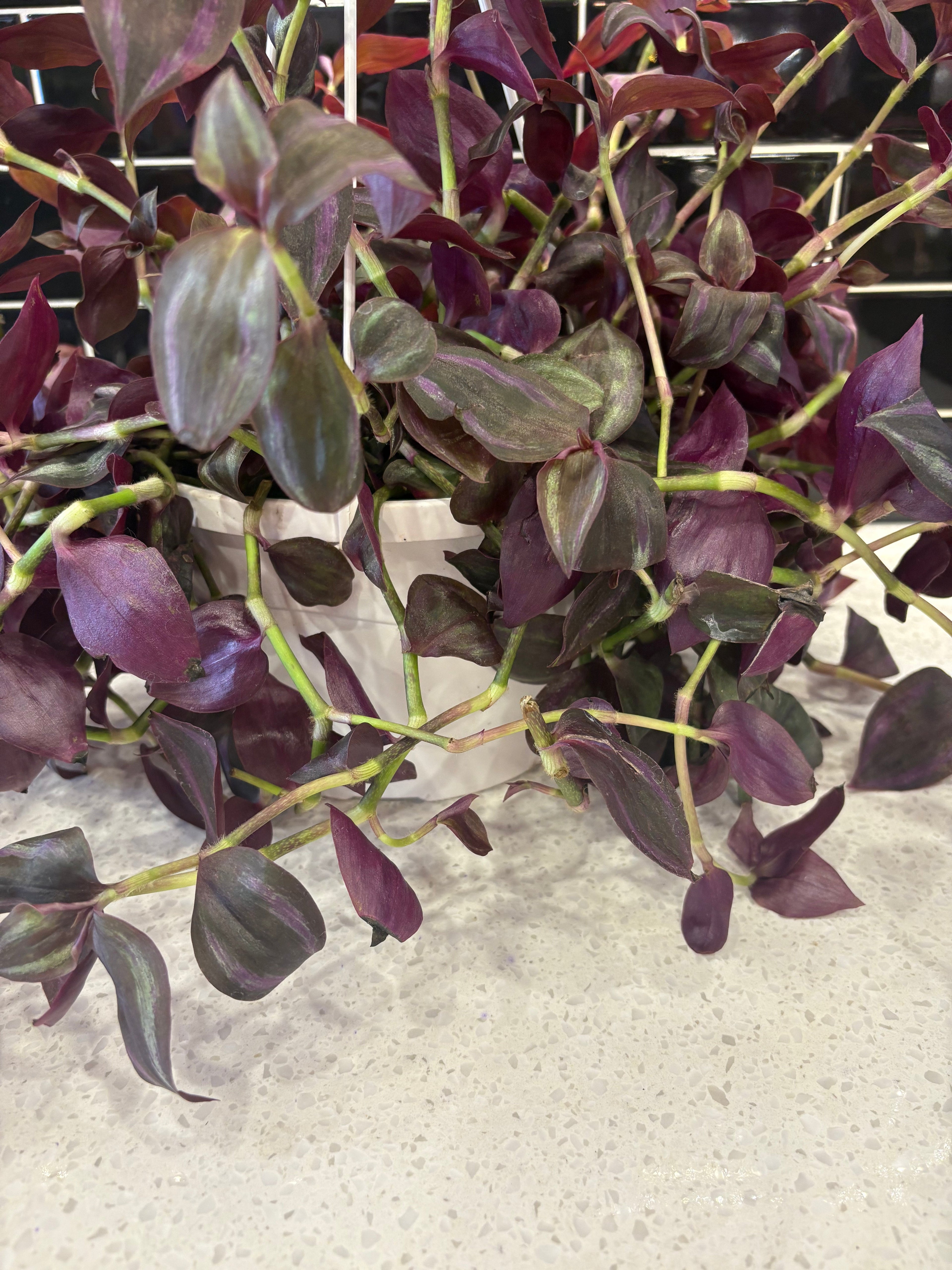
Tradescantia Nanouk
The Tradescantia Nanouk is a popular houseplant known for its variegated pink, purple, green, and white leaves. This plant loves to trail and it's very easy to grow! It can also be referred to as Fantasy Venice, symbolizing joy, creativity, and vibrant life.
Scientific Name: Tradescantia Nanouk
Common Name: Bubble Gum, Fantasy Venice
Light: Bright indirect light
Watering: Let soil dry slightly between waterings
Growth: Fast growing, great for hanging baskets
Pet Safe: no
Care: Easy


What are Clippings?
Clippings are pieces cut from existing mature plants. They are then placed in water and allowed to build roots. Some grow quickly while others take longer to propagate (grow roots). Once there are several new roots growing and they are at least 1" long it's time to plant. They are great for experimenting, trying new varieties or even adding to aquariums and water features.
Planting
When ready to plant you'll place your clipping in a pot with dirt. You'll want to make sure that the soil stays extra moist for several days to help it acclimatize to its new environment. Congratulations! You have a new plant baby.
Bloodleaf
Don't be scared by my name. I'm a gentle plant with deep crimson leaves. Originating from the tropical regions of South America, this plant doesn't like to go dry. Cultivated as an ornamental plant worldwide for its brightly coloured red, purple, and pink foliage.
Scientific Name: Iresine herbstii
Common Name: Bloodleaf
Light: Bright indirect light
Watering: Keep evenly hydrated, likes being misted.
Growth: 12-18 inches tall
Pet Safe: Yes
Care: Easy


Lizard Tail is a popular, low-maintenance succulent known for its fleshy, dark green leaves covered in white bumps that form rosettes, resembling a lizard textured skin. Originates from South Africa, which is why this plant is drought tolerant. Under ideal conditions, it produces pale orange flowers on tall stalks.
Scientific Name: Gasteraloe
Common Name: Lizard Tail
Growth: Slow growing
Light: Bright, Indirect light
Watering: Let soil dry out before watering again.
Pet safe: No
Care: Easy


This Lemon Lime Philodendron is one of the most vinstant varieties of the family. These heart shaped leaves are golden yellow or bright green. When new growth appears, the colour is more vibrant and brighter than the older leaves. Lemon Lime philodendron are great for hanging baskets and it is a remarkable trailing plant.
Scientific Name: Philodendron hederaceum 'Lemon Lime'
Common Name: Lemon Lime Philodendron
Light: Bright indirect light to low light
Watering: Keep evenly hydrated, ensure good drainage
Growth: The vine itself can grow very long if in the right conditions. If it starts to look "leggy", make sure it's in a bright spot and trim the vine to encourage more growth.
Pet Safe: No
Care: Easy


The Curly Locks Orchid Cactus is a slow growing cactus known for its bright green, twisting, ribbon-like stems. In the right conditions, it produces fragrant, white, night-blooming flowers that can be followed by edible, red fruit. This plant is native to Guatemala.
Scientific Name: Epiphyllum Guatemalense f. monstrosa
Common Name: Curly Locks Orchid Cactus
Light: Bright indirect light. Avoid full sun because they will get scorched
Watering: When top 1-2 inches are dry
Growth: 2-3 feet
Pet Safe: Yes, but still recommended to keep out of reach. Ingesting too much can get your pet sick.
Care: Easy