









Hard to Kill
No green thumb? No problem!
We have lots of options of easy to care for plants.
Sort by:
179 products
179 products


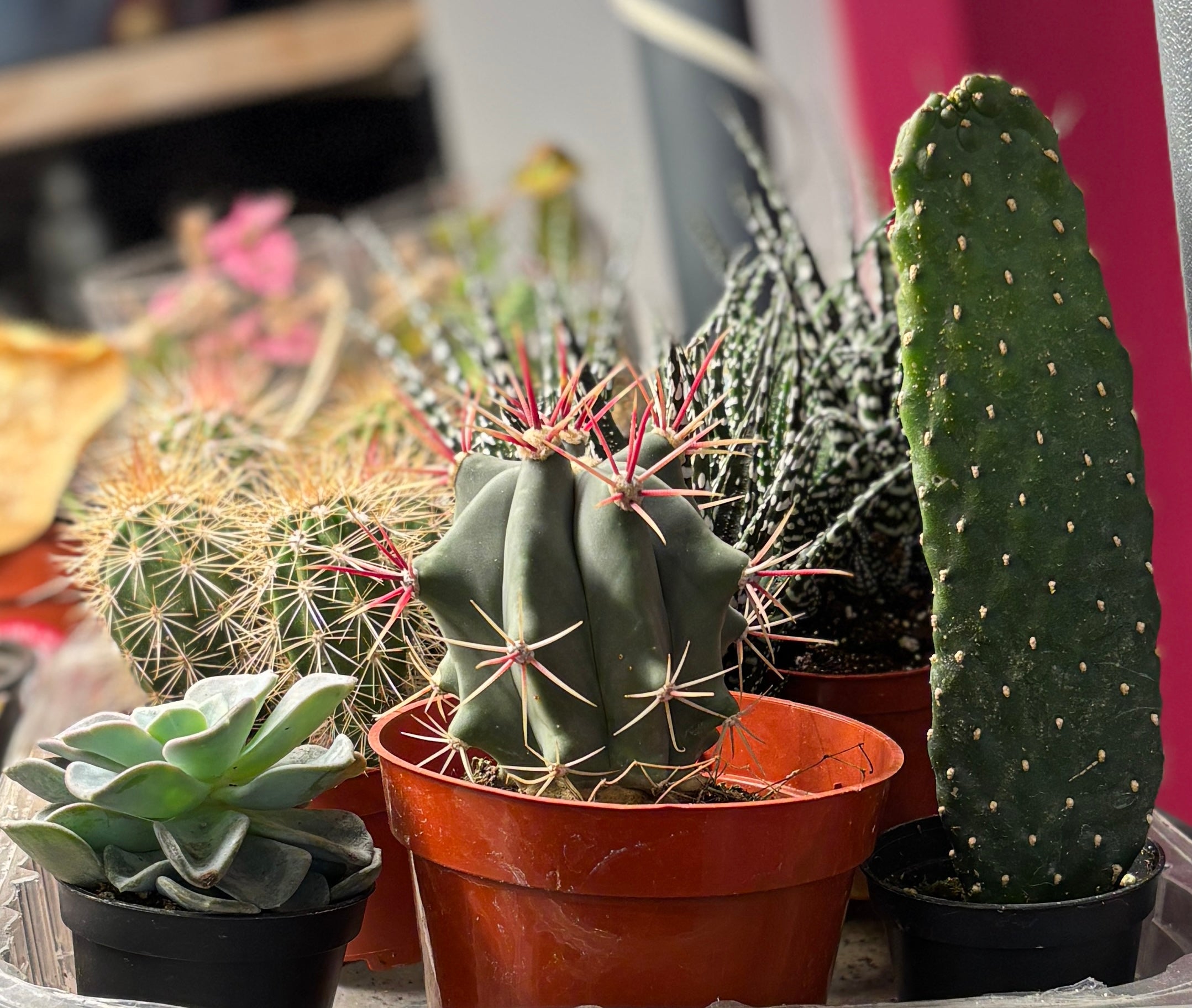
Cacti store water in their stems, which is why they are thrive in the desert. The spines on cacti are actually modified leaves. They help to protect the plant from animals and reduce water loss by shading the stem.
Scientific Name: Mammillaria Elongata
Common Name: Copper King
Growth: 6-8 inches
Light: Bright, Indirect sun
Watering: Let the soil dry out completely before watering
Pet Safe: Yes
Care: Easy


Cacti store water in their stems, which is why they are thrive in the desert. The spines on cacti are actually modified leaves. They help to protect the plant from animals and reduce water loss by shading the stem.
Scientific Name: Opuntia Microdasys
Common Name: Bunny Ear Cactus
Growth:
Light: Bright, Indirect sun
Watering: Let the soil dry out completely before watering
Pet Safe: Yes
Care: Easy
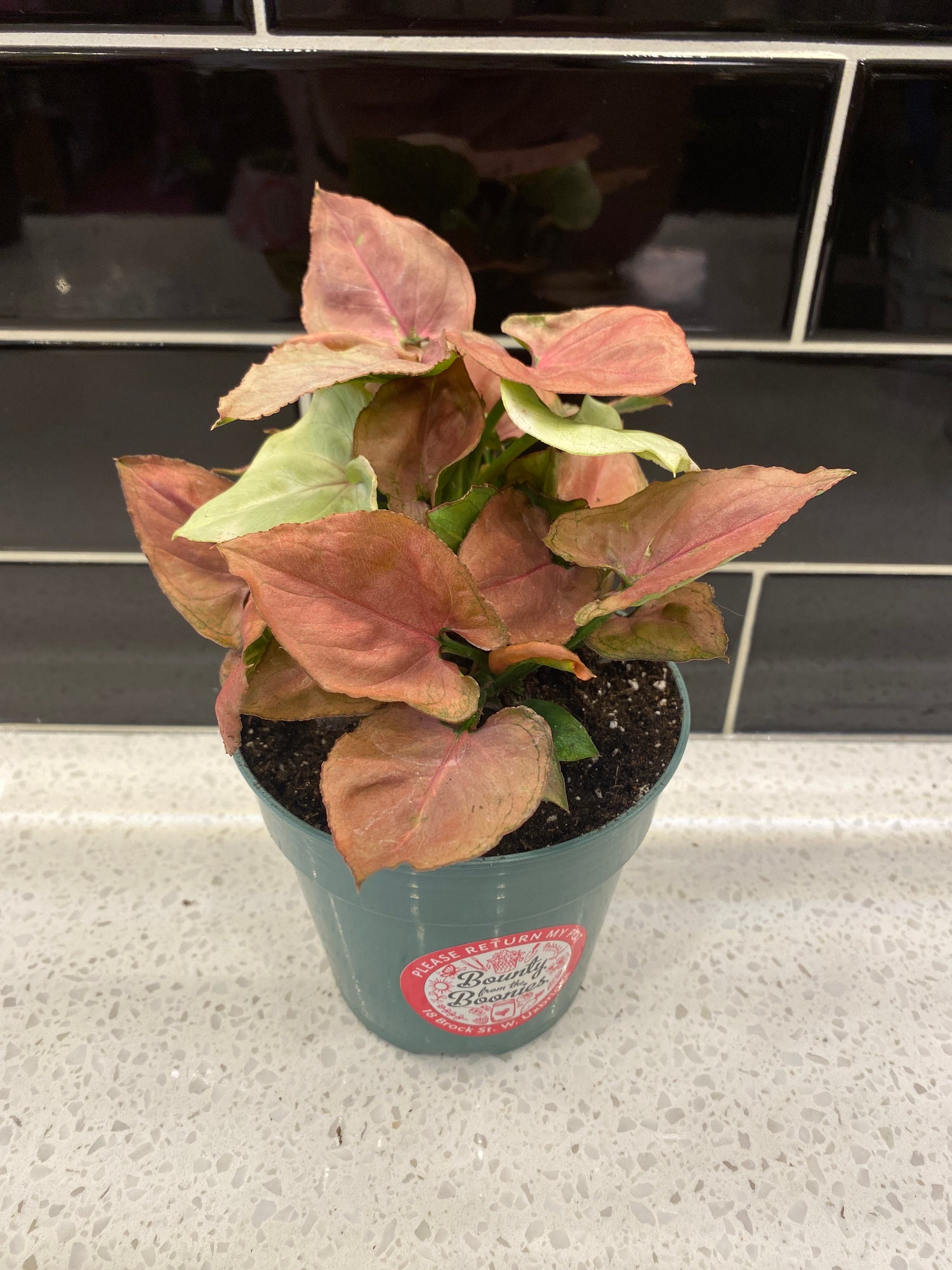
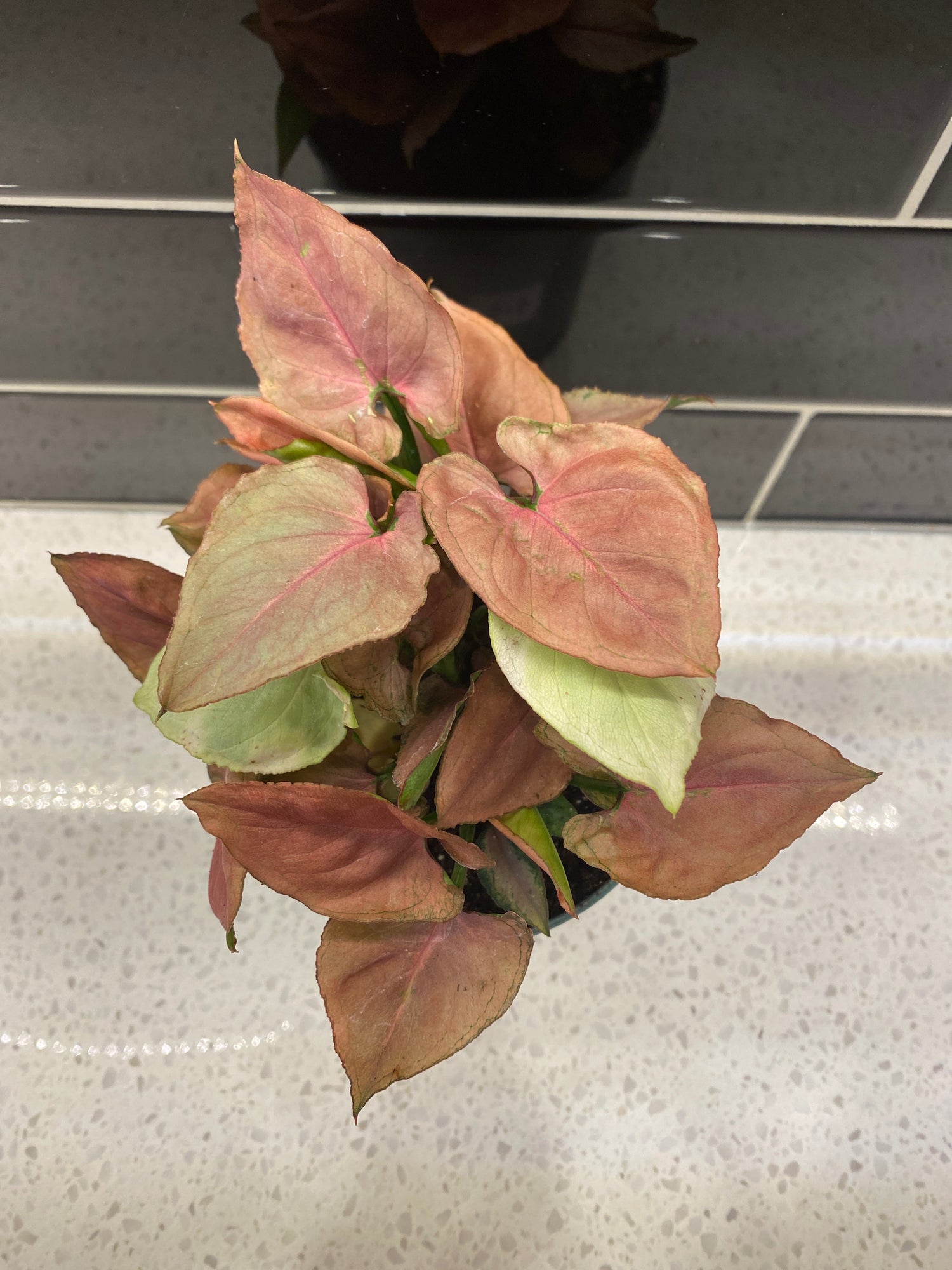
Syngonium Pink Perfection is quite rare. It has unique large multilobed foliage that is mostly light green with much pink near its veins. Pink Perfection has heart-shaped leaves, they grow fast and are easy to propagate. Those delicate pink leaves shouldn't fool you - This plant is actually low maintenance. This plant originates from the tropical rainforests of South and Central America.
Scientific Name: Syngonium Podophyllum
Common Name: Pink Perfection
Light: Bright indirect light
Watering: Let dry out between waterings, good drainage
Growth: Can grow up to 4 feet tall
Pet Safe: No
Care: Easy


Medusa Head Cactus has thick stems that resemble snakes on Medusa's head. This plant needs well draining soil to prevent root rot.
Once it reaches a certain size, this can produce pups on the ends of older arms. After a time, these pups can root on their own. The arm it grows off of rots and the pups roll away to root on their own. If they are cared for, you can end up with a greenhouse full of them!
Scientific Name: Euphorbia flanaganii and Euphorbia caput-medusae
Common Name: Medusa Head Cactus
Growth: It can grow as tall as 8 inches and can spread over several feet in diameter!
Light: Bright, Indirect light
Watering: Allow soil to completely dry out
Pet safe: No
Care: Easy
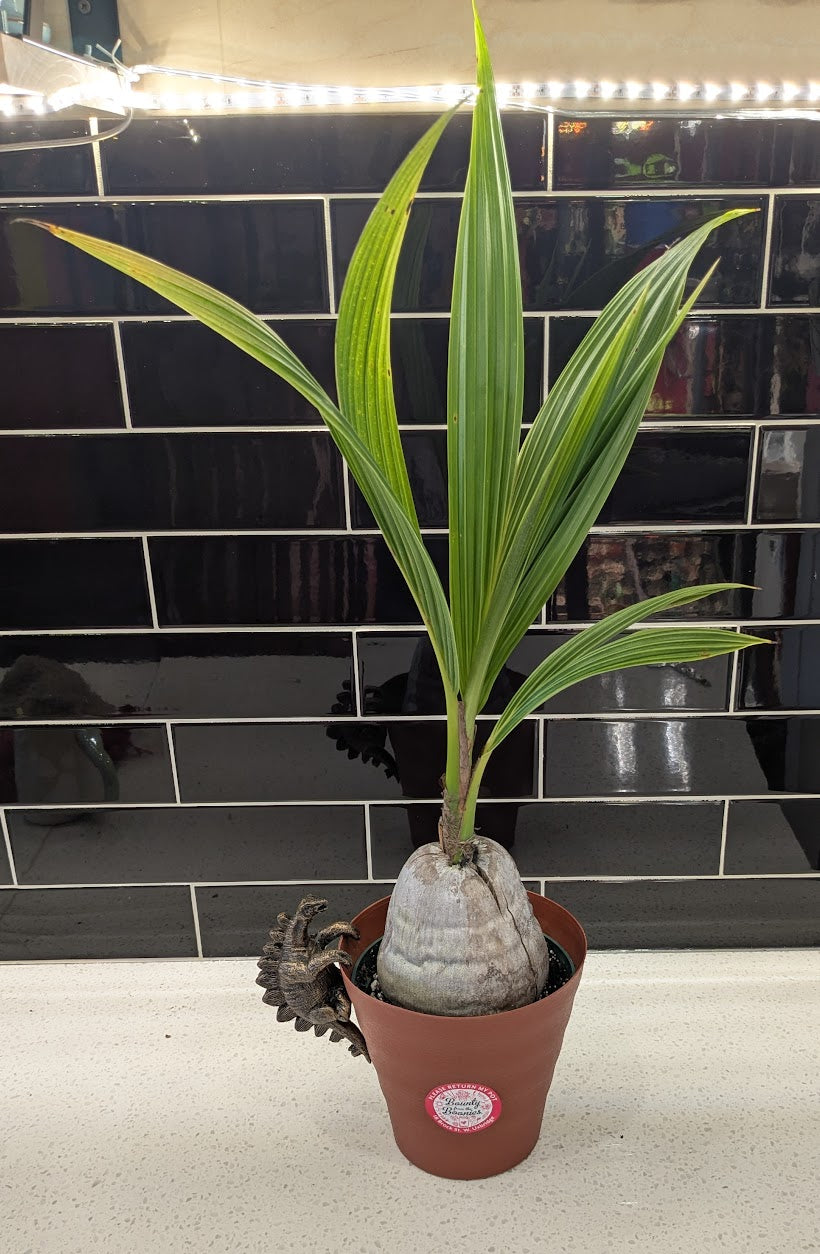
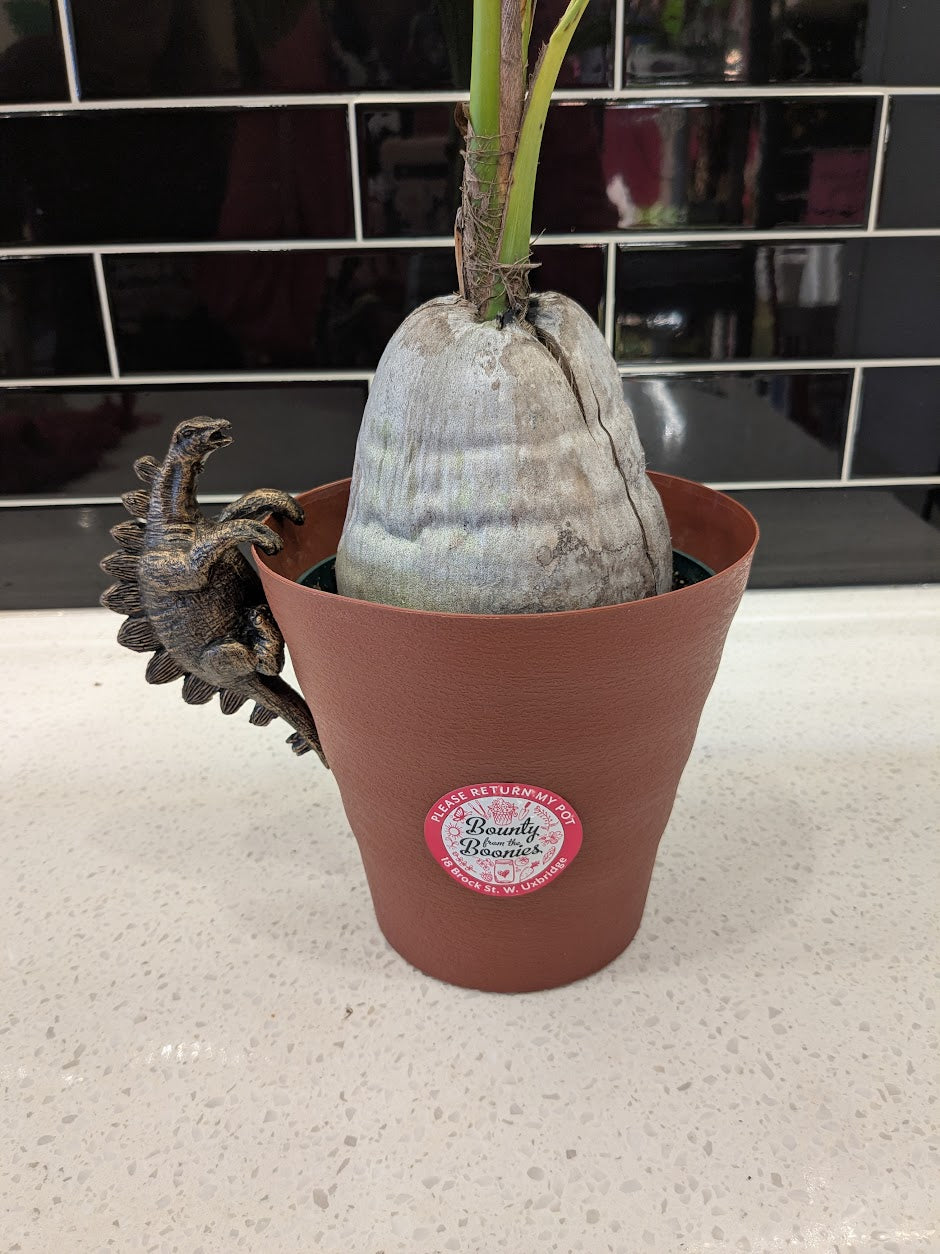
A curious palm sprouting straight from the coconut! This palm, while kept indoors, will not grow into a tall tree. Their growth depends on the size of their pot. Coconut palms that are grown indoors are also not likely not reach a size that allows it to bear fruit. As your palm grows, be sure to up the pot size to give the root system lots of room.
Scientific Name: Cocos Nucifera
Common Name: Coconut Palm
Light: Full sun for as many hours as possible. In the winter months, consider using a grow light to compensate for the shorter days.
Watering: Keep the soil consistently hydrated but not soggy. Fertilize regularly if possible.
Pet safe: Yes
Care: Easy

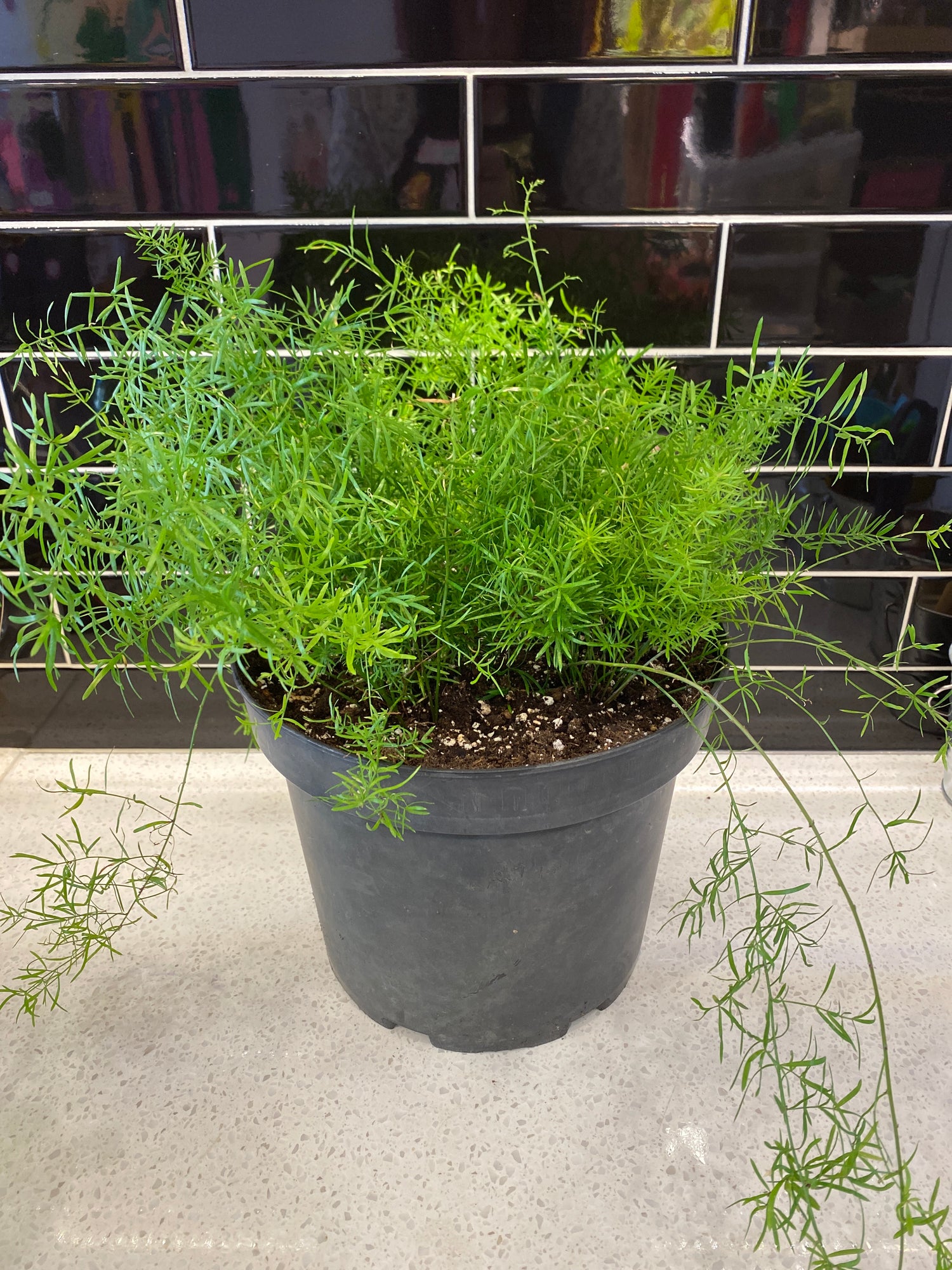
Delicate but hardy. Bring the forest inside with this adorable Asparagus fern. Originating in South Africa, this plant loves to dry out before it's watered again.
Scientific Name: Asparagus setaceus
Common Name: Asparagus Fern, Asparagus grass
Light: Bright, indirect
Growth: Can grow several inches a year in ideal conditions
Watering: They need a very deep watering followed by letting them dry out.
Pet Safe: No
Care: Easy


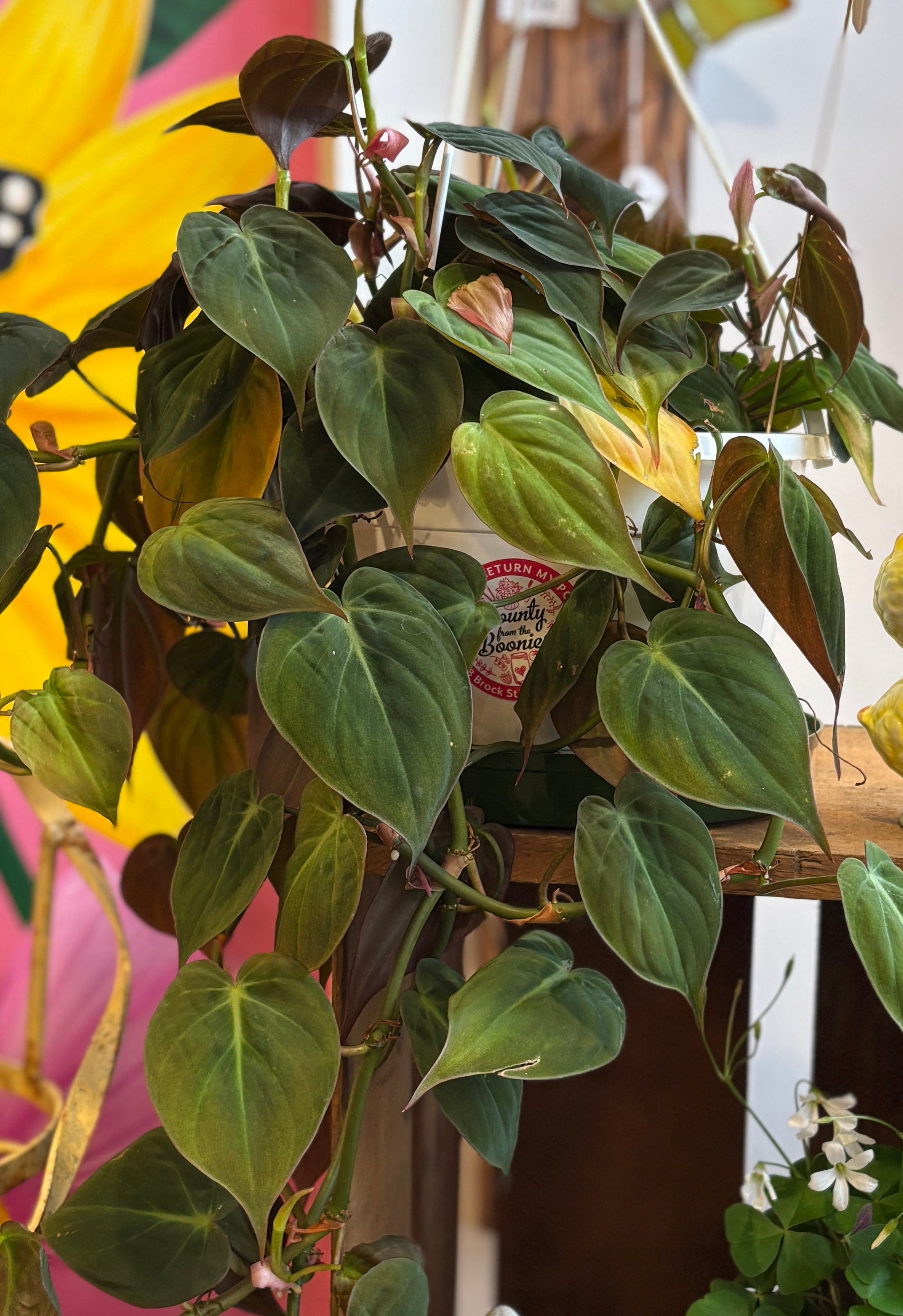
A spunky Philodendron variety, with lightly pink tinted, heart shaped, velvety leaves!
Scientific Name: Philodendron hederaceum
Light: Bright indirect light to medium light
Watering: Keep evenly hydrated, ensure good drainage
Growth: 8" by 24" long
Pet Safe: No
Care: Easy


What are Clippings?
Clippings are pieces cut from existing mature plants. They are then placed in water and allowed to build roots. Some grow quickly while others take longer to propagate (grow roots). Once there are several new roots growing and they are at least 1" long it's time to plant. They are great for experimenting, trying new varieties or even adding to aquariums and water features.
Planting
When ready to plant you'll place your clipping in a pot with dirt. You'll want to make sure that the soil stays extra moist for several days to help it acclimatize to its new environment. Congratulations! You have a new plant baby.

Scientific Name: Strobilanthes dyeriamus
Common Name: Persian Shield
Light: Bright, indirect light
Watering: Water when the top 1-2” of the soil is dry
Pet Safe: Yes
Care: Moderate


The bird's nest fern is named this way because the centre of the plant resembles a bird's nest. It is also occasionally called a crow's nest fern. The Bird's Nest Fern is Native to the tropical regions of Southeast Asia, Eastern Australia and India. The name "Hurricane" comes from the way the leaves of this plant swirl together like the eye of a Hurricane!
Scientific Name: Asplenium Nidus ‘hurricane’
Common Name: Hurricane Bird's Nest Fern
Light: Bright indirect light
Watering: Water when the top inch of soil in the pot is getting dry. The soil should always feel cool and moist, never soggy or so dry that it is like dust.
Growth: Can grow up to 12 to 24 inches
Pet Safe: yes
Care: Easy


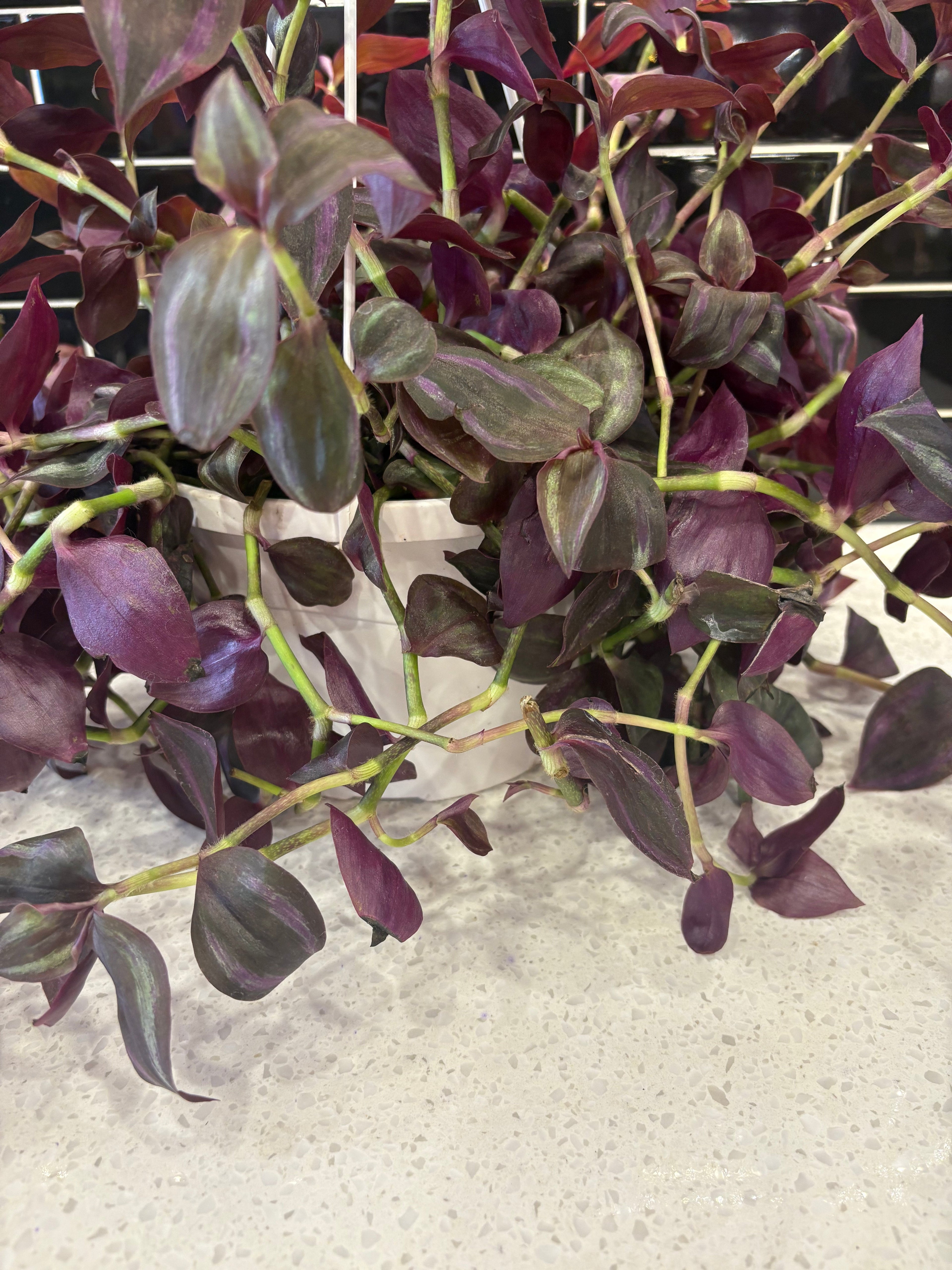
Leaves have a silvery green, camo appearance while the undersides are deep purple!
Light: Bright, indirect light. In it's native habitat it would get Dappled light from growing under larger trees.
Watering: Keep evenly hydrated, but do not let it sit in water or the plant will rot. They like high humidity so a bathroom would be ideal.
Growth: 10 to 15 inches
Pet Safe: No
Care: Easy


Delicate but hardy. Bring the forest inside with this adorable Button Fern. Originating from Australia and New Zealand, this little guy typically grows in moist, open forests, rocky crevices, and on limestone cliffs.
Scientific Name: Pellaea Rotundifolia
Common Name: Button Fern
Light: Bright indirect light
Watering: They need a very deep watering followed by letting them dry out.
Growth: Can grow up to 12 inches
Pet Safe: yes
Care: Easy


Medusa Head Cactus has thick stems that resemble snakes on Medusa's head. This plant needs well draining soil to prevent root rot. Once it reaches a certain size, this can produce pups on the ends of older arms. After a time, these pups can root on their own. The arm it grows off of rots and the pups roll away to root on their own. If they are cared for, you can end up with a greenhouse full of them!
Scientific Name: Euphorbia flanaganii and Euphorbia caput-medusae
Common Name: Medusa Head Cactus
Growth: It can grow as tall as 8 inches and can spread over several feet in diameter!
Light: Bright, Indirect light
Watering: Allow soil to completely dry out
Pet safe: No
Care: Easy

Scientific Name: Chlorophytum Comosum
Common Name: Spider Plant
Light: Bright, Indirect Light
Growth: 12-24 inches long
Watering: Water when top two inches of soil are dry
Pet Safe: Yes
Care: Easy


This beautiful plant has cascading vines and heart shaped leaves and sparkles in this disco planter.
Small, tubular, pinkish-purple flowers and they have tiny hairs that trap insects helping with pollination!
Scientific Name: Ceropegia Woodii
Common Name: String of Hearts/Rosary Vine/Chain of Hearts
Light: Bright indirect light to full sun
Watering: Let dry out between waterings
Pet Safe: Yes
Care: Easy


Sally Snail and her Baby Tears companion are eager to head home with you.
A member of the nettle family, this plant is known for its moss-like dense foliage. It drapes nicely in a hanging pot!
Baby tears originated in the Mediterranean Region. It's a creeping, mat-forming, evergreen perennial that thrives in damp, shaded area. It is known to have calming effects on some plant lovers due to the texture and softness of the foliage.
Scientific Name: Soleirolia Soleirolii
Common Name: Angel Tears/Baby Tears.
Light: Bright indirect light
Growth: it can spread 3-6 feet
Watering: Keep well watered, don’t let dry
Pet Safe: Yes
Care: Intermediate - they like high humidity

A funky succulent with a spiky look!
Haworthia attenuata, also known as zebra haworthia, is native to Southern Africa. This plant is very slow growing and has a life span of up to 50 years! In the wild, these plants grow in very harsh conditions and can be found buried in sand.
Scientific Name: Haworthia attenuata
Common Name: Zebra Haworthia
Growth: 1-6 inches in height
Light: Bright indirect light
Watering: Let dry out between watering
Pet Safe: Yes
Care: Easy


Cuddly Cactus 4”
As the name states, this is a cactus you can hug! No spines equals a friendlier cactus- so great for kids or if you have curious furry friends.
Scientific Name: Cereus jamacaru
Growth: Tall in the wild, will grow slowly and remain shorter indoors
Light: Bright to sunny
Watering: Let the soil dry out completely before watering
Pet Safe: Yes
Care: Easy


This funky cactus has a zigzag pattern to its leaves and resembles a fishbone!
Unlike so many other Cacti, this little guy originates from the rainforests of Mexico. Found along the mountains just off the Pacific Coast,
It is an epiphyte, meaning it grows on trees, not in the ground in the wild. So it loves humid environments!
Diameter: 10”
Scientific Name: Epiphyllum anguliger
Common Name: Fishbone Cactus, Ric Rac Cactus
Growth: Approx. 1 foot, hanging
Light: Bright indirect light
Watering: Needs consistent moisture but not soggy.
Pet Safe: Yes
Care: Intermediate


Delilah is looking regal with her crown of thorns. Take this Queen home to your palace.