







Houseplants

We're your home for all things plants. We have a unique, curated collection of all kinds of houseplants to add life to your home.
Sort by:
263 products
263 products


A stunning and highly sought after Pothos! As the plant matures and climbs, the leaves will start to get larger and will eventually form fenestrations similar to Monsteras. Provide a moss pole for climbing to bring out this unique leaf characteristic.
Light: Bright indirect light will help the plant keep it's white variegation
Watering: Keep evenly hydrated, ensure good drainage
Growth: Pothos can get quite tall, however it is easily pruned to keep it a manageable size. If it starts to look "leggy", make sure it's in a bright spot and trim the vine to encourage more growth.
Pet Safe: No
Care: Easy


This potted wonder brings together Salanova Butterhead Green, Crispy Green, and Red Oak Lettuce for a party on your plate.
Light: Lettuce will grow well in bright shade. Prefers to be cooler.
Harvesting: Cut one inch above the crown for a continuous supply of fresh greens
Watering: Keep evenly hydrated


A wonderfully aromatic herb. Add it to meat or pasta dishes. Or just crush the leaves to enjoy the scent!
Scientific Name: Salvia rosmarinus
Growth: 1-2 feet tall in our region
Light: Bright, direct sunlight
Watering: keep evenly hydrated but do not overwater. Needs good drainage
Pet Safe: No
Care: Relatively easy, difficult to overwinter. Treat as an annual.


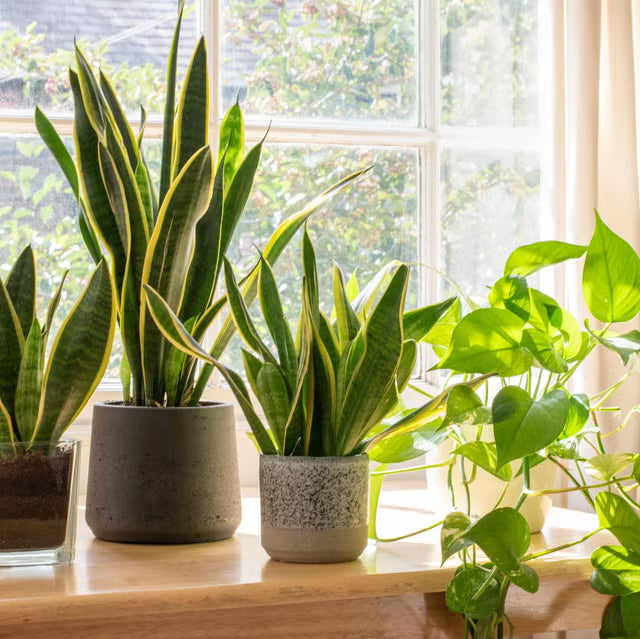
The Black Coral Snake plant has darker leaves with distinctive bands of lighter colour. The Snake Plant, also known as the "mother-in-law's tongue", is one of the hardiest plants around. It originates from West and Central Africa. You can find them in dry, rocky, desert like areas. Some people love them because they symbolize resilience and good luck. Snake Plants reduce allergens in the environment by releasing oxygen into the air, making them an air-purifying plant.
Scientific Name: Dracaena trifasciata, formerly Sansevieria trifasciata
Common Name: Snake Plant
Growth: Can grow to 35" tall
Light: Bright indirect light
Watering: Water sparingly
Pet Safe: No
Care: Easy


The lowest of care plants!
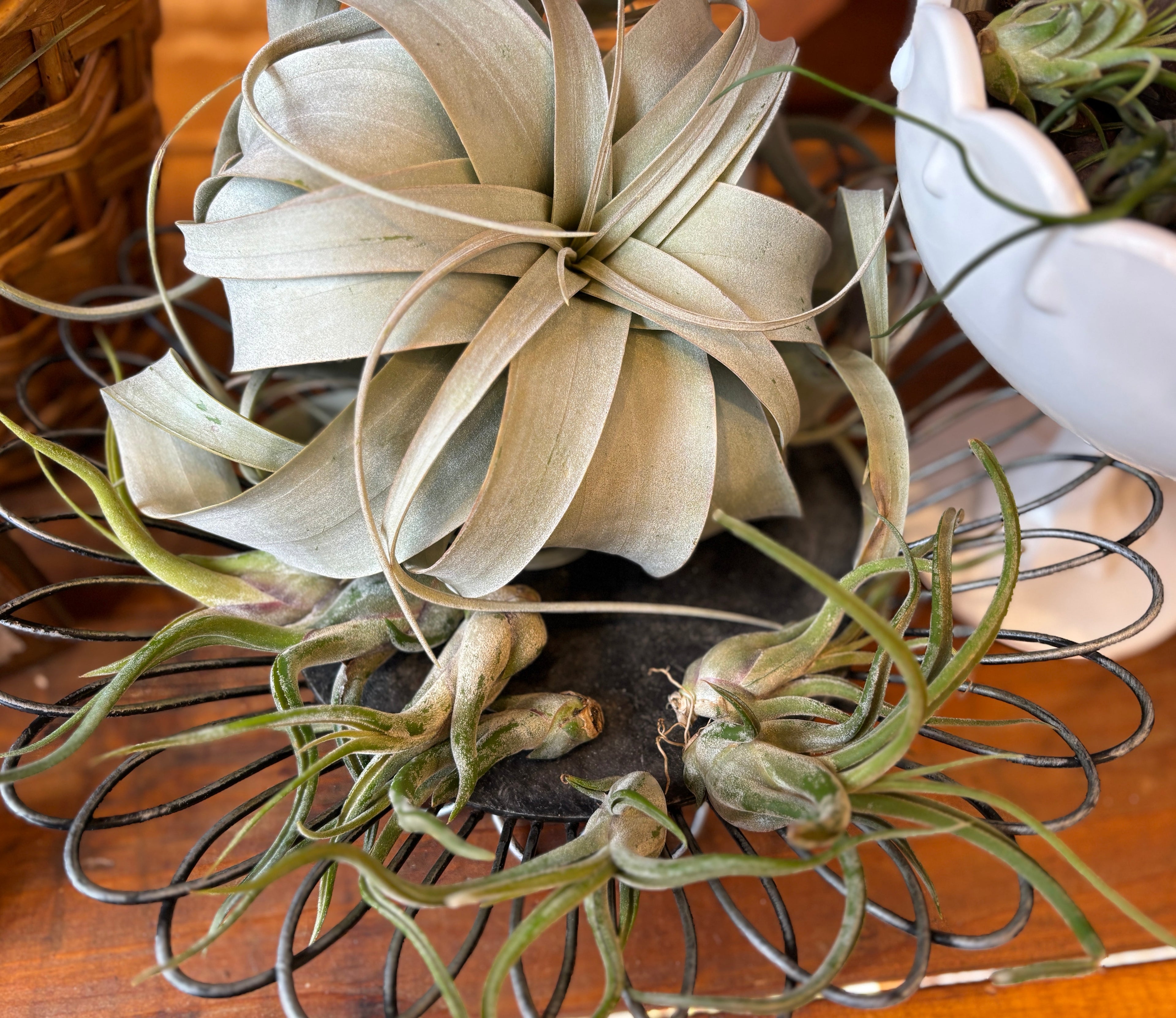
A variety of shapes and sizes add dramatic flair to any living space.
Scientific Name: Tillandsia Ionantha Guatemala
Common Name: Air Plant
Light Requirements: Bright Indirect Light, direct sun for too many hours can scorch the leaves.
Water: Once a week, submerge in water and then be sure to completely dry out.
Pet Safe: Yes
Care: Easy


Let soil dry out before watering again. This plants likes more water in the summer and very little in the winter months.
Scientific Name: Aloe Descoingsii x Haworthioides
Common Name: Aloe Pepe
Growth: Slow growing. Forms rosettes. 3-5 inches tall, 6 inches width. Rarely needs repotting.
Light: Bright, Indirect light
Watering: Let soil dry out before watering again. This plant likes more water in the summer and very little in the winter months.
Pet safe: No
Care: Easy


What are Clippings?
Clippings are pieces cut from existing mature plants. They are then placed in water and allowed to build roots. Some grow quickly while others take longer to propagate (grow roots). Once there are several new roots growing and they are at least 1" long it's time to plant. They are great for experimenting, trying new varieties or even adding to aquariums and water features.
Planting
When ready to plant you'll place your clipping in a pot with dirt. You'll want to make sure that the soil stays extra moist for several days to help it acclimatize to its new environment. Congratulations! You have a new plant baby.
Pothos Silver Satin
This plant originates from the tropical rainforests of Southeast Asia. With it's beautiful green, heart-shaped leaves with silver shimmery pattern, this pothos stands out. Their painted looking leaves is why this plant was named "pictus," which is Latin for "painted"!
In its natural habitat, this pothos grows as an epiphyte, climbing tree trunks using aerial roots, or trailing along the forest floor.
Silver Satin Pothos is known for its ability to help purify indoor air by removing common pollutants like formaldehyde and benzene.
Scientific Name: Scindapsus Pictus
Common Name: Silver/Satin Pathos
Light: Medium to bright, Indirect light
Growth: Can grow 4-10 feet long
Water: Let dry out between waterings. Water thoroughly when the top inch or two of soil is dry, allowing excess water to drain away to prevent root rot.
Pet Safe: Mildly toxic. It's best to keep your pets away!
Care: Easy


Lemon Cypress Tree is a vibrant evergreen conifer known for its bright, golden green foliage and strong lemon scent when its leaves are brushed. It can be grown as an ornamental tree or a popular potted houseplant and can be used as a miniature Christmas Tree. Native to California!
Scientific Name: Hesperocyparis macrocarpa
Common Name: Lemon Cypress Tree
Light: Bright, direct sunlight for 6-8 hours a day
Growth: 2-3 feet tall in our region
Watering: When top two inches are dry
Pet Safe: No
Care: Moderate due to lighting requirements


The Calathea White Fusion is a rare houseplant known for its striking, variegated leaves with green and white markings and purple underside. It can be sensitive to chemicals in the tap water and direct sun can burn the leaves. This plant is native to Central and South America.
Scientific Name: Calathea lietzei
Common Name: Calathea White Fusion
Light: Bright, indirect light
Growth: 2-3 feet high
Watering: Keep soil consistently moist with well draining soil
Pet Safe: Yes
Care: Moderate to difficult


The String of Fishhooks is a popular trailing succulent plant that has cascading vines and fishhook-shaped leaves. It is very low-maintenance, hearty plant. It is native to South Africa.
Scientific Name: Senecio
Common Name: String of Fishhooks
Light: Bright indirect light
Watering: When top soil is dry, ensure good drainage
Growth: 3-4 feet in length
Pet Safe: No
Care: Easy
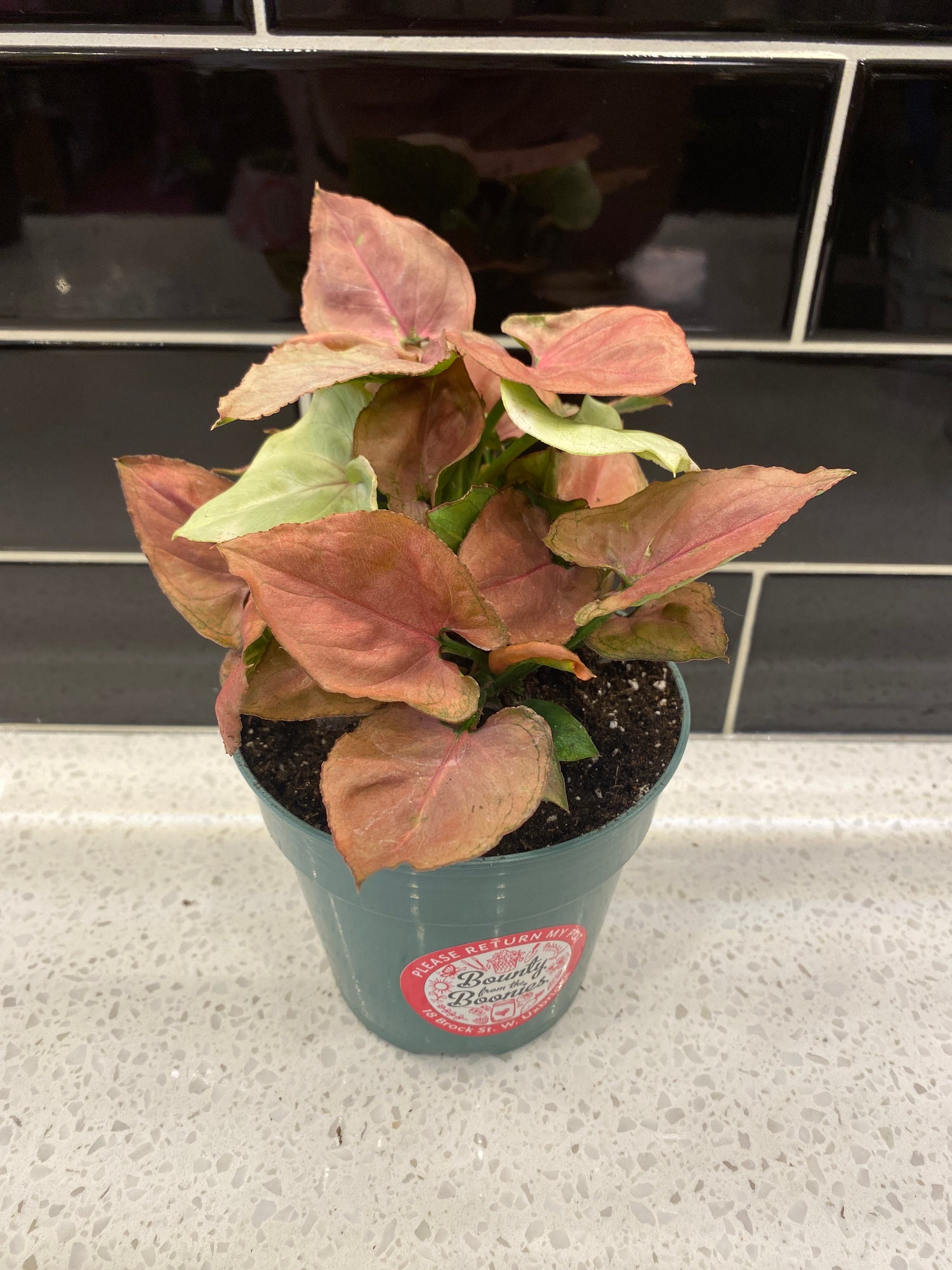
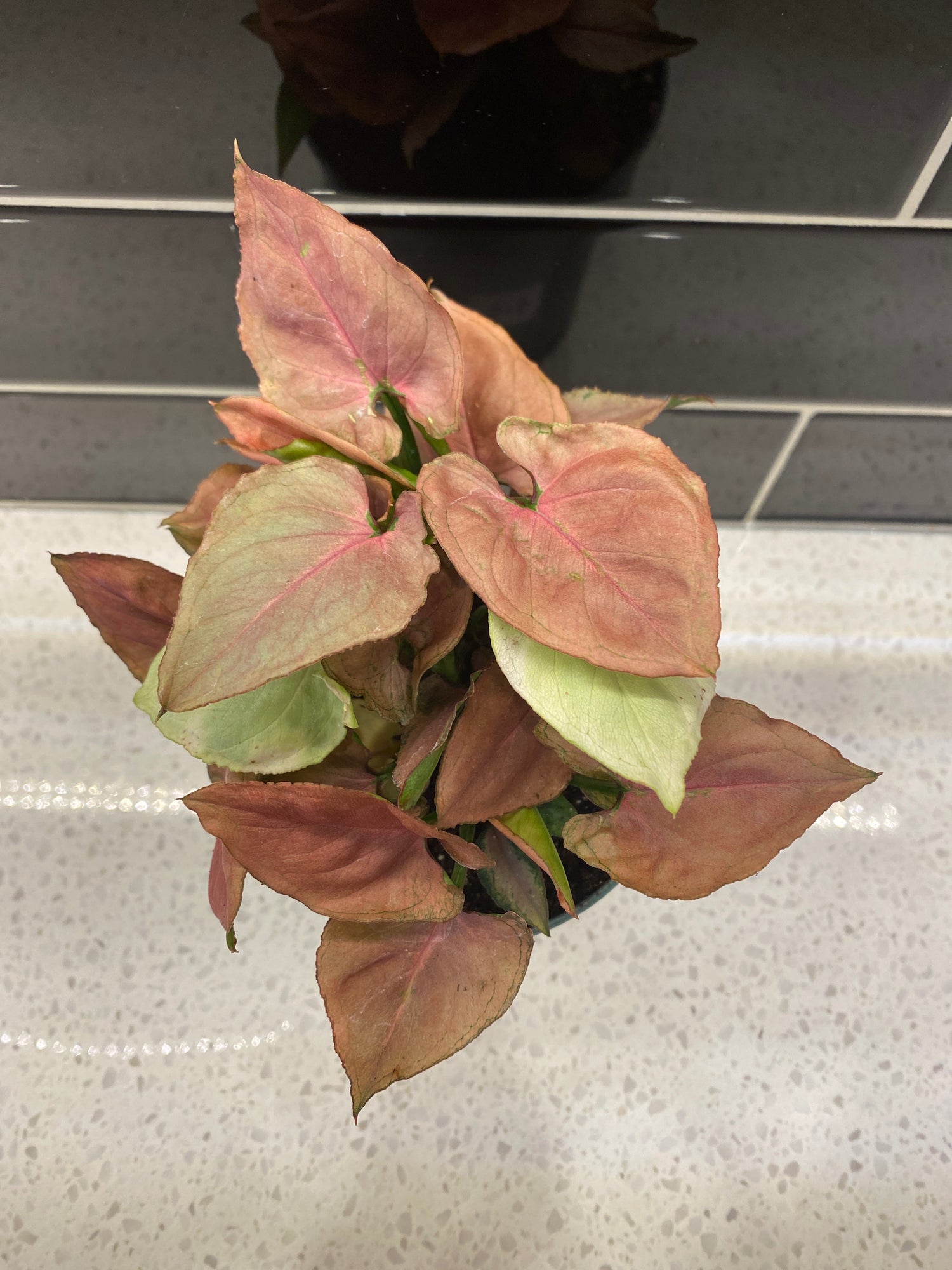
Syngonium Pink Perfection is quite rare. It has unique large multilobed foliage that is mostly light green with much pink near its veins. Pink Perfection has heart-shaped leaves, they grow fast and are easy to propagate. Those delicate pink leaves shouldn't fool you - This plant is actually low maintenance. This plant originates from the tropical rainforests of South and Central America.
Scientific Name: Syngonium Podophyllum
Common Name: Pink Perfection
Light: Bright indirect light
Watering: Let dry out between waterings, good drainage
Growth: Can grow up to 4 feet tall
Pet Safe: No
Care: Easy
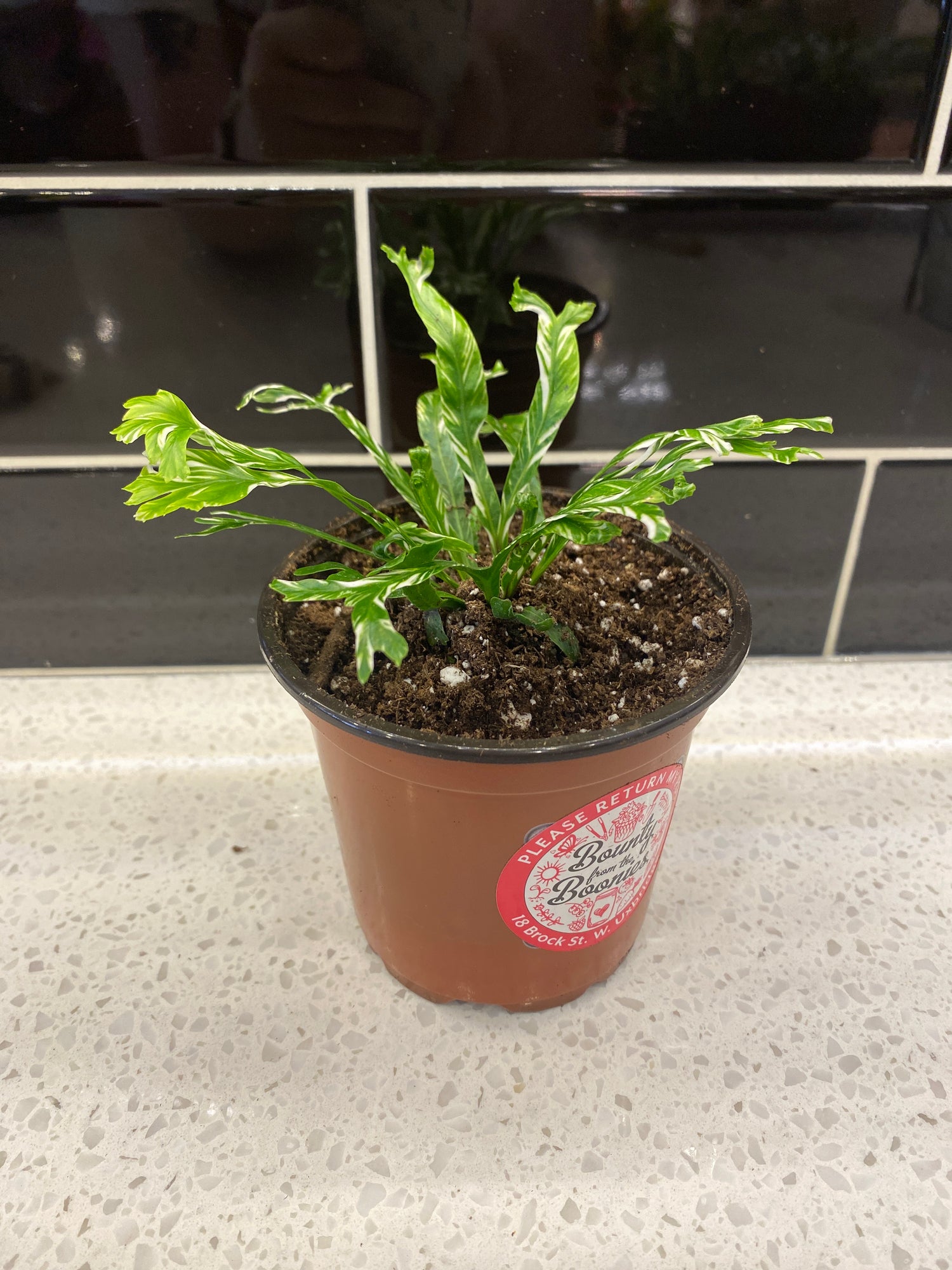
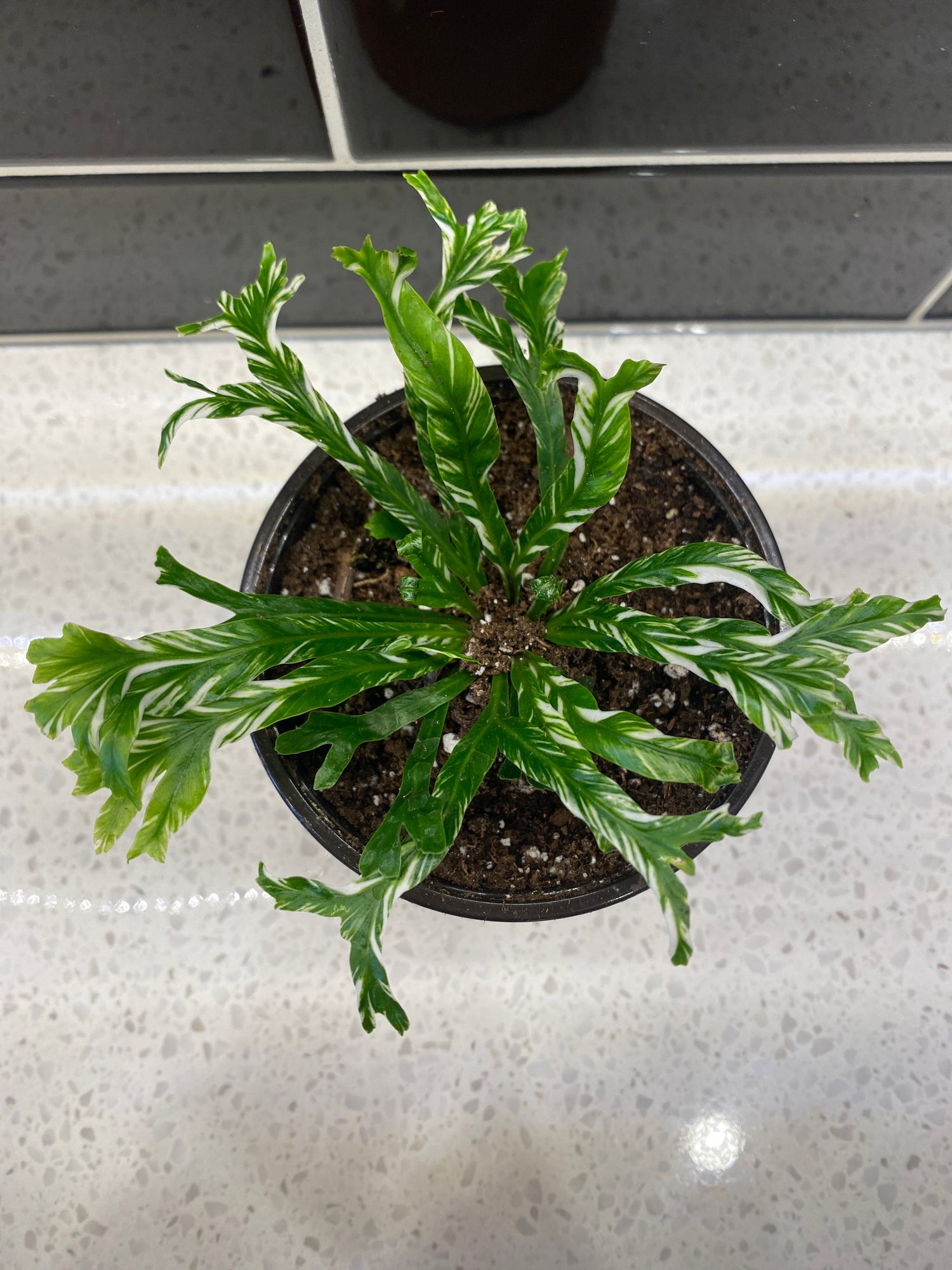
The bird's nest fern is named this way because the centre of the plant resembles a bird's nest. It is also occasionally called a crow's nest fern. The Bird's Nest Fern is Native to the tropical regions of Southeast Asia, Eastern Australia and India.
Scientific Name: Asplenium Nidus
Common Name: Bird's Nest Fern
Light: Bright indirect light
Watering: They need a very deep watering followed by letting them dry out.
Growth: Can grow up to 12 inches
Pet Safe: yes
Care: Easy

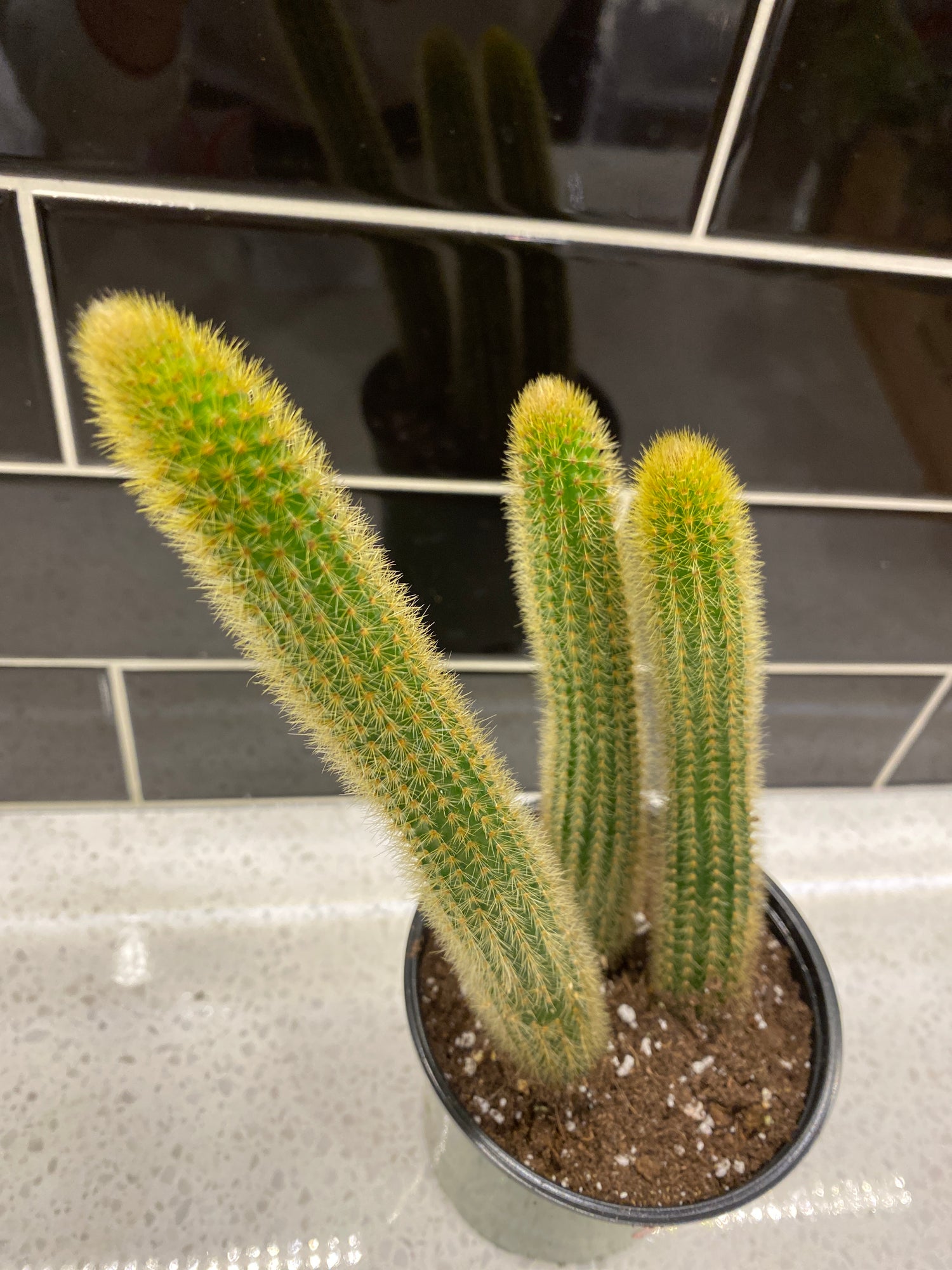
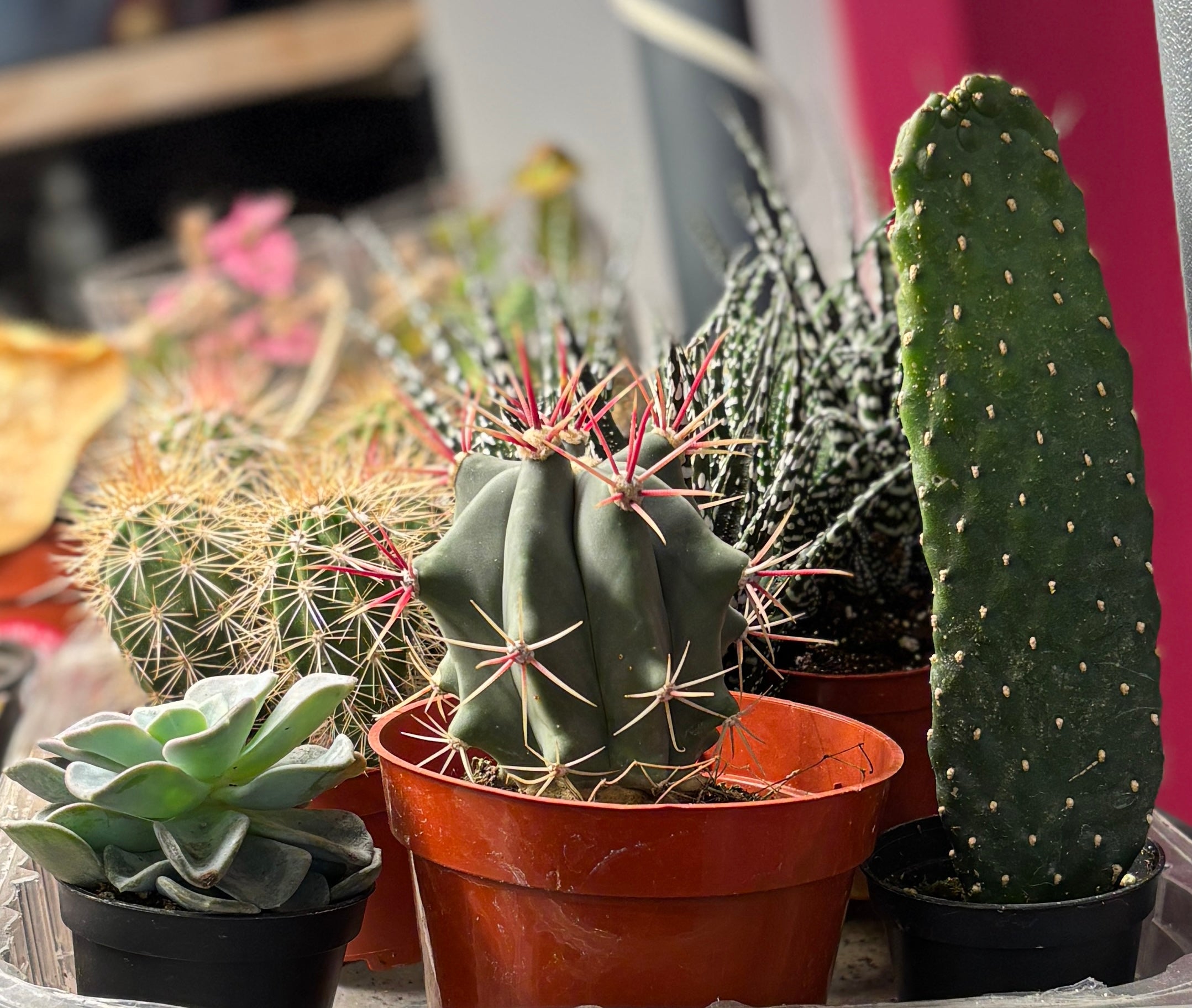
Cacti store water in their stems, which is why they are thrive in the desert. The spines on cacti are actually modified leaves. They help to protect the plant from animals and reduce water loss by shading the stem. The Rattail Cactus originates from South Western Mexico.
Scientific Name: Disocactus flagelliformis
Common Name: Rattail Cactus
Growth: Can grow 3-6 feet long
Light: Bright, Indirect sun
Watering: Let the soil dry out completely before watering
Pet Safe: Yes
Care: Easy
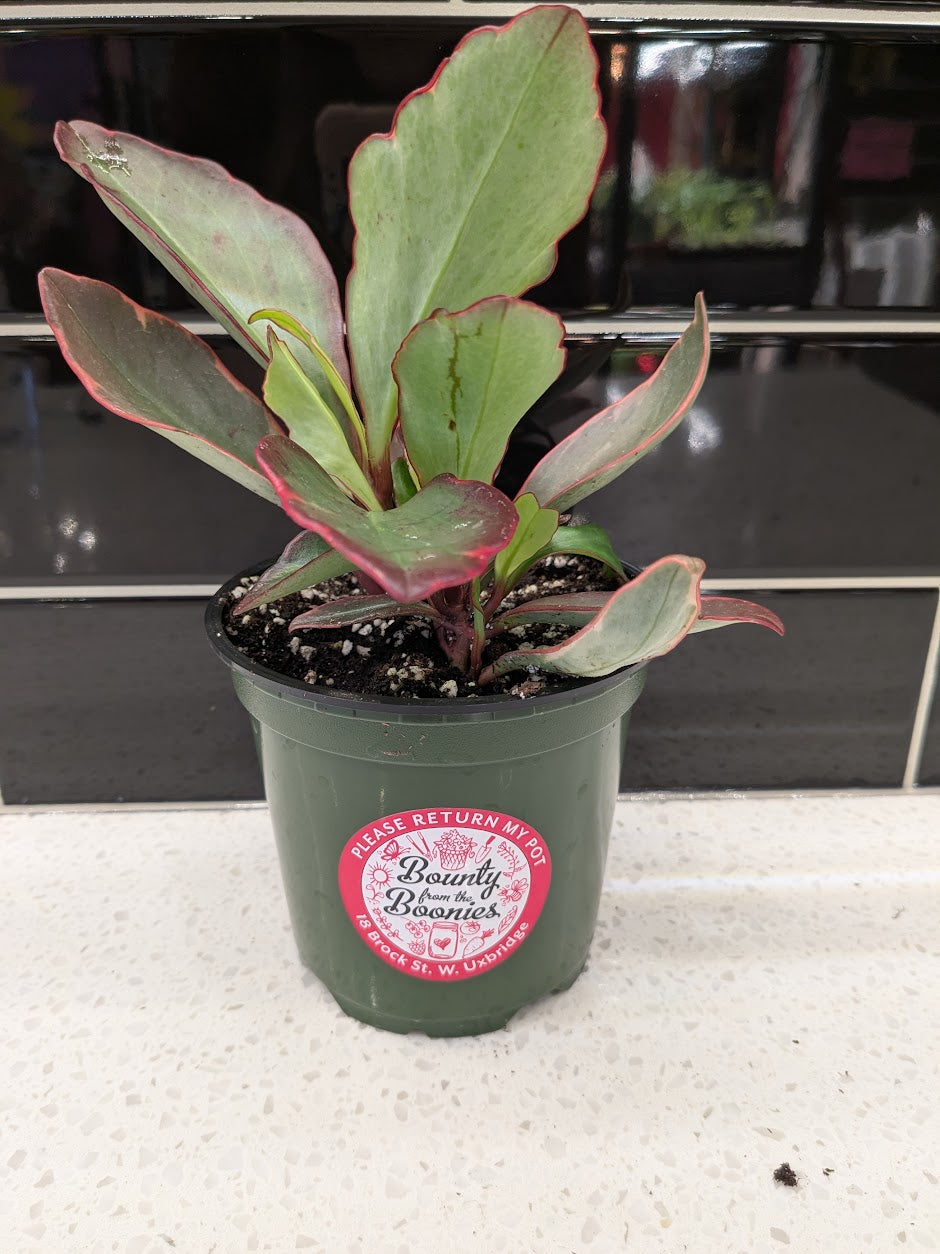
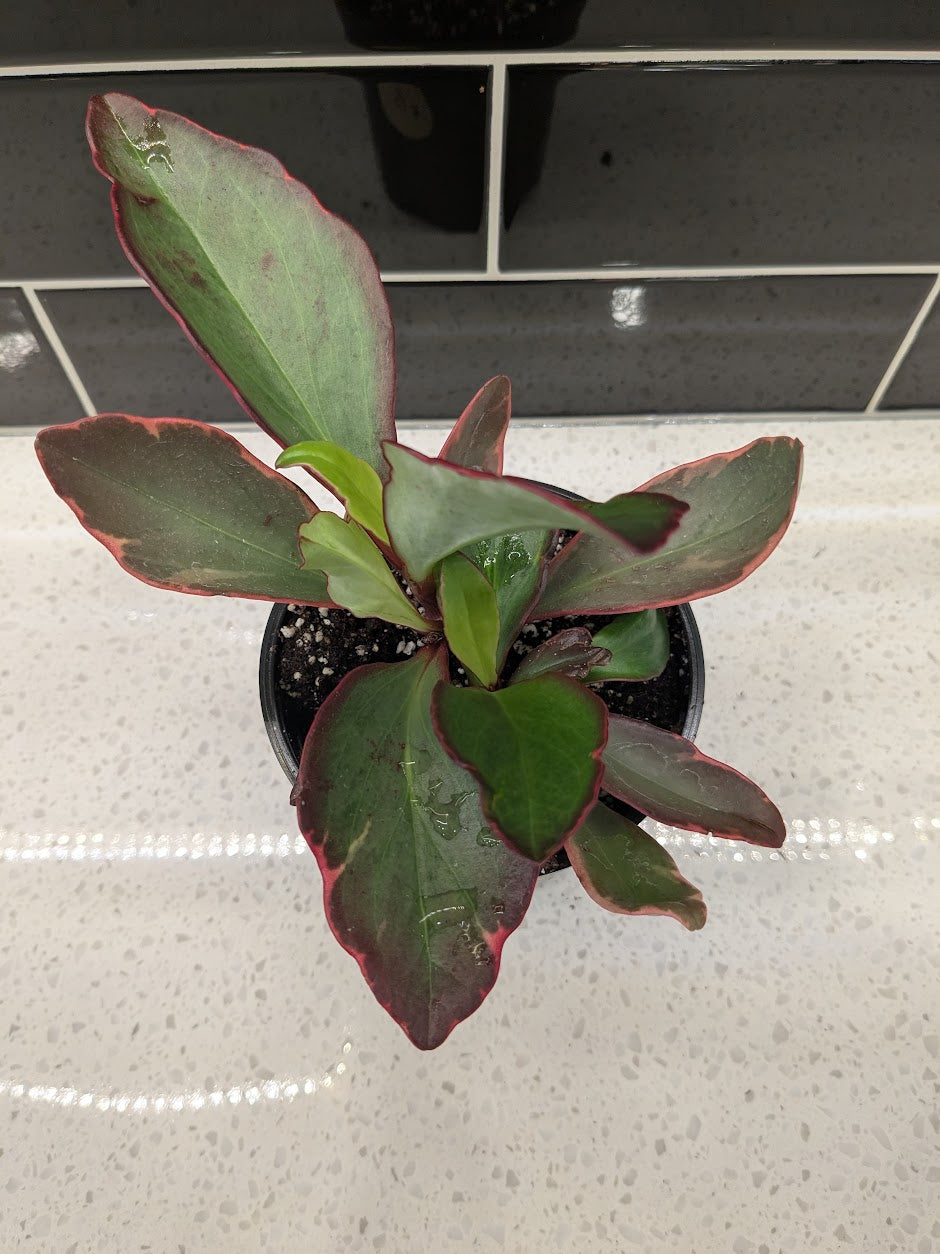
A Peperomia variety that has long green leaves rimmed with hot pink edges. Native to Jamaica where it thrives in humid environments, this plant is a stunning piece for your home. It's worry-free as it is safe for your pets and it looks great in your window or even in a terrarium!
Scientific Name: Peperomia Clusiifolia
Common Name: Ginny Peperomia
Light: Bright indirect light
Watering: When top soil is dry, ensure good drainage
Growth: 6-12 inches tall but can grow quite bushy
Pet Safe: Yes
Care: Intermediate


Medusa Head Cactus has thick stems that resemble snakes on Medusa's head. This plant needs well draining soil to prevent root rot.
Once it reaches a certain size, this can produce pups on the ends of older arms. After a time, these pups can root on their own. The arm it grows off of rots and the pups roll away to root on their own. If they are cared for, you can end up with a greenhouse full of them!
Scientific Name: Euphorbia flanaganii and Euphorbia caput-medusae
Common Name: Medusa Head Cactus
Growth: It can grow as tall as 8 inches and can spread over several feet in diameter!
Light: Bright, Indirect light
Watering: Allow soil to completely dry out
Pet safe: No
Care: Easy


Admired for its glossy, heart-shaped, lobed and perforated leaves, this Monstera stands out as one of the unique varieties. Originating from Southern Mexico south to Panama. It is a climbing vine so it grows well with a moss pole to grow on.
Scientific Name: Monstera deliciosa
Common Name: Swiss Cheese Monstera
Light: Bright, Indirect light
Growth: Can grow several feet a year
Water: When the top two inches are dry
Pet Safe: No
Care: Easy
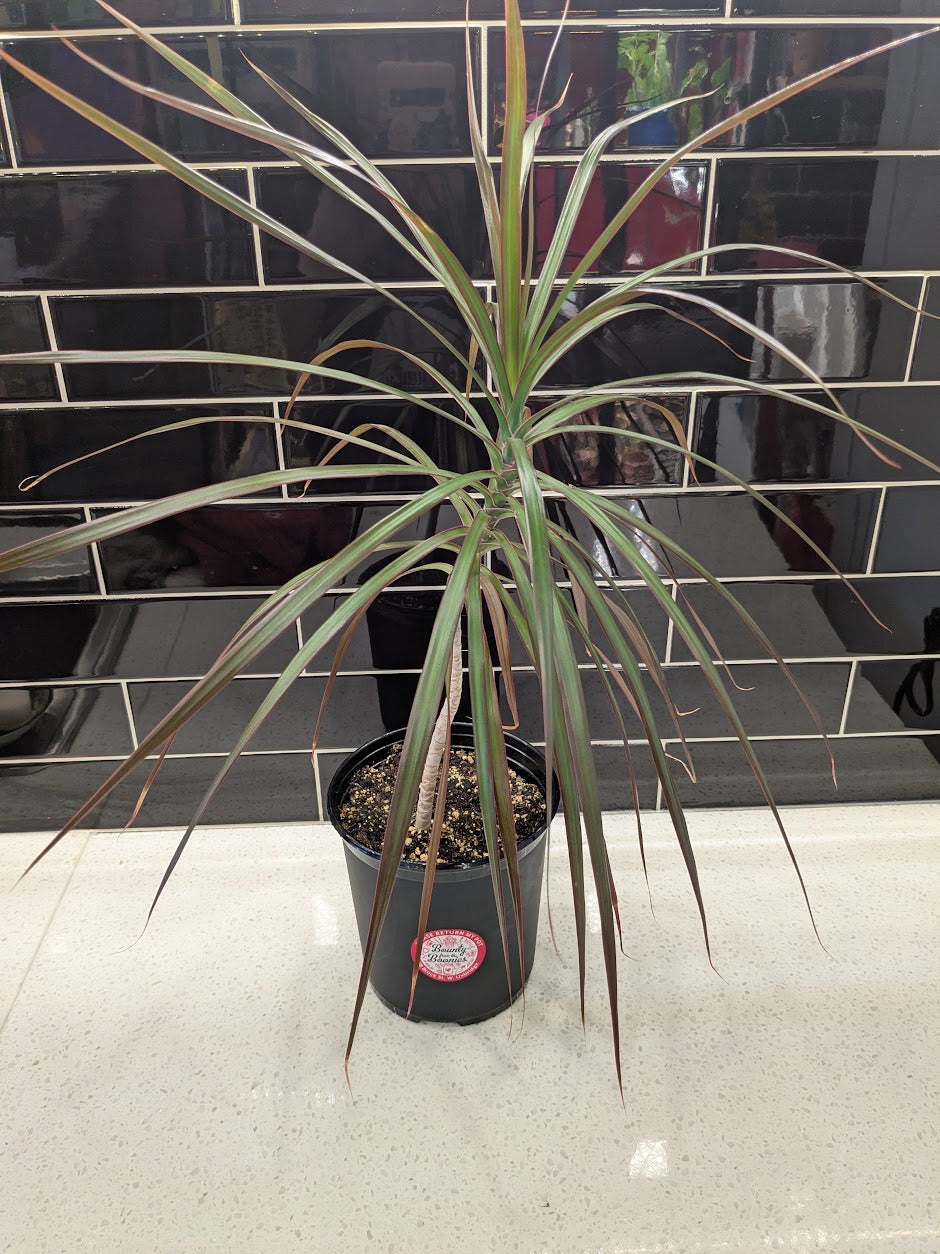
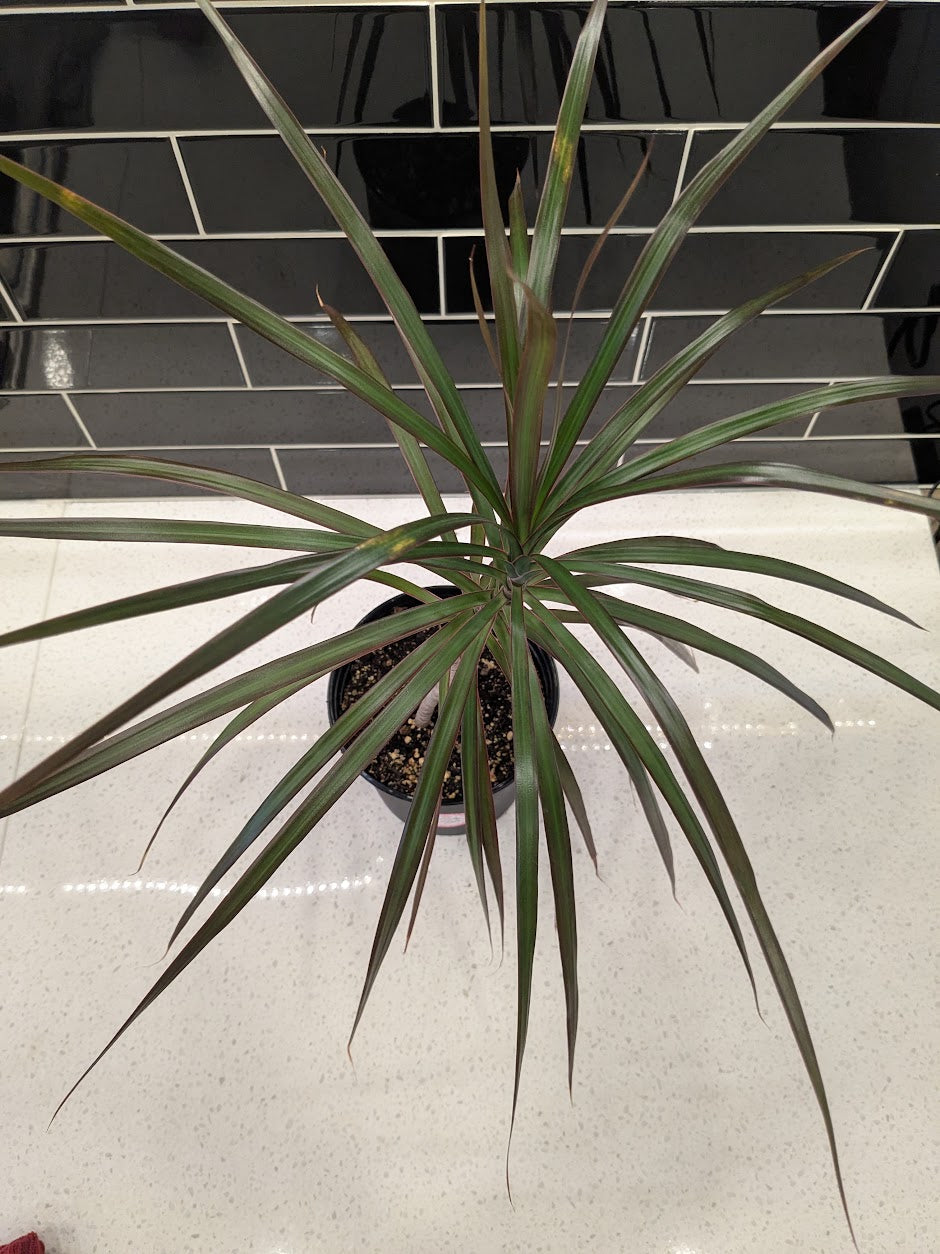
Looking like a palm tree gives this plant a tropical look! This variety has lovely pink edges to its leaves. This plant originates from tropical Madagascar and It can live for decades under the right conditions.
Scientific Name: Dracaena Marginata "Colorama"
Common Name: Dracaena Colorama/Dragon Tree
Light: Bright indirect light
Growth: 4-6 feet tall indoors
Watering: Keep evenly hydrated
Pet Safe: No
Care: Easy


A rare and unusual plant with exotic flowers that have long “whiskers” and flower petals that resemble bat’s wings!
Scientific Name: Tacca chantrieri
Light: Bright but not direct sun
Growth: up to 2 feet in ideal growing conditions
Watering: when top of soil is dry. Keep moist but not soggy. Also provide humidity
Pet Safe: no
Care: moderate to difficult


The Goldfish plant is a quirky, fun and interesting little plant. Yes, it looks like goldfish with its orange flowers in the shape of a fish! This variety offers even more excitement with it's bright gold coloured leaves that have a splash of green in the centre! The vines are great for hanging baskets. Pruning after flowering and the occasional cleaning of the leaves will help this plant flourish!
Scientific Name: Nematanthus "Aurora gold"
Common Name: Goldfish Plant
Light: Bright Indirect light
Growth: Potentially 3 feet long
Watering: Consistent Moisture but not soggy
Pet Safe: Yes
Care: Intermediate

What are Clippings?
Clippings are pieces cut from existing mature plants. They are then placed in water and allowed to build roots. Some grow quickly while others take longer to propagate (grow roots). Once there are several new roots growing and they are at least 1" long it's time to plant. They are great for experimenting, trying new varieties or even adding to aquariums and water features.
Planting
When ready to plant you'll place your clipping in a pot with dirt. You'll want to make sure that the soil stays extra moist for several days to help it acclimatize to its new environment. Congratulations! You have a new plant baby.