








Sort by:
715 products
715 products

$4 each or 3 for $10 (save $2!)
A bright and happy flower, these nasturtiums look like sunshine in the garden! The foliage is spicy and can be used in salads, as can the flowers, for a very pretty presentation!
Type: Annual flower
Height: 12-18"
Light: Full sun to part sun
Soil: not too rich or you will only get leaves
Water: fairly drought tolerant once established
Bloom time: all summer
Planting: Plant them into the garden after frost danger has passed. Harden off before placing into the garden.
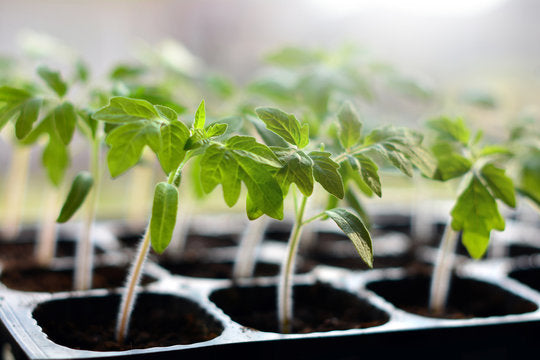
* Hardening off refers to the process of gently and gradually acclimatizing indoor grown seedlings to the great outdoors! Don't throw your new babies straight into the elements! Over the course of a week, take them outside for a few hours at a time, bringing them back indoors afterwards. First sit them in the shade and then slowly introduce them to the sun. Increase the length of time they are outside and are exposed to the sun, until you feel they are ready to face the big outside world!

$4 each or 3 for $10 (save $2!)
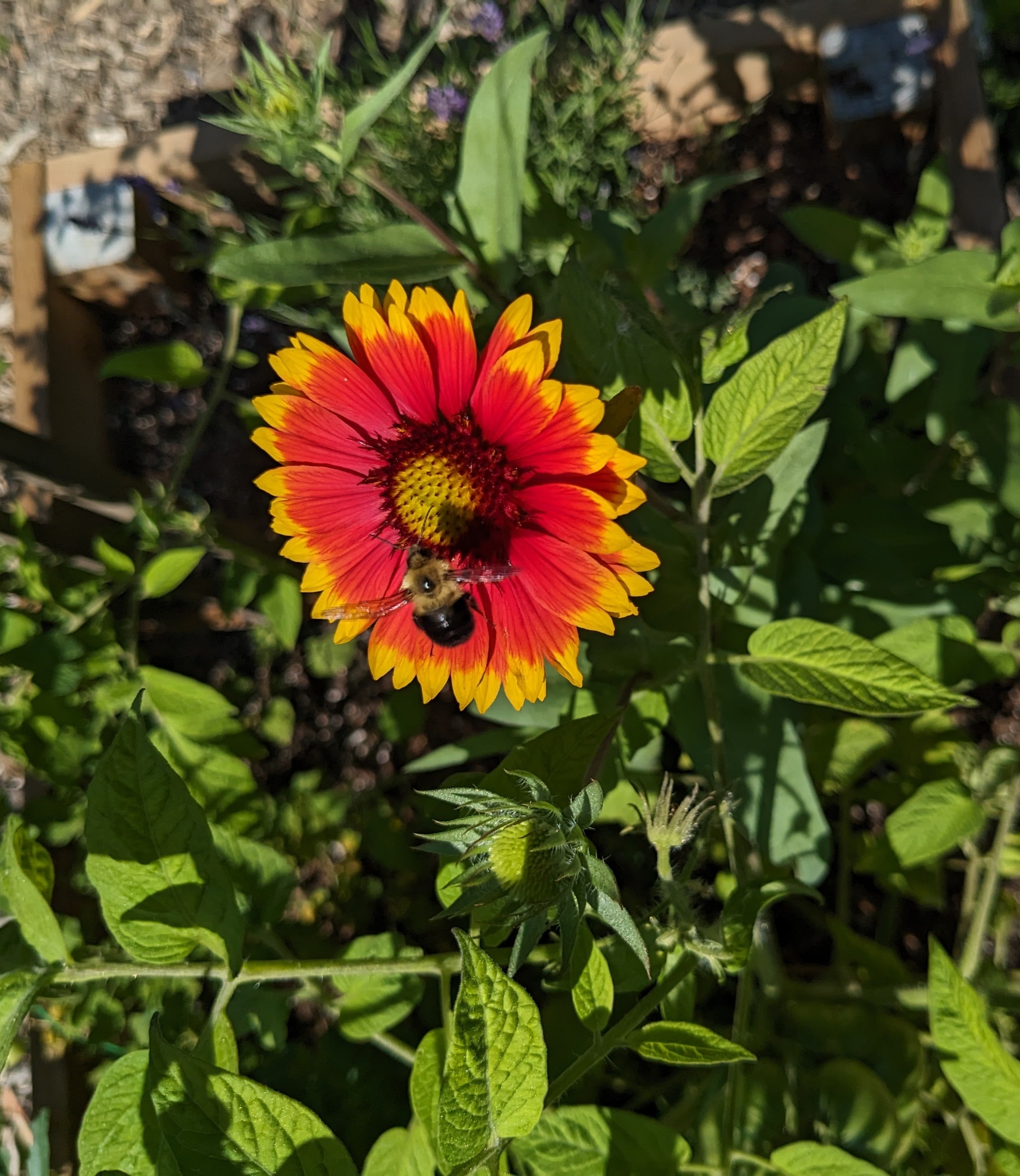
Calendula are a happy daisy, which once planted in the garden will self sow around in joyful abundance (but not in a weedy way)! The flowers can be dried and placed in oil for a lovely balm to soothe dry or irritated skin.
Oopsy Daisy blooms have an unusual bi-coloured flower.
Type: annual
Height: 12-18"
Soil: average soil, quite drought tolerant.
Light: Full sun
Planting: Transplant outdoors after the last frost. Be sure to harden off*.
Care: low maintenance. Deadhead regularly
Bloom time: early summer - hard frost
*Hardening off refers to the process of gently and gradually acclimatizing indoor grown seedlings to the great outdoors! Don't throw your new babies straight into the elements! Over the course of a week, take them outside for a few hours at a time, bringing them back indoors afterwards. First sit them in the shade and then slowly introduce them to the sun. Increase the length of time they are outside and are exposed to the sun, until you feel they are ready to face the big outside world!

$4 each or 3 for $10 (save $2!)
Green onions are a great start to the vegetable garden as they can be harvested early. Wonderful in garden salads or in egg salad!
Type: perennial bulb
Light: Full sun
Soil: Loose, well drained with added organic matter
Water: Regular watering while establishing
Harvest: 60 days after planting.
Planting: Space 3" - 4" apart and bury the bulb deeply enough to keep the plant upright.

Compact and bushy, this basil is easy care and tasty, what is not to love?!
$4 each or 3 for $10 (save $2!)
Type: Annual Herb
Height: 12-14"
Light: Full sun to light shade
Soil: Rich, moist, well drained. Amend with compost
Watering: Keep well watered. Basil is not a drought tolerant plant.
Planting: Space them 8-12 inches apart to give them room to grow nice and bushy. Harden off* before planting outdoors.
* Hardening off refers to the process of gently and gradually acclimatizing indoor grown seedlings to the great outdoors! Don't throw your new babies straight into the elements! Over the course of a week, take them outside for a few hours at a time, bringing them back indoors afterwards. First sit them in the shade and then slowly introduce them to the sun. Increase the length of time they are outside and are exposed to the sun, until you feel they are ready to face the big outside world!
Harvest/ Care: Pinch out flowers and harvest outside and top leaves regularly to keep the plant bushy. Keep harvesting to maintain compact shape.

As the name suggests, this Basil add a distinctive, warm, cinnamon flavour to your dishes. Great companion plant for Tomatoes, peppers and even carrots.
$4 each or 3 for $10 (save $2!)
Type: Annual Herb
Height: 12-24"
Light: Full sun to light shade
Soil: Rich, moist, well drained. Amend with compost
Watering: Keep well watered. Basil is not a drought tolerant plant.
Planting: Space them 8-12 inches apart to give them room to grow nice and bushy. Harden off* before planting outdoors.
* Hardening off refers to the process of gently and gradually acclimatizing indoor grown seedlings to the great outdoors! Don't throw your new babies straight into the elements! Over the course of a week, take them outside for a few hours at a time, bringing them back indoors afterwards. First sit them in the shade and then slowly introduce them to the sun. Increase the length of time they are outside and are exposed to the sun, until you feel they are ready to face the big outside world!
Harvest/ Care: Pinch out flowers and harvest outside and top leaves regularly to keep the plant bushy.

This lovely red version of sweet basil adds a pop of colour and interest to your herb garden and your culinary experiences.
$4 each or 3 for $10 (save $2!)
Type: Annual Herb
Height: 12-24"
Light: Full sun to light shade
Soil: Rich, moist, well drained. Amend with compost
Watering: Keep well watered. Basil is not a drought tolerant plant.
Planting: Space them 8-12 inches apart to give them room to grow nice and bushy. Harden off* before planting outdoors.
* Hardening off refers to the process of gently and gradually acclimatizing indoor grown seedlings to the great outdoors! Don't throw your new babies straight into the elements! Over the course of a week, take them outside for a few hours at a time, bringing them back indoors afterwards. First sit them in the shade and then slowly introduce them to the sun. Increase the length of time they are outside and are exposed to the sun, until you feel they are ready to face the big outside world!
Harvest/ Care: Pinch out flowers and harvest outside and top leaves regularly to keep the plant bushy.

Lovely white daisy flowers cover lacey foliage. Flowers can be dried and used for tea.
Type: Herb, perennial or will self seed to return year after year.
Height: 10"
Light: Full sun
Soil: Fertile soil, well drained.
Harvest: Pick flowers in early morning and let dry completely before storing.

This Basil will add a pop of pretty in purple to your veg bed! Use the leaves as a food garnish. Not great for pesto as the colour is nicest when fresh. Also good companion plant with tomatoes to keep pests at bay.
$4 each or 3 for $10 (save $2!)
Type: Annual Herb
Height: 12- 24"
Light: Full sun
Soil: Rich, moist, well drained. Amend with compost
Watering: Keep well watered. Basil is not a drought tolerant plant.
Planting: Space them 8-12 inches apart to give them room to grow nice and bushy. Harden off* before planting outdoors.
* Hardening off refers to the process of gently and gradually acclimatizing indoor grown seedlings to the great outdoors! Don't throw your new babies straight into the elements! Over the course of a week, take them outside for a few hours at a time, bringing them back indoors afterwards. First sit them in the shade and then slowly introduce them to the sun. Increase the length of time they are outside and are exposed to the sun, until you feel they are ready to face the big outside world!
Harvest/ Care: Pinch out flowers and harvest outside and top leaves regularly to keep the plant bushy.

$6 each or 3 for $15
Produces prolific pretty orange, heart shaped fruit. Sweet and meaty, great on sandwiches, salads and for sauce.
Type: Indeterminate, vining plants that will need staking. Plants will keep growing and producing until frost. You can read about the difference between Determinate and Indeterminate tomatoes here: Determinate vs. Indeterminate Tomatoes
Height: Indeterminate height.
Light: Full sun
Soil: Rich soil. Use good quality compost around plants and mulch well.
Water: Consistently keeping soil moist, but not wet, will result in good growth and happy tomatoes. Inconsistent moisture can lead to "Blossom End Rot". Always water tomatoes at the base of the plant never getting water on the leaves.
Planting:
- Harden off* and then transplant to the garden after all frost danger is gone.
- Bury them deep! Plant the whole stem into the ground, not just the roots leaving only a few top leaves showing. The plant will put out roots from the buried stem, making your plant grow nice and strong!
- Space plants 60-90 cm, 2-3' apart; space rows 3-4' apart. They will grow nicely in containers but will need some kind of support.
- DO NOT crowd plants. This leads to poor circulation and disease
Harvest: 65-70 days to maturity (from the day they are planted outside)
* Hardening off refers to the process of gently and gradually acclimatizing indoor grown seedlings to the great outdoors! Don't throw your new babies straight into the elements! Over the course of a week, take them outside for a few hours at a time, bringing them back indoors afterwards. First sit them in the shade and then slowly introduce them to the sun. Increase the length of time they are outside and are exposed to the sun, until you feel they are ready to face the big outside world!
Other tips:
Pruning out suckers on your plant will help it put more of its energy into fruit production. Suckers appear between the main stem and the branches and can be easily taken out with your fingers.

$6 each or 3 for $15
A wonderful heirloom tomato big on size and taste!
Type: large fruit; Indeterminate, vining plants that will need staking. Plants will keep growing and producing until frost. You can read about the difference between Determinate and Indeterminate tomatoes here: Determinate vs. Indeterminate Tomatoes
Height: 6-8 feet
Light: Full sun
Soil: Rich soil. Use good quality compost around plants and mulch well.
Water: Consistently keeping soil moist, but not wet, will result in good growth and happy tomatoes. Inconsistent moisture can lead to "Blossom End Rot". Always water tomatoes at the base of the plant never getting water on the leaves.
Planting:
- Harden off* and then transplant to the garden after all frost danger is gone.
- Bury them deep! Plant the whole stem into the ground, not just the roots leaving only a few top leaves showing. The plant will put out roots from the buried stem, making your plant grow nice and strong!
- Space plants 60-90 cm, 2-3' apart; space rows 3-4' apart. They will grow nicely in containers but will need some kind of support.
- DO NOT crowd plants. This leads to poor circulation and disease
Harvest: 70-90 days to maturity (from the day they are planted outside)
* Hardening off refers to the process of gently and gradually acclimatizing indoor grown seedlings to the great outdoors! Don't throw your new babies straight into the elements! Over the course of a week, take them outside for a few hours at a time, bringing them back indoors afterwards. First sit them in the shade and then slowly introduce them to the sun. Increase the length of time they are outside and are exposed to the sun, until you feel they are ready to face the big outside world!
Other tips:
Pruning out suckers on your plant will help it put more of its energy into fruit production. Suckers appear between the main stem and the branches and can be easily taken out with your fingers.

$6 each or 3 for $15
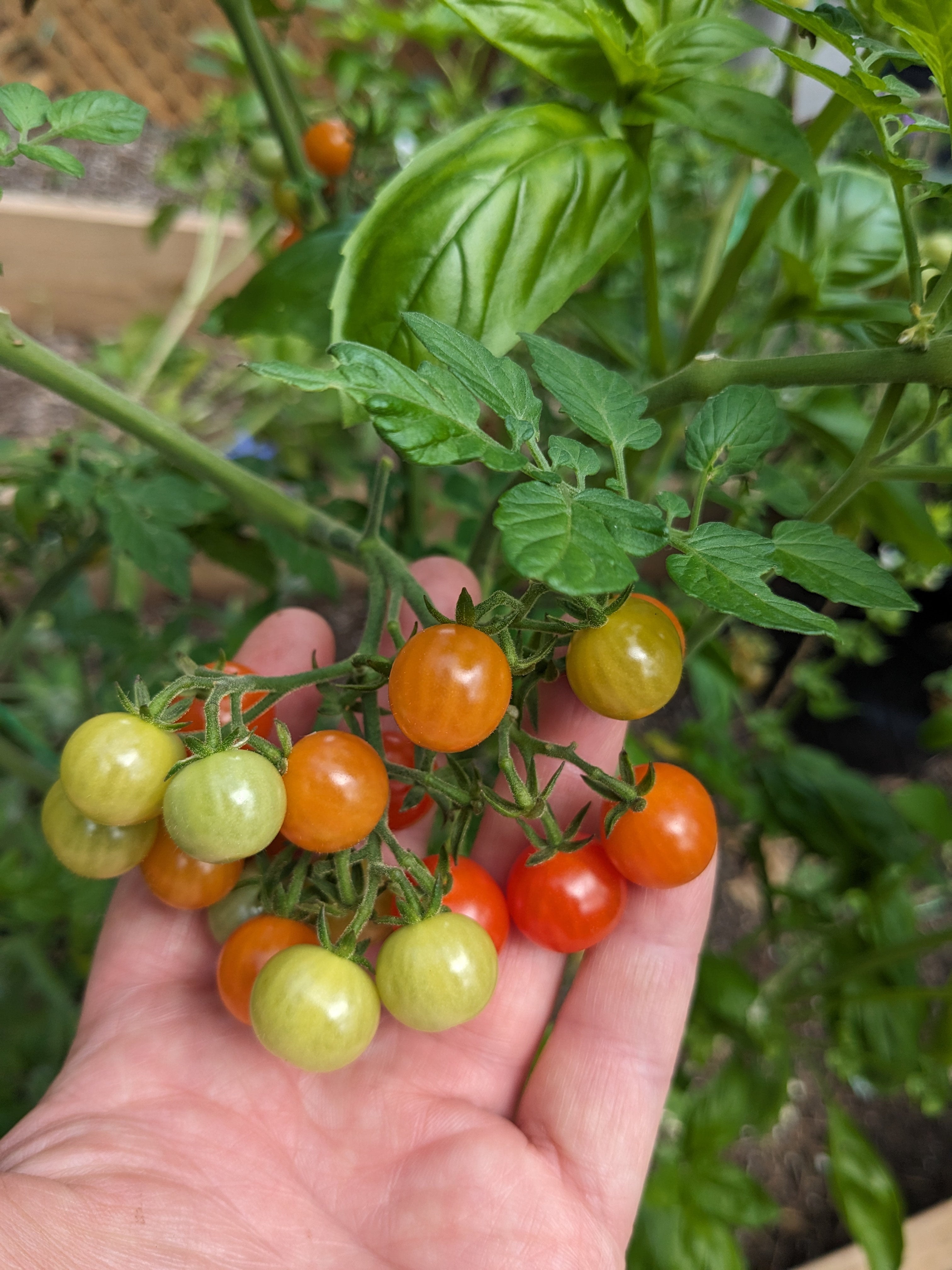
A fantastic cherry tomato, golden yellow and sweet! Fruit is less susceptible to splitting than some. Great flavour and huge harvest.
Type: Cherry tomato, Indeterminate, vining plants that will need staking. Plants will keep growing and producing until frost. You can read about the difference between Determinate and Indeterminate tomatoes here: Determinate vs. Indeterminate Tomatoes
Height: Indeterminate height.
Light: Full sun
Soil: Rich soil. Use good quality compost around plants and mulch well.
Water: Consistently keeping soil moist, but not wet, will result in good growth and happy tomatoes. Inconsistent moisture can lead to "Blossom End Rot". Always water tomatoes at the base of the plant never getting water on the leaves.
Harvest: 60-65 days to maturity (from the day they are planted outside).
Planting:
- Harden off* and then transplant to the garden after all frost danger is gone.
- Bury them deep! Plant the whole stem into the ground, not just the roots leaving only a few top leaves showing. The plant will put out roots from the buried stem, making your plant grow nice and strong!
- Space plants 60-90 cm, 2-3' apart; space rows 3-4' apart. They will grow nicely in containers but will need some kind of support.
- DO NOT crowd plants. This leads to poor circulation and disease
Other tips:
Pruning out suckers on your plant will help it put more of its energy into fruit production. Suckers appear between the main stem and the branches and can be easily taken out with your fingers.

Braided cord hangers for your potted plants. Colours: yellow, lilac and pink.

Braided cord hangers for your potted plants. Colours: yellow, orange, pink, green and blue.


This beautiful plant has cascading vines and heart shaped leaves and sparkles in this disco planter.
Small, tubular, pinkish-purple flowers and they have tiny hairs that trap insects helping with pollination!
Scientific Name: Ceropegia Woodii
Common Name: String of Hearts/Rosary Vine/Chain of Hearts
Light: Bright indirect light to full sun
Watering: Let dry out between waterings
Pet Safe: Yes
Care: Easy

Choose from a variety of Unique 3D-Printed Pots, created by Eric McDougall
Diameter - 3.5”
Height - 4.5”


Sally Snail and her Baby Tears companion are eager to head home with you.
A member of the nettle family, this plant is known for its moss-like dense foliage. It drapes nicely in a hanging pot!
Baby tears originated in the Mediterranean Region. It's a creeping, mat-forming, evergreen perennial that thrives in damp, shaded area. It is known to have calming effects on some plant lovers due to the texture and softness of the foliage.
Scientific Name: Soleirolia Soleirolii
Common Name: Angel Tears/Baby Tears.
Light: Bright indirect light
Growth: it can spread 3-6 feet
Watering: Keep well watered, don’t let dry
Pet Safe: Yes
Care: Intermediate - they like high humidity