








Sort by:
770 products
770 products
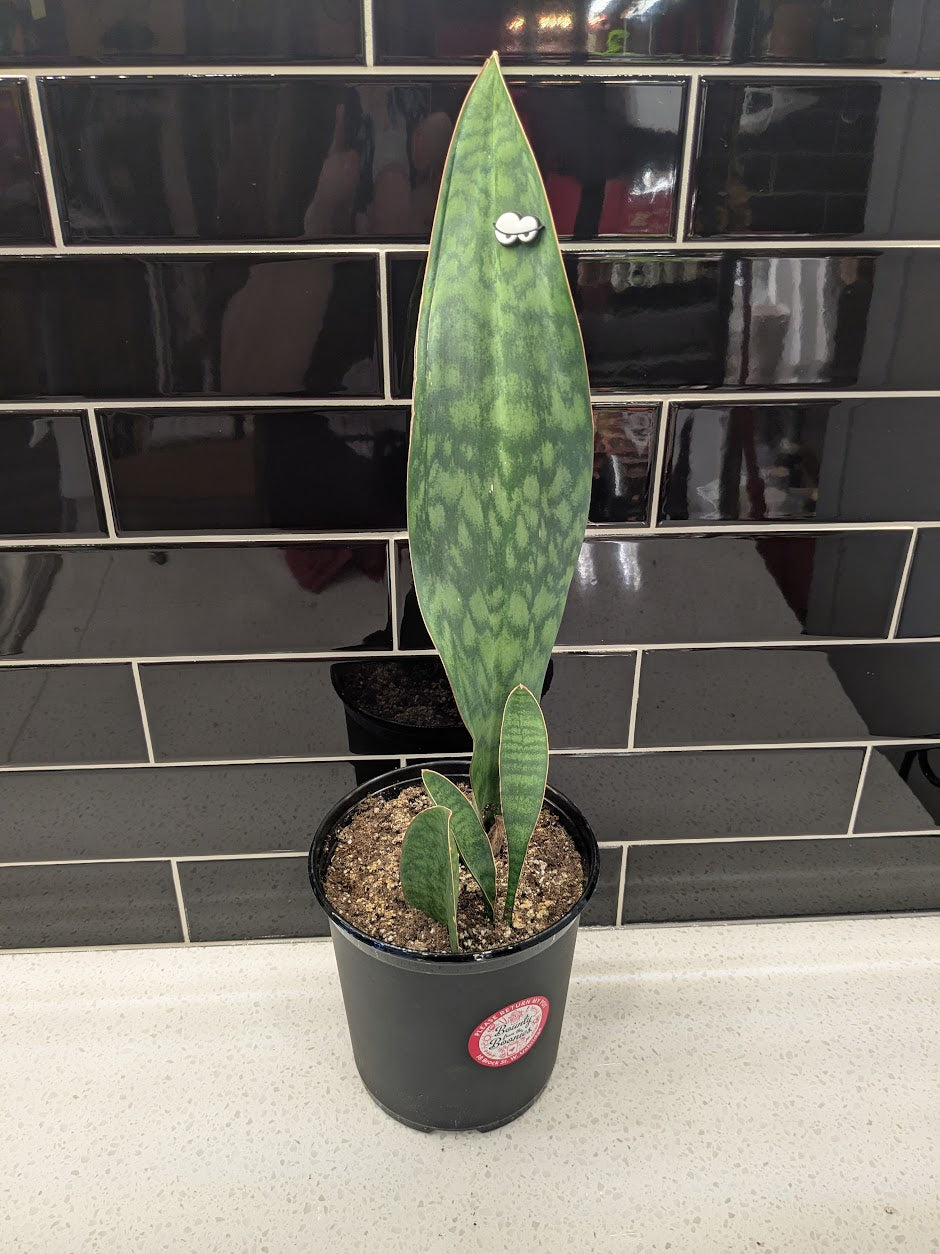
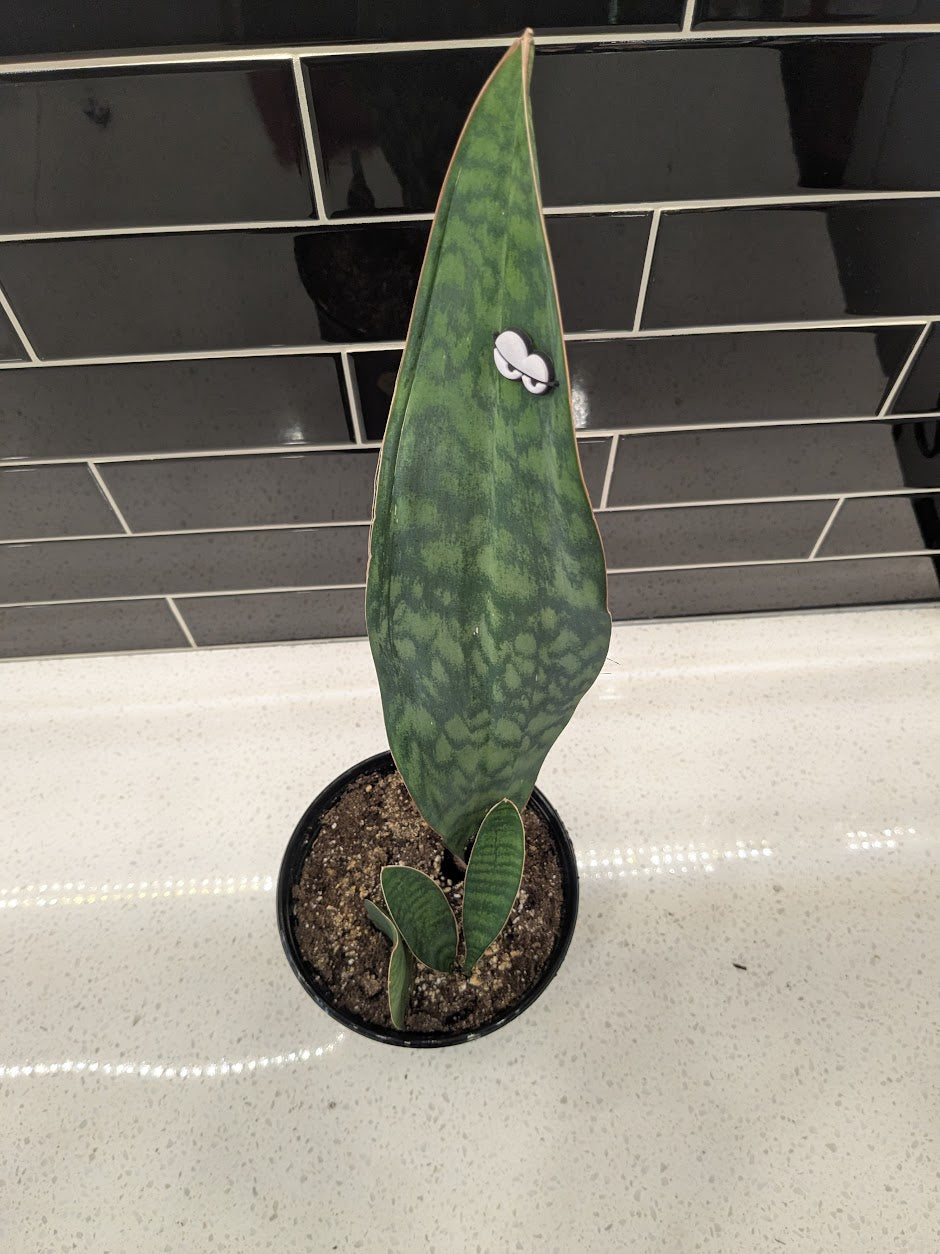
This rare, hard to find snake plant variety is native to the African Congo and has lovely rounded leaves with variegated leaves and white edges. This plant is an excellent air purifier. It removes toxins such as formaldehyde, benzene, and trichloroethylene from the air. This variety is a little more unique than the regular Snake Plant. With it's slow growth and unique paddle like leaves, the Whale Fin Snake Plant is a much sought after plant.
Scientific Name: Sansevieria Masoniana
Common Name: Whale Fin Snake Plant
Light: Low light but will thrive in bright indirect light. No direct sun.
Growth: Can grow to 4 feet tall and 2 feet wide
Water: Allow to completely dry out before watering deeply. Overwatering will kill this plant.
Pet Safe: No
Care: Easy


Back by popular demand, Alex of Arteree returns to teach our Needle Felting Workshop! Learn to create a beautiful felted landscape picture based on a photo you bring in or use one of Alex's. All materials will be provided to create your one-of-a-kind felted art piece, including a glass-front frame to display or gift your work of art.
Time: 6:30 pm
Host: Alex, an award-winning Aurora based artist and a seasoned art educator with over 30 years of experience, has dedicated her life to fostering creativity while developing her own artistic voice.


A spring favourite! These plants look like shamrocks but are part of the oxalis species!
Scientific Name: Oxalis Triangularis
Light: Bright indirect light
Watering: Keep evenly hydrated. Water when top half of the pot is dry.
Growth: 6 to 8 inches tall
Pet Safe: No
Care: Easy
Variants: Green 3 leaf Shamrock (False Shamrock) - Oxalis triangularis
Green and Purple 4 leaf Shamrock (Iron Cross Shamrock) - Oxalis tetraphylla
Purple 3 leaf Shamrock (Purple Shamrock) - Oxalis triangularis


3D printed planters with little legs that dangle over the edge. 2 sizes and multiple colours. Plant not included
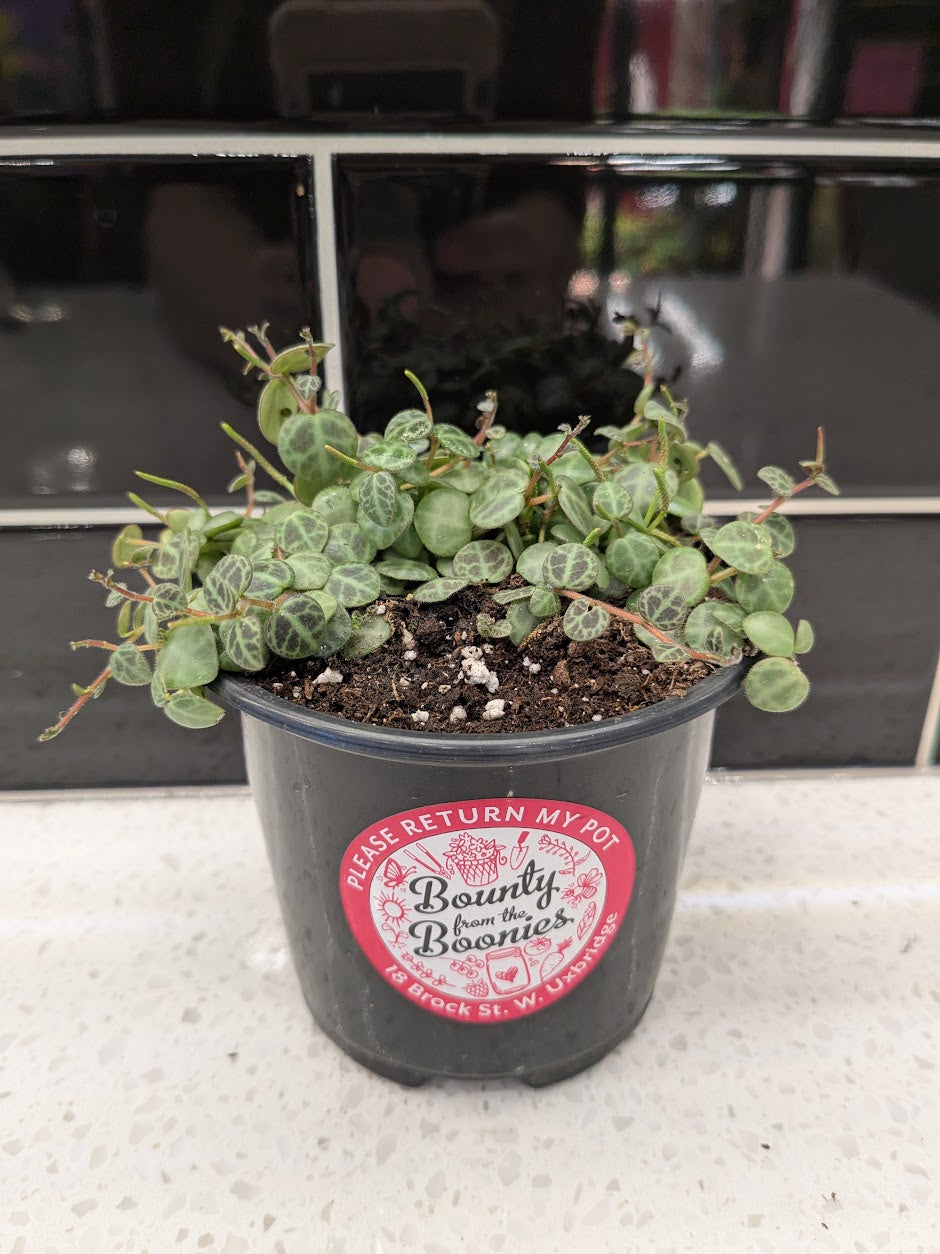
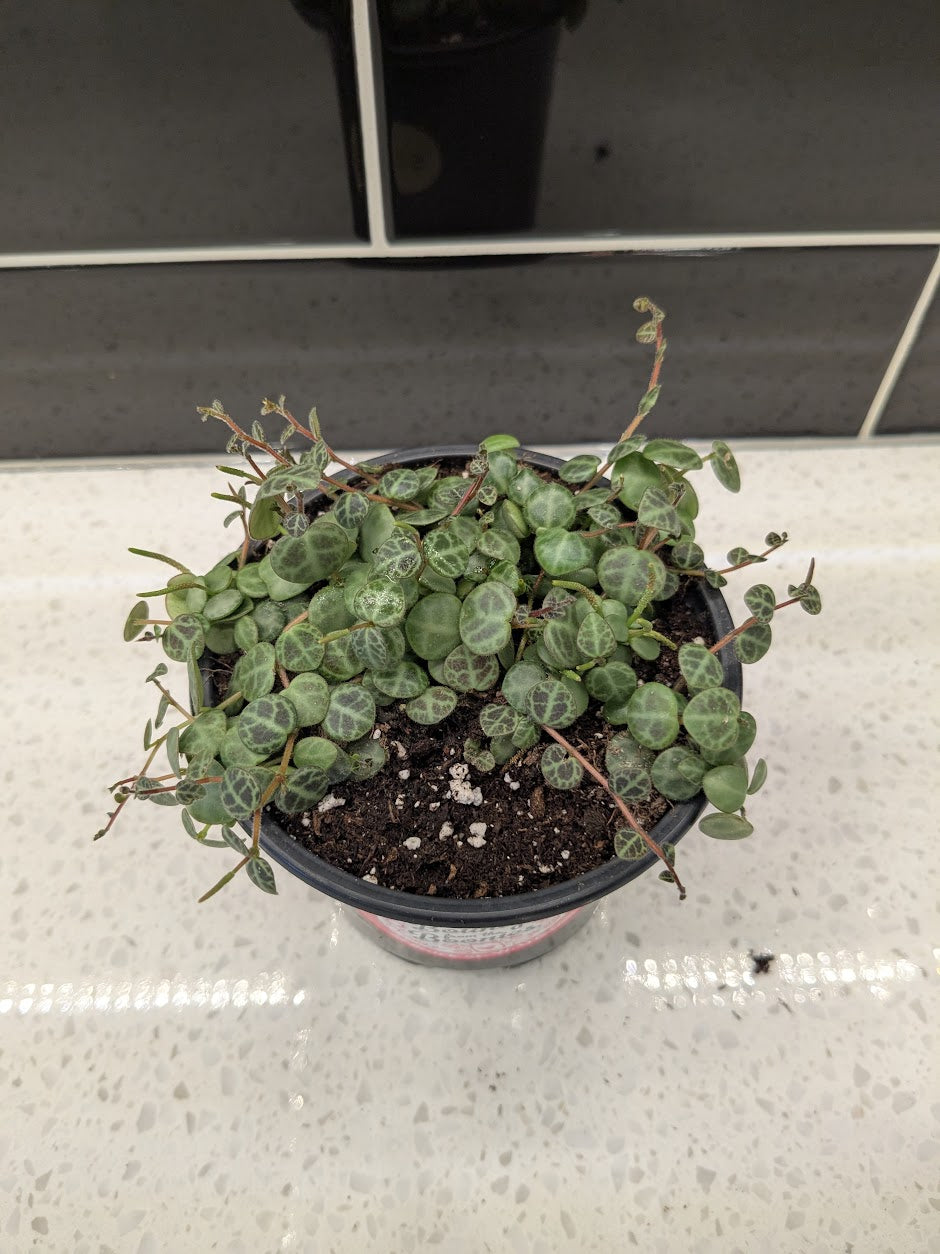
The String of Turtles is a cute little plant that resembles turtle shells. It originates from the rainforests of Ecuador and Brazil. It thrives in warm, humid conditions, growing as a trailing vine. A plant that is very easy to propagate and thrives in terrariums.
Scientific Name: Peperomia Prostrata
Common Name: String of Turtles
Growth: Could reach 12 inches long
Light: Bright indirect light
Watering: When top soil is dry, ensure good drainage
Pet Safe: Yes
Care: Intermediate
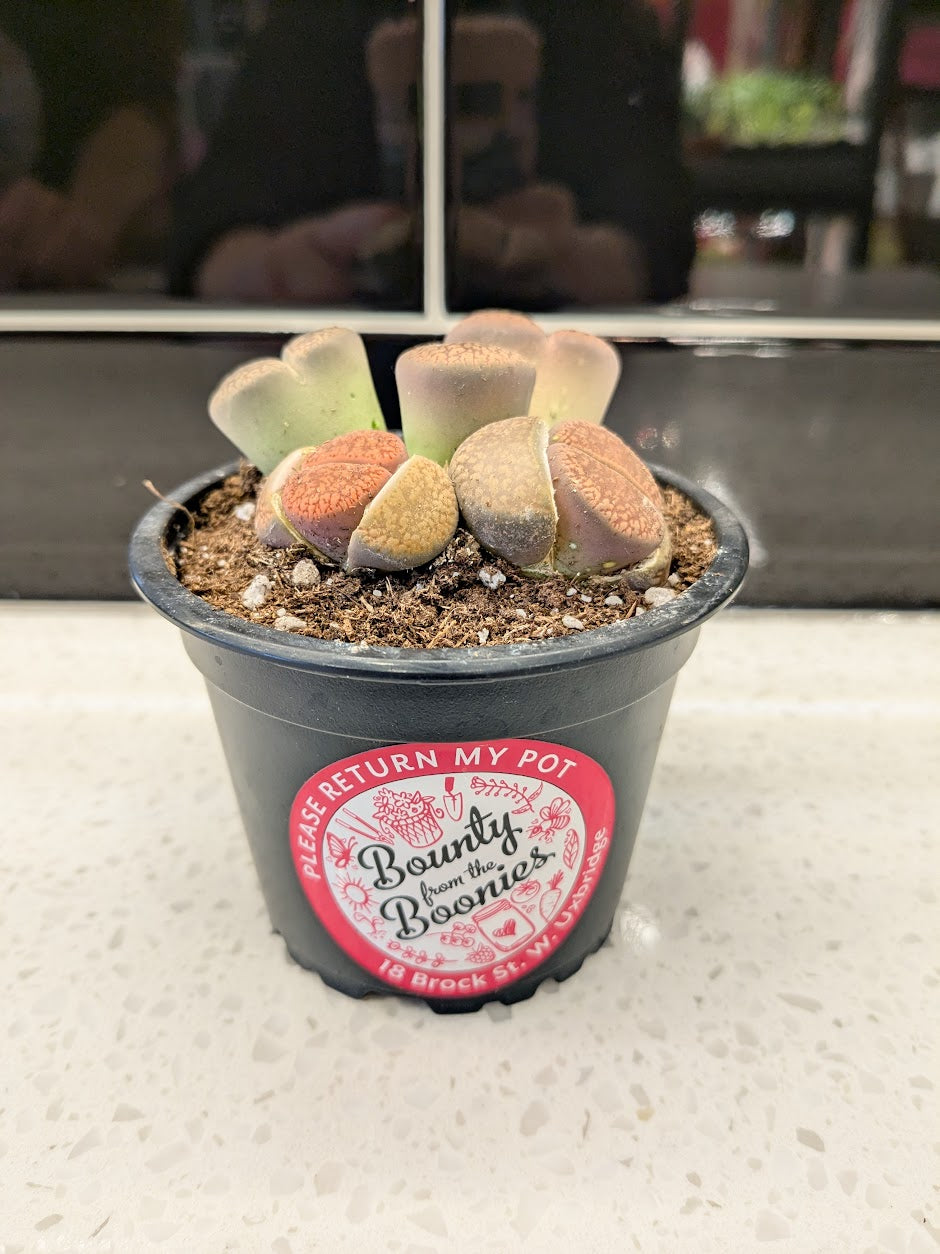
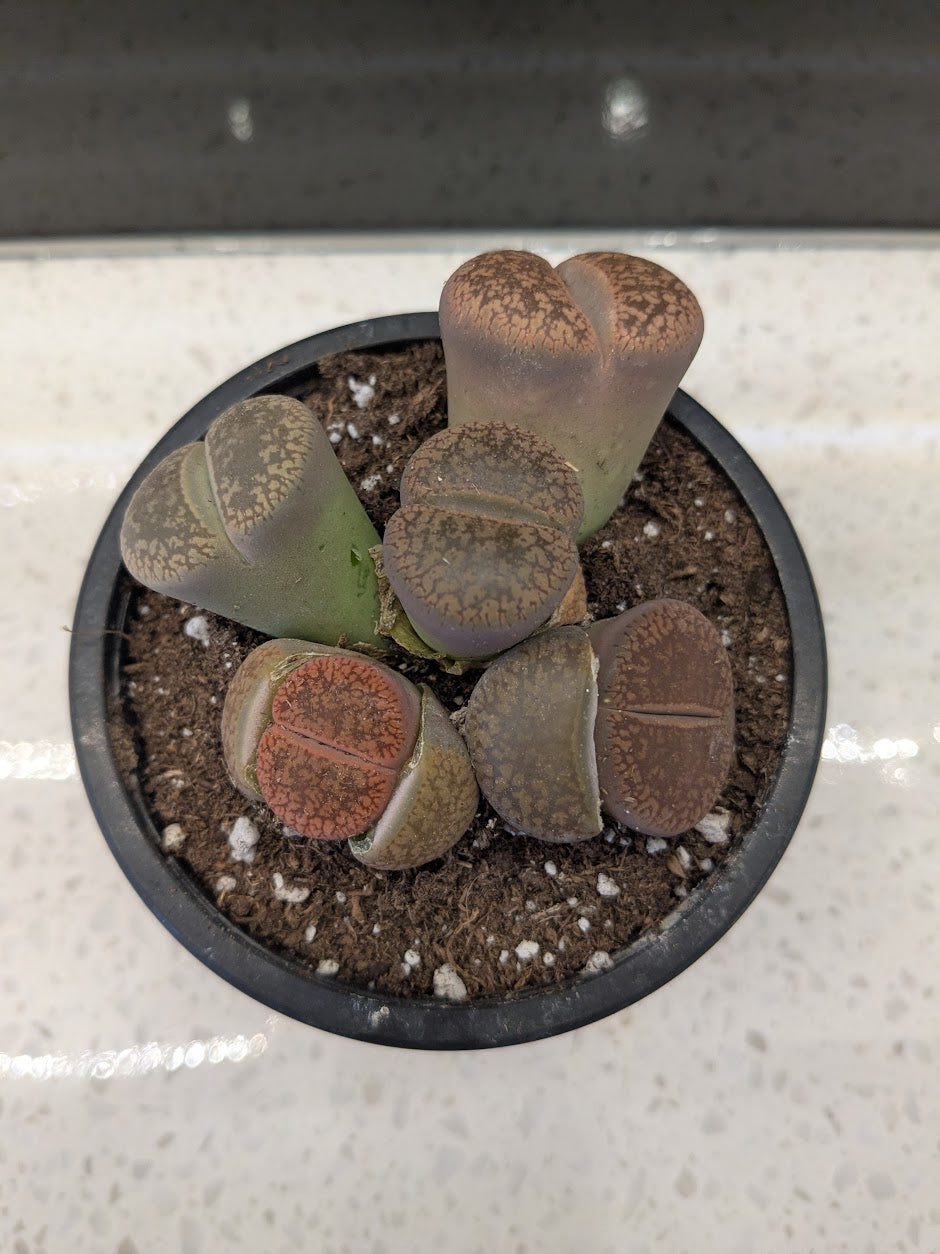
A strange succulent variety that look a little like brains! Also known as "Lithops" which is derived from the greek word "lithos" (stone) "opsis" (like)...stone like!
Native to South Africa, this quirky little plant is known for its unique appearance. Because they look like small stones, it helps them camouflage against grazing animals.
Scientific Name: Lithops
Common Names: Living Stones
Growth: 1-2 inches tall
Light: Bright indirect light
Watering: (Water from below)
Late Spring to Summer: Only water every 2-3 weeks.
Late summer to early fall: Water once you notice growth happening.
During Dormancy: Stop watering completely, especially during winter and midsummer.
If leaves start to shrivel, add a bit of water to firm them up.
Care: Intermediate
Pet Safe: Yes!


get ready to party, with this disco ball planter!!
You can hang it or have it sitting.
2 3/4” wide
3” tall


These THICC propagation buddies would be an amazing and funny new addition to your propagation plant!

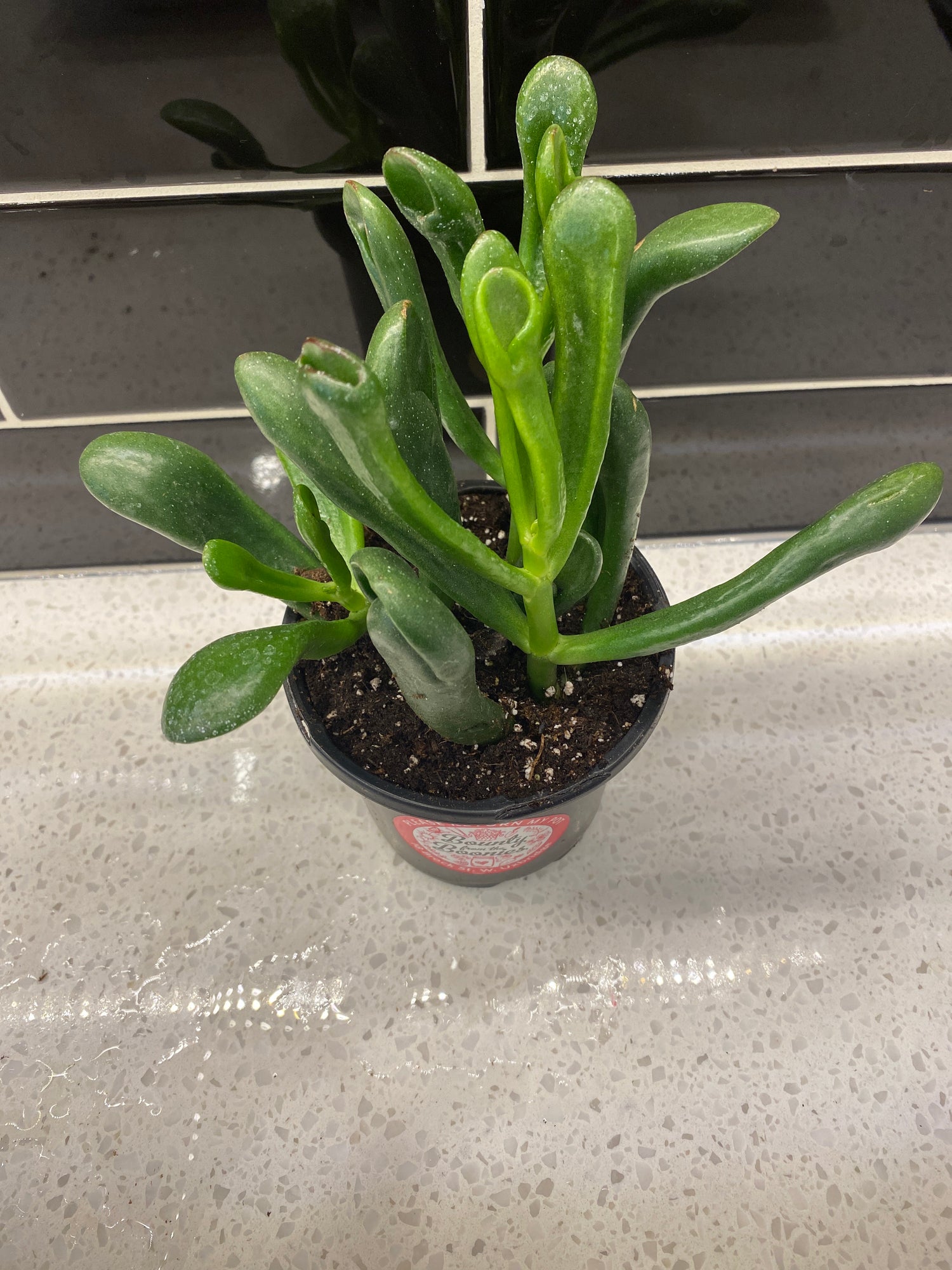
This succulent is very reminiscent of a certain green fellow wouldn’t you say?
It originated in cultivation, not from a specific natural habitat, though its parent plant, Crassula ovata. The most distinguishing feature is the unique, leaves with a slight inward curve, resembling suction cups or fingers!
Scientific Name: Crassula ovata
Common Name: Gollum, Shrek Ears
Growth: Up to 3 ft (30 cm to 91 cm) tall, and up to 2 ft (30 cm to 60 cm) wide
Light: Bright indirect light to full sun
Watering: Let dry out between waterings
Pet Safe: No
Care: Easy
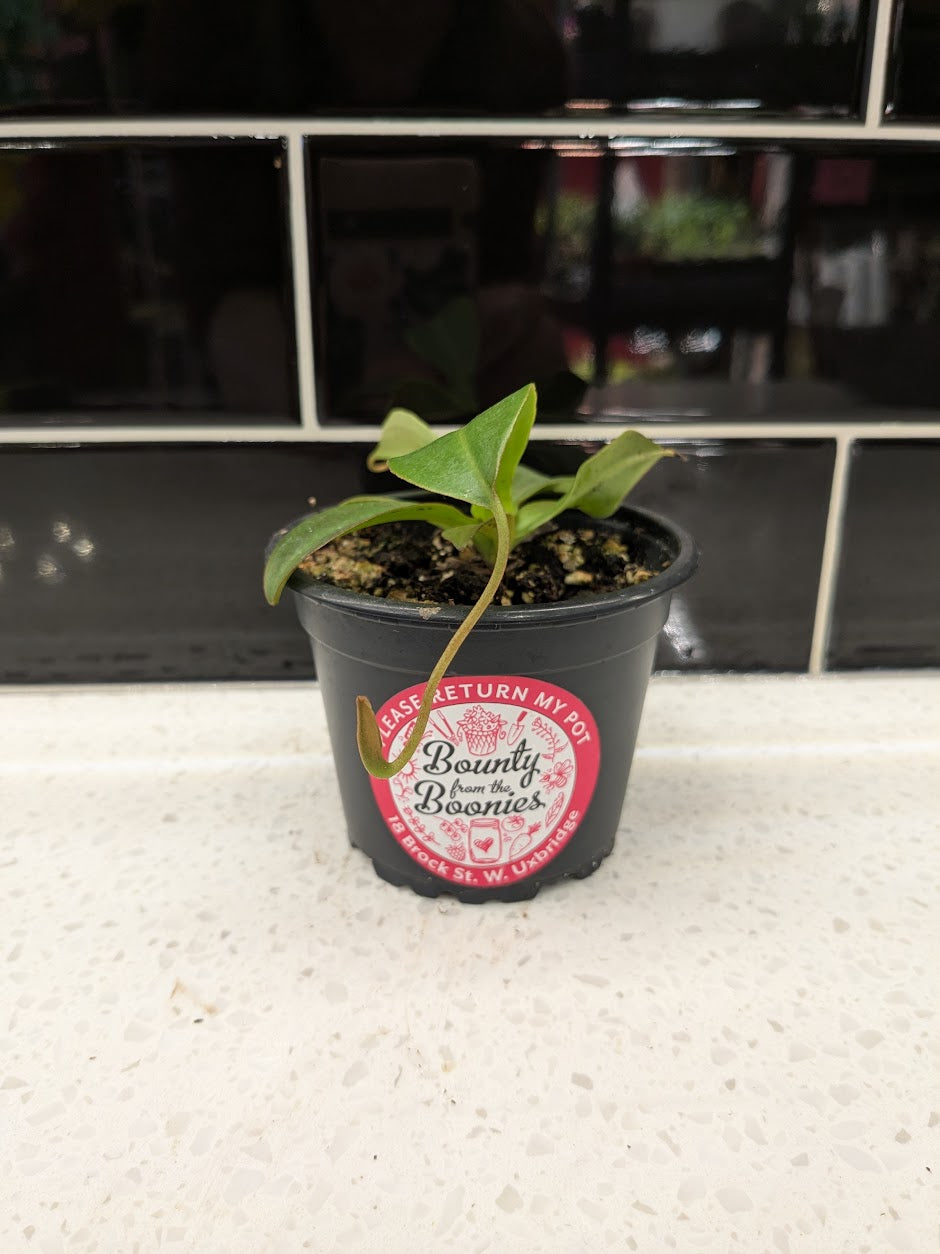
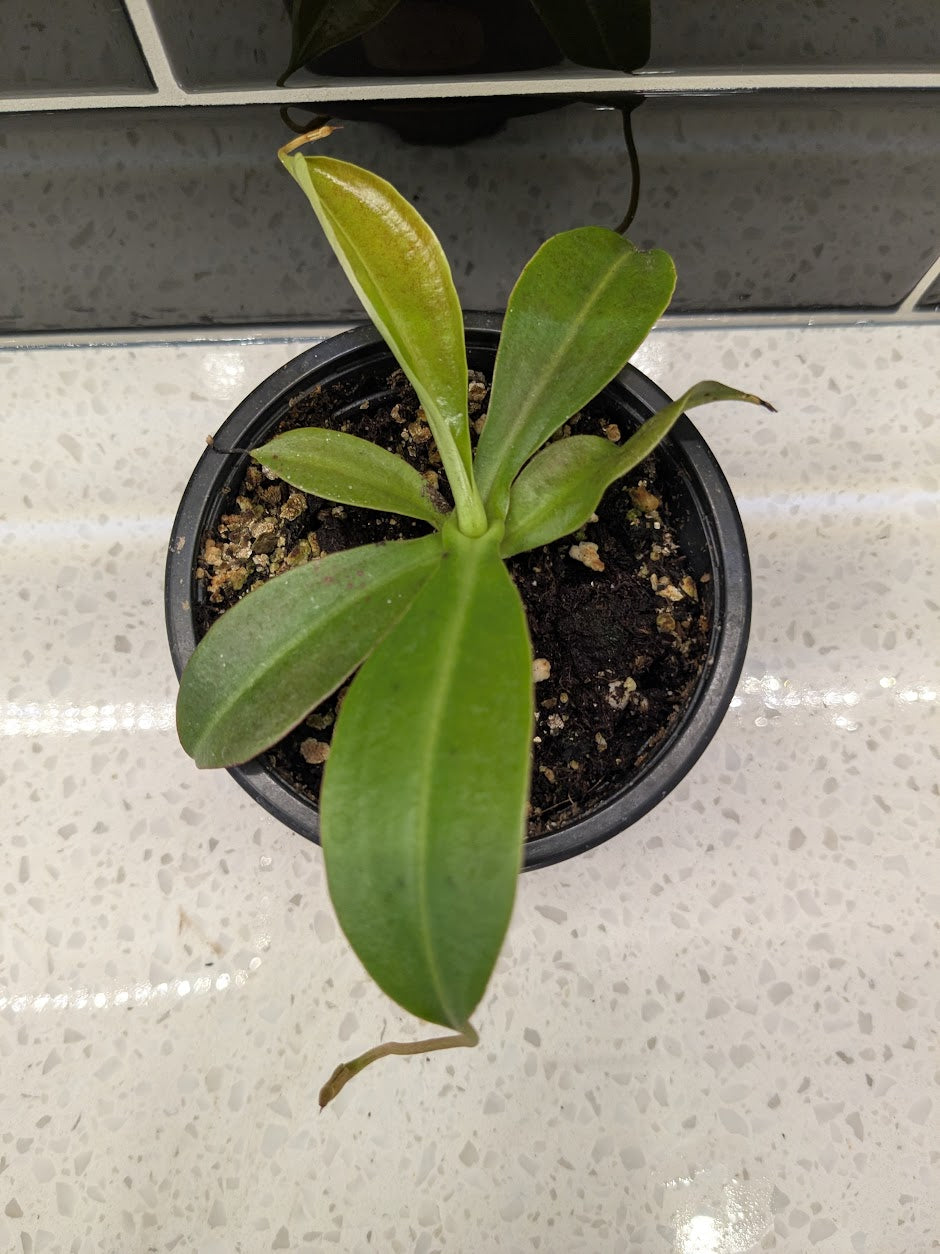
A carnivorous plant with deep maroon pitchers. Native to Southeast Asia, this plant is so unique in the fact that they use they're pitcher leaves to catch their food. These pitchers lure, trap, and digest insects to supplement their nutrient intake in nutrient-poor soil. Since they are from a tropical climate, they do thrive with lots of moisture and humidity.
Scientific Name: Nepenthes
Common Name: Asian Pitcher Plant
Light: Bright indirect light
Watering: Use ONLY distilled, rain or reverse osmosis water. Keep evenly hydrated, likes being misted.
Growth: Slow growing, can take 5-10 years to mature.
Pet Safe: Yes
Care: Intermediate
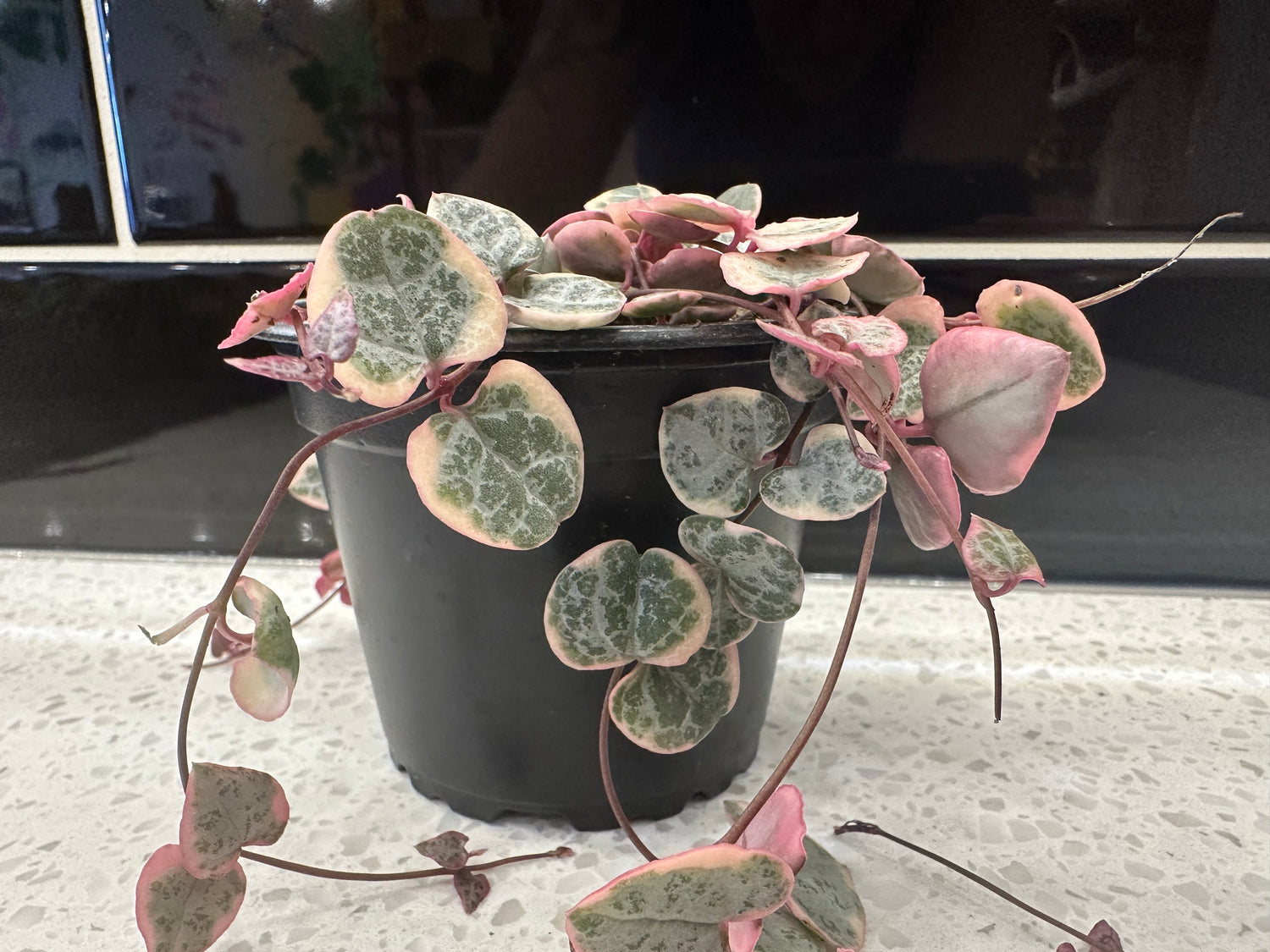
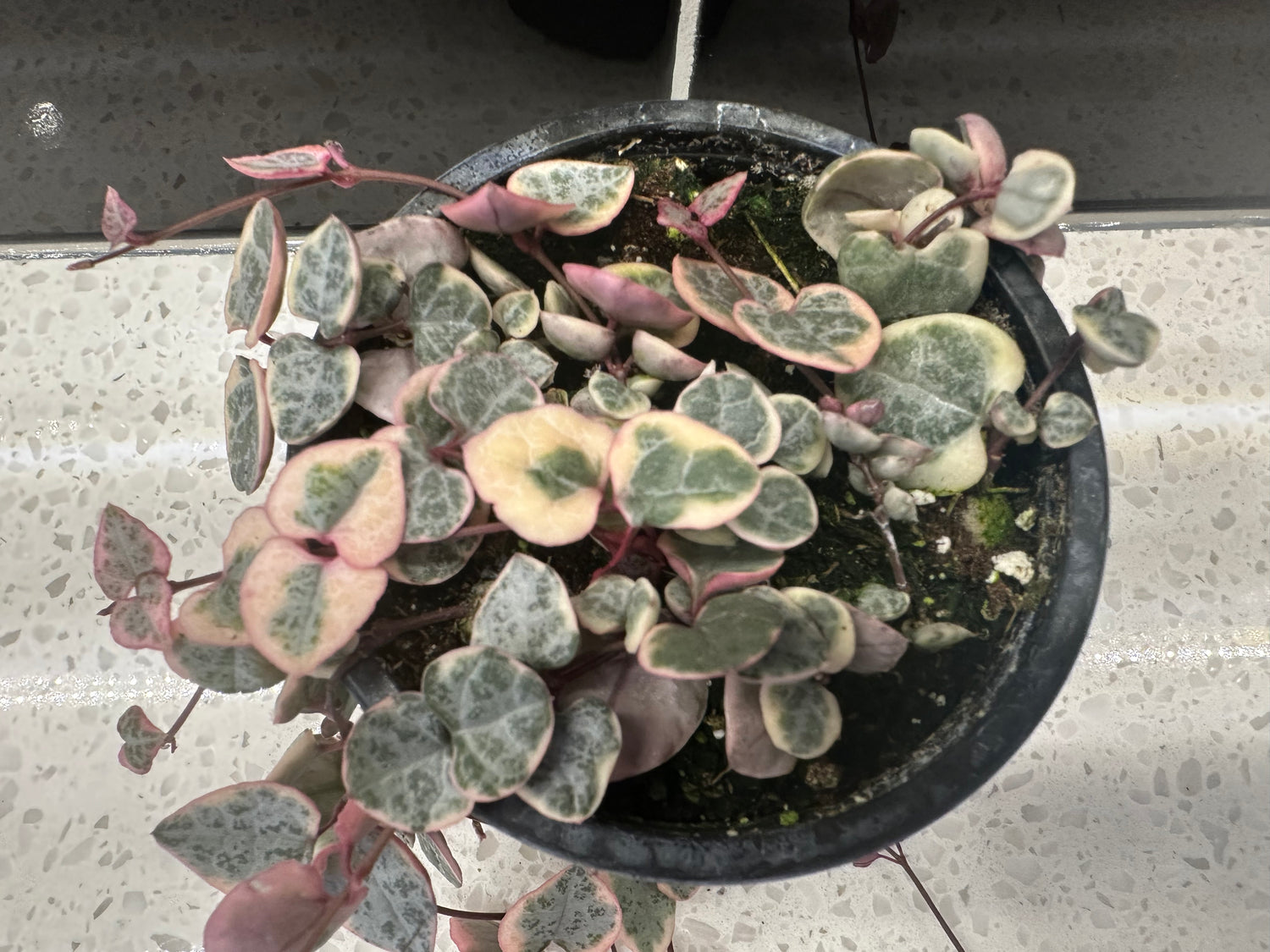
This beautiful plant has cascading vines and heart shaped leaves. This plant stores water in its leaves and roots making it drought tolerant. In the spring and fall the String of Hearts actually produces flowers!
mall, tubular, pinkish-purple flowers and they have tiny hairs that trap insects helping with pollination!
Scientific Name: Ceropegia Woodii
Common Name: String of Hearts/Rosary Vine/Chain of Hearts
Light: Bright indirect light to full sun
Watering: Let dry out between waterings
Pet Safe: Yes
Care: Easy


In the Prayer family, its beautifully patterned leaves are sure to impress! Originating in the tropical rainforests of Brazil where it thrives under a canopy of dense forest and moisture. One of the beautiful things about this plant is that it opens up and displays its colours during the day but then closes up at night. This one has dark leaves painted with pink stripes.
Scientific Name: Calathea roseopicta
Light: Bright indirect light
Growth: 12-24 inches tall
Watering: Keep evenly hydrated, likes to be misted
Pet Safe: Yes
Care: Moderate

A bushy vine with pink stems and variegated leaves.
Light: Bright indirect light
Watering: Keep evenly hydrated, likes to be misted
Pet Safe: Yes
Care: Intermediate
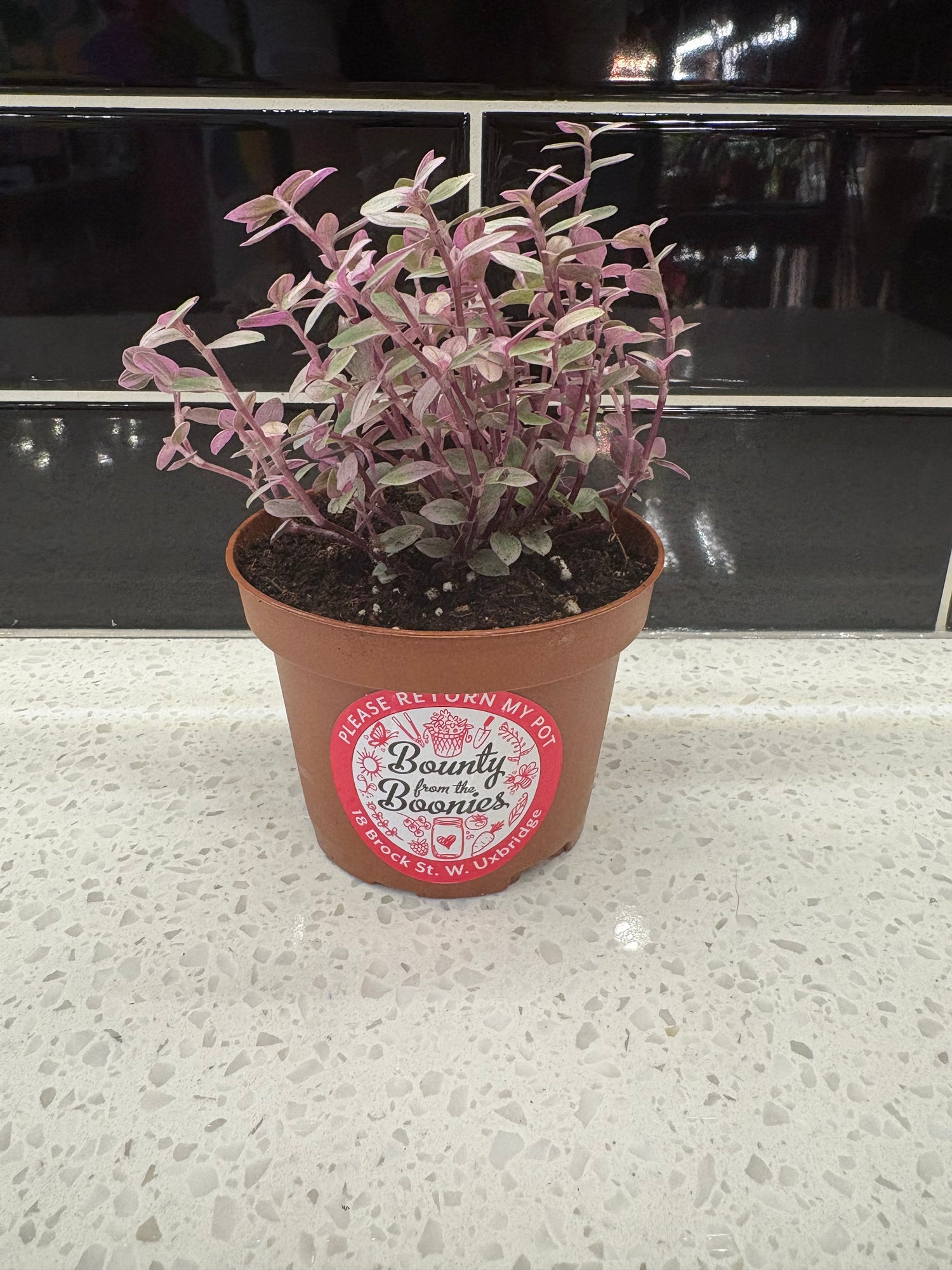
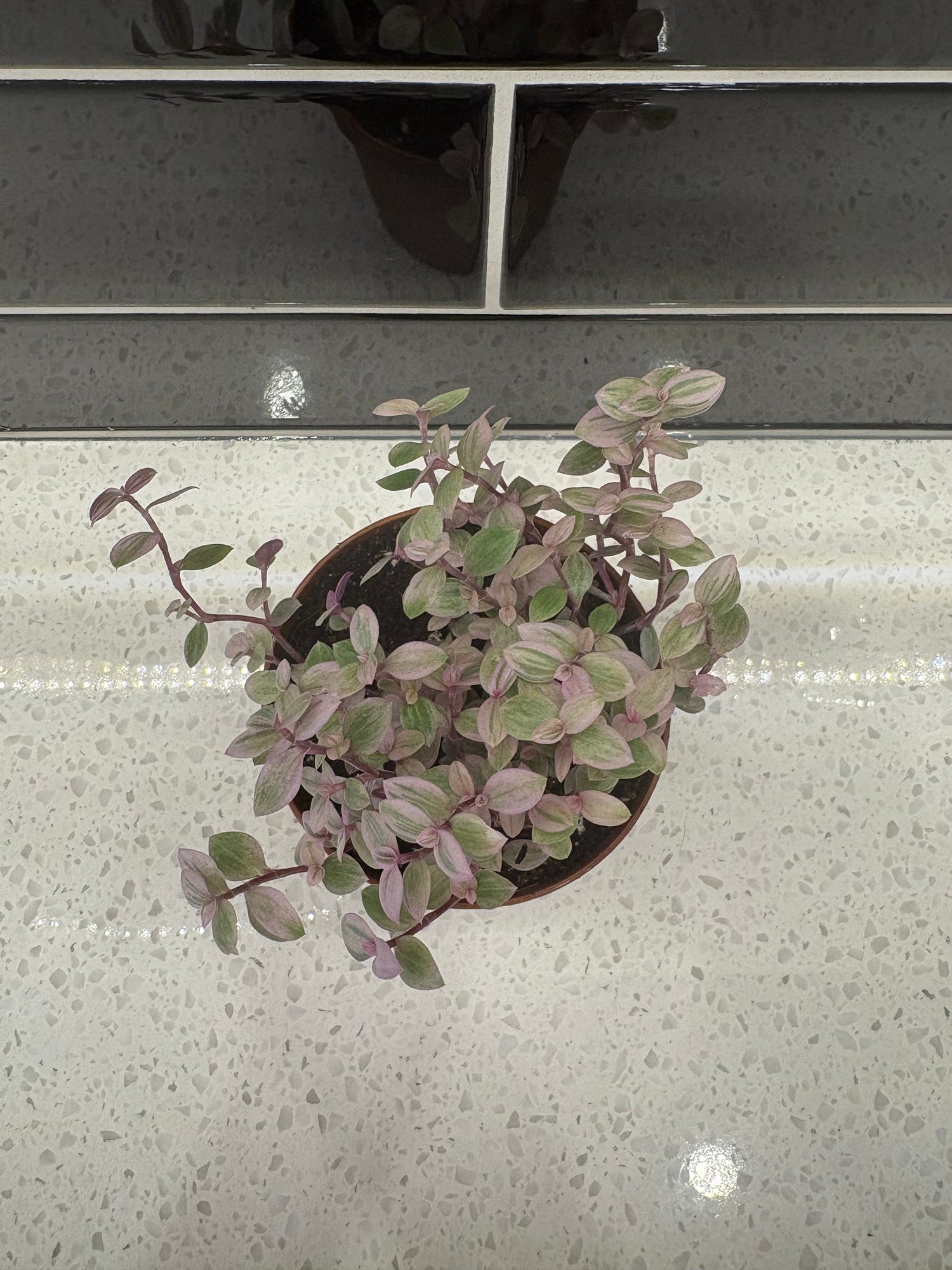
The Pink Lady Turtle Vine is a trailing succulent known for it's beautifully vibrant, pink and cream variegated leaves. It originates from the tropical regions of the Americas. This plant spreads horizontally making it wonderful for hanging baskets or effective ground cover. It can produce little white flowers in the summer months. It has air purifying qualities and is known to reduce stress and promote relaxation!
Scientific Name: Callisia Repens
Common Name: The Pink Lady Turtle Vine/Pink Panther
Light: Bright indirect light
Watering: When top soil is dry, ensure good drainage
Pet Safe: Yes
Care: Easy
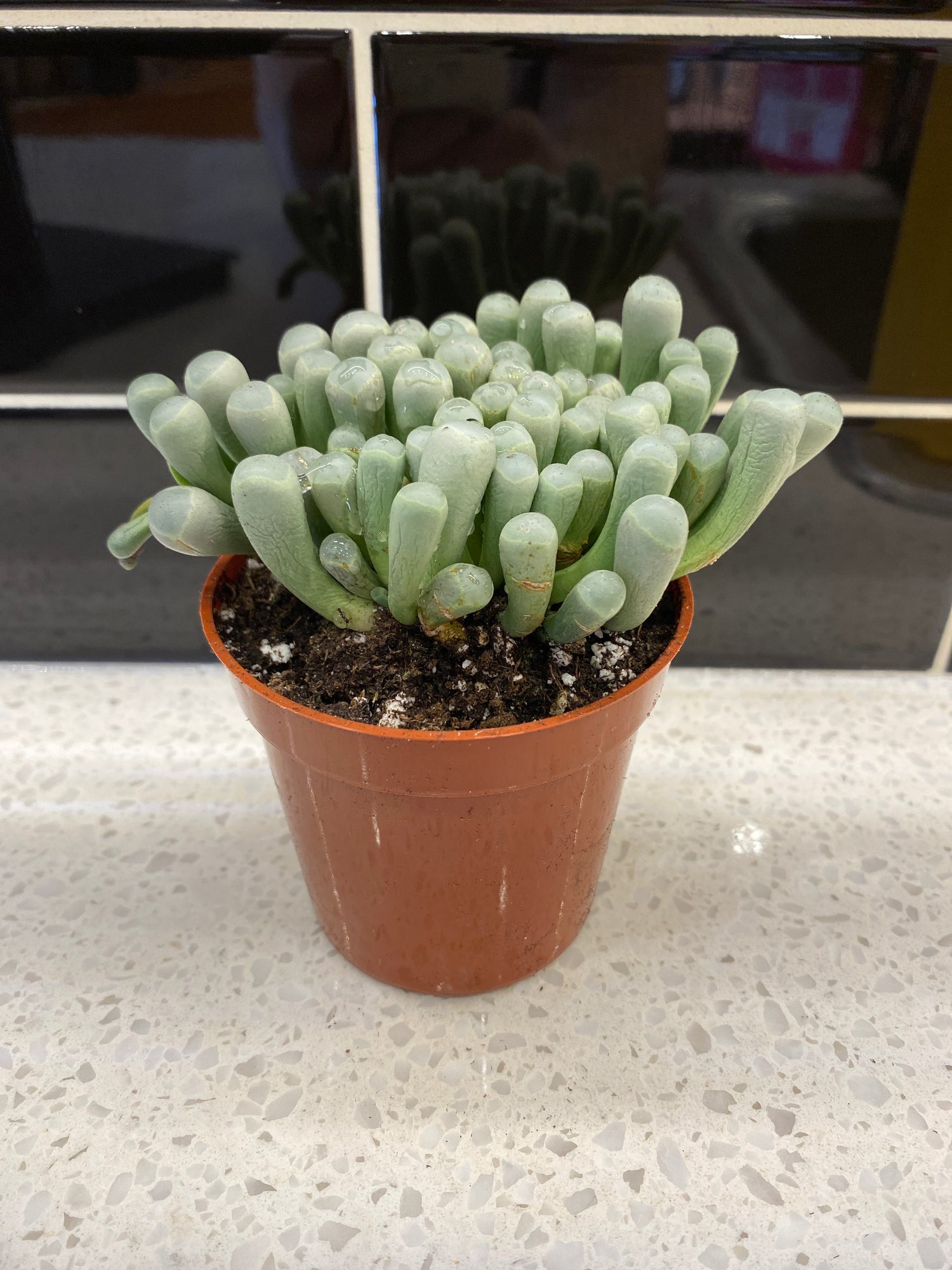
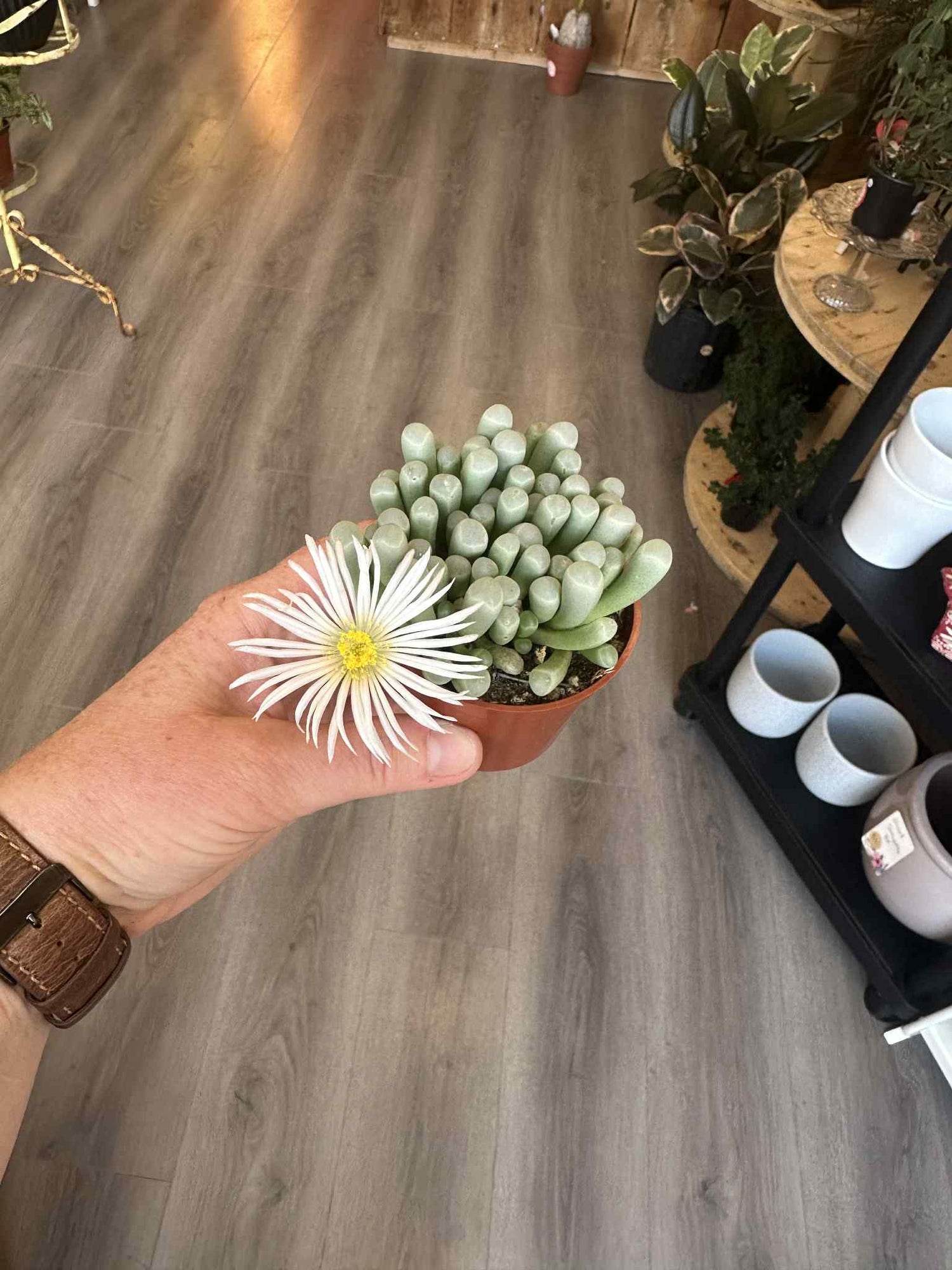
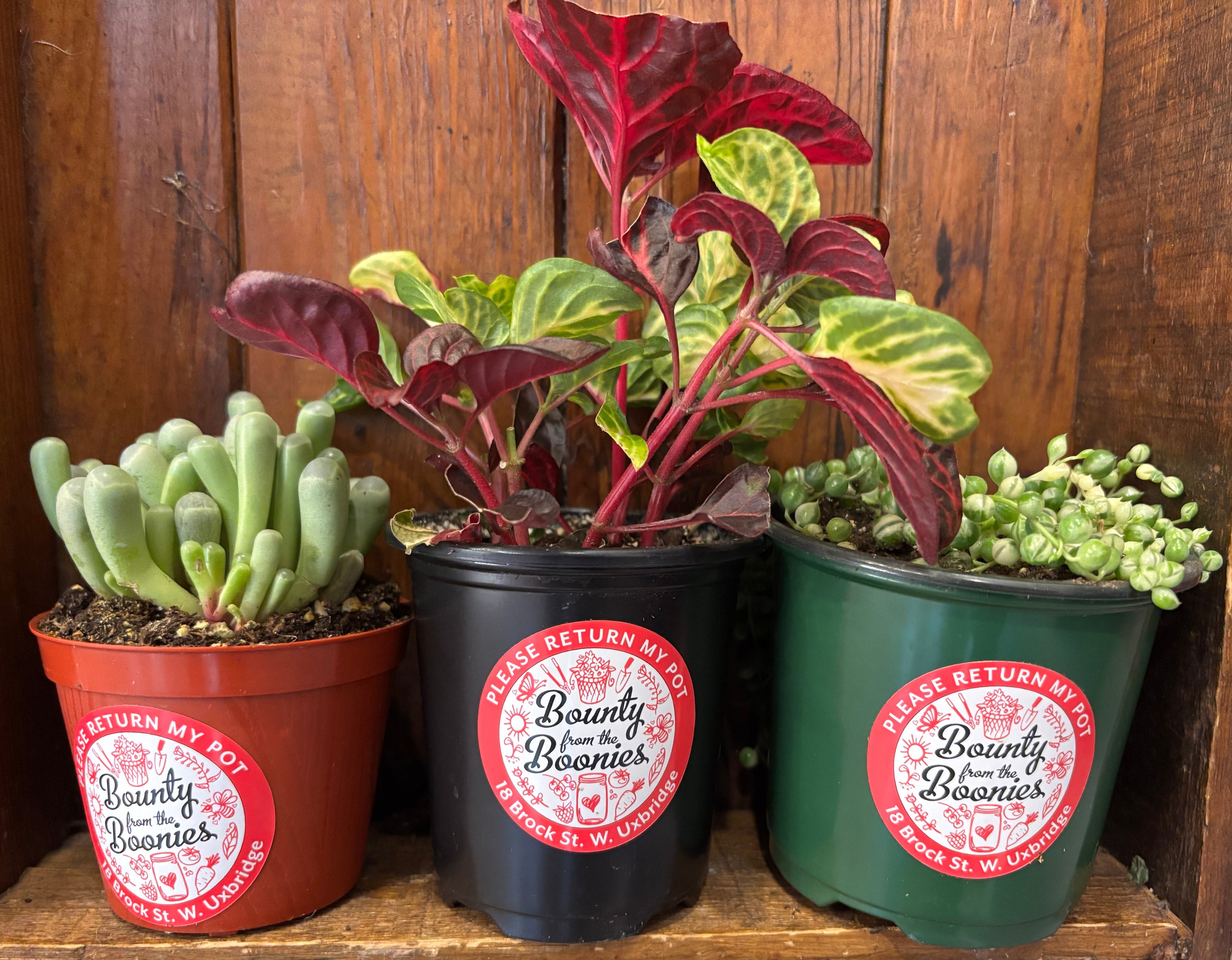
A weird little succulent that looks like…well…baby toes!
Scientific Name: Fenestraria rhopalophylla
Common Name: Baby Toes
Growth: 2-3 inches tall
Watering: Let dry between watering
Pet Safe: Yes
Care: Intermediate
Light: Bright, indirect light


Handmade in Canada by Peace by Pieces. Perfect on a wall or window.