








Sort by:
712 products
712 products


Your ticket includes:
- All materials
- Private instruction
- Small class size
- Private shopping + 10% off selected items during the workshop
-
A beverage
Note: this class is ages 18+.

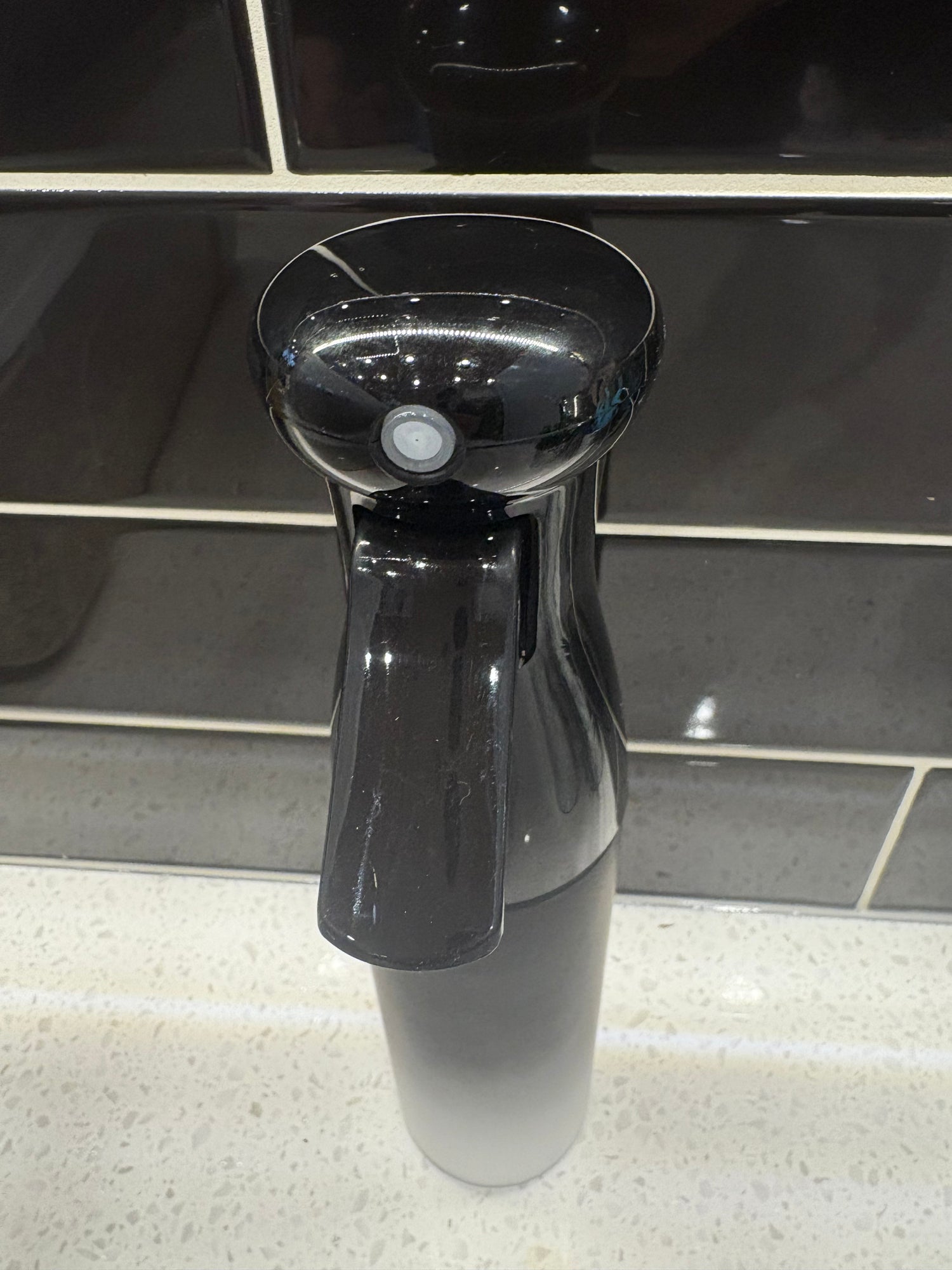
A must-have for terrariums, humidity- loving plants, leaf cleaning and cooling down in the garden
various colors in store

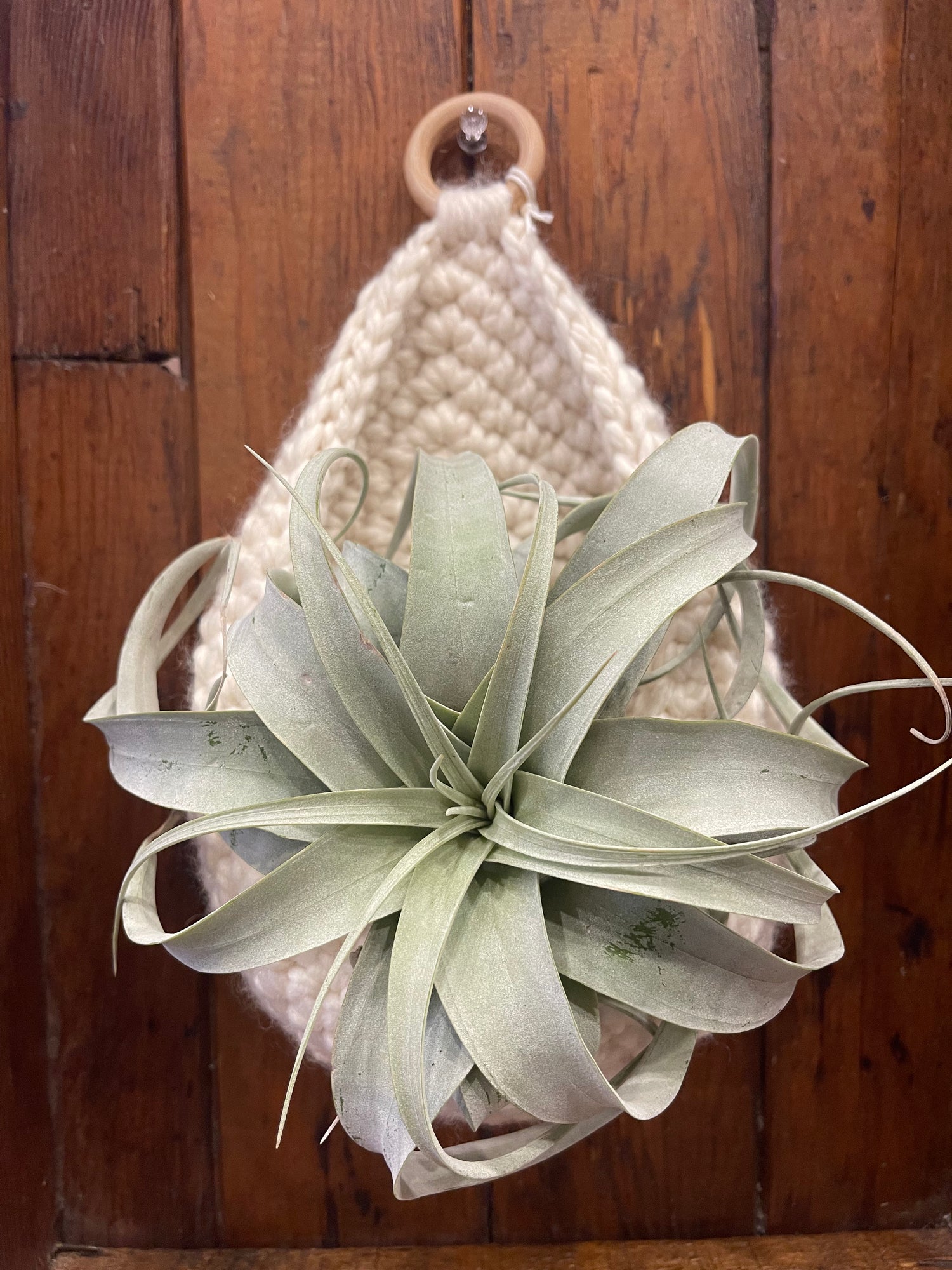
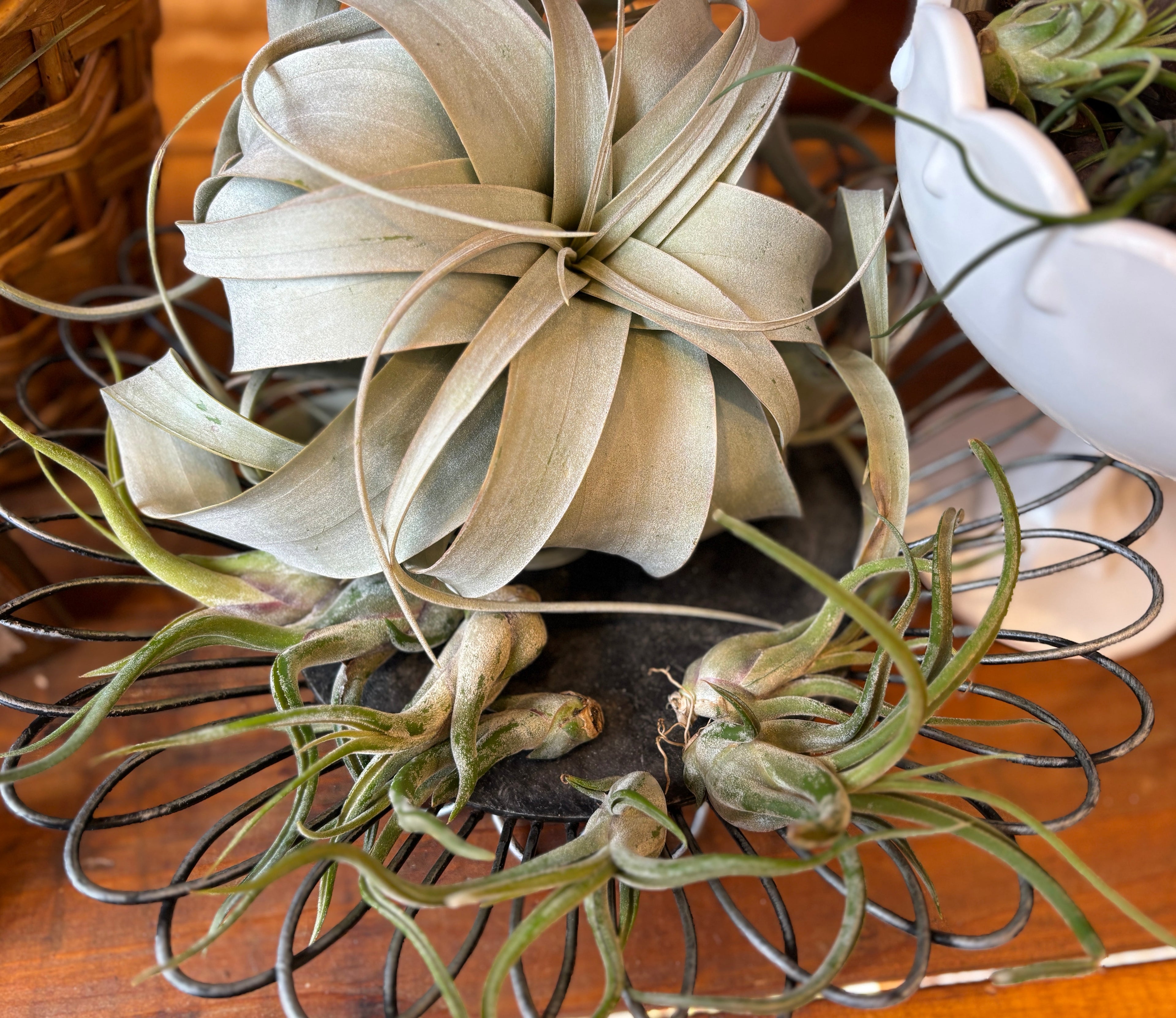
The lowest of care plants! Air plants do not require soil to survive. Just as the name implies, they survive in air! They can be displayed in many decorative formats. With their unique look, they can be quite fun to display. They originate from Central and South America. Air Plants come in all shapes and sizes as well as multiple colours.
Scientific Name: Tillandsia
Common Name: Air Plant
Light Requirements: Bright Indirect Light, direct sun for too many hours can scorch the leaves.
Water: Once a week, submerge in water and then be sure to completely dry out.
Pet Safe: Yes
Care: Easy


3D printed plastic pot. Includes screw on detachable drip tray to keep your plant happily drained or for water soaking plants like African Violets.


Admired for its glossy, heart-shaped, lobed and perforated leaves, this Monstera stands out as one of the unique varieties. Originating from Southern Mexico south to Panama. It is a climbing vine so it grows well with a moss pole to grow on.
Scientific Name: Monstera deliciosa
Common Name: Swiss Cheese Monstera
Light: Bright, Indirect light
Growth: Can grow several feet a year
Water: When the top two inches are dry
Pet Safe: No
Care: Easy
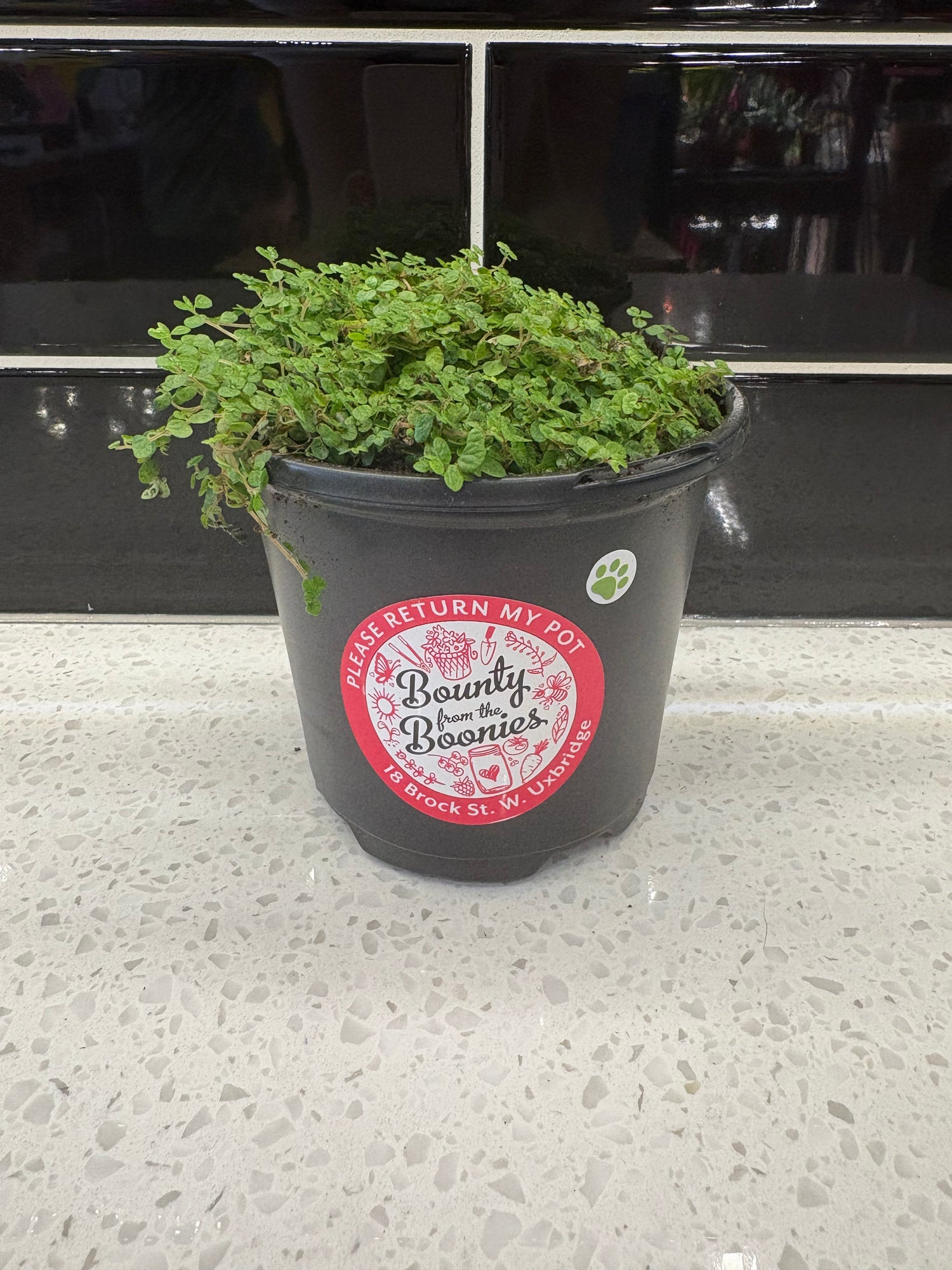
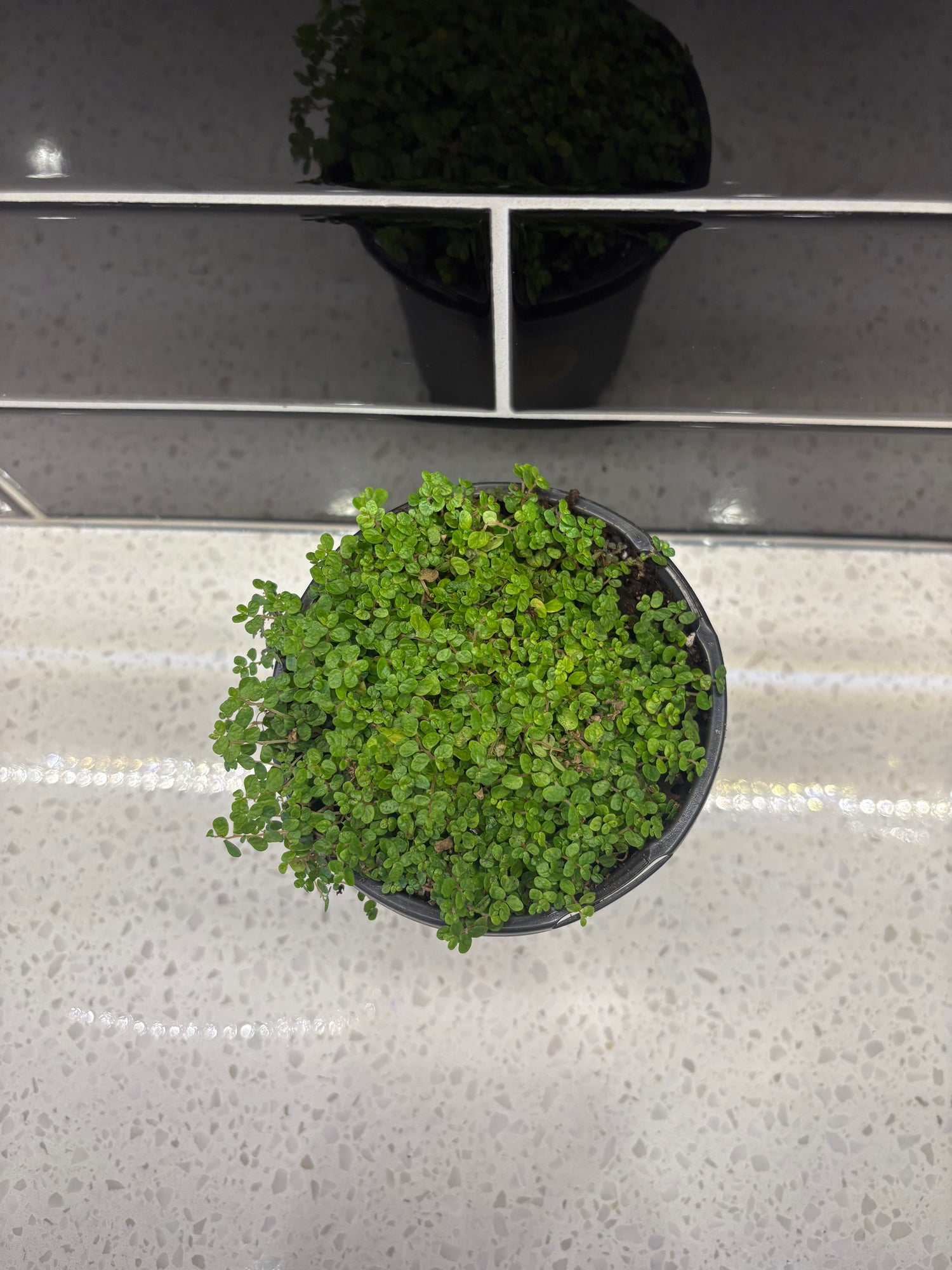
A member of the nettle family, this plant is known for its moss-like dense foliage. It drapes nicely in a hanging pot! Baby tears originated in the Mediterranean Region. It's a creeping, mat-forming, evergreen perennial that thrives in damp, shaded area. It is known to have calming effects on some plant lovers due to the texture and softness of the foliage.
Scientific Name: Soleirolia Soleirolii
Common Name: Angel Tears/Baby Tears.
Light: Bright indirect light
Growth: it can spread 3-6 feet
Watering: Keep well watered, don’t let dry
Pet Safe: Yes
Care: Intermediate - they like high humidity


This clever sign provides some sage advice. 8.5" diameter metal, with two pre-drilled hanging holes

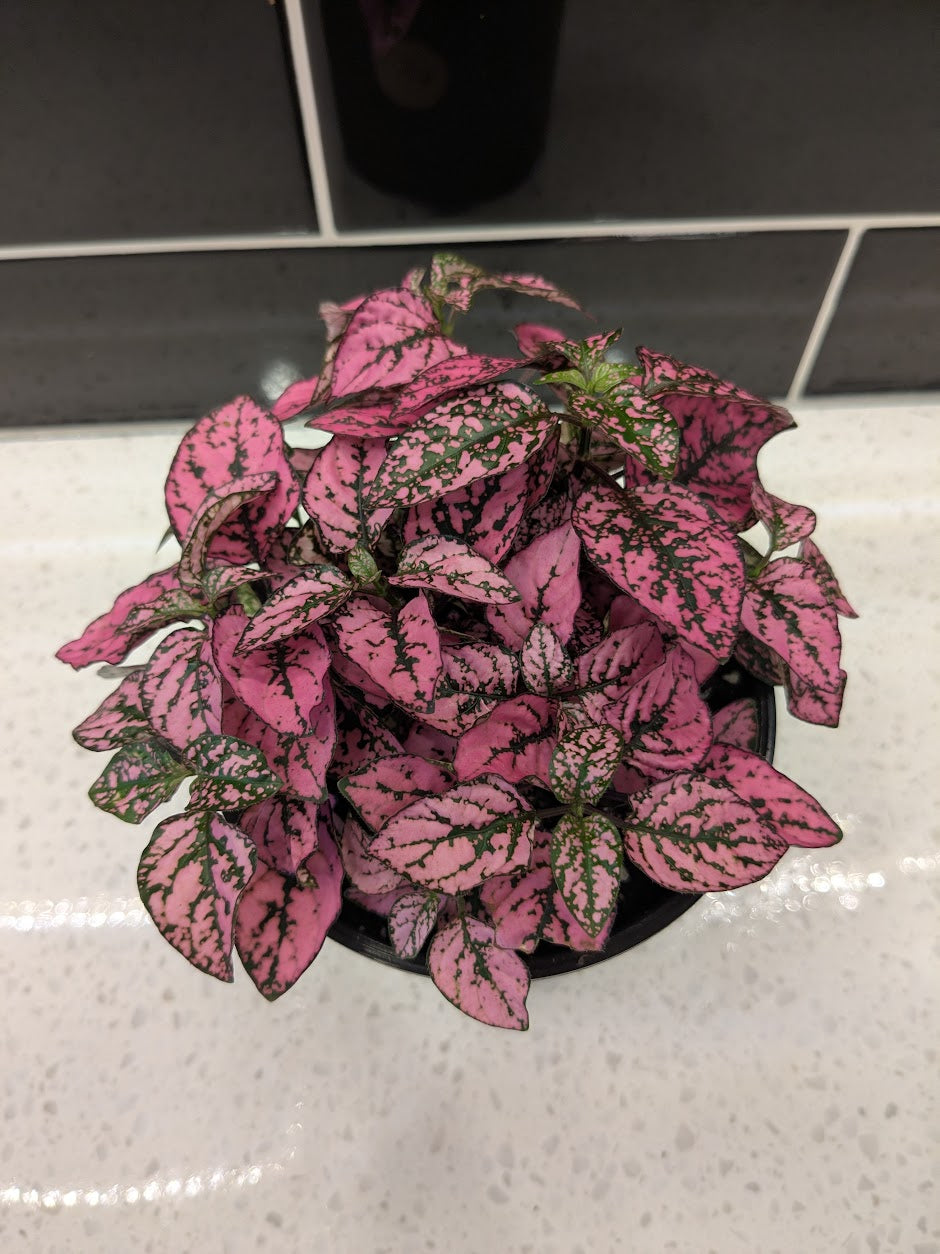
A fun plant with leaves that look like it’s been splashed with paint. Comes in a variety of colours! The Polka Dot plant originates from the island of Madagascar. It is also found in South Africa and Southeast Asia. The beautiful polka dots on its leaves symbolize creativity and it is believed to bring positive energy and enhance the ambiance of any room.
Scientific Name: Hypoestes Phyllostachya
Common Name: Polka Dot Plant
Light: Bright indirect light
Growth: Can grow up to 12 inches tall
Watering: Keep evenly hydrated, likes to be misted
Pet Safe: Yes
Care: Intermediate


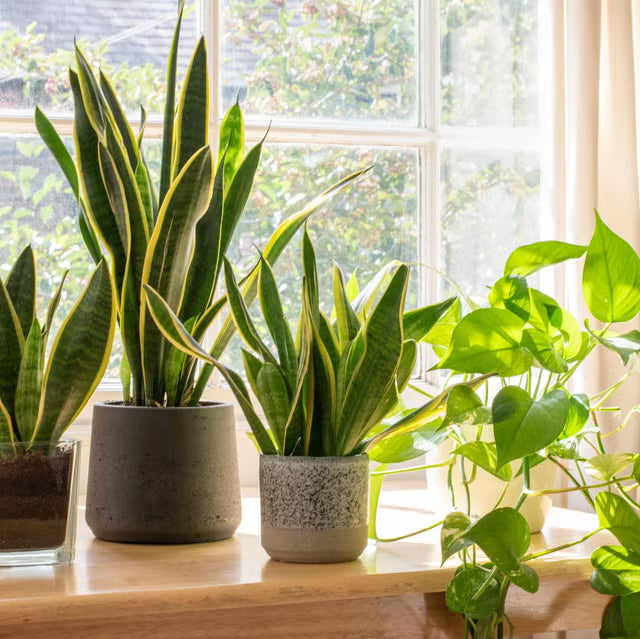
An easy indoor plant that is hardy and visually interesting. This plant originates from the tropical regions of West Africa. It forms dense clumps of leaves, creating an architectural and visually appealing display.
Scientific Name: Dracaena Angolensis
Common Name: Sansevieria Cylindrica "Fernwood Mikado"
Growth: Can grow 2-3 feet tall
Light: Low light to bright indirect light
Watering: Once soil is completely dry. Typically every 2-6 weeks
Pet Safe: No
Care: Easy


Using curated plants, foraged + coloured rocks and a selection of our adorable mini resin creatures, you'll create your very own glass jar woodland terrarium! You'll learn the best plants for humid terrarium environments, how to divide + grow plants, the best tools to use + care instructions.
This class includes all materials. Additional tools, plants + creatures available for purchase.
Your ticket includes:
- All materials
- Private instruction
- Small class size
- Private shopping + 10% off selected items during the workshop
Note: Ages 8+ accompanied by an adult
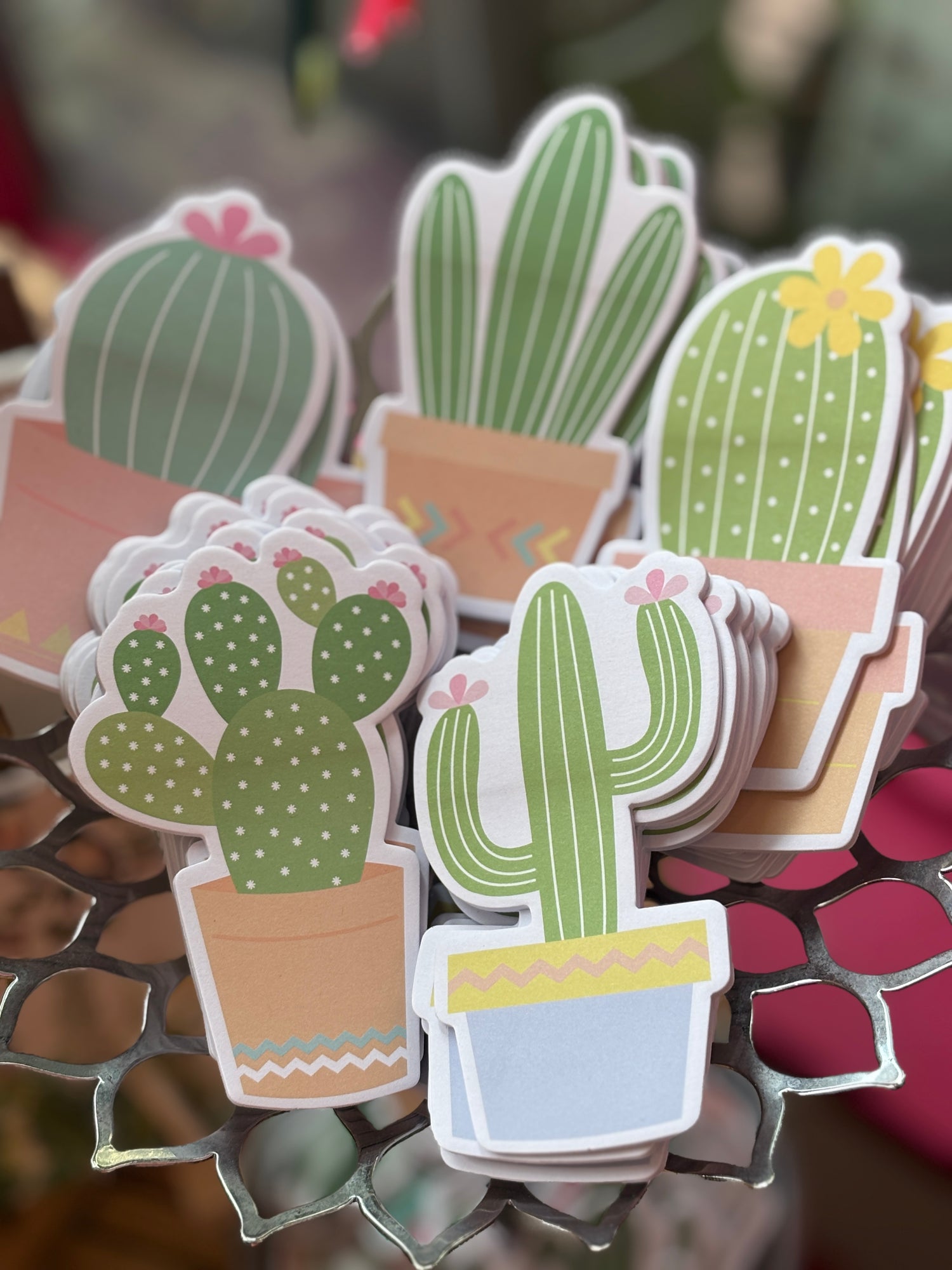


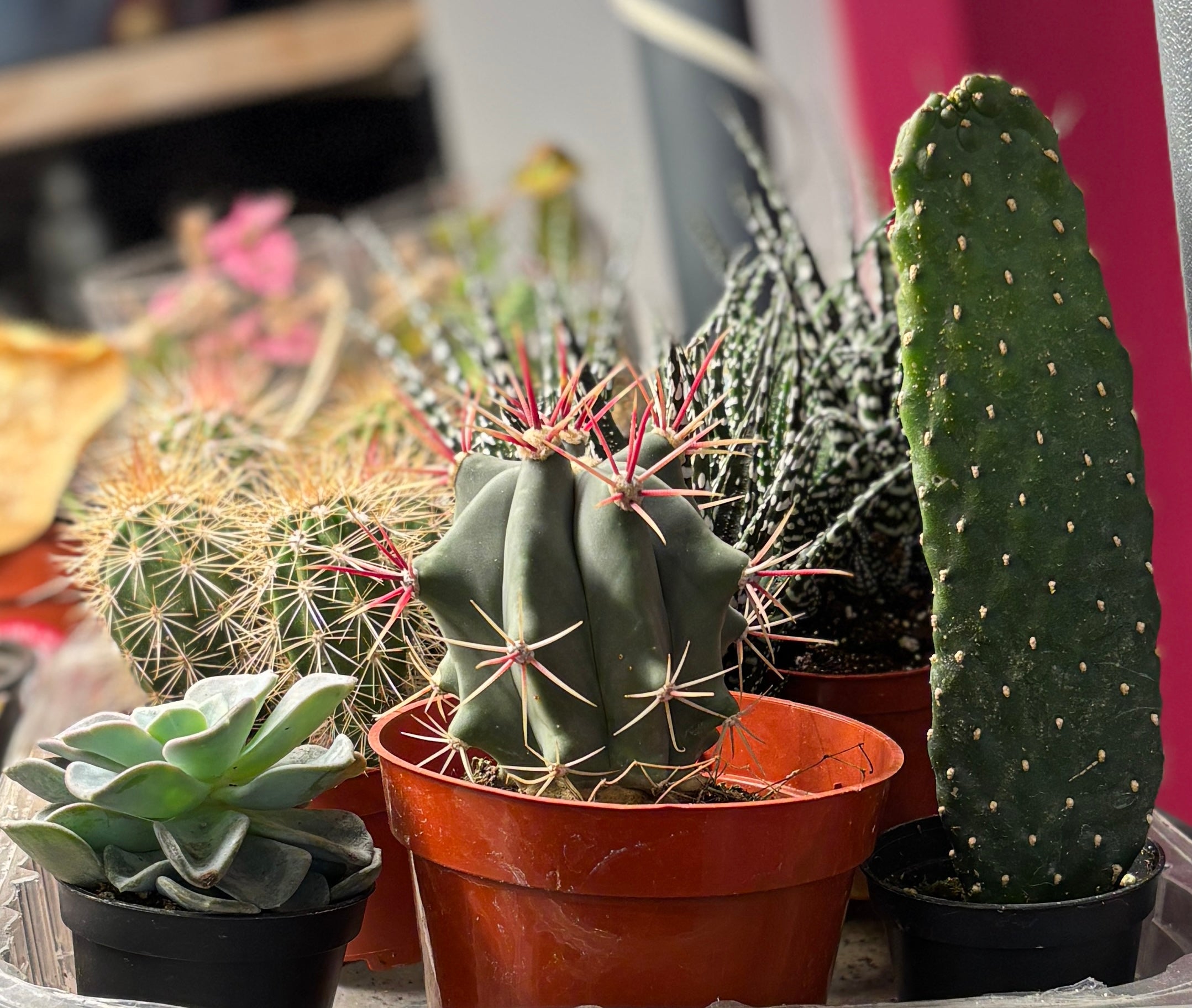
Light: Bright, Indirect
Watering: Water only when soil is completely dry. Then soak the soil right through. Always in a good draining pot.
Growth: 1-2 inches a year depending on the variety
Pet Safe: No
Care: Easy
https://bountyfromtheboonies.com › pages › succulent-care-guide

A stunningly colourful cactus, Tie Dye is just a little ball of fun- just don't play catch with it!
Scientific Name: Gymnocalycium mihanovichii
Growth: Short and compact dome
Light: Bright window but not too much full sun
Watering: Water sparingly
Pet Safe: Yes, except for the prickles
Care: Easy

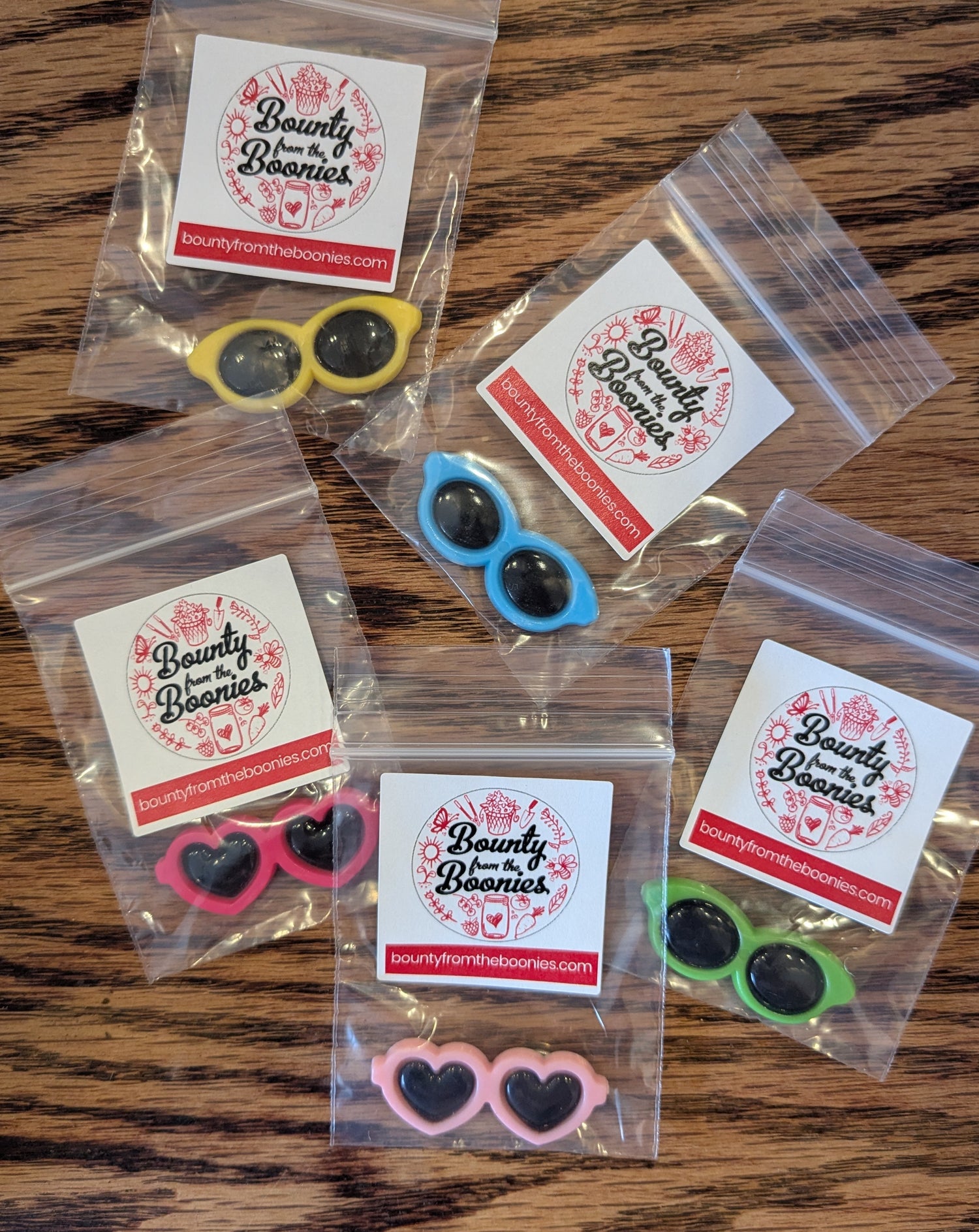
Add personality, drama, style and even judgement to your plants with our hilarious collection of plant magnets.
Made of lightweight silicone, simply attach to plant leaves using the magnetic backing to secure in place. They do not damage your precious plant children - we promise.
Options include sunglasses, insects, eyes and mouths.

The lowest of care plants! Air plants do not require soil to survive. Just as the name implies, they survive in air! They can be displayed in many decorative formats. With their unique look, they can be quite fun to display. They originate from Central and South America. Air Plants come in all shapes and sizes as well as multiple colours.
Scientific Name: Tillandsia Juncea
Common Name: Air Plant
Light Requirements: Bright Indirect Light, direct sun for too many hours can scorch the leaves.
Water: Once a week, submerge in water and then be sure to completely dry out.
Pet Safe: Yes
Care: Easy

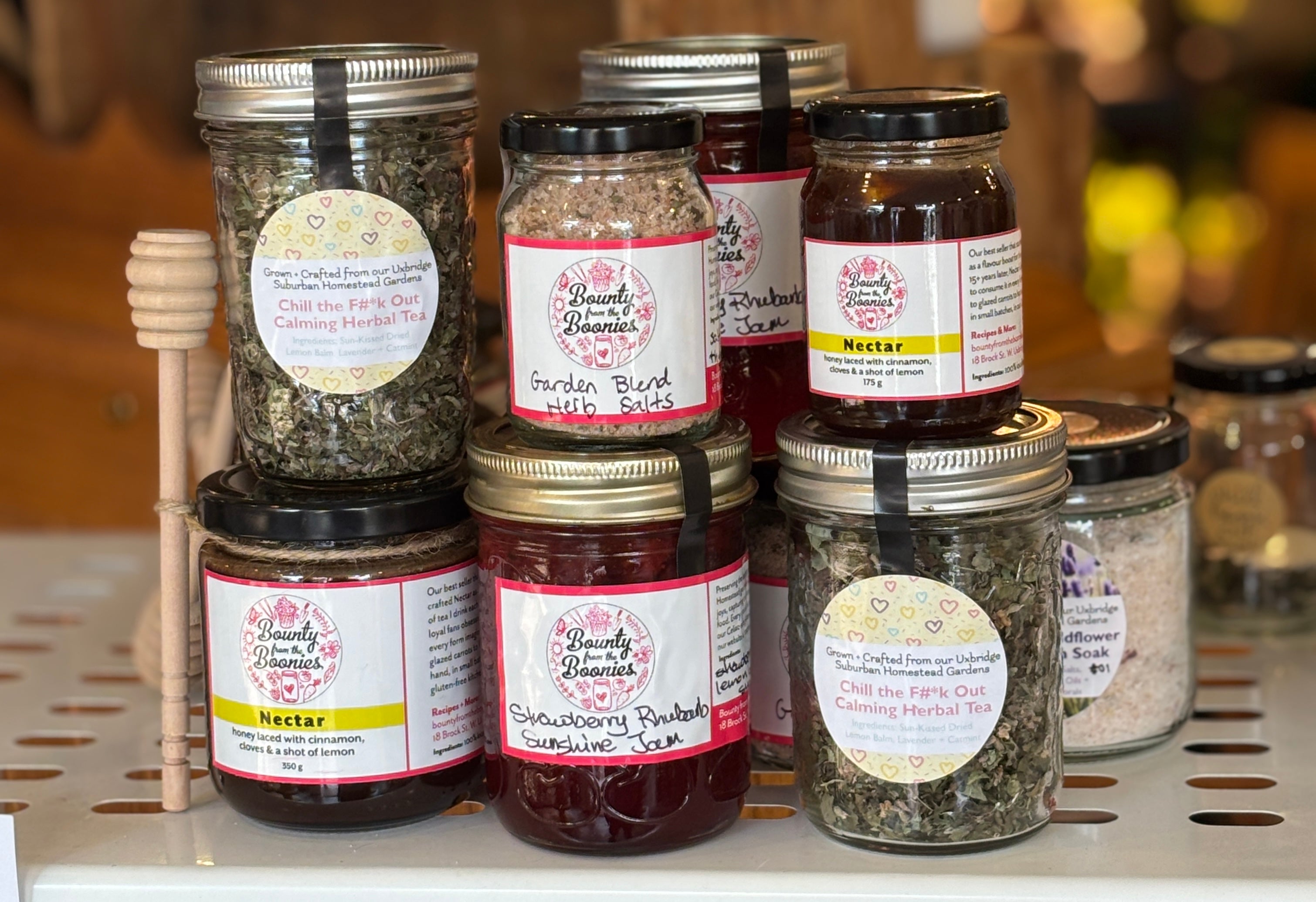
Grown + crafted with ingredients harvested fresh from our Uxbridge Suburban Homestead Gardens, these soothing bath salts are a delight to smell and see!
Made with pink Himalayan sea salt, Epsom salt + a mix of dried flower petals including hibiscus, sunflower, calendula, lavender + daisies, then scented with pure essential oils including lavender + orange blossom.
Add bath salts to hot bath water (1/4 to 1/2 cup) or hot water facial steam bowl (1 to 2 TBS). Swish to dissolve. Sink + breathe in!
Come to the shop to smell a sample!
Limited quantities made depending on our seasonal flower selection.
INDREDIENTS: Epsom salt, pink Himalayan sea salt, baking soda, essential oils, dried flower petals
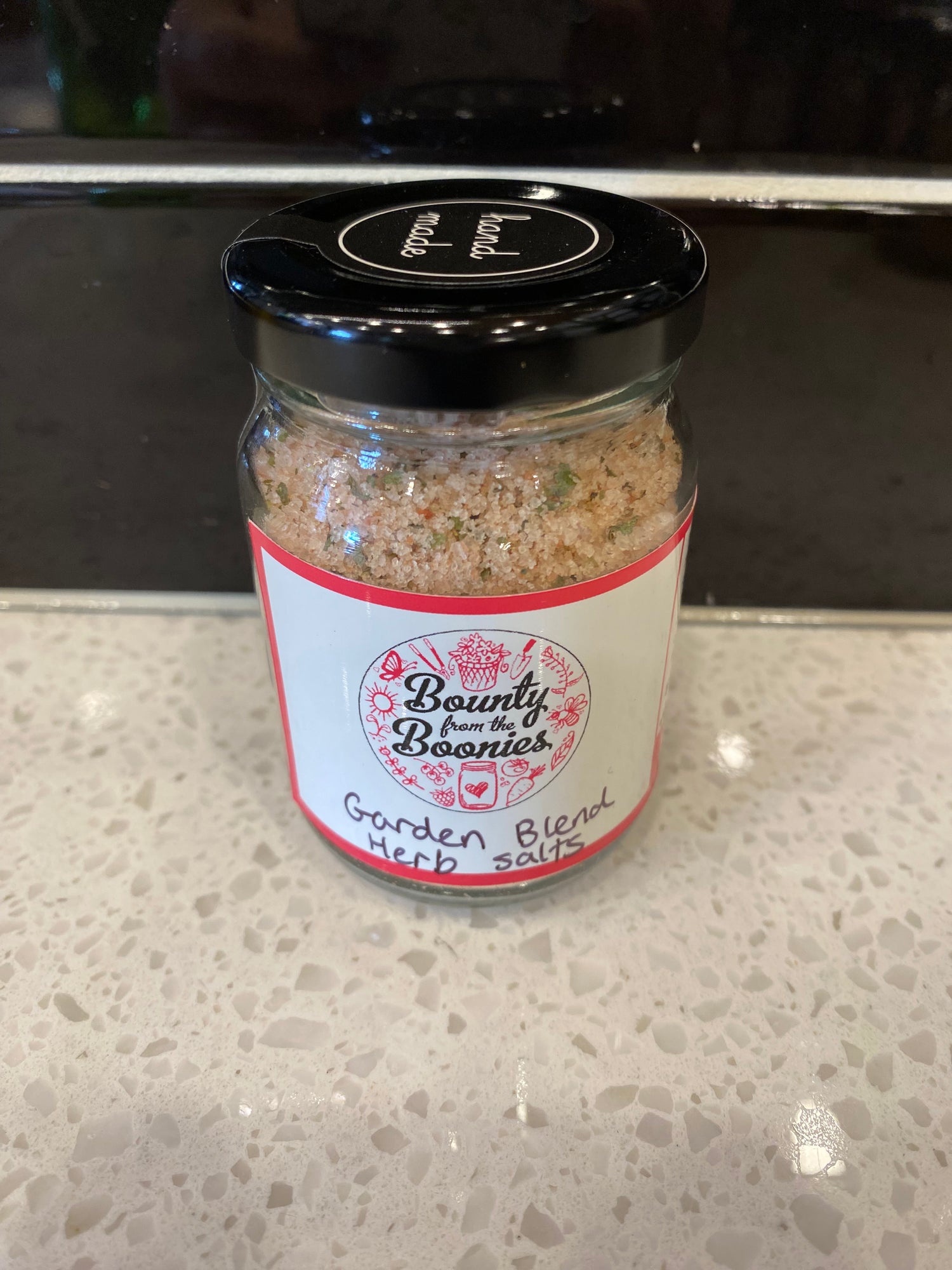
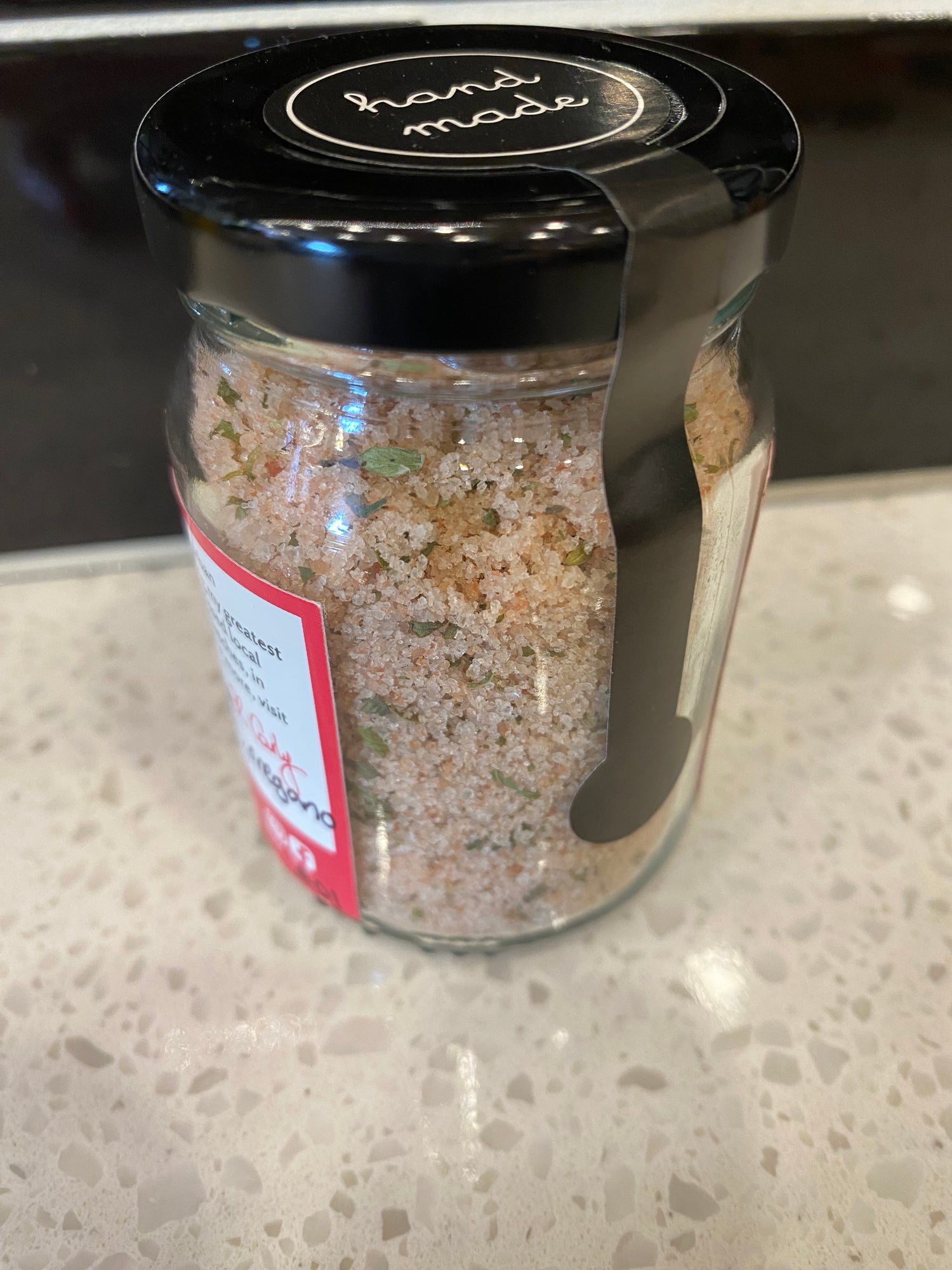
We regularly make Herb Salt from whatever seasonal herbs are growing in our Suburban Homestead Gardens. Our latest batch contains Oregano, Thyme, Sage, Basil, Thai Basil, Dill weed, Celery seed + Lemon juice!
Delicious on:
* chicken
* fish
* roasted veggies
* BBQ corn
* seasoning soups + stews
Preserving the bounty from my Uxbridge suburban Homestead gardens + Ontario growers is among my greatest joys, capturing the incomparable taste of sun-kissed local food. Every product is made by hand, in small batches, in our Celiac-safe gluten-free kitchen.
INGREDIENTS: Pink Himalayan Sea Salt, Dried Oregano, Thyme, Sage, Basil, Thai Basil, Dill weed + Celery seed and Lemon juice!