







Pet Safe

We know Fur Babies can be mischievous. Check out our Pet Safe plants so you don't have to worry if Fido or Mittens are digging or getting too cozy with your plants.
Sort by:
119 products
119 products


3” Mini Hydrengea that can be potted outside. Available in pink and purple.
Diameter: 3”
Pet safe: No


Monanthes polyphylla is a small, low growing succulent native to the Canary Islands. It's known for forming dense clumps of tiny rosettes. They have small green, cylindrical leaves that often develop reddish hues in good light. They can also bloom star-shaped flowers in yellow, orange, or purple.
Scientific Name: Monanthes Polyphylla
Common Name: Monanthes Polyphlla
Light: Bright, indirect light
Growth: 12 cm tall
Watering: Let dry between watering
Pet Safe: Yes
Care: Easy

What are Clippings?
Clippings are pieces cut from existing mature plants. They are then placed in water and allowed to build roots. Some grow quickly while others take longer to propagate (grow roots). Once there are several new roots growing and they are at least 1" long it's time to plant. They are great for experimenting, trying new varieties or even adding to aquariums and water features.
Planting
When ready to plant you'll place your clipping in a pot with dirt. You'll want to make sure that the soil stays extra moist for several days to help it acclimatize to its new environment. Congratulations! You have a new plant baby.


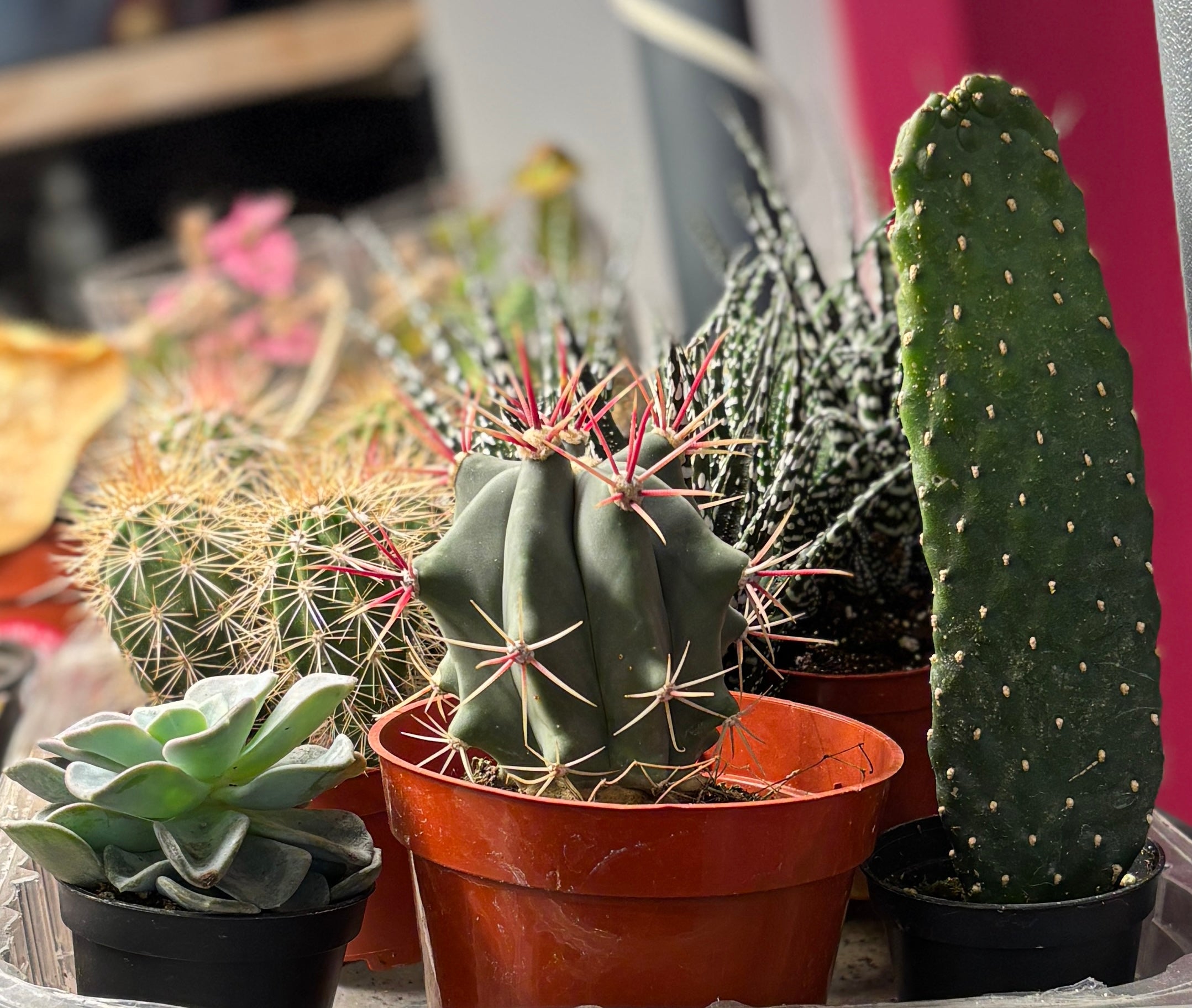
Cacti store water in their stems, which is why they are thrive in the desert. The spines on cacti are actually modified leaves. They help to protect the plant from animals and reduce water loss by shading the stem.
Scientific Name: Mammillaria Hahniana
Common Name: Old Lady Pincushion Cactus
Growth: 6-8 inches
Light: Bright, Indirect sun
Watering: Let the soil dry out completely before watering
Pet Safe: Yes
Care: Easy


This beautiful cactus grows incredible bright flowers!
Light: Bright indirect light. Avoid full sun because they will get scorched
Watering: Ideally, you want the top 1/3 of the potting mix to dry out before watering. In winter, reduce watering and move the plant to a cooler location. This will help produce healthy, large flowers the next season.
Pet Safe: Yes, but still recommended to keep out of reach. Ingesting too much can get your pet sick.
Care: Easy
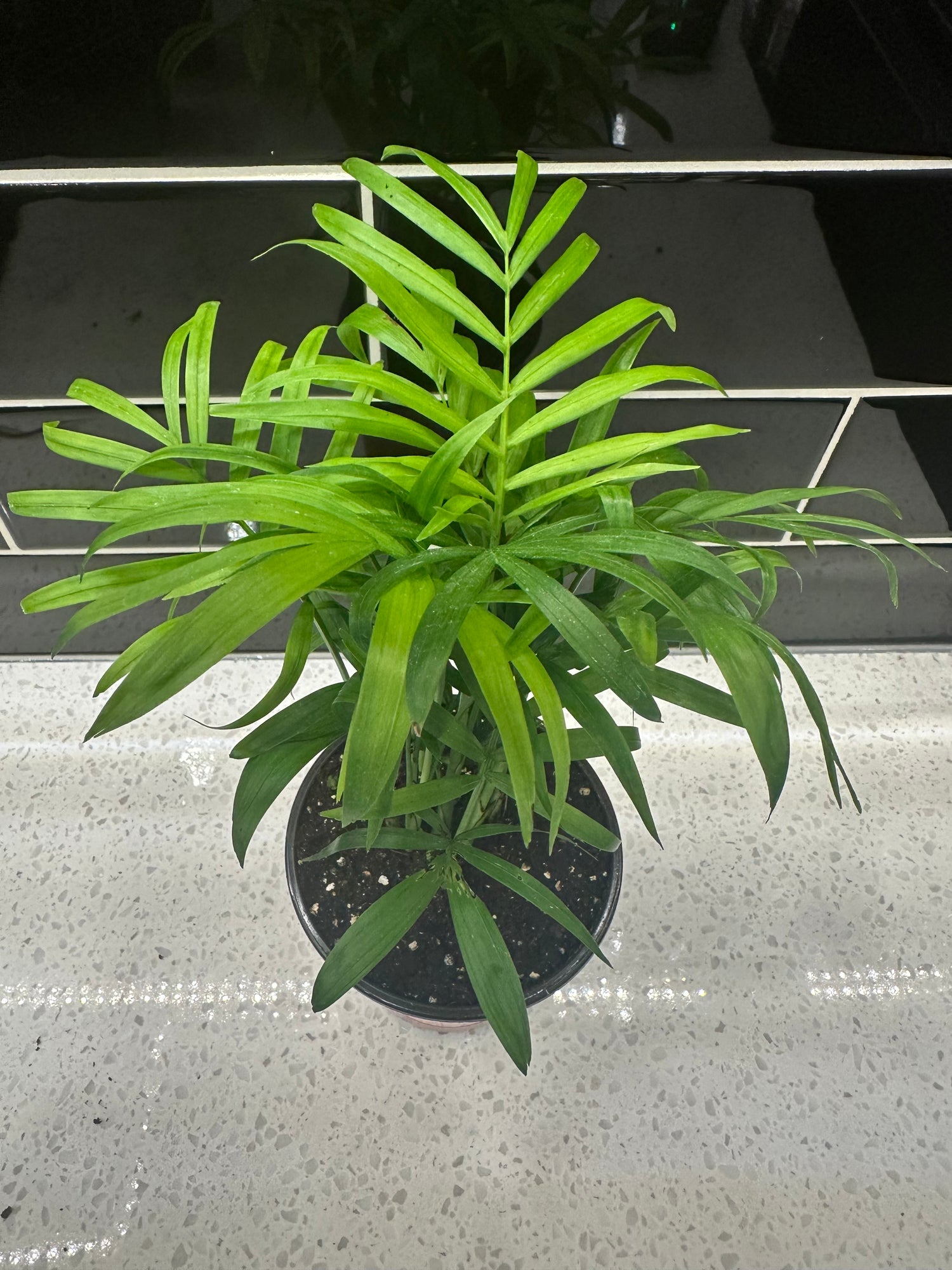
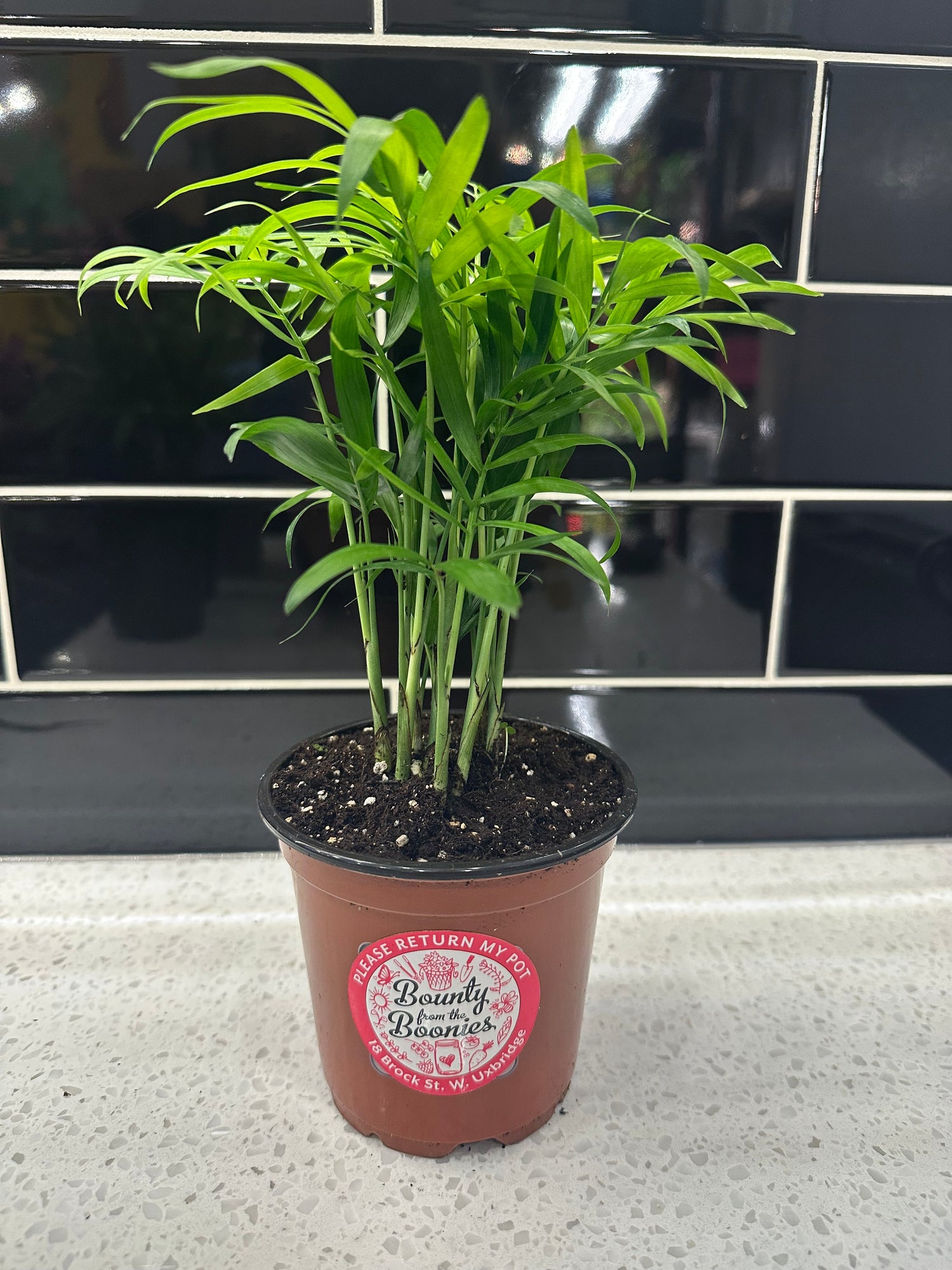
This is a shop favourite!
A species of small palm tree native to the rainforests in Southern Mexico and Guatemala. Being such a small compact size, The Parlour Palm is one of the most popularly sold houseplant palms in the world. They are also known for the air-purifying qualities. Specifically they are effective at removing formaldehyde and xylene from the air.
Adding this plant to your collection is a must. It does well in low light so it's great for that corner you're not too sure what to do with.
Scientific Name: Chamaedorea elegans
Common Name: Parlour Palm
Growth: 2-3' Feet tall indoors
Light: Bright indirect light to low light
Watering: When top soil is dry, ensure good drainage
Pet Safe: Yes
Care: Easy
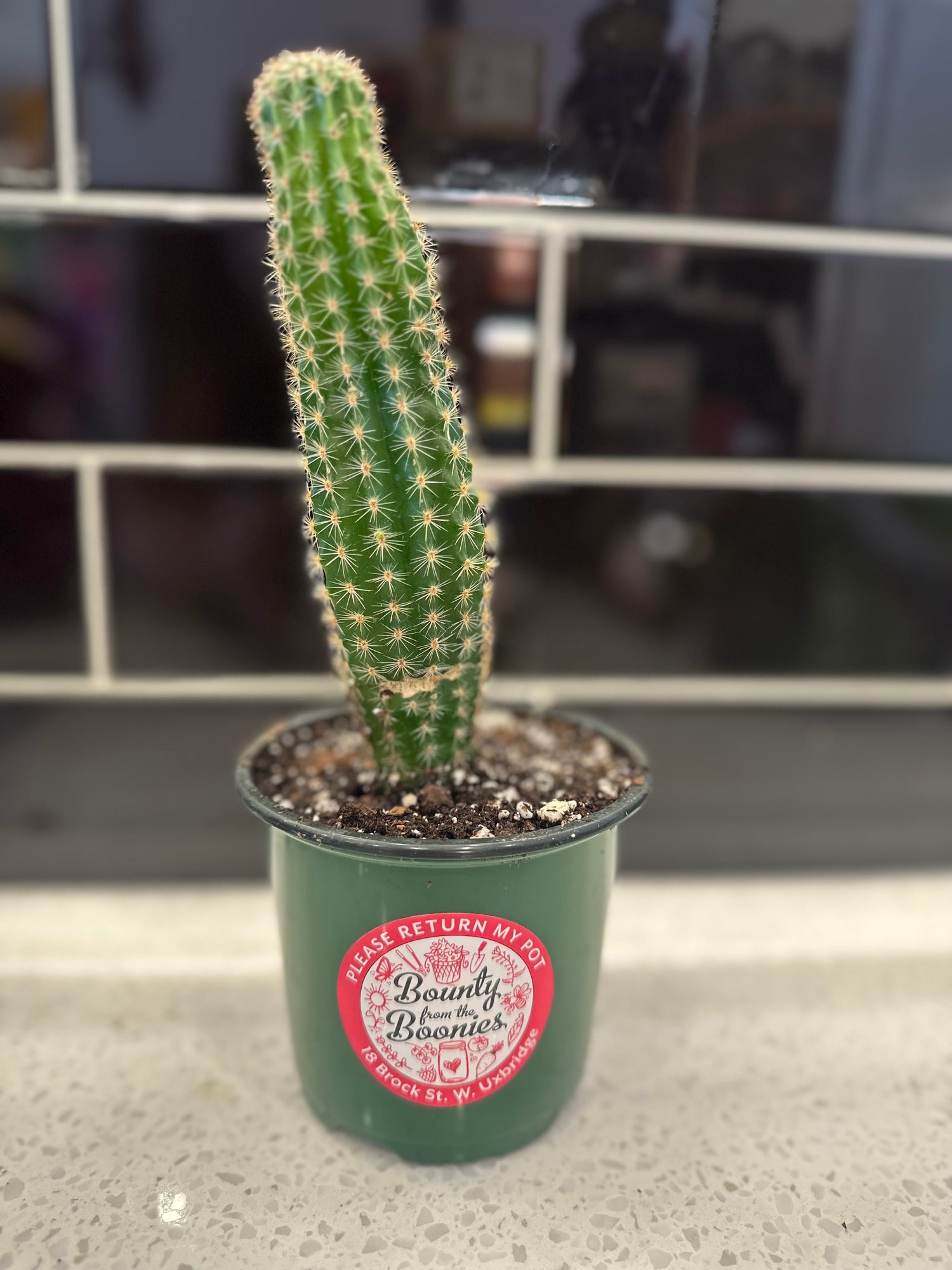
Native to Argentina, the Peanut Cactus has ribbed spines and elongated stems that give the peanut cactus its name. It has multiple long cactus stems that spill out or spread out. It has very pretty blooms. Flowers are fiery orange-red and 1-2 inches in diameter.
Scientific Name: Chamaecereus silvestrii
Common Name: Peanut Cactus
Growth: 3-5 inches per year
Light: Bright, Indirect light
Watering: Once soil has completely dried out, then soak
Pet Safe: Yes
Care: Easy
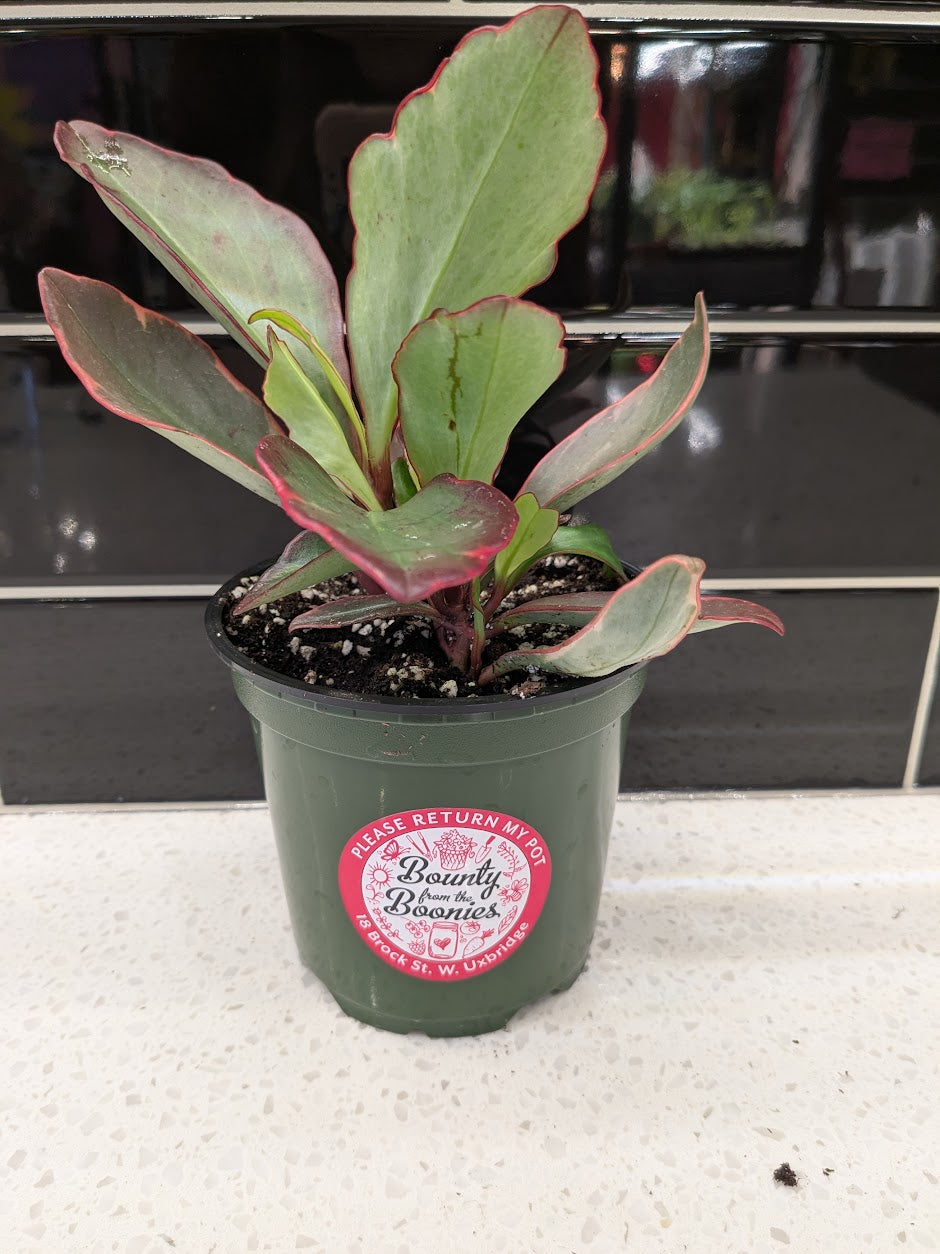
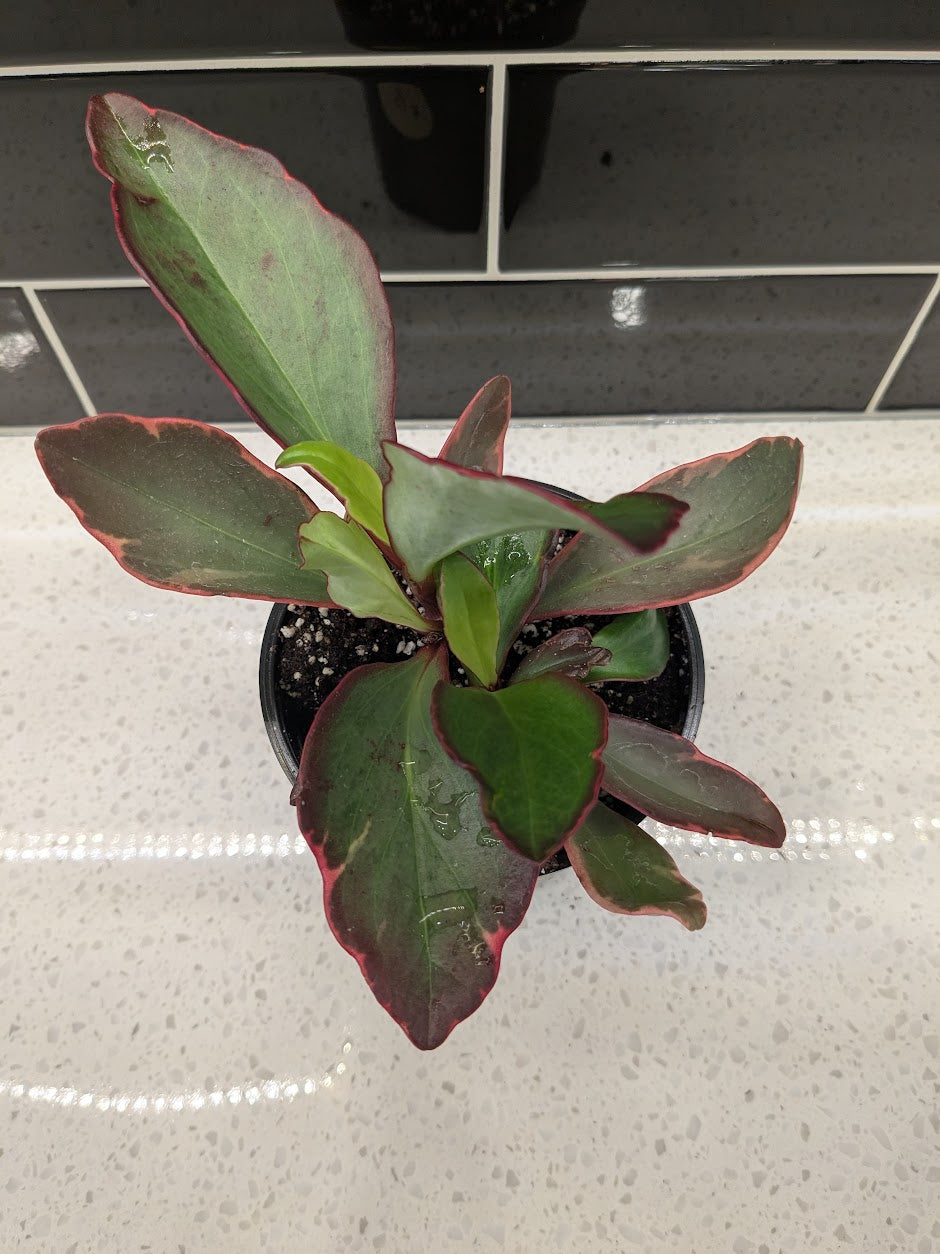
A Peperomia variety that has long green leaves rimmed with hot pink edges. Native to Jamaica where it thrives in humid environments, this plant is a stunning piece for your home. It's worry-free as it is safe for your pets and it looks great in your window or even in a terrarium!
Scientific Name: Peperomia Clusiifolia
Common Name: Ginny Peperomia
Light: Bright indirect light
Watering: When top soil is dry, ensure good drainage
Growth: 6-12 inches tall but can grow quite bushy
Pet Safe: Yes
Care: Intermediate


A Peperomia variety that has long green leaves rimmed with hot pink edges. Native to Jamaica where it thrives in humid environments, this plant is a stunning piece for your home. It's worry-free as it is safe for your pets and it looks great in your window or even in a terrarium!
Scientific Name: Peperomia Clusiifolia
Common Name: Metallica Peperomia
Light: Bright indirect light
Watering: When top soil is dry, ensure good drainage
Growth: 6-12 inches tall but can grow quite bushy
Pet Safe: Yes
Care: Intermediate
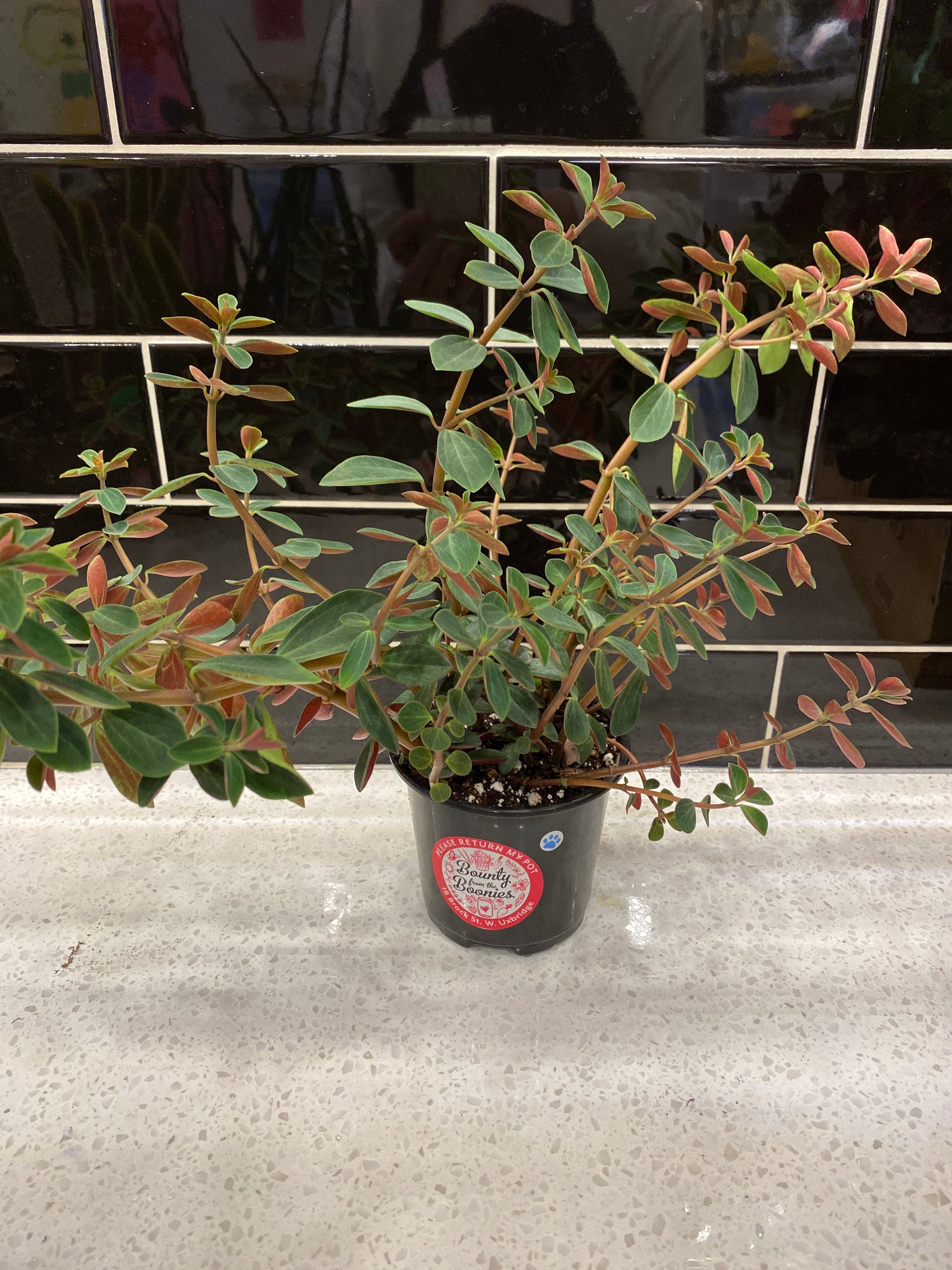
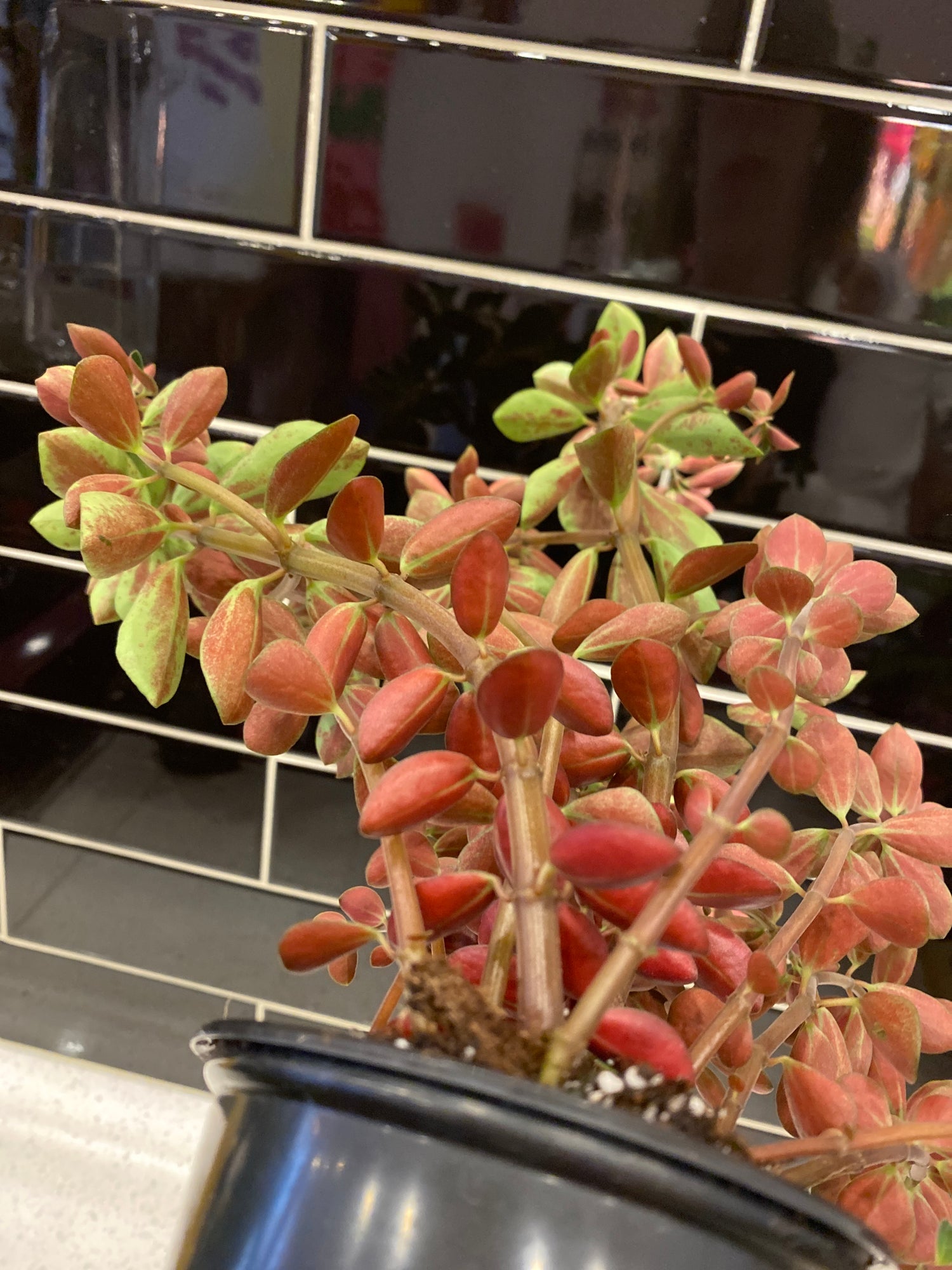
This easy care, non-toxic beauty has the best party trick: Its dark green leaves are a deep wine red underneath! Delight in flipping it upside down for a visual shock.
An eye-catching plant with thick, weighty stems that will eventually trail. Looks beautiful in a contrasting white planter.
Scientific Name: Peperomia verticilla
Common Name: Whorled Peperomia, Red Log, Belly Button
Size: 12" indoors
Growth: Trailing stems start upright, then spill over
Light: Bright, indirect light.
Watering: Loves humidity + evenly hydrated soil. Let it dry
Pet Safe: Yes
Care: Prune stems to keep bushy


This easy care, non-toxic beauty has the best party trick: Its dark green leaves are a deep wine red underneath! Delight in flipping it upside down for a visual shock.
An eye-catching plant with thick, weighty stems that will eventually trail. Looks beautiful in a contrasting white planter.
Scientific Name: Peperomia verticilla
Common Name: Whorled Peperomia, Red Log, Belly Button
Size: 12" indoors
Growth: Trailing stems start upright, then spill over
Watering: Loves humidity + evenly hydrated soil
Pet Safe: Yes
Care: Bright, indirect light. Prune stems to keep bushy


The leaves look like ketchup chips! Deeply corrugated (rippled) heart-shaped leaves with a metallic sheen, this plant displays a rich mix of bronze, orange, and pink tones that become more vibrant with brighter light. Native to the rainforests of Brazil, it grows on the forest floor, where it thrives under a dense canopy.
Scientific Name: Peperomia Caperata " Quito"
Common Name: Quito Peperomia, Radiator Plant
Light: Bright indirect light
Watering: When top soil is dry, ensure good drainage
Growth: 6-8 inches in height and width
Pet Safe: Yes
Care: Intermediate


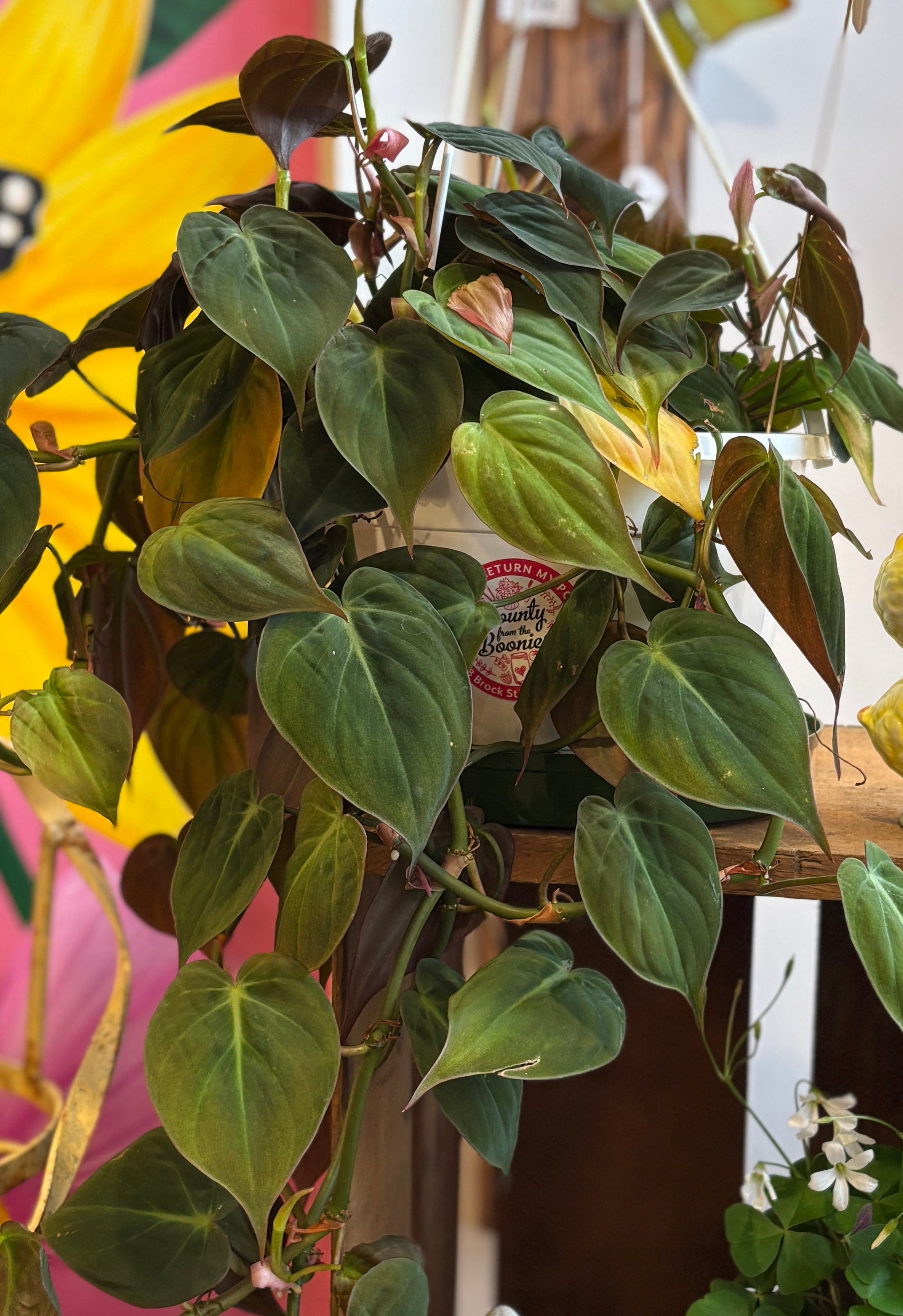
A peperomia variety that has fun textured leaves of red, maroon and deep purple
Growth: 8 inches tall
Light: Bright indirect light to low light
Watering: When top soil is dry, ensure good drainage
Pet Safe: Yes
Care: Intermediate
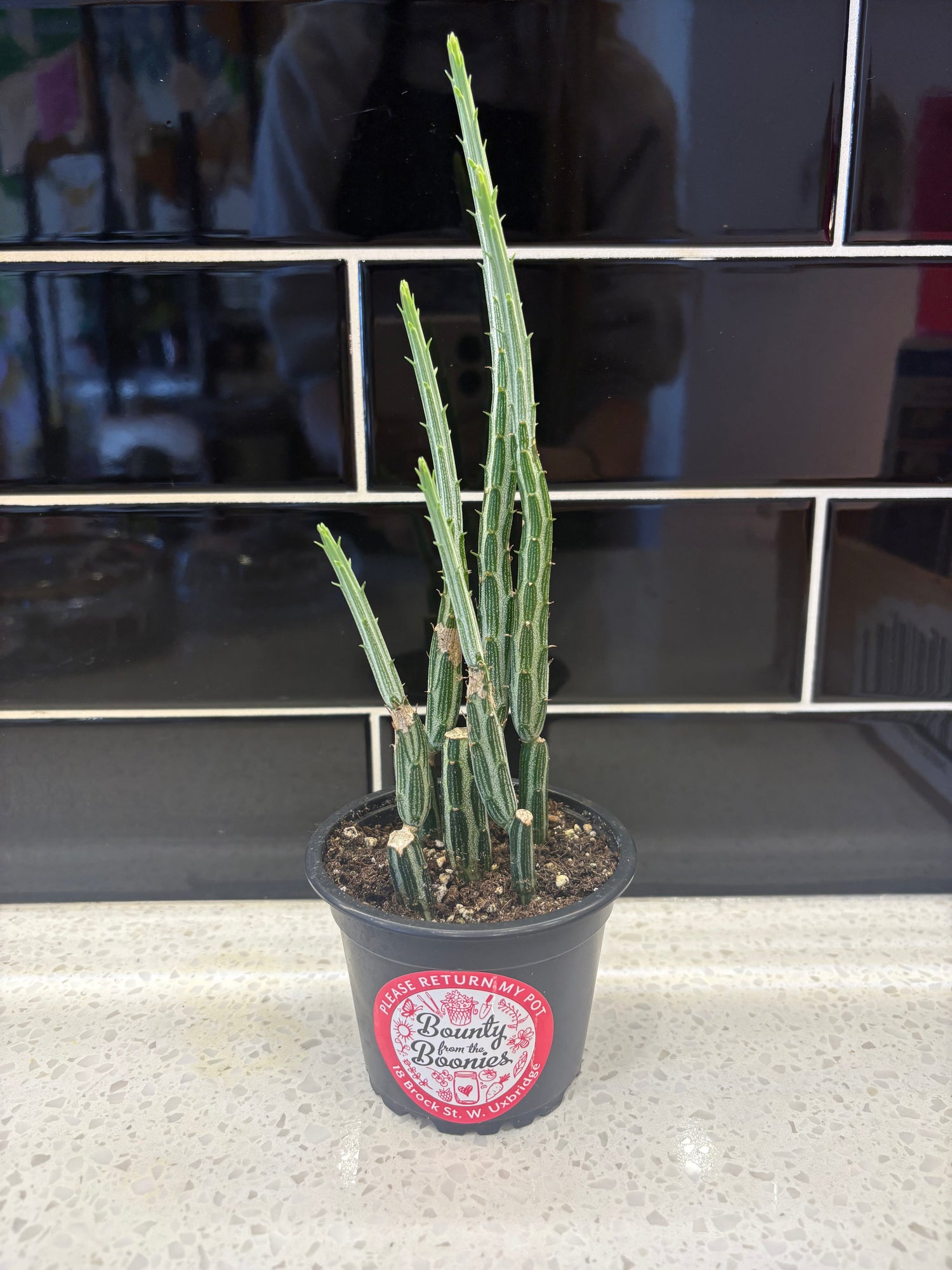
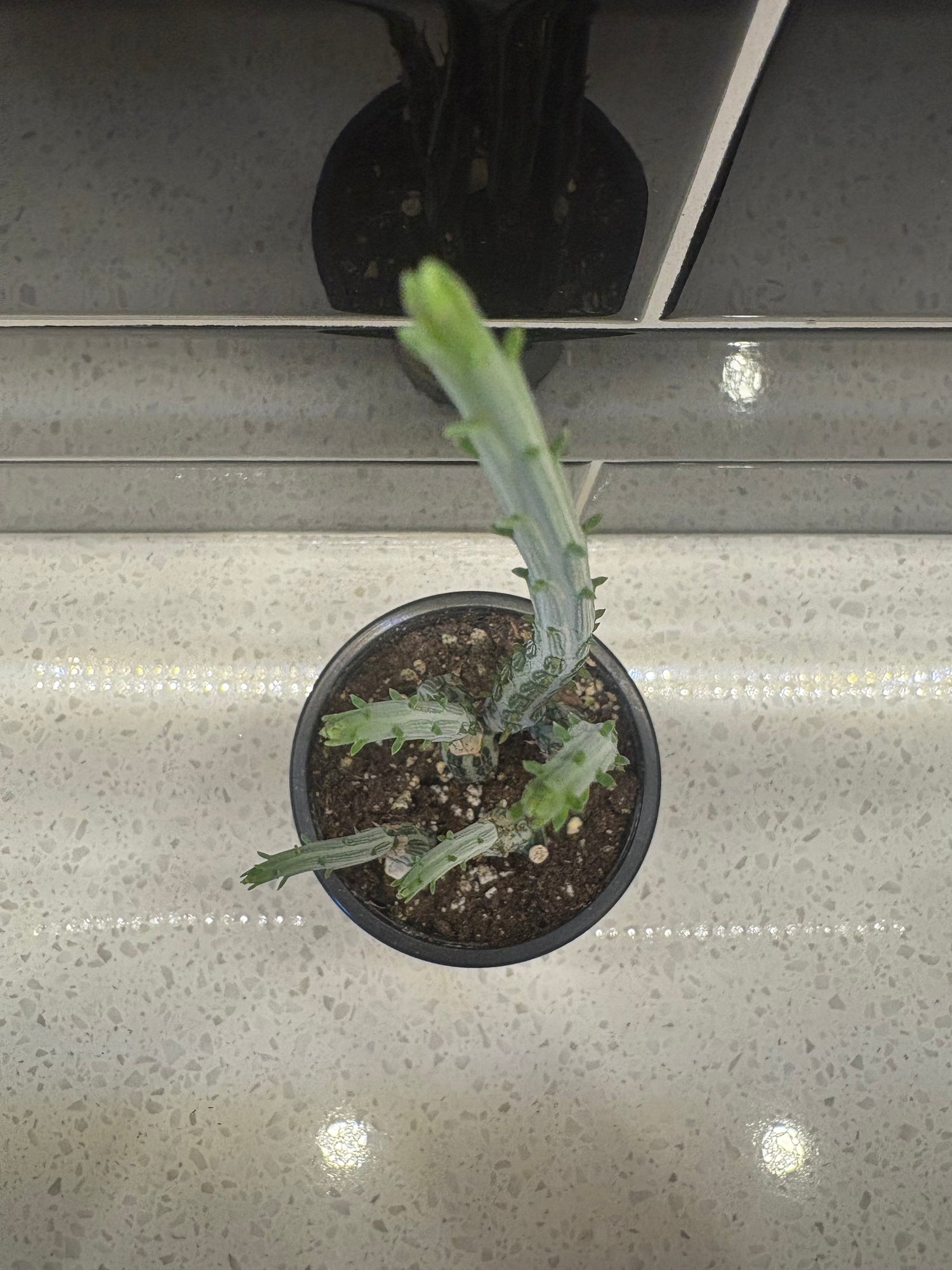
This plant is native to Southern Africa. If you look really close, you can see a cucumber pattern. This cool plant can have babies that grow off the stem, under the soil, and develop the dark green and silver coloration once exposed to the light. Ideally, place the pickle plant near a south or west-facing window that receives a few hours of direct sunlight per day.
Scientific Name: Kleinia Stapeliiformis
Common Name: Pickle Plant or Candle Stick Plant
Growth: 10 inches in length and 0.8 inches in thickness
Light: Bright, Indirect light
Watering: Let dry out between watering, water sparingly
Pet Safe: Yes
Care: Easy
This plant is native to Southern Africa. If you look really close, you can see a cucumber pattern. This cool plant can have babies that grow off the stem, under the soil, and develop the dark green and silver coloration once exposed to the light. Ideally, place the pickle plant near a south or west-facing window that receives a few hours of direct sunlight per day.
Scientific Name: Kleinia Stapeliiformis
Common Name: Pickle Plant or Candle Stick Plant
Growth: 10 inches in length and 0.8 inches in thickness
Light: Bright, Indirect light
Watering: Let dry out between watering, water sparingly
Pet Safe: Yes
Care: Easy


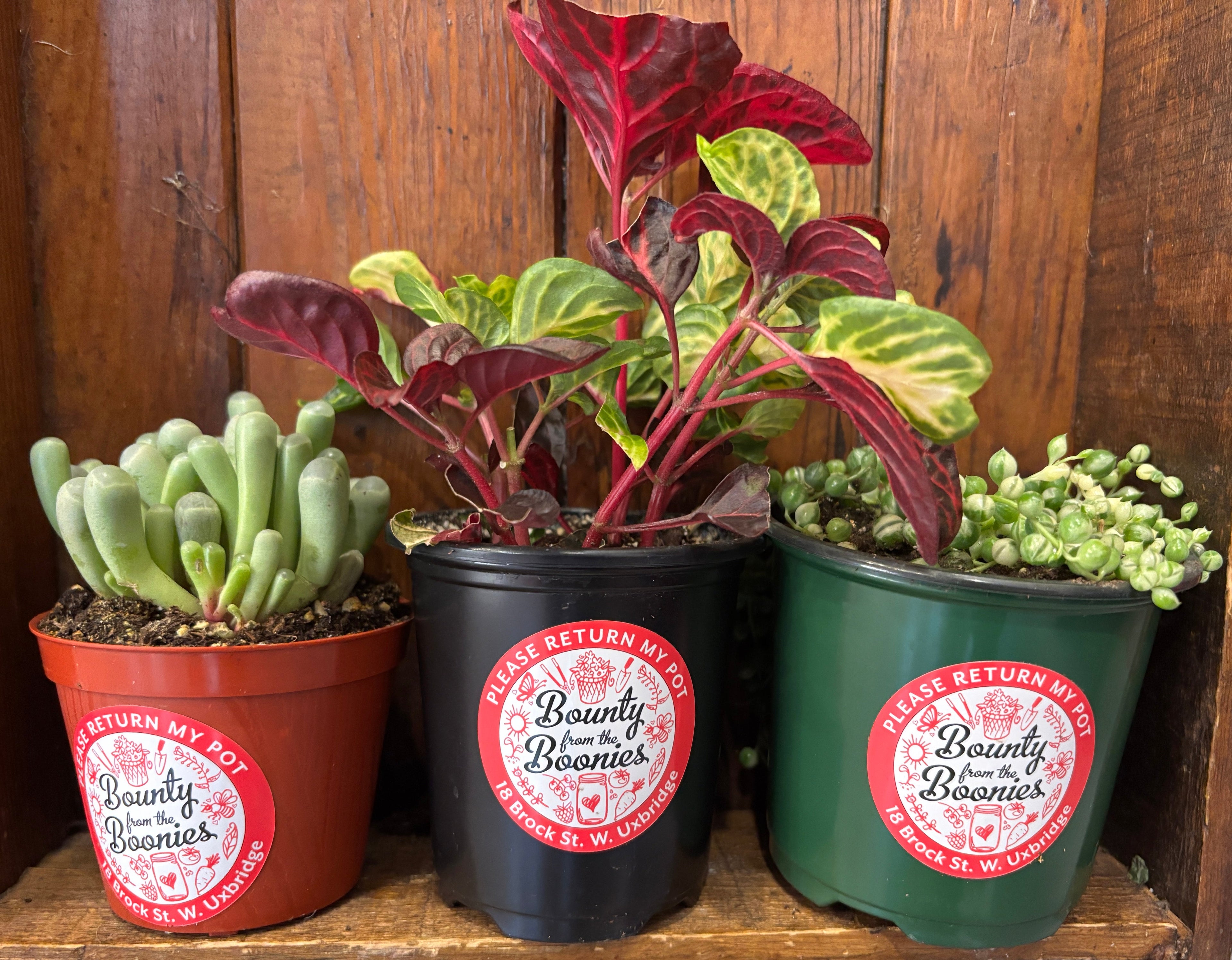
This funny succulent has leaves that look like pickles!
This quirky little guys is native to South Africa. In the Spring and Summer this plant can produce cute little daisy-like flowers. But if yours doesn't flower, the appeal and beauty of the pickle plant is all due to its cute, funny-looking leaves. Guaranteed to start a conversation with other plant lovers.
Scientific Name: Delosperma echinatum or Kleinia stapeliiformis
Common Name: Pickle Succulent, Stapelia Stemmed Senecio, Stapelioid Kleinia, Trailing Jade, Spider Plant, Inch Worm, Candle Stick, Candle Plant
Growth: A maximum height of 18 inches (45 cm).
Light: Bright indirect
Watering: Only when soil has completely dried
Pet Safe: Yes
Care: Easy

This unique pilea has beautifully textured bright green leaves with red highlights.
Scientific Name: Pilea mollis
Common Name: Moon Valley
Growth: Up to 6 inches height and width
Light: Bright indirect light
Watering: When top soil is dry, ensure good drainage. It does not like to dry out completely but also will not tolerate soggy soils.
Pet Safe: Yes
Care: Intermediate
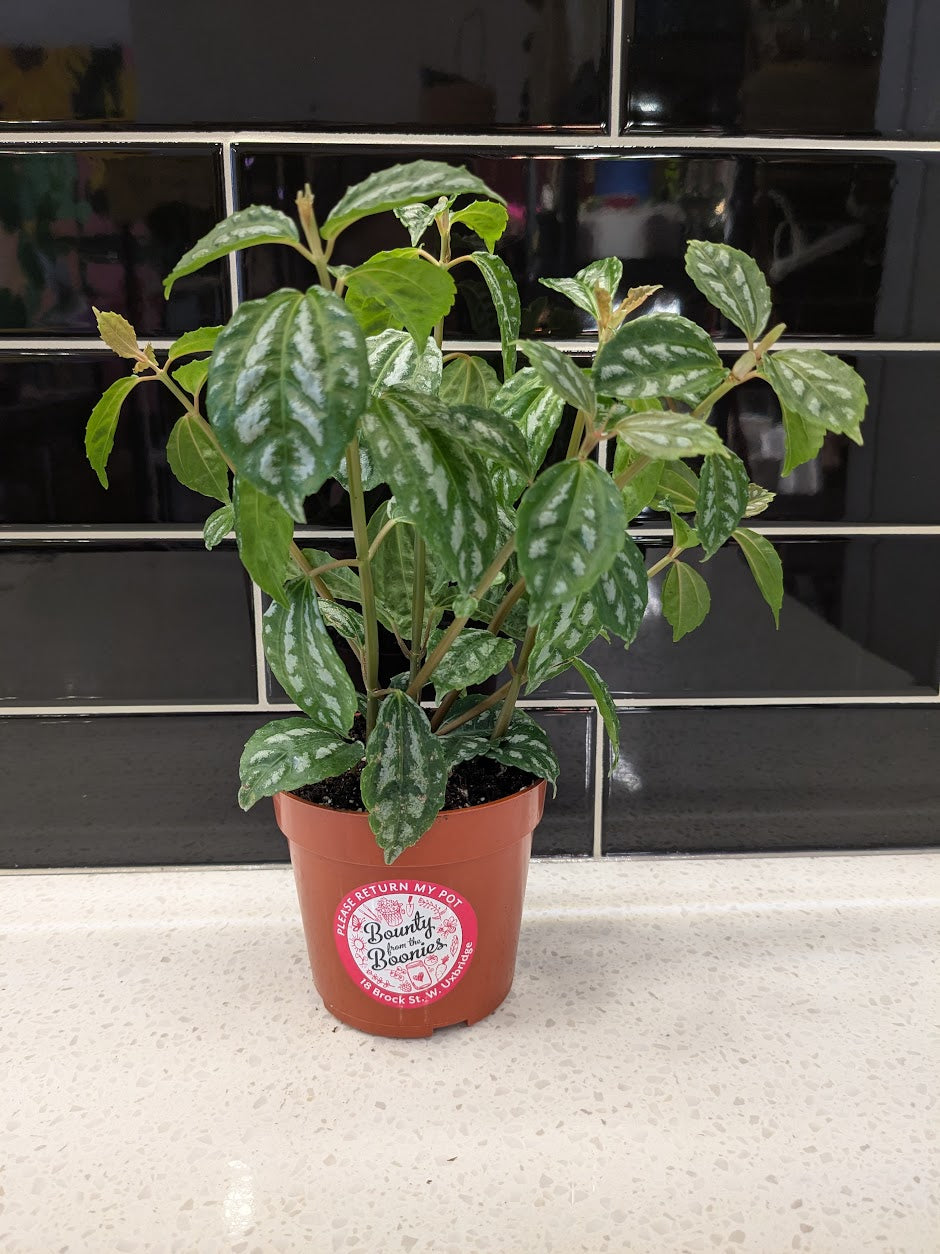
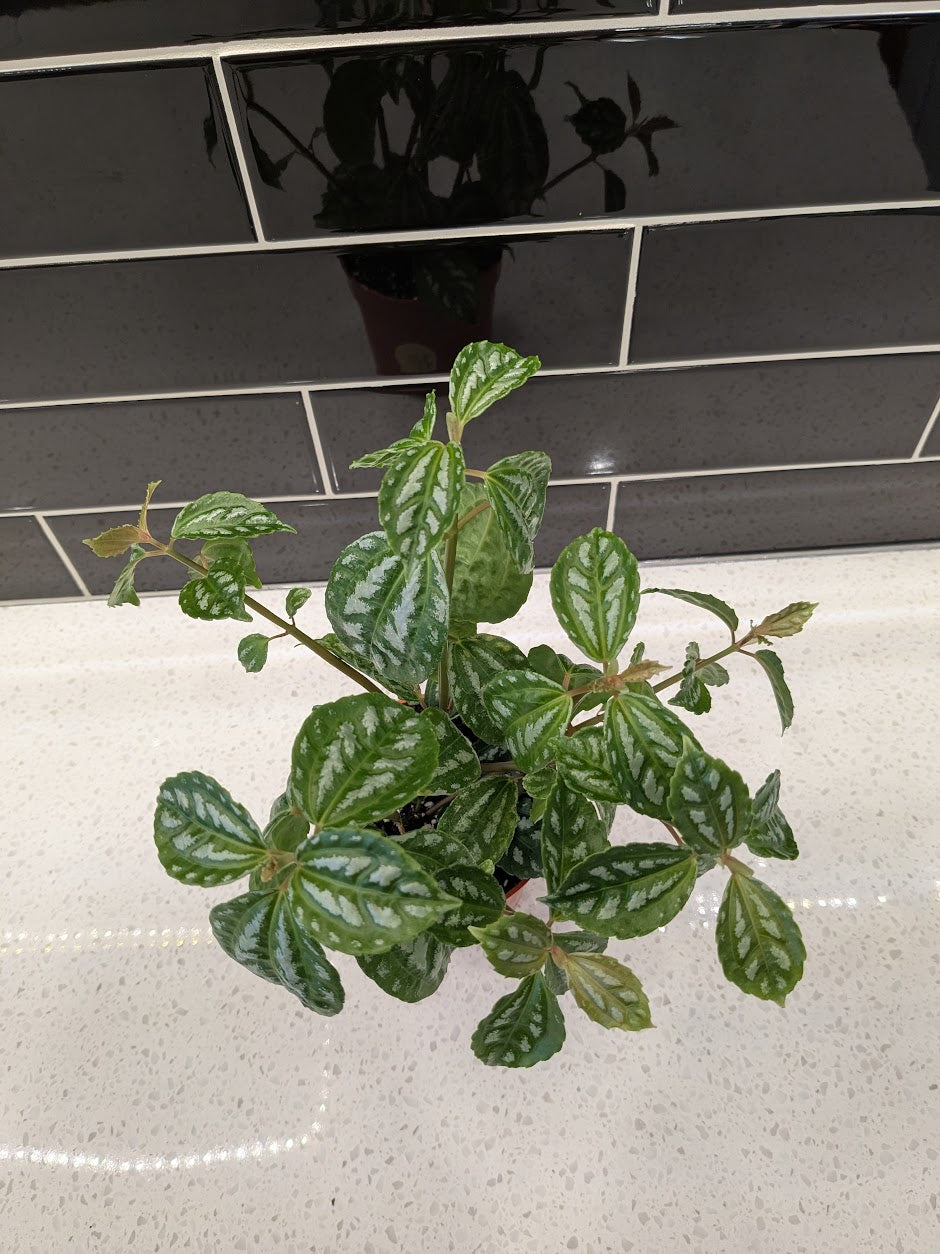
This shimmery stunning plant is native to Vietnam and China. Since they come from a place such as Vietnam, they thrive in warm humid environments. The contrast of the metallic markings with darker green border makes is so visually pleasing and a great addition to your indoor plant collection.
Scientific Name: Pilea Cadierei
Common Name: Aluminum Plant/Watermelon Pilea
Growth: This plant can spread as well as grow upright. It can grow up to 12 inches high.
Light: Bright indirect light
Watering: When top soil is dry, ensure good drainage
Pet Safe: Yes
Care: Easy


Pilea Involucrata " Norfolk" is a tropical plant with dark green/brown-purple leaves with silvery-white steaks. It is a relatively low-maintenance plant but does prefer high humidity. This plant is ideal for terrariums and bottle gardens. The Norfolk Pilea is native to Central and South America.
Scientific Name: Pilea Involucrata
Common Name: Friendship plant, Norfolk Pilea
Growth: 6-12 inches
Light: Bright indirect light
Watering: When top soil is dry, ensure good drainage
Pet Safe: Yes
Care: Intermediate

Pilea Involucrata " Norfolk" is a tropical plant with dark green/brown-purple leaves with silvery-white steaks. It is a relatively low-maintenance plant but does prefer high humidity. This plant is ideal for terrariums and bottle gardens. The Norfolk Pilea is native to Central and South America.
Scientific Name: Pilea Involucrata
Common Name: Friendship plant, Norfolk Pilea
Growth: 6-12 inches
Light: Bright indirect light
Watering: When top soil is dry, ensure good drainage
Pet Safe: Yes
Care: Intermediate