








Pet Safe

We know Fur Babies can be mischievous. Check out our Pet Safe plants so you don't have to worry if Fido or Mittens are digging or getting too cozy with your plants.
Sort by:
119 products
119 products


The circular leaves of this plant sprout from the main stem like fireworks! Known in some cultures as a good luck plant, you can also spread the luck as it is very easy to propagate and it constantly has little babies!
Scientific Name: Pilea Peperomioides
Common Name: Pilea
Growth: Can grow up to 12 inches high
Light: Bright, indirect light
Watering: When top soil is dry, be sure to have good drainage
Pet Safe: Yes
Care: Easy


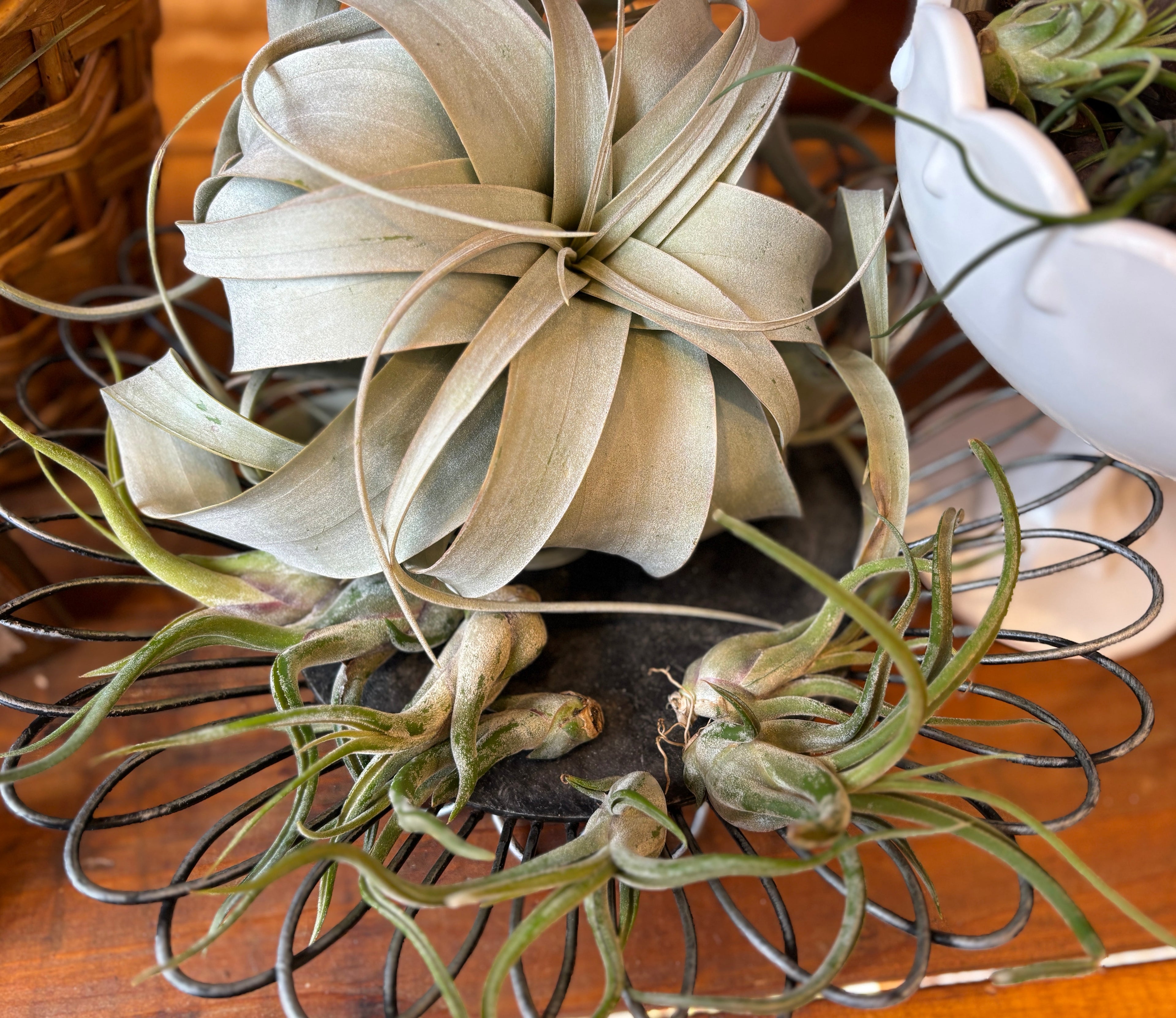
The lowest of care plants!
A variety of shapes and sizes add dramatic flair to any living space.
Light: Bright, indirect light.
Watering: Soak in water once a week and let completely dry.
Care: Easy
Pet Safe: Yes
If purchasing online, the air plant may vary. You will receive the size purchased but exact look can vary.
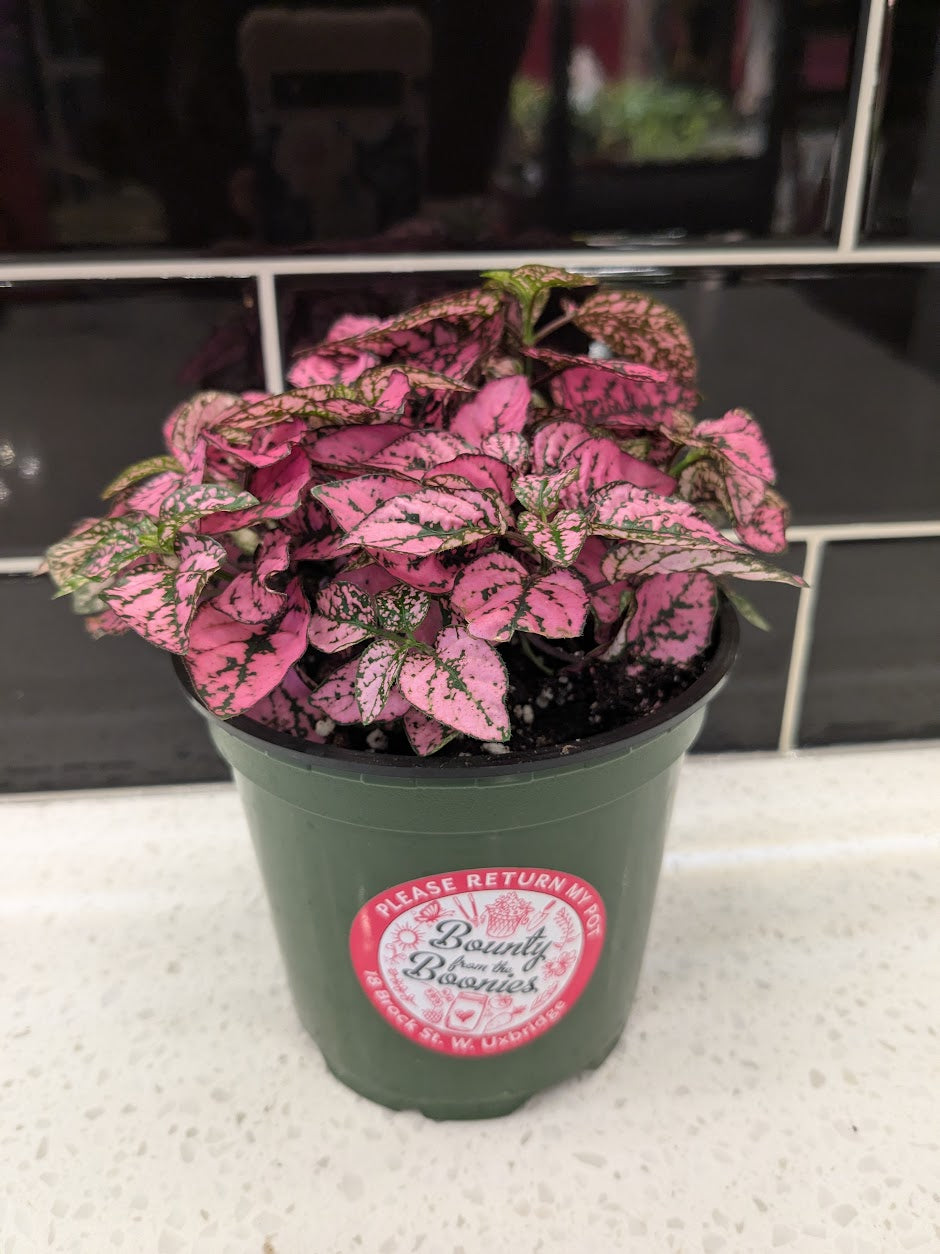
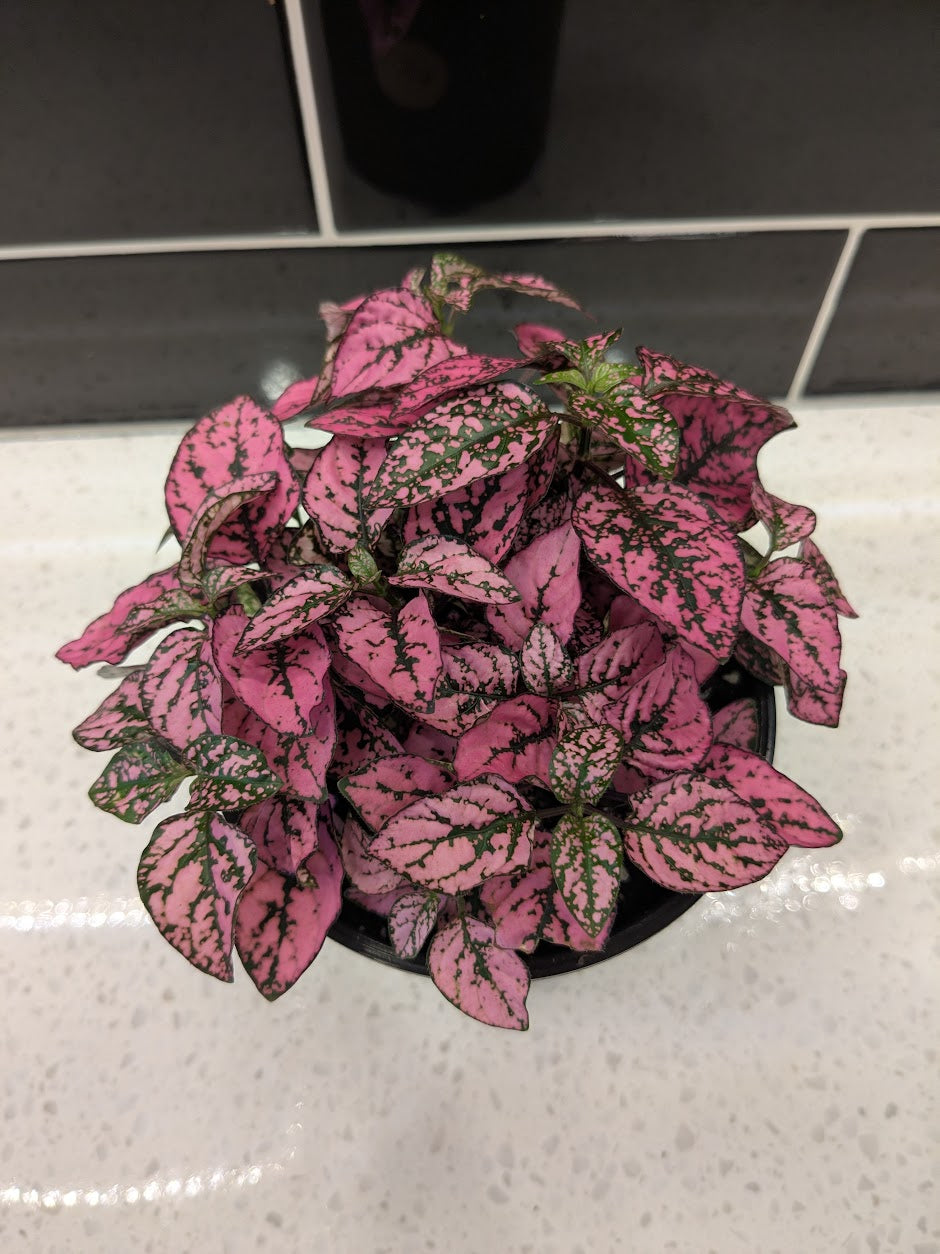
A fun plant with leaves that look like it’s been splashed with paint. Comes in a variety of colours! The Polka Dot plant originates from the island of Madagascar. It is also found in South Africa and Southeast Asia. The beautiful polka dots on its leaves symbolize creativity and it is believed to bring positive energy and enhance the ambiance of any room.
Scientific Name: Hypoestes Phyllostachya
Common Name: Polka Dot Plant
Light: Bright indirect light
Growth: Can grow up to 12 inches tall
Watering: Keep evenly hydrated, likes to be misted
Pet Safe: Yes
Care: Intermediate


Ponytail Palm is the perfect plant for those people who like interesting house plants but also tend to ignore them. Ponytail Palms are fun and unique looking and will live for years as long as you don't overwater them. The bulbous stem holds water! They are not a true palm and are more closely related to yucca's and agaves.
Scientific Name: Beaucarnea recurvata
Light: Situate it where it will get maximum light. It can even take full sun.
Watering: When top soil is dry, ensure good drainage. Water more during the growing season and very sparingly during the winter.
Growth: Slow growing indoors. Can eventually reach 4-6 ft. But will take a long time to reach that size when restricted to a pot.
Pet Safe: Yes
Care: Intermediate


The Rabbit's Foot Fern originates from the tropical and subtropical regions of the Fiji Islands. There it grows as an epiphyte (on trees) or lithophyte (on rocks). The way it creeps over surfaces with its furry looking rhizomes, it resembles a rabbit's foot!
Scientific Name: Davallia fejeensis
Common Name: Rabbit's Foot Fern
Light: Bright, indirect light
Watering: Keep consistently hydrated but not soggy. Let the top two inches dry out before watering again.
Growth: Slow growing
Pet Safe: Yes
Care: Intermediate

What are Clippings?
Clippings are pieces cut from existing mature plants. They are then placed in water and allowed to build roots. Some grow quickly while others take longer to propagate (grow roots). Once there are several new roots growing and they are at least 1" long it's time to plant. They are great for experimenting, trying new varieties or even adding to aquariums and water features.
Planting
When ready to plant you'll place your clipping in a pot with dirt. You'll want to make sure that the soil stays extra moist for several days to help it acclimatize to its new environment. Congratulations! You have a new plant baby.

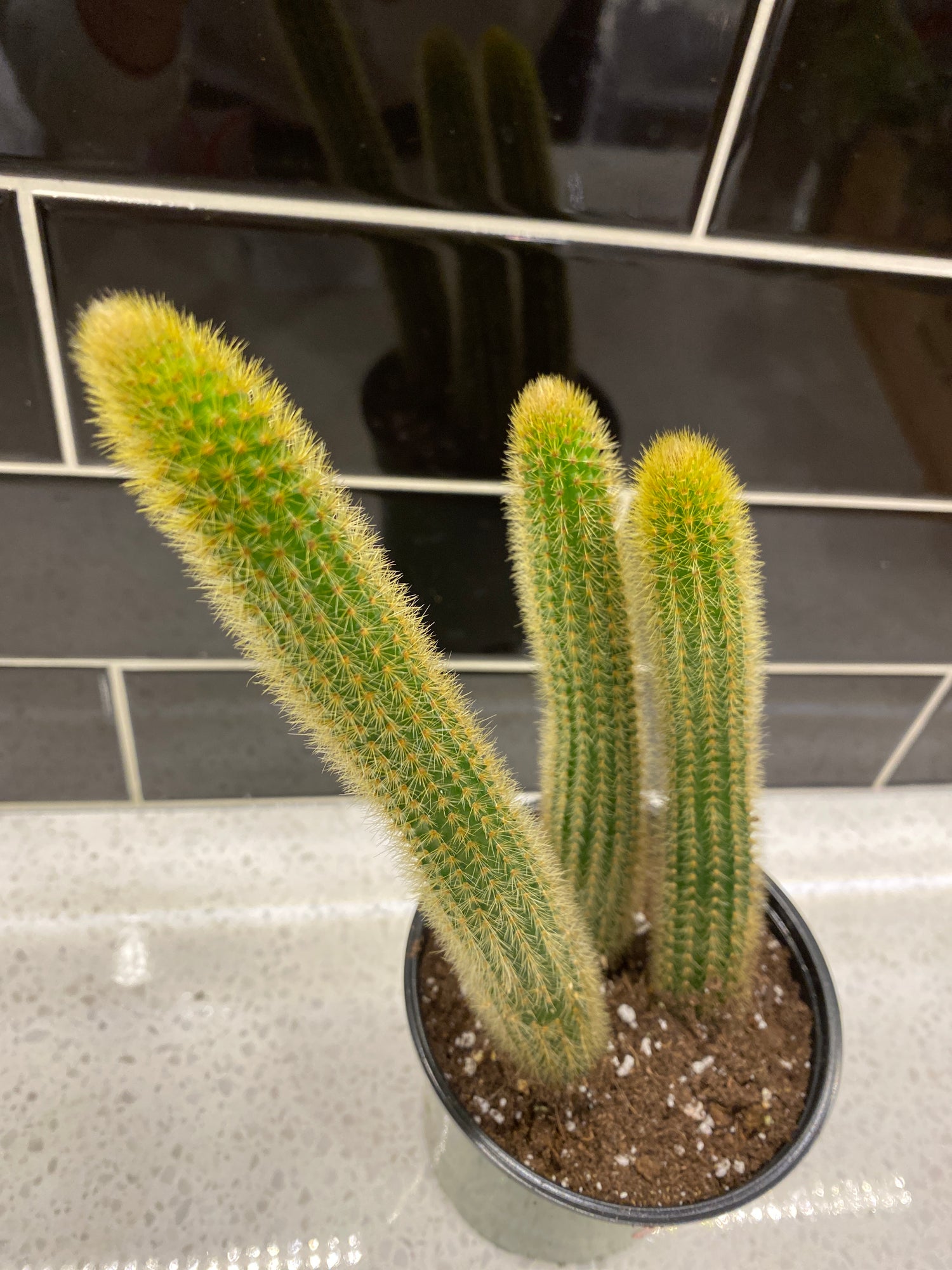
Cacti store water in their stems, which is why they are thrive in the desert. The spines on cacti are actually modified leaves. They help to protect the plant from animals and reduce water loss by shading the stem. The Rattail Cactus originates from South Western Mexico.
Scientific Name: Disocactus flagelliformis
Common Name: Rattail Cactus
Growth: Can grow 3-6 feet long
Light: Bright, Indirect sun
Watering: Let the soil dry out completely before watering
Pet Safe: Yes
Care: Easy


This is the cactus we think of when we picture cacti in the deserts of Arizona and Mexico . Yes, they grow huge in the wild, and can live up to 150 years, however they are slow growing, especially indoors.
Scientific Name: Carnegiea gigantea
Common Name: Saguaro Cactus
Growth: 2 inches in the first 10 years.
Light: Bright light, sun for 6 hours
Watering: Water more during the spring and summer, reducing the amount in the fall and giving very little during the winter. ALWAYS allow your cactus to dry out completely between waterings.
Pet Safe: Non-toxic but spines can cause injury
Care: Easy


The Sand Rose succulent is native to South Africa where it thrives in arid conditions, found in rocks and stony soils. Like many other succulents, the Sand Rose is extremely drought-tolerant. It can survive long periods without water making it an excellent choice for plant owners who sometimes forget to keep up with watering.
Scientific Name: Anacampseros Rufescens
Common Name: Sand Rose
Light: Bright indirect light
Growth: 3 inches
Watering: Let dry between watering
Pet Safe: Yes
Care: Easy

The Silver Streak is a strong, sturdy plant with sword shaped leaves. Each leaf is dark green with a metallic silver-green stripe running along the centre. They grow upright and in dense rosette form. Originating from West Africa, this cool snake plant is also excellent at filtering indoor air and removing toxins like formaldehyde and xylene.
Scientific Name: Dracaena trifasciata
Common Name: Snake Plant, Sansevieria Silver Streak
Growth: Can reach a height of 2 feet
Light: Bright indirect light to low light
Watering: Allow to dry out completely between watering
Pet Safe: No
Care: Easy


The lowest of care plants!
A variety of shapes and sizes add dramatic flair to any living space.
Light: Bright, indirect light.
Watering: Soak in water once a week and let completely dry.
Care: Easy
Pet Safe: Yes
If purchasing online, the air plant may vary. You will receive the size purchased but exact look can vary.


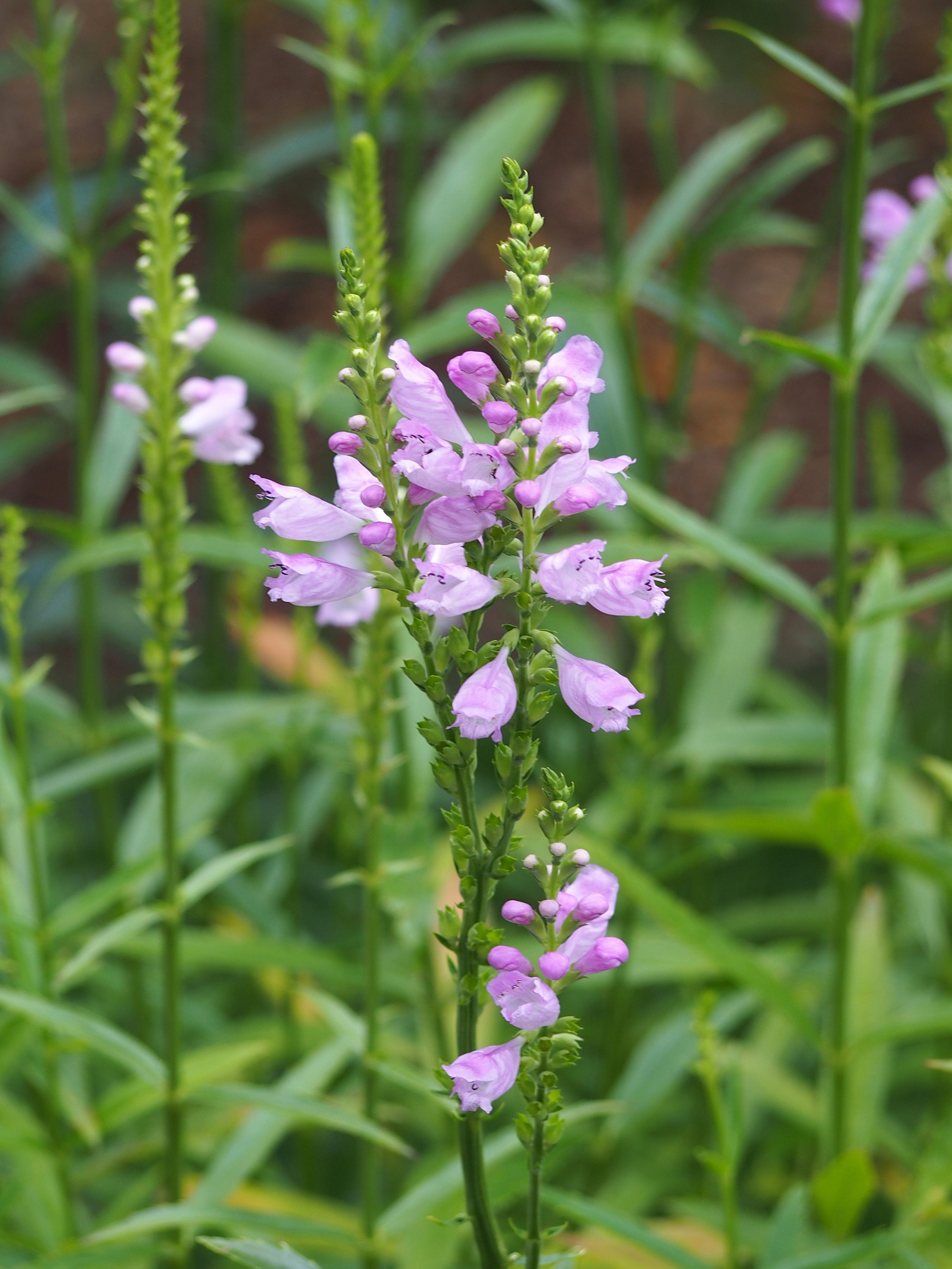
It's the Shrimp Plant! This quirky plant has beautifully interesting flowers that resemble shrimps! Native to Mexico, it is a tropical evergreen shrub that has made an interesting house plant. With its constant flowering, you can enjoy the flowers all year round.
Scientific Name: Justicia Brandegeeana
Common Name: Shrimp Plant or False Hop
Light: Part shade or indirect light
Watering: Keep soil consistently wet but not soggy.
Growth: Can grow to 4 feet tall
Pet Safe: Yes, but consuming large amounts can cause your pet to get sick.
Care: Easy


What are Clippings?
Clippings are pieces cut from existing mature plants. They are then placed in water and allowed to build roots. Some grow quickly while others take longer to propagate (grow roots). Once there are several new roots growing and they are at least 1" long it's time to plant. They are great for experimenting, trying new varieties or even adding to aquariums and water features.
Planting
When ready to plant you'll place your clipping in a pot with dirt. You'll want to make sure that the soil stays extra moist for several days to help it acclimatize to its new environment. Congratulations! You have a new plant baby.
Shrimp Plant
It's the Shrimp Plant! This quirky plant has beautifully interesting flowers that resemble shrimps! Native to Mexico, it is a tropical evergreen shrub that has made an interesting house plant. With its constant flowering, you can enjoy the flowers all year round.
Scientific Name: Justicia Brandegeeana
Common Name: Shrimp Plant or False Hop
Light: Part shade or indirect light
Watering: Keep soil consistently wet but not soggy.
Growth: Can grow to 4 feet tall
Pet Safe: Yes, but consuming large amounts can cause your pet to get sick.
Care: Easy


This cactus is a beautifully small cactus that grows with clustered cylindrical stems. They are covered in dense white hairs and can grow deep rose-pink funnel shaped flowers. This cactus originates from the dry shrub land of regions of Wester Central Mexico.
Scientific Name: Mammillaria Bombycina
Common Name: Silken Pincushion
Growth: Can grow up to 12 inches tall indoors
Light: Full sun
Watering: Let fully dry out between waterings. make sure soil drains well.
Pet Safe: Not toxic but watch out for spikes
Care: Easy


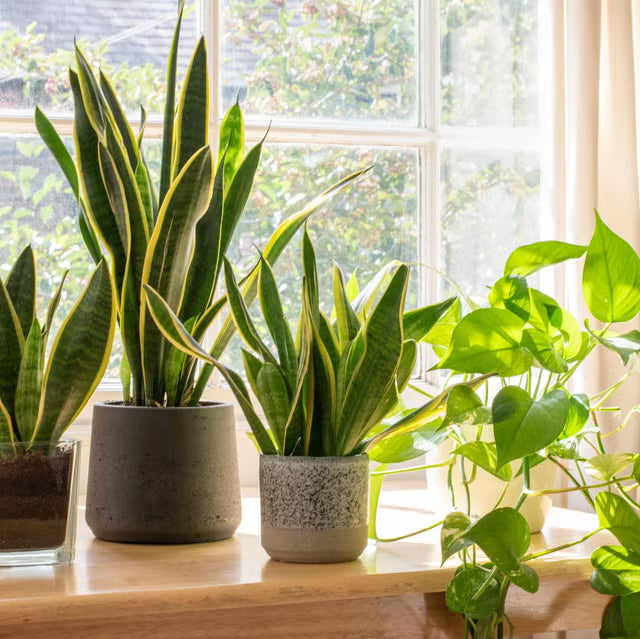
The Black Coral Snake plant has darker leaves with distinctive bands of lighter colour. The Snake Plant, also known as the "mother-in-law's tongue", is one of the hardiest plants around. It originates from West and Central Africa. You can find them in dry, rocky, desert like areas. Some people love them because they symbolize resilience and good luck. Snake Plants reduce allergens in the environment by releasing oxygen into the air, making them an air-purifying plant.
Scientific Name: Dracaena trifasciata, formerly Sansevieria trifasciata
Common Name: Snake Plant
Growth: Can grow to 35" tall
Light: Bright indirect light
Watering: Water sparingly
Pet Safe: No
Care: Easy


The Snake Plant Laurentii, also referred to as Mother-in-law’s tongue, is a popular, low-maintenance succulent known for its sword-like leaves with dark centres and vibrant yellow edges.
Scientific Name: Sansevieria laurentii
Common Name: Snake Plant
Growth: Can grow to 6 feet tall
Light: Bright indirect light to low light
Watering: Water sparingly
Pet Safe: No
Care: Easy
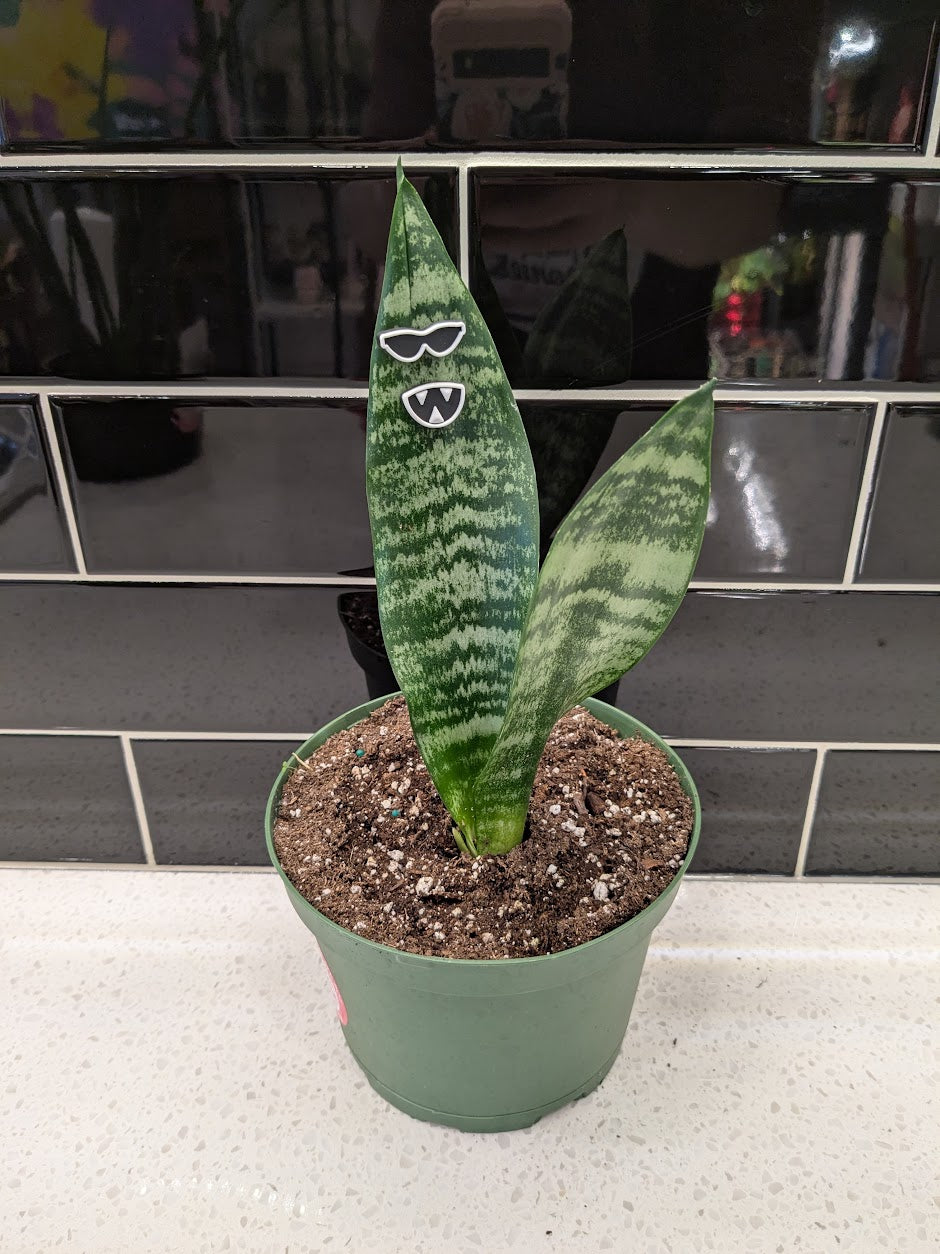
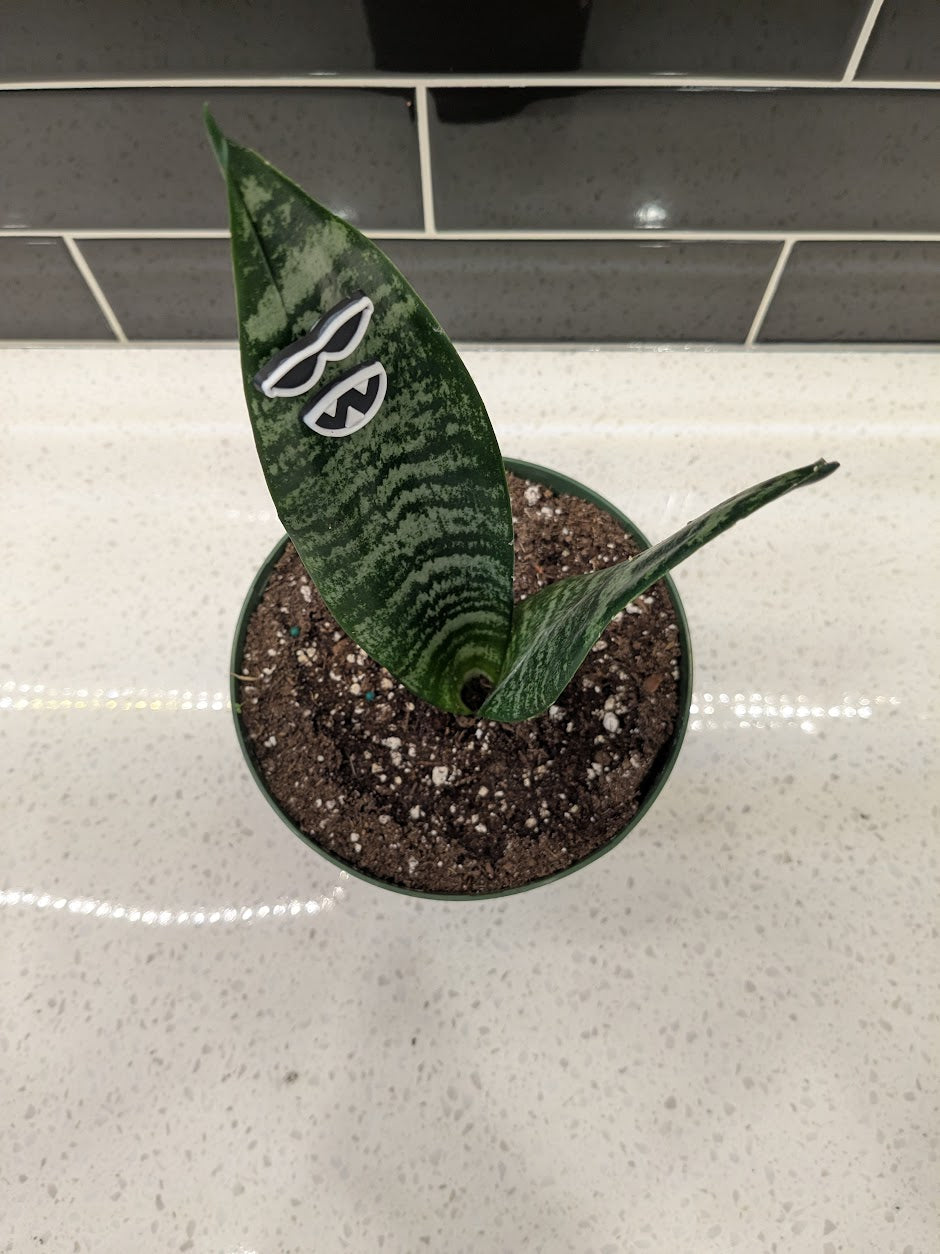
The Snake Plant, also known as the "mother-in-law's tongue", is one of the hardiest plants around. It originates from West and Central Africa. You can find them in dry, rocky, desert like areas. Some people love them because they symbolize resilience and good luck. Snake Plants reduce allergens in the environment by releasing oxygen into the air, making them an air-purifying plant.
Scientific Name: Dracaena trifasciata, formerly Sansevieria trifasciata
Common Name: Snake Plant
Growth: Can grow to 6 feet tall
Light: Bright indirect light to low light
Watering: Water sparingly
Pet Safe: No
Care: Easy

The lowest of care plants! A variety of shapes and sizes add dramatic flair to any living space.
Light: Bright, indirect light.
Watering: Soak in water once a week and let completely dry.
Care: Easy
Pet Safe: Yes
If purchasing online, the air plant may vary. You will receive the size purchased but exact look can vary.


Starfish Cactus or Carrion flower cactus, produces amazing star shaped, reddish flowers six inches in diameter. While spectacular visually, they do produce a 'rotting meat' scent to attract flies for pollination. The flowers are short lived so you can enjoy the beauty and hold your nose.
Scientific Name: Stapelia grandiflora
Growth: Stems can reach 12 inches tall
Light: Place near a sunny window for lots of light
Watering: Let the soil dry out completely before watering
Pet Safe: Yes
Care: Easy