








Sort by:
357 products
357 products

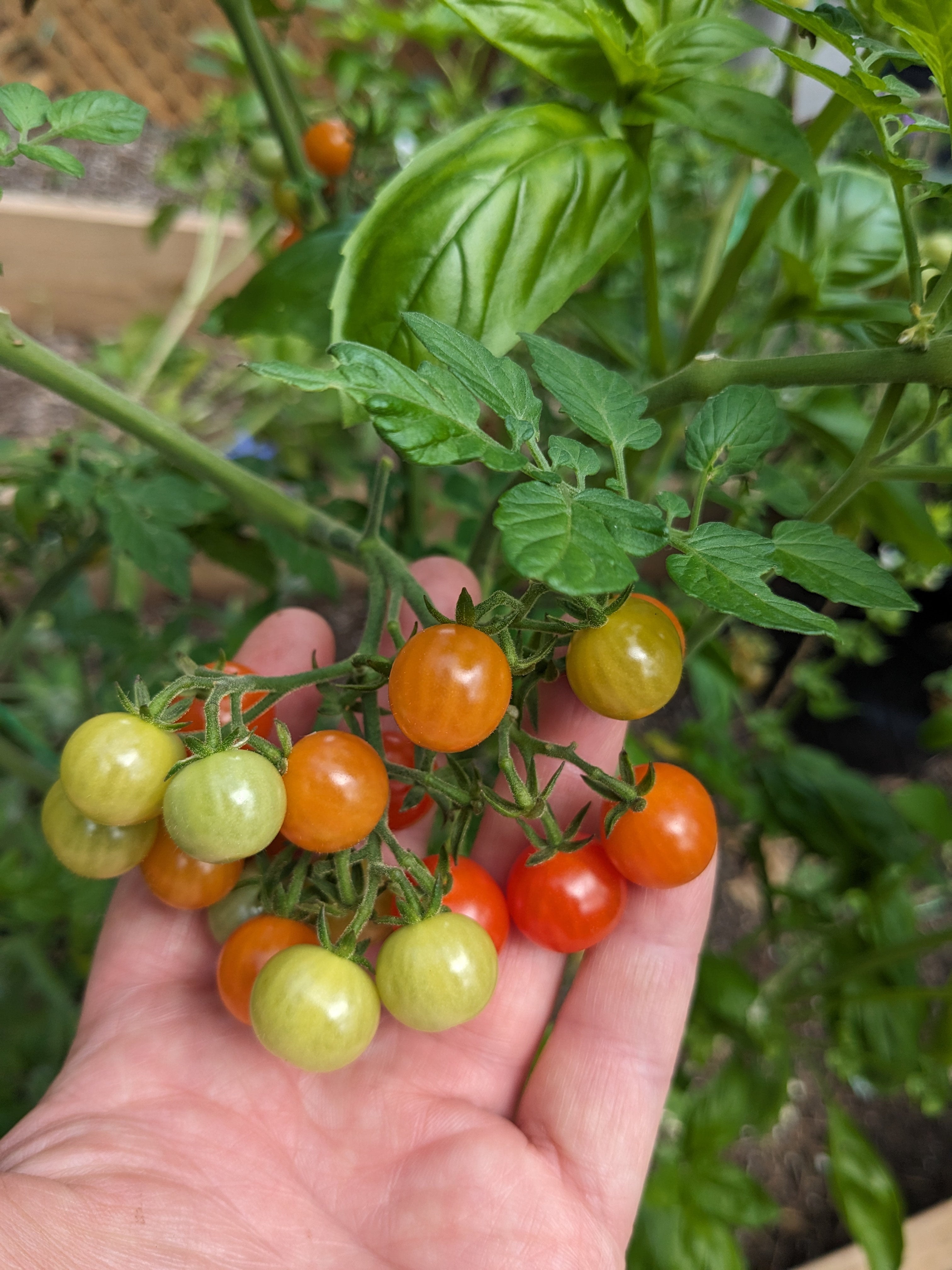
Sweet and delightfully stiped cherry tomato made up of yellow, red + orange striations, Sunrise Bumblebees look absolutely stunning on a bed of greens or in a caprese salad. Juicy + lower acid than a standard red tomato, these heirlooms are deliciously sweet with crack-resistant skin. Harvest regularly to keep the plant producing.
$6 each or 3 for $15
Type: Indeterminate, vining plants that will need staking. Plants will keep growing and producing until frost. You can read about the difference between Determinate and Indeterminate tomatoes here: Determinate vs. Indeterminate Tomatoes
Height: Indeterminate height.
Light: Full sun
Soil: Rich soil. Use good quality compost around plants and mulch well.
Water: Consistently keeping soil moist, but not wet, will result in good growth and happy tomatoes. Inconsistent moisture can lead to "Blossom End Rot". Always water tomatoes at the base of the plant never getting water on the leaves.
Planting:
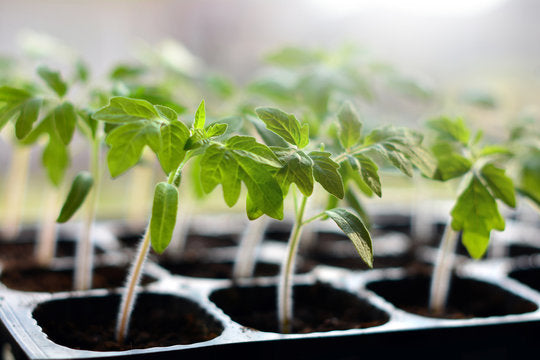
- Harden off* and then transplant to the garden after all frost danger is gone.
- Bury them deep! Plant the whole stem into the ground, not just the roots leaving only a few top leaves showing. The plant will put out roots from the buried stem, making your plant grow nice and strong!
- Space plants 60-90 cm, 2-3' apart; space rows 3-4' apart. They will grow nicely in containers but will need some kind of support.
- DO NOT crowd plants. This leads to poor circulation and disease
Harvest: 70 days to maturity (from the day they are planted outside)
* Hardening off refers to the process of gently and gradually acclimatizing indoor grown seedlings to the great outdoors! Don't throw your new babies straight into the elements! Over the course of a week, take them outside for a few hours at a time, bringing them back indoors afterwards. First sit them in the shade and then slowly introduce them to the sun. Increase the length of time they are outside and are exposed to the sun, until you feel they are ready to face the big outside world!
Other tips:
Pruning out suckers on your plant will help it put more of its energy into fruit production. Suckers appear between the main stem and the branches and can be easily taken out with your fingers.


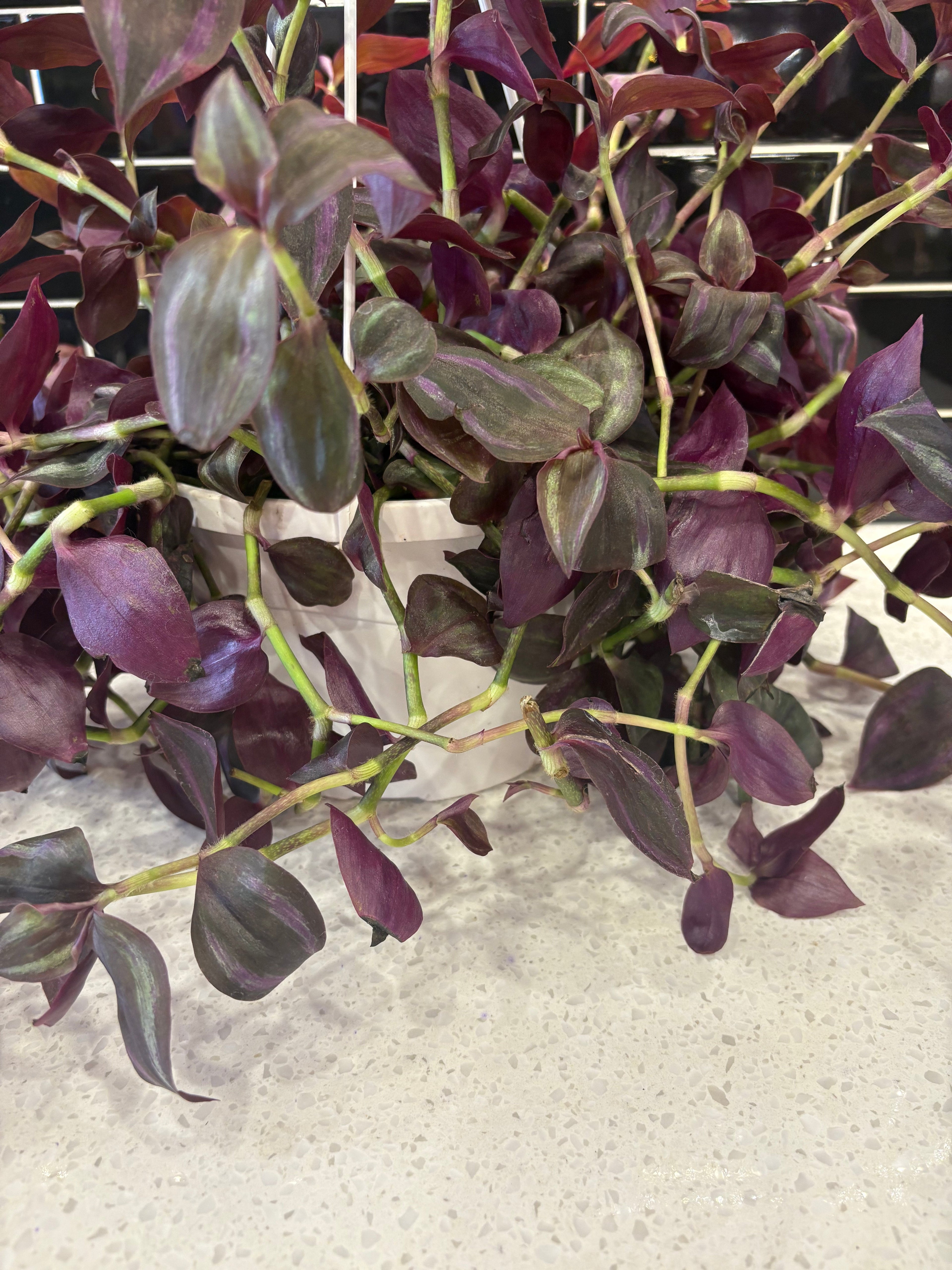
The Tradescantia Nanouk is a popular houseplant known for its variegated pink, purple, green, and white leaves. This plant loves to trail and it's very easy to grow! It can also be referred to as Fantasy Venice, symbolizing joy, creativity, and vibrant life.
Scientific Name: Tradescantia Nanouk
Common Name: Bubblegum, Fantasy Venice
Light: Bright indirect light
Watering: Let soil dry slightly between waterings
Growth: Fast growing, great for hanging baskets
Pet Safe: no
Care: Easy


Scientific Name: Callisia Soconuscensis
Common Name: Dragon Tail
Light: Bright, indirect light
Watering: Let soil dry slightly between waterings
Growth: Fast growing, great for hanging baskets
Pet Safe: No
Care: Easy


What are Clippings?
Clippings are pieces cut from existing mature plants. They are then placed in water and allowed to build roots. Some grow quickly while others take longer to propagate (grow roots). Once there are several new roots growing and they are at least 1" long it's time to plant. They are great for experimenting, trying new varieties or even adding to aquariums and water features.
Planting
When ready to plant you'll place your clipping in a pot with dirt. You'll want to make sure that the soil stays extra moist for several days to help it acclimatize to its new environment. Congratulations! You have a new plant baby.
Tradescantia
Tradescantia have iridescent and striped leaves while also being great plants for propagating!
Light: Bright indirect light
Watering: keep evenly hydrated and mist occasionally
Pet Safe: no
Care: Easy


Tradescantia have iridescent and striped leaves while also being great plants for propagating! This variety has stunning golden variegated leaves. Lovely as a hanging plant.
Scientific Name: Tradescantia Fluminensis, Yellow Hill
Growth: This is a trailing plant and the size can easily be controlled with prunning
Light: Bright indirect light, some morning or late afternoon sun will keep the colours bold
Watering: Water when the top inch of the soil is dry
Pet Safe: no
Care: Easy


What are Clippings?
Clippings are pieces cut from existing mature plants. They are then placed in water and allowed to build roots. Some grow quickly while others take longer to propagate (grow roots). Once there are several new roots growing and they are at least 1" long it's time to plant. They are great for experimenting, trying new varieties or even adding to aquariums and water features.
Planting
When ready to plant you'll place your clipping in a pot with dirt. You'll want to make sure that the soil stays extra moist for several days to help it acclimatize to its new environment. Congratulations! You have a new plant baby.
Tradescantia Nanouk
The Tradescantia Nanouk is a popular houseplant known for its variegated pink, purple, green, and white leaves. This plant loves to trail and it's very easy to grow! It can also be referred to as Fantasy Venice, symbolizing joy, creativity, and vibrant life.
Scientific Name: Tradescantia Nanouk
Common Name: Bubble Gum, Fantasy Venice
Light: Bright indirect light
Watering: Let soil dry slightly between waterings
Growth: Fast growing, great for hanging baskets
Pet Safe: no
Care: Easy

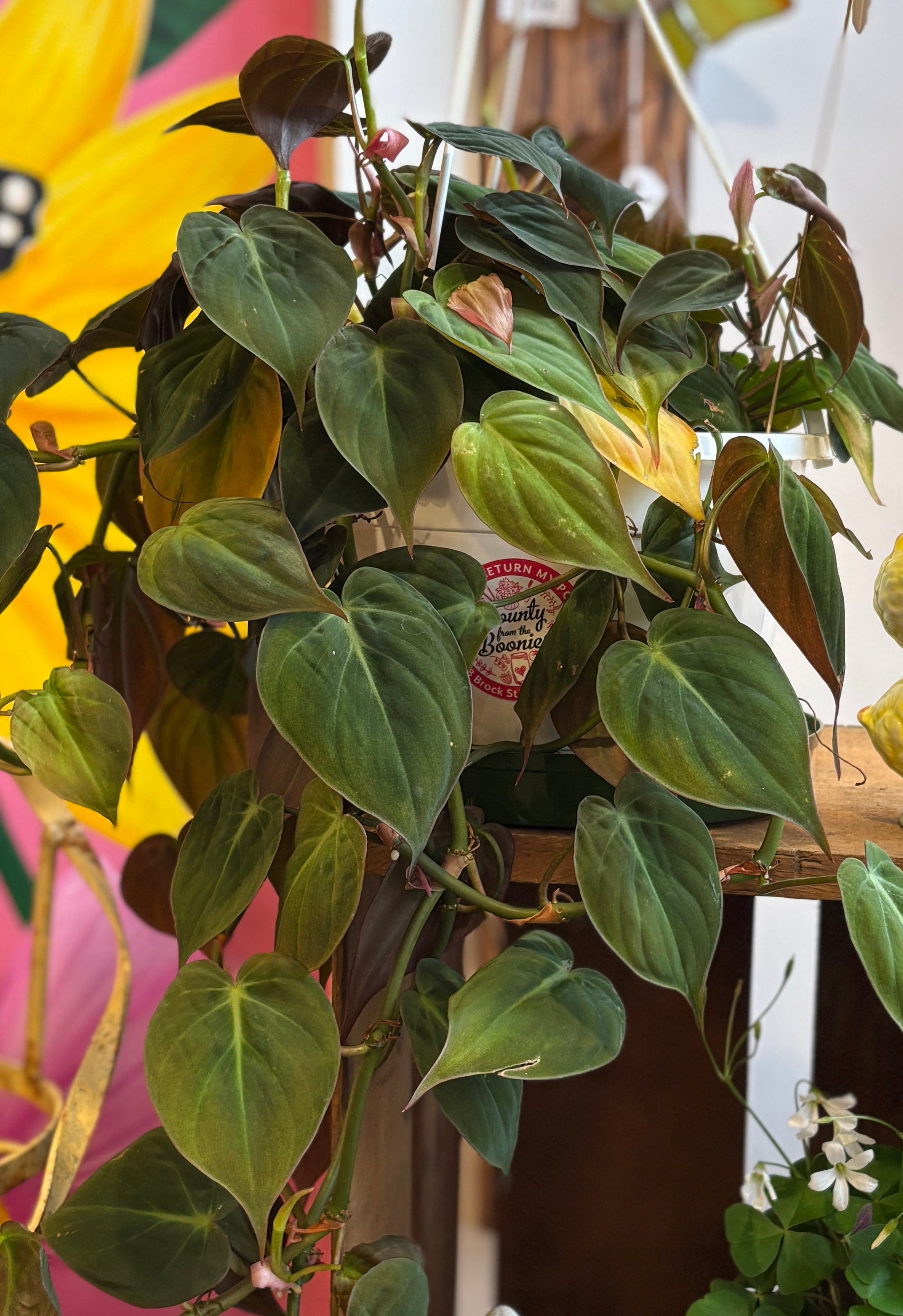
A beautiful trailing plant with deeply purple stems and leaves and pink to purple flowers. Plant in a hanging pot to allow it to trail.
Scientific Name: Tradescantia pallida 'Purple Heart'
Growth: Can trail up to 1-2 feet
Light: Full Sun to bright light. In partial shade the leaves will be less purple. Introduce it to sunlight slowly to avoid scorched leaves.
Watering: Water deeply when soil dries. This plant is quite drought tolerant.
Maintenance: If plant becomes too long and "leggy", simply pinch it back to a manageable size.
Pet Safe: No
Care: easy

What are Clippings?
Clippings are pieces cut from existing mature plants. They are then placed in water and allowed to build roots. Some grow quickly while others take longer to propagate (grow roots). Once there are several new roots growing and they are at least 1" long it's time to plant. They are great for experimenting, trying new varieties or even adding to aquariums and water features.
Planting
When ready to plant you'll place your clipping in a pot with dirt. You'll want to make sure that the soil stays extra moist for several days to help it acclimatize to its new environment. Congratulations! You have a new plant baby.


Tradescantia have iridescent and striped leaves while also being great plants for propagating! This variety has a mix of four stunning colours- pink, purple, green and white. Lovely as a hanging plant.
Scientific Name: Tradescantia zebrina, Quad Colour
Growth: This is a trailing plant and the size can easily be controlled with pruning
Light: Bright indirect light, some morning or late afternoon sun will keep the colours bold
Watering: Water when the top inch of the soil is dry
Pet Safe: no
Care: Easy


What are Clippings?
Clippings are pieces cut from existing mature plants. They are then placed in water and allowed to build roots. Some grow quickly while others take longer to propagate (grow roots). Once there are several new roots growing and they are at least 1" long it's time to plant. They are great for experimenting, trying new varieties or even adding to aquariums and water features.
Planting
When ready to plant you'll place your clipping in a pot with dirt. You'll want to make sure that the soil stays extra moist for several days to help it acclimatize to its new environment. Congratulations! You have a new plant baby.


What are Clippings?
Clippings are pieces cut from existing mature plants. They are then placed in water and allowed to build roots. Some grow quickly while others take longer to propagate (grow roots). Once there are several new roots growing and they are at least 1" long it's time to plant. They are great for experimenting, trying new varieties or even adding to aquariums and water features.
Planting
When ready to plant you'll place your clipping in a pot with dirt. You'll want to make sure that the soil stays extra moist for several days to help it acclimatize to its new environment. Congratulations! You have a new plant baby.


It’s like a String Of party in this glass pot!!


This show-stopping plant has giant, velvet leaves reminiscent of sea turtle shells - the silver veining streaks across the top + sparkles in the sunlight. The heart-shaped foliage is lush + eye-catching, making it a sought-after collector's plant. Would thrive in a bright bathroom!
Scientific Name: Anthurium crystallinum 'Turtle'
Common Name: Turtle Leaf Anthurium
Light: Medium-bright indirect
Growth: 1-1.5 ft tall - the leaves can grow 6-10" long
Watering: Likes a humid environment - keep evenly hydrated + mist regularly
Pet Safe: No
Care: Intermediate
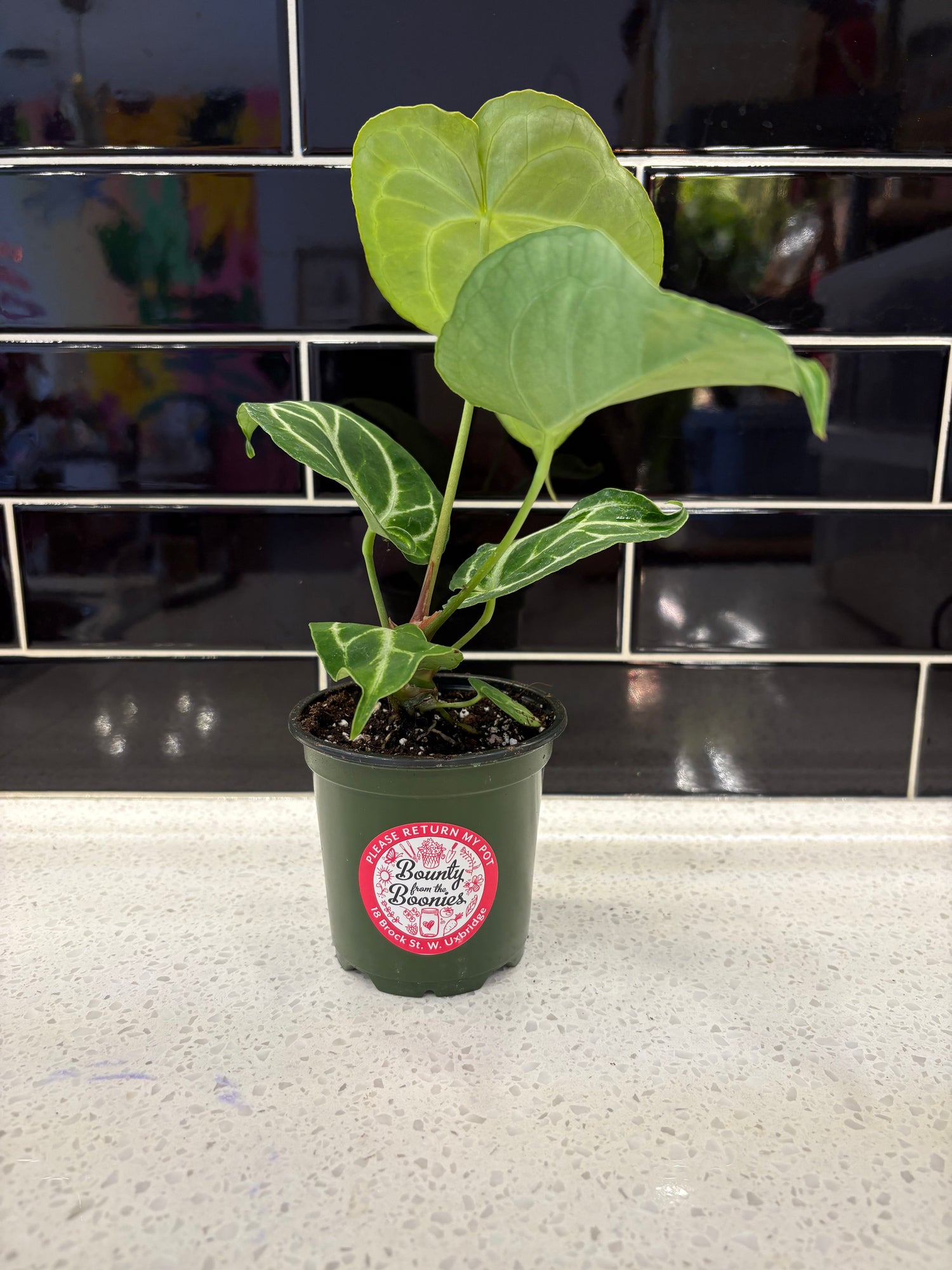
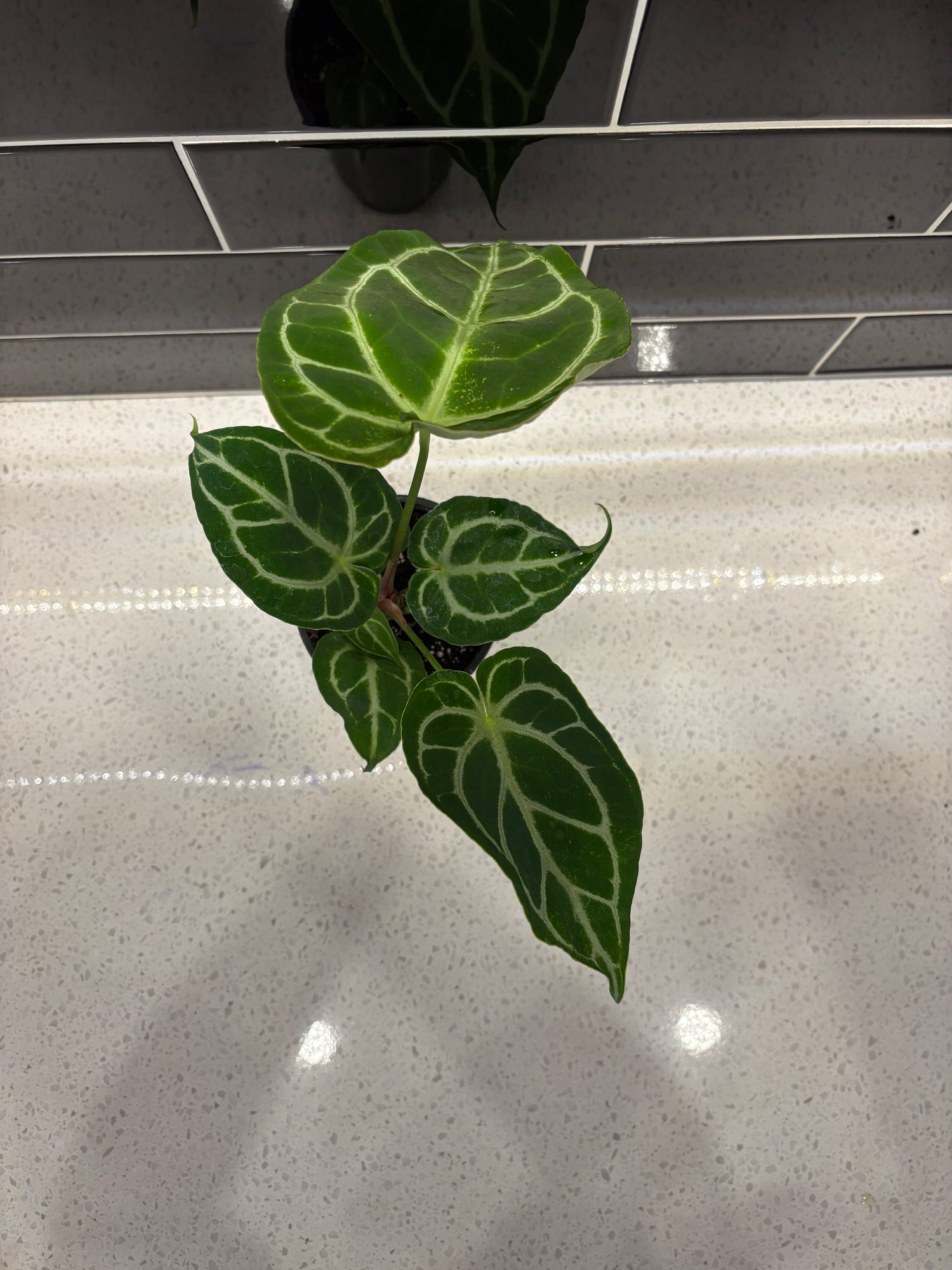
This show-stopping plant has giant, velvet leaves reminiscent of sea turtle shells - the silver veining streaks across the top + sparkles in the sunlight. The heart-shaped foliage is lush + eye-catching, making it a sought-after collector's plant. Would thrive in a bright bathroom!
Scientific Name: Anthurium crystallinum 'Turtle'
Common Name: Turtle Leaf Anthurium
Light: Medium-bright indirect
Growth: 1-1.5 ft tall - the leaves can grow 6-10" long
Watering: Likes a humid environment - keep evenly hydrated + mist regularly
Pet Safe: No
Care: Intermediate
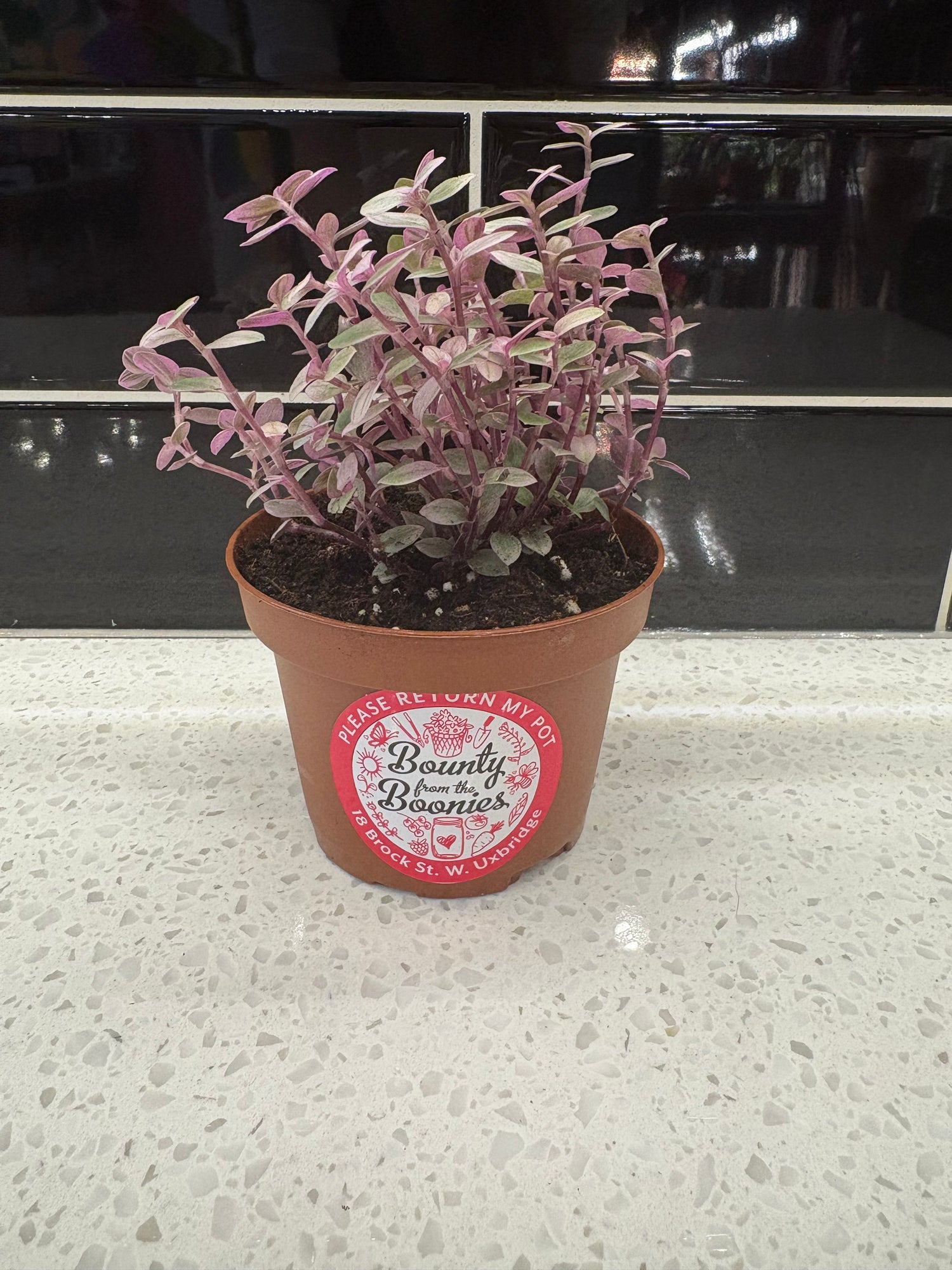
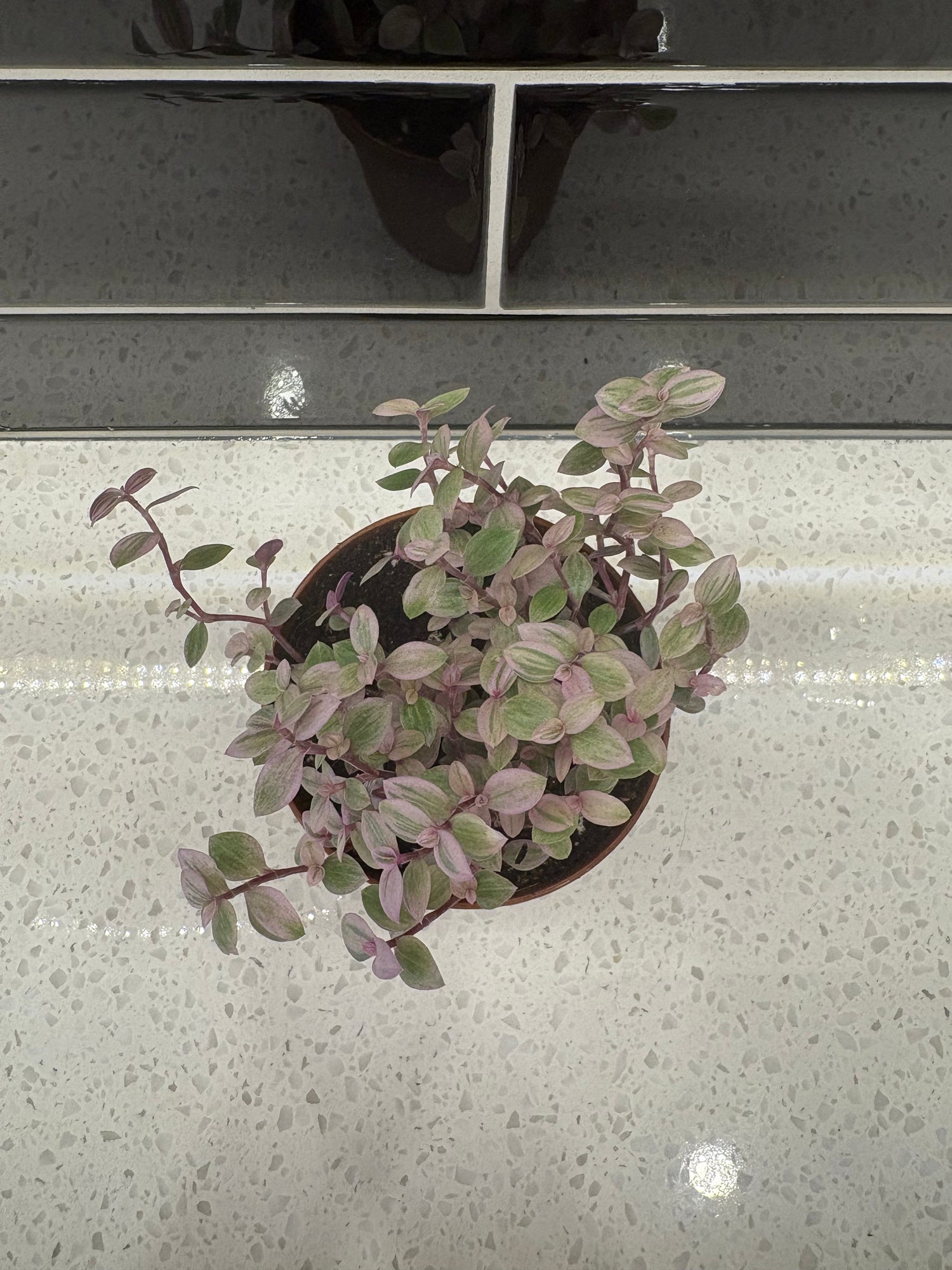
The Pink Lady Turtle Vine is a trailing succulent known for it's beautifully vibrant, pink and cream variegated leaves. It originates from the tropical regions of the Americas. This plant spreads horizontally making it wonderful for hanging baskets or effective ground cover. It can produce little white flowers in the summer months. It has air purifying qualities and is known to reduce stress and promote relaxation!
Scientific Name: Callisia Repens
Common Name: The Pink Lady Turtle Vine/Pink Panther
Light: Bright indirect light
Watering: When top soil is dry, ensure good drainage
Pet Safe: Yes
Care: Easy
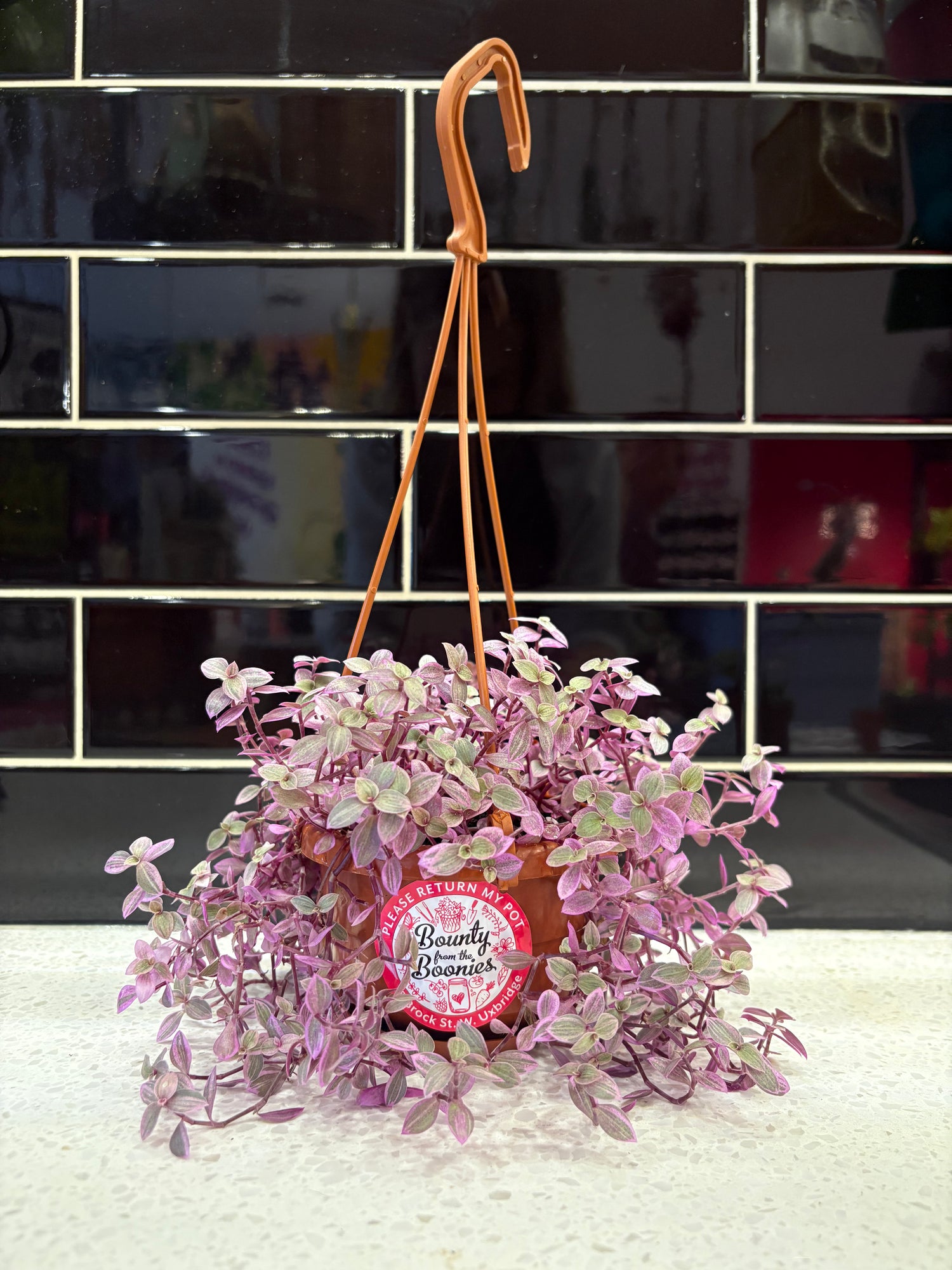
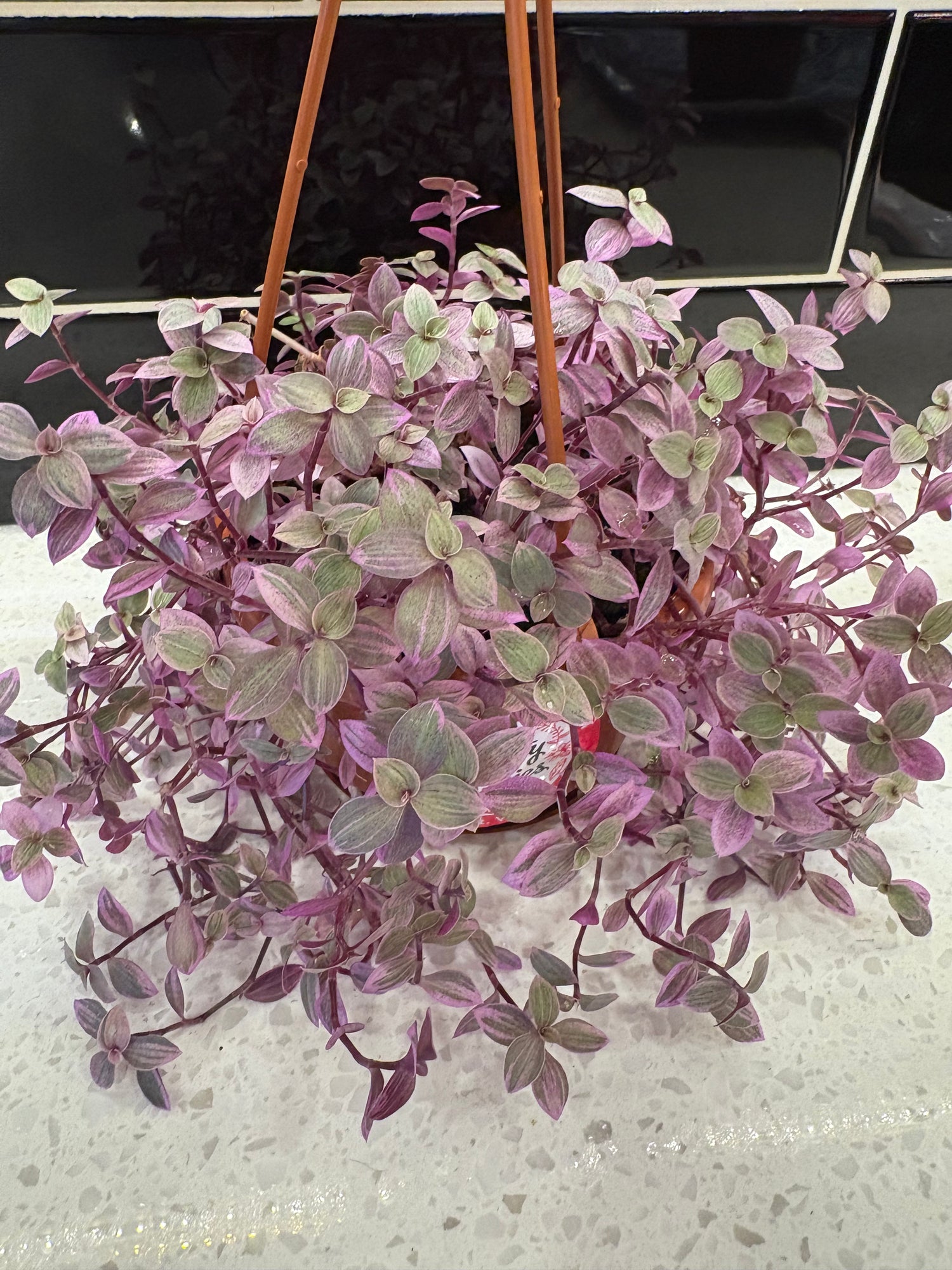
The Pink Lady Turtle Vine is a trailing succulent known for it's beautifully vibrant, pink and cream variegated leaves. It originates from the tropical regions of the Americas. This plant spreads horizontally making it wonderful for hanging baskets or effective ground cover. It can produce little white flowers in the summer months. It has air purifying qualities and is known to reduce stress and promote relaxation!
Scientific Name: Callisia Repens
Common Name: The Pink Lady Turtle Vine/Pink Panther
Light: Bright indirect light
Watering: When top soil is dry, ensure good drainage
Pet Safe: Generally considered non toxic
Care: Easy


A very attractive foliage plant with glossy green and variegated leaves.
Scientific Name: Schefflera arboricola, 'Capella'
Light: Bright light, sun.
Growth: 3 feet tall and wide indoors
Water: Water well once the top 1 inch of soil is dry.
Pet Safe: No
Care: Intermediate

Fan favourite Ux 3D dangling legs dude with Medusa Head Cactus for hair!
Medusa Head Cactus has thick stems that resemble snakes on Medusa's head. This plant needs well draining soil to prevent root rot.
Once it reaches a certain size, this can produce pups on the ends of older arms. After a time, these pups can root on their own. The arm it grows off of rots and the pups roll away to root on their own. If they are cared for, you can end up with a greenhouse full of them!
Scientific Name:
Euphorbia flanaganii and Euphorbia caput-medusae
Common Name: Medusa Head Cactus
Growth:
It can grow as tall as 8 inches and can spread over several feet in diameter!
Light: Bright, Indirect light
Watering: Allow soil to completely dry out
Pet safe: No
Care: Easy


Ux3D printed Rainbow Llama carrying a beautiful, pink tipped, hairy succulent called the Sand Rose Succulent!
The Sand Rose succulent is native to South Africa where it thrives in arid conditions, found in rocks and stony soils. Like many other succulents, the Sand Rose is extremely drought-tolerant. It can survive long periods without water making it an excellent choice for plant owners who sometimes forget to keep up with watering.
Scientific Name: Anacampseros Rufescens
Common Name: Sand Rose
Light: Bright indirect light
Growth: 3 inches
Watering: Let dry between watering
Pet Safe: Yes
Care: Easy