









Sort by:
357 products
357 products


The String of Beads is a cute little plant that resembles beads.
Scientific Name: Senecio rowleyanus
Common Name: String of Beads
Growth: Could reach 12 inches long
Light: Bright indirect light
Watering: When top soil is dry, ensure good drainage
Pet Safe: No
Care: Intermediate


The String of Fishhooks is a popular trailing succulent plant that has cascading vines and fishhook-shaped leaves. It is very low-maintenance, hearty plant. It is native to South Africa.
Scientific Name: Senecio
Common Name: String of Fishhooks
Light: Bright indirect light
Watering: When top soil is dry, ensure good drainage
Growth: 3-4 feet in length
Pet Safe: No
Care: Easy
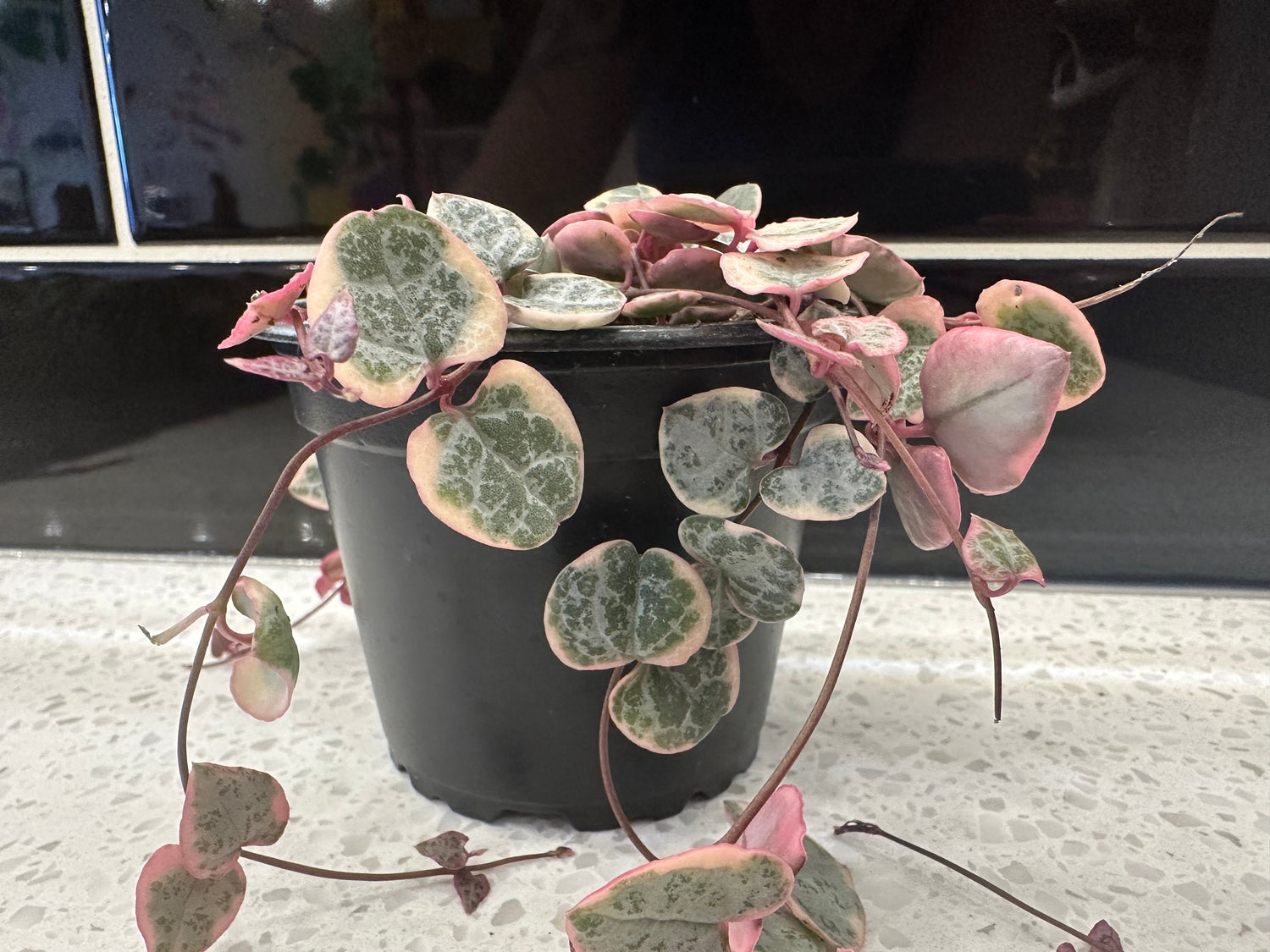
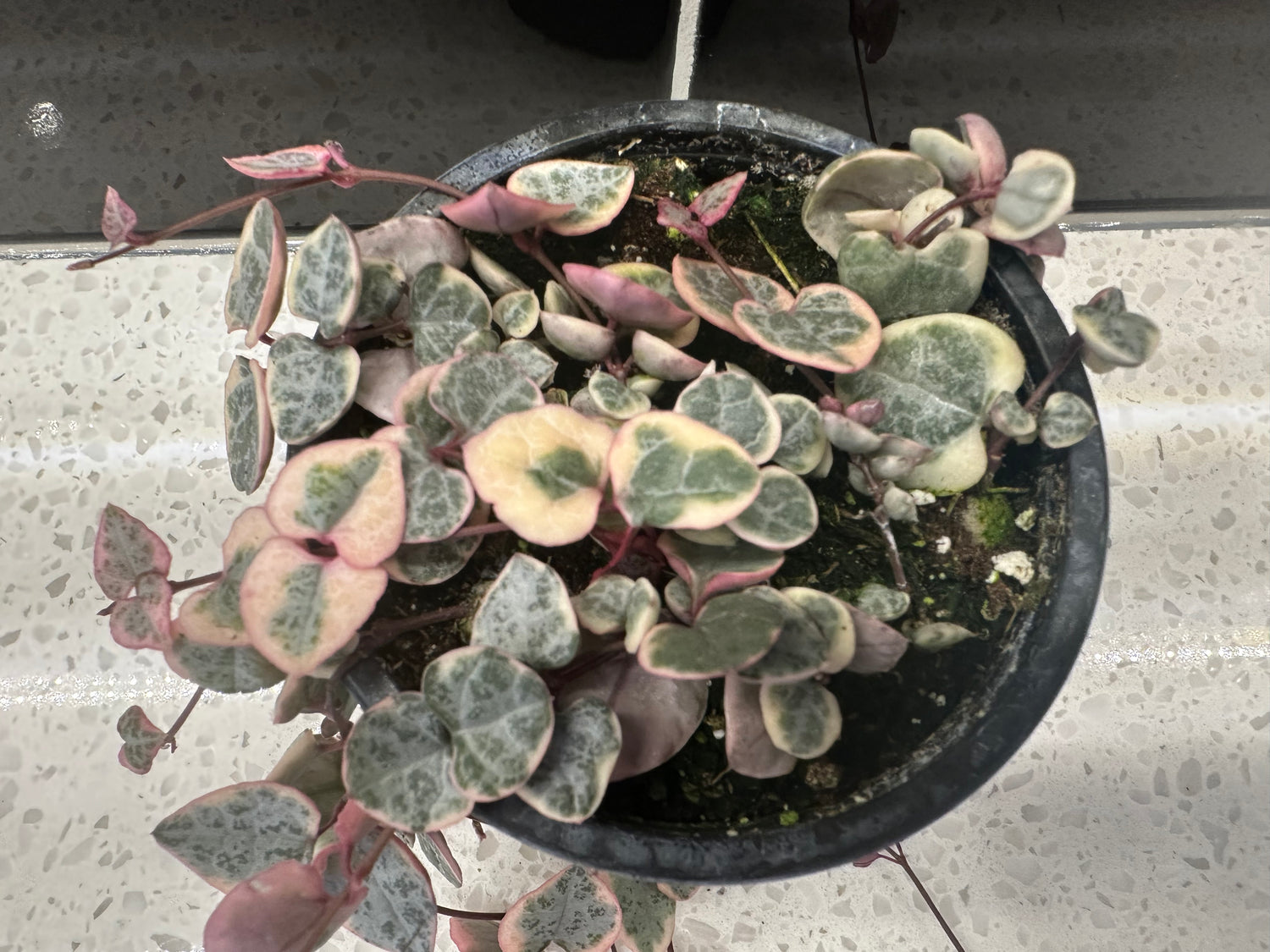
This beautiful plant has cascading vines and heart shaped leaves. This plant stores water in its leaves and roots making it drought tolerant. In the spring and fall the String of Hearts actually produces flowers!
mall, tubular, pinkish-purple flowers and they have tiny hairs that trap insects helping with pollination!
Scientific Name: Ceropegia Woodii
Common Name: String of Hearts/Rosary Vine/Chain of Hearts
Light: Bright indirect light to full sun
Watering: Let dry out between waterings
Pet Safe: Yes
Care: Easy


This beautiful plant has cascading vines and heart shaped leaves and sparkles in this disco planter.
Small, tubular, pinkish-purple flowers and they have tiny hairs that trap insects helping with pollination!
Scientific Name: Ceropegia Woodii
Common Name: String of Hearts/Rosary Vine/Chain of Hearts
Light: Bright indirect light to full sun
Watering: Let dry out between waterings
Pet Safe: Yes
Care: Easy


This beautiful plant has cascading vines and heart shaped leaves. This variety has lovely green leaves with white veining. This plant stores water in its leaves and roots making it drought tolerant.
Scientific Name: Ceropegia Woodii
Common Name: String of Hearts/Rosary Vine/Chain of Hearts
Light: Bright indirect light
Watering: Let dry out between waterings
Pet Safe: Yes
Care: Easy
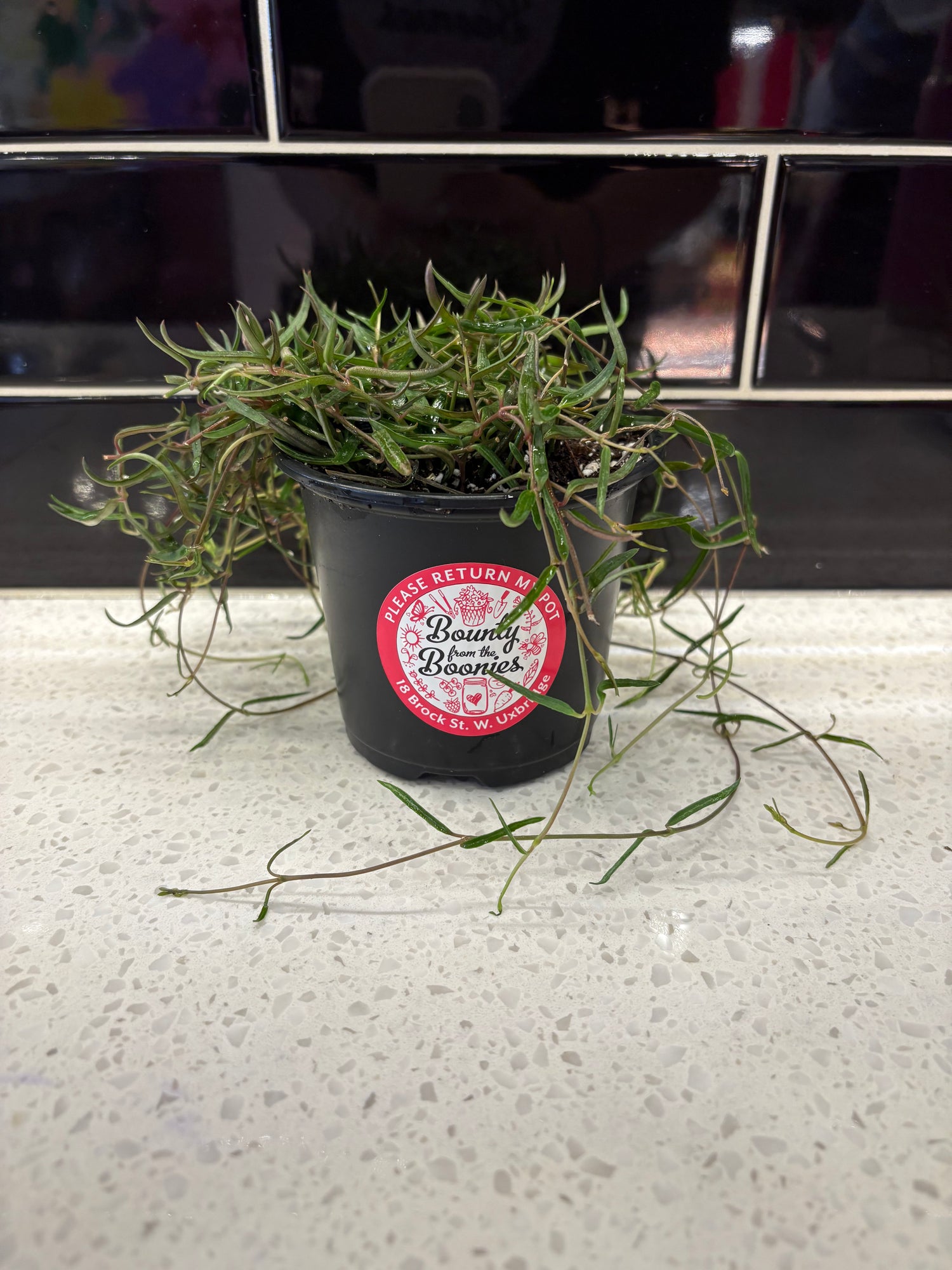
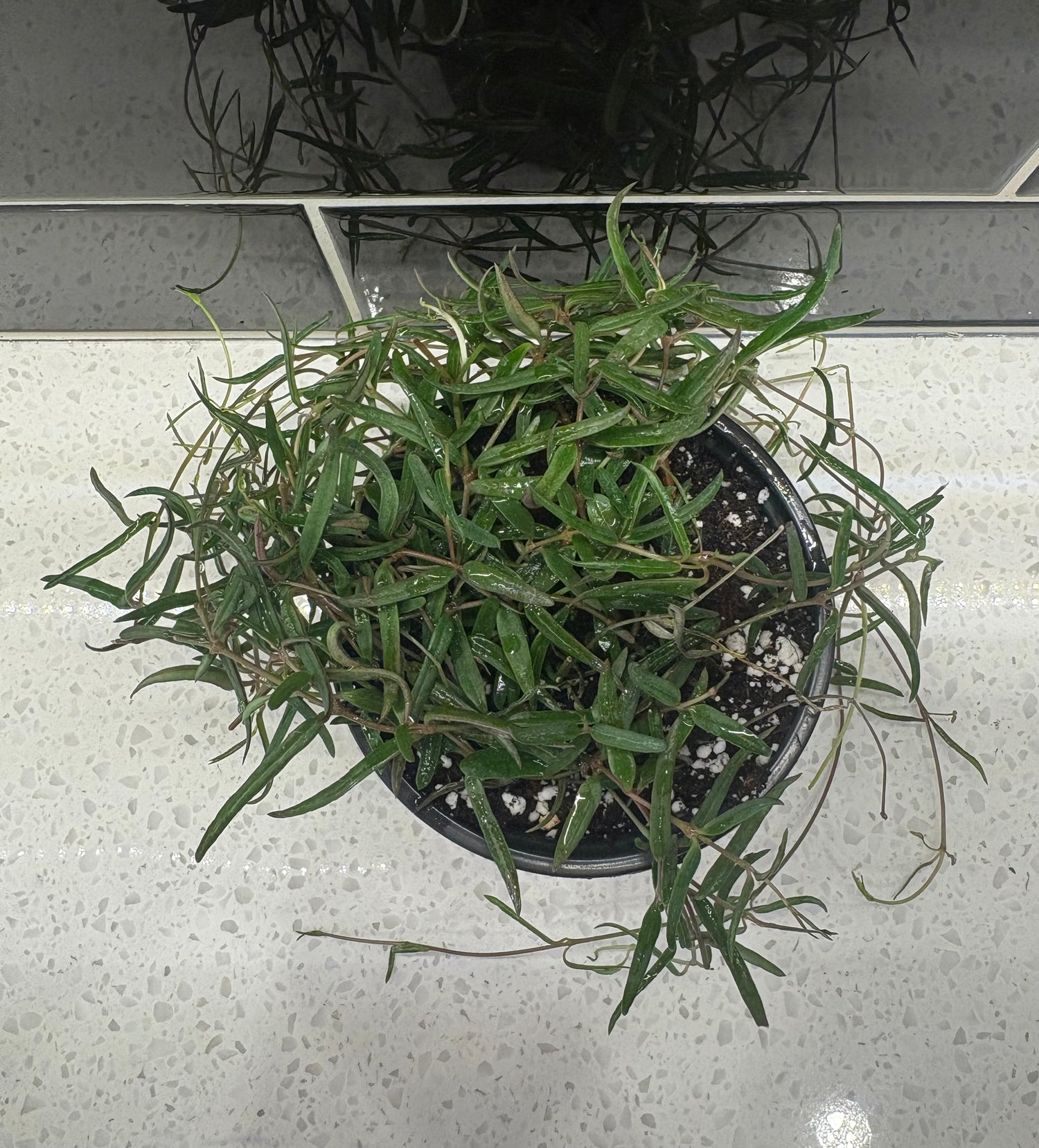
String of Needles is a trailing succulent-like plant native to South Africa. With slender, long, mottled green leaves that are reminiscent of needles, it's easy to understand why this plant has been given the name.
Scientific Name: Ceropegia Linearis
Common Name: String of Needles/ Needle Plant
Light: Bright, indirect light
Watering: Water thoroughly when soil is completely dry
Growth: It can reach up to 6 feet
Pet Safe: No
Care: Easy

String of Pearls. An absolute stunner and collectible!
Despite how these are shown in pop culture and traditional garden centres, String of Pearls (and their various cousins Beads, Dolphins etc) are crawlers - drape them on top of the soil and expand your pot width as they grow, as opposed to letting them drape too long down the sides.
Scientific Name: Senecio rowleyanus
Common Name: String of Pearls
Growth: Up to 3 feet in length
Light: Bright indirect light
Watering: When top soil is dry, ensure good drainage
Pet Safe: No
Care: Intermediate
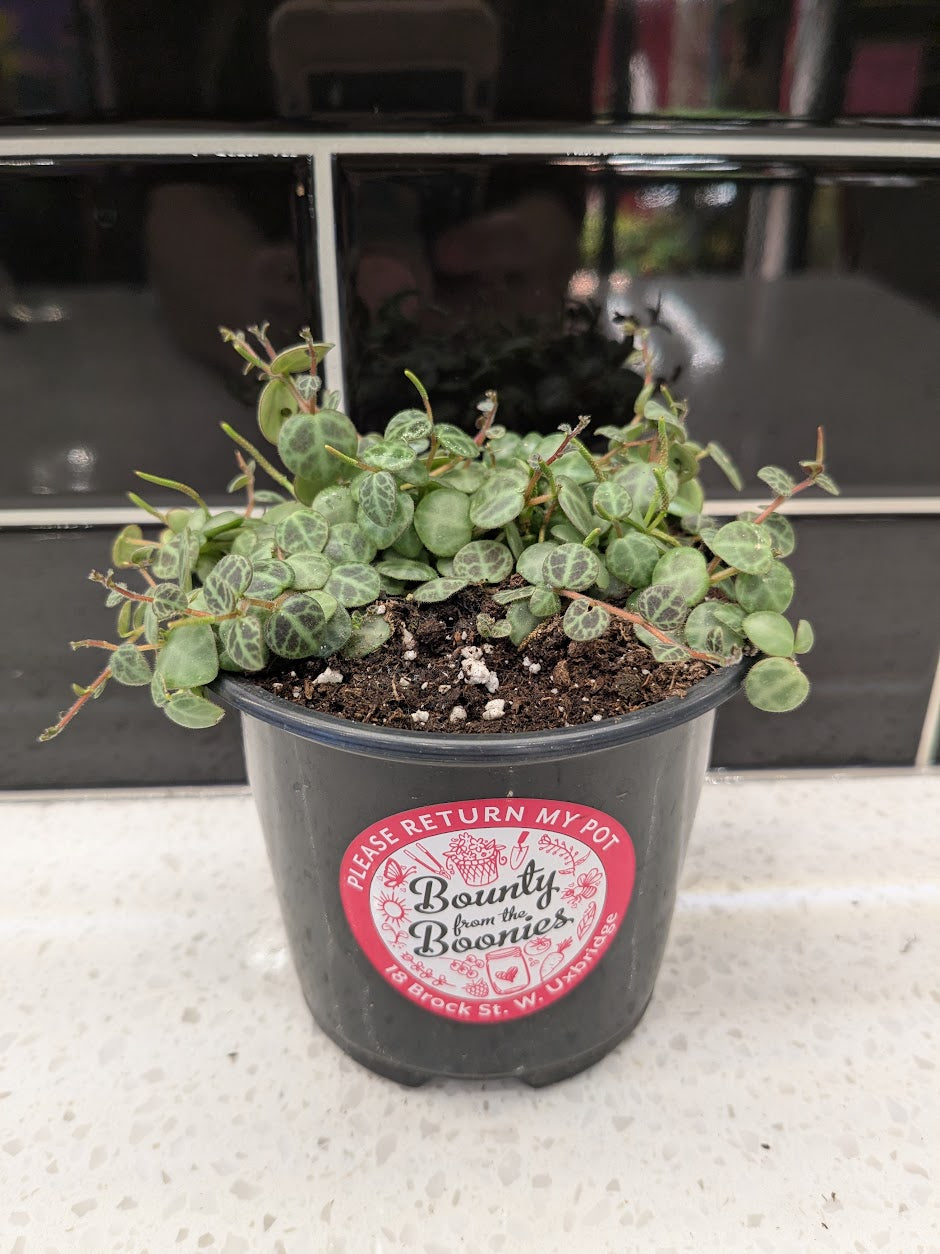
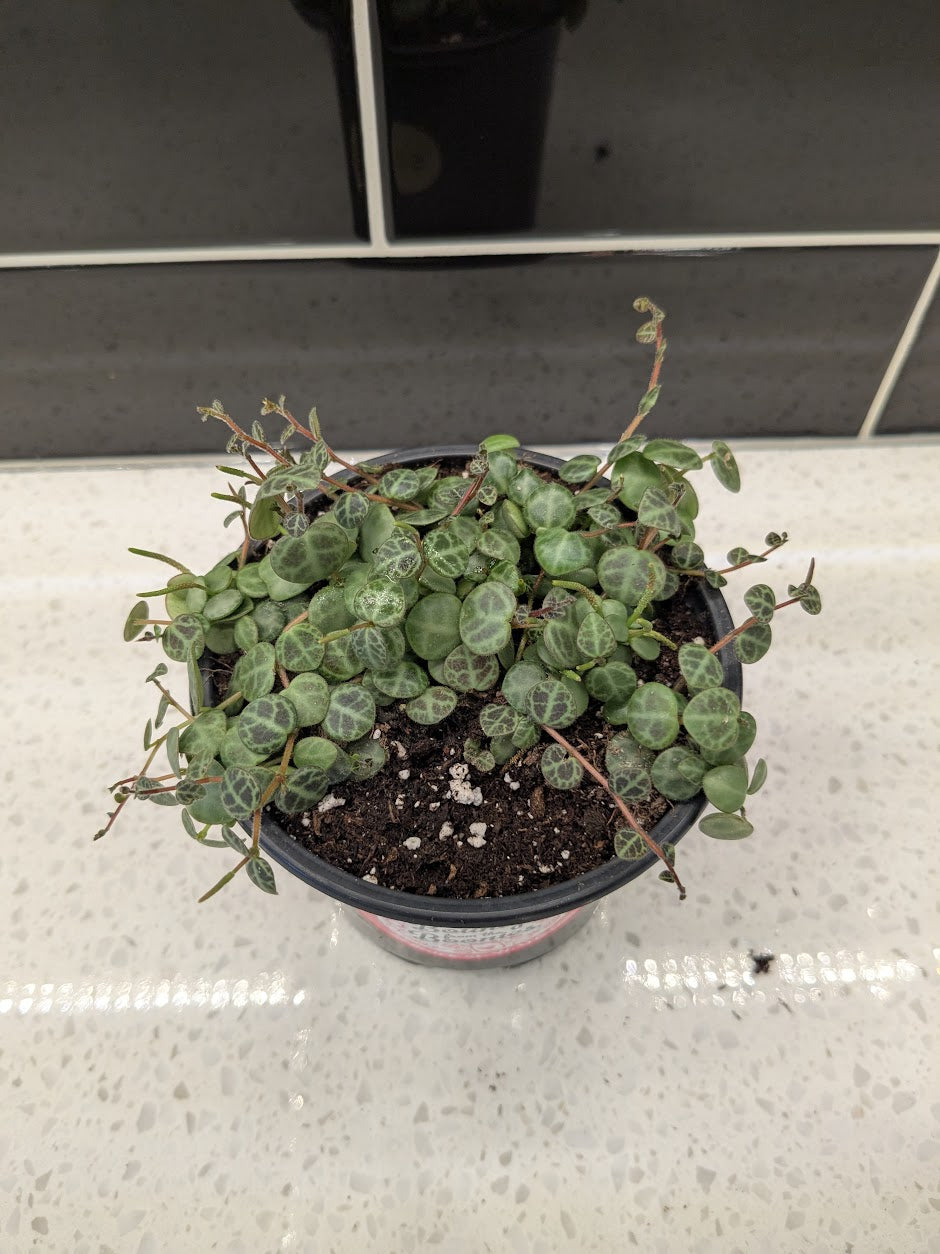
The String of Turtles is a cute little plant that resembles turtle shells. It originates from the rainforests of Ecuador and Brazil. It thrives in warm, humid conditions, growing as a trailing vine. A plant that is very easy to propagate and thrives in terrariums.
Scientific Name: Peperomia Prostrata
Common Name: String of Turtles
Growth: Could reach 12 inches long
Light: Bright indirect light
Watering: When top soil is dry, ensure good drainage
Pet Safe: Yes
Care: Intermediate


The Stromanthe Triostar is a beautiful tropical plant from the prayer plant family. It's known for is striking foliage that has green, cream, and pink variegated on top and deep magenta on the bottom. This plant is native to the tropical rainforests of Brazil which means that this plant loves humidity.
Scientific Name: Stromanthe Sanguinea Triostar
Common Name: Stromanthe Triostar
Light: Bright, Indirect light
Watering: Consistently hydrated. Needs well-draining soil
Growth: Fast growing
Pet Safe: Yes
Care: Intermediate


This beautiful succulent is looking for a forever home in this gorgeous blue and black ombré pot.


A cute little airplant paired with our sparkly suncatcher. Makes a beautiful addition to your window.
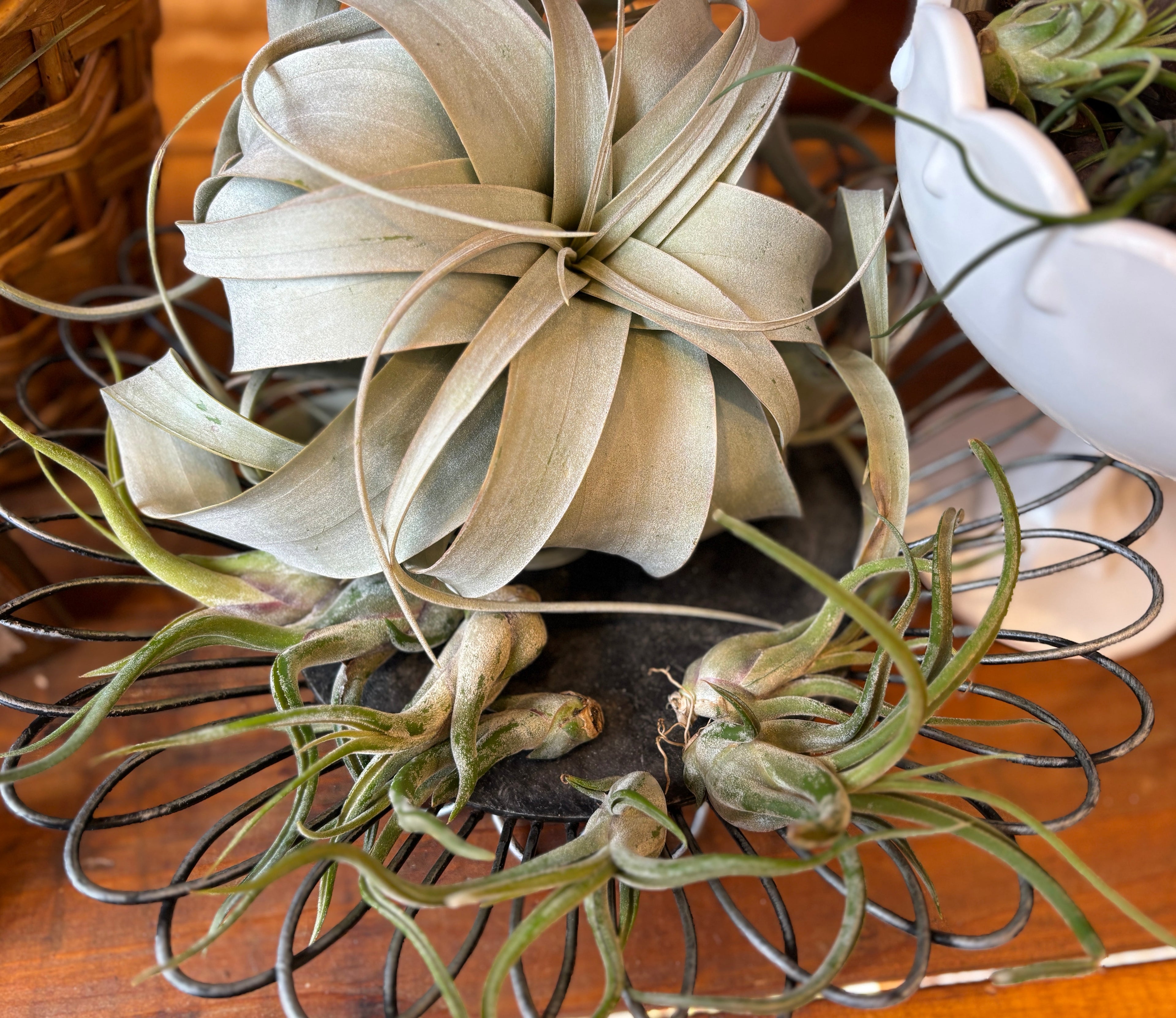
Air Plants
The lowest of care plants! A variety of shapes and sizes add dramatic flair to any living space.
Light: Bright, indirect light.
Watering: Soak in water once a week and let completely dry.
Care: Easy
Pet Safe: Yes
If purchasing online, the air plant may vary. You will receive the size purchased but exact look can vary.

$4 each or 3 for $10 (save $2!)
Beautiful sunflower with 8 inch diameter heads in fall colours of gold and burgundy
Type: Annual flower
Height: 15-44"
Light: Full sun
Soil: average garden soil
Water: keep well watered
Bloom time: late summer
Planting: Can be started indoors 2-3 weeks before last frost or direct sown into the garden after danger of frost.
Notes: I learned the hard way that sunflowers are allelopathic, meaning they give off toxins that impede the growth of or even kill other plants. They also deplete soil of nutrients. Because I grow so much food in containers, I now grow my sunflowers in separate pots and place them near their fruit, veg and herb companions

$4 each or 3 for $10 (save $2!)
Type: Annual flower
Height: 8-12"
Light: Full sun
Soil: average garden soil
Water: keep well watered
Bloom time: late summer
Planting: Plant into the garden after danger of frost.
Harden off* before planting outdoors.
* Hardening off refers to the process of gently and gradually acclimatizing indoor grown seedlings to the great outdoors! Don't throw your new babies straight into the elements! Over the course of a week, take them outside for a few hours at a time, bringing them back indoors afterwards. First sit them in the shade and then slowly introduce them to the sun. Increase the length of time they are outside and are exposed to the sun, until you feel they are ready to face the big outside world!
Notes: I learned the hard way that sunflowers are allelopathic, meaning they give off toxins that impede the growth of or even kill other plants. They also deplete soil of nutrients. Because I grow so much food in containers, I now grow my sunflowers in separate pots and place them near their fruit, veg and herb companions
$4 each or 3 for $10 (save $2!)
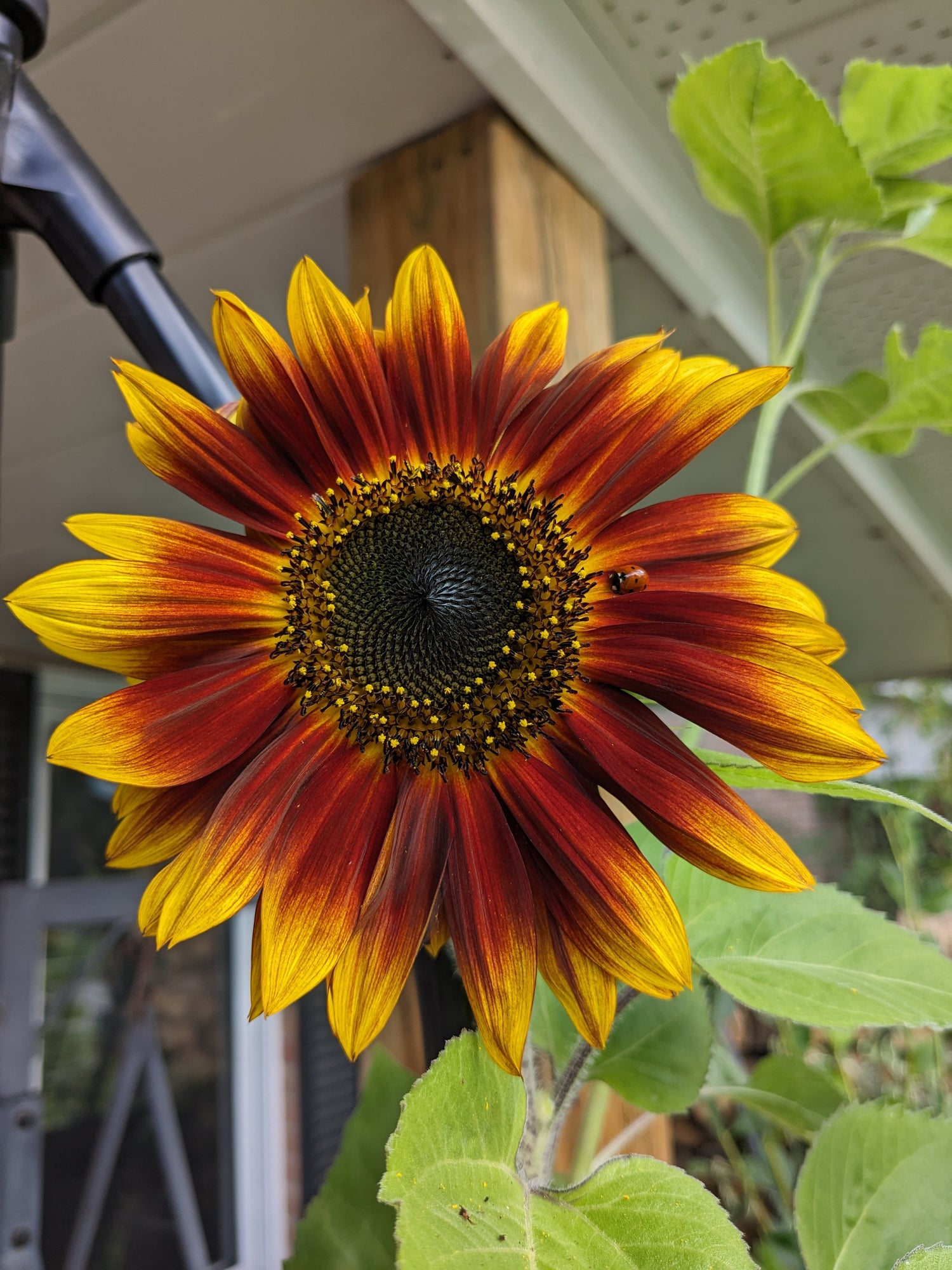
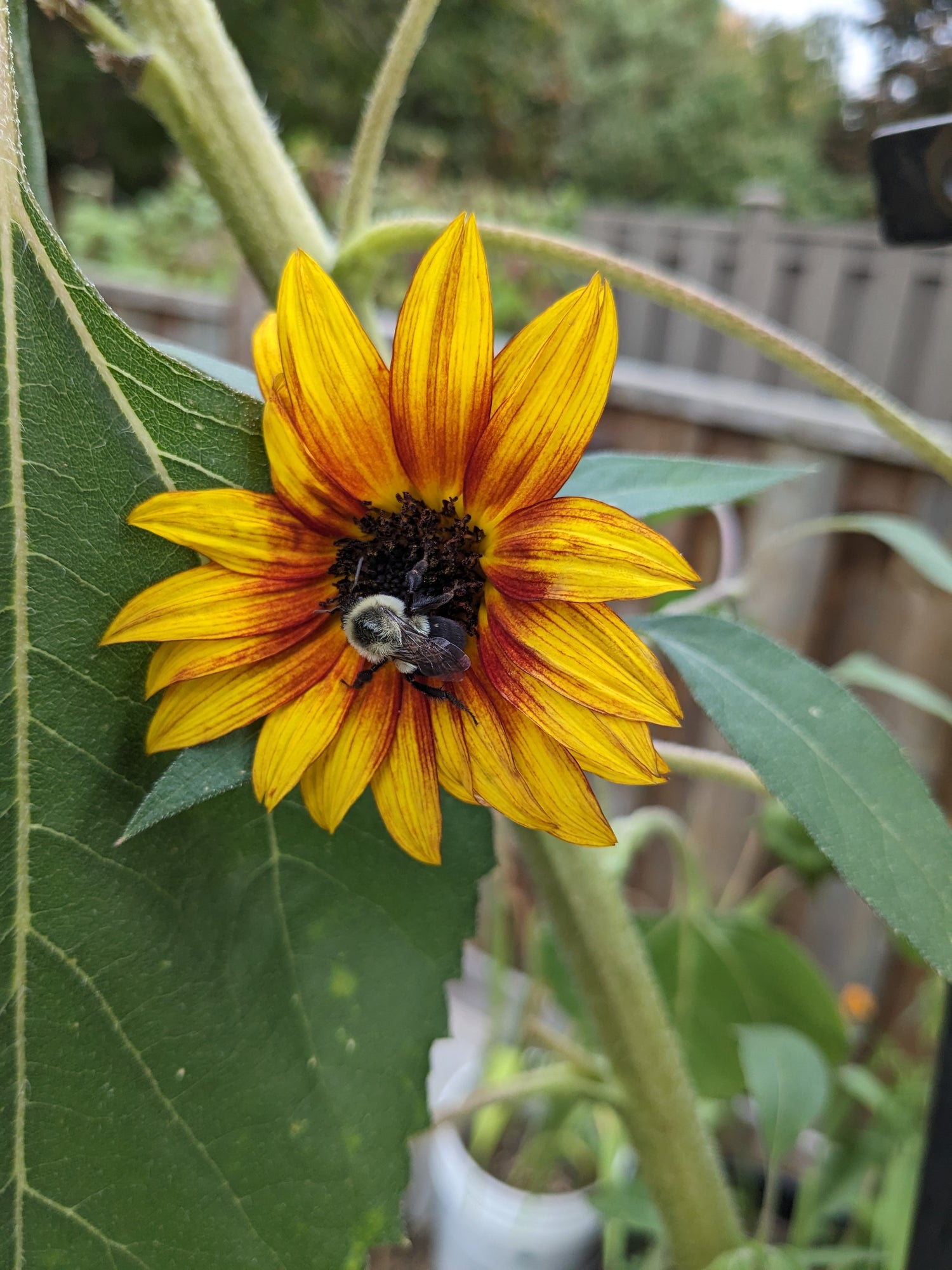
Sunflowers are a must-grow annual each season - their bright, cheery faces make me smile, and I absolutely love them in fall bouquets. They're always covered in bees of all sizes, even ladybugs. Then the birds, squirrels and chipmunks feast on the seeds.
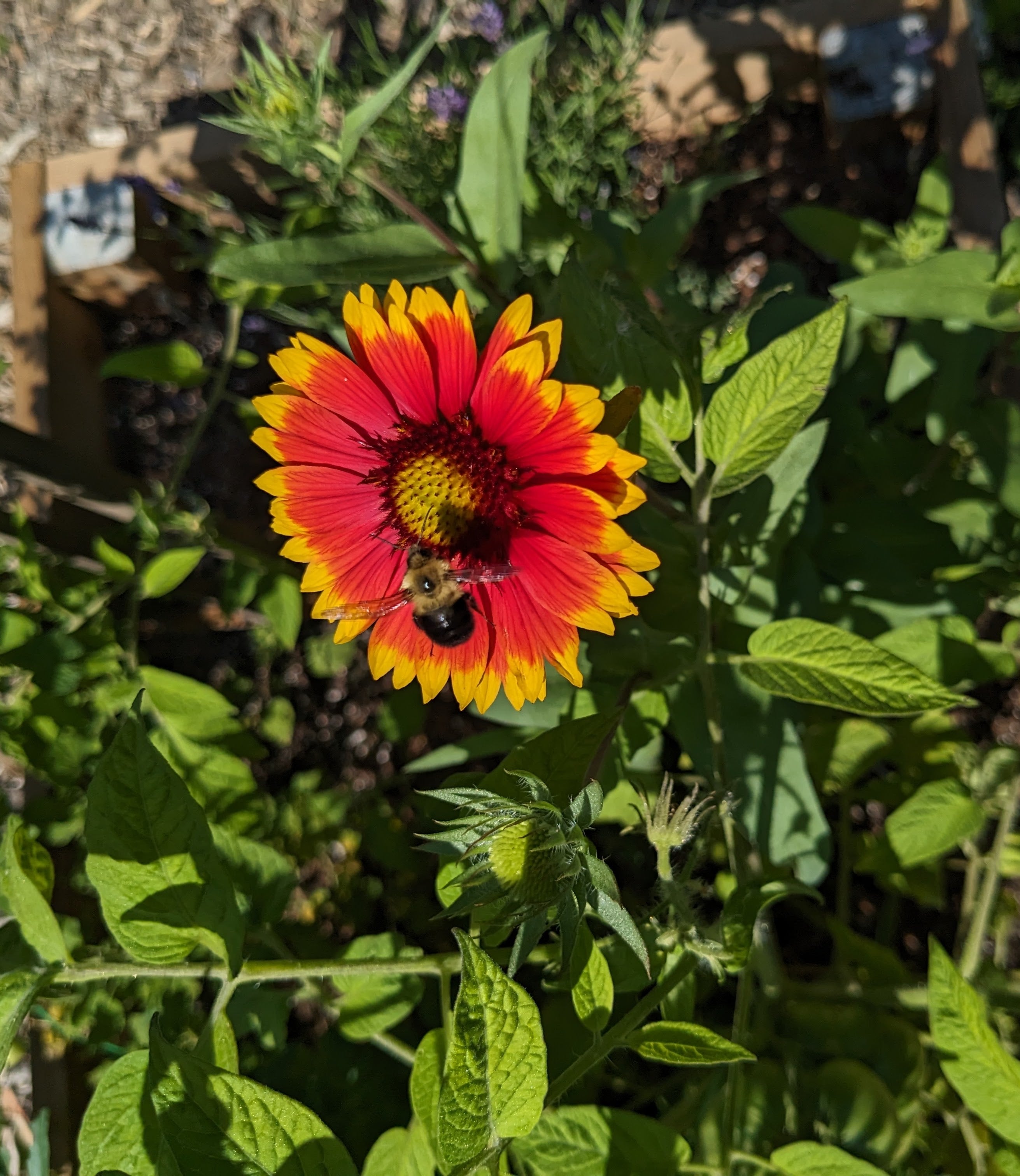
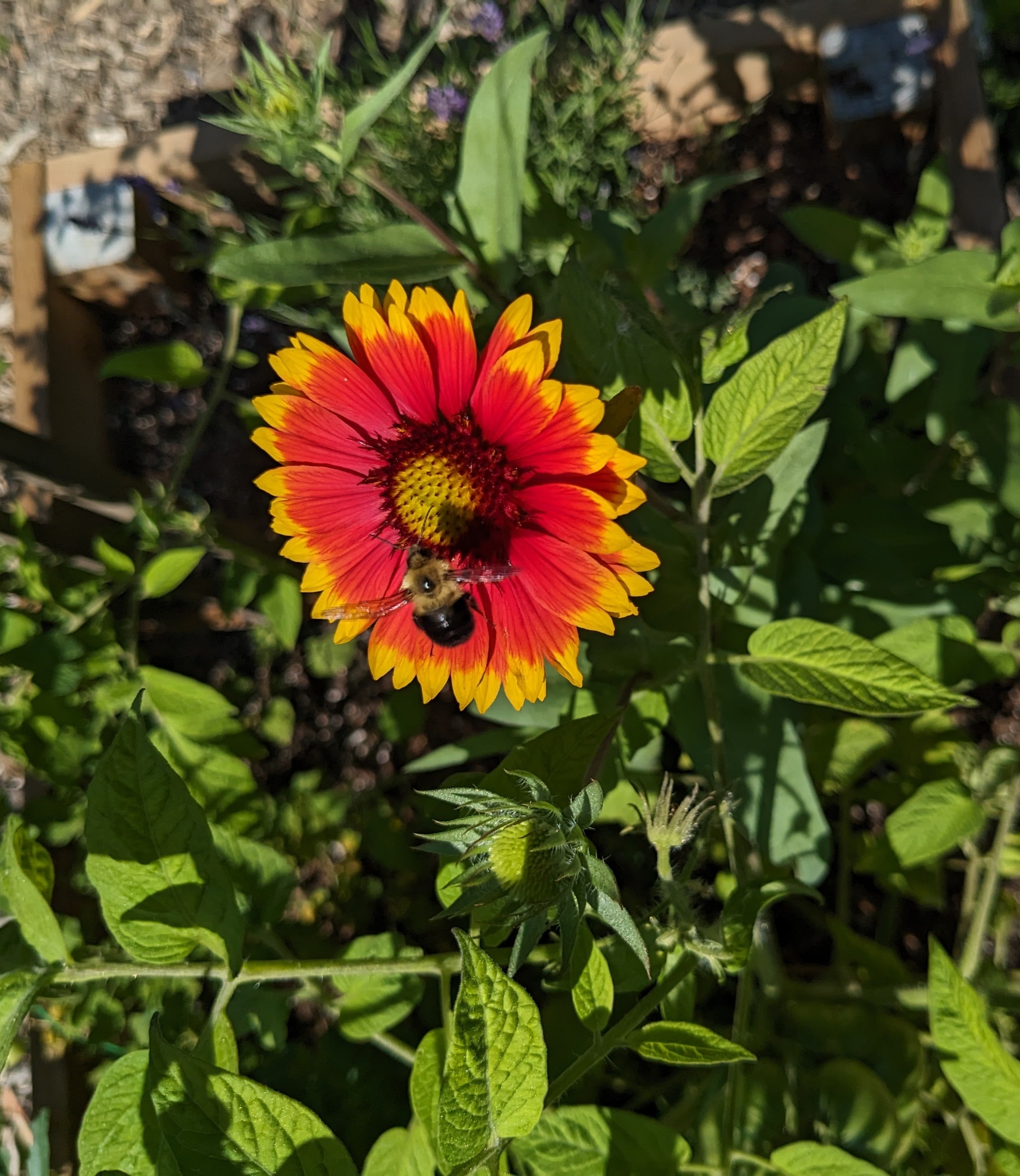
I adore Ring of Fire, with their chocolate brown centres surrounded by golden yellow petals that turn to red. People ask me about them every year. I find the more sun they get, the deeper the red colour.
Ring of Fire is a basal branching variety, so you get multiple blooms off each plant. When you're tight on space, this is a bonus. Succession plant the seeds for continuous blooms.
Chipmunks and squirrels LOVE sunflower seeds and small shoots, and will relentlessly dig up the seeds and/or chop the tender plants off. My neighbours have heard my sobs and swearing in equal measure over the years. Here are my tried and tested ways to fight them:
- Direct sow seeds in containers or pots, then completely cage them with small-holed wire mesh (forget plastic - they will eat right through it) for as long as possible
- Start seeds indoors 4 weeks before last frost, then transplant to the garden with tall, wire mesh collars around the seedlings and DO NOT remove all season
Note: I learned the hard way that sunflowers are allelopathic, meaning they give off toxins that impede the growth of or even kill other plants. They also deplete soil of nutrients. Because I grow so much food in containers, I now grow my sunflowers in separate pots and place them near their fruit, veg and herb companions
Type: Annual
Height: 4-5 ft.
Light: full sun
Soil: heavy feeders, sunflowers need organically-rich soil that's well draining
Planting: Sow in warm soil after the danger of frost, 1/2" deep, 6" apart
Harvest: 8-12 weeks
$4 each or 3 for $10 (save $2!)
Type: Annual flower
Height: 4-6'
Light: Full sun
Soil: average garden soil
Water: keep well watered
Bloom time: late summer
Planting: Can be started indoors 2-3 weeks before last frost or direct sown into the garden after danger of frost.
Notes: I learned the hard way that sunflowers are allelopathic, meaning they give off toxins that impede the growth of or even kill other plants. They also deplete soil of nutrients. Because I grow so much food in containers, I now grow my sunflowers in separate pots and place them near their fruit, veg and herb companions

$4 each or 3 for $10 (save $2!)
Beautiful yellow sunflower we grow every year in our food garden to attract bees and other pollinators
Type: Annual flower
Height: can reach up to six feet tall!
Light: Full sun
Soil: average garden soil
Water: keep well watered
Bloom time: late summer
Planting: Can be started indoors 2-3 weeks before last frost or direct sown into the garden after danger of frost.
Notes: I learned the hard way that sunflowers are allelopathic, meaning they give off toxins that impede the growth of or even kill other plants. They also deplete soil of nutrients. Because I grow so much food in containers, I now grow my sunflowers in separate pots and place them near their fruit, veg and herb companions
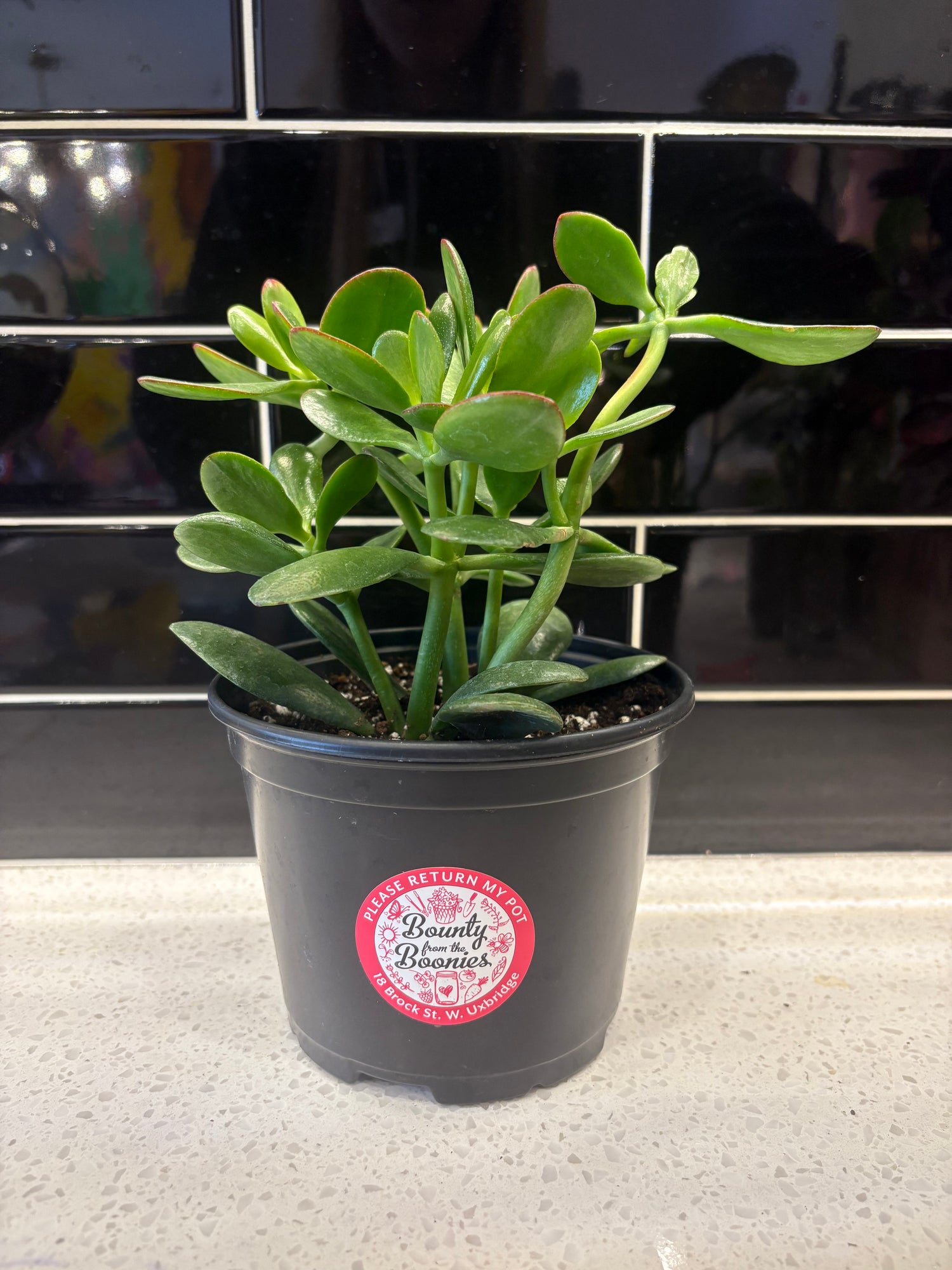
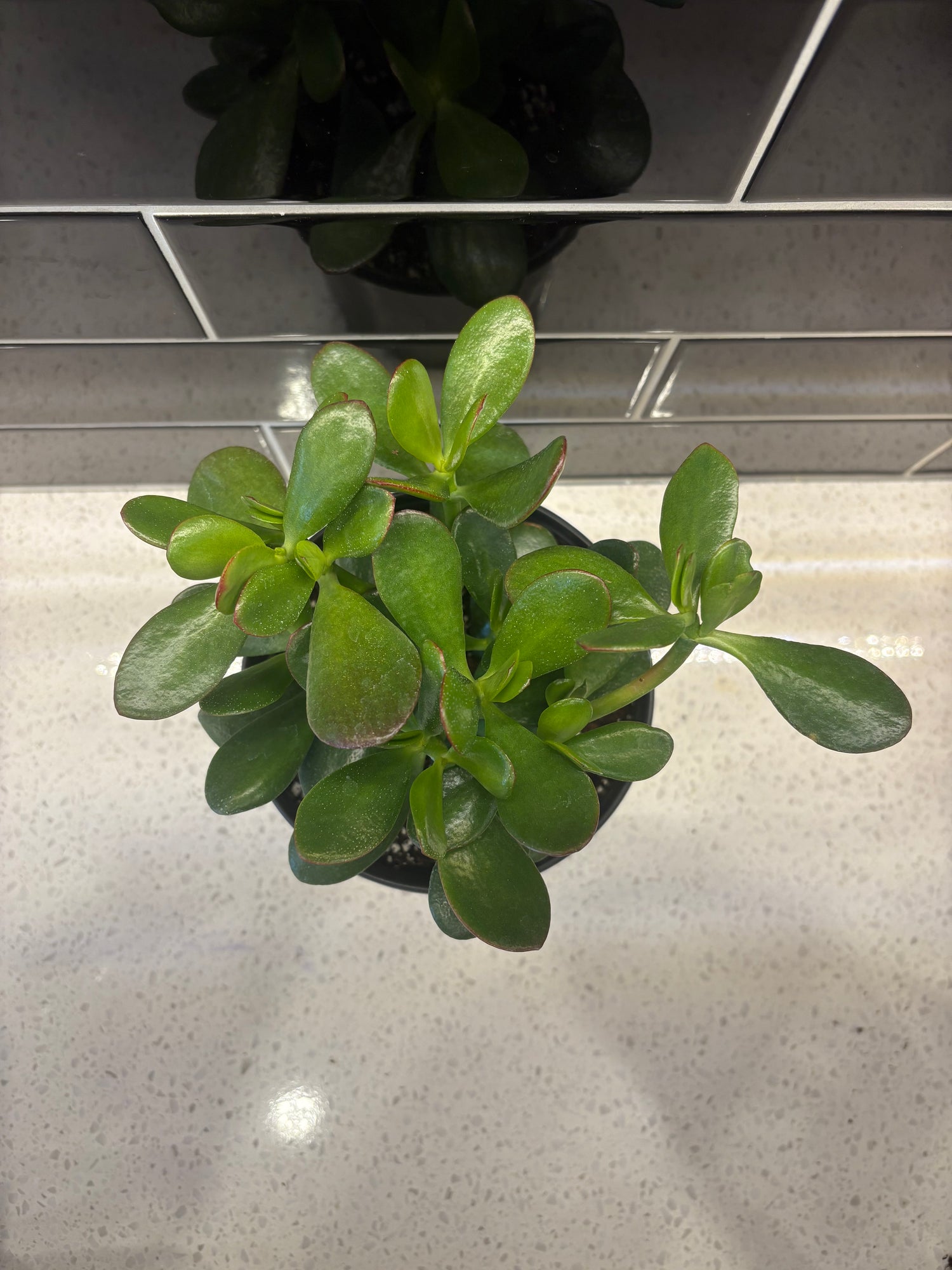
The Sunset Jade, different from the original Jade, has yellow and red edged leaves making it stand out just a little bit more. Originating from South Africa, this Jade is known for its easy care, low maintenance qualities. One of most popular succulents around!
Scientific Name: Crassula Ovata
Common Name: Jade, Lucky Plant, Money Tree
Growth: about 2 inches of height per year indoors
Light: Bright indirect light to full sun
Watering: Let dry out between waterings
Pet Safe: No
Care: Easy


$4 each or 3 for $10 (save $2!)
Like all milkweeds, Swamp Milkweed, is a food source for the Monarch butterfly larvae. Unlike Common Milkweed, Swamp Milkweed is well behaved in the garden as it does not sucker. This is an extremely beautiful plant and is a must have in a native plant garden!
Type: Perennial, native to Ontario
Height: 3-4 feet
Light: Full sun
Soil: Rich to medium rich soils, however it may survive a season or two in poorer, dryer soils.
Water: As the name suggests, Swamp Milkweed is happiest where it gets consistent moisture. However, it can be used in rain gardens and dryer areas although it may not be as long lived.
Bloom time: July to August. NOTE: This plant is very late to reappear in the spring! Sometimes it doesn't poke through the soil until the end of May- so be patient!
Planting: Cold, moist stratification required - see options in photos, courtesy of Northern Wildflowers. This website offers an excellent overview of this plant and how to grow it from seeds: Swamp Milkweed – A Beginners Guide – GrowIt BuildIT
Wild life support: Leaves are a food source for Monarch caterpillars, Tussock moth caterpillars, Milkweed beetle. A variety of bees and wasps use the nectar and pollen.


Admired for its glossy, heart-shaped, lobed and perforated leaves, this Monstera stands out as one of the unique varieties. Originating from Southern Mexico south to Panama. It is a climbing vine so it grows well with a moss pole to grow on.
Scientific Name: Monstera deliciosa
Common Name: Swiss Cheese Monstera
Light: Bright, Indirect light
Growth: Can grow several feet a year
Water: When the top two inches are dry
Pet Safe: No
Care: Easy
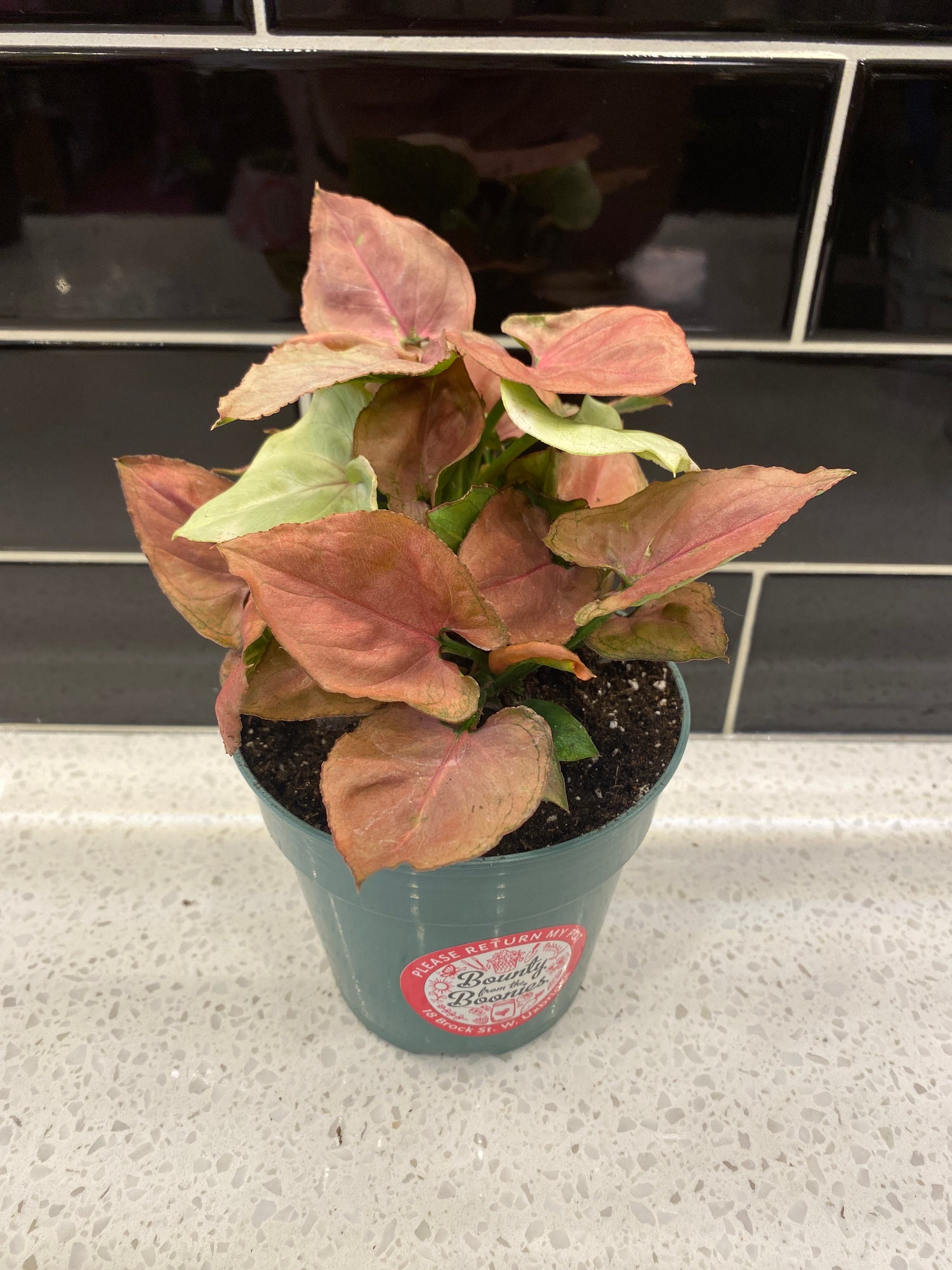
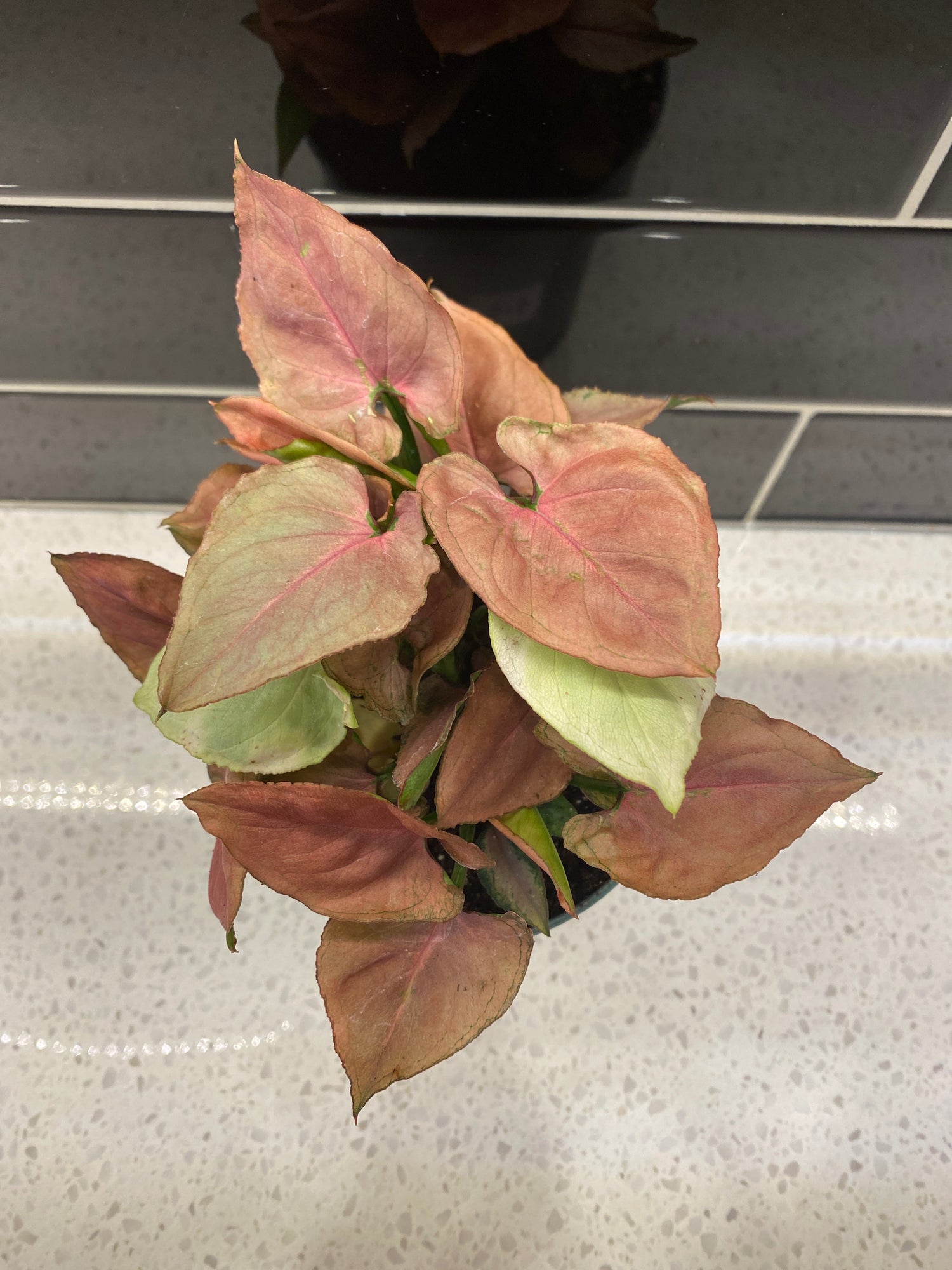
Syngonium Pink Perfection is quite rare. It has unique large multilobed foliage that is mostly light green with much pink near its veins. Pink Perfection has heart-shaped leaves, they grow fast and are easy to propagate. Those delicate pink leaves shouldn't fool you - This plant is actually low maintenance. This plant originates from the tropical rainforests of South and Central America.
Scientific Name: Syngonium Podophyllum
Common Name: Pink Perfection
Light: Bright indirect light
Watering: Let dry out between waterings, good drainage
Growth: Can grow up to 4 feet tall
Pet Safe: No
Care: Easy