








Sort by:
357 products
357 products


I first had Thai Basil at my local Thai restaurant on top of a mango salad - I'd never tasted anything like it, and was completely hooked.
It is sweet and savory, with a rich anise flavour. I add it to curries, stir fries, fresh salads, sparkling water and all manner of beverages.
Thai Basil's dark purple stem and light purple flowers are an eye-catching addition to any garden. I grow mine with tomatoes and cucumber. Excellent container plant.
Type: Herb
Height: 20"
Light: Full sun
Soil: Loose, well drained
Planting: Start indoors 6-8 weeks before last frost. Sow seeds 1/8" deep, transplant plants 8-12" apart
Care: To keep plant bushy, pinch out flowers and pick leaves regularly


Straight from Carly's homestead garden, these colourful dried bouquets will spruce up any room.
Bouquets include: Amaranth Hot Biscuits and Velvet Curtains, Strawflower, Black Eyed Susan, Pearly Everlasting, Celosia and Chrysanthemum.
Pickup Only


Tiger Jaw is a south African succulent is known for its distinctive jaw-shaped leaves with soft tooth like edges. It can produce bright yellow flowers that look a lot like daisies. This plant originates from the sub-tropical deserts and rocky areas of South Africa. The fleshy "teeth" along its leaves are soft and help channel rainwater and dew directly to its roots.
Scientific Name: Faucaria Tigrinya
Common Name: Tiger Jaw
Light: Bright, direct, to indirect light
Growth: 6 inches tall
Watering: Let dry between watering
Pet Safe: Yes
Care: Easy


This is a very pretty Aloe with edges lined with little spines which are not sharp. Leaves are speckled with white. It is native to Kenya.
Scientific Name: Aloe juvenna
Common Name: Tiger Tooth Aloe
Growth: 12 inches tall and wide, grows slowly
Light: Bright light. If they are not receiving enough light they will get taller and reach for the sun. The brighter the light, the more compact they will remain. However, the leaves can burn if in too much hot sun, especially in the summer.
Watering: Let it dry out between watering
Pet safe: Yes
Care: Easy


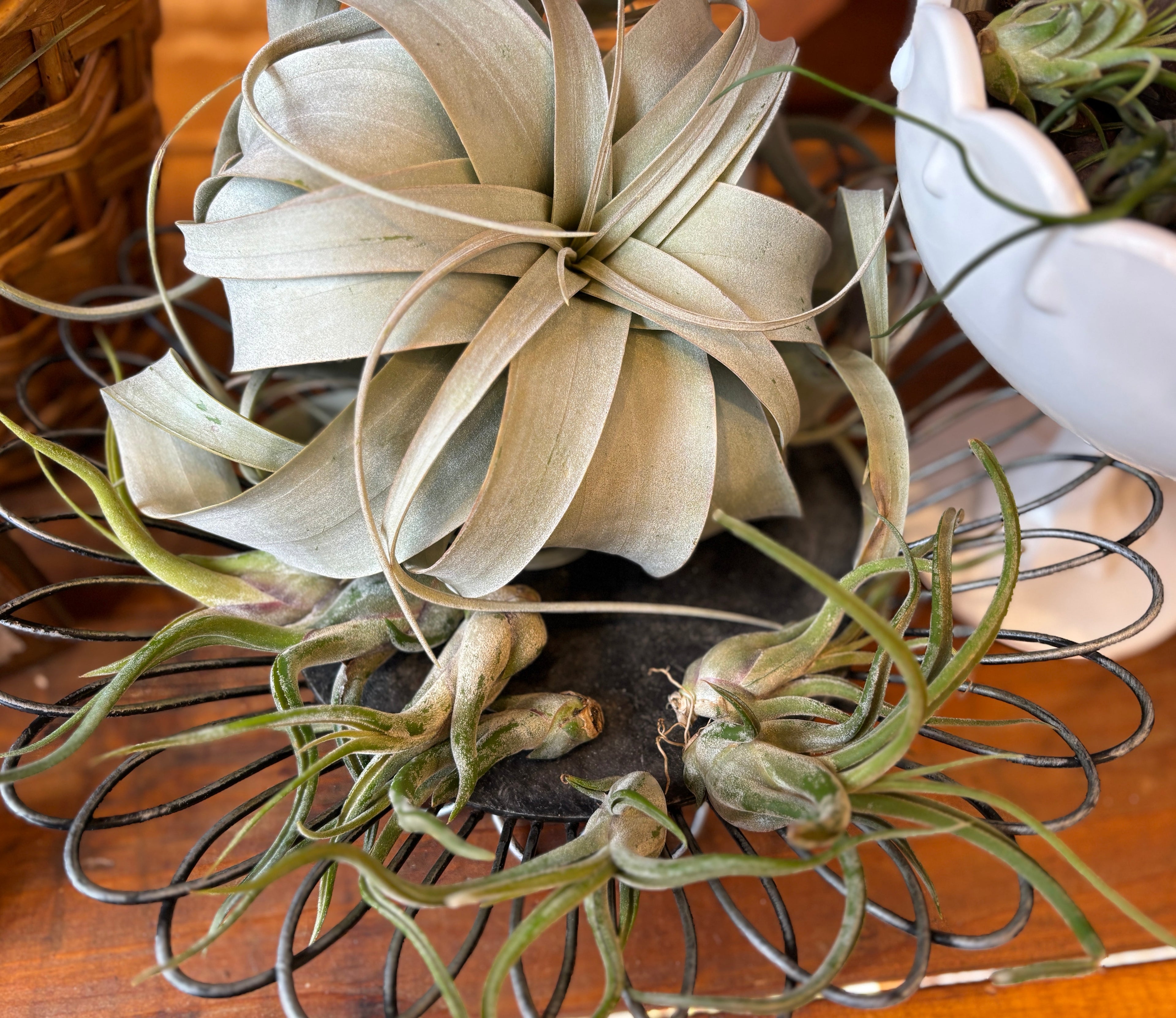
The lowest of care plants! Air plants do not require soil to survive. Just as the name implies, they survive in air! They can be displayed in many decorative formats. With their unique look, they can be quite fun to display. They originate from Central and South America. Air Plants come in all shapes and sizes as well as multiple colours.
Scientific Name: Tillandsia aeranthos
Common Name: Air Plant
Light Requirements: Bright Indirect Light, direct sun for too many hours can scorch the leaves.
Water: Once a week, submerge in water and then be sure to completely dry out.
Pet Safe: Yes
Care: Easy


The lowest of care plants!
A variety of shapes and sizes add dramatic flair to any living space.
Scientific Name: Tillandsia caput-medusae
Common Name: Air Plant
Light Requirements: Bright Indirect Light, direct sun for too many hours can scorch the leaves.
Water: Once a week, submerge in water and then be sure to completely dry out.
Pet Safe: Yes
Care: Easy


The lowest of care plants!
A variety of shapes and sizes add dramatic flair to any living space.
Scientific Name: Tillandsia Bulbosa
Common Name: Air Plant
Light Requirements: Bright Indirect Light, direct sun for too many hours can scorch the leaves.
Water: Once a week, submerge in water and then be sure to completely dry out.
Pet Safe: Yes
Care: Easy

The lowest of care plants! Air plants do not require soil to survive. Just as the name implies, they survive in air! They can be displayed in many decorative formats. With their unique look, they can be quite fun to display. They originate from Central and South America. Air Plants come in all shapes and sizes as well as multiple colours.
Scientific Name: Tillandsia Butzii
Common Name: Air Plant
Light Requirements: Bright Indirect Light, direct sun for too many hours can scorch the leaves.
Water: Once a week, submerge in water and then be sure to completely dry out.
Pet Safe: Yes
Care: Easy


The lowest of care plants!
A variety of shapes and sizes add dramatic flair to any living space.
Scientific Name: Tillandsia caput-medusae
Common Name: Air Plant
Light Requirements: Bright Indirect Light, direct sun for too many hours can scorch the leaves.
Water: Once a week, submerge in water and then be sure to completely dry out.
Pet Safe: Yes
Care: Easy


The lowest of care plants!
A variety of shapes and sizes add dramatic flair to any living space.
Scientific Name: Tillandsia Fuchsii
Common Name: Air Plant
Light Requirements: Bright Indirect Light, direct sun for too many hours can scorch the leaves.
Water: Once a week, submerge in water and then be sure to completely dry out.
Pet Safe: Yes
Care: Easy


The lowest of care plants!
A variety of shapes and sizes add dramatic flair to any living space.
Scientific Name: Tillandsia Ionantha Guatemala
Common Name: Air Plant
Light Requirements: Bright Indirect Light, direct sun for too many hours can scorch the leaves.
Water: Once a week, submerge in water and then be sure to completely dry out.
Pet Safe: Yes
Care: Easy


The lowest of care plants!
A variety of shapes and sizes add dramatic flair to any living space.
Scientific Name: Tillandsia Ionantha Lilac
Common Name: Air Plant
Light Requirements: Bright Indirect Light, direct sun for too many hours can scorch the leaves.
Water: Once a week, submerge in water and then be sure to completely dry out.
Pet Safe: Yes
Care: Easy

The lowest of care plants! Air plants do not require soil to survive. Just as the name implies, they survive in air! They can be displayed in many decorative formats. With their unique look, they can be quite fun to display. They originate from Central and South America. Air Plants come in all shapes and sizes as well as multiple colours.
Scientific Name: Tillandsia Juncea
Common Name: Air Plant
Light Requirements: Bright Indirect Light, direct sun for too many hours can scorch the leaves.
Water: Once a week, submerge in water and then be sure to completely dry out.
Pet Safe: Yes
Care: Easy


The lowest of care plants!
A variety of shapes and sizes add dramatic flair to any living space.
Scientific Name: Tillandsia Tricolor
Common Name: Air Plant
Light Requirements: Bright Indirect Light, direct sun for too many hours can scorch the leaves.
Water: Once a week, submerge in water and then be sure to completely dry out.
Pet Safe: Yes
Care: Easy

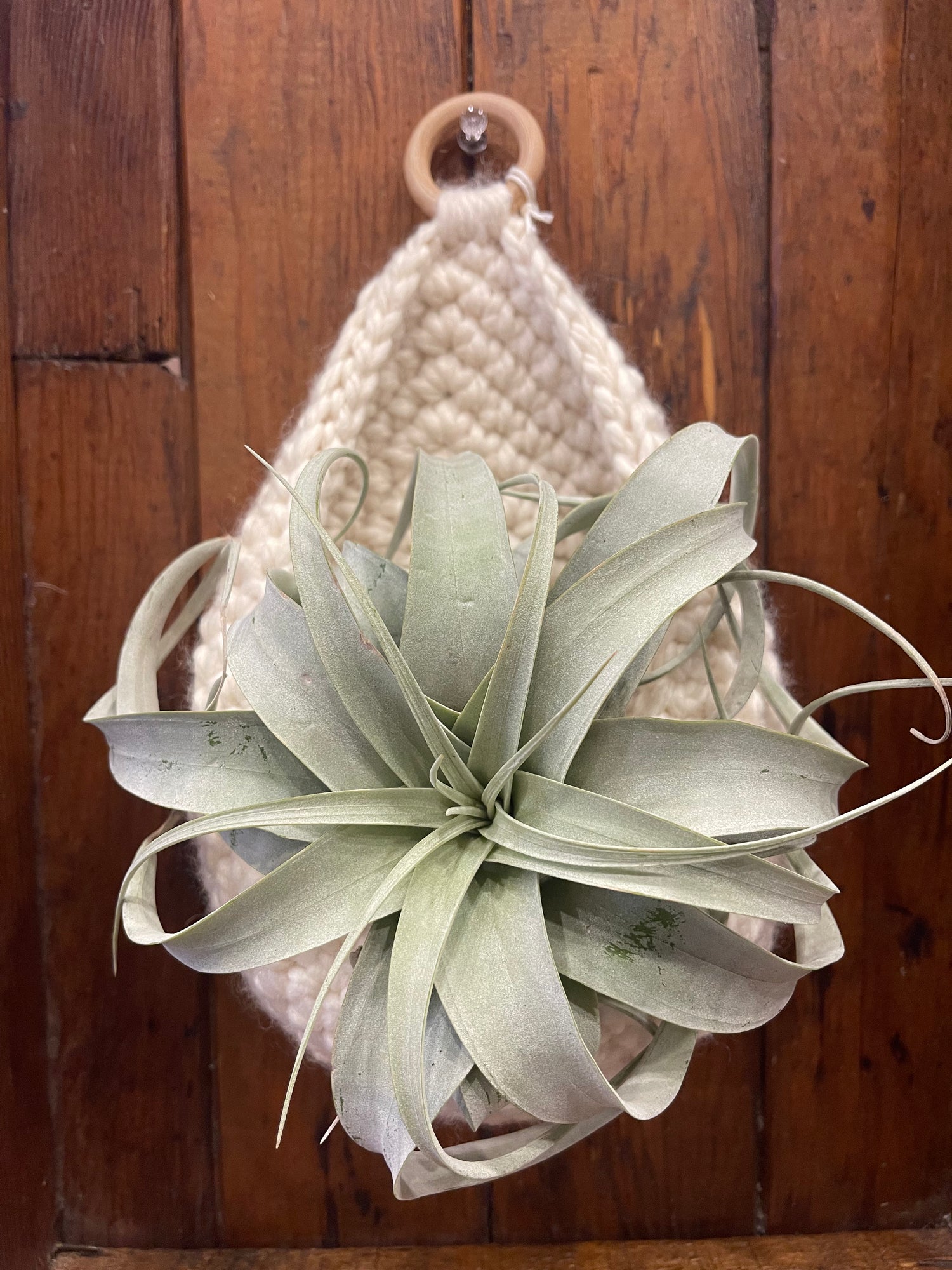
The lowest of care plants! Air plants do not require soil to survive. Just as the name implies, they survive in air! They can be displayed in many decorative formats. With their unique look, they can be quite fun to display. They originate from Central and South America. Air Plants come in all shapes and sizes as well as multiple colours.
Scientific Name: Tillandsia
Common Name: Air Plant
Light Requirements: Bright Indirect Light, direct sun for too many hours can scorch the leaves.
Water: Once a week, submerge in water and then be sure to completely dry out.
Pet Safe: Yes
Care: Easy

Alice’s Dream have indigo shoulders on rosy golden fruit, while the plant itself has purple undertones - you can’t miss her in the garden! This medium-sized beefstake variety is a fabulous slicer with a creamy texture. If you love a simple plate of sun-kissed homegrown tomatoes sprinkled with salt + pepper, she’s for you. Juicy, lower acid, melt-in-your-mouth.
Indeterminate + requires staking
$6 each or 3 for $15
Produces an abundance of purple shouldered, orange fleshed beef steak tomatoes.
Type: beef steak, Heirloom, Indeterminate, vining plants that will need staking. Plants will keep growing and producing until frost. You can read about the difference between Determinate and Indeterminate tomatoes here: Determinate vs. Indeterminate Tomatoes
Height: Indeterminate height.
Light: Full sun
Soil: Rich soil. Use good quality compost around plants and mulch well.
Water: Consistently keeping soil moist, but not wet, will result in good growth and happy tomatoes. Inconsistent moisture can lead to "Blossom End Rot". Always water tomatoes at the base of the plant never getting water on the leaves.
Planting:
- Harden off* and then transplant to the garden after all frost danger is gone.
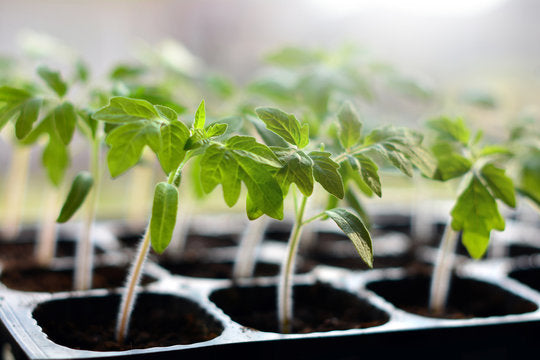
- Bury them deep! Plant the whole stem into the ground, not just the roots leaving only a few top leaves showing. The plant will put out roots from the buried stem, making your plant grow nice and strong!
- Space plants 60-90 cm, 2-3' apart; space rows 3-4' apart. They will grow nicely in containers but will need some kind of support.
- DO NOT crowd plants. This leads to poor circulation and disease
Harvest: 75-85 days to maturity (from the day they are planted outside)
* Hardening off refers to the process of gently and gradually acclimatizing indoor grown seedlings to the great outdoors! Don't throw your new babies straight into the elements! Over the course of a week, take them outside for a few hours at a time, bringing them back indoors afterwards. First sit them in the shade and then slowly introduce them to the sun. Increase the length of time they are outside and are exposed to the sun, until you feel they are ready to face the big outside world!
Other tips:
Pruning out suckers on your plant will help it put more of its energy into fruit production. Suckers appear between the main stem and the branches and can be easily taken out with your fingers.

These Black Cherry tomatoes are perfectly rotund, perfectly plump + the biggest we’ve ever grown. Characterized by a deep mahogany hue, they have a rich, smoky flavour that pairs beautifully with BBQ season, particularly grilled romaine salad (trust me).
Type: Indeterminate. Needs staking. You can read about the difference between Determinate and Indeterminate tomatoes here: Determinate vs. Indeterminate Tomatoes
Height: Up to 8 feet. Requires staking.
Light: Full sun
Soil: Rich soil. Use good quality compost around plants and mulch well.
Water: Consistently keeping soil moist, but not wet, will results in good growth and happy tomatoes. Inconsistent moisture can lead to "Blossom End Rot". Always water tomatoes at the base of the plant never getting water on the leaves.
Harvest: 75 days to maturity (from the day they are planted outside)
Planting:
- Harden off* and then transplant to the garden after all frost danger is gone.
- Bury them deep! Plant the whole stem into the ground, not just the roots leaving only a few top leaves showing. The plant will put out roots from the buried stem, making your plant grow nice and strong!
- Space plants 60-90 cm, 2-3' apart; space rows 3-4' apart. They will grow nicely in containers but will need some kind of support.
- DO NOT crowd plants. This leads to poor circulation and disease
Other tips: Pruning out suckers on your plant will help it put more of it's energy into fruit production. Suckers appear between the main stem and the branches and can be easily taken out with your fingers.
$6 each or 3 for $15

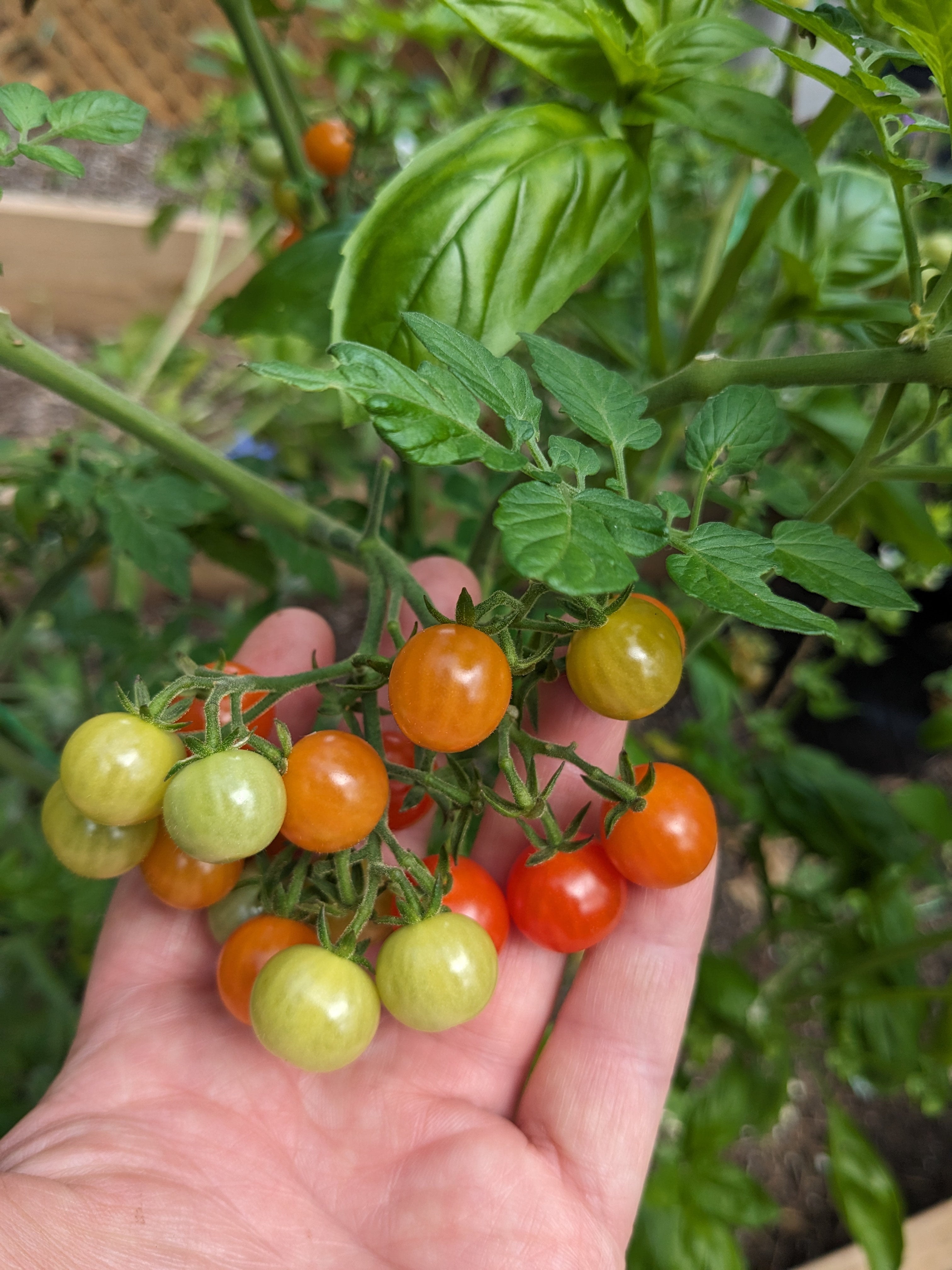
If I could only grow one variety of tomato each year, Candyland would be it. These teeny toms - a currant variety - literally taste like pops of sugar, and are
non-stop, prolific producers. Long after other tomatoes in our gardens are finished, Candyland keep fruiting until the hardest frost kills the plant.
$6 each or 3 for $15
Type: Indeterminate, vining variety. Needs staking. You can read about the difference between Determinate and Indeterminate tomatoes here: Determinate vs. Indeterminate Tomatoes
Height: 5-7 feet
Light: Full sun
Soil: Rich soil. Use good quality compost around plants and mulch well.
Water: Consistently keeping soil moist, but not wet, will results in good growth and happy tomatoes. Inconsistent moisture can lead to "Blossom End Rot". Always water tomatoes at the base of the plant never getting water on the leaves.
Planting:
- Harden off* and then transplant to the garden after all frost danger is gone.
- Bury them deep! Plant the whole stem into the ground, not just the roots leaving only a few top leaves showing. The plant will put out roots from the buried stem, making your plant grow nice and strong!
- Space plants 60-90 cm, 2-3' apart; space rows 3-4' apart. They will grow nicely in containers but will need some kind of support.
- DO NOT crowd plants. This leads to poor circulation and disease
Other tips:
Pruning out suckers on your plant will help it put more of it's energy into fruit production. Suckers appear between the main stem and the branches and can be easily taken out with your fingers.

$6 each or 3 for $15
Bears beautiful, pear shaped tomatoes great for sauce making. Crack resistant
Type: Indeterminate, vining plants that will need staking. Plants will keep growing and producing until frost. You can read about the difference between Determinate and Indeterminate tomatoes here: Determinate vs. Indeterminate Tomatoes
Height: Indeterminate height.
Light: Full sun
Soil: Rich soil. Use good quality compost around plants and mulch well.
Water: Consistently keeping soil moist, but not wet, will result in good growth and happy tomatoes. Inconsistent moisture can lead to "Blossom End Rot". Always water tomatoes at the base of the plant never getting water on the leaves.
Planting:
- Harden off* and then transplant to the garden after all frost danger is gone.
- Bury them deep! Plant the whole stem into the ground, not just the roots leaving only a few top leaves showing. The plant will put out roots from the buried stem, making your plant grow nice and strong!
- Space plants 60-90 cm, 2-3' apart; space rows 3-4' apart. They will grow nicely in containers but will need some kind of support.
- DO NOT crowd plants. This leads to poor circulation and disease
Harvest: 80 days to maturity (from the day they are planted outside)
* Hardening off refers to the process of gently and gradually acclimatizing indoor grown seedlings to the great outdoors! Don't throw your new babies straight into the elements! Over the course of a week, take them outside for a few hours at a time, bringing them back indoors afterwards. First sit them in the shade and then slowly introduce them to the sun. Increase the length of time they are outside and are exposed to the sun, until you feel they are ready to face the big outside world!
Other tips:
Pruning out suckers on your plant will help it put more of its energy into fruit production. Suckers appear between the main stem and the branches and can be easily taken out with your fingers.

Developed in the northern Canadian province of Manitoba, these deep red tomatoes withstand cooler temperatures + our shorter growing season. An early producer, maturing in only 60 days. Tangy, sweet + slightly acidic, they make fabulous canned tomato sauce + salsa, and the perfect salad tomato.
Bush variety determinate + requires little staking
$6 each or 3 for $15
Type: Determinate/ bush. Will grow to a certain size and then produce fruit all at once. You can read about the difference between Determinate and Indeterminate tomatoes here: Determinate vs. Indeterminate Tomatoes
Height: 38-60 cm (15-24 in)
Light: Full sun
Soil: Rich soil. Use good quality compost around plants and mulch well.
Water: Consistently keeping soil moist, but not wet, will result in good growth and happy tomatoes. Inconsistent moisture can lead to "Blossom End Rot". Always water tomatoes at the base of the plant never getting water on the leaves.
Planting:
- Harden off* and then transplant to the garden after all frost danger is gone.
- Bury them deep! Plant the whole stem into the ground, not just the roots leaving only a few top leaves showing. The plant will put out roots from the buried stem, making your plant grow nice and strong!
- Space plants 60-90 cm, 2-3' apart; space rows 3-4' apart. They will grow nicely in containers and do not need to be staked.
- DO NOT crowd plants. This leads to poor circulation and disease
Harvest: 60 to 65 days to maturity (from the day they are planted outside)
*Hardening off refers to the process of gently and gradually acclimatizing indoor grown seedlings to the great outdoors! Don't throw your new babies straight into the elements! Over the course of a week, take them outside for a few hours at a time, bringing them back indoors afterwards. First sit them in the shade and then slowly introduce them to the sun. Increase the length of time they are outside and are exposed to the sun, until you feel they are ready to face the big outside world!
Other tips: Pruning out suckers on your plant will help it put more of its energy into fruit production. Suckers appear between the main stem and the branches and can be easily taken out with your fingers.