








Sort by:
357 products
357 products
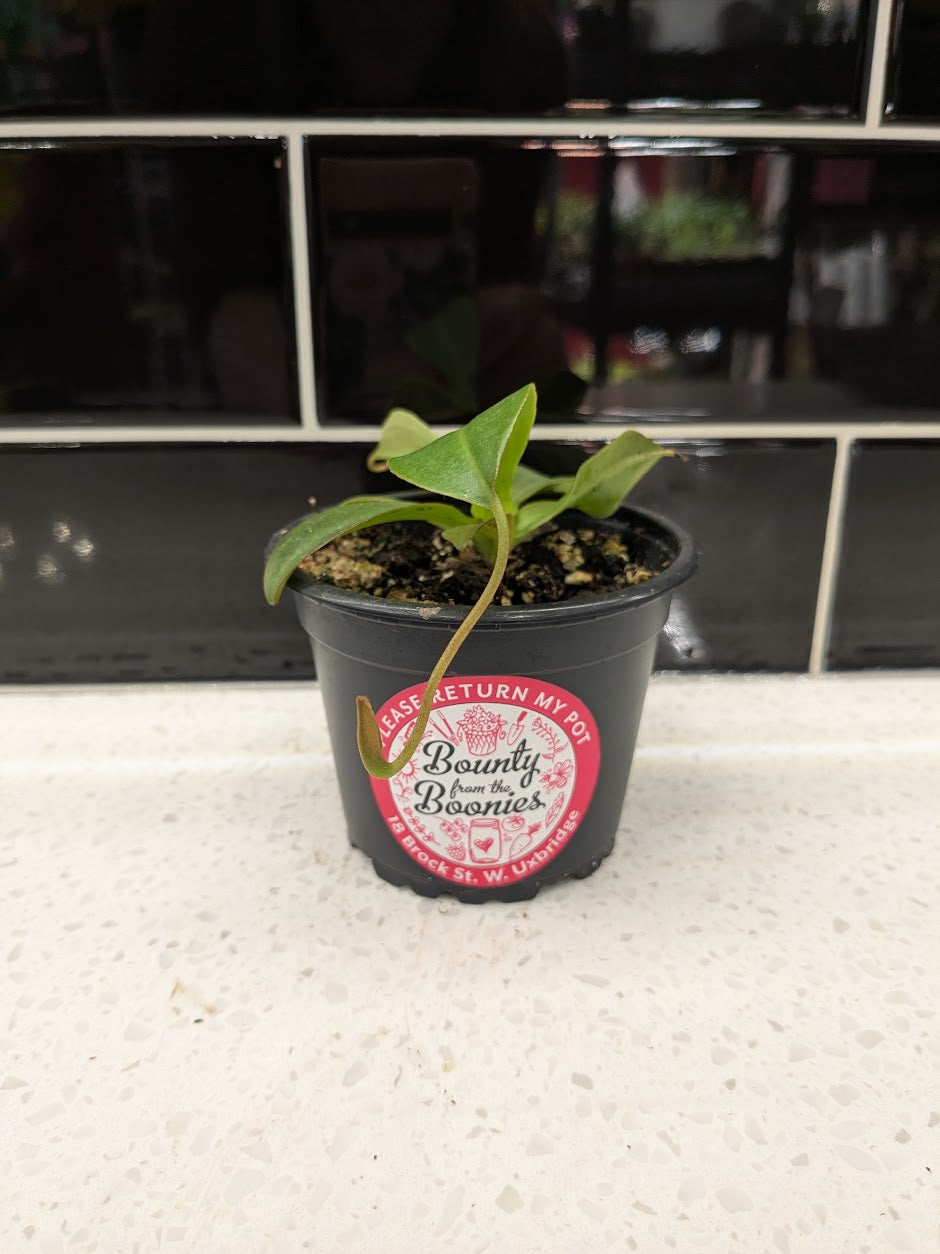
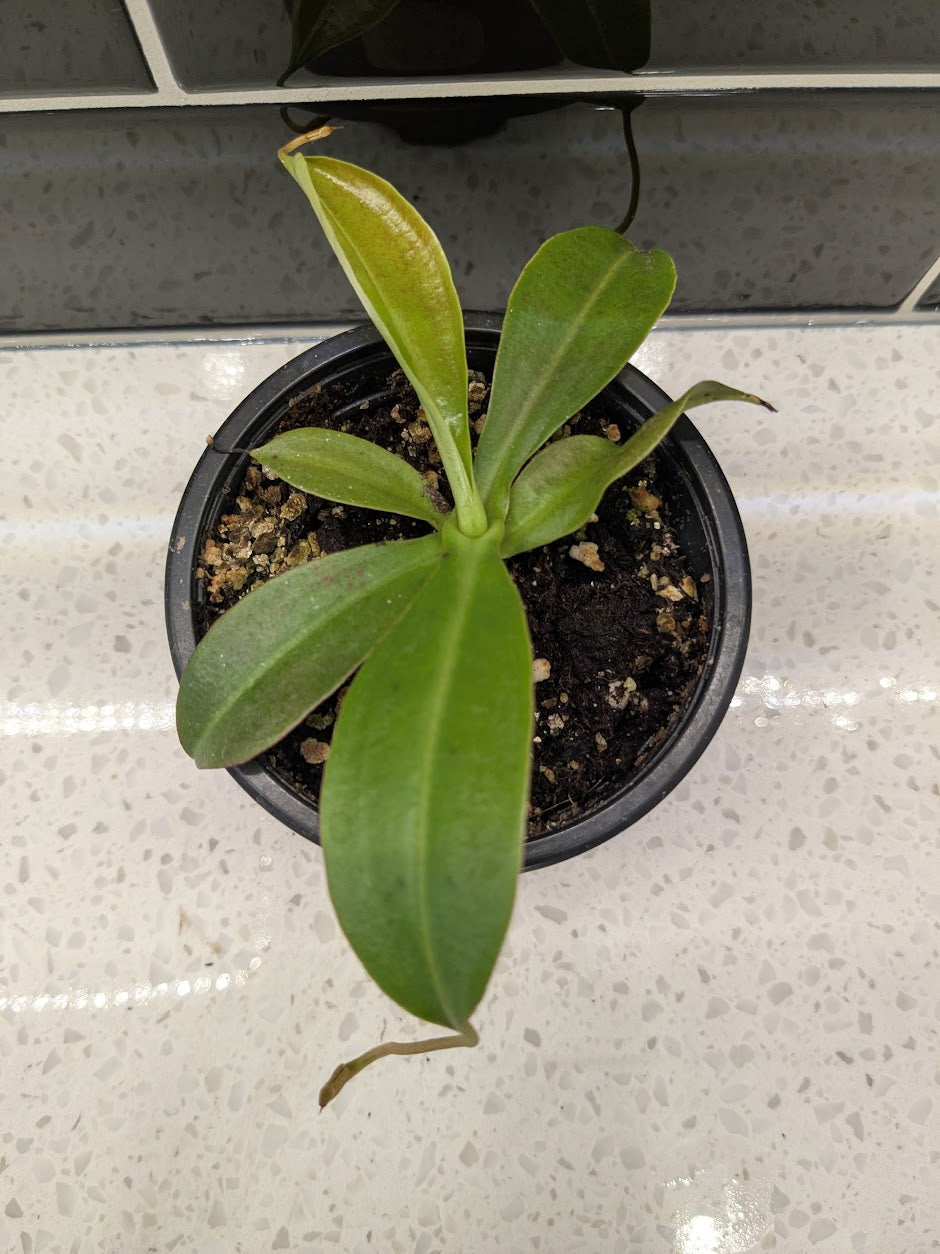
A carnivorous plant with deep maroon pitchers. Native to Southeast Asia, this plant is so unique in the fact that they use they're pitcher leaves to catch their food. These pitchers lure, trap, and digest insects to supplement their nutrient intake in nutrient-poor soil. Since they are from a tropical climate, they do thrive with lots of moisture and humidity.
Scientific Name: Nepenthes
Common Name: Asian Pitcher Plant
Light: Bright indirect light
Watering: Use ONLY distilled, rain or reverse osmosis water. Keep evenly hydrated, likes being misted.
Growth: Slow growing, can take 5-10 years to mature.
Pet Safe: Yes
Care: Intermediate

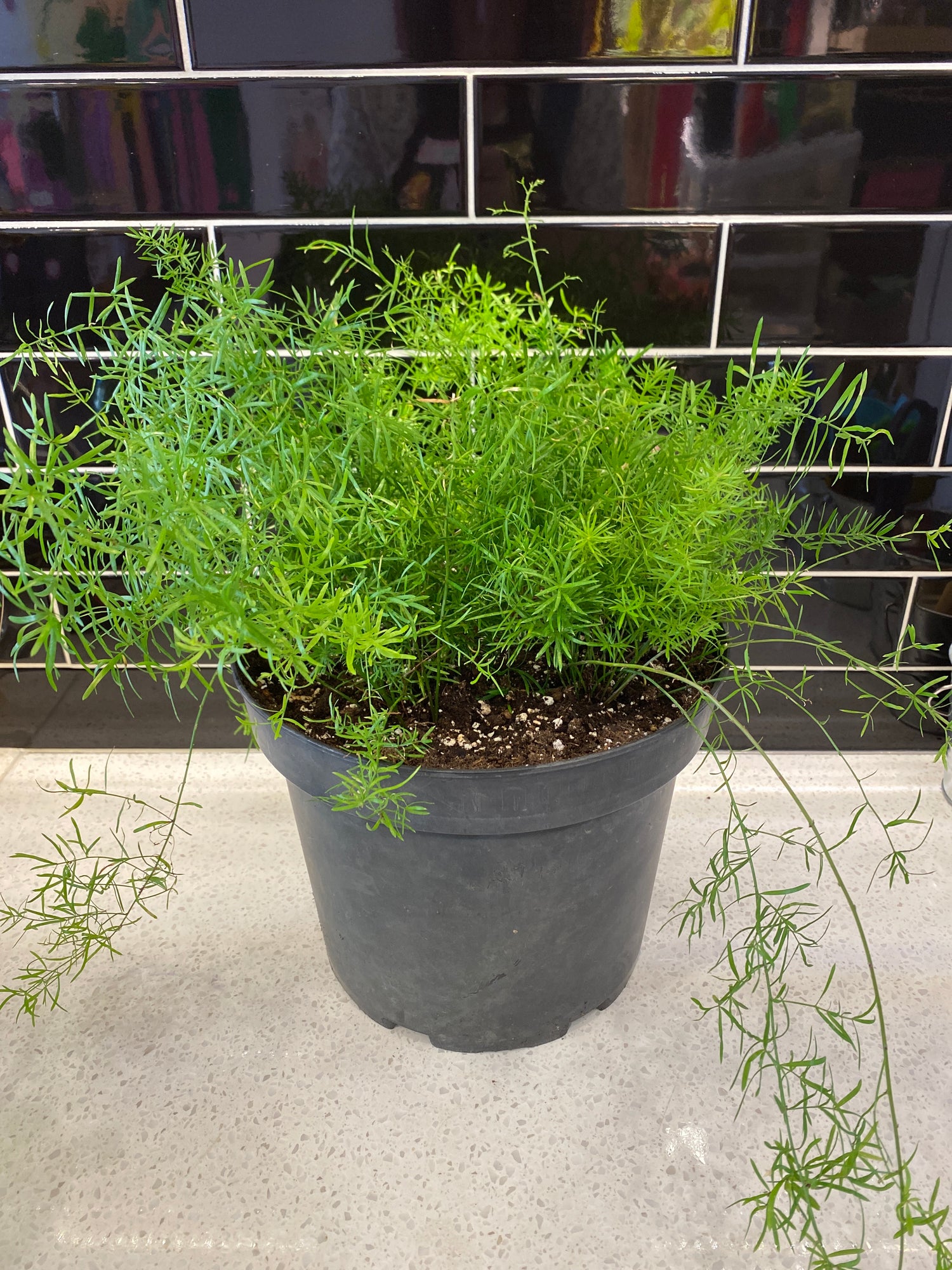
Delicate but hardy. Bring the forest inside with this adorable Asparagus fern. Originating in South Africa, this plant loves to dry out before it's watered again.
Scientific Name: Asparagus setaceus
Common Name: Asparagus Fern, Asparagus grass
Light: Bright, indirect
Growth: Can grow several inches a year in ideal conditions
Watering: They need a very deep watering followed by letting them dry out.
Pet Safe: No
Care: Easy


African Violet comes in many different colours. Native to the cloud forests of East Africa. They grow in humid, sheltered, indirect lighting conditions. Often on moss-covered rocks under the shade of tall trees. Keeping the leaves dry while watering is important. If the leaves are wet and the sun shines on the leaves it can cause burn marks on the leaves.
Scientific Name: Saintpaulia Ionantha
Common Name: AV Polet Velkiriy African Violet
Light: Bright, indirect light
Watering: Water only the soil and not the leaves. Best to bottom water when top inch is dry.
Growth: Up to 8 inches
Pet Safe: Yes
Care: Intermediate


Scientific Name: Crassula muscosa
Common Name: Baby Necklace
Growth: up to 12 inches
Light: Bright. Ideally, place near a south or west-facing window that receives a few hours of direct sunlight per day.
Watering: Water more during the spring and summer, reducing the amount in the fall and giving very little during the winter. ALWAYS allow your cactus to dry out completely between waterings.
Pet Safe: Yes
Care: Easy


The Variegated Peperomia Obtusifolia is a popular, easy care houseplant with glossy, fleshy leaves featuring a marbled pattern of green, cream and yellow. This plant is somewhat drought-tolerant due to its water-storing leaves and stems but is susceptible to overwatering, which can lead to root rot. This plant is native to the tropical regions of Southern Florida and Mexico.
Scientific Name: Peperomia obtusifolia
Common Name: Baby Rubber Plant
Light: Bright, Indirect light
Watering: When the top two inches are dry
Growth: 6-12 inches
Pet Safe: Yes
Care: Easy

Scientific Name: Strobilanthes dyeriamus
Common Name: Baby Sun Ross
Light: Bright, indirect light
Watering: Let soil completely dry out before watering again
Pet Safe: Yes
Care: Easy
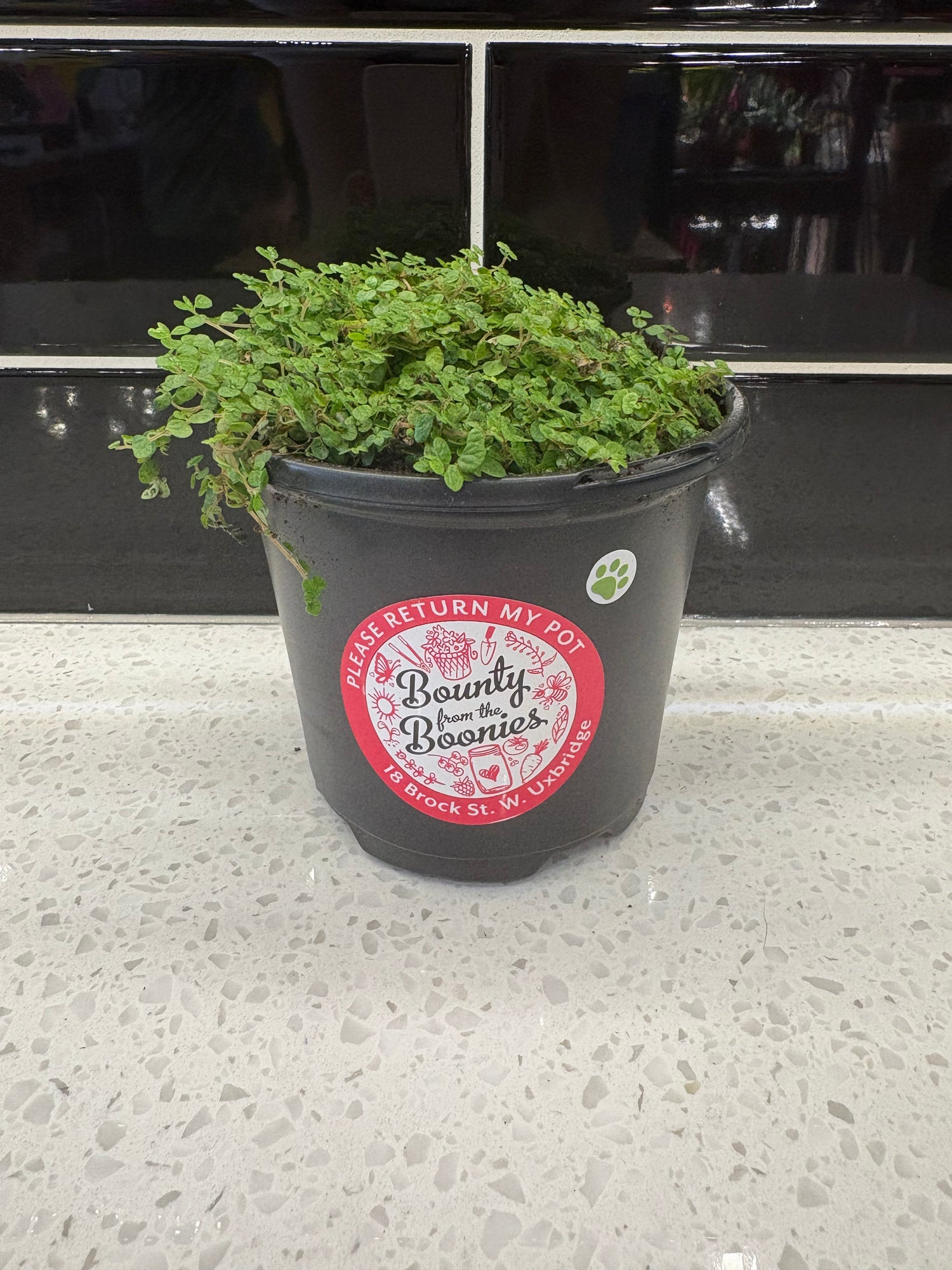
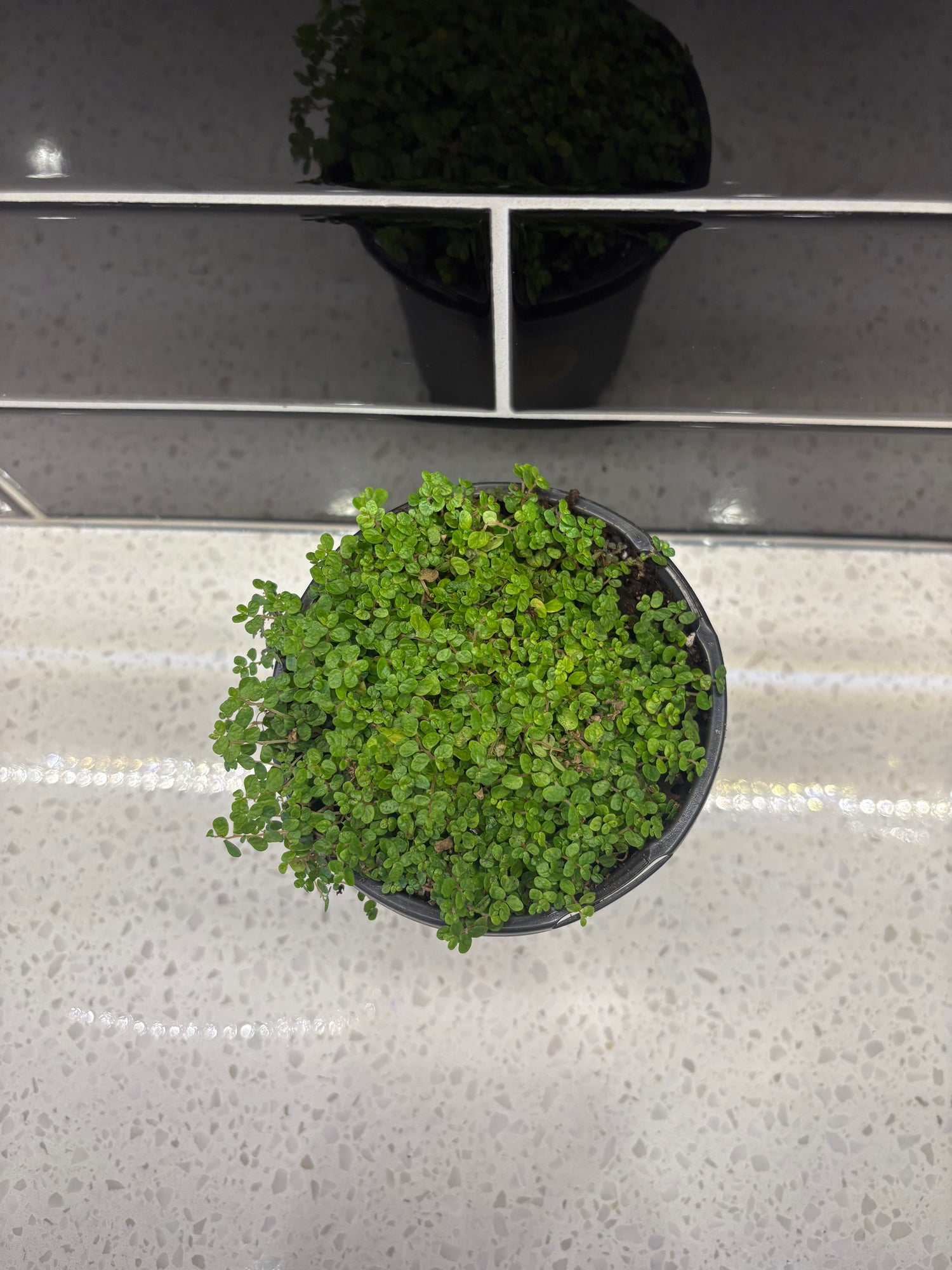
A member of the nettle family, this plant is known for its moss-like dense foliage. It drapes nicely in a hanging pot! Baby tears originated in the Mediterranean Region. It's a creeping, mat-forming, evergreen perennial that thrives in damp, shaded area. It is known to have calming effects on some plant lovers due to the texture and softness of the foliage.
Scientific Name: Soleirolia Soleirolii
Common Name: Angel Tears/Baby Tears.
Light: Bright indirect light
Growth: it can spread 3-6 feet
Watering: Keep well watered, don’t let dry
Pet Safe: Yes
Care: Intermediate - they like high humidity
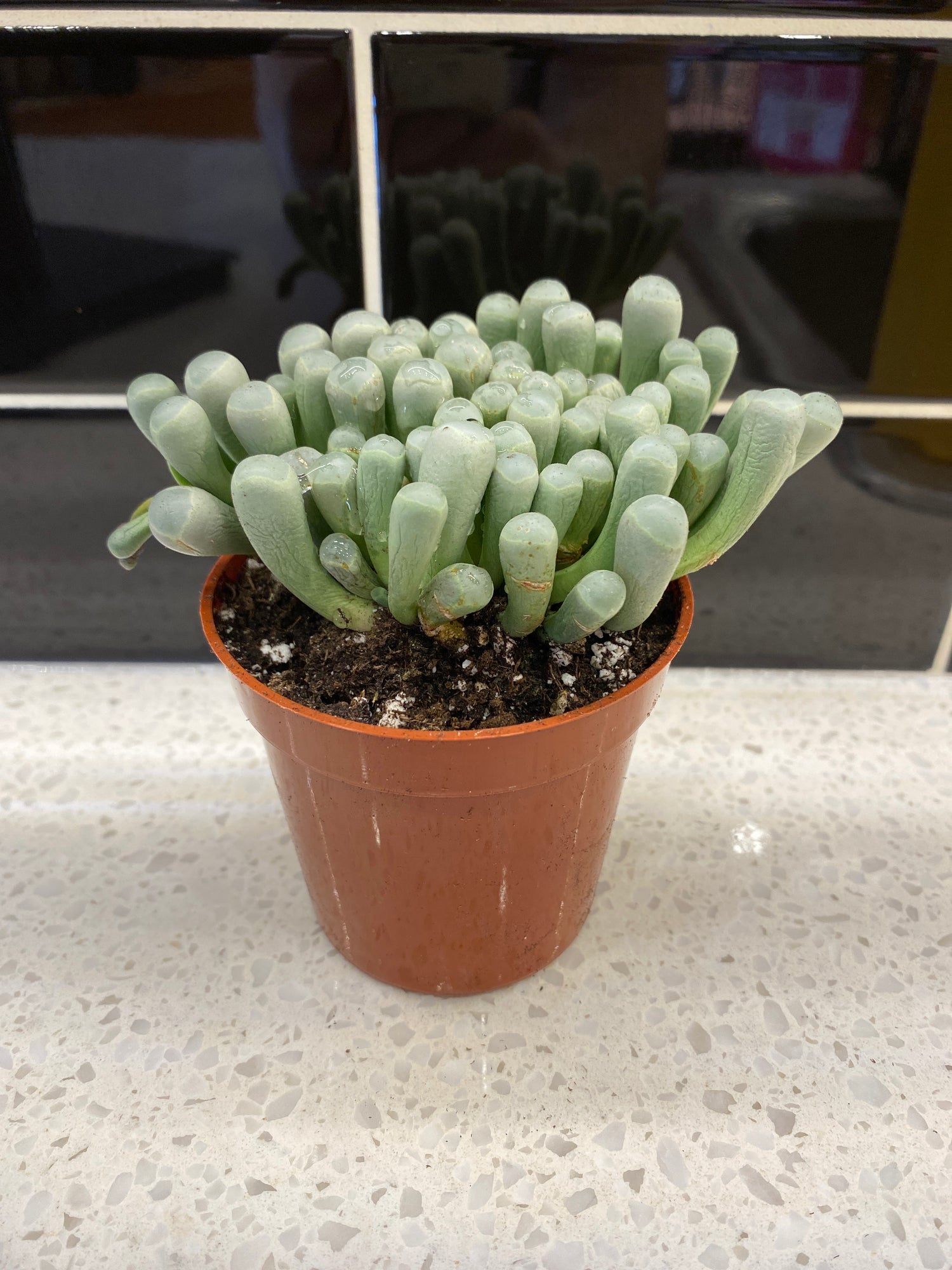
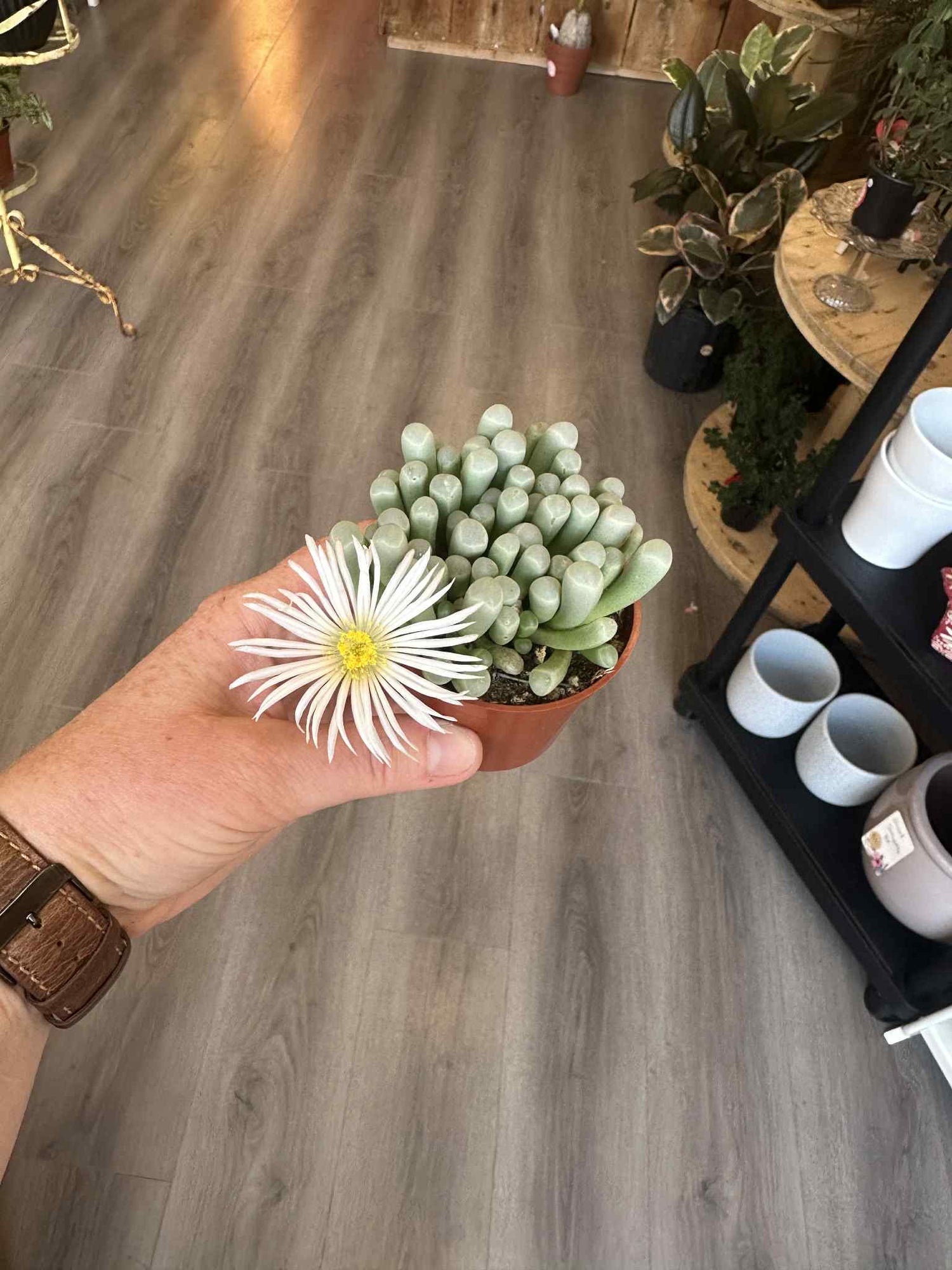
A weird little succulent that looks like…well…baby toes!
Scientific Name: Fenestraria rhopalophylla
Common Name: Baby Toes
Growth: 2-3 inches tall
Watering: Let dry between watering
Pet Safe: Yes
Care: Intermediate
Light: Bright, indirect light

As the name suggests, this Basil add a distinctive, warm, cinnamon flavour to your dishes. Great companion plant for Tomatoes, peppers and even carrots.
$4 each or 3 for $10 (save $2!)
Type: Annual Herb
Height: 12-24"
Light: Full sun to light shade
Soil: Rich, moist, well drained. Amend with compost
Watering: Keep well watered. Basil is not a drought tolerant plant.
Planting: Space them 8-12 inches apart to give them room to grow nice and bushy. Harden off* before planting outdoors.
* Hardening off refers to the process of gently and gradually acclimatizing indoor grown seedlings to the great outdoors! Don't throw your new babies straight into the elements! Over the course of a week, take them outside for a few hours at a time, bringing them back indoors afterwards. First sit them in the shade and then slowly introduce them to the sun. Increase the length of time they are outside and are exposed to the sun, until you feel they are ready to face the big outside world!
Harvest/ Care: Pinch out flowers and harvest outside and top leaves regularly to keep the plant bushy.

Compact and bushy, this basil is easy care and tasty, what is not to love?!
$4 each or 3 for $10 (save $2!)
Type: Annual Herb
Height: 12-14"
Light: Full sun to light shade
Soil: Rich, moist, well drained. Amend with compost
Watering: Keep well watered. Basil is not a drought tolerant plant.
Planting: Space them 8-12 inches apart to give them room to grow nice and bushy. Harden off* before planting outdoors.
* Hardening off refers to the process of gently and gradually acclimatizing indoor grown seedlings to the great outdoors! Don't throw your new babies straight into the elements! Over the course of a week, take them outside for a few hours at a time, bringing them back indoors afterwards. First sit them in the shade and then slowly introduce them to the sun. Increase the length of time they are outside and are exposed to the sun, until you feel they are ready to face the big outside world!
Harvest/ Care: Pinch out flowers and harvest outside and top leaves regularly to keep the plant bushy. Keep harvesting to maintain compact shape.

Beautiful big, 4 inch leaves, have great flavour and aroma. Perfect for cutting directly onto your pasta or tomatoes.
Type: Herb
Height: 20"
Light: Full sun
Soil: Loose, well drained
Planting: Start indoors 6-8 weeks before last frost. Sow seeds 1/8" deep, transplant plants 8-12" apart
Care: Pinch out flowers and harvest regularly to keep the plant bushy.

Basil with a hint of lemon! Great for flavouring drinks and culinary creations! The bright green leaves also look lovely in the garden.
Type: Annual Herb
Height: 12-14"
Light: Full sun to light shade
Soil: Rich, moist, well drained. Amend with compost
Watering: Keep well watered. Basil is not a drought tolerant plant however it will not do well in soggy soils.
Planting: plant in garden after danger of frost
Harvest/ Care: Pinch out flowers and harvest outside and top leaves regularly to keep the plant bushy. Keep harvesting to maintain compact shape.

This Basil will add a pop of pretty in purple to your veg bed! Use the leaves as a food garnish. Not great for pesto as the colour is nicest when fresh. Also good companion plant with tomatoes to keep pests at bay.
$4 each or 3 for $10 (save $2!)
Type: Annual Herb
Height: 12- 24"
Light: Full sun
Soil: Rich, moist, well drained. Amend with compost
Watering: Keep well watered. Basil is not a drought tolerant plant.
Planting: Space them 8-12 inches apart to give them room to grow nice and bushy. Harden off* before planting outdoors.
* Hardening off refers to the process of gently and gradually acclimatizing indoor grown seedlings to the great outdoors! Don't throw your new babies straight into the elements! Over the course of a week, take them outside for a few hours at a time, bringing them back indoors afterwards. First sit them in the shade and then slowly introduce them to the sun. Increase the length of time they are outside and are exposed to the sun, until you feel they are ready to face the big outside world!
Harvest/ Care: Pinch out flowers and harvest outside and top leaves regularly to keep the plant bushy.

This lovely red version of sweet basil adds a pop of colour and interest to your herb garden and your culinary experiences.
$4 each or 3 for $10 (save $2!)
Type: Annual Herb
Height: 12-24"
Light: Full sun to light shade
Soil: Rich, moist, well drained. Amend with compost
Watering: Keep well watered. Basil is not a drought tolerant plant.
Planting: Space them 8-12 inches apart to give them room to grow nice and bushy. Harden off* before planting outdoors.
* Hardening off refers to the process of gently and gradually acclimatizing indoor grown seedlings to the great outdoors! Don't throw your new babies straight into the elements! Over the course of a week, take them outside for a few hours at a time, bringing them back indoors afterwards. First sit them in the shade and then slowly introduce them to the sun. Increase the length of time they are outside and are exposed to the sun, until you feel they are ready to face the big outside world!
Harvest/ Care: Pinch out flowers and harvest outside and top leaves regularly to keep the plant bushy.

A must have herb planted with your tomatoes so you have all the making for pesto and bruschetta growing in your garden! Also good companion plant with tomatoes to keep pests at bay.
$4 each or 3 for $10 (save $2!)
Type: Annual Herb
Height: 12-24"
Light: Full sun to light shade
Soil: Rich, moist, well drained. Amend with compost
Watering: Keep well watered. Basil is not a drought tolerant plant.
Planting: Space them 8-12 inches apart to give them room to grow nice and bushy. Harden off* before planting outdoors.
* Hardening off refers to the process of gently and gradually acclimatizing indoor grown seedlings to the great outdoors! Don't throw your new babies straight into the elements! Over the course of a week, take them outside for a few hours at a time, bringing them back indoors afterwards. First sit them in the shade and then slowly introduce them to the sun. Increase the length of time they are outside and are exposed to the sun, until you feel they are ready to face the big outside world!
Harvest/ Care: Pinch out flowers and harvest outside and top leaves regularly to keep the plant bushy.

Crisp yellow beans grow to 4-5 inches in length. Rot resistant and easy to grow.
Type: annual vegetable
Height: 2 ft - do not require staking/trellis
Light: full sun
Moisture: well drained, warm soil
Planting: Sow directly into the garden, 1" deep, 2" apart, space rows 3" apart after the soil is warm. Beans seeds will not germinate if cool and wet.
Care: water the soil only, and avoid touching the leaves when wet (this can cause disease). Harvest regularly to keep plant producing; once pods get fat with seeds, they will stop flowering.

Dark purple 6" long pods are pencil thin and stringless. Delicious!
Type: annual vegetable
Height: 2 ft - do not require staking/trellis
Light: full sun
Moisture: well drained, warm soil
Planting: Sow directly into the garden, 1" deep, 2" apart, space rows 3" apart after the soil is warm. Beans seeds will not germinate if cool and wet.
Care: water the soil only, and avoid touching the leaves when wet (this can cause disease). Harvest regularly to keep plant producing; once pods get fat with seeds, they will stop flowering.
$4 each or 3 for $10 (save $2!)
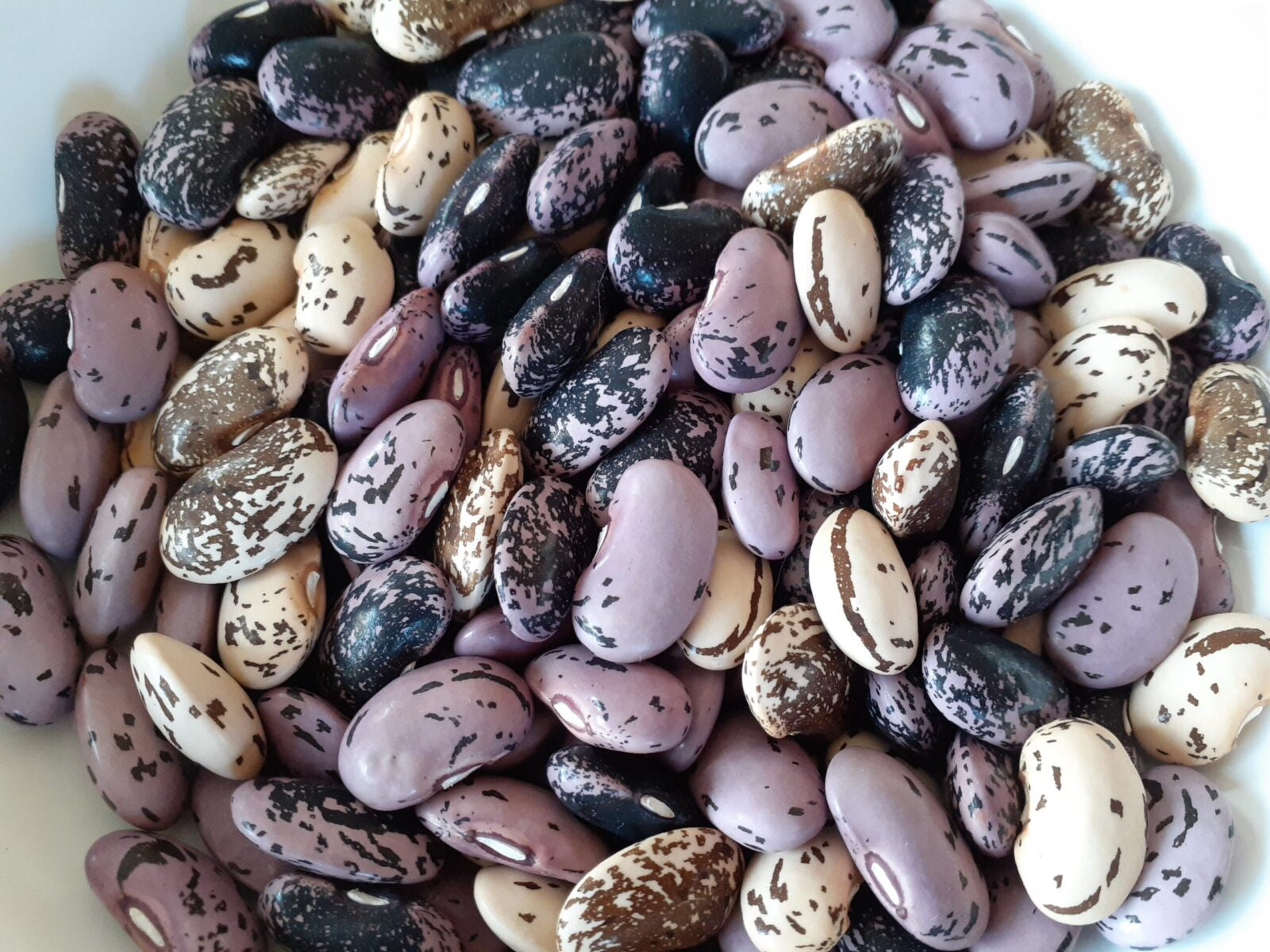
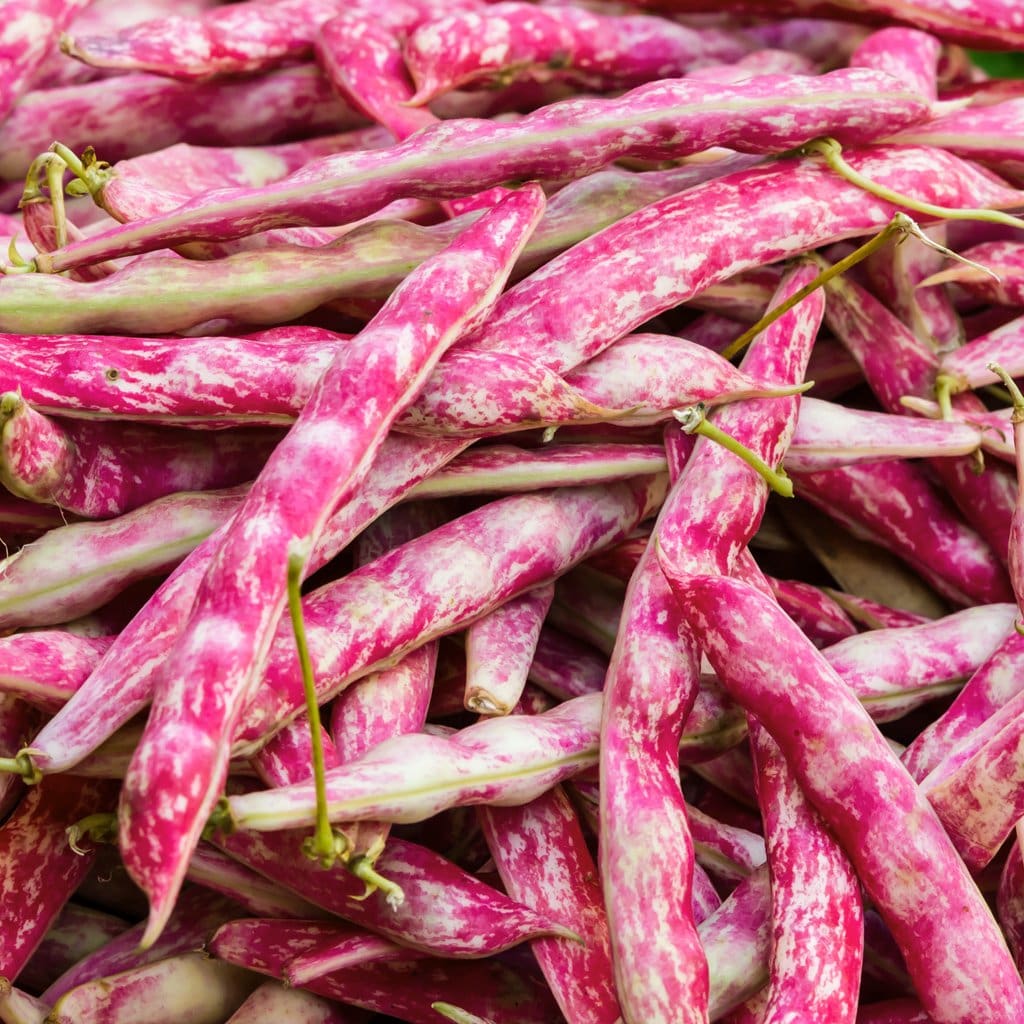
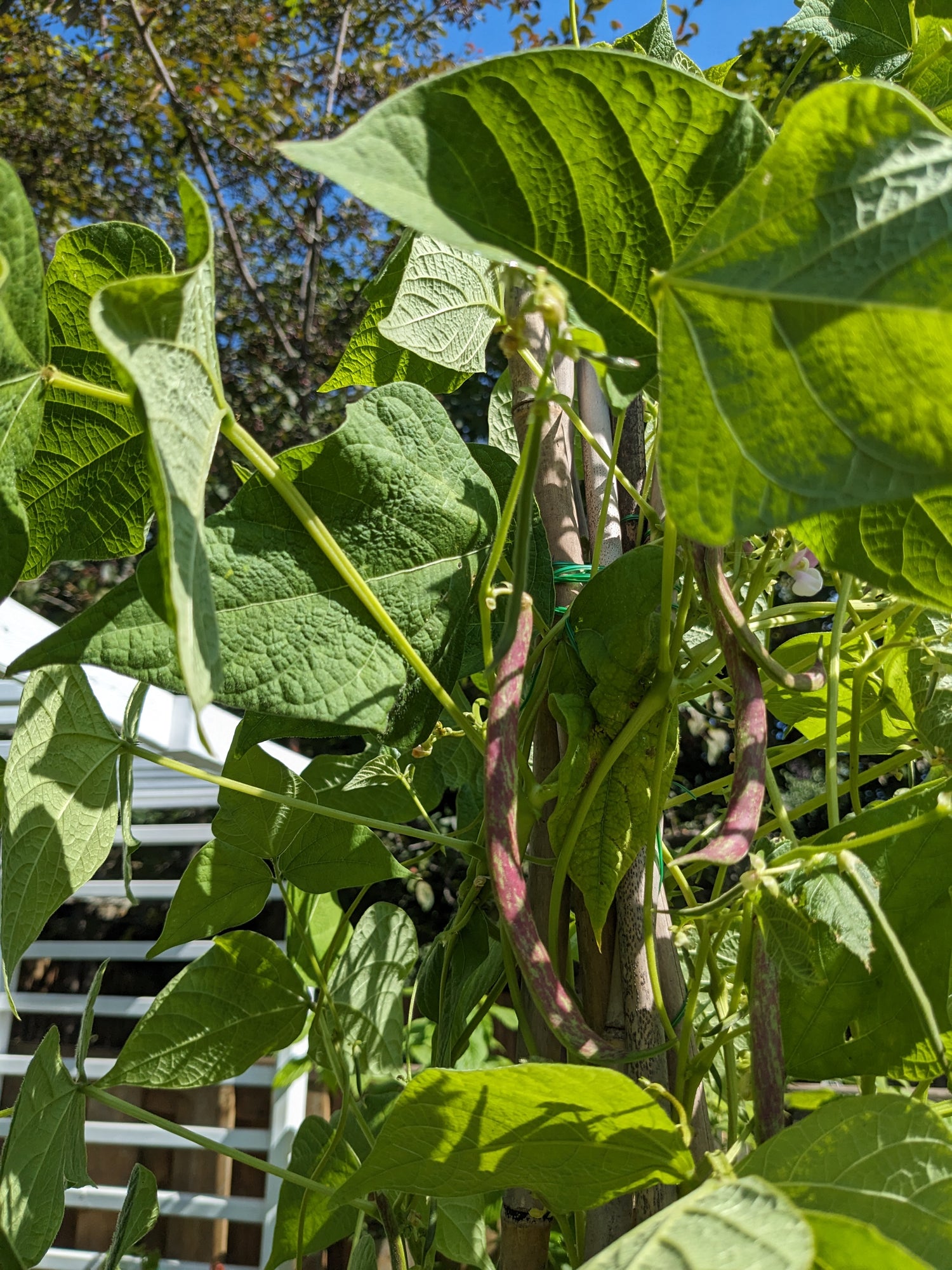
What I love most about Cranberry Beans is their versatility (and that the pods are pink!): harvest them fresh off the vine for immediate eating, freezing, dehydrating or canning. Leave them on the vine to dry, and the seeds store perfect in the pantry for adding to soups and stews.
These Cranberry Beans (also known as borlotti) are meaty and hearty, with a richer taste than their bush bean cousins. They are vigorous pole beans, growing over 8 ft. tall in my veggie garden last year! They literally went up my trellis, then hung over the top like Dr. Seuss hair.
Beans are an excellent source of protein, fibre, starch and vitamins A & C.
Type: Vegetable, Pole Bean
Height: 8 ft+
Light: full sun
Moisture: keep soil evenly moist, but not wet or seeds will rot
Planting: 1" deep, into warm soil. I plant dense, in a container 3-4" apart
Harvest: 75-90 days
$4 each or 3 for $10 (save $2!)
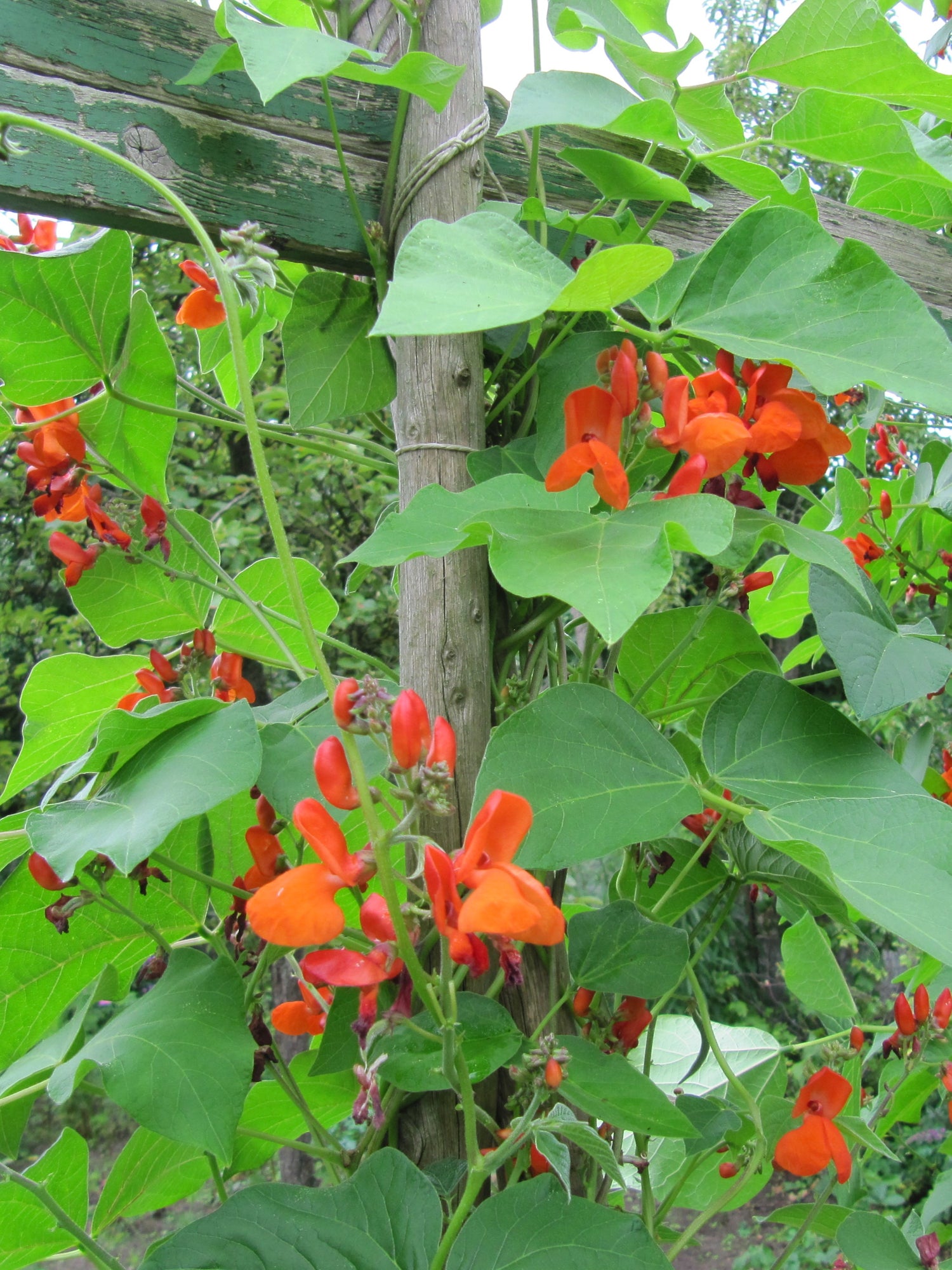
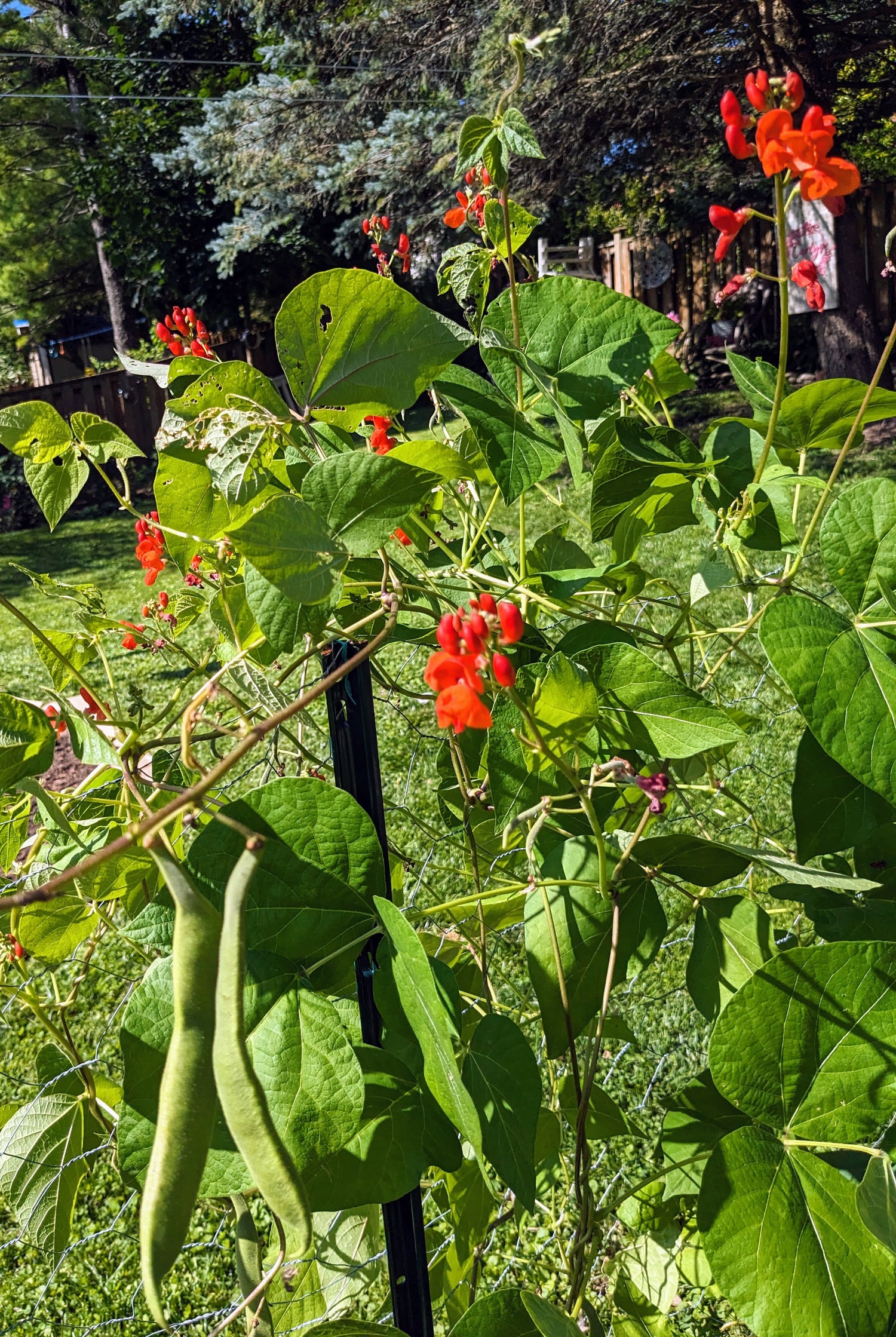
I've grown Scarlet Runner Beans for many years for a very specific purpose: the flowers are a magnet for hummingbirds! I plant them along the fence of my food garden enclosure, where I train them to wind horizontally - each seed produces a vine 10-15 ft. Ruby Throated Hummingbirds (the only type I've seen in my Zone 5 gardens) visit the scarlet flowers, then zoom to the fruit and veggie plants, herbs and native plants. It's a joy to see.
While usually grown for their splendid flowers, every part of this versatile veggie is edible! The starchy roots, young leaves and even the flowers can be eaten. (Check out the bright pink-light purple fresh seeds! So fun.) Runner beans must be thoroughly cooked before eating, as they contain traces of lectin (phytohaemagglutinin), which is toxic in large quantities. The beans are dense, with a thick texture, and slightly smoky flavour.
Dried beans store excellent in the pantry, and can be added to soups and stews after soaking.
To get the most flowers, pinch off forming pods; this sends a message to the plant to push out more buds.
Type: Vegetable
Height: 10-15ft.
Light: full sun
Soil: well draining, warm
Planting: Direct sow late spring-early summer, 1-2" deep into warm soil (too cold, and the seeds will rot), 3-4" apart.
Harvest: 75 days


The Bear Claw succulent is a plant with thick, fuzzy green leaves that have distinct, claw-like teeth along the edges, resembling bear paws. The plant is native to South Africa. The tips of the plants, under bright sunlight, can turn red!
Scientific Name: Cotyledon Tomentosa
Common Name: Bear Claw Succulent
Light: Bright, indirect light
Growth: 12-16 inches tall
Watering: Let dry between watering
Pet Safe: No
Care: Easy