









Sort by:
357 products
357 products

The Chinese Evergreen, also known as the Aglaonema, is a very easy plant to care for and they are a great choice for beginners!
This plant is native to the tropical and subtropical rainforests of Southeast Asia and New Guinea, where it grows in low-light, humid conditions.
Scientific Name: Aglaonema
Common Name: Chinese Evergreen
Growth: 2-3 feet
Light: Bright indirect light though it can withstand lowlight conditions
Watering: They need to be watered when the top layer of soil dries out.
Pet Safe: no
Care: Easy


Treat me right and I'll bloom twice a year for you. I come in a variety of colours. A Christmas Cactus is a popular, easy-to-care-for houseplant known for it's vibrant winter blooms. It is native to the shady, humid rainforests of Brazil.
Scientific Name: Schlumbergera
Common Name: Christmas Cactus, Holiday Cactus
Light: Bright, indirect light
Watering: When top two inches of soil is dry
Growth: Up to 2 feet in width
Pet Safe: Yes
Care: Easy
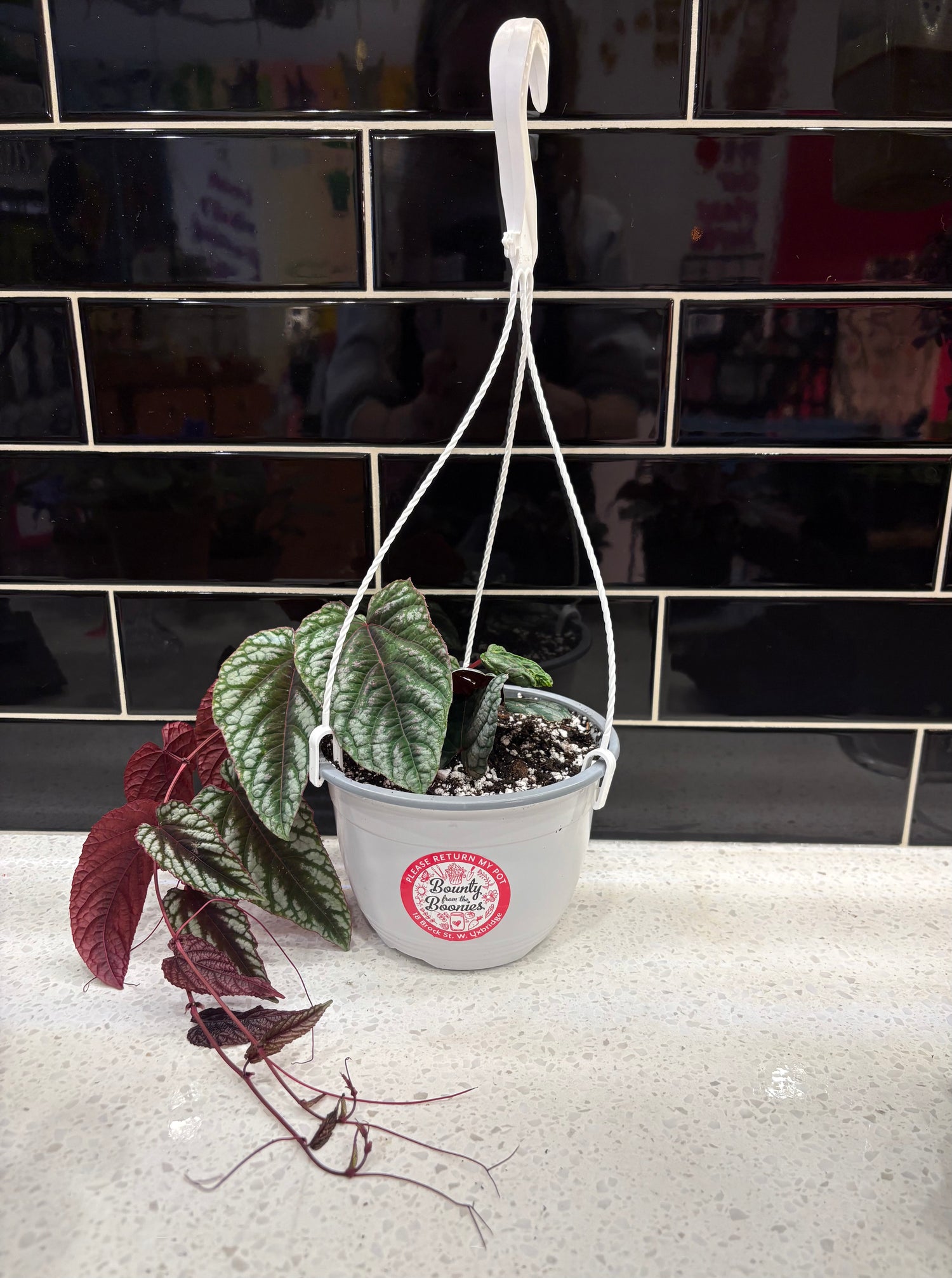
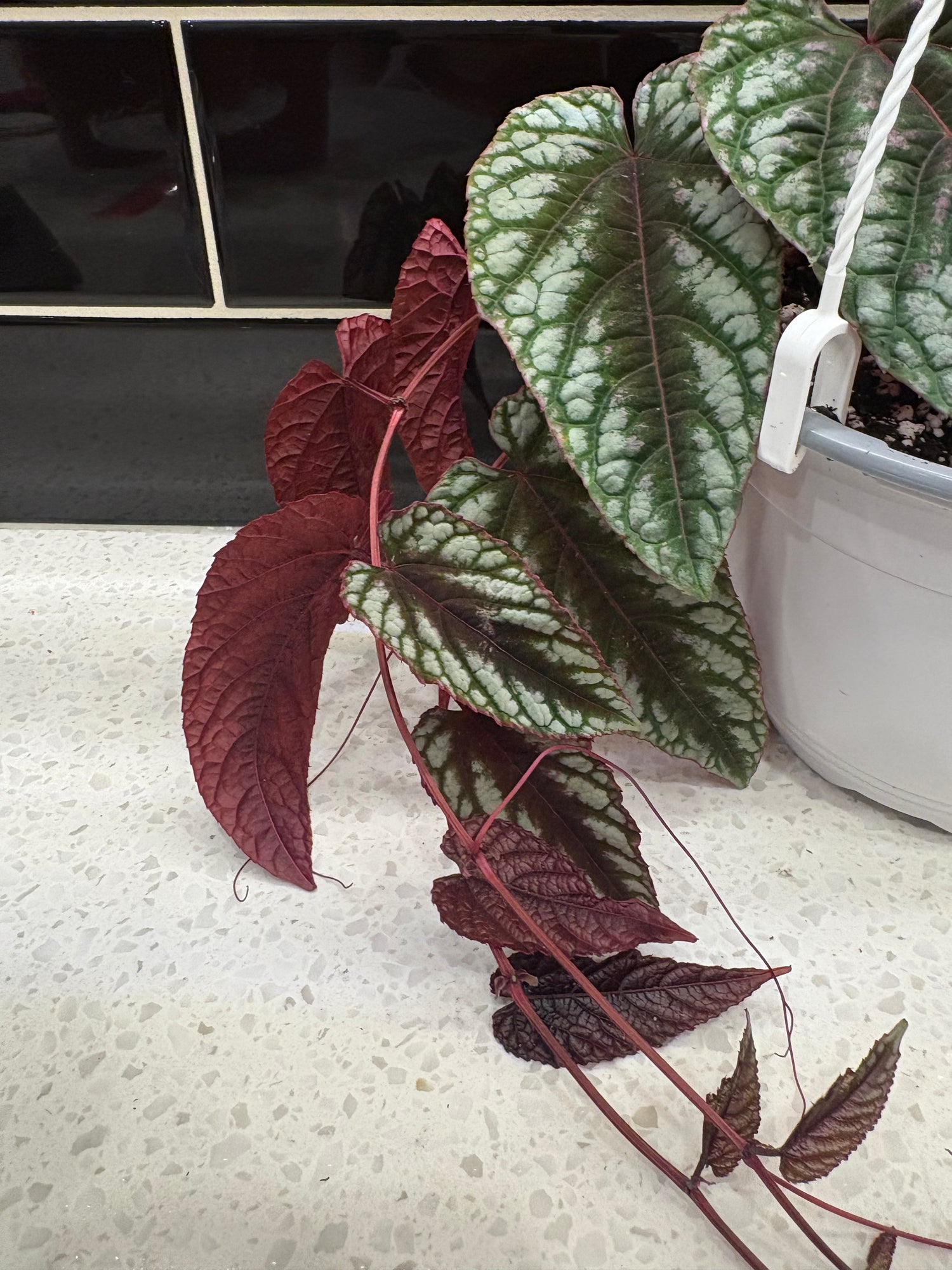
The Cissus Discolour, also known as the Rex Begonia vine is a tropical evergreen climbing plant known for its beautiful silver, green and purple foliage with a burgundy underside. It's actually a member of the grape family, not a begonia, funny enough. It is a great trailing plant and grows well with trellises. It originates from Southeast Asia.
Scientific Name: Cissus Discolour
Common Name: Rex begonia vine, tapestry vine
Light: Bright, Indirect Light
Watering: keep the soil consistently moist but not waterlogged
Growth: Can grow up to 20 feet long if not pruned
Pet Safe: No
Care: Intermediate


A lovely plant from Africa, perfect for a terrarium, it will spread out to create a pretty, green carpet
Scientific Name: Selaginella Kraussiana
Common Name: Club Moss or Spike moss
Growth: 12-18" wide, 2-4" tall
Light: Shaded
Watering: Loves humidity, keep evenly moist. But do not let it sit in water or it will start to rot.
Pet Safe: Yes


The Cobra Fern is best known for its wavy, undulated leaves that resemble a cobra's head. This is a low maintenance, air-purifying houseplant that thrives in low light and high humidity. This plant originates from Southeast Asia and Indonesia.
Scientific Name: Asplenium Nidus
Common Name: Cobra Fern
Light: Indirect/filtered sunlight
Watering: When top inch of soil is dry.
Growth: 12-18 inches tall
Pet Safe: Yes
Care: Easy


What are Clippings?
Clippings are pieces cut from existing mature plants. They are then placed in water and allowed to build roots. Some grow quickly while others take longer to propagate (grow roots). Once there are several new roots growing and they are at least 1" long it's time to plant. They are great for experimenting, trying new varieties or even adding to aquariums and water features.
Planting
When ready to plant you'll place your clipping in a pot with dirt. You'll want to make sure that the soil stays extra moist for several days to help it acclimatize to its new environment. Congratulations! You have a new plant baby.
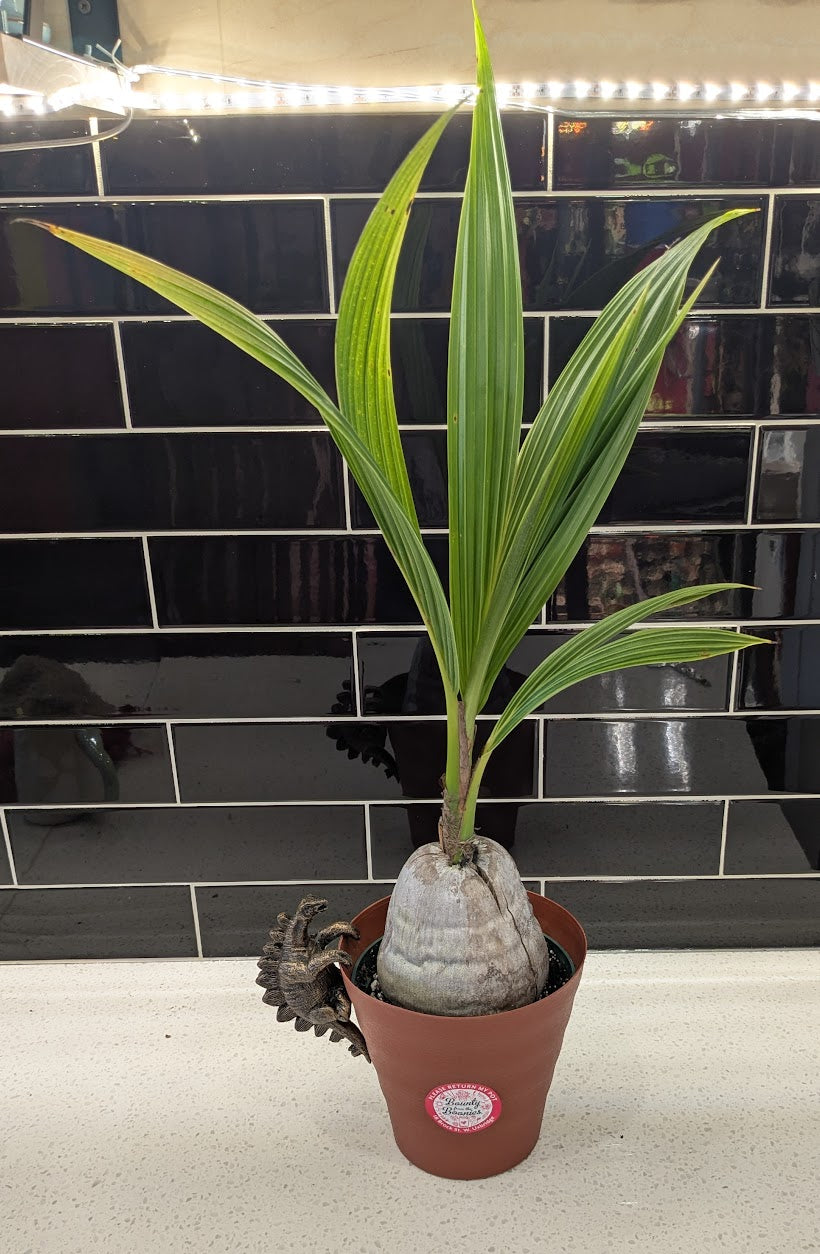
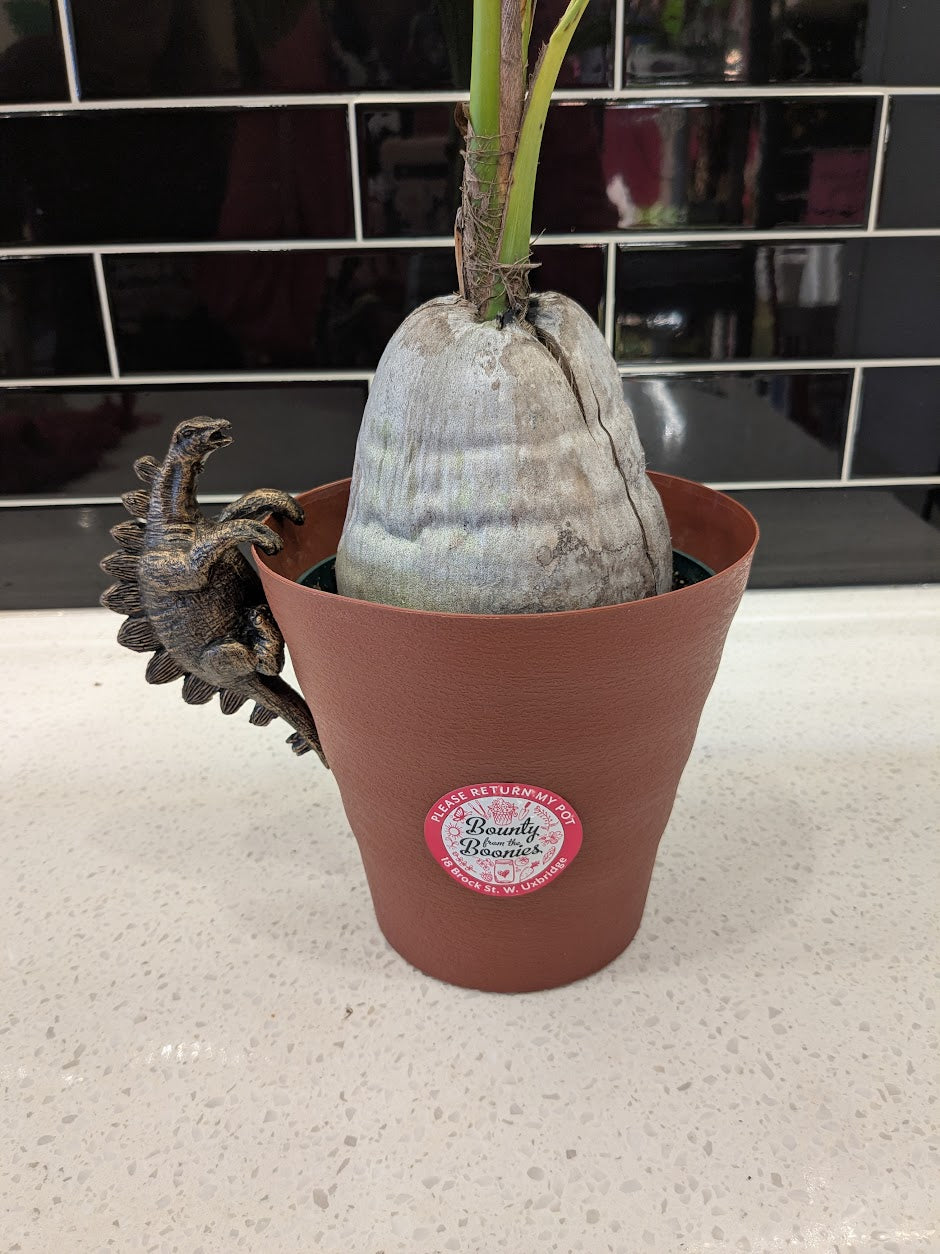
A curious palm sprouting straight from the coconut! This palm, while kept indoors, will not grow into a tall tree. Their growth depends on the size of their pot. Coconut palms that are grown indoors are also not likely not reach a size that allows it to bear fruit. As your palm grows, be sure to up the pot size to give the root system lots of room.
Scientific Name: Cocos Nucifera
Common Name: Coconut Palm
Light: Full sun for as many hours as possible. In the winter months, consider using a grow light to compensate for the shorter days.
Watering: Keep the soil consistently hydrated but not soggy. Fertilize regularly if possible.
Pet safe: Yes
Care: Easy


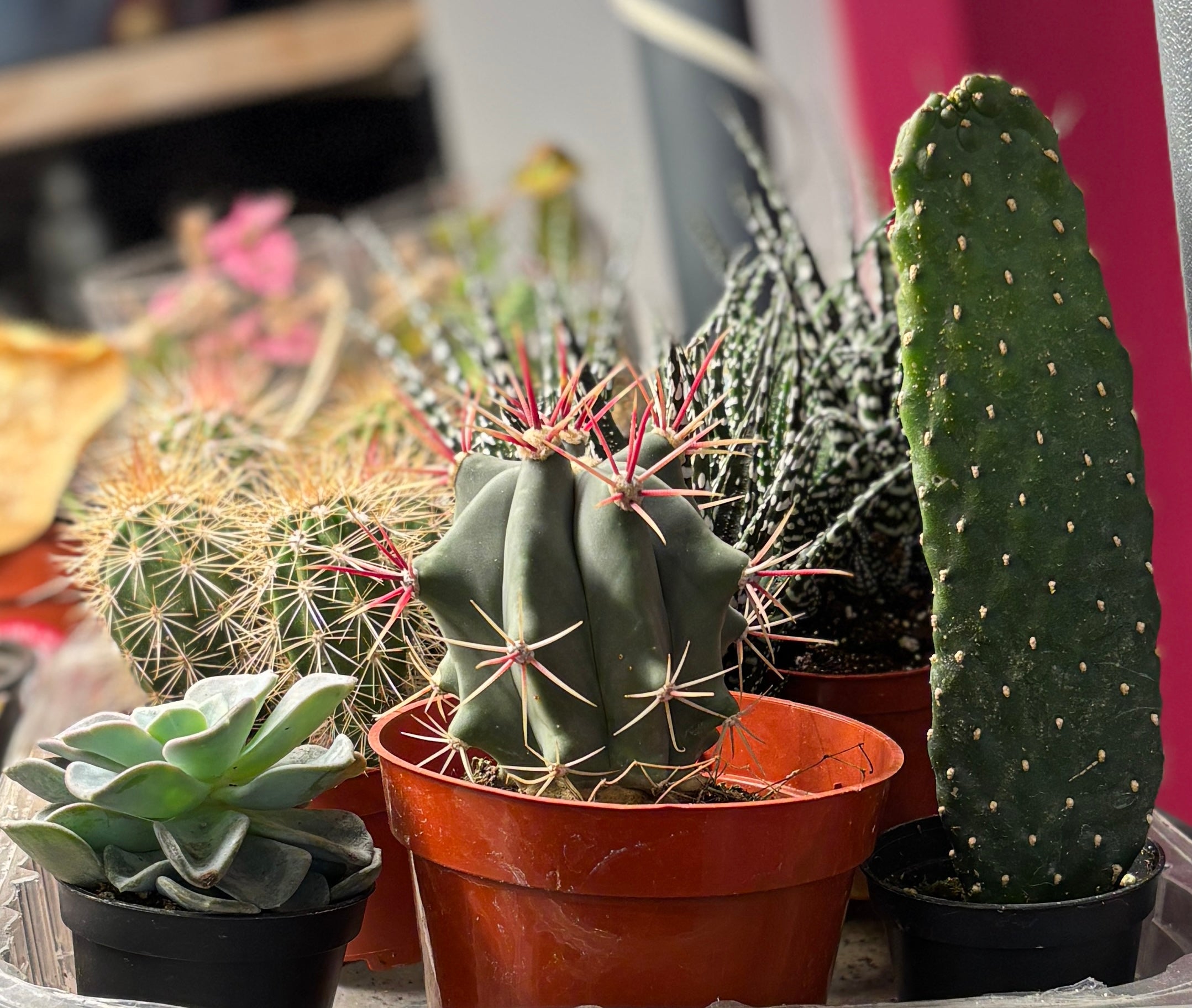
Cacti store water in their stems, which is why they are thrive in the desert. The spines on cacti are actually modified leaves. They help to protect the plant from animals and reduce water loss by shading the stem.
Scientific Name: Mammillaria Elongata
Common Name: Copper King
Growth: 6-8 inches
Light: Bright, Indirect sun
Watering: Let the soil dry out completely before watering
Pet Safe: Yes
Care: Easy
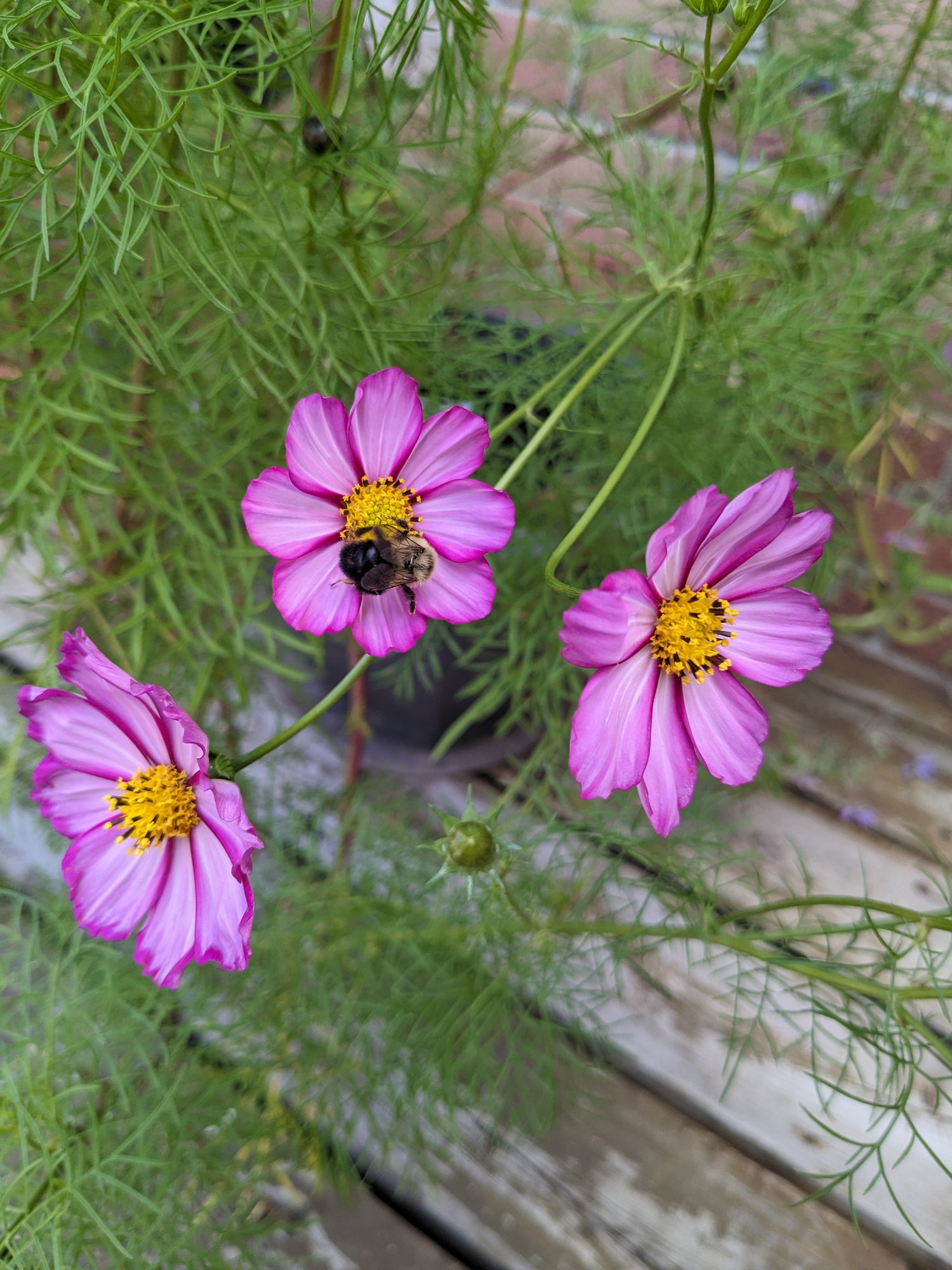
$4 each or 3 for $10 (save $2!)
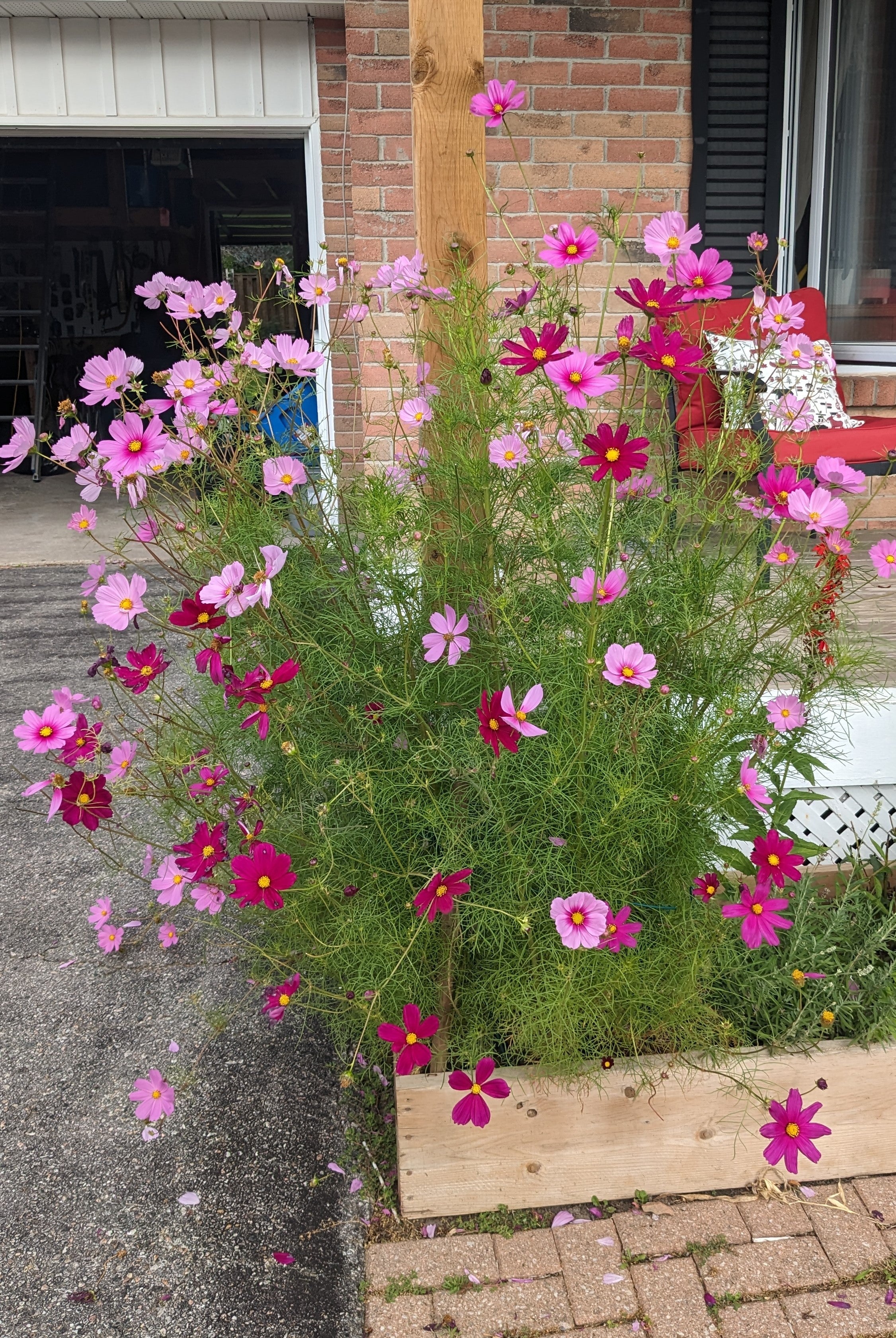
Uxbridge Township’s flower!
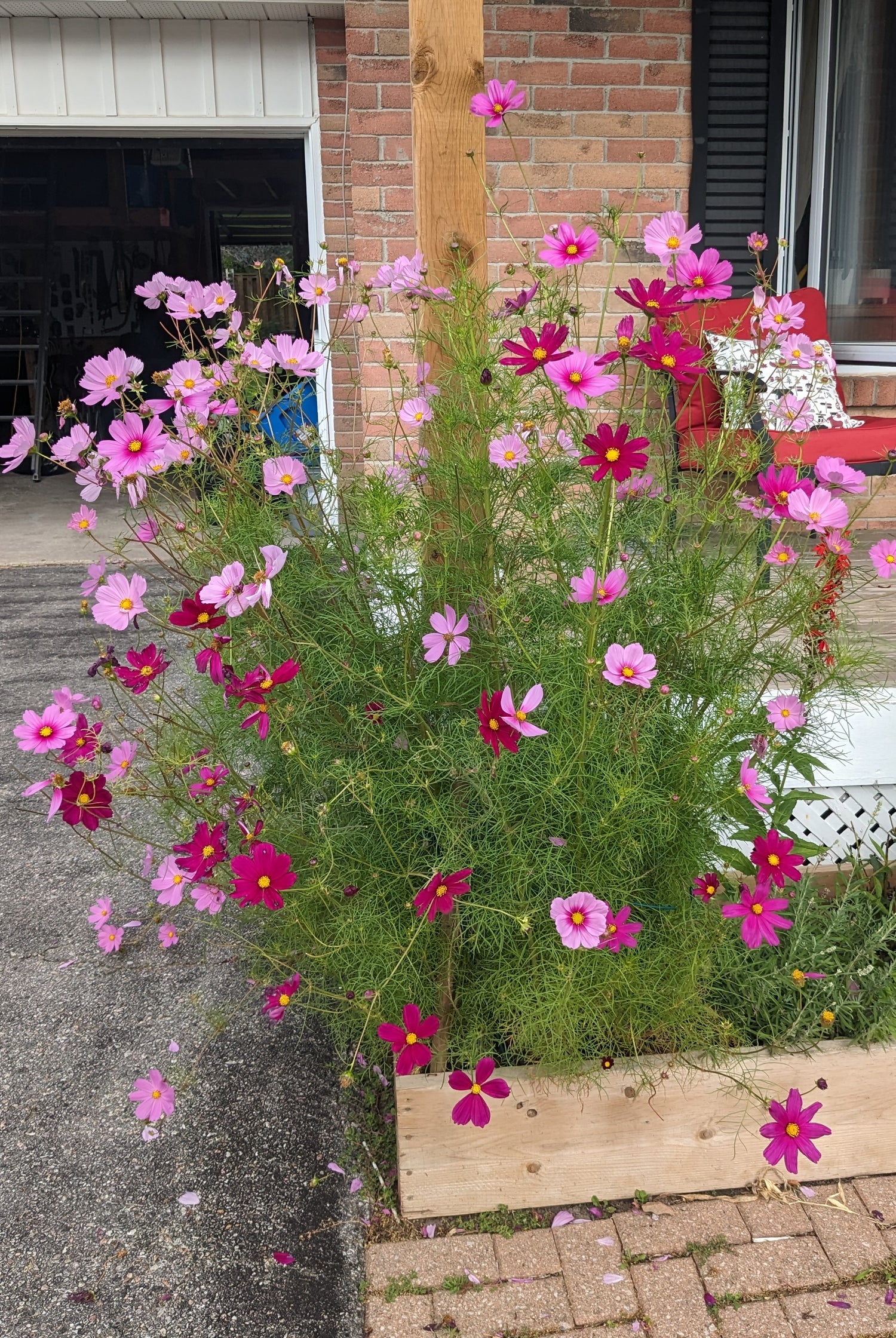
These delightful beauties in cheery pinks (my favourite colour!) are showstoppers in my full sun gardens.
Daisy-like blooms sit atop long, slender stems with feathery leaves, forming a cloud of colour. Once blooming, you’ll have non-stop flowers until a hard frost.
They crawl with bumblebees, hoverflies, sweat bees and ladybugs; I love sitting quiet and close to a patch of Cosmos, listening to soft buzzing and watching the action. Small birds such as goldfinches and chickadees eat seeds from the dried flower heads.
An excellent cut flower, lasting a week or more. East Gwillimbury Garden Club 3rd place winner in 2023, any other annuals category.
Open-pollinated
Heirloom
Type: annual, but reliably self-seeds and returns in my Zone 5b garden
Colour: pink shades, from pale to dark crimson, some variegated, yellow centres
Mix of single, double and fluted blooms
Height: 30-183 cm (1-6 ft)
Soil: well drained, drought tolerant
Light: full to partial (6+ hours/day)
Planting: direct sow lightly, no more than 1/4” deep, in warm soil after last frost. For earlier blooms, start seeds indoors 4 weeks before last frost, then transplant outside after hardening off (LINK: how to harden off seedlings)
Care: low maintenance. Deadhead regularly
Bloom time: early summer - hard frost
Carly’s Tip: Water soil first, let saturate, then plant seeds. This prevent seeds – especially light, delicate ones not deeply sown – from moving/washing away.


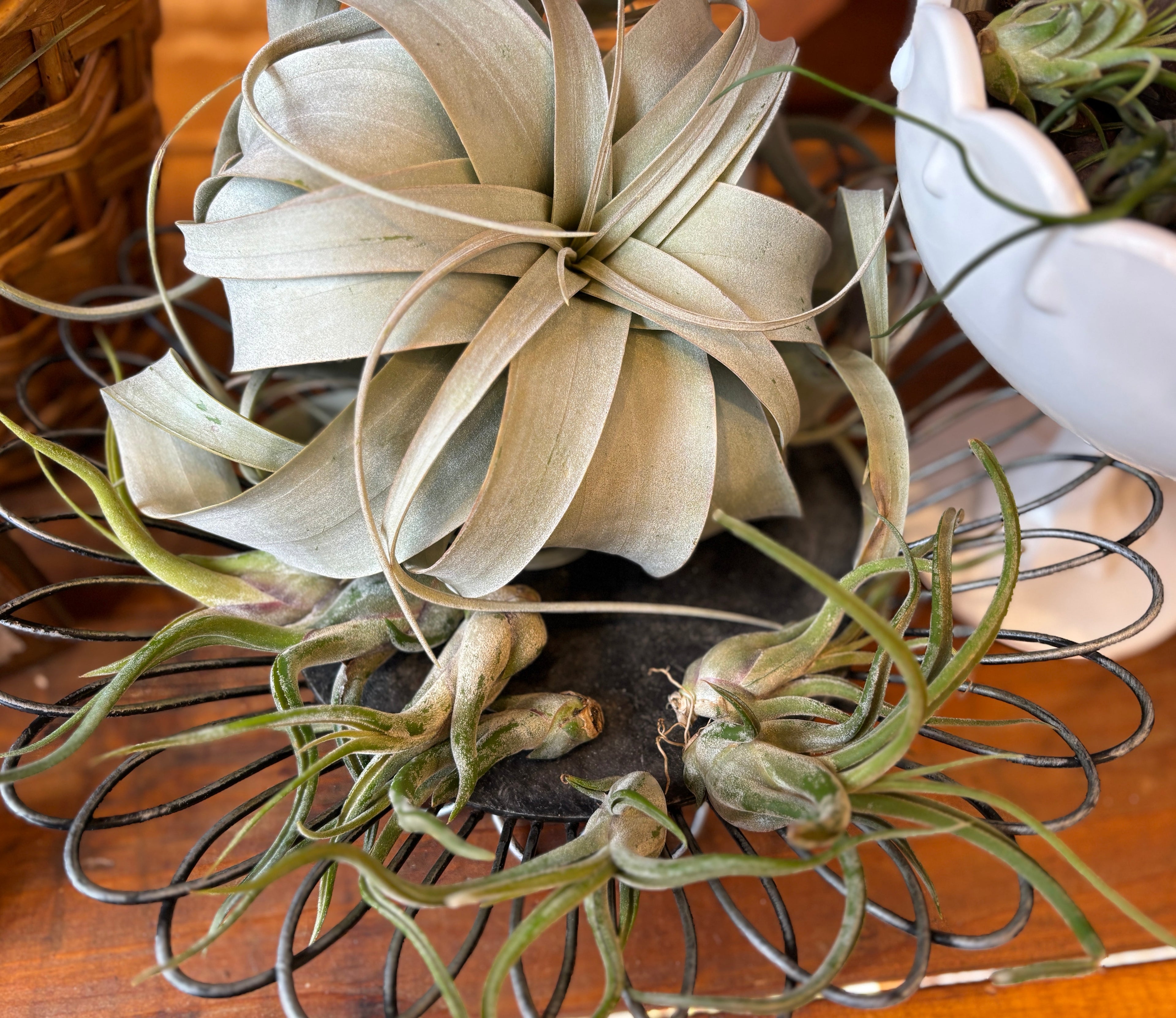
The lowest of care plants! A variety of shapes and sizes add dramatic flair to any living space.
Light: Bright, indirect light.
Watering: Soak in water once a week and let completely dry.
Care: Easy
Pet Safe: Yes
If purchasing online, the air plant may vary. You will receive the size purchased but exact look can vary.


The Crown of Thorns plant is a succulent native to Madagascar known for its spiny stems and colourful, long-lasting bracts that look like flowers. It's often associated with good luck and protection. These flowers will bloom all year round!
Scientific Name: Euphorbia Milii
Common Name: Crown of Thorns
Light: Bright indirect light
Watering: When top soil is dry, ensure good drainage.
Growth: Can grow up to 6 feet tall!
Pet Safe: No
Care: Easy

Known as a "prayer" plant because the leaves fold together in the evening like hands in prayer. In the morning they will open up again. This variety has lovely gold and cream variegation on the leaves.
Scientific Name: Ctenanthe lubbersiana golden mosaic
Common Name: Never never plant, bamburanta
Light: Bright Indirect light with some morning sunlight. East facing window is ideal but a north facing window is okay too.
Growth: 2-4' tall
Watering: Water when the top 1-2" of the soil is dry, then water well and let the water drain away.
Pet Safe: Yes
Care: Intermediate

A delightful novelty veggie in my food garden, Cucamelon - aka mouse melon - look like miniature watermelons! Hailing from Mexico and Central America, these distant cucumber cousins have a bright, refreshing taste with a citrus tang. They're totally unique and kids, especially, love them.
Cucamelons rarely make it in the house, as I snack on them while tending my gardens. But when they do, they're sliced in a salad or bring a small to a veggie platter. I preserve them like pickles, too. And just had a customer tell me they put them in cocktails!
Cucamelon vines need a structure to climb as they grow. My favourite way is to guide them along a tomato cage when growing in a container, but any sturdy trellis will work. Once flowers appear, start checking for fruit after a week.
$4 each or 3 for $10 (save $2!)
Type: annual fruit (although eaten as a veggie, like tomato)
Height: plant 1 ft tall, vines up to 10 ft.
Light: full sun
Moisture: well drained, rich warm soil - amend with compost before planting
Watering: Keep well watered. Vines will shrivel if they dry out.


$4 each or 3 for $10 (save $2!)
Cup plant is a very tall plant! But if you have the room, it is worth growing for it's statuesque presence in the garden. It will require staking.
Type: Perennial, native to Ontario
Height: 8 to 12'
Light: full sun to light shade.
Soil: sand to clay
Water: Cup plant likes it moister but if you want to control it's growth, place it in a dryer area. It won't grow quite so big and will self seed less.
Bloom time: Late July to September
Planting: Seeds need a 60 day period of cold, moist stratification - see options in photos, courtesy of Northern Wildflowers. * This website offers an excellent overview of this plant and how to grow it from seeds: Cup Plant – Silphium perfoliatum – Grow and Care Guide – GrowIt BuildIT
Wild life support: The flowers are adored by bees and the seed heads are a favourite of chipmunks and gold finches in the late summer, early fall. Where the leaves meet the stem, a cup like structure is formed, hence the name. This collects water from which insects and birds will drink- how charming!
Warning: The only drawback to Cup Plant is that it self seeds quite aggressively and you should remove seedling quickly in the spring to control the spread.


The Curly Locks Orchid Cactus is a slow growing cactus known for its bright green, twisting, ribbon-like stems. In the right conditions, it produces fragrant, white, night-blooming flowers that can be followed by edible, red fruit. This plant is native to Guatemala.
Scientific Name: Epiphyllum Guatemalense f. monstrosa
Common Name: Curly Locks Orchid Cactus
Light: Bright indirect light. Avoid full sun because they will get scorched
Watering: When top 1-2 inches are dry
Growth: 2-3 feet
Pet Safe: Yes, but still recommended to keep out of reach. Ingesting too much can get your pet sick.
Care: Easy
$4 each or 3 for $10 (save $2!)
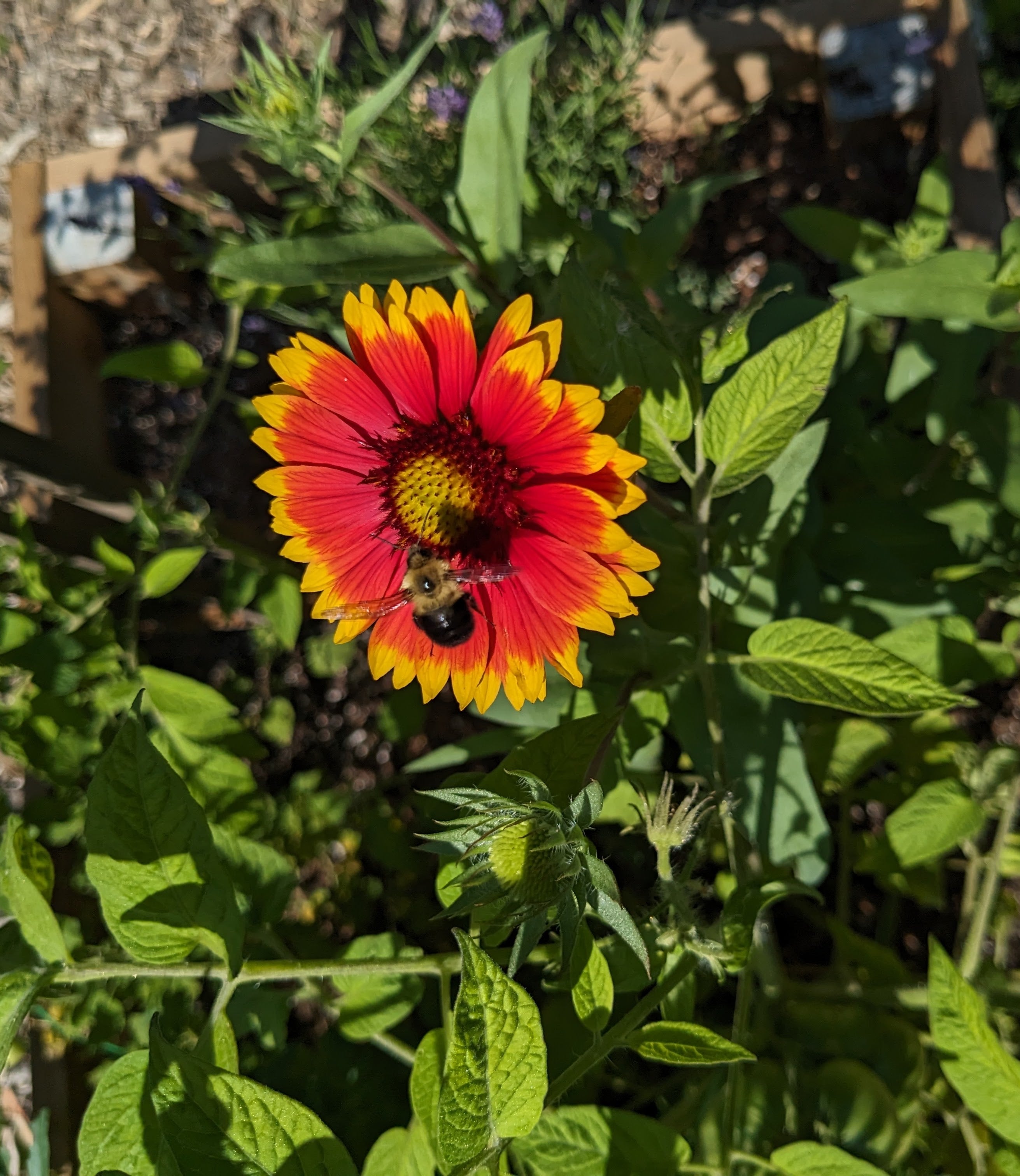
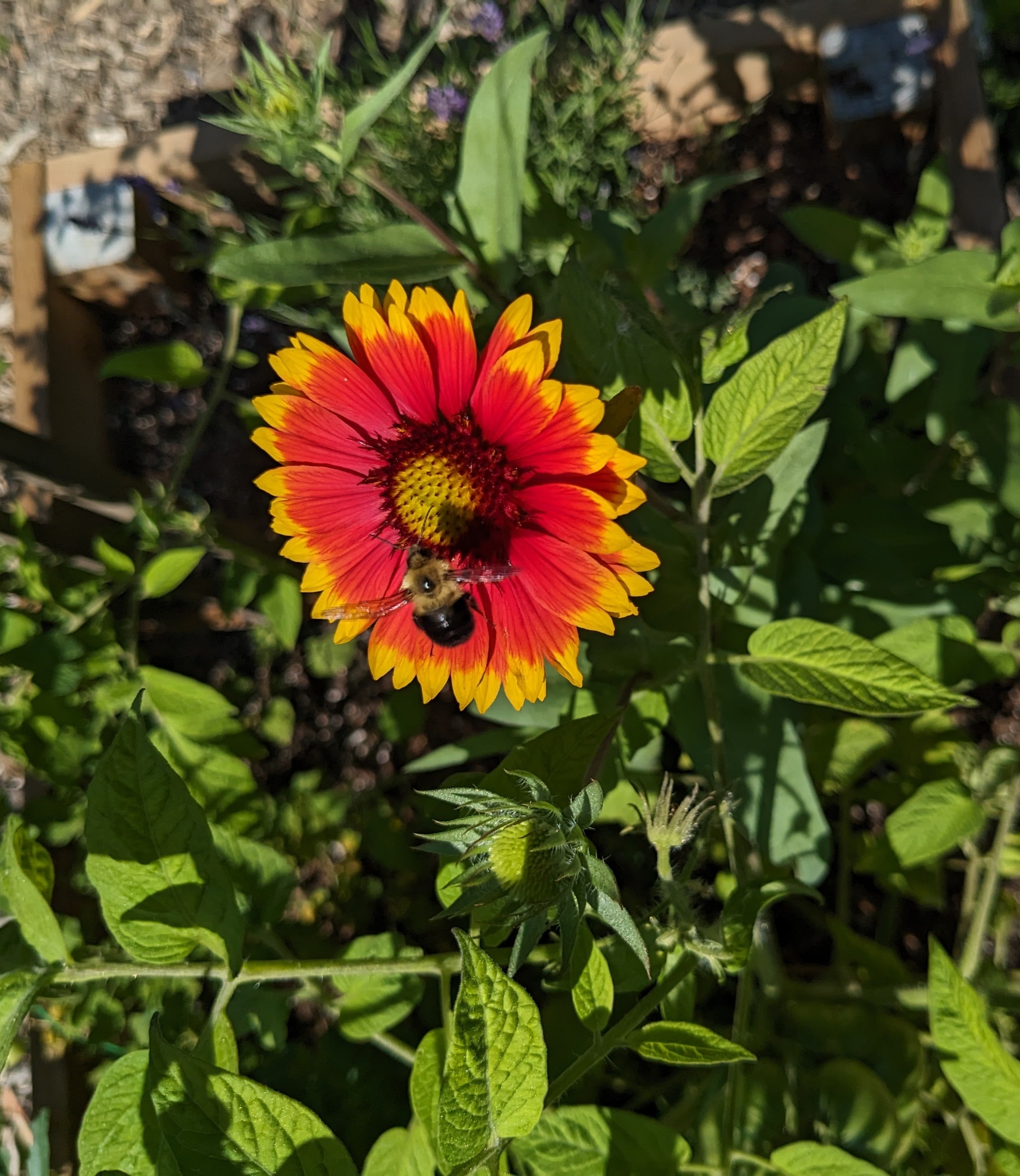
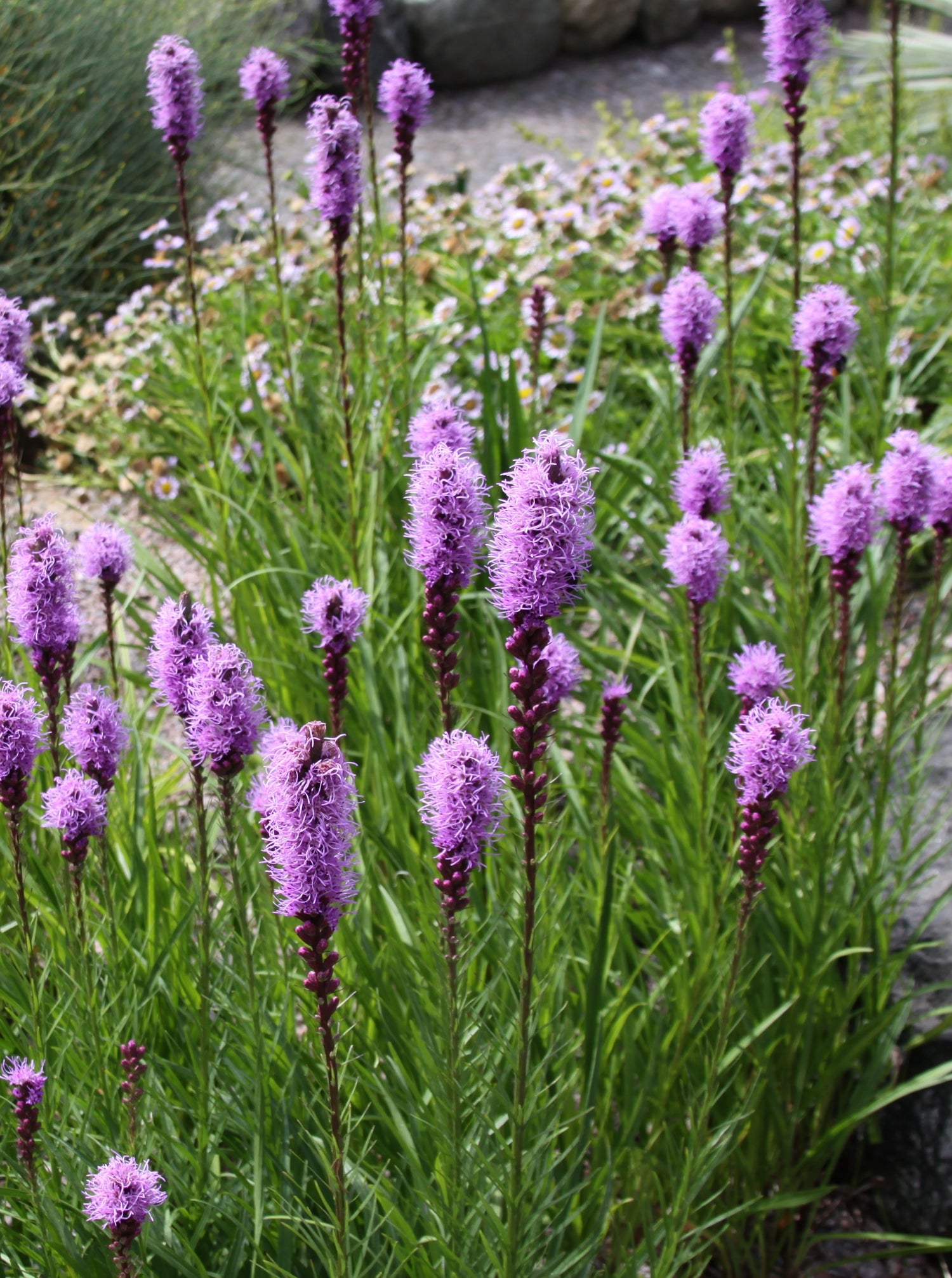
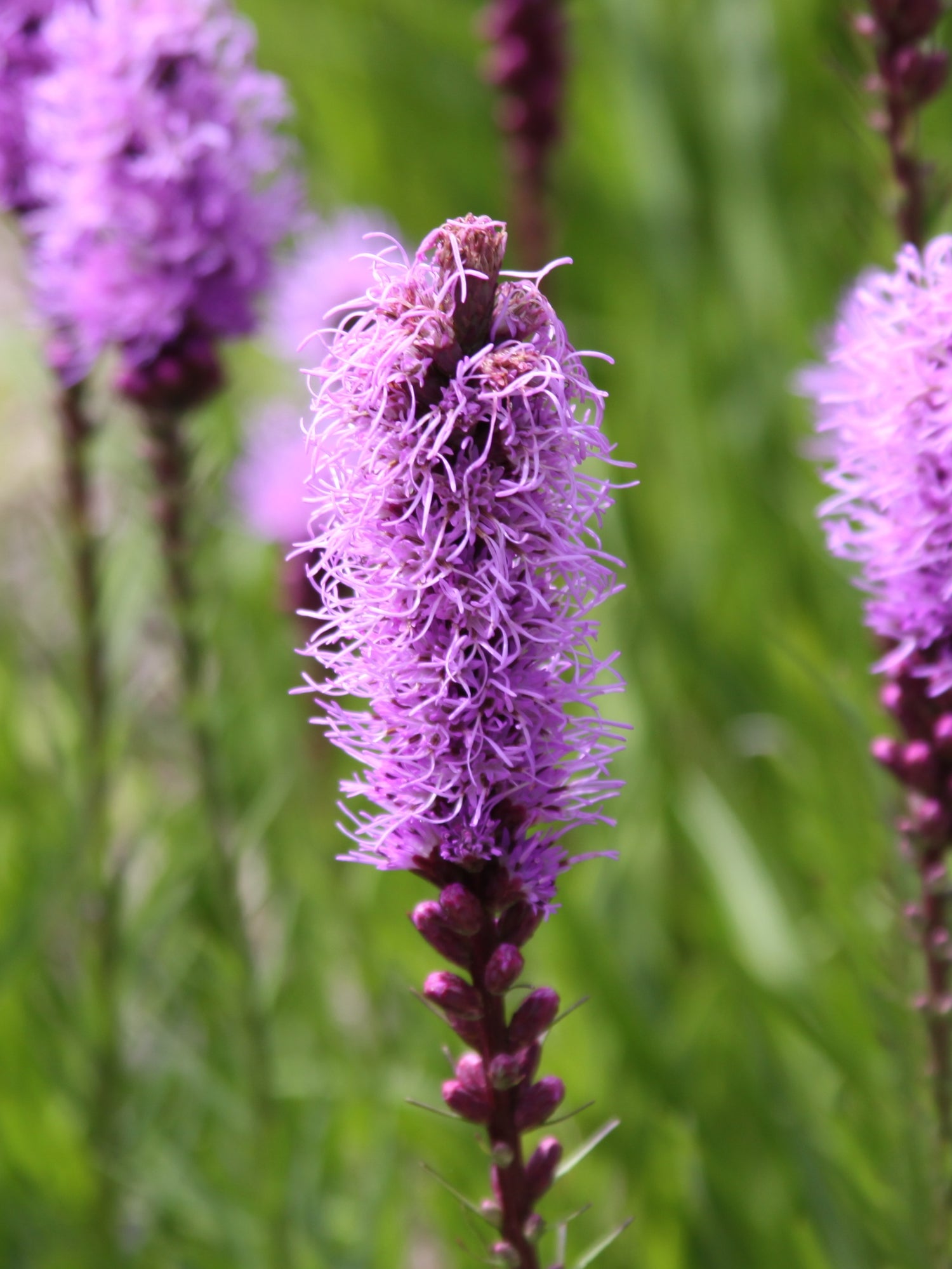
Butterflies, bees and hummingbirds love this plant's nectar, making Dense Blazing Star an excellent addition to pollinator gardens. Birds then eat the seeds through the winter.
I love the whimsical, long-lasting, bright, feathery pop of purples as it grows and flowers from the top down - truly unique. I grow it among White (dwarf) Lavender, Lance-Leaf Coreopsis, Spotted Bee Balm and Blanket Flower.
Type: Native Perennial
Height: 5 ft.
Light: full sun-part shade
Moisture: well draining, drought tolerant
Bloom time: July-late fall
Planting: Cold, moist stratification required - see options in photos, courtesy of Northern Wildflowers. Lightly cover (1/8" depth) with moist soil, and do not let seedlings dry out. OR direct sow in late fall to overwinter in the garden for blooms the following spring


Beautiful variegation resembling a camouflage pattern, make this Dieffenbachia a collector's dream.
Light: Bright, indirect- north or east facing window is ideal
Watering: Water once top 1-2" of soil feels dry. Dieffenbachia like to be hydrated but not soggy. Sitting in wet soil will cause the plant to rot.
Growth: 2-3' indoors
Pet Safe: No
Care: Easy

Scientific Name: Chlorophytum Comosum
Common Name: Spider Plant
Light: Bright, Indirect Light
Growth: 12-24 inches long
Watering: Water when top two inches of soil are dry
Pet Safe: Yes
Care: Easy
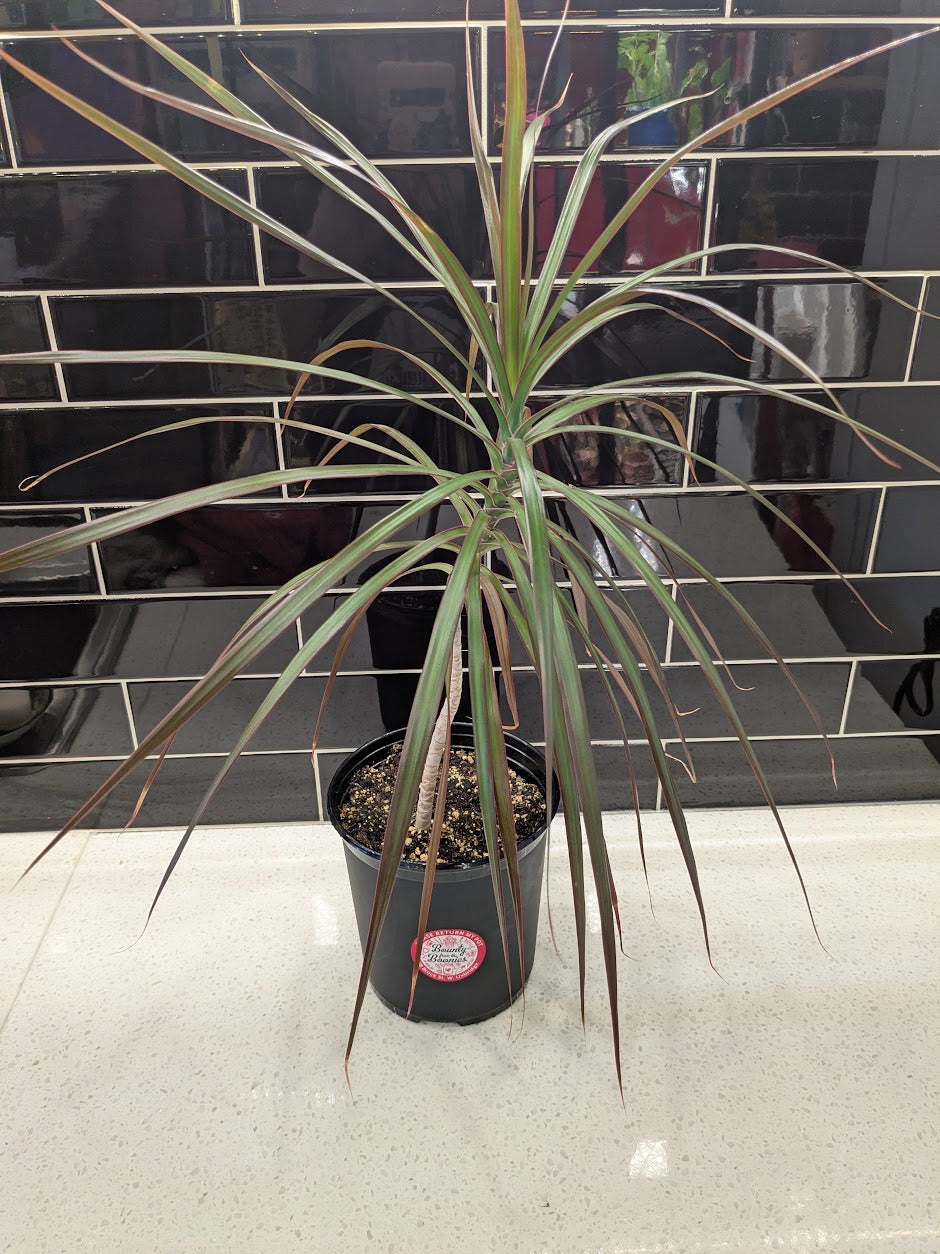
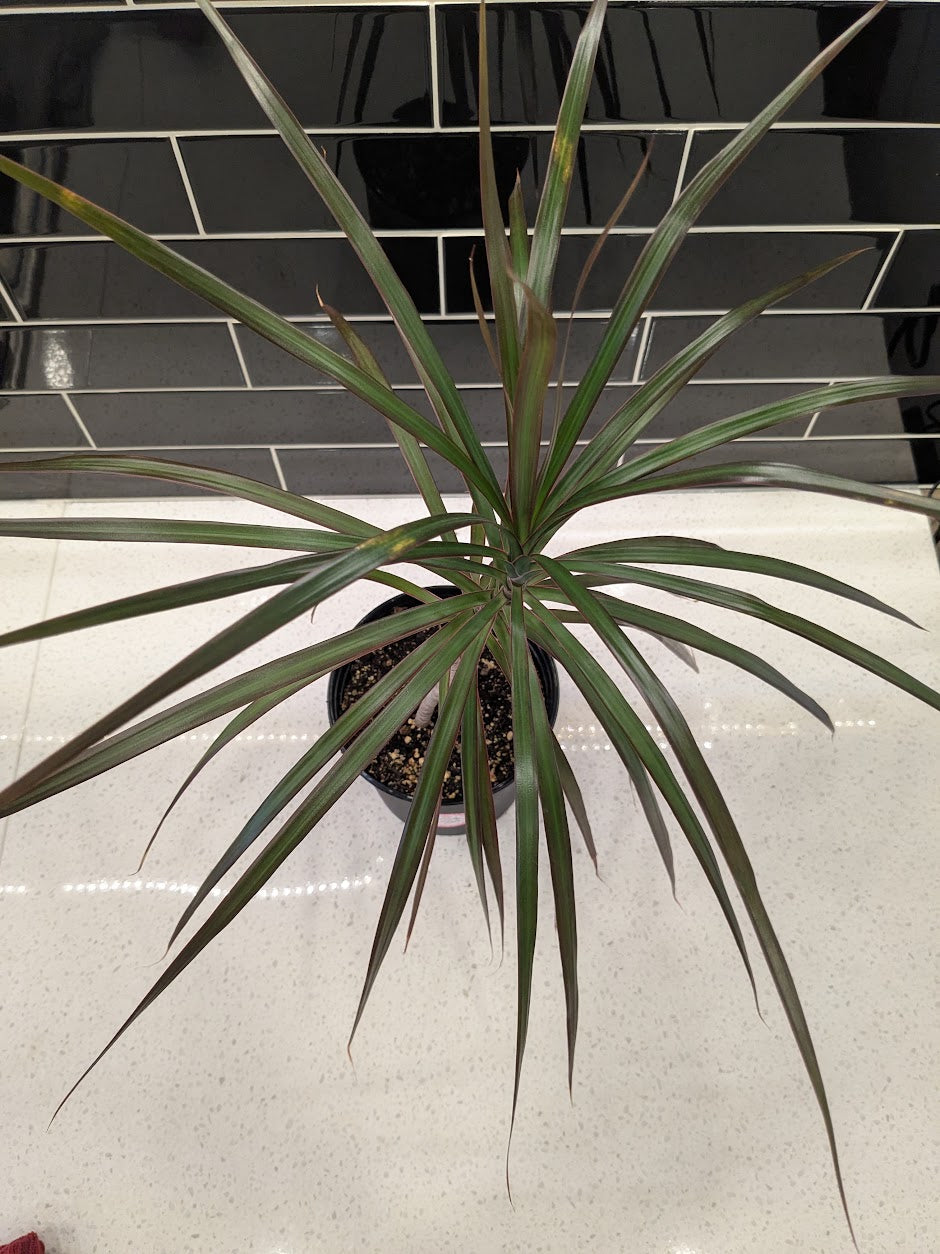
Looking like a palm tree gives this plant a tropical look! This variety has lovely pink edges to its leaves. This plant originates from tropical Madagascar and It can live for decades under the right conditions.
Scientific Name: Dracaena Marginata "Colorama"
Common Name: Dracaena Colorama/Dragon Tree
Light: Bright indirect light
Growth: 4-6 feet tall indoors
Watering: Keep evenly hydrated
Pet Safe: No
Care: Easy


This Euphorbia is found in the tropical areas of Asia.
Scientific Name: Euphorbia Lactea
Common Name: Dragon Bones Tree
Growth: In the wild, this plant grows into a large shrub. In your house it will grow very slowly, up to 1 foot height and width.
Light: Bright. Ideally, place near a south or west-facing window that receives a few hours of direct sunlight per day.
Watering: Water more during the spring and summer, reducing the amount in the fall and giving very little during the winter. ALWAYS allow your cactus to dry out completely between waterings.
Pet Safe: No, milky sap is toxic
Care: Fairly easy