
Sort by:
621 products
621 products
Dark crimson plumes along with large burgundy leaves make passersby stop in their tracks when they see Amaranth Velvet Curtains growing in our gardens. This Dr. Seuss-like plant is a must-grow for late summer and fall bouquets along with sunflowers and asters.
Easy to grow, full sun, well draining soil, can grow up to 4 ft tall! Dries wonderfully, too.
$4 each or 3 for $10 (save $2!)
Type: Annual flower
Height: 48-60 inches tall
Light: full sun
Soil: average
Water: keep evenly watered
Bloom time: mid to late summer
Planting: Give plants lots of space in the garden to grow! Will need support.
With piles of upright plumes in warm tones of orange and umber, Amaranth Hot Biscuits is a show-stopping cut flower we grow every season. It's a gorgeous backdrop in the garden that help create stunning late summer and fall bouquets along with sunflowers and asters.
It dries beautifully, too!
Full sun, well draining soil. Can grow up to 4 feet tall! But produce much smaller blooms when planted close together.
$4 each or 3 for $10 (save $2!)
Type: Annual flower
Height: 42-48 inches tall
Light: full sun
Soil: average
Water: keep evenly watered
Bloom time: mid to late summer
Planting: Give plants lots of space in the garden to grow! Will need support.
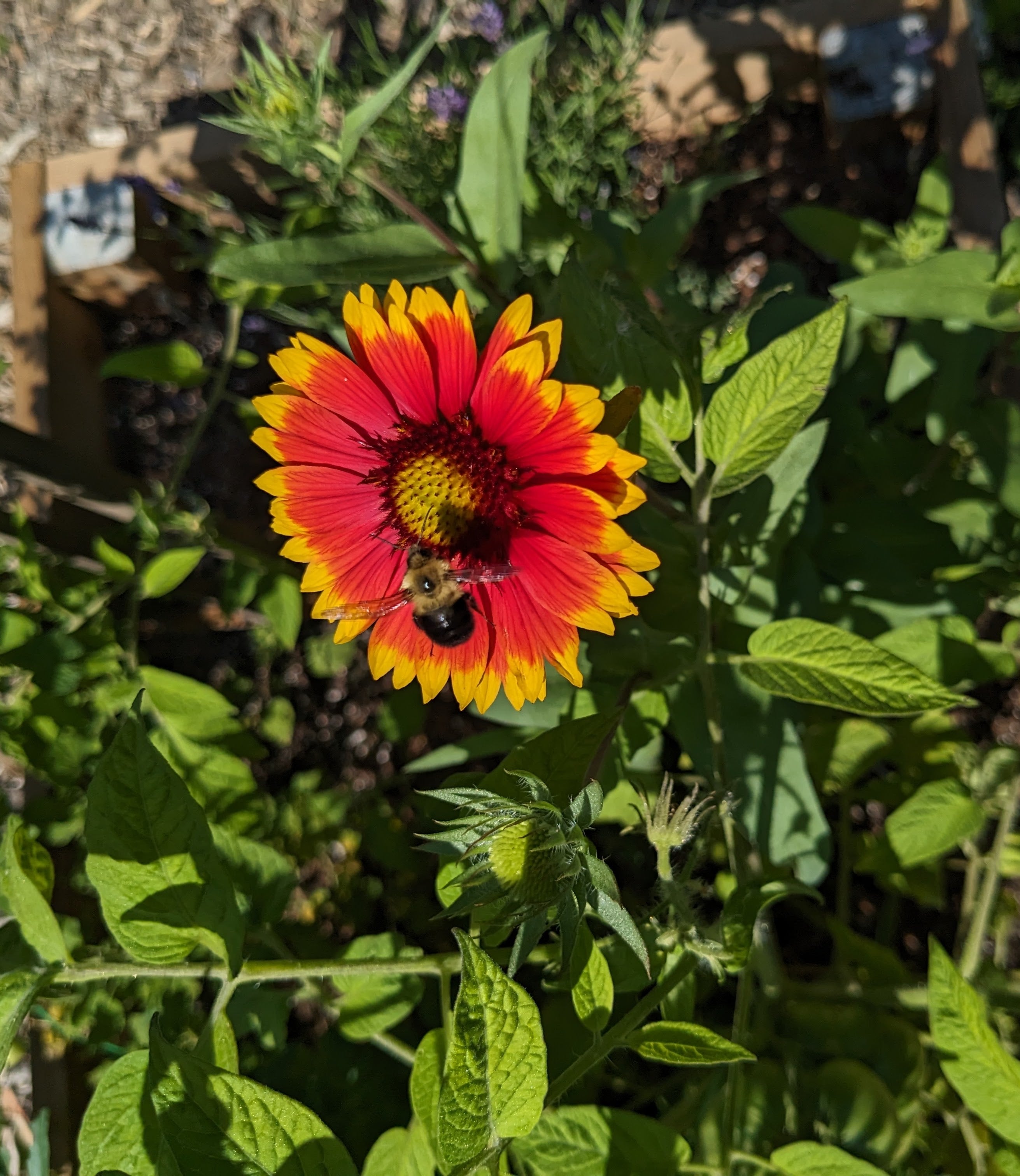
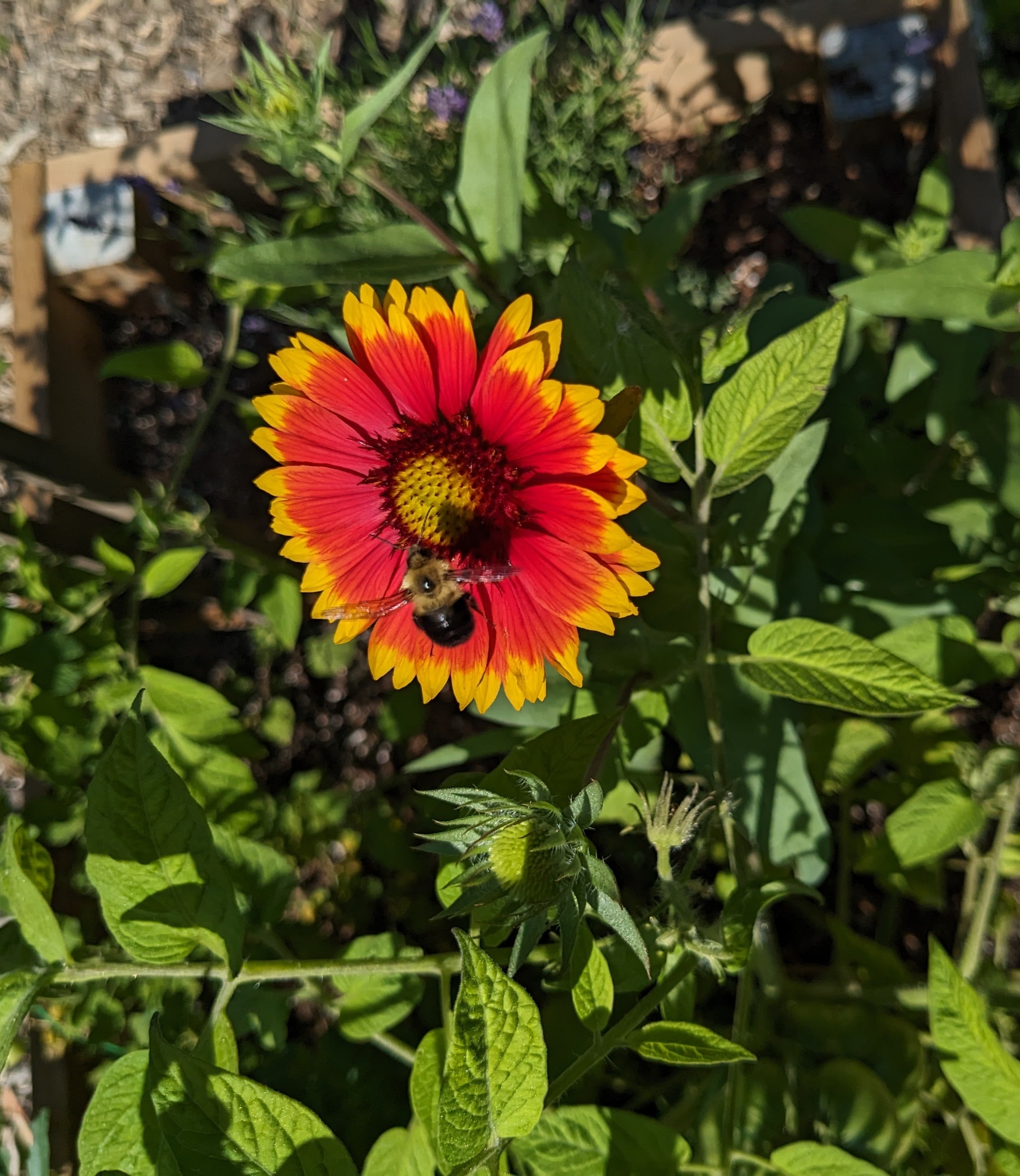
These gorgeous flowers absolutely pop in the garden, producing non-stop blooms from early summer-hard frost. They crawl with bumblebees, especially through the fall - non only for food, but as a soft sleeping bed in the cooling temperatures.
Blanket Flower need full sun and love the heat. I have them all over my property, in every type of soil - once established, they are happy as long as there's sun. Deadheading will keep the flowers prolific. A beautiful cut flower, tucked among amaranth, white phlox and sunflowers in a late summer bouquet.
Type: native perennial flower
Height: 2-3 ft.
Light: full sun
Moisture: drought tolerant
$4 each or 3 for $10 (save $2!)
Crush the leaves to release the amazing scent of this plant! The leaves can be used to flavour cooked dishes and drinks. It is also a great pollinator attractor, so plant it with your veggies.
As it is a member of the mint family (= red flag= exuberant growth) it is best planted in a container.
$4 each or 3 for $10 (save $2!)
Type: Perennial herb (short lived- 3-4 years)
Height: 20"
Light: Full sun to very light shade- sun= more flavour
Soil: rich, free draining soil. Water well and frequently until established.
Planting: Space them 8-12 inches apart to give them room to grow nice and bushy. Harden off* before planting outdoors.
* Hardening off refers to the process of gently and gradually acclimatizing indoor grown seedlings to the great outdoors! Don't throw your new babies straight into the elements! Over the course of a week, take them outside for a few hours at a time, bringing them back indoors afterwards. First sit them in the shade and then slowly introduce them to the sun. Increase the length of time they are outside and are exposed to the sun, until you feel they are ready to face the big outside world!
Harvest/ Care: Pinch off leaves and use. Lemon Balm can be cut back and will regrow.
Spearmint is so refreshing in a glass of water or lemonade or even a cocktail. As this plant is in the mint family, read "IT WANTS TO TAKE OVER THE WORLD", it should be planted in a container.
$4 each or 3 for $10 (save $2!)
Type: Perennial herb
Height: 12-24"
Light: Full sun to light shade
Soil: Any type of soil
Planting: Plant out after danger of frost. Harden off* before planting outdoors.
* Hardening off refers to the process of gently and gradually acclimatizing indoor grown seedlings to the great outdoors! Don't throw your new babies straight into the elements! Over the course of a week, take them outside for a few hours at a time, bringing them back indoors afterwards. First sit them in the shade and then slowly introduce them to the sun. Increase the length of time they are outside and are exposed to the sun, until you feel they are ready to face the big outside world!
Harvest/ Care: Pinch off leaves and use. Lemon Balm can be cut back and will regrow.
A must have herb planted with your tomatoes so you have all the making for pesto and bruschetta growing in your garden! Also good companion plant with tomatoes to keep pests at bay.
$4 each or 3 for $10 (save $2!)
Type: Annual Herb
Height: 12-24"
Light: Full sun to light shade
Soil: Rich, moist, well drained. Amend with compost
Watering: Keep well watered. Basil is not a drought tolerant plant.
Planting: Space them 8-12 inches apart to give them room to grow nice and bushy. Harden off* before planting outdoors.
* Hardening off refers to the process of gently and gradually acclimatizing indoor grown seedlings to the great outdoors! Don't throw your new babies straight into the elements! Over the course of a week, take them outside for a few hours at a time, bringing them back indoors afterwards. First sit them in the shade and then slowly introduce them to the sun. Increase the length of time they are outside and are exposed to the sun, until you feel they are ready to face the big outside world!
Harvest/ Care: Pinch out flowers and harvest outside and top leaves regularly to keep the plant bushy.
This architectural plant is absolutely stunning at all stages, from the moment it pokes its feathery head out in the spring to the yellow-tipped flower umbels in the fall.
We grow Bronze Fennel in our food garden for the delicious anise-tasting leaves and seeds, but also as an incredible pollinator magnet that increases biodiversity. It's a host plant for several swallowtail butterfly species, including Anise Swallowtail and Eastern Black Swallowtail, while its nectar is an important food source for many types of bees and wasps. We've also spotted Ruby Throated Hummingbirds paying a visit!
The leaves of Bronze Fennel are delicious fresh in salads, and can be dried for seasoning. All parts of the plant, including the seeds, make a delicious and soothing tea.
NOTE: This a perennial plant with roots, not the bulb-forming fennel veggie you may be more familiar with.
$4 each or 3 for $10 (save $2!)
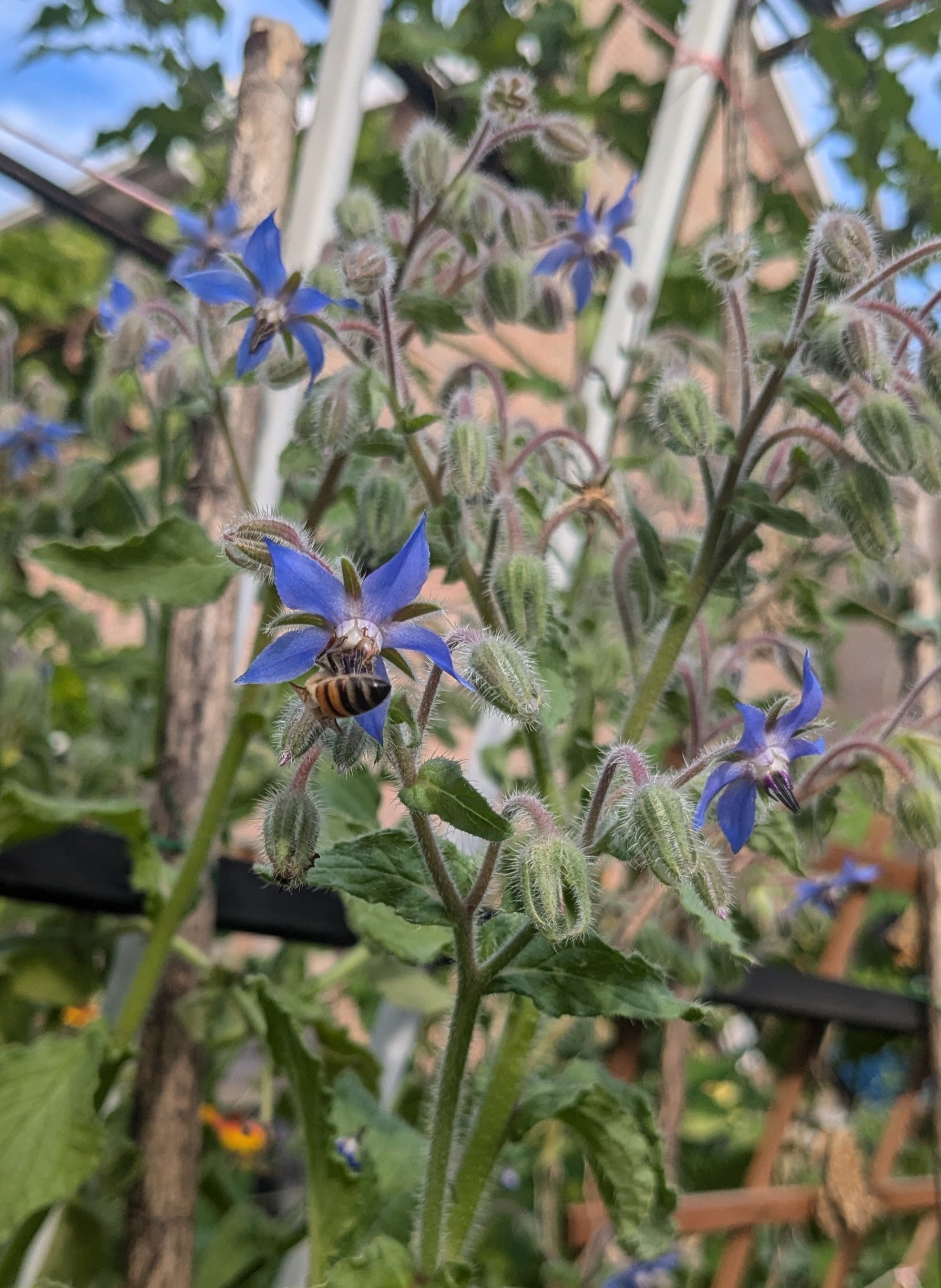
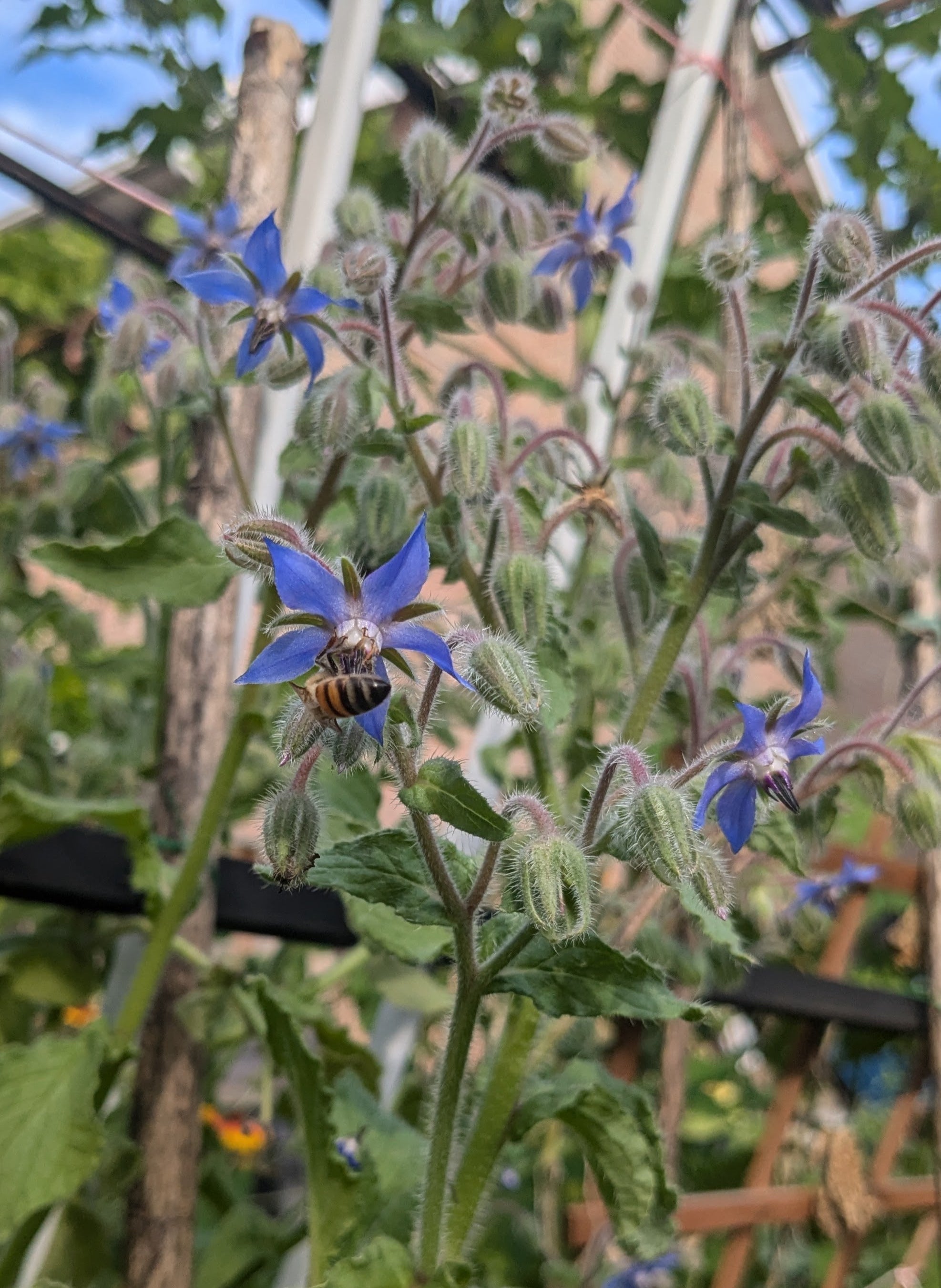
I will never have a food garden without Borage. This stunning herb has unique blue-purple star-shaped flowers that pollinators - especially bumble bees - absolutely crawl over all season long.
Every part of this plant is edible! It has a mild, cucumber-like taste that's delicious in salads and beverage garnishes. I dry the flower heads for bath salts, soap making + crafts, and when frozen in ice cubes, Borage makes a whimsical addition to drinks.
$4 each or 3 for $10 (save $2!)
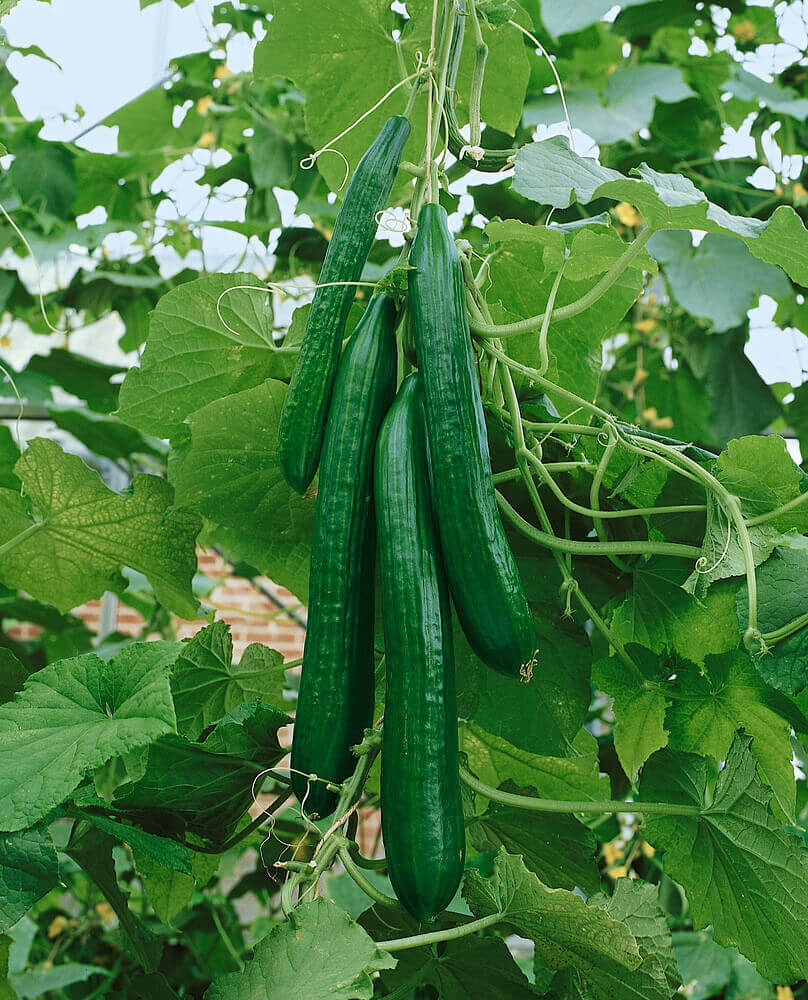
This variety of cucumber is the closest we've found to a traditional English cuke from the grocery store. Long, slender, thin-skinned fruits with fewer seeds than regular home-grown cukes, especially when picked early.
Requires a trellis + full sun. Harvest regularly to encourage more flowers to form.
$4 each or 3 for $10 (save $2!)
A delightful novelty veggie in my food garden, Cucamelon - aka mouse melon - look like miniature watermelons! Hailing from Mexico and Central America, these distant cucumber cousins have a bright, refreshing taste with a citrus tang. They're totally unique and kids, especially, love them.
Cucamelons rarely make it in the house, as I snack on them while tending my gardens. But when they do, they're sliced in a salad or bring a small to a veggie platter. I preserve them like pickles, too. And just had a customer tell me they put them in cocktails!
Cucamelon vines need a structure to climb as they grow. My favourite way is to guide them along a tomato cage when growing in a container, but any sturdy trellis will work. Once flowers appear, start checking for fruit after a week.
$4 each or 3 for $10 (save $2!)
Type: annual fruit (although eaten as a veggie, like tomato)
Height: plant 1 ft tall, vines up to 10 ft.
Light: full sun
Moisture: well drained, rich warm soil - amend with compost before planting
Watering: Keep well watered. Vines will shrivel if they dry out.
$6 each or 3 for $15
Bears beautiful, pear shaped tomatoes great for sauce making. Crack resistant
Type: Indeterminate, vining plants that will need staking. Plants will keep growing and producing until frost. You can read about the difference between Determinate and Indeterminate tomatoes here: Determinate vs. Indeterminate Tomatoes
Height: Indeterminate height.
Light: Full sun
Soil: Rich soil. Use good quality compost around plants and mulch well.
Water: Consistently keeping soil moist, but not wet, will result in good growth and happy tomatoes. Inconsistent moisture can lead to "Blossom End Rot". Always water tomatoes at the base of the plant never getting water on the leaves.
Planting:
- Harden off* and then transplant to the garden after all frost danger is gone.
- Bury them deep! Plant the whole stem into the ground, not just the roots leaving only a few top leaves showing. The plant will put out roots from the buried stem, making your plant grow nice and strong!
- Space plants 60-90 cm, 2-3' apart; space rows 3-4' apart. They will grow nicely in containers but will need some kind of support.
- DO NOT crowd plants. This leads to poor circulation and disease
Harvest: 80 days to maturity (from the day they are planted outside)
* Hardening off refers to the process of gently and gradually acclimatizing indoor grown seedlings to the great outdoors! Don't throw your new babies straight into the elements! Over the course of a week, take them outside for a few hours at a time, bringing them back indoors afterwards. First sit them in the shade and then slowly introduce them to the sun. Increase the length of time they are outside and are exposed to the sun, until you feel they are ready to face the big outside world!
Other tips:
Pruning out suckers on your plant will help it put more of its energy into fruit production. Suckers appear between the main stem and the branches and can be easily taken out with your fingers.
Developed in the northern Canadian province of Manitoba, these deep red tomatoes withstand cooler temperatures + our shorter growing season. An early producer, maturing in only 60 days. Tangy, sweet + slightly acidic, they make fabulous canned tomato sauce + salsa, and the perfect salad tomato.
Bush variety determinate + requires little staking
$6 each or 3 for $15
Type: Determinate/ bush. Will grow to a certain size and then produce fruit all at once. You can read about the difference between Determinate and Indeterminate tomatoes here: Determinate vs. Indeterminate Tomatoes
Height: 38-60 cm (15-24 in)
Light: Full sun
Soil: Rich soil. Use good quality compost around plants and mulch well.
Water: Consistently keeping soil moist, but not wet, will result in good growth and happy tomatoes. Inconsistent moisture can lead to "Blossom End Rot". Always water tomatoes at the base of the plant never getting water on the leaves.
Planting:
- Harden off* and then transplant to the garden after all frost danger is gone.
- Bury them deep! Plant the whole stem into the ground, not just the roots leaving only a few top leaves showing. The plant will put out roots from the buried stem, making your plant grow nice and strong!
- Space plants 60-90 cm, 2-3' apart; space rows 3-4' apart. They will grow nicely in containers and do not need to be staked.
- DO NOT crowd plants. This leads to poor circulation and disease
Harvest: 60 to 65 days to maturity (from the day they are planted outside)
*Hardening off refers to the process of gently and gradually acclimatizing indoor grown seedlings to the great outdoors! Don't throw your new babies straight into the elements! Over the course of a week, take them outside for a few hours at a time, bringing them back indoors afterwards. First sit them in the shade and then slowly introduce them to the sun. Increase the length of time they are outside and are exposed to the sun, until you feel they are ready to face the big outside world!
Other tips: Pruning out suckers on your plant will help it put more of its energy into fruit production. Suckers appear between the main stem and the branches and can be easily taken out with your fingers.
Alice’s Dream have indigo shoulders on rosy golden fruit, while the plant itself has purple undertones - you can’t miss her in the garden! This medium-sized beefstake variety is a fabulous slicer with a creamy texture. If you love a simple plate of sun-kissed homegrown tomatoes sprinkled with salt + pepper, she’s for you. Juicy, lower acid, melt-in-your-mouth.
Indeterminate + requires staking
$6 each or 3 for $15
Produces an abundance of purple shouldered, orange fleshed beef steak tomatoes.
Type: beef steak, Heirloom, Indeterminate, vining plants that will need staking. Plants will keep growing and producing until frost. You can read about the difference between Determinate and Indeterminate tomatoes here: Determinate vs. Indeterminate Tomatoes
Height: Indeterminate height.
Light: Full sun
Soil: Rich soil. Use good quality compost around plants and mulch well.
Water: Consistently keeping soil moist, but not wet, will result in good growth and happy tomatoes. Inconsistent moisture can lead to "Blossom End Rot". Always water tomatoes at the base of the plant never getting water on the leaves.
Planting:
- Harden off* and then transplant to the garden after all frost danger is gone.
- Bury them deep! Plant the whole stem into the ground, not just the roots leaving only a few top leaves showing. The plant will put out roots from the buried stem, making your plant grow nice and strong!
- Space plants 60-90 cm, 2-3' apart; space rows 3-4' apart. They will grow nicely in containers but will need some kind of support.
- DO NOT crowd plants. This leads to poor circulation and disease
Harvest: 75-85 days to maturity (from the day they are planted outside)
* Hardening off refers to the process of gently and gradually acclimatizing indoor grown seedlings to the great outdoors! Don't throw your new babies straight into the elements! Over the course of a week, take them outside for a few hours at a time, bringing them back indoors afterwards. First sit them in the shade and then slowly introduce them to the sun. Increase the length of time they are outside and are exposed to the sun, until you feel they are ready to face the big outside world!
Other tips:
Pruning out suckers on your plant will help it put more of its energy into fruit production. Suckers appear between the main stem and the branches and can be easily taken out with your fingers.
I love the neon green interior of this heirloom beefstake tomato. It’s stunning on a plate layered with a deep red cousin such as Manitoba - serve them drizzled with olive oil, basil and creamy goat cheese. Emerald Evergreens are smooth + sweet with a rich flavour, a chonky slicer. Try them fried, or make green tomato sauce!
Indeterminate + requires staking.
$6 each or 3 for $15
Sweet and delightfully stiped cherry tomato made up of yellow, red + orange striations, Sunrise Bumblebees look absolutely stunning on a bed of greens or in a caprese salad. Juicy + lower acid than a standard red tomato, these heirlooms are deliciously sweet with crack-resistant skin. Harvest regularly to keep the plant producing.
$6 each or 3 for $15
Type: Indeterminate, vining plants that will need staking. Plants will keep growing and producing until frost. You can read about the difference between Determinate and Indeterminate tomatoes here: Determinate vs. Indeterminate Tomatoes
Height: Indeterminate height.
Light: Full sun
Soil: Rich soil. Use good quality compost around plants and mulch well.
Water: Consistently keeping soil moist, but not wet, will result in good growth and happy tomatoes. Inconsistent moisture can lead to "Blossom End Rot". Always water tomatoes at the base of the plant never getting water on the leaves.
Planting:
- Harden off* and then transplant to the garden after all frost danger is gone.
- Bury them deep! Plant the whole stem into the ground, not just the roots leaving only a few top leaves showing. The plant will put out roots from the buried stem, making your plant grow nice and strong!
- Space plants 60-90 cm, 2-3' apart; space rows 3-4' apart. They will grow nicely in containers but will need some kind of support.
- DO NOT crowd plants. This leads to poor circulation and disease
Harvest: 70 days to maturity (from the day they are planted outside)
* Hardening off refers to the process of gently and gradually acclimatizing indoor grown seedlings to the great outdoors! Don't throw your new babies straight into the elements! Over the course of a week, take them outside for a few hours at a time, bringing them back indoors afterwards. First sit them in the shade and then slowly introduce them to the sun. Increase the length of time they are outside and are exposed to the sun, until you feel they are ready to face the big outside world!
Other tips:
Pruning out suckers on your plant will help it put more of its energy into fruit production. Suckers appear between the main stem and the branches and can be easily taken out with your fingers.
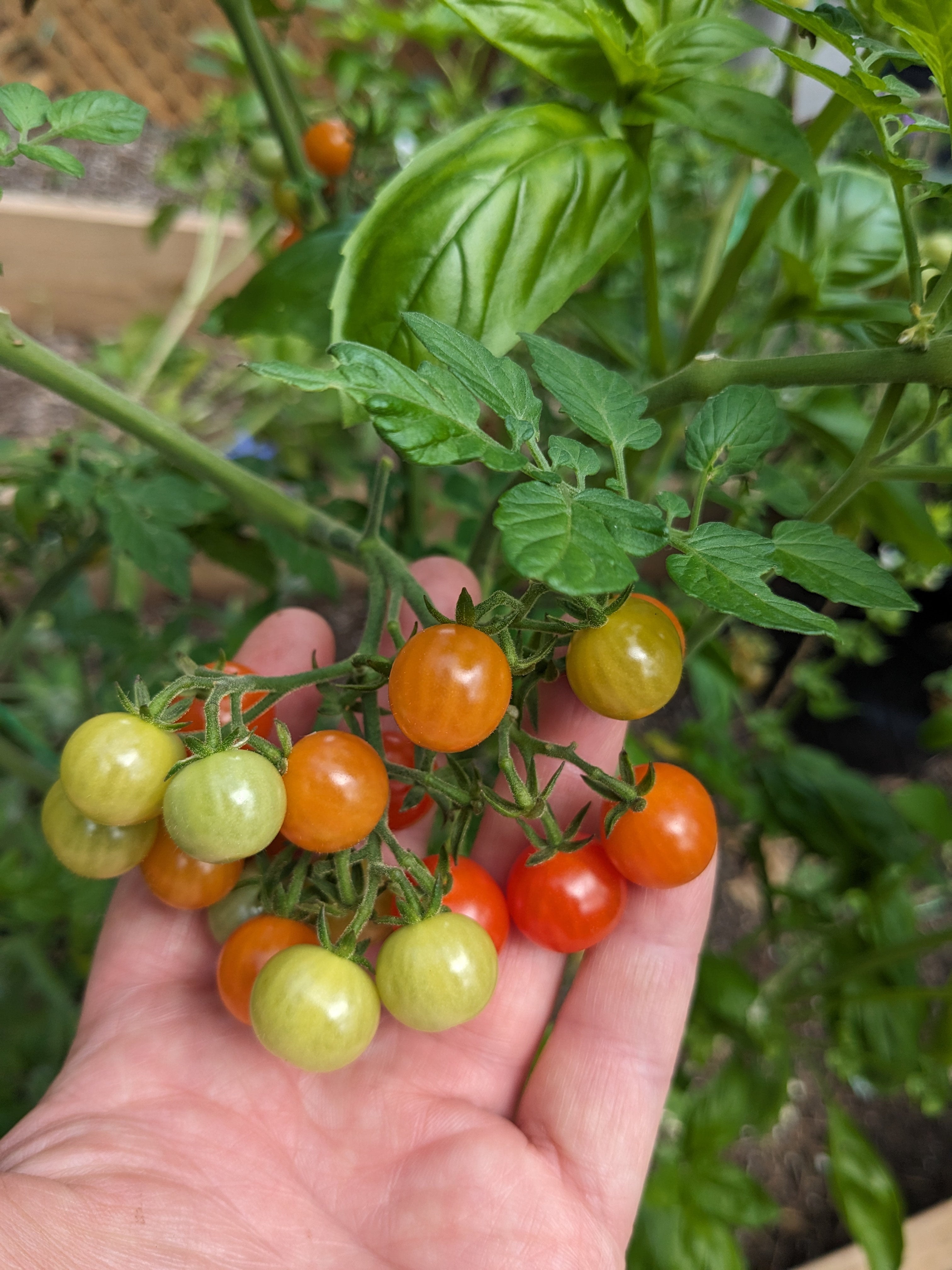
If I could only grow one variety of tomato each year, Candyland would be it. These teeny toms - a currant variety - literally taste like pops of sugar, and are
non-stop, prolific producers. Long after other tomatoes in our gardens are finished, Candyland keep fruiting until the hardest frost kills the plant.
$6 each or 3 for $15
Type: Indeterminate, vining variety. Needs staking. You can read about the difference between Determinate and Indeterminate tomatoes here: Determinate vs. Indeterminate Tomatoes
Height: 5-7 feet
Light: Full sun
Soil: Rich soil. Use good quality compost around plants and mulch well.
Water: Consistently keeping soil moist, but not wet, will results in good growth and happy tomatoes. Inconsistent moisture can lead to "Blossom End Rot". Always water tomatoes at the base of the plant never getting water on the leaves.
Planting:
- Harden off* and then transplant to the garden after all frost danger is gone.
- Bury them deep! Plant the whole stem into the ground, not just the roots leaving only a few top leaves showing. The plant will put out roots from the buried stem, making your plant grow nice and strong!
- Space plants 60-90 cm, 2-3' apart; space rows 3-4' apart. They will grow nicely in containers but will need some kind of support.
- DO NOT crowd plants. This leads to poor circulation and disease
Other tips:
Pruning out suckers on your plant will help it put more of it's energy into fruit production. Suckers appear between the main stem and the branches and can be easily taken out with your fingers.
These Black Cherry tomatoes are perfectly rotund, perfectly plump + the biggest we’ve ever grown. Characterized by a deep mahogany hue, they have a rich, smoky flavour that pairs beautifully with BBQ season, particularly grilled romaine salad (trust me).
Type: Indeterminate. Needs staking. You can read about the difference between Determinate and Indeterminate tomatoes here: Determinate vs. Indeterminate Tomatoes
Height: Up to 8 feet. Requires staking.
Light: Full sun
Soil: Rich soil. Use good quality compost around plants and mulch well.
Water: Consistently keeping soil moist, but not wet, will results in good growth and happy tomatoes. Inconsistent moisture can lead to "Blossom End Rot". Always water tomatoes at the base of the plant never getting water on the leaves.
Harvest: 75 days to maturity (from the day they are planted outside)
Planting:
- Harden off* and then transplant to the garden after all frost danger is gone.
- Bury them deep! Plant the whole stem into the ground, not just the roots leaving only a few top leaves showing. The plant will put out roots from the buried stem, making your plant grow nice and strong!
- Space plants 60-90 cm, 2-3' apart; space rows 3-4' apart. They will grow nicely in containers but will need some kind of support.
- DO NOT crowd plants. This leads to poor circulation and disease
Other tips: Pruning out suckers on your plant will help it put more of it's energy into fruit production. Suckers appear between the main stem and the branches and can be easily taken out with your fingers.
$6 each or 3 for $15