









Sort by:
715 products
715 products


$4 each or 3 for $10 (save $2!)
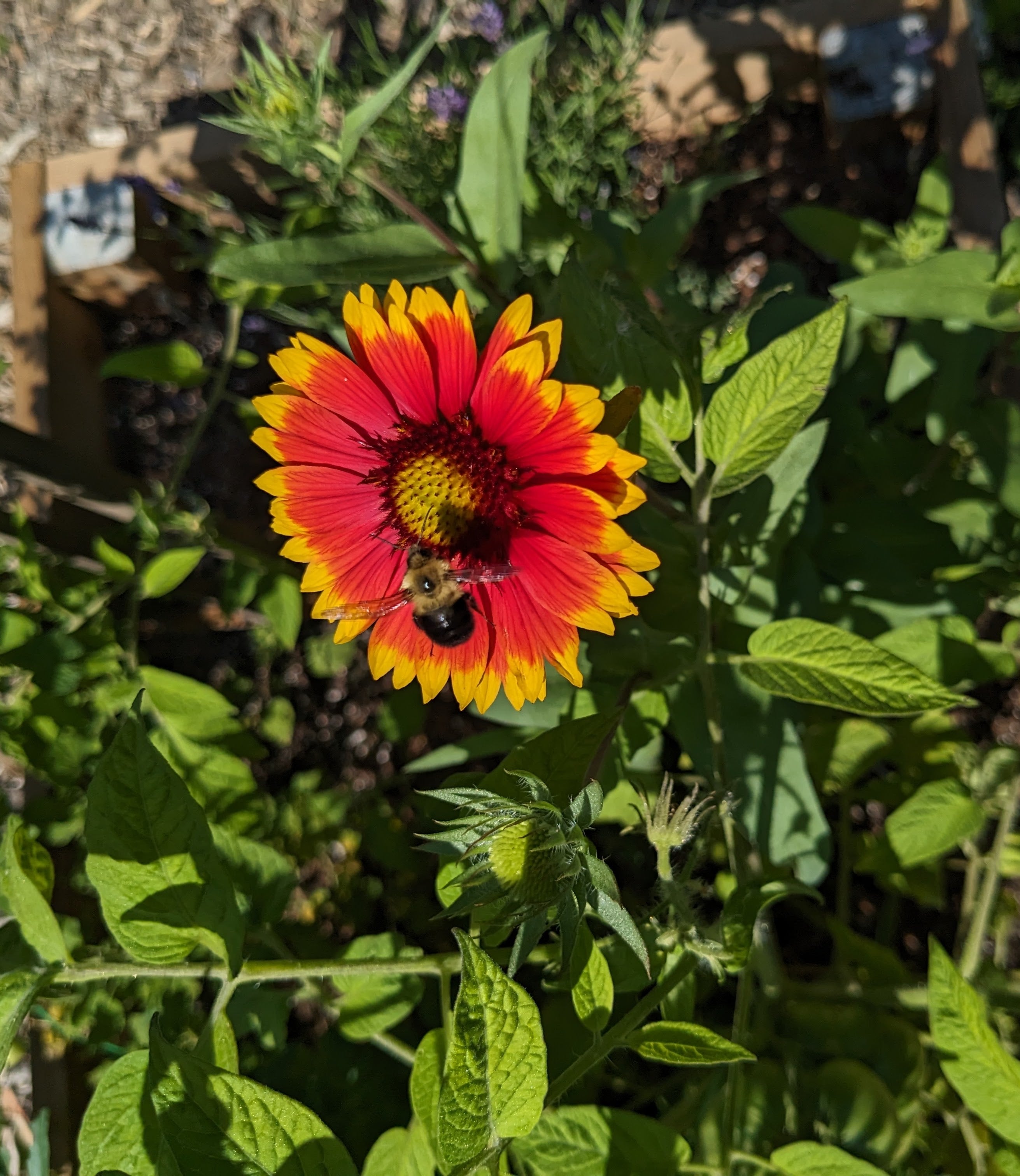
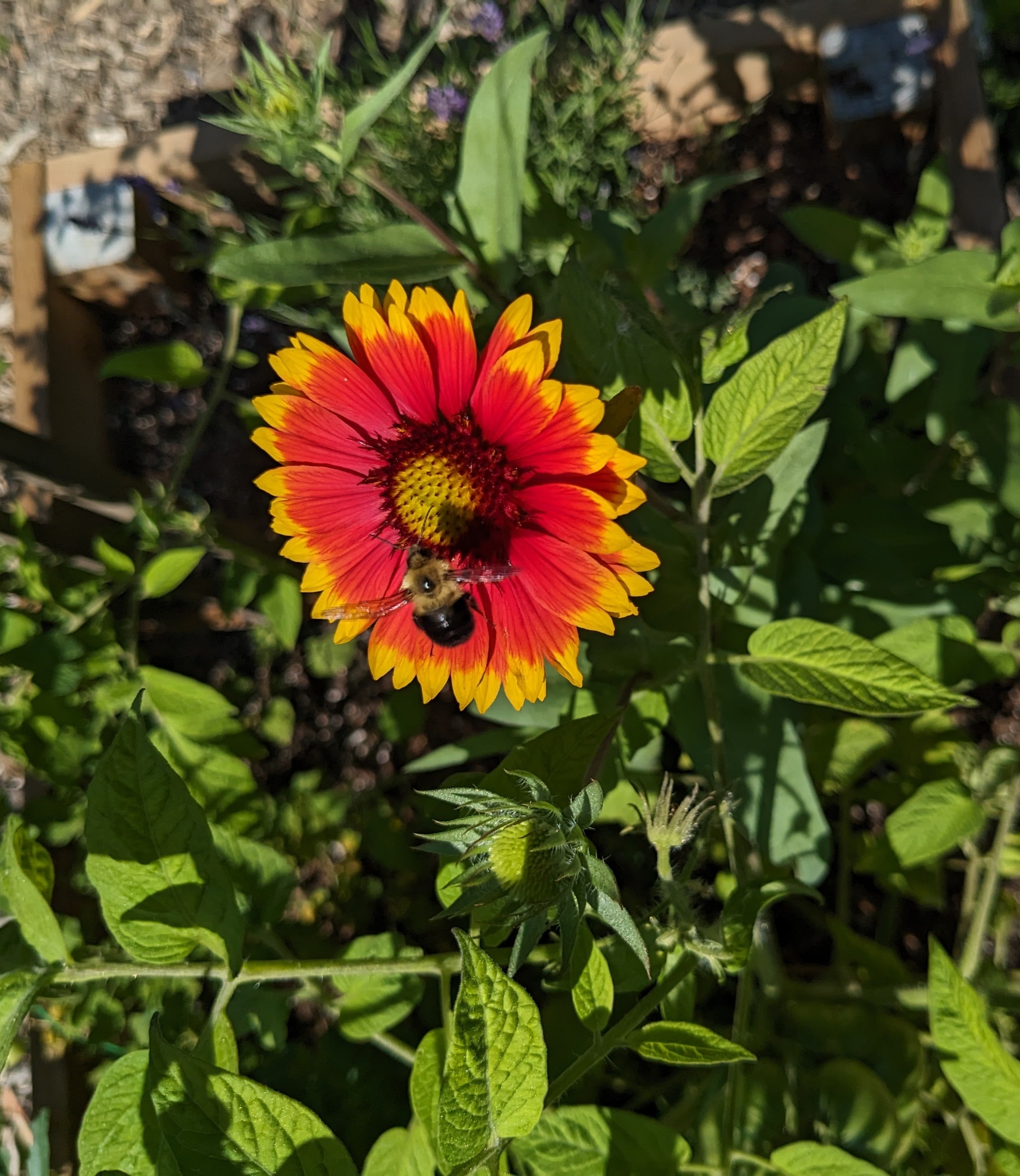
A "happy" flower for the garden. It is not a perennial in the common sense of the word as it does not reliably come back every year. To keep it in the garden you must allow it to self seed and plan for it to appear randomly throughout the garden. Some may find this charming, but for those who like a planned garden, it might be annoying. Black Eyed Susan like to grow in disturbed soils, so it is often thought of as a colonizing plant. Once a garden is established, it is less likely to grow in your garden.
Type: Annual to short lived perennial, native to Ontario
Height: 1-2'
Light: full sun to light shade
Soil: sand to richer loams, adaptable
Water: dry to moist
Bloom time: all summer, June to end of August
Planting: Cold moist stratification for 30 days - see options in photos, courtesy of Northern Wildflowers. . This website offers a great guide to "winter sowing". Winter Sowing – Complete Guide To Starting Seeds In Winter – GrowIt BuildIT
Stratification & Scarification: Breaking Seed Dormancy – Halton region Master Gardeners
Wild life support: Larval host plant for several butterflies and enjoyed by small bees and adult butterflies. Gold Finches enjoy the seeds throughout the fall.

$4 each or 3 for $10 (save $2!)
Type: Annual flower
Height: 4-6'
Light: Full sun
Soil: average garden soil
Water: keep well watered
Bloom time: late summer
Planting: Can be started indoors 2-3 weeks before last frost or direct sown into the garden after danger of frost.
Notes: I learned the hard way that sunflowers are allelopathic, meaning they give off toxins that impede the growth of or even kill other plants. They also deplete soil of nutrients. Because I grow so much food in containers, I now grow my sunflowers in separate pots and place them near their fruit, veg and herb companions


$4 each or 3 for $10 (save $2!)
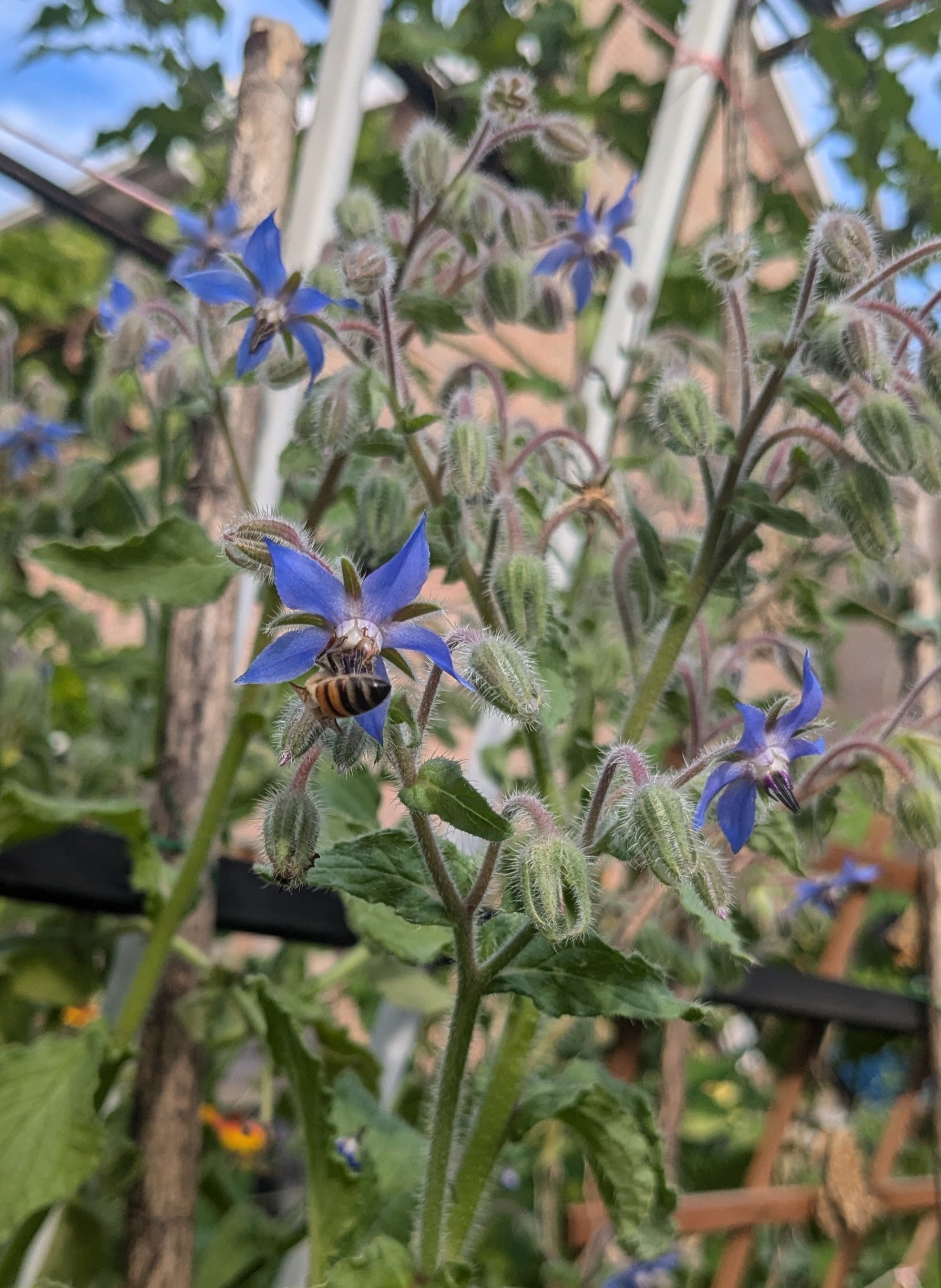
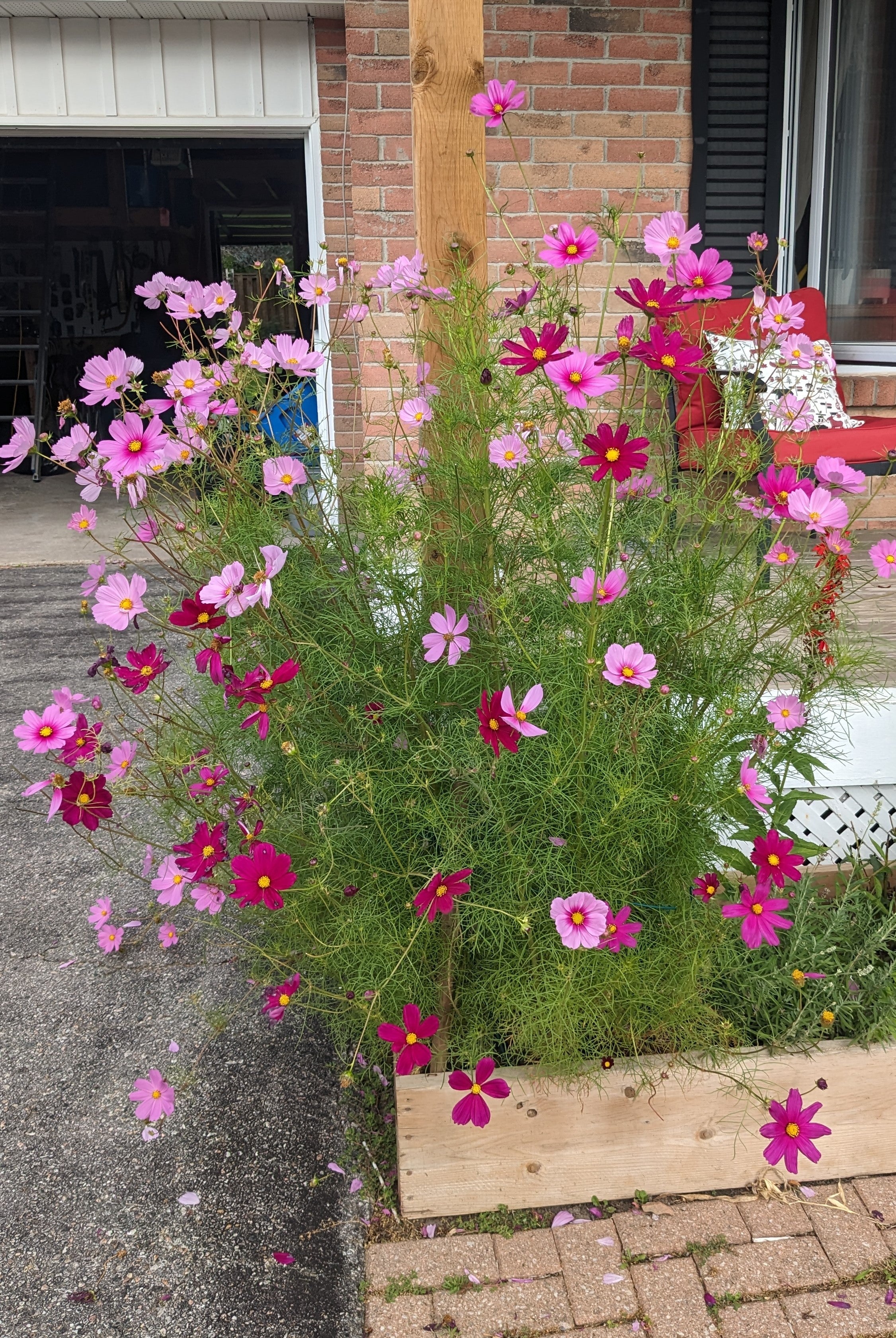
A gorgeous plant for the border! It grows into a shrub full of flowers which are adored by bees and butterflies and the seeds are eaten by birds.
Type: Annual flower
Height: 4-5'
Light: full sun
Soil: average
Water: keep evenly watered
Bloom time: mid to late summer
Planting: start seeds indoors 4-6 weeks before the last frost. Give plants lots of space in the garden to grow!

$4 each or 3 for $10 (save $2!)
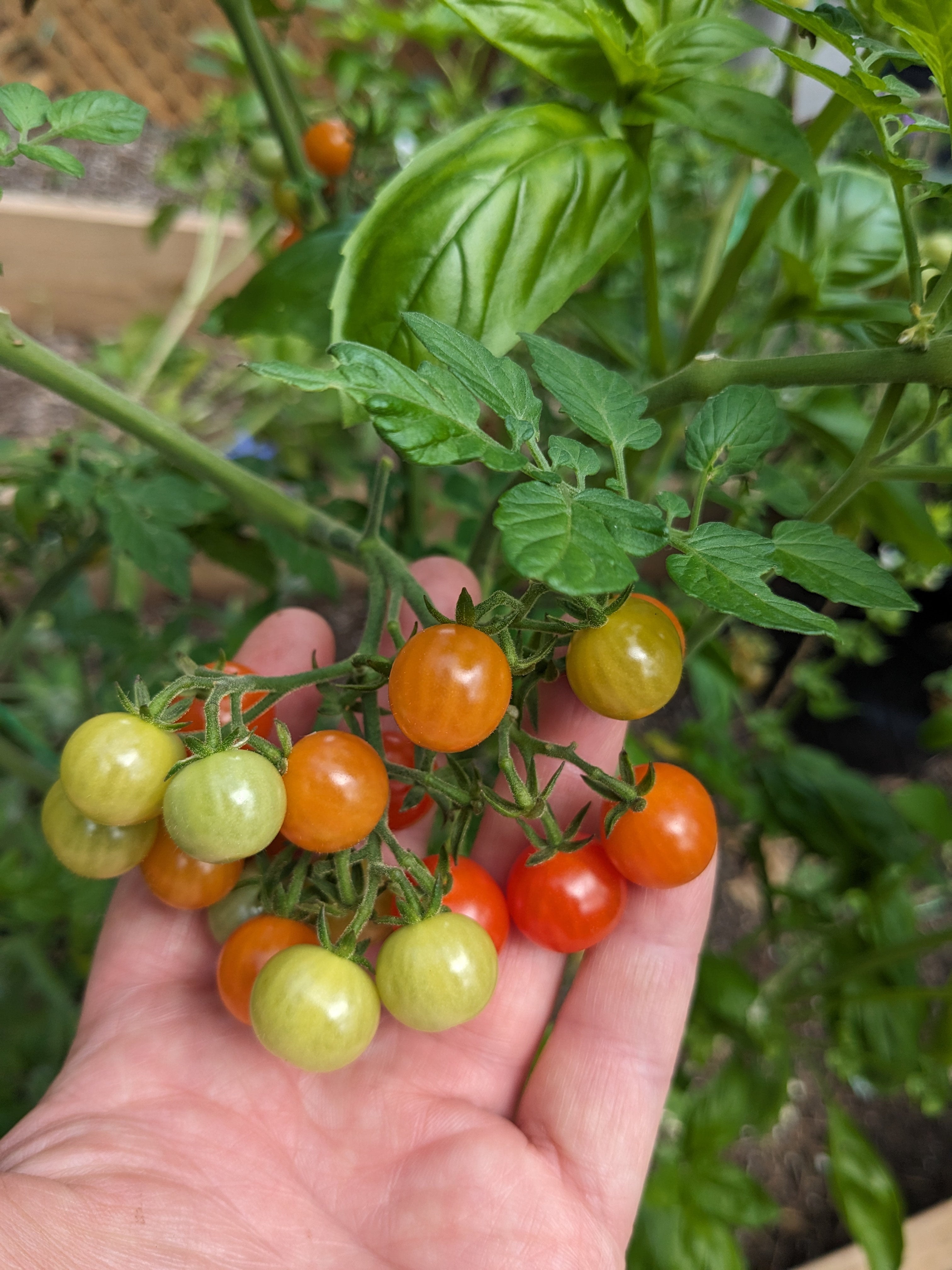
Sweet and very pretty with gold striping, these are a must grow cherry tomato, great for salads and snacking!
Type: Indeterminate, vining plants that will need staking. Plants will keep growing and producing until frost. You can read about the difference between Determinate and Indeterminate tomatoes here: Determinate vs. Indeterminate Tomatoes
Height: Indeterminate height.
Light: Full sun
Soil: Rich soil. Use good quality compost around plants and mulch well.
Water: Consistently keeping soil moist, but not wet, will result in good growth and happy tomatoes. Inconsistent moisture can lead to "Blossom End Rot". Always water tomatoes at the base of the plant never getting water on the leaves.
Planting:
- Start seeds indoors 6-10 weeks before last frost date. Use a heating mat to aid germination as they love to be warm! If you don't have a heating mat, you can sit the seeds on top of the fridge to get some warmth.
- Harden off* and then transplant to the garden after all frost danger is gone.
- Bury them deep! Plant the whole stem into the ground, not just the roots leaving only a few top leaves showing. The plant will put out roots from the buried stem, making your plant grow nice and strong!
- Space plants 60-90 cm, 2-3' apart; space rows 3-4' apart. They will grow nicely in containers but will need some kind of support.
- DO NOT crowd plants. This leads to poor circulation and disease
Harvest: 70 days to maturity (from the day they are planted outside)
* Hardening off refers to the process of gently and gradually acclimatizing indoor grown seedlings to the great outdoors! Don't throw your new babies straight into the elements! Over the course of a week, take them outside for a few hours at a time, bringing them back indoors afterwards. First sit them in the shade and then slowly introduce them to the sun. Increase the length of time they are outside and are exposed to the sun, until you feel they are ready to face the big outside world!
Other tips:
Pruning out suckers on your plant will help it put more of its energy into fruit production. Suckers appear between the main stem and the branches and can be easily taken out with your fingers.

$4 each or 3 for $10 (save $2!)
Coloured like a sunset, the fruit of this variety is large, sweet and beefy!
Type: Indeterminate, vining variety. Needs staking. You can read about the difference between Determinate and Indeterminate tomatoes here: Determinate vs. Indeterminate Tomatoes
Height: Indeterminate height
Light: Full sun
Soil: Rich soil. Use good quality compost around plants and mulch well.
Water: Consistently keeping soil moist, but not wet, will result in good growth and happy tomatoes. Inconsistent moisture can lead to "Blossom End Rot". Always water tomatoes at the base of the plant never getting water on the leaves.
Planting:
- Start seeds indoors 6-8 weeks before last frost date. Use a heating mat to aid germination as they love to be warm! If you don't have a heating mat, you can sit the seeds on top of the fridge to get some warmth.
- Harden off* and then transplant to the garden after all frost danger is gone.
- Bury them deep! Plant the whole stem into the ground, not just the roots leaving only a few top leaves showing. The plant will put out roots from the buried stem, making your plant grow nice and strong!
- Space plants 60-90 cm, 2-3' apart; space rows 3-4' apart.
- DO NOT crowd plants. This leads to poor circulation and disease
Harvest: 80-85 days to maturity (from the day they are planted outside)
* Hardening off refers to the process of gently and gradually acclimatizing indoor grown seedlings to the great outdoors! Don't throw your new babies straight into the elements! Over the course of a week, take them outside for a few hours at a time, bringing them back indoors afterwards. First sit them in the shade and then slowly introduce them to the sun. Increase the length of time they are outside and are exposed to the sun, until you feel they are ready to face the big outside world!
Other tips:
Pruning out suckers on your plant will help it put more of it's energy into fruit production. Suckers appear between the main stem and the branches and can be easily taken out with your fingers.


Straight from Carly's homestead garden, these colourful dried bouquets will spruce up any room.
Bouquets include: Amaranth Hot Biscuits and Velvet Curtains, Strawflower, Black Eyed Susan, Pearly Everlasting, Celosia and Chrysanthemum.
Pickup Only


A pretty little succulent that is pet safe too! This plant originates from desert regions of Mexico. The Echeveria is a drought-tolerant succulent that thrives in high-elevation, rocky, and dry environments.
Scientific Name: Echeveria Elegans
Common Name: Echeveria
Light: Bright, indirect light
Growth: 2-3 inches tall
Watering: Let dry between watering
Pet Safe: Yes
Care: Intermediate
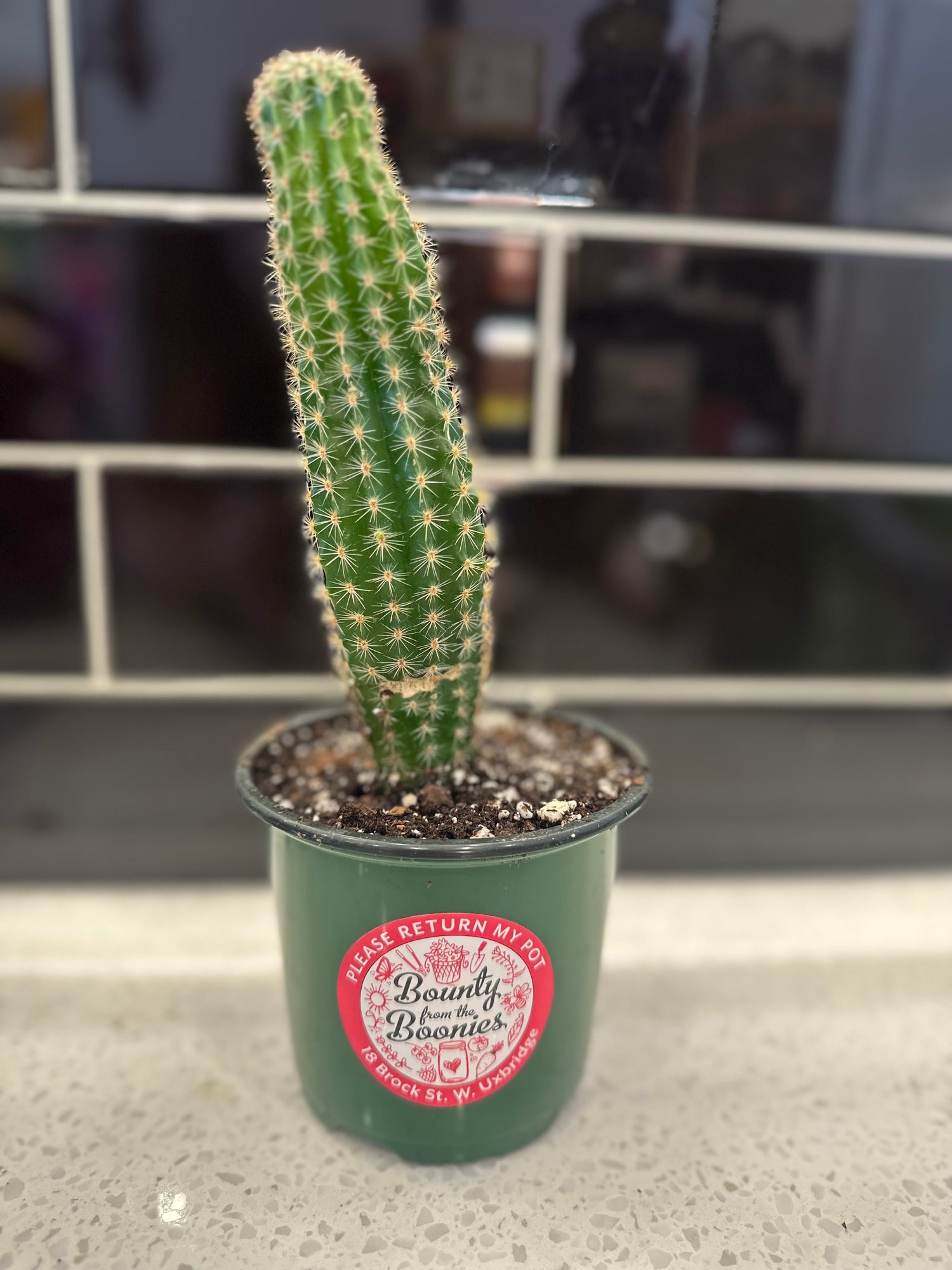
Native to Argentina, the Peanut Cactus has ribbed spines and elongated stems that give the peanut cactus its name. It has multiple long cactus stems that spill out or spread out. It has very pretty blooms. Flowers are fiery orange-red and 1-2 inches in diameter.
Scientific Name: Chamaecereus silvestrii
Common Name: Peanut Cactus
Growth: 3-5 inches per year
Light: Bright, Indirect light
Watering: Once soil has completely dried out, then soak
Pet Safe: Yes
Care: Easy

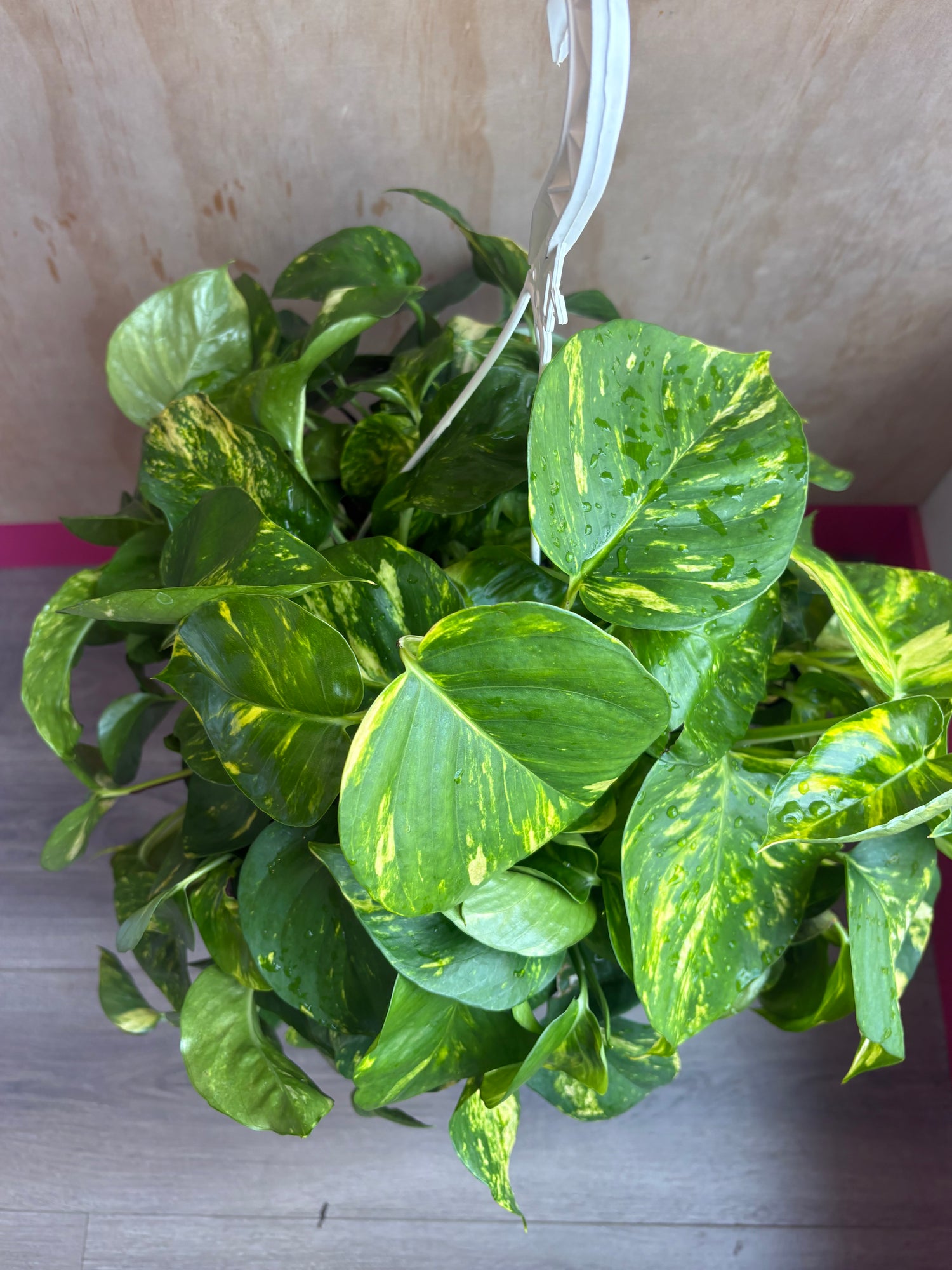
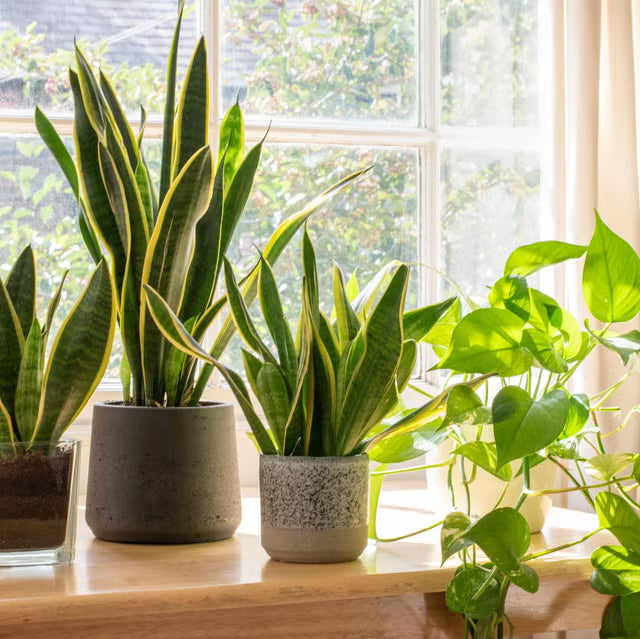
The Hawaiian Pothos is a wonderfully hardy plant that has the most beautiful green heart shaped leaves with yellow brush strokes of colour. It originates from French Polynesia. It's considered an ideal houseplant because of its resilience.
Scientific Name: Epipremnum Aureum
Common Name: Hawaiian Pothos
Light: Medium to bright light
Growth: A few feet long, depending on conditions
Watering: When the top two inches is dry, water thoroughly
Pet safe: No
Care: Easy


The Chanin is a beautiful plant that has slender, pointed leaves that radiate outwards in a fan-like formation. It is a matte green, almost frozen mint colour. The leaves are plump, fleshy, and exceptionally pleasing to the touch. This plant originates from Thailand and is also in the family of the common Snake Plant.
Scientific Name: Dracaena trifasciata
Common Name: Sansevieria Chanin, Silver Syreni
Light: Can tolerate low light but thrives in indirect light
Growth: Slow growth rate
Watering: Allow soil to dry out completely before watering.
Pet Safe: No
Care: Easy
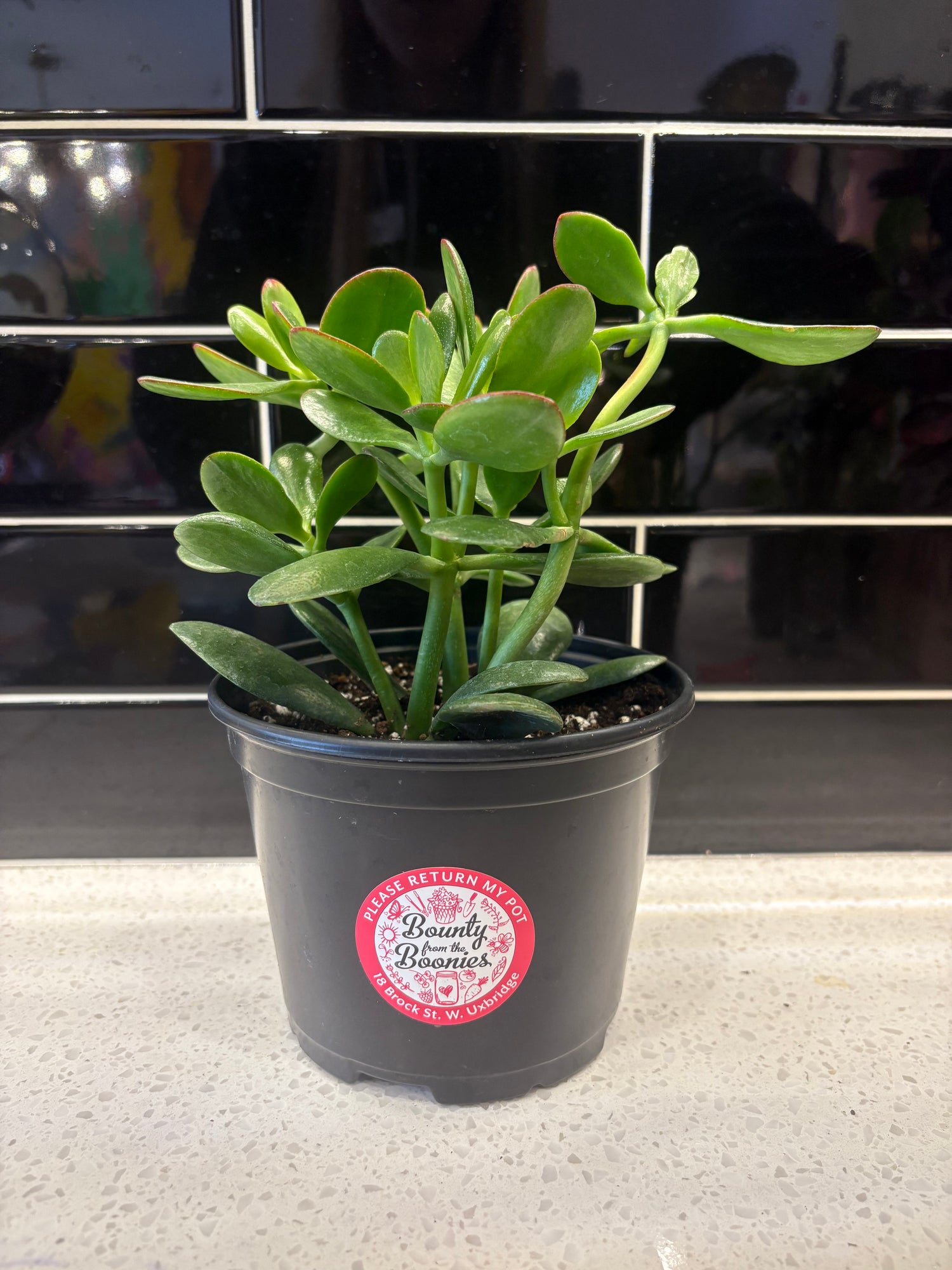
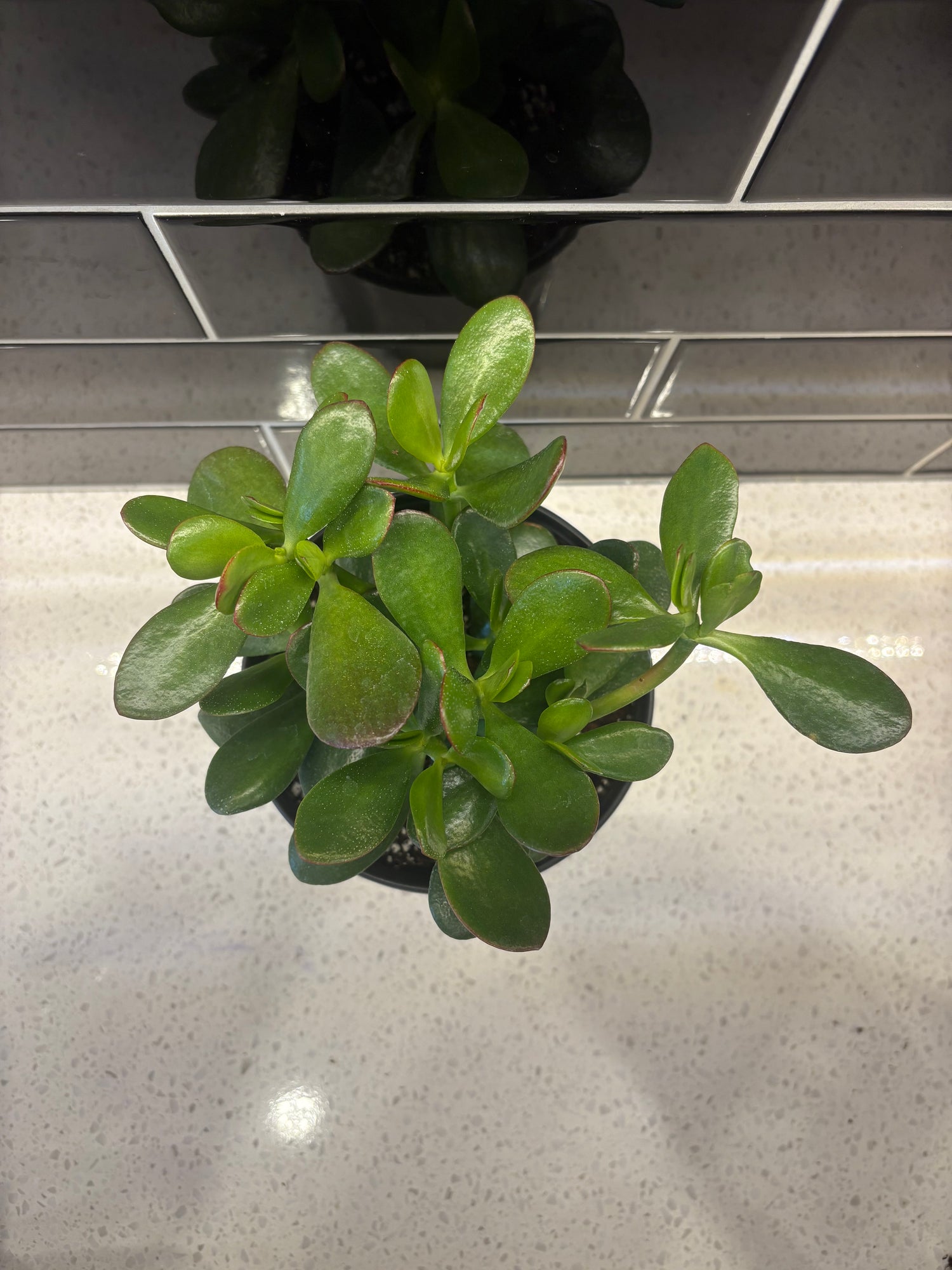
The Sunset Jade, different from the original Jade, has yellow and red edged leaves making it stand out just a little bit more. Originating from South Africa, this Jade is known for its easy care, low maintenance qualities. One of most popular succulents around!
Scientific Name: Crassula Ovata
Common Name: Jade, Lucky Plant, Money Tree
Growth: about 2 inches of height per year indoors
Light: Bright indirect light to full sun
Watering: Let dry out between waterings
Pet Safe: No
Care: Easy


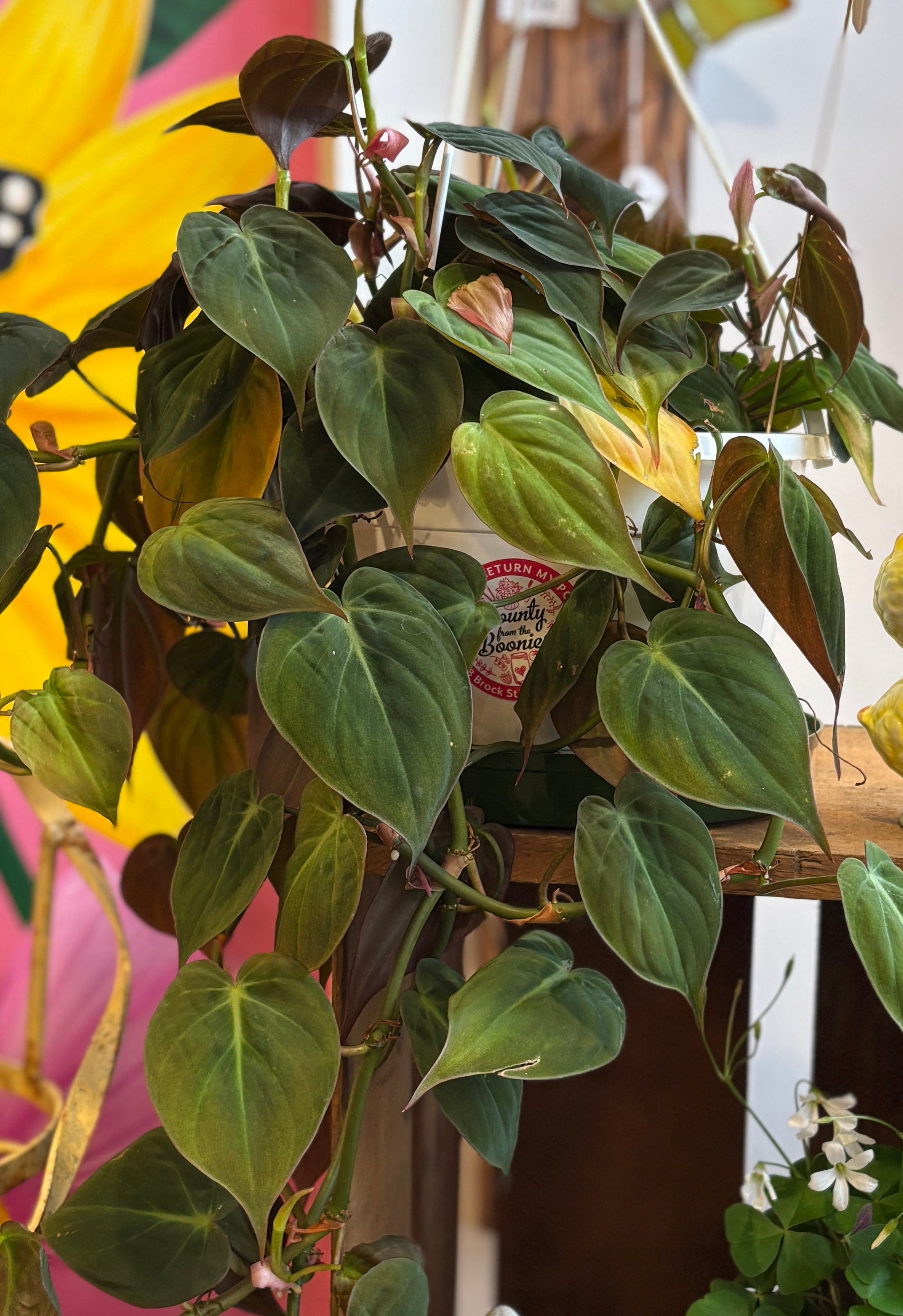
This easy care, non-toxic beauty has the best party trick: Its dark green leaves are a deep wine red underneath! Delight in flipping it upside down for a visual shock.
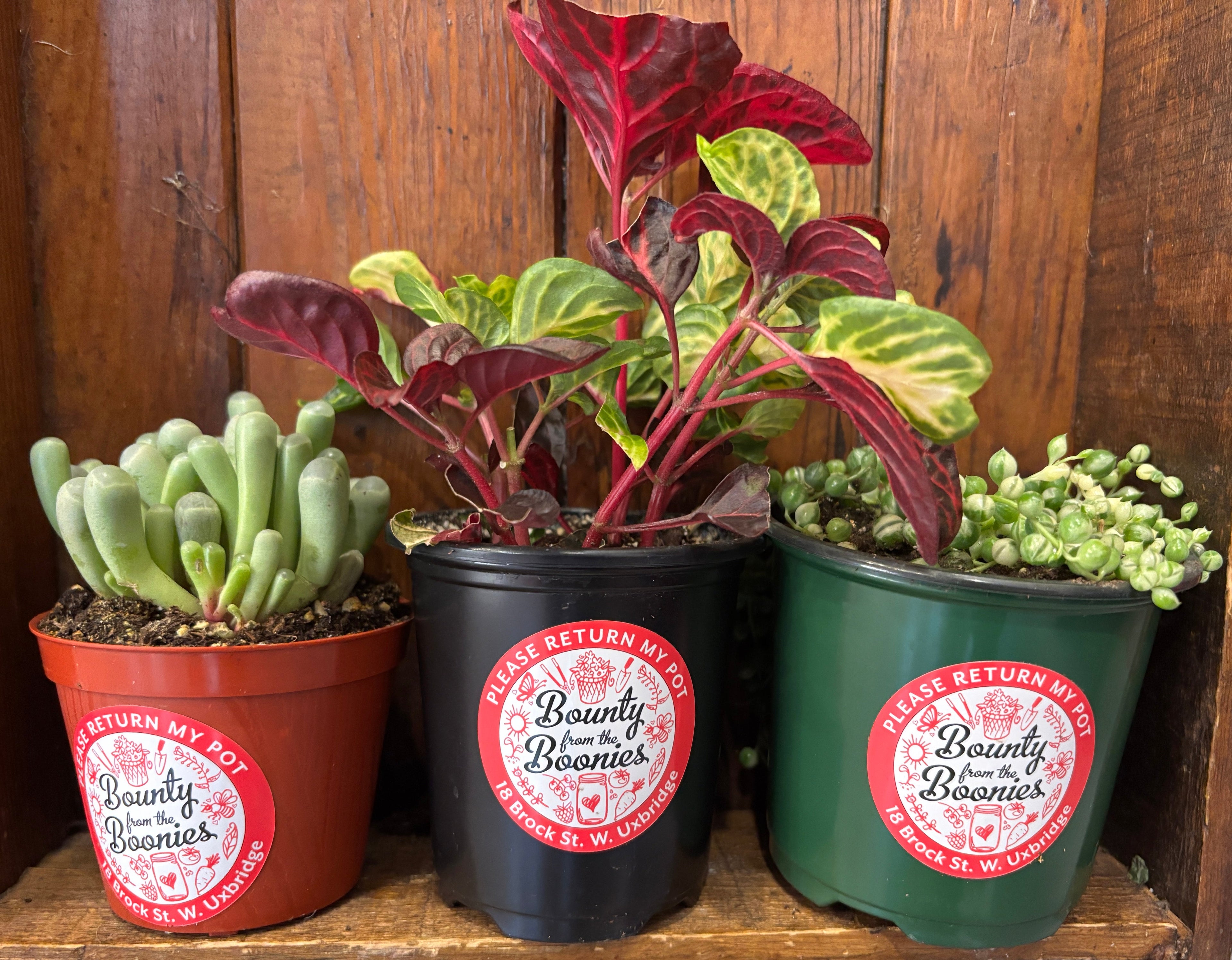
An eye-catching plant with thick, weighty stems that will eventually trail. Looks beautiful in a contrasting white planter.
Scientific Name: Peperomia verticilla
Common Name: Whorled Peperomia, Red Log, Belly Button
Size: 12" indoors
Growth: Trailing stems start upright, then spill over
Watering: Loves humidity + evenly hydrated soil
Pet Safe: Yes
Care: Bright, indirect light. Prune stems to keep bushy


Originating from the rainforests of Brazil, in its native habitat, it thrives in the warm, humid, and shaded conditions found on the rainforest floor, growing under the canopy of taller vegetation. With its stunning spotted leaves with beautiful dark and light green colours, this is sure to be a plant that everyone admires in your home.
Scientific Name: Goeppertia insignis
Common Name: Rattlesnake Calathea
Light: Bright,indirect light
Growth: Can spread 2-3 feet
Watering: When the soil in the pot is dry halfway down
Pet Safe: Yes
Care: Difficult

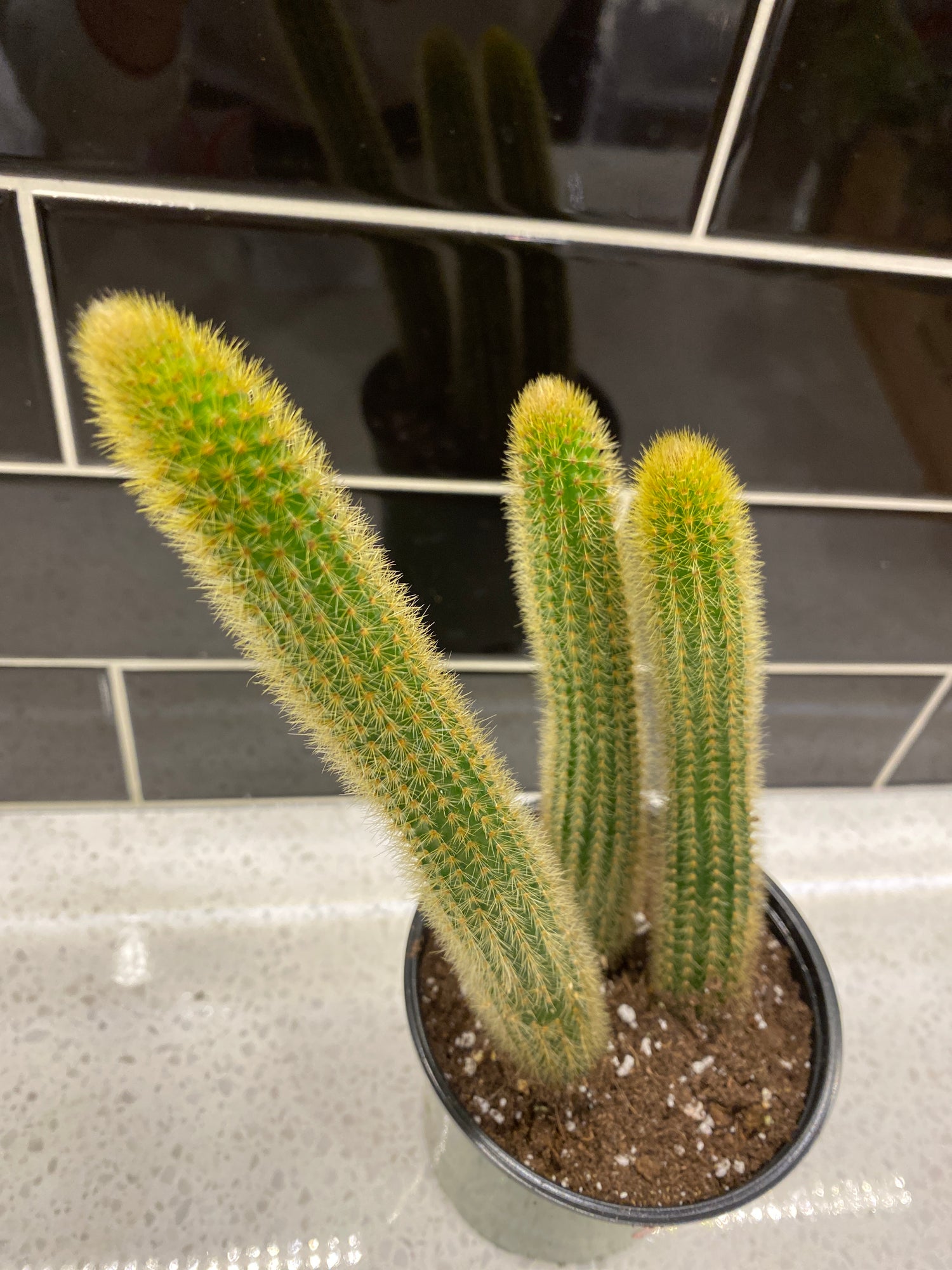
Cacti store water in their stems, which is why they are thrive in the desert. The spines on cacti are actually modified leaves. They help to protect the plant from animals and reduce water loss by shading the stem. The Rattail Cactus originates from South Western Mexico.
Scientific Name: Disocactus flagelliformis
Common Name: Rattail Cactus
Growth: Can grow 3-6 feet long
Light: Bright, Indirect sun
Watering: Let the soil dry out completely before watering
Pet Safe: Yes
Care: Easy


The Chinese Evergreen, also known as the Aglaonema, is a very easy plant to care for and they are a great choice for beginners!
This plant is native to the tropical and subtropical rainforests of Southeast Asia and New Guinea, where it grows in low-light, humid conditions.
Scientific Name: Aglaonema
Common Name: Chinese Evergreen
Growth: 2-3 feet
Light: Bright indirect light though it can withstand lowlight conditions
Watering: They need to be watered when the top layer of soil dries out.
Pet Safe: no
Care: Easy

Your ticket includes:
- All materials
- Private instruction
- Small class size
- Private shopping + 10% off selected items during the workshop
-
A beverage


These tangy pickles got made into pickles using a 24 hour brine for extra flavour and crunch.
They were made with fresh dill and cucumbers from our gardens and the garlic came from the Uxbridge farmers market.
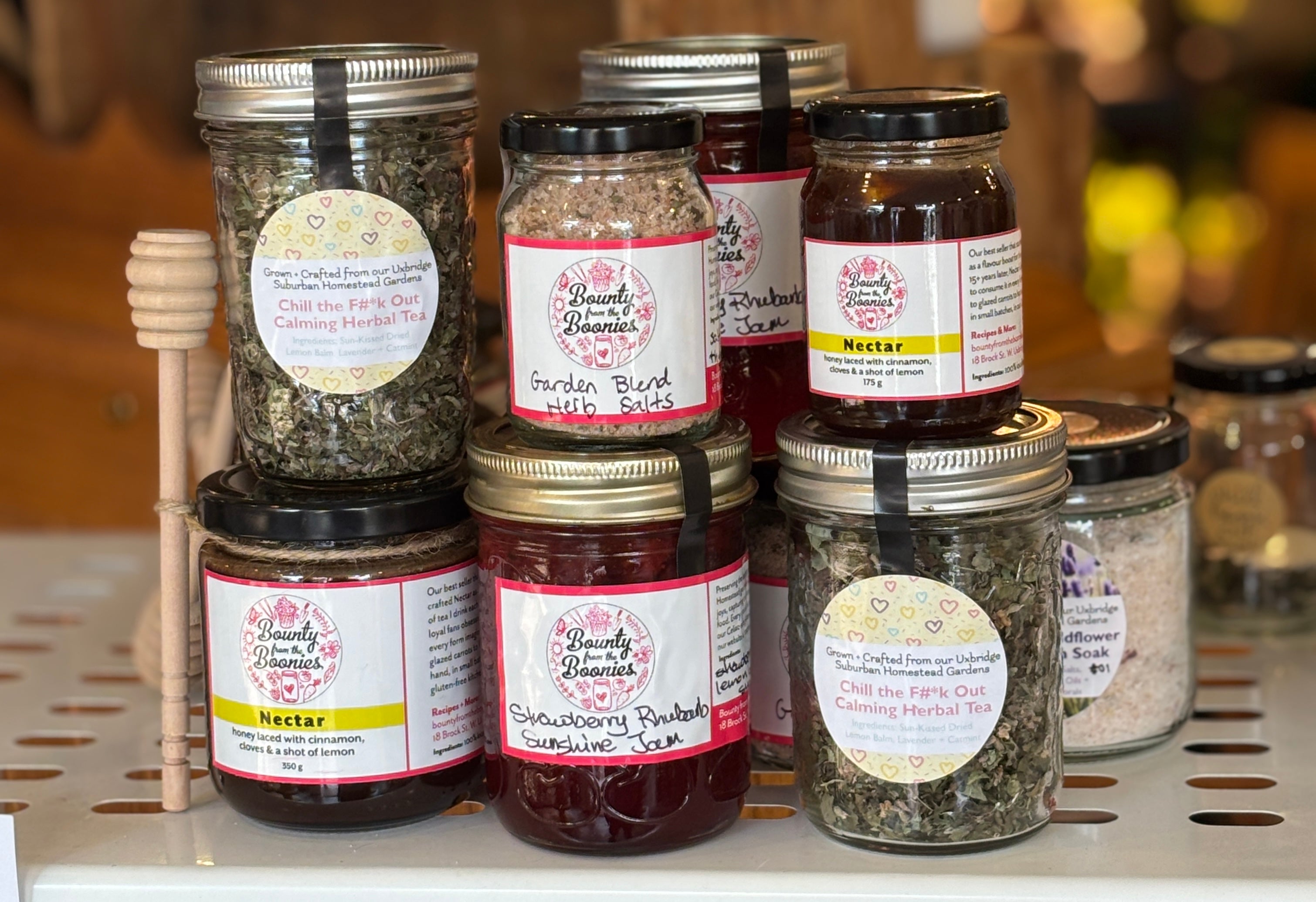
Preserving the bounty from my Uxbridge suburban Homestead gardens + Ontario growers is among my greatest joys, capturing the incomparable taste of sun-kissed local food. Every product is made by hand, in small batches, in our Celiac-safe gluten-free kitchen.
Ingredients - cucumbers, garlic, dill, peppercorns, mustard seed, bay leaf, vinegar, water and pickling salt.

Make a gorgeous geometric forever floral wreath with Sonya Nelson from Uxbridge's The Annex Felt Studio.
Using high quality wool felt you will learn techniques to create everlasting felt flowers and arrange them into a beautiful modern wreath. A great project for beginners and seasoned crafters!
Your ticket includes:
- All materials
- Private instruction
- Small class size
- Private shopping + 10% off selected items during the workshop
-
A beverage