









Sort by:
715 products
715 products


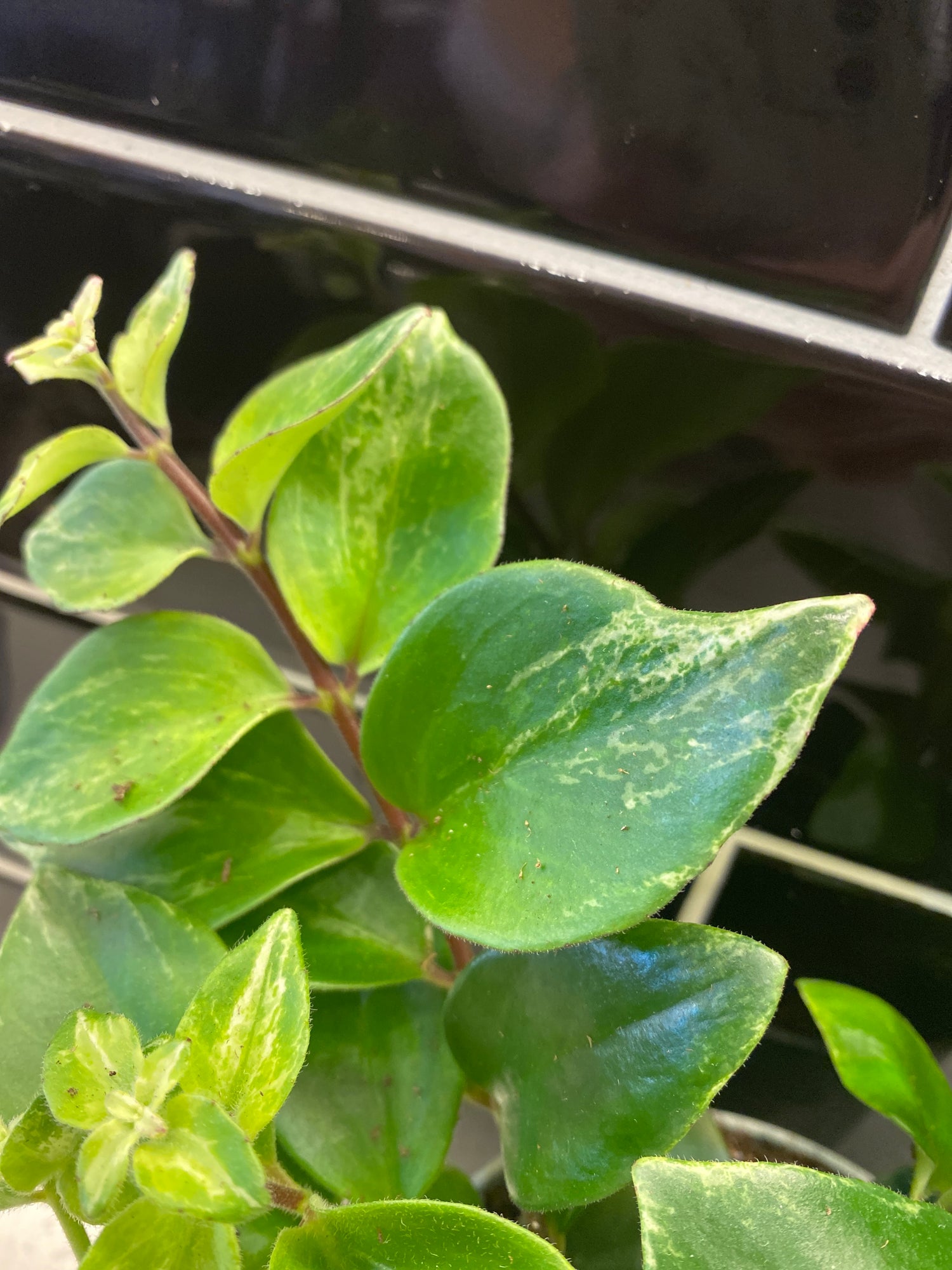
Rare snowy white variegated leaves make this philodendron variety a prize to be proud of! Originating from Columbia, this plant, in the early 2000's, was a rare and expensive plant often traded in small circles
Scientific Name: Philodendron erubescens 'White Wizard’
Common Name: Philodendron White Wizard
Light: Direct-bright, indirect light
Growth: 3-4 ft tall, 1-2 ft wide
Watering: Let the top several inches dry between waterings; ensure proper drainage with airy, well-draining soil
Pet Safe: No
Care: Intermediate
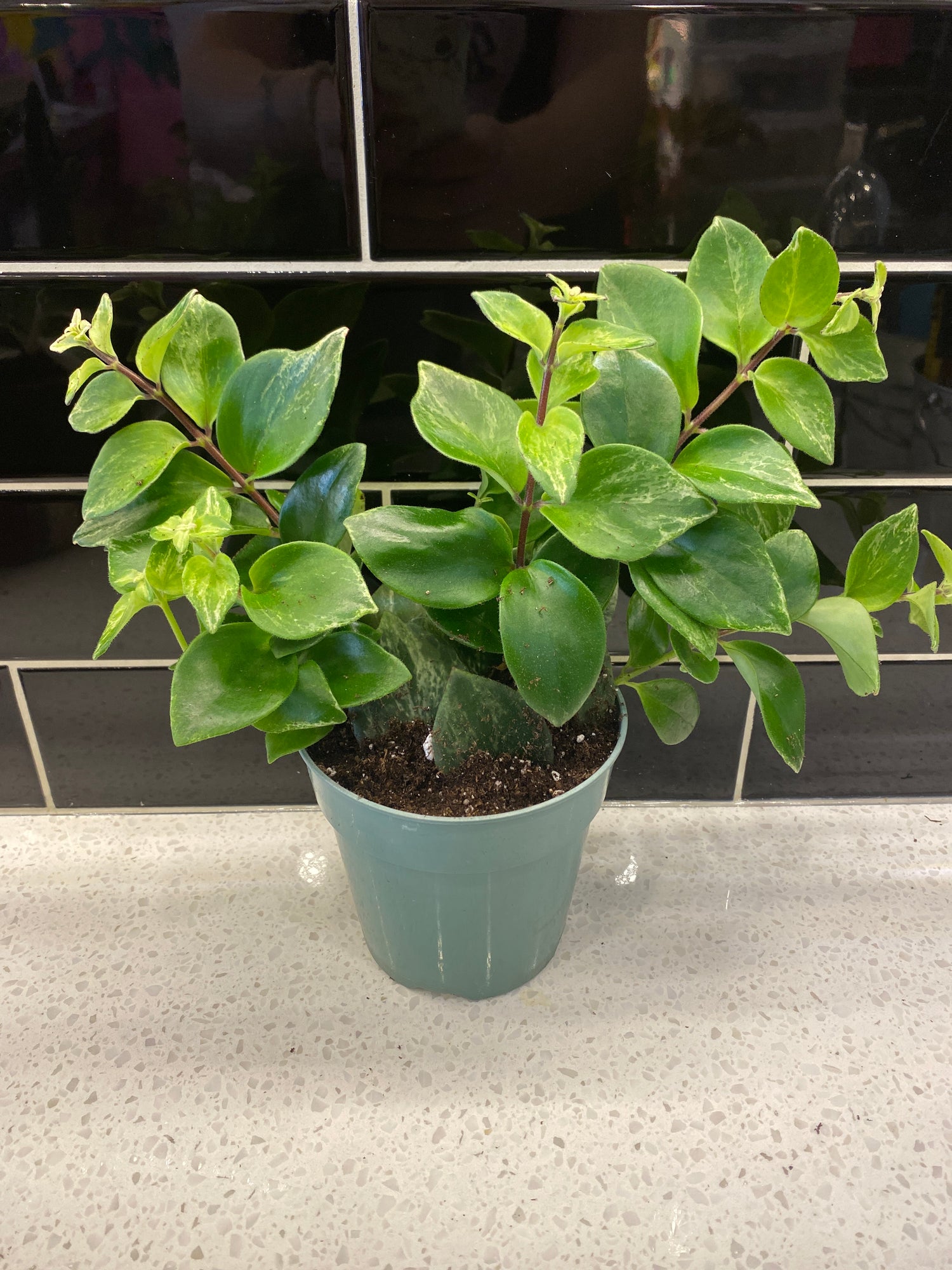
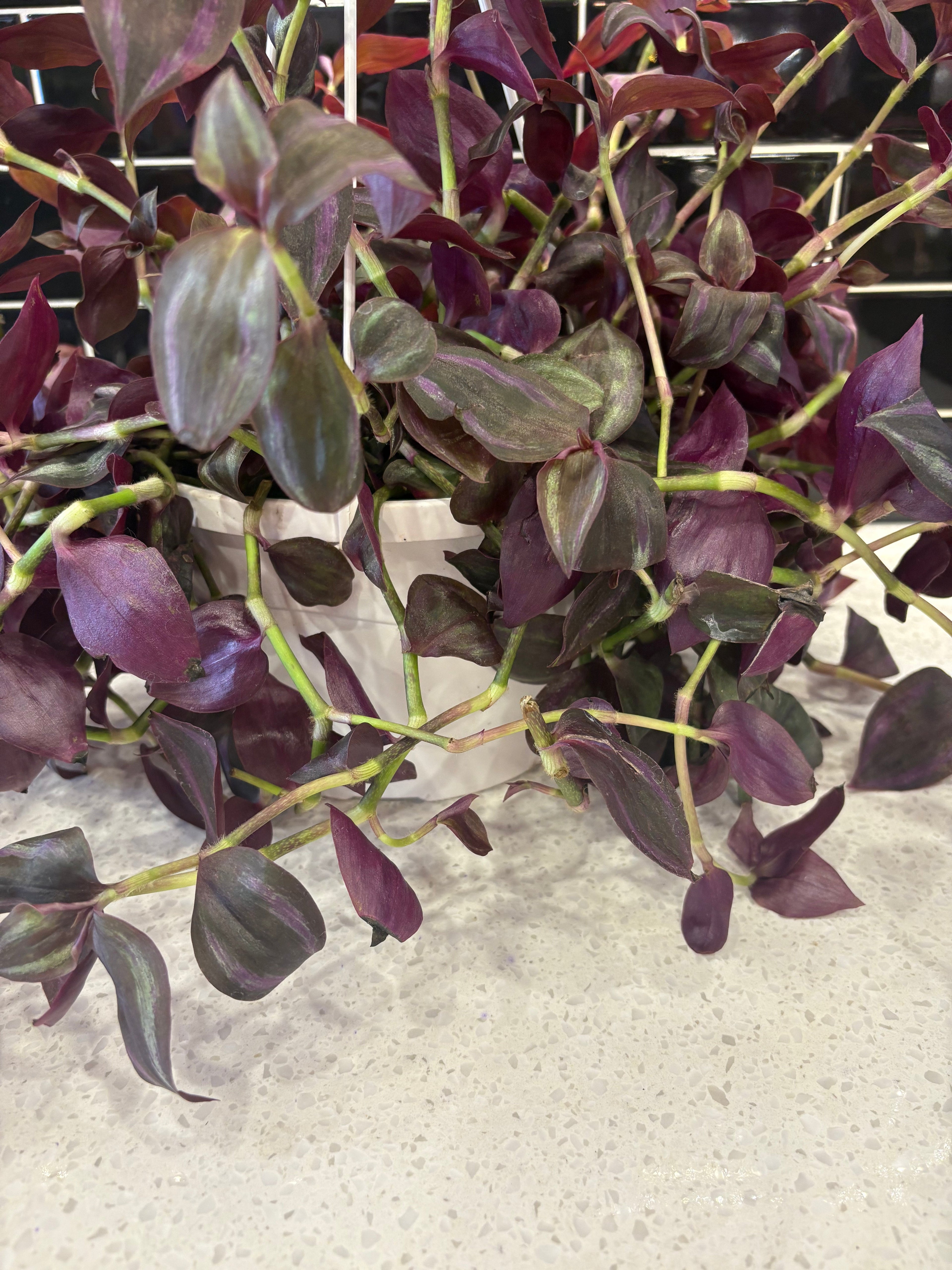
This is a dangling plant that has beautiful bright purple flowers that look like tubes of lipstick! The Mona Lisa is a variety of the Lipstick Plant. Known for its trailing stems, waxy leaves, and striking red, tubular flowers that resemble lipstick emerging from a tube. This plant is native to Southwest Asia, specifically Indonesia and Malaysia.
Scientific Name: Aeschynanthus Radicans
Common Name: Lipstick Plant/Mona Lisa
Light: Bright indirect light
Watering: Keep evenly hydrated, likes to be misted
Growth: 2-3 feet long indoors
Pet Safe: Yes
Care: Intermediate


This unique pickle is must have for salads, charcuterie, cocktails, or garnish! The crunchy skin and soft inside gives you a burst of flavour with every bite! Made with fresh Cucamelons harvested from our Uxbridge Homestead Gardens, this pickle is bound to get people talking!
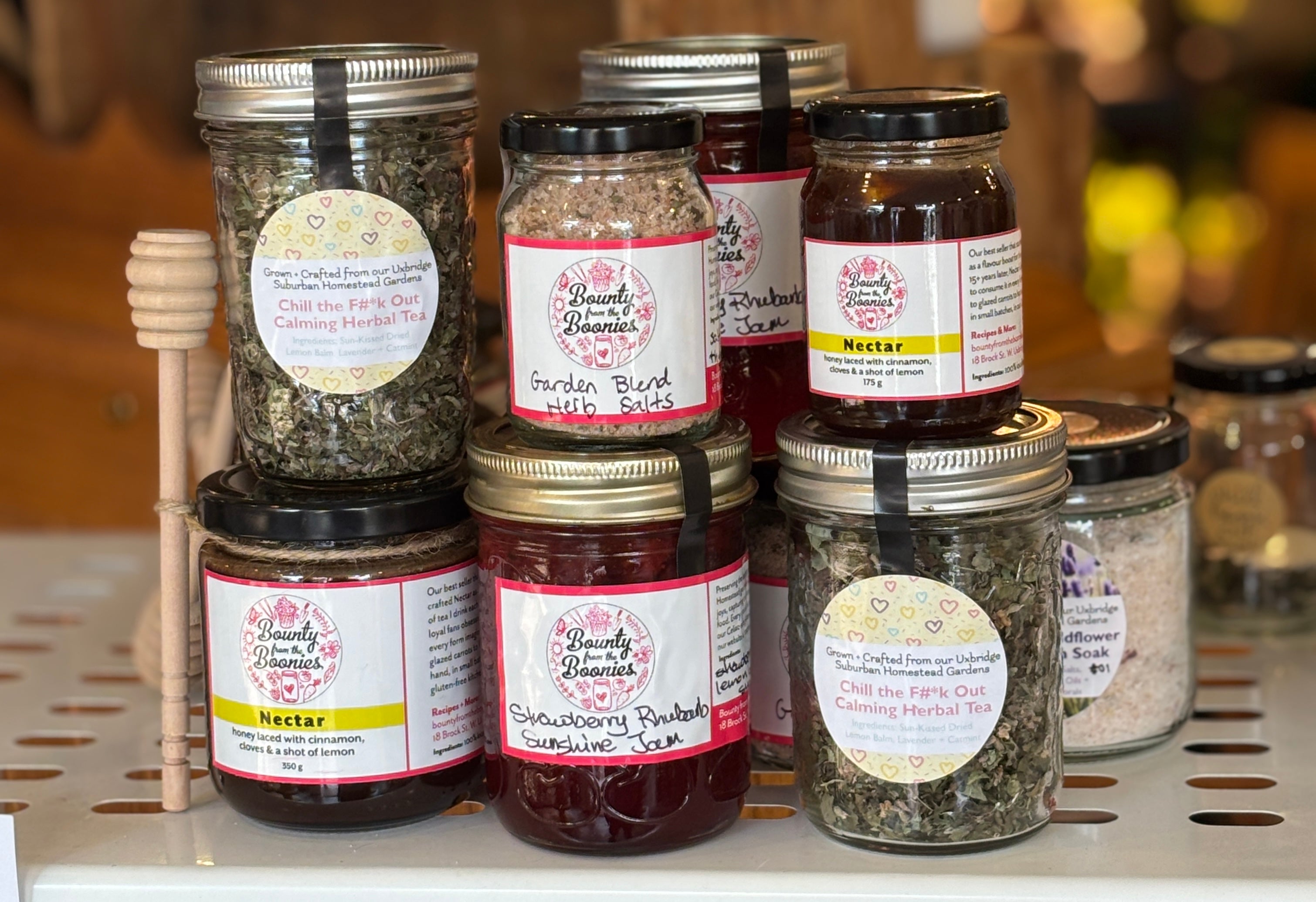
Preserving the bounty from my Uxbridge suburban Homestead gardens + Ontario growers is among my greatest joys, capturing the incomparable taste of sun-kissed local food. Every product is made by hand, in small batches, in our Celiac-safe gluten-free kitchen.
Ingredients - cucamelons, vinegar, water, sugar, salt
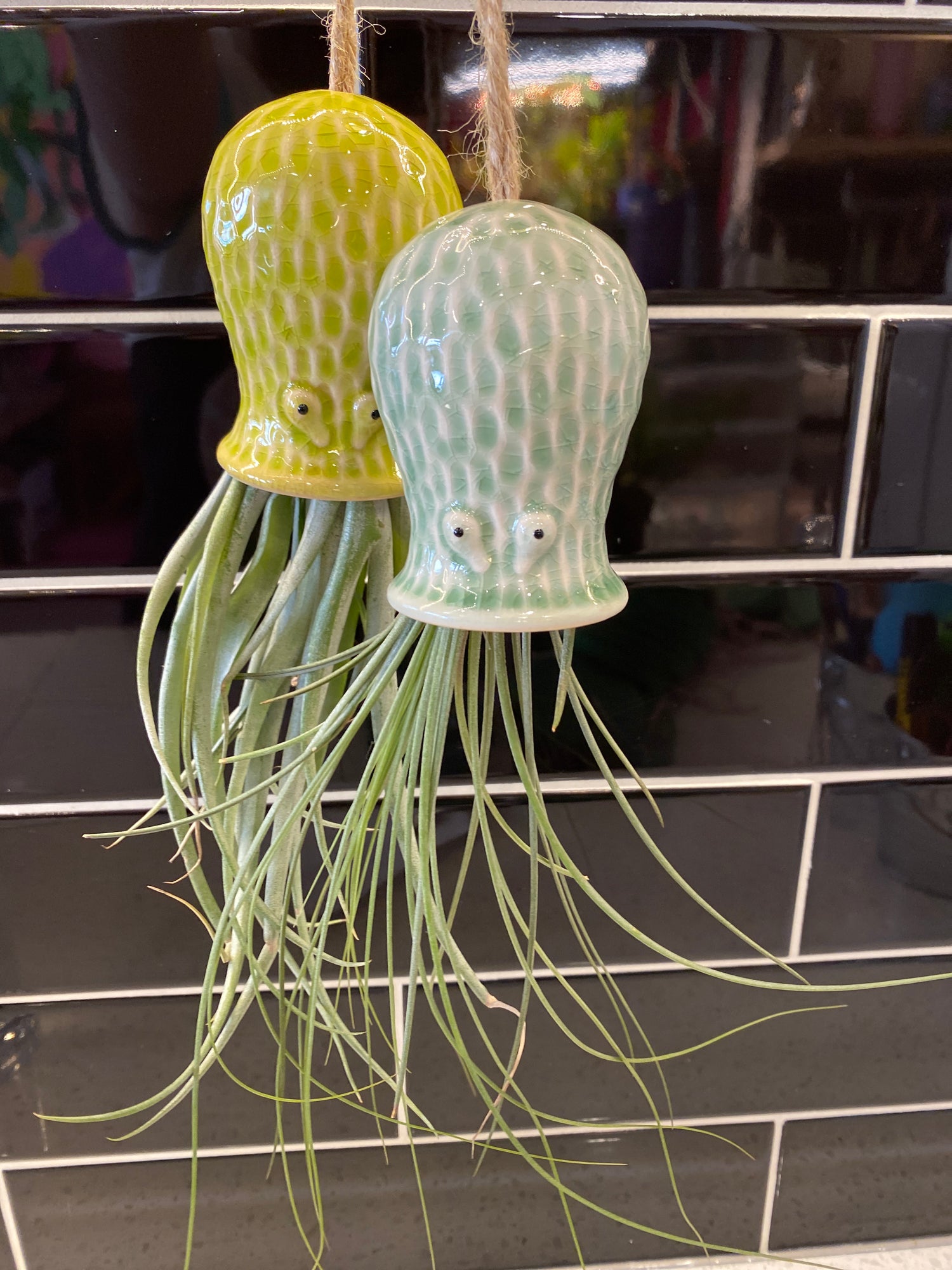
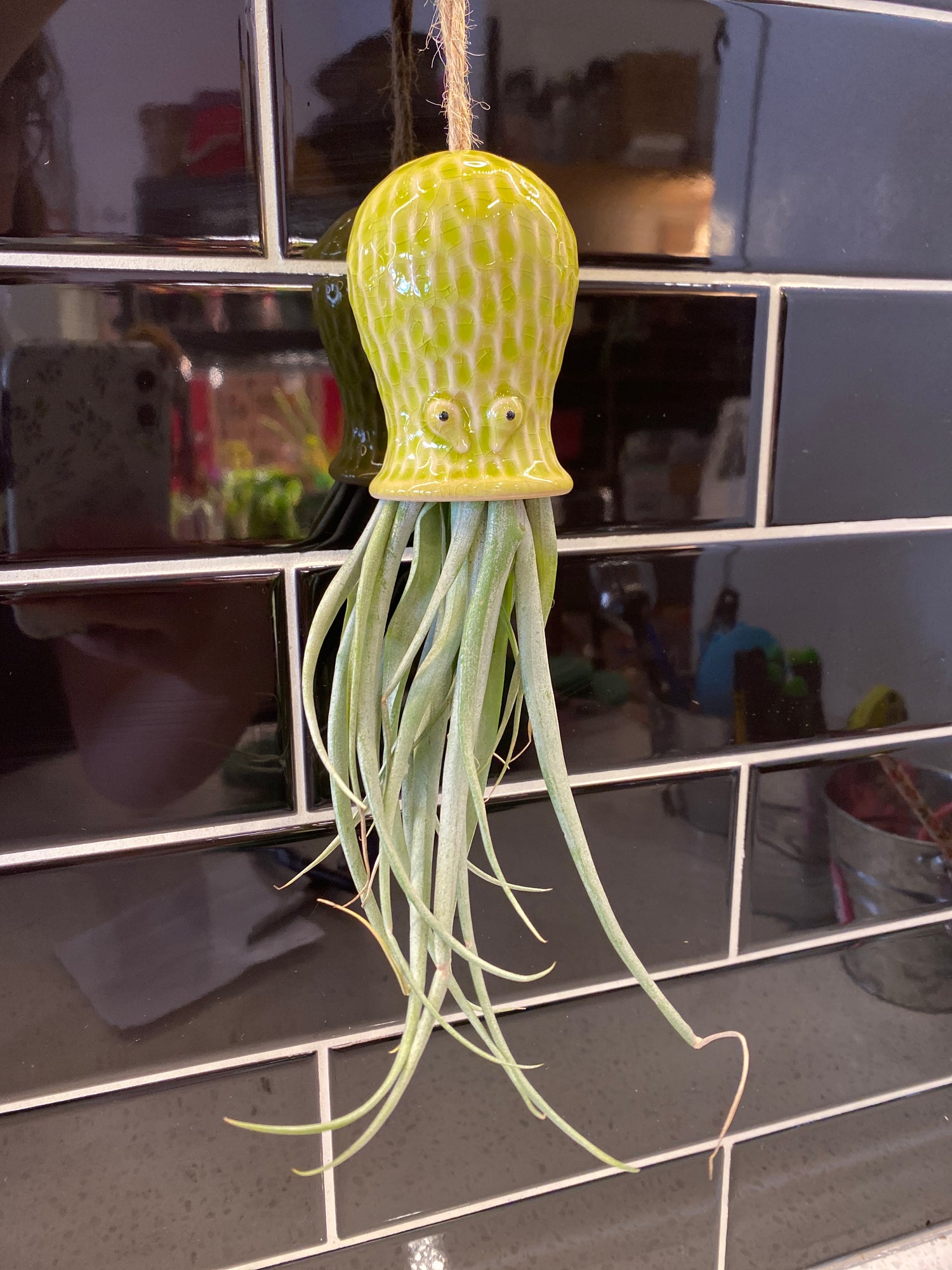
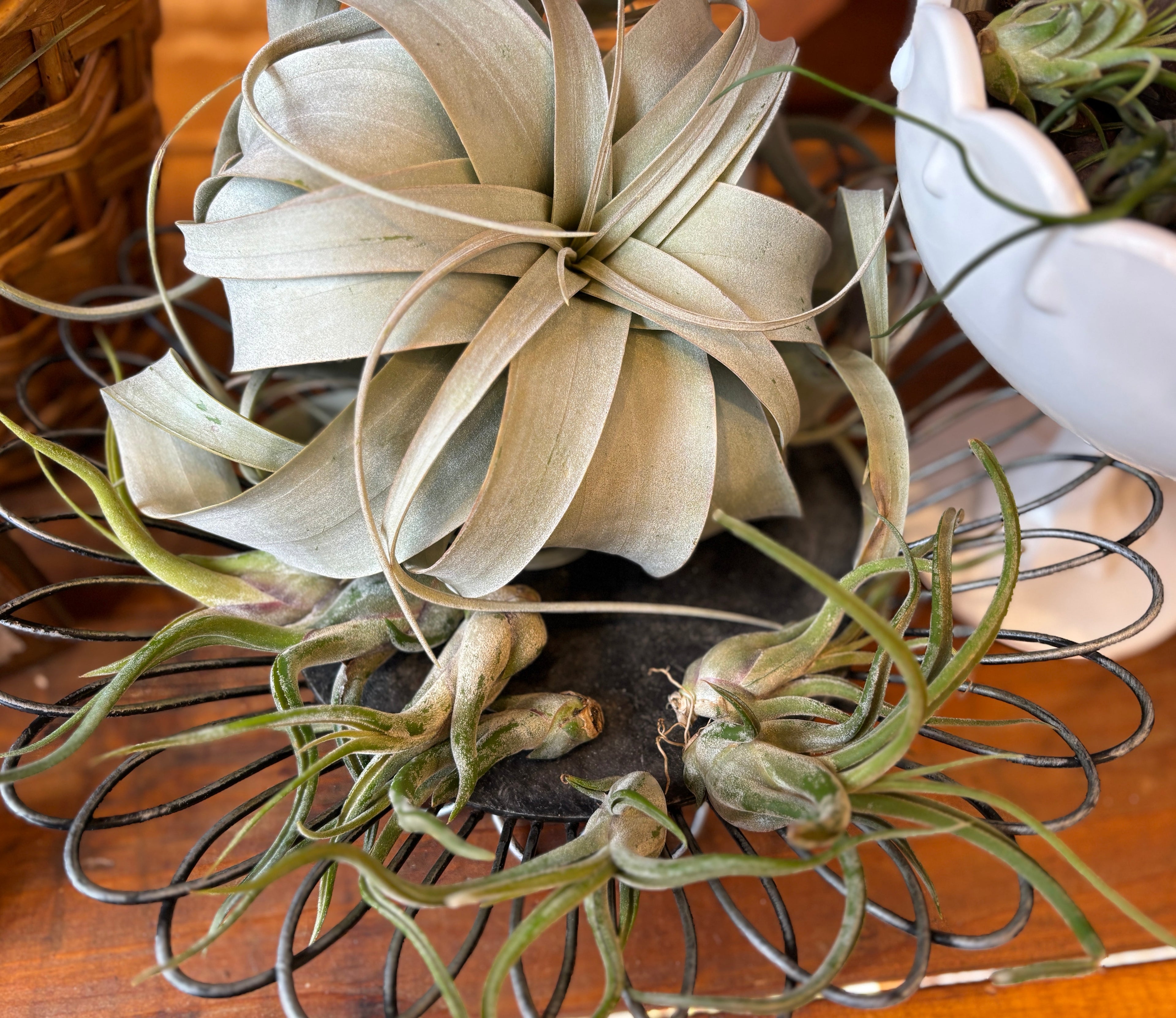
The lowest of care plants! A variety of shapes and sizes add dramatic flair to any living space.
Light: Bright, indirect light.
Watering: Soak in water once a week and let completely dry.
Care: Easy
Pet Safe: Yes
If purchasing online, the air plant may vary. You will receive the size purchased but exact look can vary.


$4 each, or 3 for $10!
Choose from house plants, Golden Girls, boho nature, whimsical nature cards and party farm animals!
Blank inside.


Classic books meet plants or flowers with these adorable planters / vases!
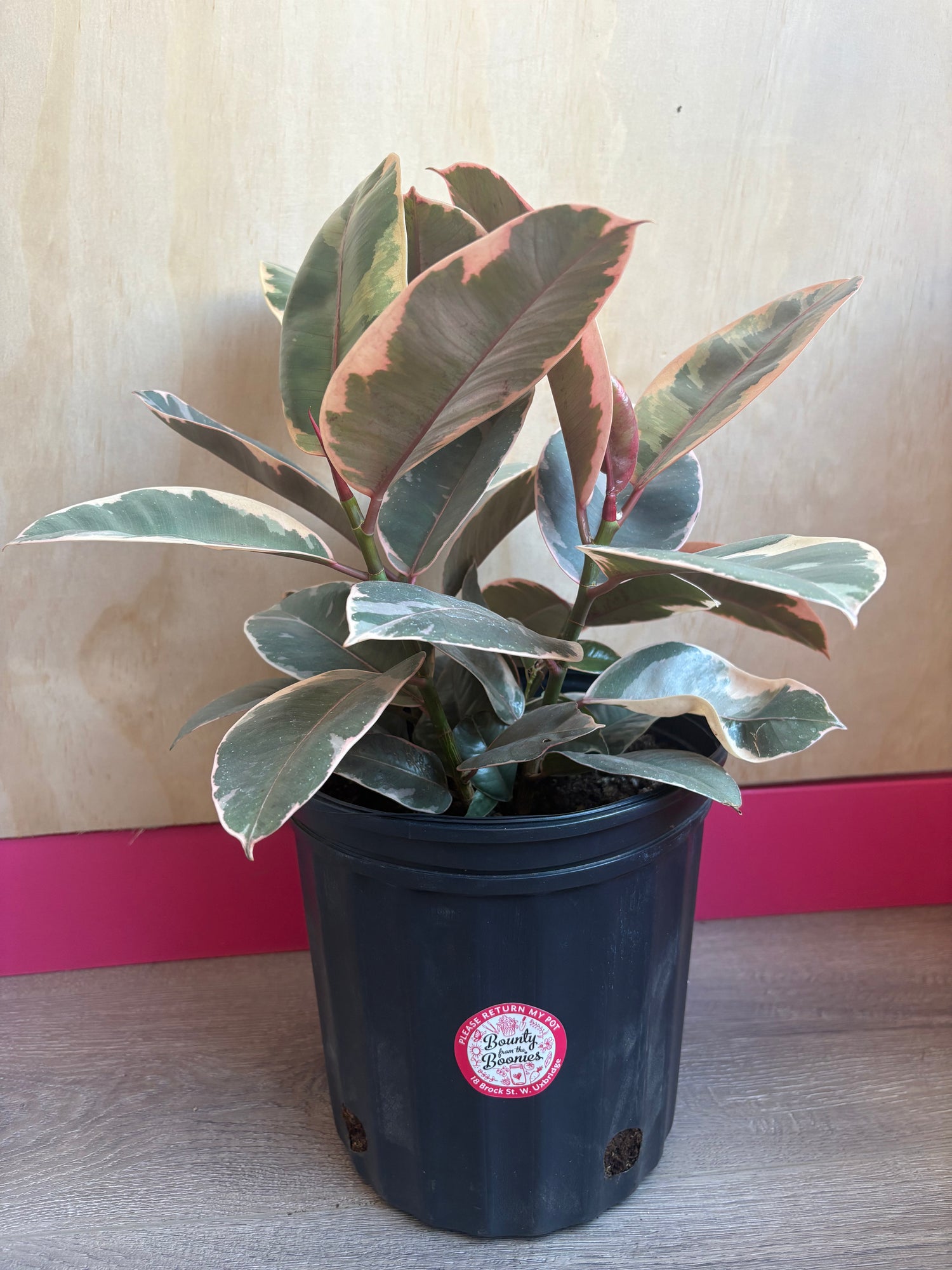
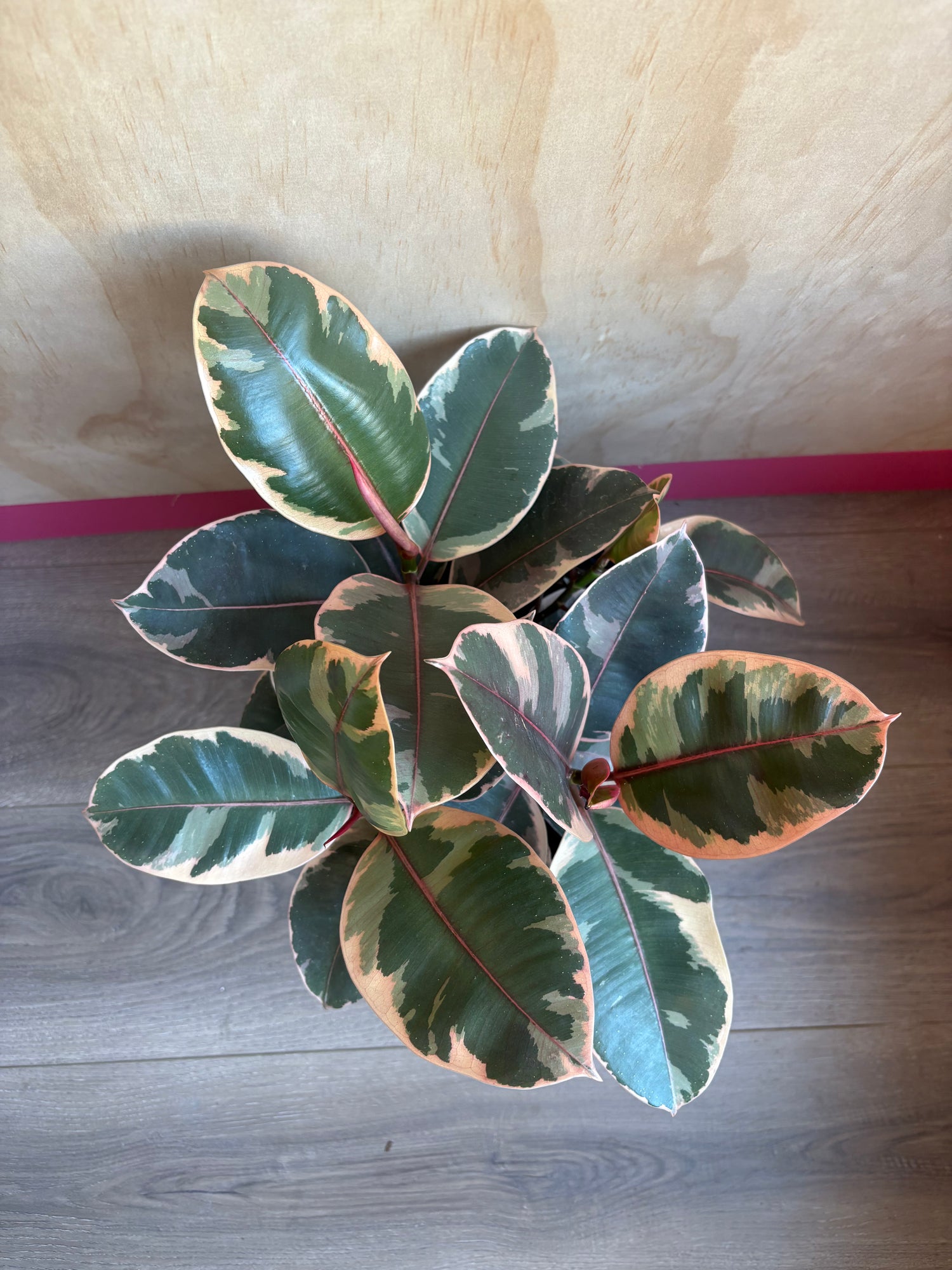
Native to parts in Southeast Asia, known for symbolizing abundance, happiness and wealth. This plant is a great addition to your plant collection with its beautifully pink tinted leaves.
Scientific Name: Ficus Ruby
Common Name: Rubber Fig, Rubber Tree, Rubber Plant
Light: Bright, Indirect light
Growth: Can grow 2-5 Feet
Watering: When the top two inches are dry
Pet Safe: No
Care: Easy


$4 each or 3 for $10 (save $2!)
Like all milkweeds, Swamp Milkweed, is a food source for the Monarch butterfly larvae. Unlike Common Milkweed, Swamp Milkweed is well behaved in the garden as it does not sucker. This is an extremely beautiful plant and is a must have in a native plant garden!
Type: Perennial, native to Ontario
Height: 3-4 feet
Light: Full sun
Soil: Rich to medium rich soils, however it may survive a season or two in poorer, dryer soils.
Water: As the name suggests, Swamp Milkweed is happiest where it gets consistent moisture. However, it can be used in rain gardens and dryer areas although it may not be as long lived.
Bloom time: July to August. NOTE: This plant is very late to reappear in the spring! Sometimes it doesn't poke through the soil until the end of May- so be patient!
Planting: Cold, moist stratification required - see options in photos, courtesy of Northern Wildflowers. This website offers an excellent overview of this plant and how to grow it from seeds: Swamp Milkweed – A Beginners Guide – GrowIt BuildIT
Wild life support: Leaves are a food source for Monarch caterpillars, Tussock moth caterpillars, Milkweed beetle. A variety of bees and wasps use the nectar and pollen.


$4 each or 3 for $10 (save $2!)
A lovely grass with delicate stems that sway in the breeze and soft white seed heads. Leaves turn bronze colour in the fall. It is clump forming and will not overtake the garden. Little Bluestem is a warm season grass so it will be slower to show in the spring.
Type: Perennial, native to Ontario
Height: 2-3'
Light: full sun to light shade
Soil: sandy to loam
Water: will tolerate very dry soils
Bloom time: fall
Planting: Seeds grow best when planted into containers in the spring. Press into the soil well to make contact with the soil. They will take some time to germinate and will only do so when it gets a bit warmer. Here is a good guide: A Beginner's Guide To Little Bluestem | GrowIt BuildIT
Wild life support: Seeds feed a variety of birds and are great for creating hiding and shelter spots for birds and other wildlife. They can be used in the vegetable garden to create a "beetle bank"- an area to protect ground beetles which are awesome predators of garden pests.


$4 each or 3 for $10 (save $2!)
An outstanding native plant! The yellow colour of the blooms is exquisite and you will enjoy watching native bees literally swimming in the abundant pollen! The dark seed heads are also attractive for the rest of the season, although they should be removed if you want to limit it's spread as it will self seed quite readily.
Type: Perennial, native to Ontario
Height: 3-4'
Light: Full sun to light shade
Soil: loamy to sandy, adaptable
Water: likes it on the moist side but will tolerate drier areas once established. It will grow shorter where it is dryer.
Bloom time: June-July
Planting: Cold, moist stratification required - see options in photos, courtesy of Northern Wildflowers. This website offers an excellent overview of this plant and how to grow it from seeds: Giant St. John’s Wort – Facts, Identification, Grow and Care – GrowIt BuildIT
Wild life support: This plant provides abundant pollen as a reward. It is mostly pollinated by bumblebees but is also loved by sweat bees and other small bees.

$4 each or 3 for $10 (save $2!)
A beautifully tall grass native to the original prairies of Southern Ontario. Lovely, bronze colour in the fall, lends graceful movement to the garden as it sways in the wind. Give them a few years to establish as they sink their roots down to incredible depths, making them great carbon sequesters. Big Blue Stem is also known as Turkey's foot due to the shape of it's seed heads. A warm season grass, it will be slow to return in the spring. Be patient!
Type: Perennial, native to Ontario
Height: 6-10'
Light: Full sun
Soil: sandy, loam
Water: moist to dry
Bloom time: fall
Planting: Seeds grow best when planted into containers in the spring. Press into the soil well to make contact with the soil. They will take some time to germinate and will only do so when it gets a bit warmer. Here is a good guide: Big Bluestem – A Big Grass With Big Benefits – GrowIt BuildIT
Wild life support: Seeds feed feed a variety of birds and are great for creating hiding and shelter spots for birds and other wildlife.


$4 each or 3 for $10 (save $2!)
A stunning plant that is visually distinctive in the garden. Later the pea like seed pods are very attractive. It is in the legume family so it will fix nitrogen in the soil.
Type: Perennial, native to Ontario
Height: 4-5'
Light: full sun
Soil: rich loam to sandy loam
Water: likes a moister soil but apparently can withstand drier conditions.
Bloom time: late summer, August
Planting: Cold, moist stratification required - see options in photos, courtesy of Northern Wildflowers. Seeds need to be scarified (rubbed between sandpaper to break the coat a bit_ then they need a period of cold, moist stratification.
Wild life support: Offers pollen later in the season for bees looking to supply their larvae with food. Loved by many different types of bees but mainly visited by bumble bees in my garden.


$4 each or 3 for $10 (save $2!)
Cup plant is a very tall plant! But if you have the room, it is worth growing for it's statuesque presence in the garden. It will require staking.
Type: Perennial, native to Ontario
Height: 8 to 12'
Light: full sun to light shade.
Soil: sand to clay
Water: Cup plant likes it moister but if you want to control it's growth, place it in a dryer area. It won't grow quite so big and will self seed less.
Bloom time: Late July to September
Planting: Seeds need a 60 day period of cold, moist stratification - see options in photos, courtesy of Northern Wildflowers. * This website offers an excellent overview of this plant and how to grow it from seeds: Cup Plant – Silphium perfoliatum – Grow and Care Guide – GrowIt BuildIT
Wild life support: The flowers are adored by bees and the seed heads are a favourite of chipmunks and gold finches in the late summer, early fall. Where the leaves meet the stem, a cup like structure is formed, hence the name. This collects water from which insects and birds will drink- how charming!
Warning: The only drawback to Cup Plant is that it self seeds quite aggressively and you should remove seedling quickly in the spring to control the spread.

$4 each or 3 for $10 (save $2!)
Mountain Mint is a beautiful, shrub like native plant with minty foliage and dainty white flowers that bloom for 3 months of the summer! It is brings in an abundance of pollinators
Type: Perennial, native to Ontario
Height: 2-3'
Light: full sun to light shade
Soil: sand, loam or clay
Water: Medium to wet. Short lived in drier areas
Bloom time: July to September
Planting: Seeds can be planted directly into the soil in the spring. Do not cover as these tiny seeds need light to germinate. You could also start these in trays.
Wild life support: Many native bees and wasps flock to this plant so it is actively buzzing the whole time it is in bloom! Many butterflies love the nectar of this plant as well.

Strawflowers are so pretty and unusual! They are a must have for the cutting garden and make an excellent dried flower. The flowers in this mix range from yellow, bronze and crimson to pinky rose colour. Petals are papery and dry, like straw.
Type: Annual flower
Height: 2'
Light: full sun
Soil: any good garden soil
Water: keep evenly watered throughout the summer
Bloom time: July onwards. Cutting the blooms will encourage continuous growth.
Planting: Sow seeds indoors 3-4 weeks before the last frost. Press seeds into the soil but do not cover the seeds as light aids germination. Transplant to the garden once the danger of frost has passed and the seedlings are big enough to handle. Alternatively, they can be directly sown into the garden once the soil is warm.


$4 each or 3 for $10 (save $2!)
A very old variety, this is a great flower for the historical garden. Flowers are such a rich deep purple/ red that they appear black and have lovely yellow centres. May need staking.
Type: Biennial
Height: 6'+
Light: Full sun
Soil: good garden soil
Water: keep evenly watered
Bloom time: mid to late summer
Planting: Start inside 6-8 weeks before planting out. Do not cover seed, needs light to geminate. Transplant after last frost into full sun or light shade.
Growing tip: Pinch out the growing tip after transplanting to make your plants stocky and strong. Cut back after first bloom to encourage reblooming. Do not move established plants. May be short lived, but hollyhocks self-seed dependably.

$4 each or 3 for $10 (save $2!)
A bright and happy flower, these nasturtiums look like sunshine in the garden! The foliage is spicy and can be used in salads, as can the flowers, for a very pretty presentation!
Type: Annual flower
Height: 12-18"
Light: Full sun to part sun
Soil: not too rich or you will only get leaves
Water: fairly drought tolerant once established
Bloom time: all summer
Planting: you can start the seeds indoors a few weeks before the last frost or direct sow them into the garden after frost danger has passed.